What could cause the biggest-ever failure in the private equity world, gouging storied investors like Warren Buffett, KKR, and Goldman Sachs? Fracking.
What could cause the biggest-ever failure in the private equity world, gouging storied investors like Warren Buffett, KKR, and Goldman Sachs $GS? Fracking.
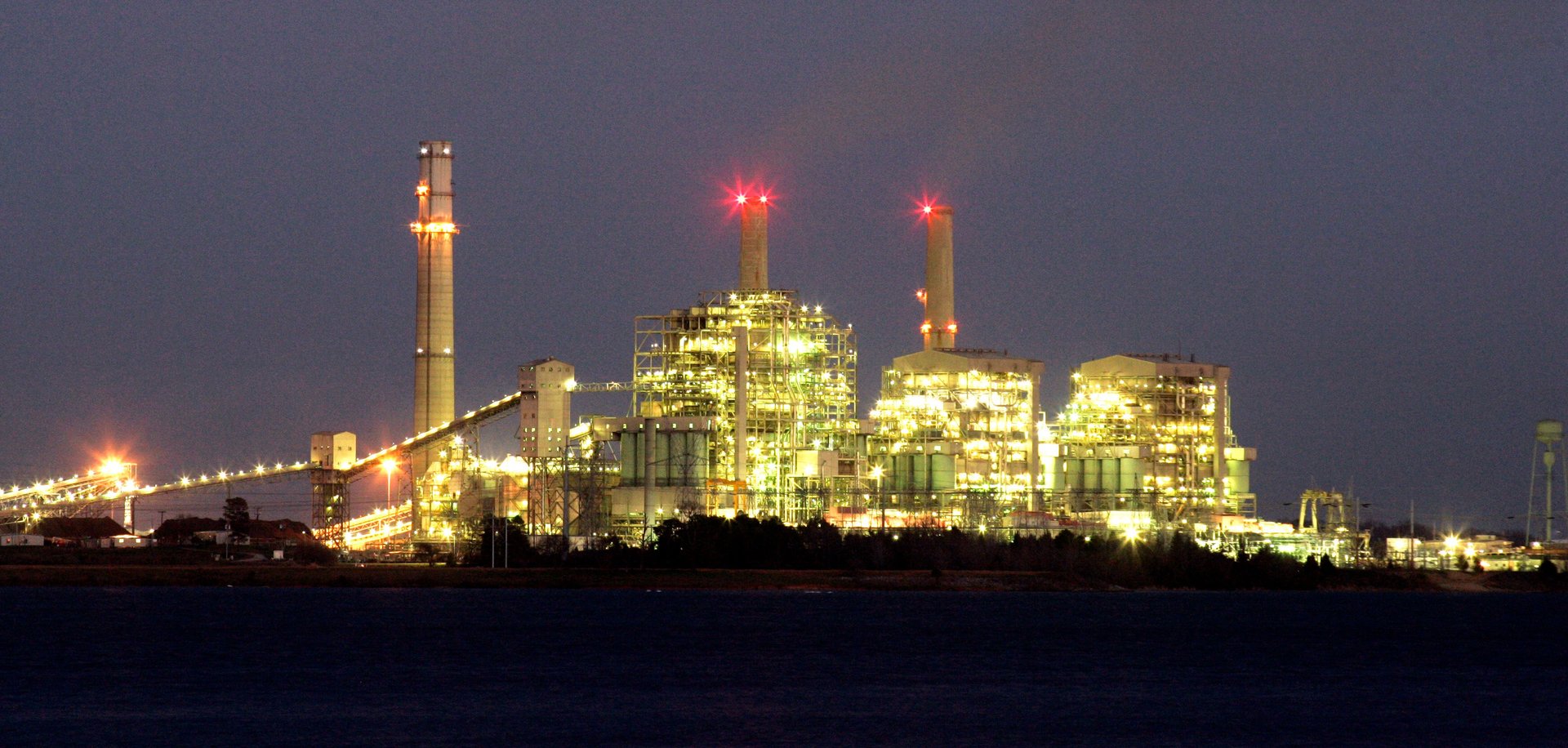
If Energy Future Holdings (EFH), the Dallas-based holding company for Texas’s biggest electricity utilities, descends into bankruptcy as many expect, it would rank among the 10 biggest non-financial bankruptcies in history. The company’s potential collapse partly reflects private equity firms’ penchant for big debt-funded deals. It’s also a case of the world’s smartest investors failing to anticipate the vast implications of the US shale boom.
Join 500,000+ readers who start their day with Quartz.
By subscribing, you agree to our Terms of Service and Privacy Policy.
Here’s how it all started: In 2007, a consortium led by KKR and TPG Capital paid $48 billion to take private Texas’s biggest electricity utility, then known as TXU. The investment was based on the widely held belief that rising energy demand would outpace growth in supply and push up electricity prices. Even still, the price, which made it the biggest leveraged buyout ever, seemed steep.
Shortly after the deal was struck, the US shale gas revolution began. Since then, the hugely controversial drilling technique known as hydraulic fracturing, or fracking, helped unlock massive energy reserves like the Marcellus Shale in the Appalachian Mountains of the eastern part of the US, which in turn depressed natural gas, and in turn wholesale electricity prices.
Saddled with some $40 billion in debts by its private equity owners, EFH needed electricity prices (and by extension, natural gas prices) to be high to make ends meet. It has been estimated by analysts that natural gas prices need to be at $6.15 per million british thermal units for the company to break even. Prices, currently around $3.75, haven’t even risen above $5 for more than two years.
The shale gas-induced slump in natural gas prices made it difficult for EHL to compete with less indebted rivals. And thanks to Texas’ deregulated electricity market, its customers could easily flee for other providers. Put this all together, and it’s not hard to see why the company has been in the red for four of the five years since the buyout.
With loans maturing at the end of the month, the company’s owners are locked in discussions with its lenders to try and come up with a solution. Bloomberg reports that the investors backing the deal may walk away with as little as 3 cents on the dollar on their original investment in a restructuring.
Back in 2007, a spokesman said the buyout had the potential to ”reshape the electricity sector in Texas and alter the attitudes of Texas congressmen toward climate-change legislation.” That never transpired. Mark it down as another failure of the private equity industry—and fracking’s most unlikely victim yet.
