This post has been corrected.
An unprecedented number of women ran for office in the 2018 US midterm elections yesterday. According to the tracking by Rutgers University’s Center for American Women and Politics (CAWP), 3,784 women were on the ballot, a number that could result in a rather dramatic increase in US women’s political representation.
In state elections, the numbers of female candidate has been far larger than the previous years. In Georgia, where at most 75 women had run in an election (2016), 121 ran this year. In Kentucky, the record went from 37 female candidates in 2016 to 71 this year. In Missouri, the number of female candidates rose from 2014’s record of 73 to 123, and in Pennsylvania from 77 to 118.
A handful of states, including Arkansas, Delaware, Vermont, West Virginia, were exceptions, fielding fewer female candidates than before.
Sixteen women ran in gubernatorial races in 17 states. This sets a record for most women running, and by a margin: Prior to this, the maximum had been 10. Nine women won this year, matching the record set in 2004 (and repeated in 2007.)
These states will now have female governors:
Alabama: Kay Ivey (R)
Iowa: Kim Reynolds (R)
Kansas: Laura Kelly (D)
Maine: Janet Mills (D)
Michigan: Gretchen Whitmer (D)
New Mexico: Michelle Lujan Grisham (D)
Oregon: Kate Brown (D)
Rhode Island: Gina Raimondo (D)
South Dakota: Kristi Noem (R)
Of the 23 women running for Senate seats, 13 won (and some results are still coming in).
For seats in the House of Representatives, there were 237 female candidates—a massive increase over the previous largest number (167 in 2016). At time of writing, 94 congressional races had been called for women, bringing the total number of female representatives from 84 to 94.
In total, at least 117 women will serve House and Senate, which slightly raises the overall female representation in Congress from 20% to 22%.
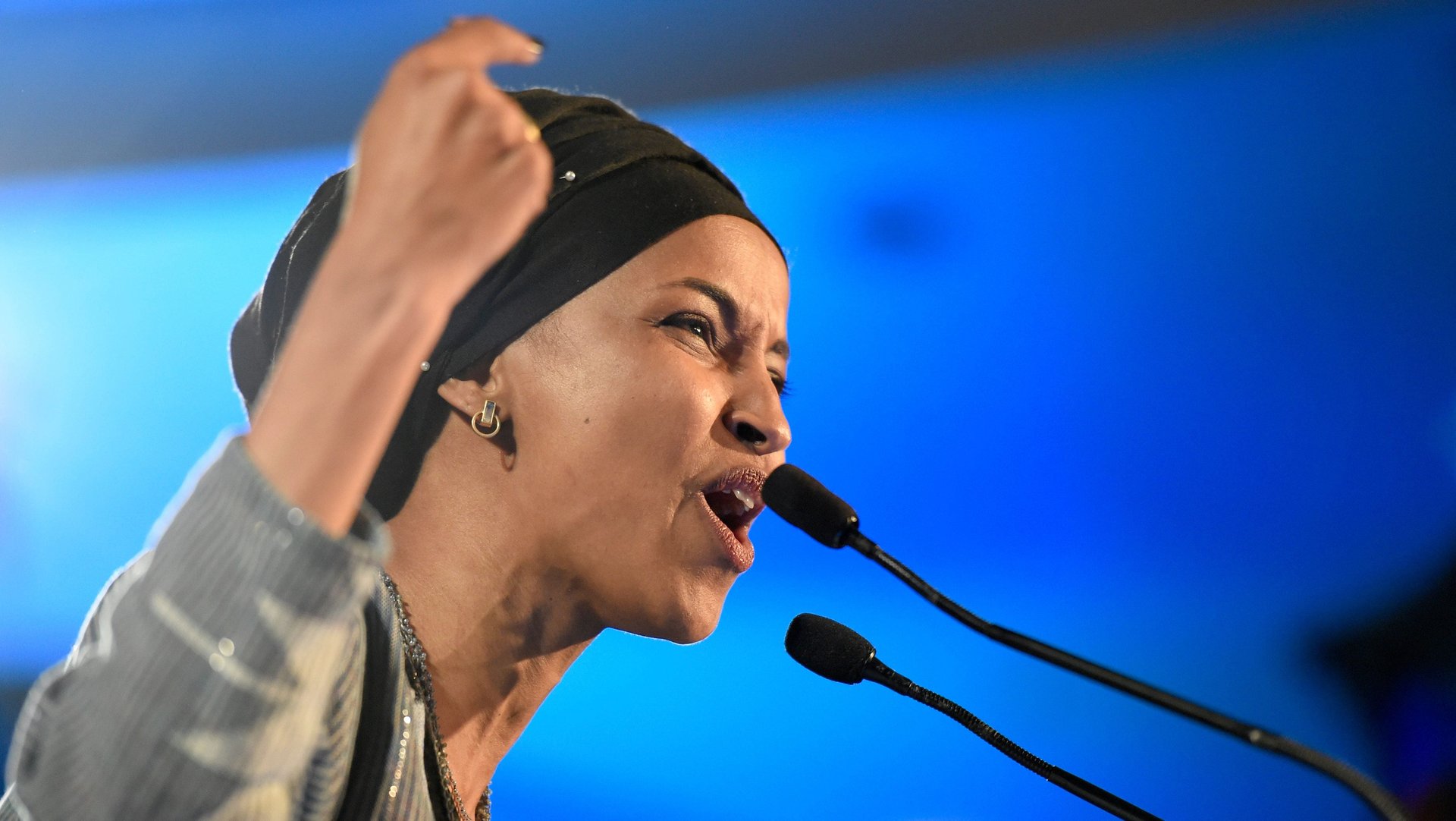
And it’s not just about volume. Several other elected women also set other records:
Elected female representatives are overwhelmingly Democrats: Together, they account for 18% of the Congress, while Republican woman only account for 4%. The majority of female voters voted Democrat, and so did 80% of the Americans who said that electing women to office is “very important,” according to CNN’s exit polls.
Correction: This post mistakenly stated that Young Kim had won the election in California. As of Nov. 17, the race is still too close to call.
