These 15 things get at what makes Japan so different from anywhere else most travelers have been
Kevin Xie / Unsplash
Most countries that attract large numbers of tourists do so on the strength of one or two things. France has food and art. New Zealand has landscape. Egypt has ancient history. Japan has all of those categories covered and then offers something harder to name — a quality of daily life, a texture to ordinary experience, that travelers consistently describe as unlike anything they have encountered elsewhere. The food is extraordinary. The trains run on time. The cities are clean. But reducing Japan to those observations is like describing a novel by its page count. It misses what the thing actually is.
Japan received a record 42.7 million foreign visitors in 2025 — and a significant proportion of them were return visitors. That repeat travel pattern is unusual. Most destinations lose their novelty after a first visit. Japan seems to compound interest: travelers who go once tend to find that they understood less than they thought they did and want to go back to look more carefully. The country rewards attention in a way that few places do.
Part of what produces that reward is a specific relationship between surface and depth. Japan's surface — the convenience stores open at every hour, the perfectly presented food, the impeccable service — is so well-organized that it can initially read as polished but thin. Spend more time and the depth appears. The convenience store has 200 products designed with a precision that implies someone spent months on each one. The food presentation is not decorative but communicative — the arrangement tells you something about the season, the region, the cook's intention. The service is not performance. It is a genuine expression of a value system with a history.
This list covers 15 aspects of Japan that contribute to that experience of being somewhere genuinely different — not different in a superficial, look-at-the-quirky-vending-machines way, but different in ways that reflect a distinct culture, a distinct relationship with craft and time and other people, and a distinct way of organizing daily life that travelers from almost any other country find both disorienting and deeply attractive.
David Dibert / Pexels
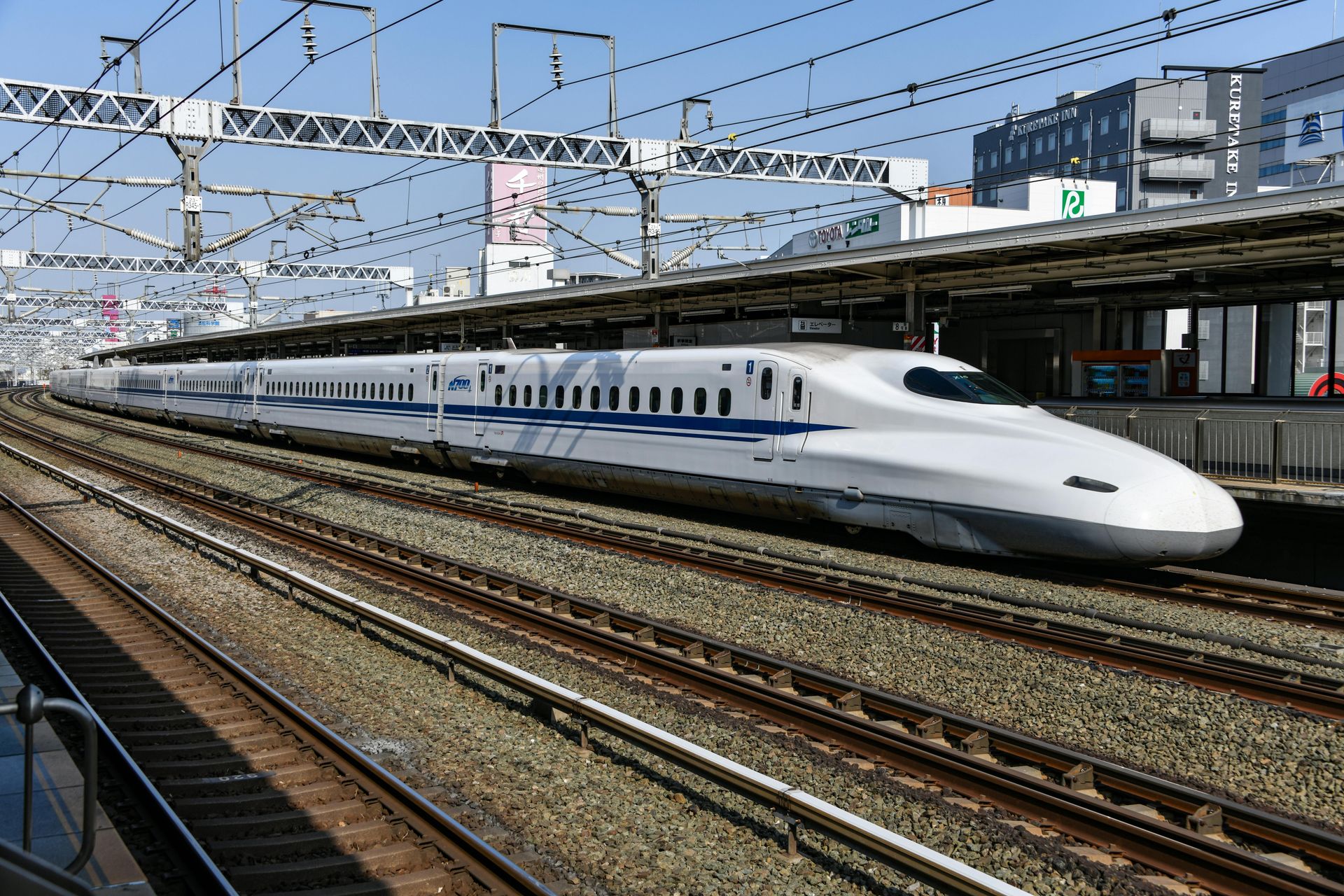
Japan's rail network is the most reliable, most comprehensive, and most thoughtfully designed passenger rail system in the world, and it is not a close contest. The shinkansen — bullet train — connects Tokyo to Osaka in two hours and 15 minutes, covering 515 kilometers, and arrives within an average of less than one minute of its scheduled time. The average delay across all shinkansen services in a given year is measured in seconds. When a shinkansen is late by five minutes, the operator issues a formal written apology.
But the shinkansen is only the most visible part of a system that extends from intercity express lines to regional trains to subway networks to local buses, all integrated with a single IC card — the Suica or Pasmo — that you tap on and off across every mode of transport in every major city. Transferring from a bullet train to a Tokyo subway to a local bus to a ferry involves no tickets, no queuing, no confusion. You tap in, tap out, and your account is debited automatically.
The stations themselves are worth examining. Tokyo Station contains 30 platforms, serves around 400,000 passengers per day, and houses restaurants, hotels, shopping galleries, and a ramen street in its basement. Navigating it for the first time is genuinely complex, but the signage — in Japanese, English, Korean, and Chinese — is designed with a clarity that makes most Western transport hubs look like afterthoughts. Cleaning crews move through carriages between services with a choreographed efficiency that has been studied by transit systems around the world.
What the train system makes possible, practically, is a visit to Japan with no car, no taxis beyond the occasional last-mile journey, and no particular logistical stress. A traveler can plan a two-week itinerary across five cities — Tokyo, Kyoto, Osaka, Hiroshima, Kanazawa — and execute it almost entirely by rail, arriving at each destination refreshed rather than exhausted from transit. That quality — transportation as a genuinely pleasant part of the experience rather than a necessary ordeal — is something Japan does and almost nowhere else does at anything like the same level.
Thomas Marban / Unsplash
Japan has more Michelin-starred restaurants than any other country in the world. Tokyo alone has more three-star restaurants than Paris. Those facts are cited often, but they are misleading as a description of what makes Japanese food culture distinctive, because the stars are the least interesting part of it. What is distinctive is the seriousness applied to every level of the food system — from the three-star kaiseki restaurant to the ramen shop that has been operating the same recipe since 1952 to the convenience store onigiri that is better than sandwiches served in most airport restaurants in the world.
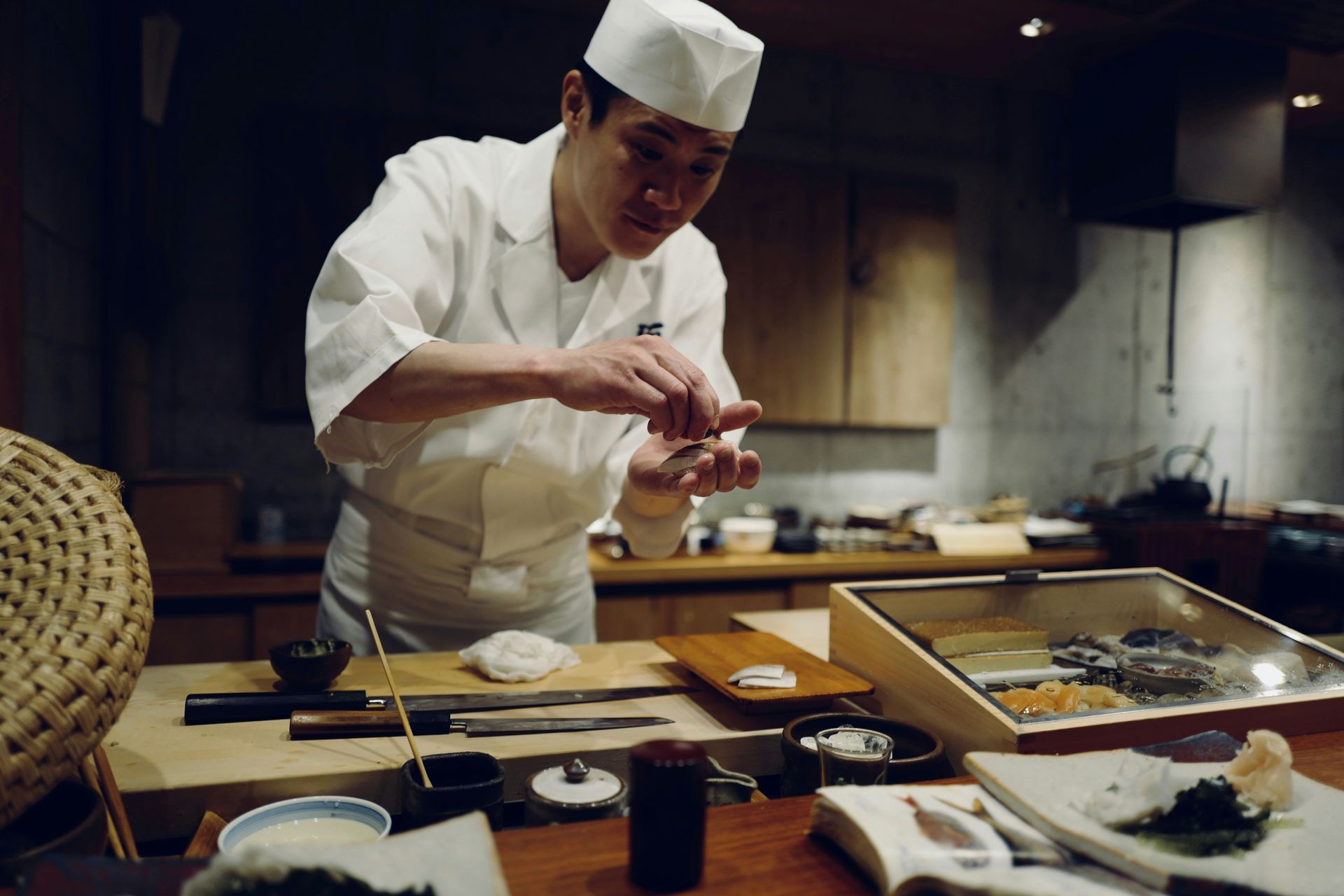
The concept of shokunin — the craftsperson who devotes a lifetime to a single discipline — is central to understanding Japanese food. A sushi shokunin may spend ten years learning to prepare rice before being permitted to touch fish. A soba maker studies the behavior of buckwheat flour across seasons and humidity levels as a primary professional concern. A tempura cook at a high-end restaurant controls the temperature of the oil by touch and watches the behavior of the batter to determine when each piece is done. This level of commitment to a single craft, pursued over decades, produces food that is technically in a different category from almost anything produced by a generalist cook.
The seasonality of Japanese food is another dimension that takes time to appreciate. The concept of shun — the peak season for a given ingredient — organizes menus, markets, and eating habits throughout the year. Spring means bamboo shoots and cherry blossom-flavored sweets. Summer means cold noodles and unagi. Autumn means matsutake mushrooms and new rice. The alignment between the season, the landscape, and what appears on a plate produces a coherence that makes eating in Japan feel like participating in something larger than a meal.
Eating well in Japan at any budget is straightforward. A bowl of ramen from a standing bar costs around 900 yen. A set lunch at a restaurant that would charge three times as much at dinner costs 1,500 yen. The Japanese practice of offering high-quality food at accessible prices at lunch — a tradition with no real equivalent in Western restaurant culture — means that eating exceptionally well in Japan is not primarily a question of money.
Nichika Sakurai / Unsplash
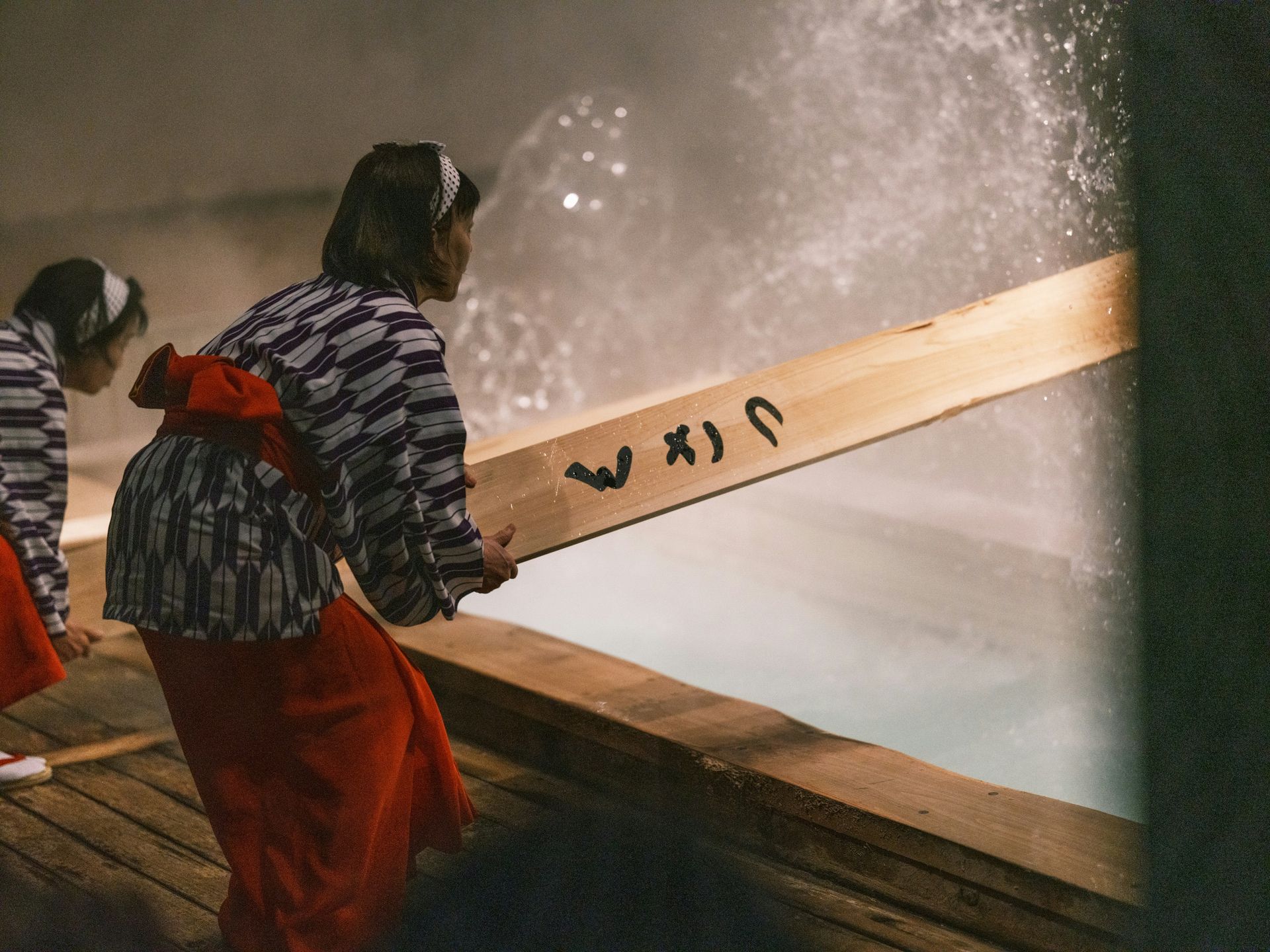
An onsen is a hot spring bath fed by geothermally heated water, and the culture of bathing in them — communal, naked, deeply ritualized — is one of the most distinctive features of Japanese life. Japan has more than 27,000 onsen facilities across the country, from elaborate resort hotels in mountain valleys to simple public bathhouses in ordinary towns. The water at each source has a different mineral composition, and aficionados distinguish between the properties of sodium chloride springs (good for the skin), sulfur springs (good for circulation), iron springs, and many others. Bathing in an onsen is not primarily a tourist activity. It is what Japanese people do when they want to rest.
The etiquette surrounding onsen is specific and non-negotiable. You wash and rinse thoroughly at the washing stations before entering the bath. You enter without a towel — the small towel you are given is for the washing station or can be folded on your head in the bath, but it does not go in the water. You are quiet. You do not splash. You do not swim. You sit in the hot water and let it do what it does, which is, over 20 to 30 minutes, produce a state of physical relaxation that is different in kind from anything a shower or a gym achieves.
The experience of bathing in an outdoor rotenburo — an open-air onsen — in winter, with cold air on your face and hot mineral water around your body, surrounded by snow-covered pine trees or looking out over a mountain valley, is one of the travel experiences most consistently cited by visitors to Japan as something they had not anticipated and cannot easily forget.
Many onsen will not admit visitors with tattoos — a policy connected to historical associations between tattoos and organized crime that is slowly relaxing in some establishments, particularly those catering to international visitors. Travelers $TRV with visible tattoos should check the policy of individual facilities before visiting.
Susann Schuster / Unsplash
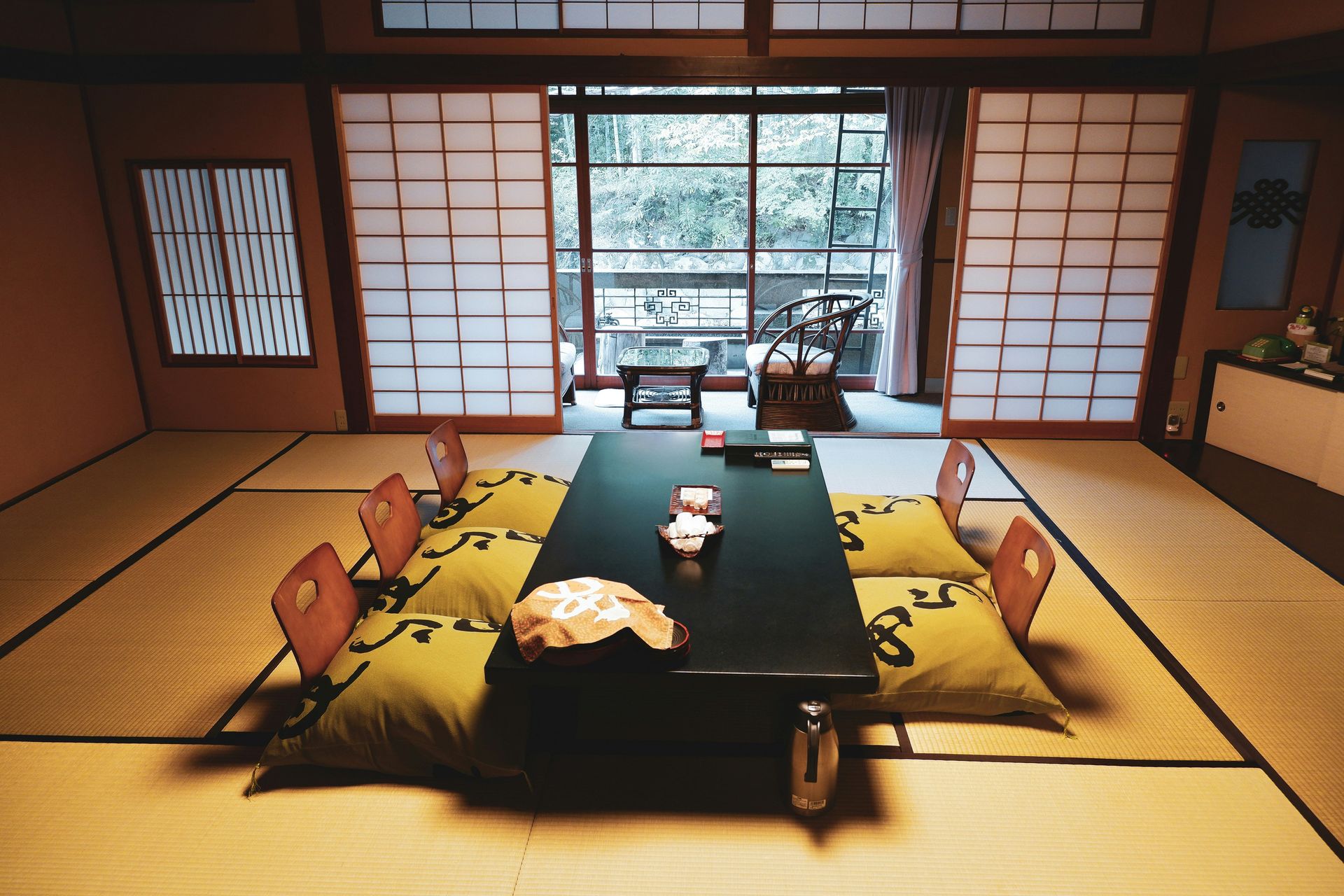
Omotenashi is the Japanese approach to hospitality — a word that translates roughly as "wholeheartedly looking after guests" but whose full meaning is not captured by translation. It is the practice of anticipating what a guest needs before they express it, of attending to every detail of an experience without making the attention visible, of treating service not as a transaction but as an expression of care. It is what distinguishes a stay in a Japanese ryokan — a traditional inn — from hotel stays almost anywhere else in the world.
In practical terms, omotenashi means that when you return to your ryokan room after dinner, the futon has been laid out, the yukata (cotton robe) arranged, and a small sweet placed beside the bed. It means that the staff at a restaurant will provide a high chair before you ask, because they noticed you were carrying a baby. It means that when you look lost on a street in Tokyo, a stranger will walk you to your destination rather than simply pointing.
Omotenashi is not servility. It is not performed for a tip — tipping is not practiced in Japan and attempting it can cause genuine embarrassment. It is not contingent on the guest's social status. It is a value system in which the quality of attention given to another person is understood as a reflection of one's own character and a form of respect. Travelers $TRV who come from service cultures organized primarily around the transaction find this disorienting in a particular way: they keep waiting for the catch, and there isn't one.
The ryokan is the environment in which omotenashi is most fully expressed. A multi-course kaiseki dinner prepared by the inn's kitchen and served in your room by staff who explain each dish, an onsen fed by a natural hot spring, a breakfast of grilled fish and pickles and miso soup assembled with the same care as the dinner — a night in a good ryokan is the most complete single experience of Japanese hospitality culture available to a visitor.
PJH / Unsplash
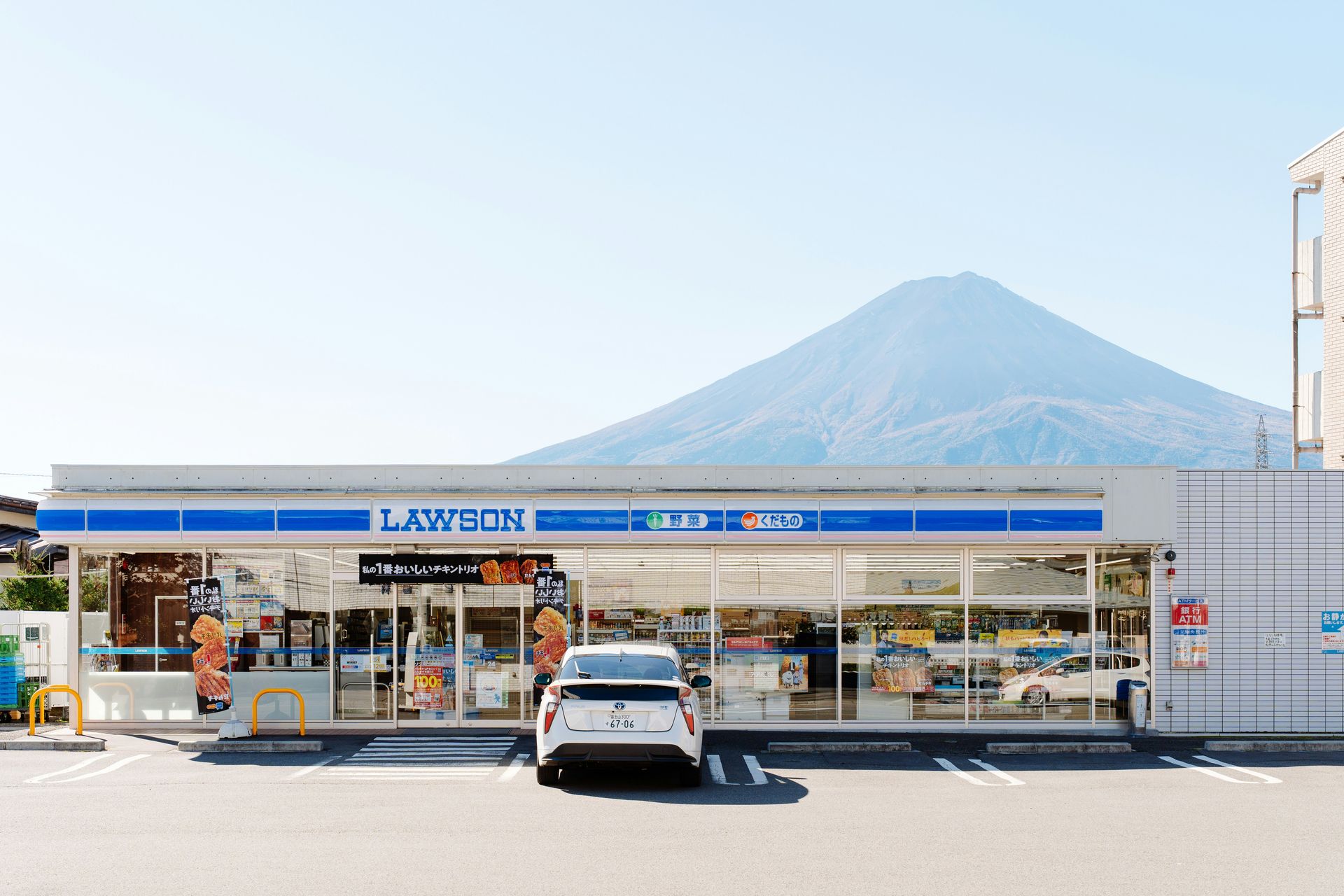
The Japanese convenience store — konbini — deserves its reputation as one of the great institutions of daily life in Japan, and the case for it is not difficult to make. The three main chains — 7-Eleven Japan, FamilyMart, and Lawson — together operate more than 55,000 stores across the country. They are open 24 hours, located within a five-minute walk of virtually any point in any Japanese city, and offer a range of goods and services that has no equivalent anywhere in the world.
The food is the most discussed element and the most justifiable point of pride. Onigiri — rice balls with various fillings, wrapped in a double-layered packaging that keeps the nori crisp until you open it — are made fresh throughout the day and are better than most sandwiches sold anywhere in the world. Hot foods kept under lamps — nikuman (steamed pork buns), fried chicken, corn dogs — are rotated regularly and eaten immediately by people of all ages and social backgrounds. Seasonal limited-edition items appear and disappear throughout the year. The egg salad sandwich, a simple thing, is inexplicably excellent.
Beyond food, the konbini handles a range of services that would require separate specialist providers in most countries. You can pay utility bills, buy concert tickets, collect parcels, send luggage ahead to your next destination, print documents, buy train tickets, apply for government services, and withdraw cash from an ATM that charges no foreign transaction fees and works with virtually every international card. During a visit to Japan, the konbini functions as office, pantry, pharmacy, post office, and social infrastructure simultaneously.
The quality of the konbini reflects something broader about Japanese consumer culture: the expectation that ordinary things should be done well. The packaging of a convenience store sandwich is designed. The seasonal displays are considered. The staff interaction — brief, efficient, courteous — follows a protocol that has been refined over decades. Nothing is accidental.
Riho Kitagawa / Unsplash
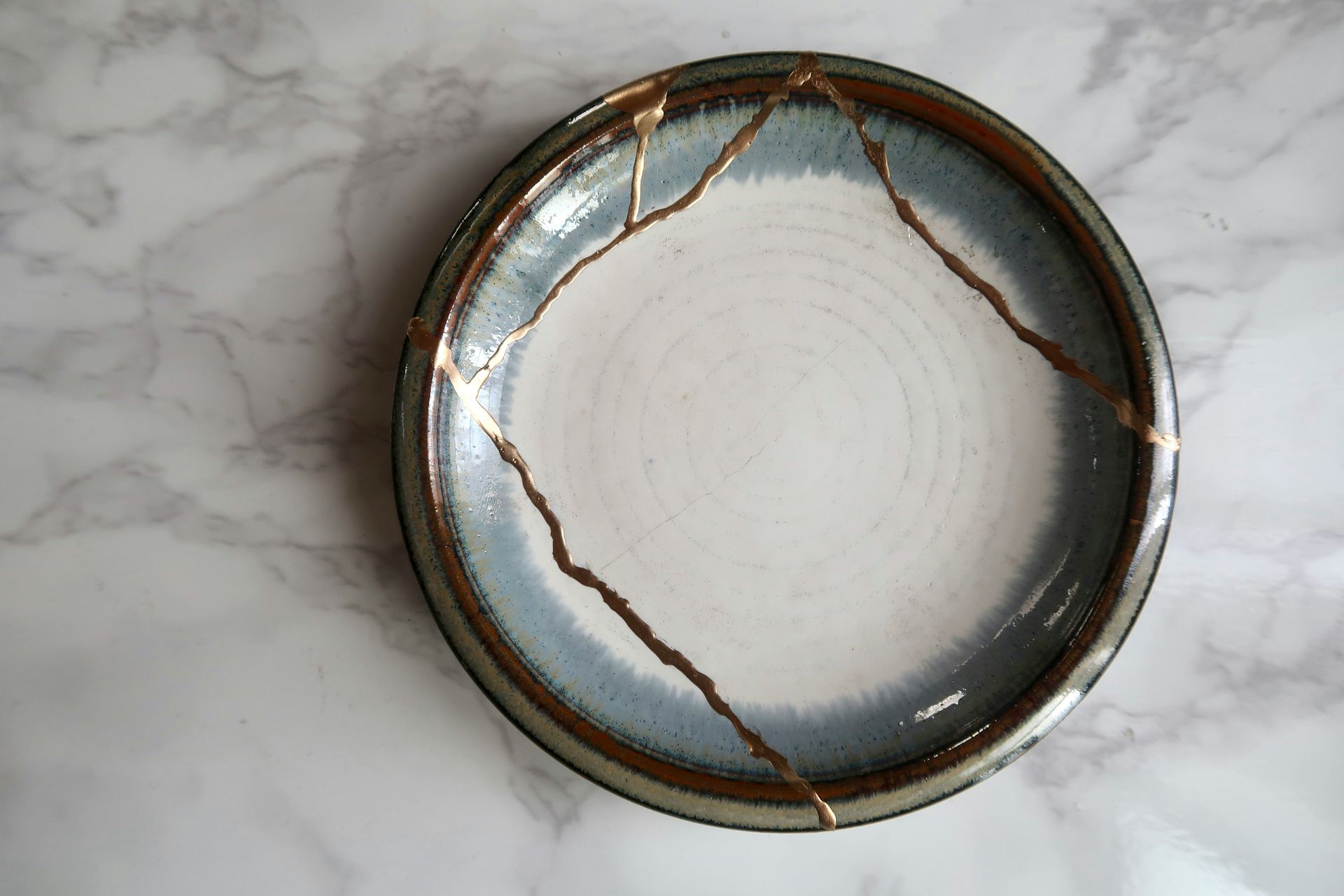
Wabi-sabi is a Japanese aesthetic concept with no direct Western equivalent — an appreciation for imperfection, impermanence, and incompleteness that runs through Japanese art, design, architecture, and daily life in ways that are at once pervasive and easy to miss until they are pointed out. It is the beauty of a cracked tea bowl repaired with gold lacquer. It is the deliberate irregularity in the glaze of a ceramic cup. It is the moss on a stone lantern in a garden. It is the pleasure of a thing that shows its history.
The Western aesthetic default tends toward the smooth, the symmetrical, and the new. Imperfection is a flaw to be corrected or concealed. In the wabi-sabi tradition, imperfection is not merely tolerated but actively sought — it is the quality that makes an object alive rather than mechanical, particular rather than generic, connected to time and process rather than abstracted from them.
Kintsugi — the practice of repairing broken ceramics with lacquer mixed with gold, silver, or platinum powder — is the most internationally recognized expression of this aesthetic. A bowl repaired with kintsugi is not disguising its damage. It is highlighting it, transforming the history of breakage into the most visually prominent feature of the object. The repair becomes the object's most interesting quality. The damage is not hidden; it is honored.
Travelers $TRV encounter wabi-sabi most directly in Japan's gardens, temples, and craft traditions. The raked gravel of a Zen garden in Kyoto, the weathered timber of a centuries-old shrine, the visible brushwork in a piece of calligraphy — these are not signs of neglect or imprecision. They are the deliberate result of an aesthetic system that finds in transience and irregularity a form of beauty that perfection cannot offer. Spending time in Japan with this concept in mind changes what you notice and what you find beautiful.
Pixabay / Pexels
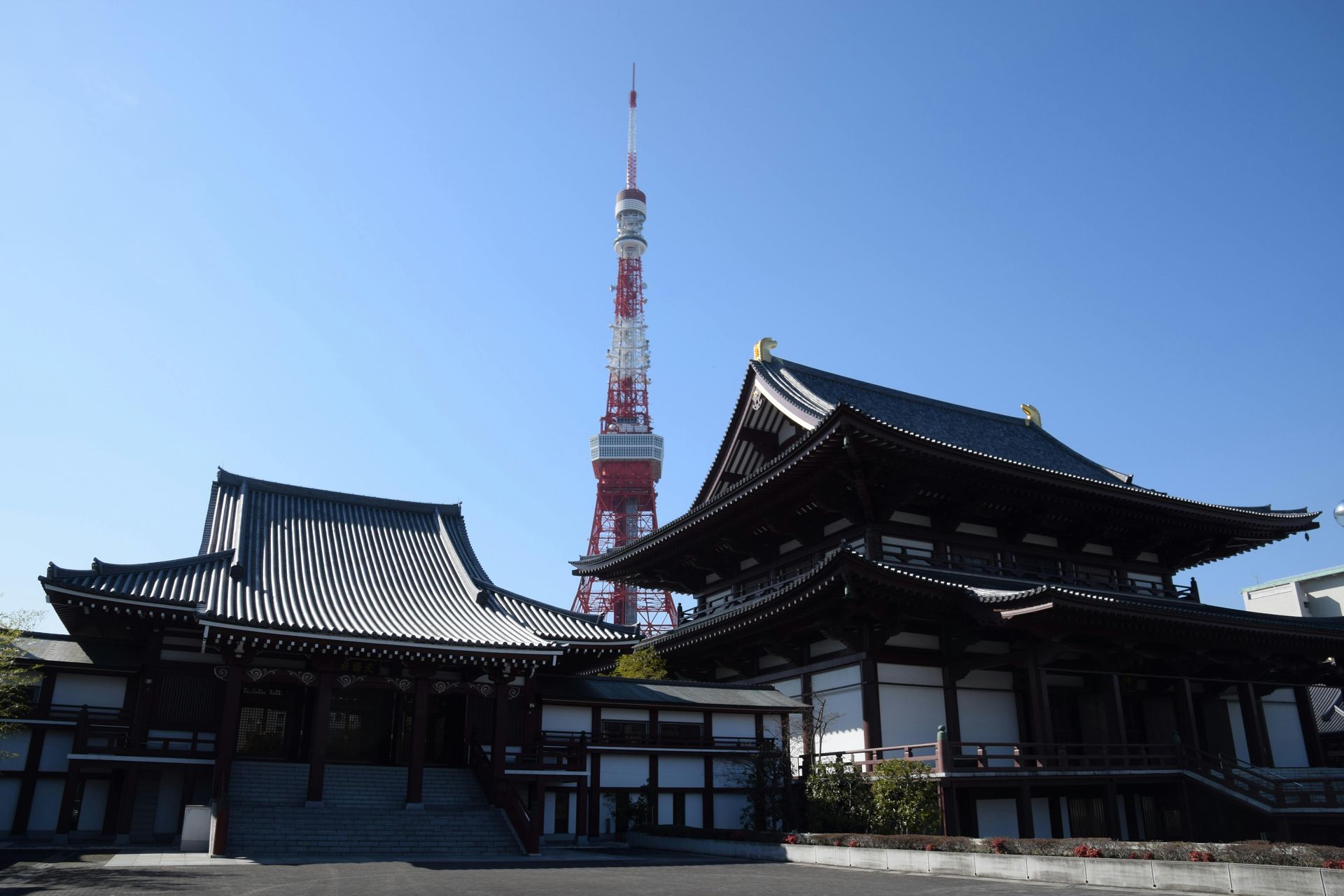
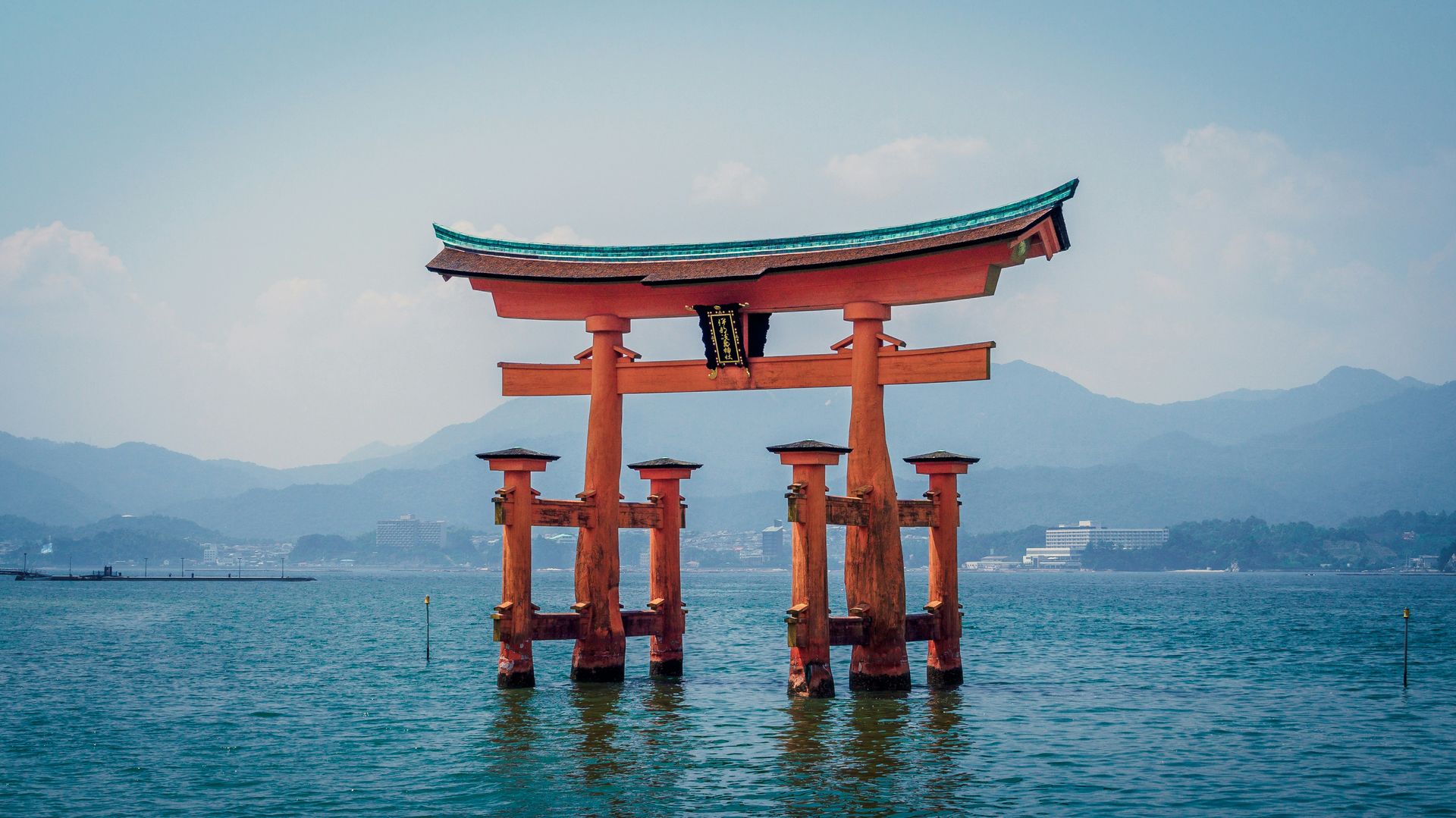
Tokyo is a city in which a 300-year-old shrine sits behind a glass skyscraper, a vending machine stands outside a Buddhist temple, and the world's most technologically advanced transit system delivers passengers to neighborhoods where craftspeople work by hand using techniques that have not changed in centuries. The coexistence of ancient and contemporary in Japan is not a curatorial decision or a tourist attraction. It is simply how the country is.
This coexistence is partly the result of Japan's particular history. The country was largely isolated from external influence for more than 200 years under the Tokugawa shogunate, then underwent one of the most rapid modernizations in history following the Meiji Restoration of 1868. The pace of that modernization — and the subsequent rebuilding after World War II — produced a physical landscape in which the contemporary infrastructure was layered over and around surviving traditional structures rather than replacing them entirely.
What this means for a visitor is a kind of sensory richness that most cities cannot offer. Walking through Kyoto, you move from a machiya townhouse converted into a coffee shop to an eighth-century temple complex to a covered shopping arcade selling everything from fresh tofu to electronics to lacquerware — within a few minutes on foot. The transitions are abrupt and completely normal. No one finds them strange except visitors, and visitors find them endlessly interesting.
The relationship between old and new is also expressed in how Japan treats its traditional crafts. Lacquerware, ceramics, textiles, woodworking, papermaking — these are not museum categories. They are living industries, supported by consumer demand, practiced by young craftspeople who chose these trades deliberately, and sold in shops that make no distinction between the historical and the contemporary. A young ceramicist in Kyoto may work in a tradition that is 400 years old and produce work that is entirely of the present moment. Both things are true simultaneously.
Yu Kato / Unsplash
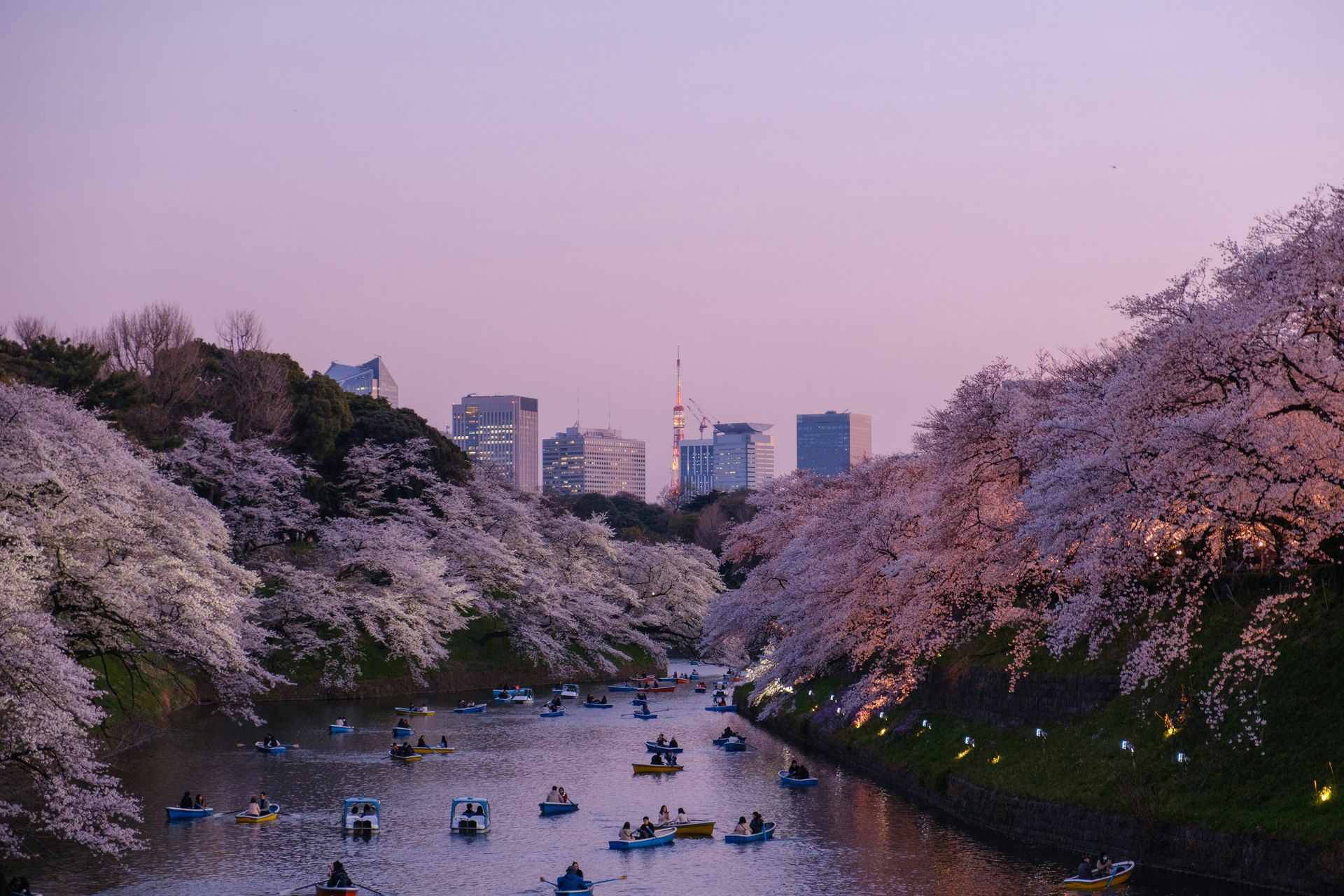
Japan experiences four pronounced seasons, and the cultural life of the country is organized around them to a degree that has no equivalent in most Western cultures. The timing of sakura — cherry blossom — is tracked by a government-issued forecast, followed by millions of people, and results in the practice of hanami: gathering under the blossoms with food, drink, and company to mark the moment. The blossoms last less than two weeks. Their brevity is understood as part of what makes them worth celebrating.
Each season has its own aesthetic register, its own foods, its own festival calendar, and its own particular quality of light and landscape that artists and writers have been documenting for centuries. Autumn's momiji — the turning of the maple leaves to red and orange — draws visitors to mountain temples in Kyoto and Nikko the way cherry blossoms draw crowds in spring. Winter in Hokkaido means the Sapporo Snow Festival and the particular blue light that falls on snowy landscapes in the north. Summer means Obon — the festival of ancestral spirits — fireworks festivals, and the heat of Kyoto in August, which is an experience of historic architecture, persimmon-colored lanterns, and profound physical discomfort that travelers tend to describe as unforgettable.
The seasonal sensibility is not nostalgia. It is a living relationship between the population and the natural calendar that produces a quality of collective attention to the present moment — what this season tastes like, looks like, and feels like — that is largely absent from cultures in which seasonal variation has been smoothed out by climate control and year-round food availability. In Japan, the first strawberries of spring are an event. The first new rice of autumn is worth noting. The change of season is something that happens to you and that you mark together.
Francesco Ungaro / Pexels
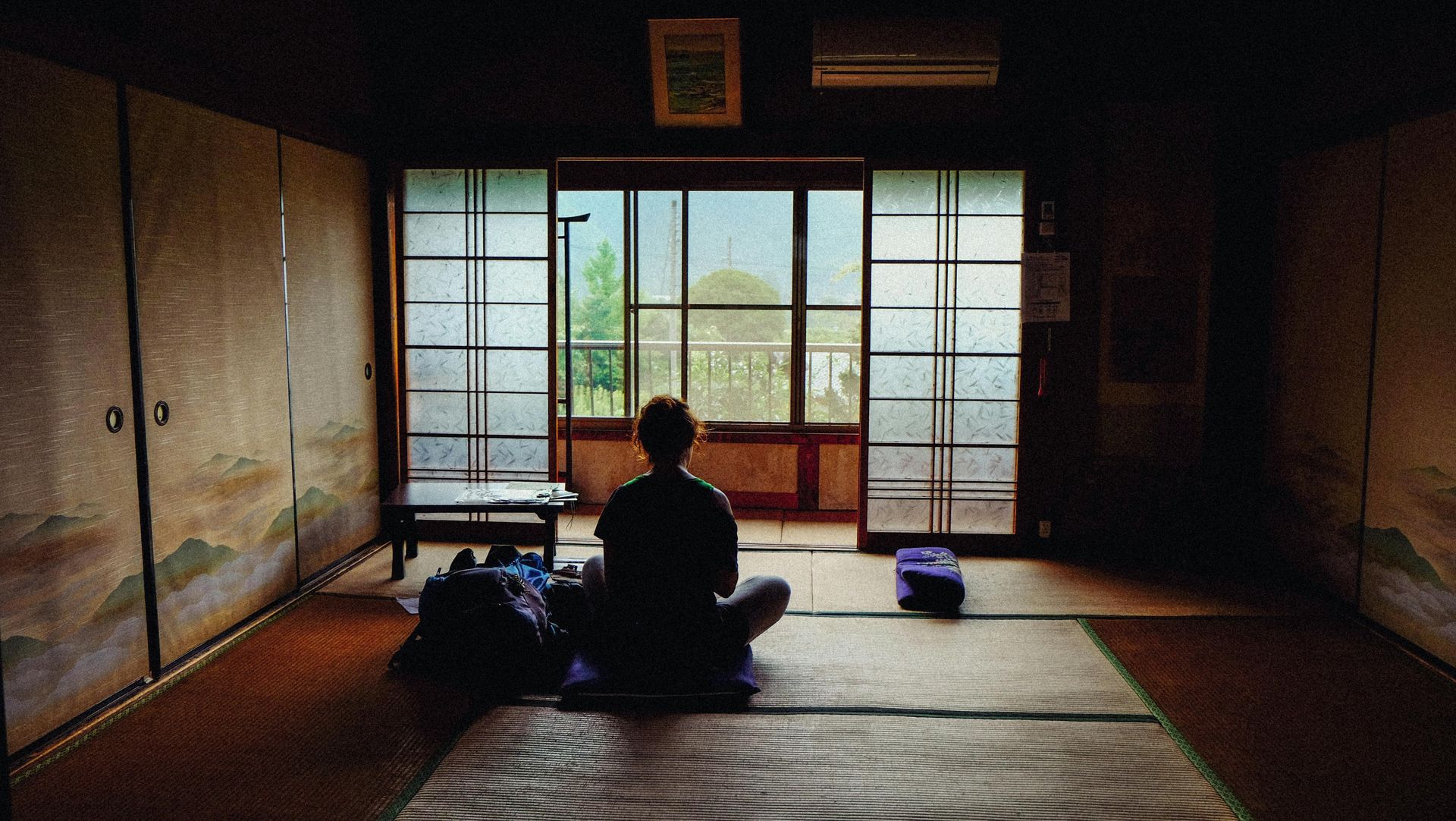
A ryokan is a traditional Japanese inn — a form of accommodation that has been refined over centuries into something that functions less like a hotel and more like an immersive experience of Japanese domestic culture at its most considered. The rooms are tatami-floored, furnished with low tables and floor cushions, and sleep on futon rather than beds. Meals are kaiseki — multi-course, seasonal, exquisitely presented — and are typically included in the room rate. The onsen, where the inn has access to natural hot spring water, is the communal focus of the evening.
The structure of a ryokan stay is itself part of the experience. You arrive, remove your shoes at the entrance, and are led to your room in yukata — cotton robes provided by the inn. Tea and a seasonal sweet are brought. The schedule of the evening — onsen before dinner, dinner at a specified time, onsen again before sleeping — is gently communicated. You move through the inn's rhythms rather than imposing your own, which turns out to produce a quality of rest that scheduled, self-directed travel rarely achieves.
The kaiseki dinner is worth particular attention. A traditional kaiseki meal at a good ryokan may run to ten or more courses, each one small, each one communicating something about the season and the region. The courses follow a progression — sakizuke (aperitif), hassun (seasonal platter), yakimono (grilled dish), takiawase (simmered vegetables), and so on — that has been developed over centuries. The visual presentation of each dish is as considered as its flavor. The lacquer boxes, the ceramic serving dishes, the garnish of a single chrysanthemum — these are not decoration but communication.
Ryokan range from the extremely expensive — some charge more than 100,000 yen per person per night — to the genuinely accessible, with good mid-range options in regional towns available for 15,000 to 25,000 yen per person including dinner and breakfast. A single night in a good ryokan, even a modest one, tends to be cited by first-time visitors to Japan as the experience they were least prepared for and most want to repeat.
Valent Lau / Pexels
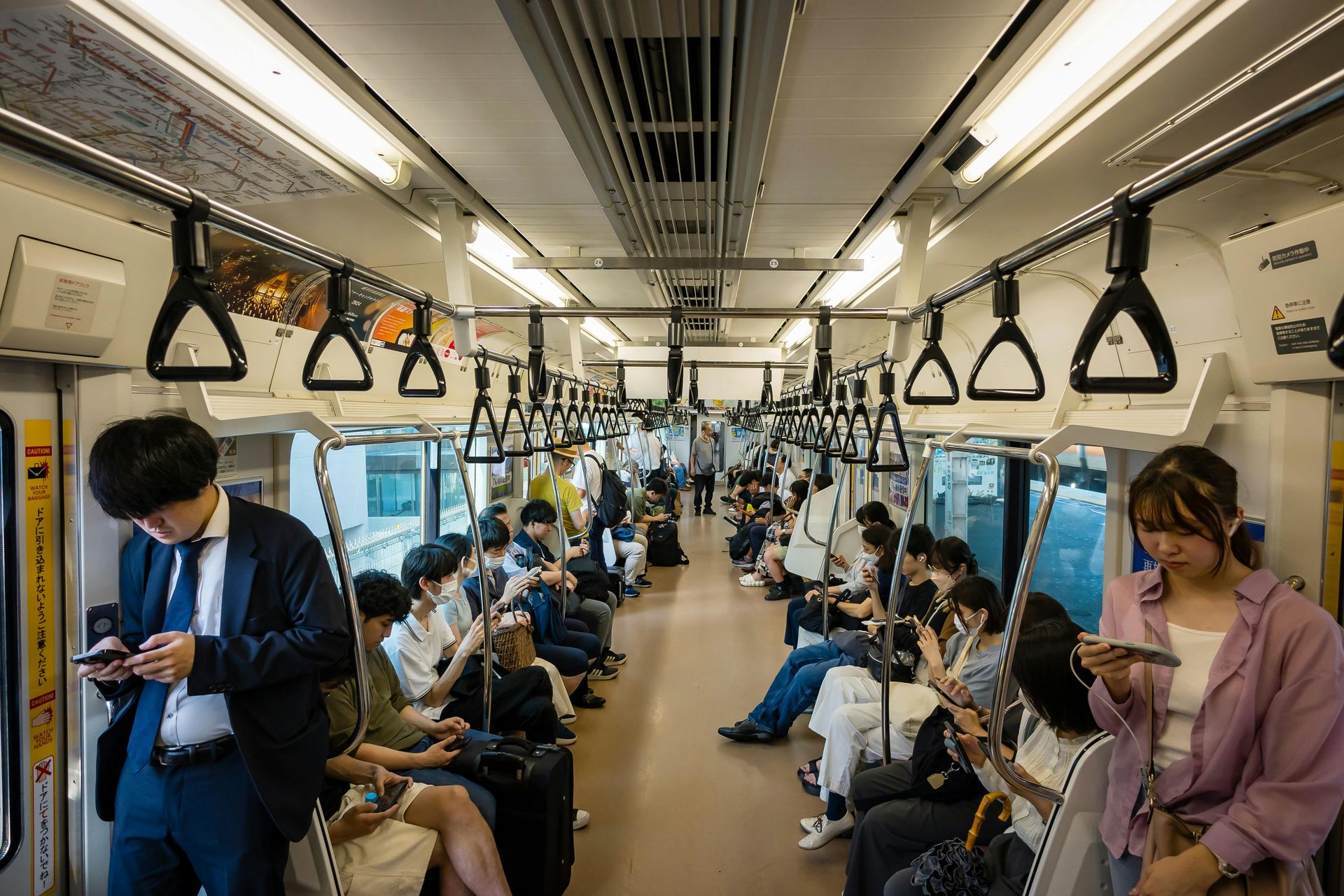
Japan is a densely populated country — Tokyo's greater metropolitan area houses roughly 37 million people — and the management of that density requires a set of social norms that visitors notice quickly and find difficult to fully explain. Trains are quiet. Public spaces are quiet. People do not speak on their phones in carriages. Conversations between strangers are rare. The city hum of Tokyo is real — the traffic, the pachinko parlors, the izakaya — but it comes from the infrastructure of daily life rather than from people imposing themselves on their surroundings.
This is not shyness or coldness. It is a form of social consideration — the understanding that public space is shared and that the comfort of the many depends on individuals exercising restraint. The concept of meiwaku — causing inconvenience or annoyance to others — is taken seriously enough that it functions as a genuine social sanction. Not because there is a rule against making noise on the train, but because doing so would impose your experience on everyone around you, which is understood as a failure of consideration rather than a minor rule violation.
For visitors accustomed to louder public cultures, the quiet of Japanese public space produces an initial sense of strangeness that quickly becomes deeply restful. The absence of unsolicited noise — of other people's phone calls, of overheard arguments, of loud music — makes moving through Tokyo or Kyoto or Osaka a qualitatively different experience from moving through most of the world's major cities. You arrive at your destination without having had to protect yourself from the ambient noise of other people's lives.
The flip side of this social consideration is a formality in public interactions that can initially read as distance. Strangers do not chat casually. Eye contact between strangers on the train is avoided. The warmth in Japanese social life is reserved for established relationships and for the specific contexts — the izakaya, the onsen, the festival — where social barriers relax. Understanding this distinction helps visitors read situations correctly and avoid the misapprehension that reserve means unfriendliness.
natsuki / Unsplash
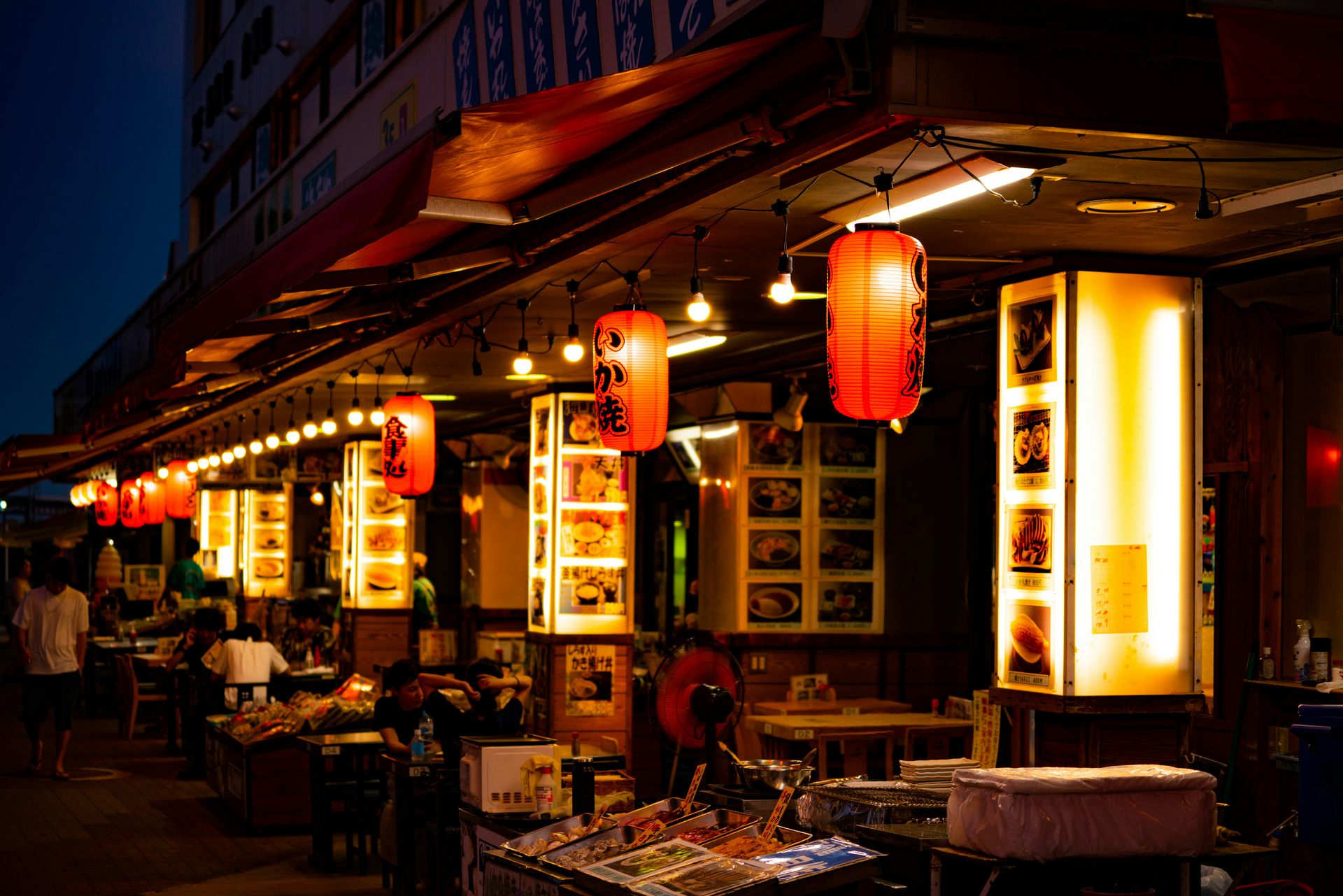
An izakaya is a Japanese pub — the primary social eating and drinking institution of Japanese daily life, somewhere between a bar and a restaurant, organized around small shared plates, cold beer, sake, shochu, and highballs, eaten and drunk over an unhurried evening by groups of colleagues, friends, or family. It is where Japanese social life actually happens, and spending an evening in one — ideally in a narrow wooden booth with a curtain at the entrance, ordering from a handwritten menu that changes with the season — is one of the most direct ways into the texture of ordinary Japanese social life available to a visitor.
The format of izakaya eating — multiple small dishes shared across the table, ordered throughout the evening rather than all at once — is both practically excellent and socially generative. It keeps the meal moving, produces variety, and gives everyone at the table something to discuss and choose together. The food ranges from the simple — edamame, cold tofu with ginger and soy, pickled vegetables — to the serious: yakitori skewers grilled over binchotan charcoal, sashimi of remarkable freshness, seasonal dishes that reflect the kitchen's particular strengths.
The drink culture in izakayas has its own logic. The first drink is almost always beer — it arrives quickly, signals the beginning of the evening, and is accompanied by the toast kanpai. Sake and shochu follow, often served in ways — warmed sake in a small ceramic flask, shochu on the rocks or mixed with hot water — that have been calibrated to the food and the season. The highball — whisky and soda — has experienced a significant revival in Japanese drinking culture, and a well-made Japanese whisky highball, properly carbonated and served in a cold glass, is a specific pleasure.
Finding a good izakaya requires no research in most Japanese cities — they are plentiful, distinguished by the red lanterns outside and the warm noise within, and even the most ordinary neighborhood izakaya will produce a more satisfying evening than most bars in most countries.
Markus Winkler / Pexels
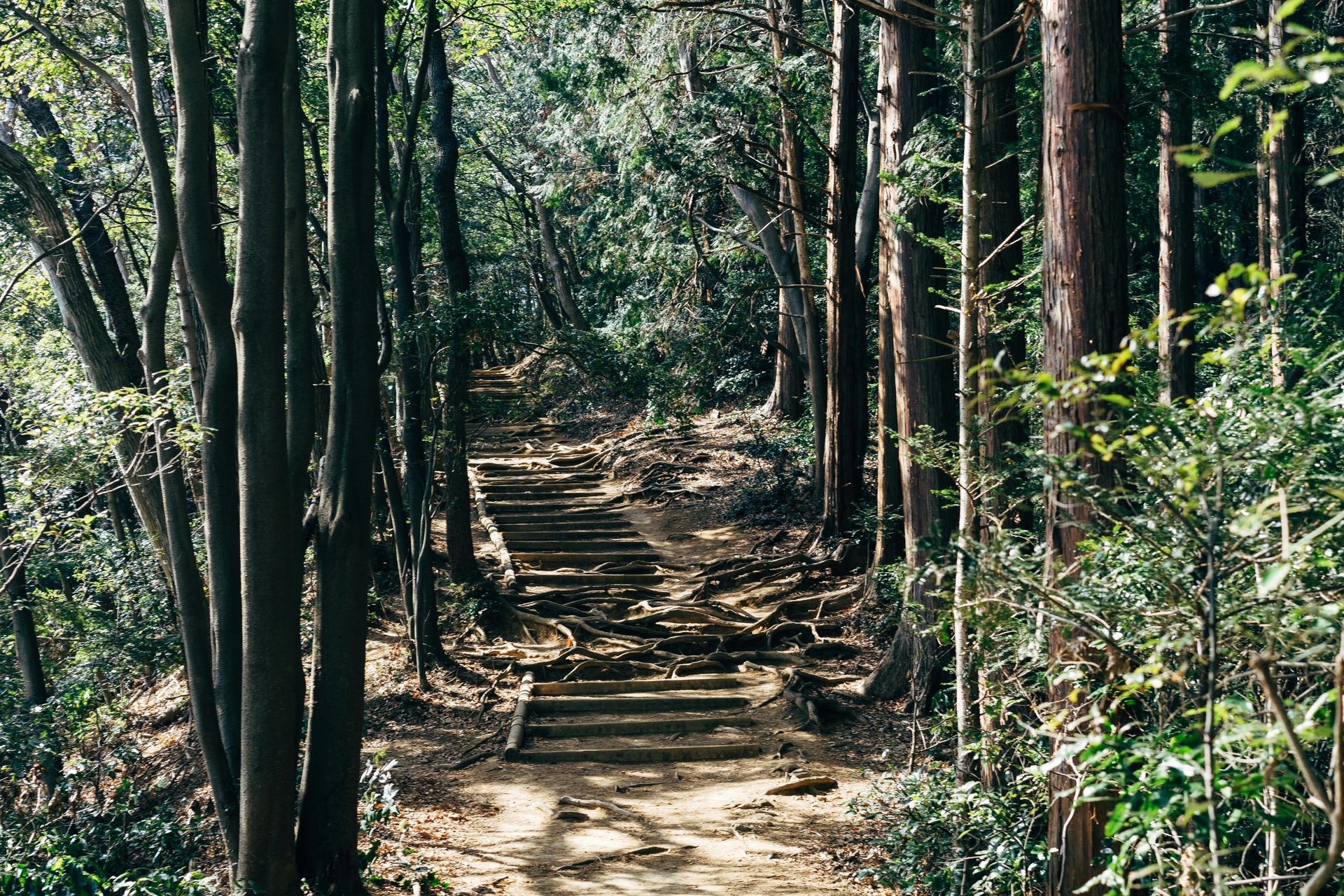
Japan is roughly 70% forested — an extraordinarily high proportion for a country with the world's eleventh-largest population — and the relationship between the Japanese population and its natural landscape is among the closest and most ritualized of any developed country. Hiking is not a niche pursuit. It is a mainstream leisure activity practiced by people of all ages, supported by an infrastructure of well-maintained trails, mountain huts, and designated routes that makes Japan one of the best countries in the world for walking in the landscape.
The Kumano Kodo pilgrimage routes in the Kii Peninsula — ancient forest paths connecting a series of grand shrines — have been walked by pilgrims for over a thousand years and remain one of the most profound walking experiences in Asia. The Nakasendo, an old post road connecting Tokyo and Kyoto through the Japanese Alps, passes through preserved post towns that look almost unchanged from the Edo period. The trail networks of the Japan Alps, the Daisetsuzan range in Hokkaido, and the ancient cedar forests of Yakushima island offer wilderness experiences of a quality and accessibility that most travelers do not associate with Japan.
The concept of shinrin-yoku — forest bathing, the practice of spending time in forest environments for health and psychological benefit — originated in Japan in the 1980s and has since been adopted and studied internationally. What it describes is a practice that Japanese people had been engaging in informally for centuries: the understanding that time spent among trees, listening to water and wind, produces physical and psychological effects that cannot be achieved by other means.
Japan's natural landscape is also spectacular in ways that do not require long hikes to access. The view of Mount Fuji from the Shinkansen on a clear morning. The bamboo grove at Arashiyama in Kyoto at dawn, before the crowds arrive. The terraced rice paddies of Niigata in late September, just before harvest. These are experiences that every guidebook mentions, and they mention them because they are genuinely extraordinary.
Elifinatlasi / Pexels
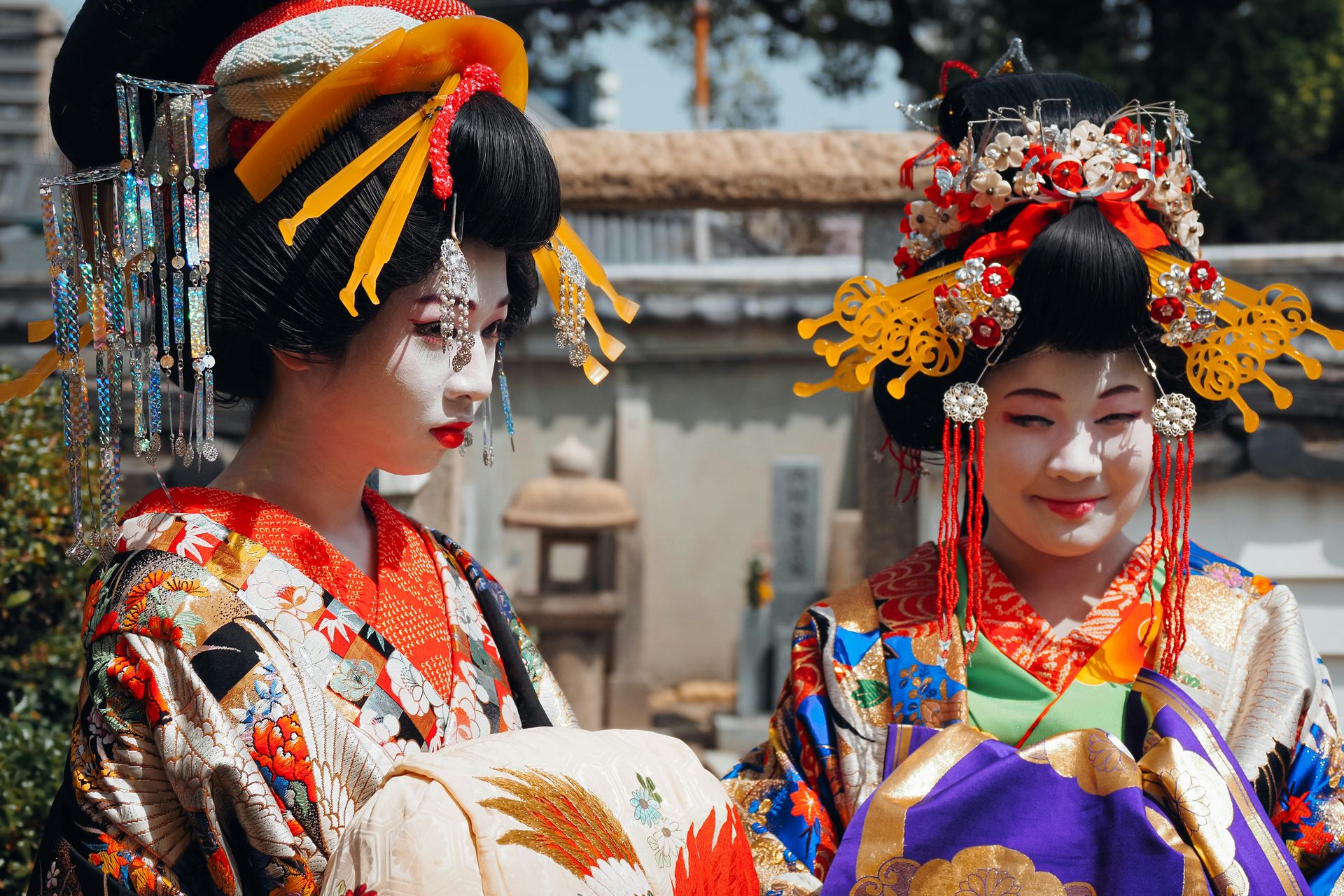
Japan's craft culture is one of the most extensive and technically accomplished in the world — a living tradition of making things by hand, passed from generation to generation, supported by a consumer market that understands and values the difference between a handmade ceramic bowl and a factory-produced one, and recognizes the premium as legitimate rather than pretentious.
The government's Living National Treasures program — formally, the System for the Preservation of Important Intangible Cultural Properties — designates individual craftspeople and performing artists as national assets, providing support for them to continue their practice and transmit it to apprentices. Current designees include potters, lacquerware makers, textile weavers, metalworkers, and puppet theater performers, among others. The logic of the program is that certain forms of knowledge exist only in the hands and the mind of a living practitioner, and that losing a practitioner without passing on the knowledge is a form of cultural loss equivalent to demolishing a historic building.
What this means practically for visitors is that in almost any Japanese city, you can find shops selling objects — ceramics, lacquerware, washi paper, textiles, basketry, woodwork — made by living craftspeople to standards that have been refined over generations, and buy them at prices that reflect the labor and skill involved rather than an artificial collectible premium. The Kyoto ceramics district, the lacquerware shops of Wajima on the Noto Peninsula, the textile workshops of Nishijin — these are working industries, not tourist attractions, though tourists are welcome to observe and buy.
The performing arts tradition is equally rich. Noh theater, Kabuki, Bunraku puppet theater, and the tea ceremony are not museum pieces. They are performed regularly, in dedicated theaters, before contemporary audiences who choose them over other leisure options. Attending a Kabuki performance in Tokyo — even without understanding Japanese — is a theatrical experience with no equivalent in Western culture.
Oliver Hu / Pexels
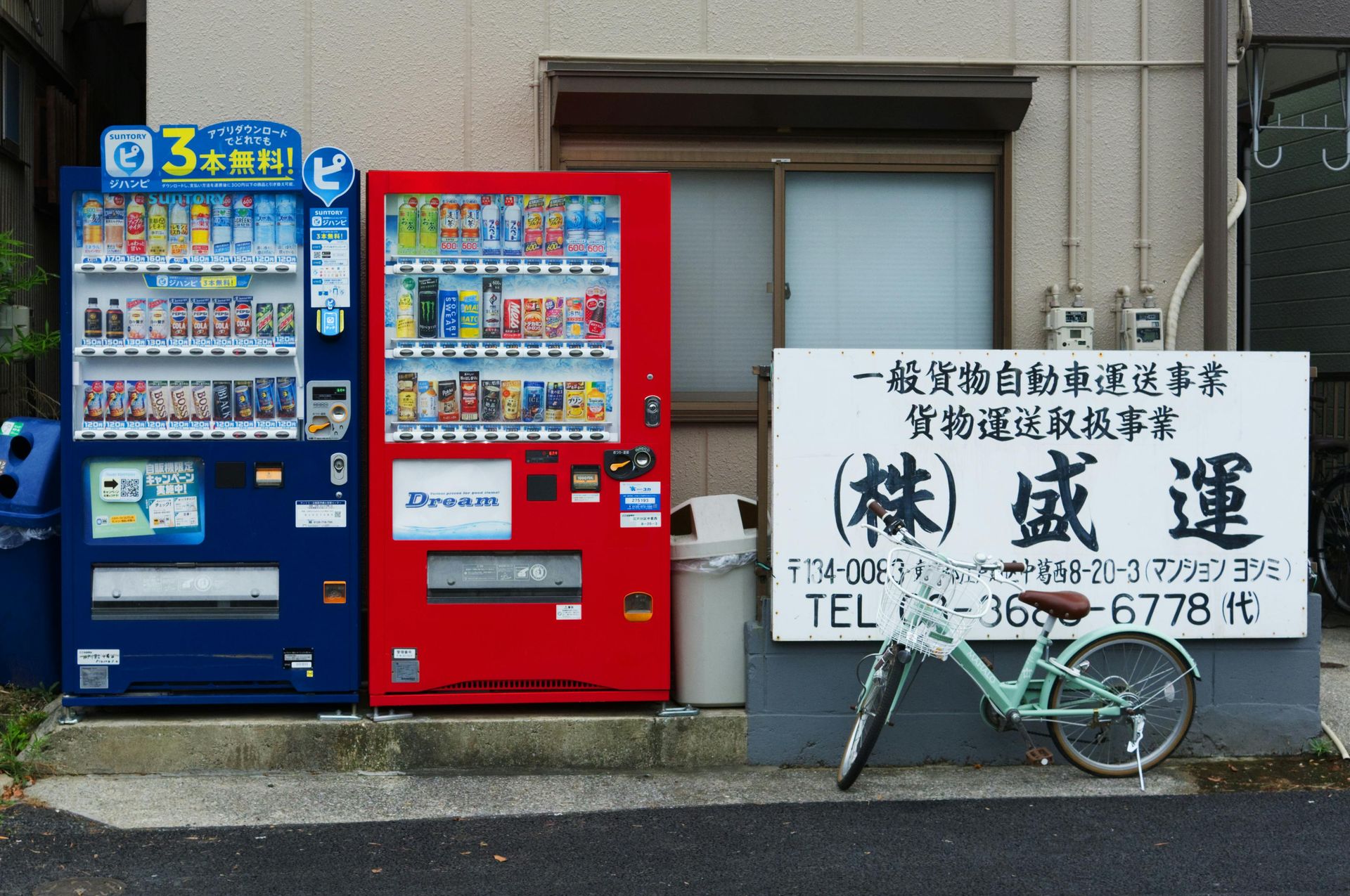
Japan has approximately 4 million vending machines — roughly one for every 30 people — and the culture of convenience they represent is deeply embedded in daily life. They are everywhere: on train platforms, in temple precincts, on mountain hiking trails, in hospital corridors, on rural roads where no other commercial establishment is visible in either direction. They sell hot and cold drinks, hot meals, beer, umbrellas, fresh flowers, eggs, rice, live insects for fishing bait, and a range of products that varies by location and season.
The vending machine is not simply a distribution mechanism. In Japan, it is a design object. The machines are maintained to a standard that keeps them functioning and clean. The product lineup at each machine is considered — a machine outside a hiking trail entrance stocks energy drinks and hot miso soup; a machine in a business district stocks canned coffee at various levels of sweetness with precision labeling. Seasonal products appear and disappear. The hot and cold toggle — machines in Japan can maintain both hot and cold products simultaneously, with the side of the machine color-coded to indicate which drinks are warm — is a piece of engineering so practical and so absent from vending machines in other countries that it seems, in retrospect, obvious.
The vending machine culture is one expression of a broader Japanese relationship with convenience — the understanding that small daily transactions should be as smooth, as quick, and as reliable as possible, and that the design quality of ordinary objects matters. A can of coffee from a Japanese vending machine is not just a caffeine delivery mechanism. It has been designed — the can weight, the tab pull, the label, the temperature — to produce a specific experience. Whether that level of attention is necessary is a question Japan seems to have settled: the answer is yes, and the vending machine is one of the most visible signs of it.
Nicki Eliza Schinow / Unsplash
Japan is often experienced by first-time visitors as a single, coherent culture — and in many ways it is. But the regional variation between Japan's 47 prefectures is substantial in ways that reward travelers who venture beyond Tokyo and Kyoto. The differences are not superficial — they are differences in dialect, food culture, architectural tradition, craft heritage, and local identity that reflect centuries of distinct regional development.
Osaka has a food culture so distinct from Tokyo's that the differences extend beyond specific dishes to a general orientation — Osaka's eating culture is louder, richer, more indulgent, organized around the concept of kuidaore ("eat until you drop"), and centered on takoyaki and kushikatsu and thick okonomiyaki rather than Tokyo's more restrained, more dashi-forward cooking. Okinawa — the island chain at Japan's southwestern tip, formerly the independent Ryukyu Kingdom — has a cuisine, music, architecture, and cultural identity substantially different from the Japanese mainland. Hokkaido, in the north, has a frontier quality and a food culture organized around dairy, lamb, and crab that feels different from anywhere else in the country.
This depth of regional variation means that Japan rewards multiple visits more than almost any other destination — not because the country is large (it is roughly the size of California) but because the variation is rich enough that returning travelers who have already done the Tokyo-Kyoto circuit can spend weeks in Tohoku, Kyushu, the Japan Sea coast, or the rural interior and encounter what feels like a different country, organized by the same fundamental values but expressing them in distinctly local forms.
The regional train networks that connect Japan's smaller towns and rural areas are slower and less efficient than the shinkansen, but traveling on them — stopping at small stations, watching the landscape change, eating the local ekiben (station bento box) that reflects the specialties of the region you are passing through — is one of the best ways to understand what Japan is beyond its headline destinations.
