
A surprising number of people trust AI to make better policy decisions than politicians
A new survey on Europeans’ attitudes towards technology found that a quarter of people would prefer it if policy decisions were made by artificial intelligence instead of politicians.
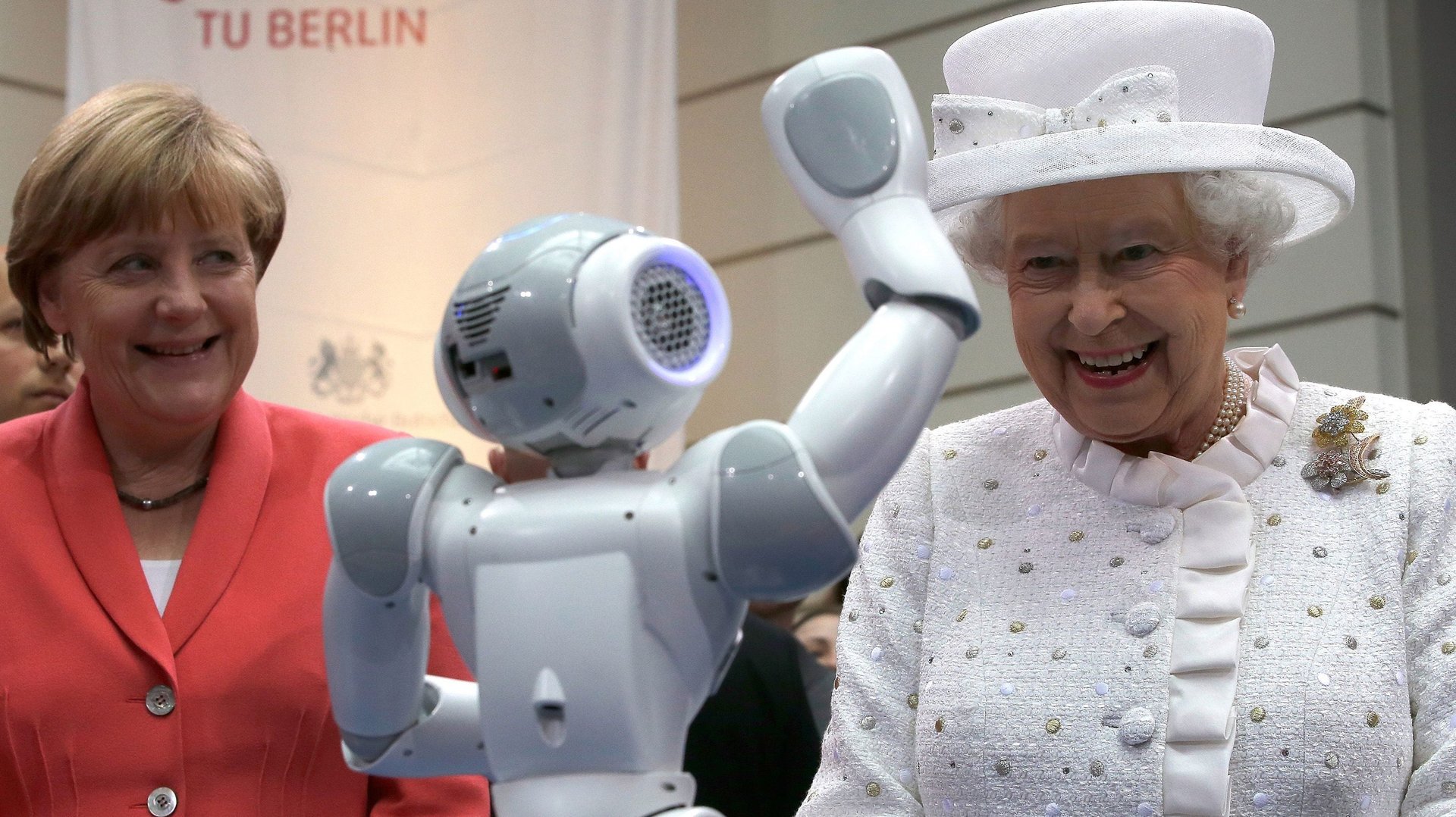
A new survey on Europeans’ attitudes towards technology found that a quarter of people would prefer it if policy decisions were made by artificial intelligence instead of politicians.
The Center for the Governance of Change at Spain’s IE University polled 2,500 adults in the UK, Spain, Germany, France, Ireland, Italy, and the Netherlands in January. The results reflect an intense anxiety about the changes brought about by advances in tech, with more than half of respondents worried that jobs would be replaced by robots, and 70% saying that unchecked technological innovation could do more harm than good to society. Respondents also expressed concerns about the impact of digital relationships replacing human contact as more people spend time online.
Perhaps most interestingly, a quarter of the respondents said they would prefer AI to guide decisions about governance of their country over politicians.
“This mindset, which probably relates to the growing mistrust citizens feel towards governments and politicians, constitutes a significant questioning of the European model of representative democracy, since it challenges the very notion of popular sovereignty,” Diego Rubio, the executive director for IE’s Center for the Governance of Change, said in a statement.
Around the world, citizens have expressed a growing disillusionment with democracy, and an increased skepticism that their voice has an impact on political decisions. But algorithmic decisions aren’t a problem-free solution: they can be embedded with the prejudice and bias of their programmers or manipulated to achieve specific outcomes, making the results as potentially problematic as the ones made by humans.
The study also found that respondents expected governments to reduce the disruption that technology might have on their lives with regulation, limits on automation, and support for people affected by job losses. This “highlights the paradox in which we live,” the authors wrote. “People are disillusioned with governments, yet at the same time ask them to tackle the societal and economic negative effects that emerging technologies might have.”
The essential business news, delivered fresh every morning.
Join 500,000+ readers who start their day with Quartz.
By subscribing, you agree to our Terms of Service and Privacy Policy.