Although marijuana is illegal under federal law, cannabis businesses in the United States still pay federal taxes on gross income. They are not allowed any deductions or credits for business expenses, by law, which can mean an effective federal tax rate as high as 90%.
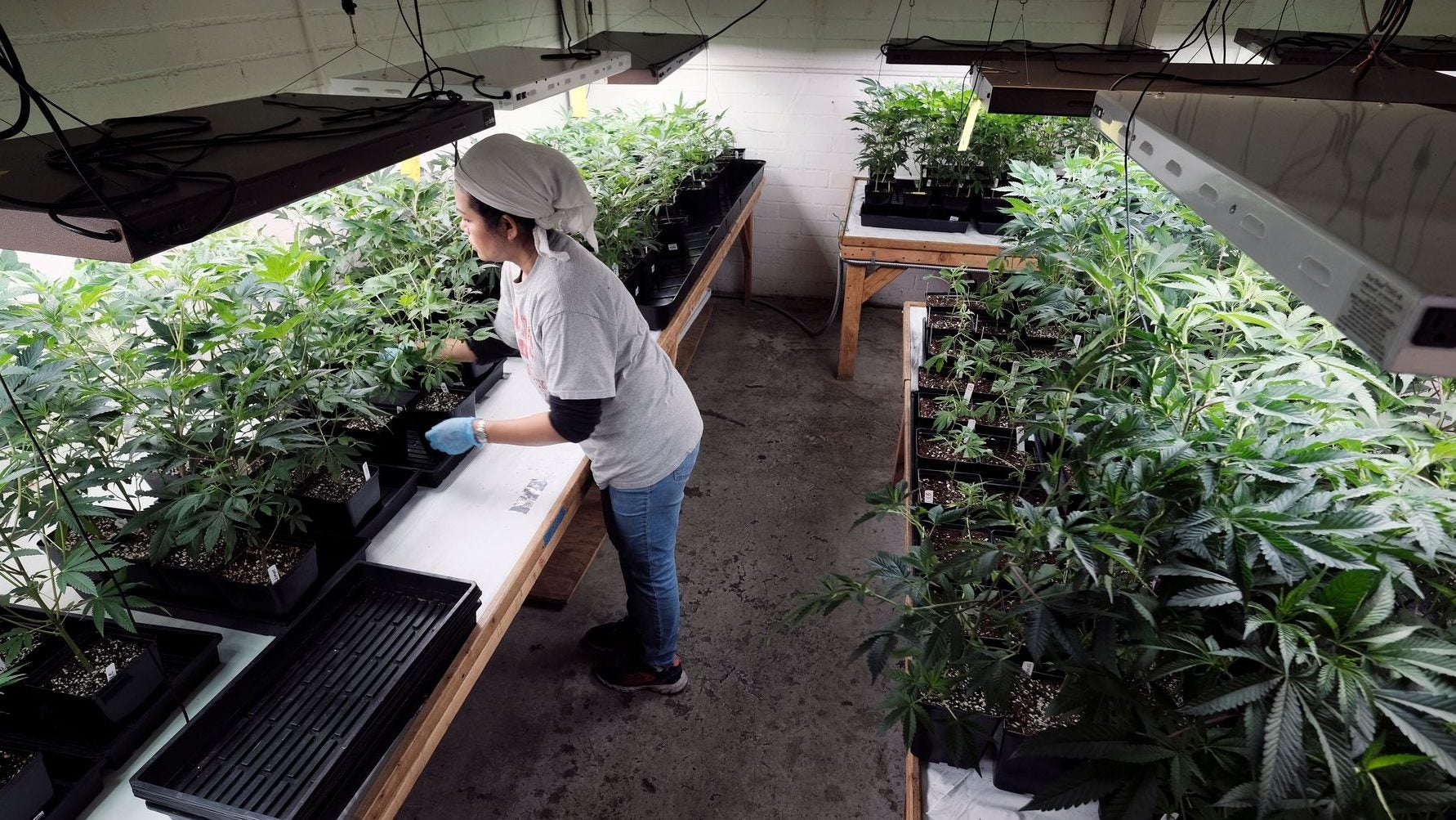
Although marijuana is illegal under federal law, cannabis businesses in the United States still pay federal taxes on gross income. They are not allowed any deductions or credits for business expenses, by law, which can mean an effective federal tax rate as high as 90%.
The US government collected an estimated $4.7 billion in taxes from cannabis companies in 2017 on nearly $13 billion in revenue. Unlike most American businesses, which pay electronically or by check, most of these marijuana firms are unbanked and were forced to pay their federal taxes in cash, something the IRS is still trying to get a handle on.
Join 500,000+ readers who start their day with Quartz.
By subscribing, you agree to our Terms of Service and Privacy Policy.
At the state level, marijuana for non-medicinal adult use is legal in nine states and taxable in seven, which also impose costs on each sale:
According to the Tax Policy Center, a partnership between the Urban Institute and the Brookings Institution, states with marijuana taxes put a portion of the funds toward the following:
Unlike cannabis companies, recent changes to the law now allow industrial hemp producers to deduct ordinary business expenses for tax purposes—as long as their product contains no more than 0.3% THC.
