Bubble tea is ubiquitous in Taiwan, but so are the thick, colorful straws used to slurp the drink. That’s not stopping the country from joining a growing number of places across the world implementing bans on single-use plastic straws.
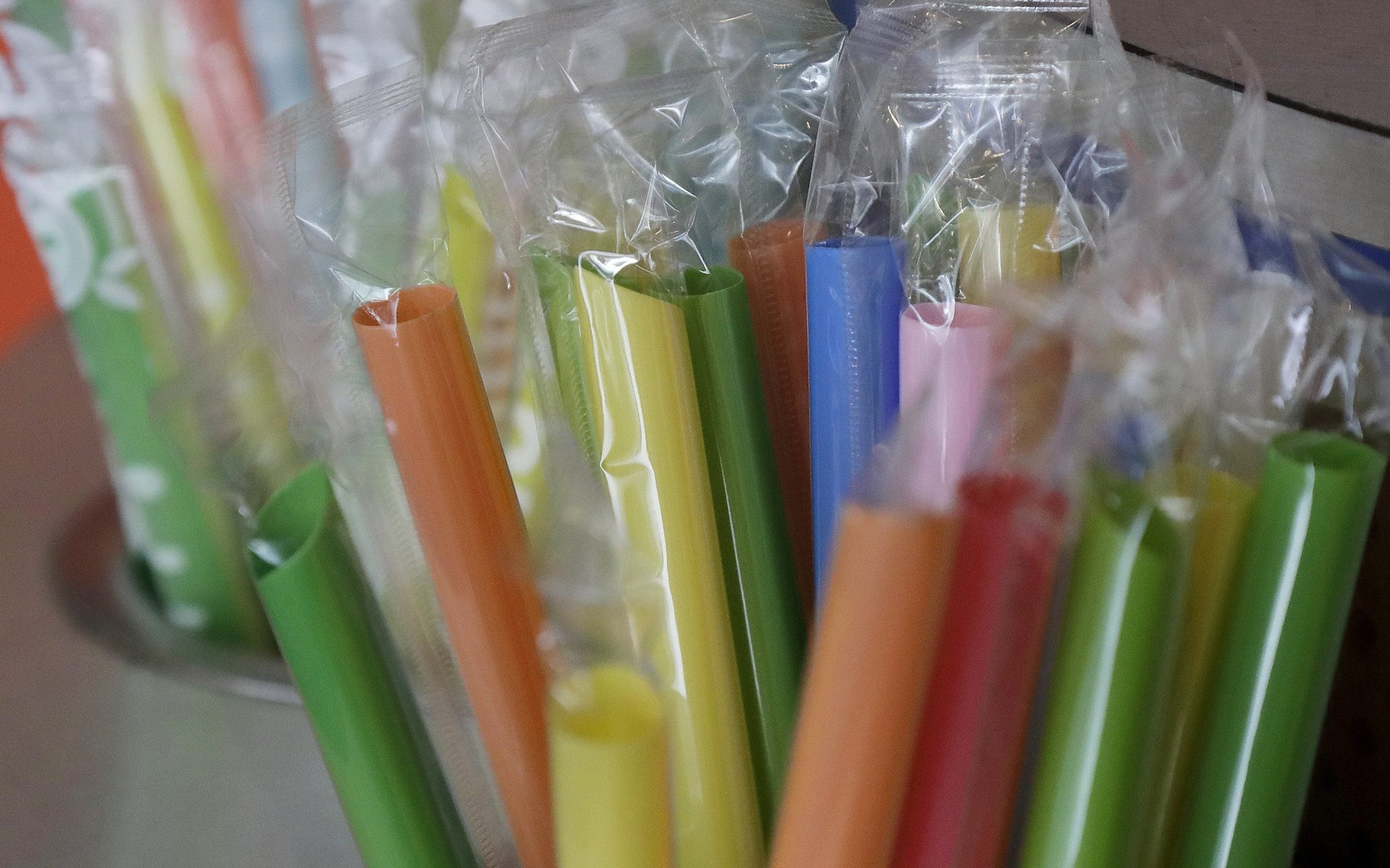
Bubble tea is ubiquitous in Taiwan, but so are the thick, colorful straws used to slurp the drink. That’s not stopping the country from joining a growing number of places across the world implementing bans on single-use plastic straws.
The policy, announced in May, comes into effect today. The first stage of the ban will apply to some 8,000 government offices, schools, department stores, shopping malls, and fast-food chains for people dining in. Repeat violators will be fined as much as NT$6,000 ($190). The government hopes to totally phase out plastic straws by 2030.
Join 500,000+ readers who start their day with Quartz.
By subscribing, you agree to our Terms of Service and Privacy Policy.
Taiwan’s Environmental Protection Administration said that the ban’s gradual roll-out is aimed at getting dine-in customers to get into the habit of not using plastic straws so that they do away with them altogether in future. An official from the agency estimated that Taiwanese go through 3 billion plastic straws a year.
McDonald’s, for example, began removing plastic straws from dispensers in their Taiwan outlets in April in line with the government’s policy. A McDonald’s executive told local media that the move would reduce the company’s use of plastic by 16% in Taiwan. It will, however, offer paper straws if people need them. It also introduced new lids for its drinks, allowing people to drink directly for them in the same way that they can from takeaway coffee cups. KFC will give its Taiwan customers the option of buying a metal straw.
Plastics, and in particular plastic straws, have come under increased scrutiny for polluting oceans, clogging landfills, and worsening greenhouse-gas emissions, although straws make up only a tiny proportion of the total plastic waste generated worldwide. Seattle became the first US city to ban plastic straws as well as utensils last year, while Starbucks $SBUX said it plans to phase out plastic straws by 2020 worldwide. The EU has agreed to ban plastic straws, cutlery, cups, drink stirrers, and balloon sticks by 2021.
Taiwan’s much-lauded recycling policy already goes much further in managing waste than other countries. A 2016 report (pdf) from the European Environmental Bureau put Taiwan’s recycling rate at 58%, compared to 35% in the US. Its success has been attributed in part to civic education, a vibrant private recycling industry, and a scheme that requires manufacturers to pay into a government-run fund for waste management.
“Taiwan doing things to deal with straws is sort of (the government) trying to narrow down to zero waste,” says Nate Maynard, a research associate at Taipei-based think tank Chung-Hua Institution for Economic Research.
But consumers of bubble tea may find life without plastic straws hard if they want to get that perfect ratio of tea to tapioca pearls right with every sip. One company in Taiwan has already developed a reusable cup made from recycled glass that houses a separate compartment inside for the pearls, allowing the user to get the right proportions, plastic free. Float, the company behind the product, said that it would be available at the end of the year.
This post was updated to reflect the ban coming into effect on July 1.
