Gender representation is so poor at the World Economic Forum’s annual conference in Davos that 2020 delegates are more likely to run into someone from North America than a woman.
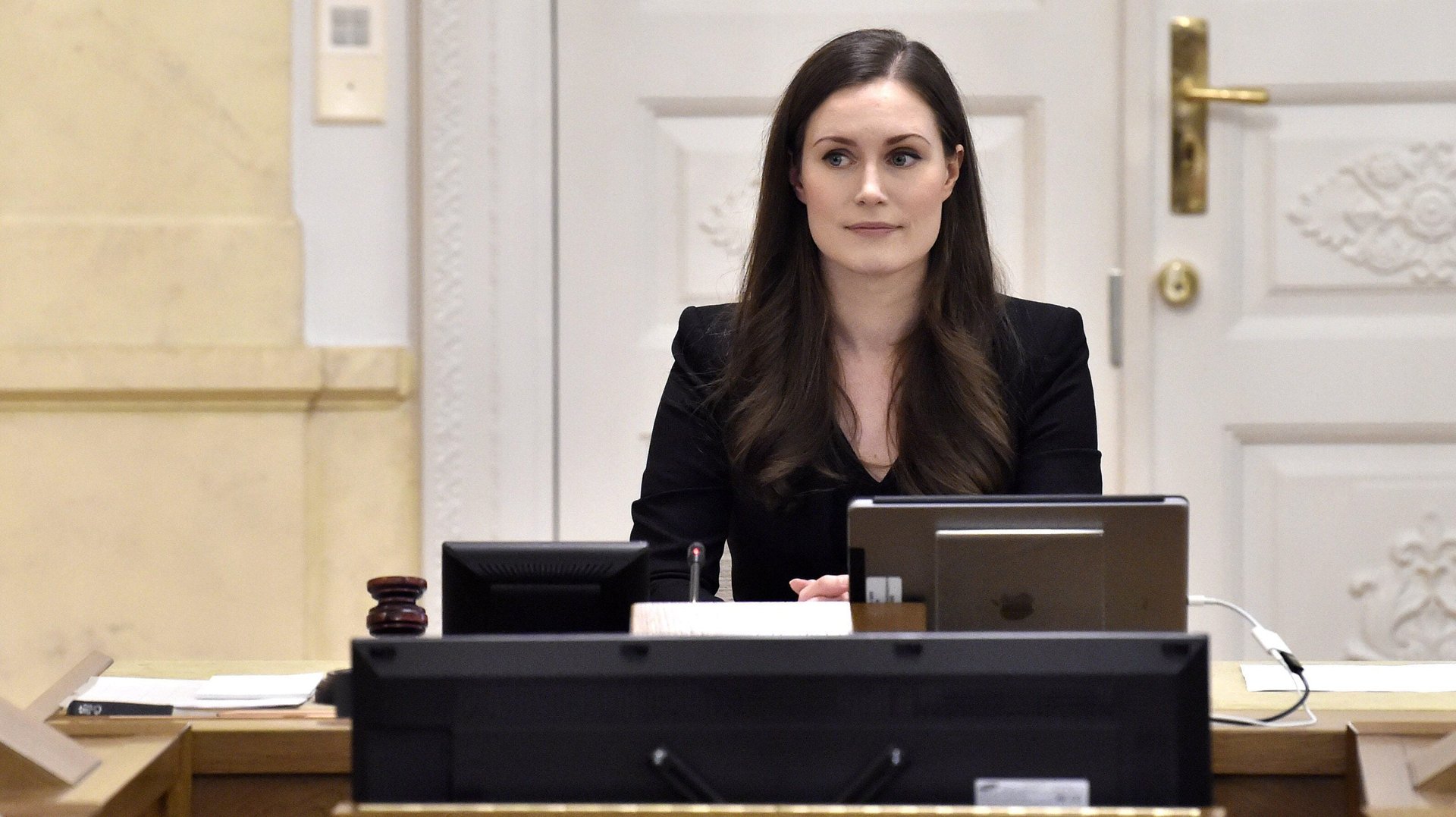
Gender representation is so poor at the World Economic Forum’s annual conference in Davos that 2020 delegates are more likely to run into someone from North America than a woman.
For the sixth straight year, gender diversity at the elite gathering in the Swiss Alps has improved slightly, but with women only making up 24% of attendees, the accomplishment is minor. Of 2,820 total participants, only 682 are women.
Join 500,000+ readers who start their day with Quartz.
By subscribing, you agree to our Terms of Service and Privacy Policy.
The data are the findings of a Quartz analysis based on a list of expected attendees at the conference, which runs Jan. 21-24.
While women’s participation at Davos has seen incremental improvements each year—it was 15% in 2014, and 22% last year—the persistence of such low numbers highlights the regularity with which women are left out of high-level discussions and debates.
The rich, powerful, and famous from 118 countries will attend the gathering. The United States will send 677 participants, the largest delegation by far. An analysis of participants by country reveals that New Zealand and Kenya are sending the greatest portion of women, though both nations have fewer than 10 delegates. No nation with more than 10 participants has more female than male attendees.
The conference is attended by people from a variety of professional sectors. A breakdown by industry shows that no sector has more female delegates than male, though the “arts, culture, and sports” category is near parity. “Energy and environment,” “manufacturing and heavy industry,” and the “banking and finance” fare the worst: All are less than 15% female.
Davos is primarily attended by invitation only, and delegates are chosen from the highest levels of power, where the underrepresentation of women has long been the norm. Women currently hold CEO positions at only 29 (5.8%) of S&P 500 companies, and as of February 2019, 24% of parliamentarians globally were women.
While the conference has yet to make substantial improvements to gender representation over the years, it’s not the only global event to struggle. And it’s certainly aware of the problem; the World Economic Forum has committed to doubling the percentage of women participants at Davos by 2030.
