As places where one usually buys groceries, Asia’s “wet markets” have certainly received far more attention of late than would be normally expected of an everyday neighborhood destination.
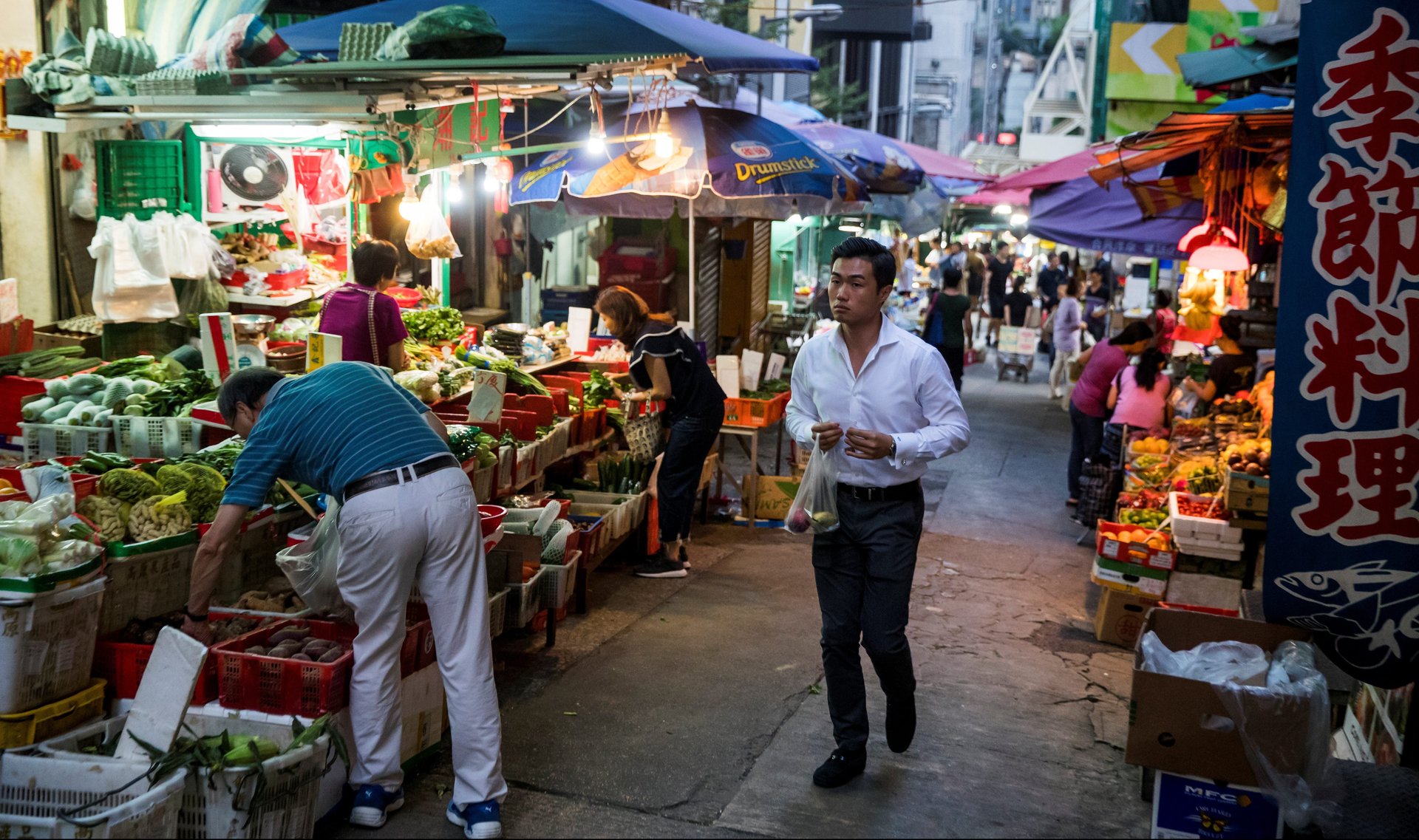
As places where one usually buys groceries, Asia’s “wet markets” have certainly received far more attention of late than would be normally expected of an everyday neighborhood destination.
American politicians have called for a ban on them. The United Nations’ biodiversity chief has apparently urged their closing, as has the top US infectious diseases specialist. And even singer-songwriter and animal rights activist Paul McCartney, in a recent interview with American radio host Howard Stern, expressed his frustration at the wet markets.
Join 500,000+ readers who start their day with Quartz.
By subscribing, you agree to our Terms of Service and Privacy Policy.
“For some reason,” Stern said, “[China] will not close down these wet markets that got us into this trouble in the first place. It’s mind boggling, right?”
“I know,” McCartney responded. “It wouldn’t be so bad if [the coronavirus] is the only thing that seems like you can blame on those wet markets,” but they’re also to be blamed for SARS, avian flu, “and all sorts of other stuff that’s afflicted us.” He added that he hopes China will finally “get super hygienic” because, “lets face it, it’s a little bit medieval eating bats.”
While many early confirmed cases of Covid-19 in Wuhan, the central Chinese city at the epicenter of the country’s outbreak, had exposure to the Huanan seafood wholesale market, that market is not a wet market, as that term is typically understood. The Huanan market had a section that sold wild animals like live wolf pups, salamanders, civets, and bamboo rats. In that sense, Huanan would more appropriately be described as a wildlife market.
What of wet markets? For starters, wet markets, as they are widely known across Asia—in particular Hong Kong and Singapore—do not sell wildlife. Instead, they are often more akin to large, open-air produce markets, where vegetables and fruits are piled high on crates for shoppers to choose from, cuts of pork and beef hang from hooks, and fish and other seafood swim and float in small tanks or are laid out on beds of ice. Some markets also have live poultry in cages, and butchers only kill and de-feather a bird when a shopper decides to buy one.
The markets are “wet” because they don’t primarily sell “dry” goods like packaged noodles, though some wet markets also have stalls selling dry grains and legumes. They’re also “wet” because of the melting ice (pdf) used to keep seafood fresh, and because shop owners routinely hose down their stalls to keep them clean. Technically speaking, a wildlife market could be considered “wet” in that the live animals aren’t “dry,” but the overwhelming majority of wet markets certainly do not sell wildlife.
Wet markets are often managed and regulated by the local government. In Hong Kong, for example, the food and environmental hygiene department runs 74 public wet markets (pdf), some of which are open-air while others are housed in buildings. Often, a multi-storey market might have meat and seafood stalls on the first floor, fruits and vegetable stalls on the second floor, and a so-called “cooked food center”—somewhat like a food hall serving quick meals—on the third.
The Oxford English Dictionary added the phrase “wet market” in 2016, categorizing it as a Hong Kong English word. This is how it defines a wet market: “a market for the sale of fresh meat, fish, and produce.” Note the absence of any mention of wildlife. In fact, the definition could very well fit what some people may call a “farmers’ market.”
