The world is getting “spiky.” That’s the word used by Richard Florida, author of The Rise of the Creative Class, for the idea that while the world may be “flat,” certain vibrant cities are like spikes on the population map, attracting an ever-growing number of people. The only problem?
The world is getting “spiky.” That’s the word used by Richard Florida, author of The Rise of the Creative Class, for the idea that while the world may be “flat,” certain vibrant cities are like spikes on the population map, attracting an ever-growing number of people. The only problem?
Space.
Join 500,000+ readers who start their day with Quartz.
By subscribing, you agree to our Terms of Service and Privacy Policy.
The more people you crowd into a small area, of course, the more each square inch commands. Eventually, some cities like mine—New York—could become just too expensive for creative folks to bother moving to. If so, goodbye vibrancy. Hello “New York: The Museum.”
That’s why a new company called MakeSpace seems like more than just a smart idea I wish I’d thought of (or at least invested in). It seems like it could be a way to keep cities growing ever more dense yet livable, by changing the way we store stuff or having less of it in our closets.
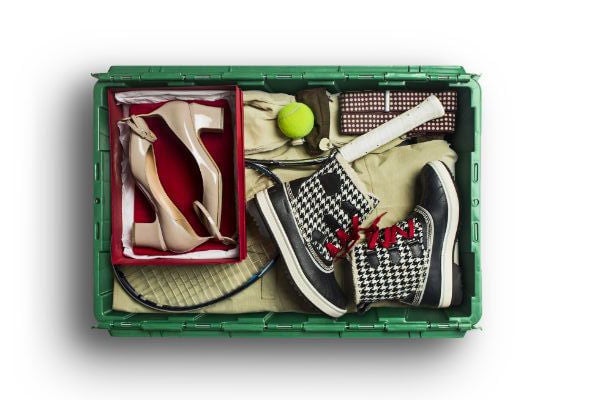
So how is this going to change urban life? Simple. No one needs quite as much space anymore, even in our excessively consumerist society. If you can have almost immediate access to all your junk without it being right there, taking up a closet or (God forbid) an extra room, you can rent a smaller, cheaper place. That makes city living a little less prohibitively expensive.
“It makes sense to outsource storage this way,” says Florida, when I told him about the new company. “Density helps spur innovation and economic growth, so having people in smaller spaces is good for the economy.”
That seems to be exactly what ex-mayor Mike Bloomberg was thinking, too, in 2012, when he asked developers to design a building filled with “micro apartments” between 275-300 square feet. His goal was to keep the city affordable enough to attract new talent. Mini apartments with mini rents (for New York City) would give newcomers and others just enough space to live. “We want people to come here — to start out, start their careers here, start their families here,” Bloomberg said at the time. “And if you don’t have the kind of housing that they need, they can’t do that.”
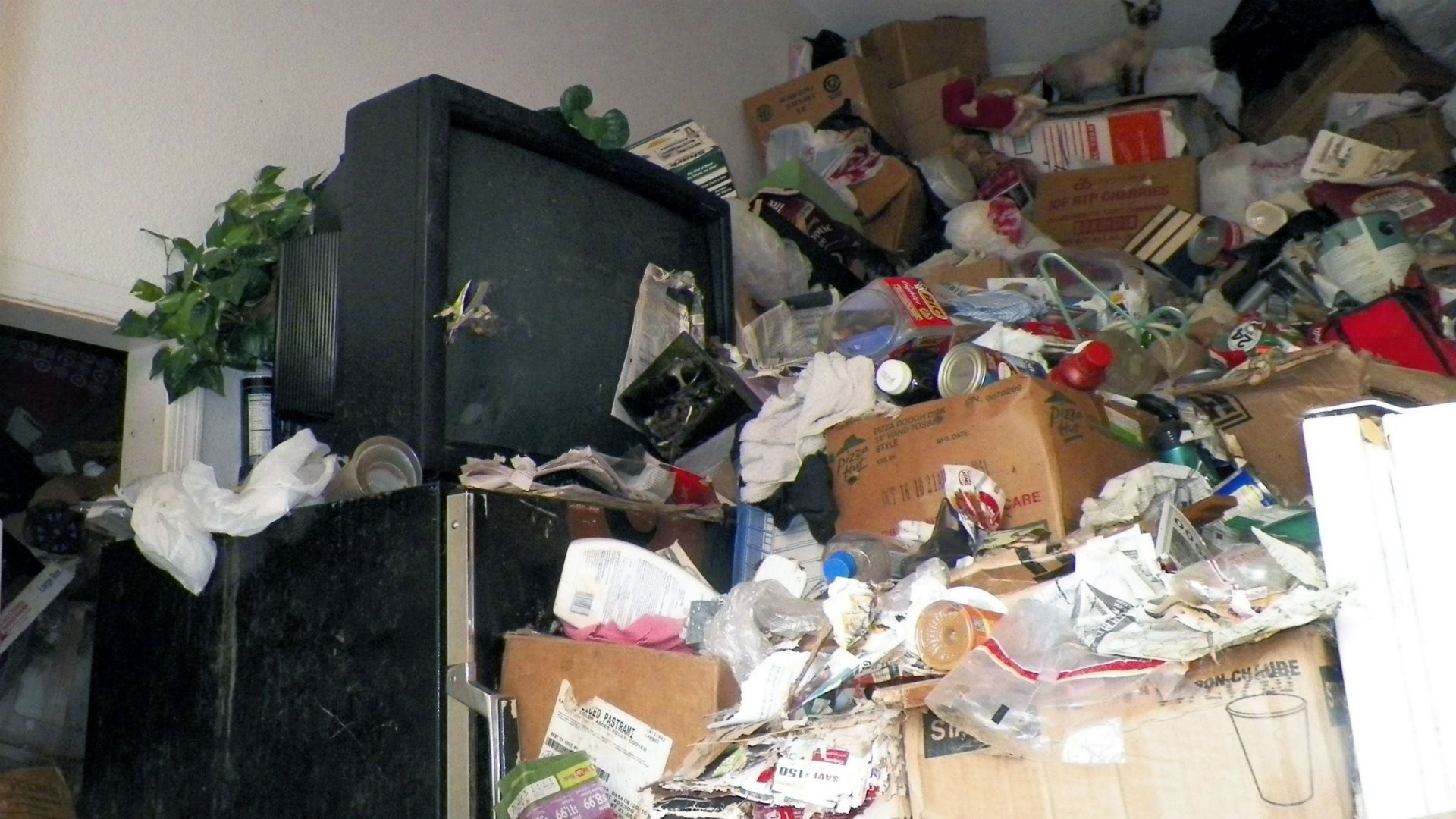
Of course, for anyone living less than large, mini-storage has always been available. In fact, it’s a $24 billion business in America and still growing, says John Egan, editor of the online storage site SpareFoot. But for many city dwellers—or, well, me—traditional storage functioned less like extra closet space and more like above-ground burial: a place to seal away our stuff and … forget it. My husband and I did that for a good 15 years. When we finally moved to a bigger home, I didn’t even want the boxes back. I knew if I started opening them I’d want to save everything again. Forever! My husband performed a great good deed by going to our unit, cleaning it out and dumping most of whatever was there.
Storage that you can actually see and retrieve with a mouse click is a different kettle of fish. (Something I dearly hope you do not have in storage.) It’s a space changer. And in ever denser cities, that could be a game changer, too.
