From light exposure to meal timing, these evidence-based habits can help you fall asleep faster, stay asleep longer, and wake up feeling rested
Fiordaliso / Getty Images
Sleep is one of the most studied and least followed pieces of health advice most people will ever receive. The mechanics are well understood — the brain cycles through distinct stages of rest, consolidating memory, clearing metabolic waste, regulating hormones, and repairing tissue — yet roughly a third of adults in the U.S. regularly fall short of the seven to nine hours considered sufficient for most people.
The reasons are structural as much as behavioral. Modern life is poorly designed for sleep. Artificial light confuses the brain's internal clock. Work schedules don't align with natural rhythms. Screens compete for attention past midnight. Anxiety and stress, which have no off switch, activate the same neurological systems that evolved to keep humans alert in dangerous environments.
What makes this problem tractable is that sleep quality is highly responsive to behavior. The habits that support it are not exotic or expensive. Most of them involve modifying things people already do — when they eat, how they wind down, what their bedroom feels like, how they respond to the clock at 2 a.m. The challenge isn't knowledge, it's consistency.
This list draws on the established science of sleep, including what circadian biology, sleep medicine, and behavioral research have found to reliably influence how well people sleep. The habits here are not ranked by importance — different ones will matter more for different people depending on their schedules, physiology, and the specific problems they face at night. Some are about building routines. Others are about removing obstacles. Several address the relationship between daytime behavior and nighttime rest, which is closer than most people assume.
None of these are quick fixes. Sleep responds to patterns, not one-off changes. A habit practiced for a week has less impact than the same habit practiced for a month. But the compounding nature of sleep is also its reward: consistent nights of rest tend to reinforce themselves, making it easier to fall asleep, easier to stay asleep, and easier to function the following day.
Anastasiya Vragova / Pexels
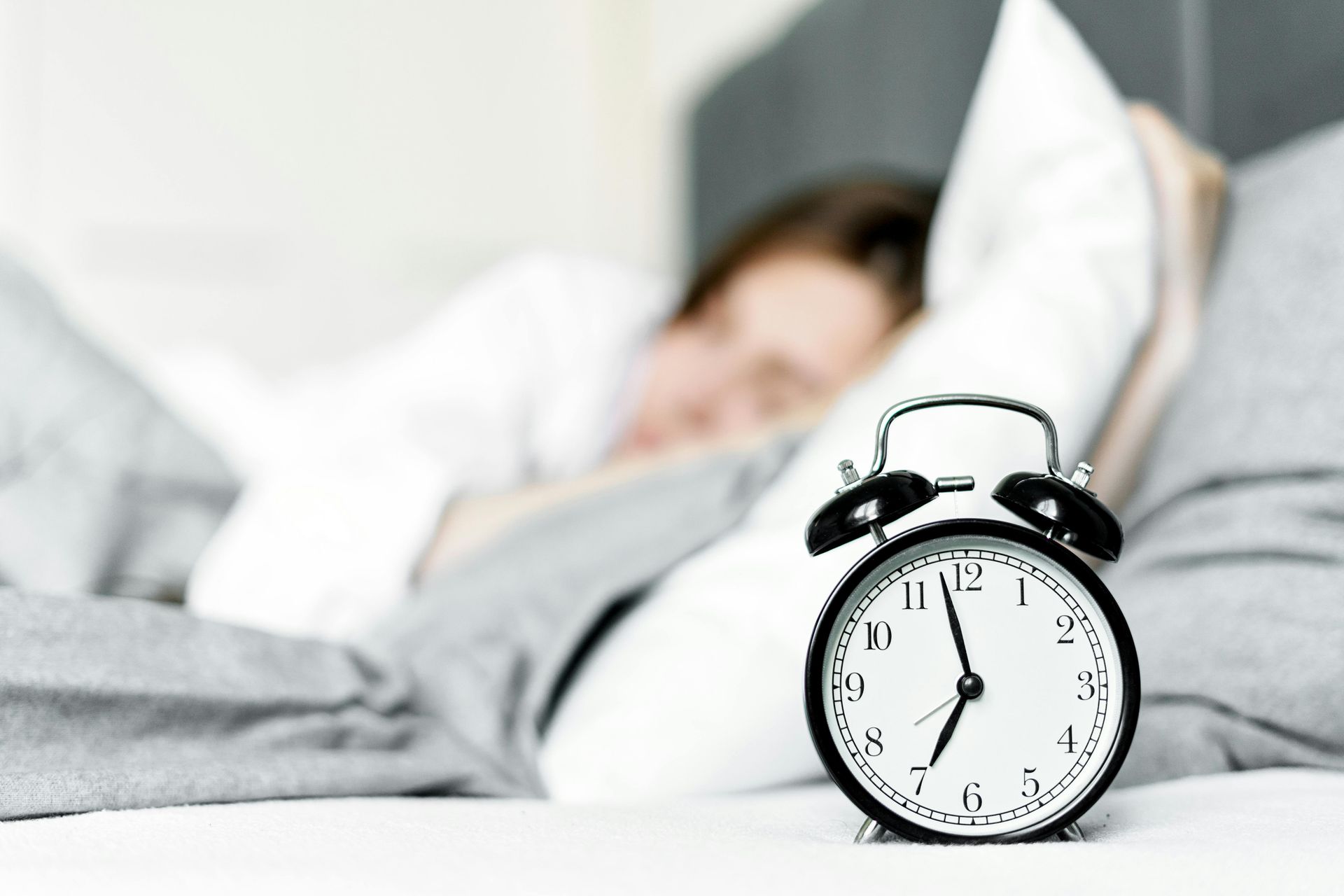
The single most effective structural change most people can make to their sleep is also the most counterintuitive one: waking up at the same time every day, including weekends, regardless of how tired they feel.
The body's sleep-wake cycle — known as the circadian rhythm — is a roughly 24-hour biological clock that governs when the brain signals alertness and when it signals fatigue. This clock is not perfectly self-regulating. It needs daily calibration, and the most powerful input it receives is the timing of waking. When wake time shifts significantly between weekdays and weekends, the clock drifts. This produces what researchers call social jetlag — a misalignment between internal biology and external schedule that mimics the effects of crossing time zones without leaving home.
The downstream consequences are real. People who sleep inconsistently tend to have more difficulty falling asleep on Sunday nights, feel groggier on Monday mornings, and accumulate a low-grade sleep debt across the week that one or two long weekend sleeps don't fully resolve. The brain's sleep pressure system — which builds appetite for sleep the longer a person has been awake — doesn't function optimally when wake times are irregular.
Bedtime consistency matters too, but it is harder to enforce and slightly less critical than wake time, because the ability to fall asleep at a given hour depends partly on how much sleep pressure has accumulated. Fixing wake time first tends to make bedtime fall into place naturally over several weeks.
For people who work irregular shift schedules or travel across time zones frequently, consistent timing is harder to maintain, and the effects on sleep quality are well-documented. For people with more control over their schedules, treating the alarm clock as non-negotiable is one of the highest-leverage changes available. Even modest improvements in timing regularity — keeping wake time within a 30-minute window rather than a two-hour one — produce measurable improvements in how people rate their sleep quality and daytime alertness.
The difficulty is psychological as much as practical. Weekends feel like an opportunity to recover lost sleep, and sleeping in does deliver short-term relief. But the cost is a reset of the circadian clock that makes the following week harder. Treating sleep timing like a fixed commitment rather than a flexible one is one of the few habits that costs nothing and pays back consistently.

Fvno Fotografía / Pexels
Light is the primary signal the circadian clock uses to set itself each day, and morning light in particular carries disproportionate weight in that calibration process. Exposure to bright light in the first hour or two after waking suppresses the hormone melatonin, elevates cortisol in a way that promotes alertness, and anchors the brain's sense of when "daytime" begins — which in turn determines when it begins preparing for sleep roughly 14 to 16 hours later.
The intensity of light matters. Indoor artificial lighting, even in a well-lit office, typically ranges from 100 to 500 lux. Morning outdoor light, even on a cloudy day, generally delivers 1,000 lux or more. On a clear sunny morning, outdoor light can exceed 10,000 lux. The eyes have specialized cells — intrinsically photosensitive retinal ganglion cells — that are particularly responsive to short-wavelength (blue) light in the visible spectrum and send signals directly to the brain's master clock, the suprachiasmatic nucleus in the hypothalamus. These cells are not primarily involved in vision; their function is circadian regulation.
Spending time outside within an hour of waking — even 10 to 20 minutes — provides a stronger circadian signal than any indoor light source. People who work from home and rarely leave in the morning are particularly susceptible to a weakly anchored circadian rhythm, which can make both falling asleep and waking up feel harder over time.
The practical implication is that morning habits like walking, drinking coffee on a porch, or commuting by foot or bike double as circadian anchors, even when they don't feel like sleep-related behaviors. On days when outdoor light is unavailable, bright indoor lighting and, for some people, dedicated light therapy lamps rated at 10,000 lux can partially compensate.
The effect of morning light on sleep timing is not immediate. It builds over days of consistent exposure, which is why it belongs in the category of habits rather than one-off interventions. But for people who struggle to fall asleep at a reasonable hour or who feel genuinely alert only late in the day, insufficient morning light is often a contributing factor that gets overlooked in favor of interventions targeting the nighttime routine.
Mky Moody / Unsplash
Caffeine is the world's most widely consumed psychoactive substance, and a chemical that accumulates while a person is awake and creates the sensation of sleepiness; caffeine temporarily masks it without clearing it. When caffeine is metabolized, adenosine rushes back in — which is why some people experience a sharp energy dip a few hours after their last cup.
The half-life of caffeine in the body is roughly five to seven hours for most adults, meaning that half of the caffeine from a 3 p.m. cup of coffee is still circulating at 8 p.m. or 9 p.m. For people who metabolize caffeine more slowly — which is influenced by genetics, liver function, and the use of certain medications — the half-life can extend to 10 hours or more.
The measurable effects are not just subjective. Caffeine consumed in the afternoon has been shown to reduce total sleep time, reduce slow-wave sleep (the deep, restorative stage), and shift sleep architecture in ways that leave people feeling less rested even when they fall asleep and wake at their normal times. Many people report sleeping fine after afternoon coffee, but sleep architecture studies suggest the quality of that sleep is compromised even when its quantity appears normal.
The practical cutoff most sleep clinicians recommend is early to mid-afternoon — roughly 1 p.m. to 2 p.m. for people who plan to be asleep by 10 p.m. to 11 p.m. People who are sensitive to caffeine, or who have difficulty falling asleep, may benefit from pushing the cutoff earlier.
Caffeine appears in more places than coffee. Tea, including green tea, contains meaningful amounts. Many sodas do. Pre-workout supplements and energy drinks often contain large doses. Dark chocolate contains small but real amounts. People troubleshooting sleep problems who drink caffeine only in the morning sometimes find that eliminating afternoon tea or dark chocolate produces noticeable improvements — not because those sources are powerful individually, but because the cumulative load matters.
AndreyPopov / Getty Images
Body temperature plays a central role in the process of falling asleep. As a person becomes sleepy, core body temperature naturally drops — this cooling is both a signal of sleep readiness and a physiological requirement for initiating sleep. The brain and body sleep better when the environment supports this decline in temperature.
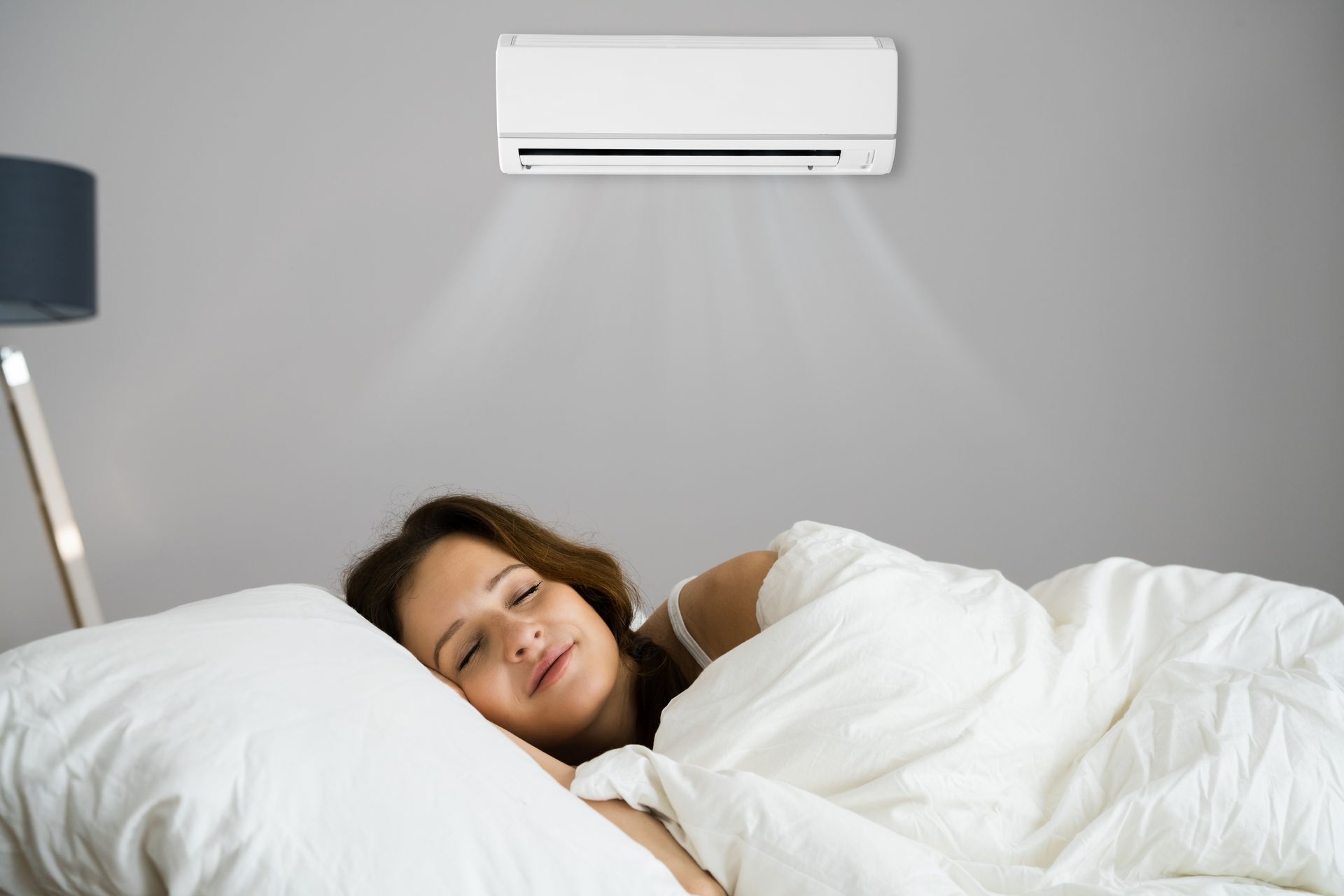
The bedroom temperature range most consistently associated with good sleep for adults is roughly 15 to 19 degrees Celsius (60 to 67 degrees Fahrenheit), though individual preference varies. Rooms that are too warm impair the ability to fall asleep and increase nighttime awakenings. The body's temperature regulation mechanisms continue to operate during sleep, and when the ambient environment is too hot, those mechanisms work against rest rather than in concert with it.
This is partly why many people find it easier to fall asleep in winter than in summer, and why sleep quality tends to deteriorate during heat waves even among people who feel they have adapted to warmer weather. The cooling that happens in the first part of the night — driven partly by the body radiating heat through the hands and feet — is important for transitioning into deep slow-wave sleep.
Practical steps for cooling the sleep environment include setting the thermostat lower in the evening, using lighter bedding, running a fan for air circulation, and wearing breathable or minimal sleepwear. Some people use cooling mattress pads or pillow inserts. For those without air conditioning, opening windows at night and closing them with blackout curtains during the day can help keep rooms cooler than the outdoor temperature during summer months.
The cooling signal also helps explain why a warm shower or bath 60 to 90 minutes before bed can aid sleep despite seeming counterintuitive. The warm water draws blood to the skin's surface, which accelerates heat loss from the body. Core temperature drops more quickly in the aftermath than it would without the bath, which can make falling asleep easier. The timing matters — a hot shower immediately before bed can temporarily elevate core temperature, which has the opposite effect.
Valeriya Kobzar / Pexels
Alcohol is widely used as a sleep aid, and it does have sedative properties that can make it easier to fall asleep. The problem is that what follows is not normal sleep. Alcohol metabolized during the night produces aldehydes and other compounds that fragment sleep, suppress REM sleep in particular, and increase the likelihood of waking in the second half of the night — often accompanied by vivid dreams or feelings of anxiety as blood alcohol levels decline.
REM sleep, which becomes more concentrated in the later sleep cycles, is the stage most directly associated with emotional regulation and memory consolidation. Chronic disruption of REM sleep has effects that go beyond tiredness: reduced capacity to process emotional experiences, impaired learning, and in some people, a gradual increase in anxiety and depressive symptoms.
The dose-response relationship between alcohol and sleep disruption is not linear. Even a moderate amount — two drinks in the evening — measurably alters sleep architecture in most people. The effects are worse when alcohol is consumed close to bedtime, because more of it remains active in the bloodstream during the first sleep cycles. Consuming the same amount earlier in the evening, with food, and allowing more time for metabolism before sleep reduces but does not eliminate the disruption.
People who drink regularly often report sleeping through the night without apparent problems, but polysomnography studies — which measure brain activity, eye movement, and muscle tone during sleep — consistently show disrupted sleep architecture even in habitual drinkers who feel they are sleeping normally. Subjective sleep quality is a poor guide here; the damage is happening below the threshold of awareness.
The habit that consistently produces better sleep is not necessarily complete abstinence but a substantial reduction in how often alcohol is consumed in the hours before bed, and a clear awareness that using it as a sleep aid is pharmacologically counterproductive. For people troubleshooting poor sleep, eliminating evening alcohol is one of the first experiments worth running.

Finde Zukunft / Unsplash
Behavioral conditioning shapes how the brain responds to physical environments. When a person uses their bed primarily for sleep, the brain comes to associate that environment with sleep onset. When the same person uses their bed for working, watching television, scrolling on a phone, eating, or having emotionally activating conversations, the association weakens — and the bed becomes a place the brain treats as ambiguously, sometimes triggering alertness rather than rest.
This principle is formalized in a technique called stimulus control, which is one of the core components of cognitive behavioral therapy for insomnia (CBT-I), the most extensively validated non-pharmacological treatment for chronic sleep difficulty. The idea is not mysterious: the brain is highly sensitive to contextual cues, and sleep environments work best when they are consistently and exclusively associated with sleep.
The practical implementation requires a degree of discipline that can feel inconvenient, particularly in small living spaces or for people who have long-standing habits of working from bed. But the instructions are straightforward: use the bed only for sleep (and sex, which does not appear to disrupt the sleep association). If lying in bed awake for longer than roughly 20 minutes, get up and do something calm in another room until sleepy, then return.
The second part of this instruction — leaving the bed when unable to sleep — is counterintuitive and frequently resisted. Lying in bed awake feels like waiting for sleep to arrive. In practice, it reinforces wakefulness in the bed environment. Each minute spent awake in bed teaches the brain that bed is a place where wakefulness can occur. Over time, this can produce learned arousal: the act of getting into bed triggers alertness rather than drowsiness.
For people who work from home and have limited space, establishing some other environmental differentiation can help — a specific pillow, a room divider, or a consistent change in lighting when the bed transitions from workspace to sleep space. The principle is the same regardless of method: environmental consistency reinforces neurological association, and sleep benefits from strong ones.
Ron Lach / Pexels
The transition from full wakefulness to sleep is not a switch — it is a gradual process that requires physiological conditions that cannot be rushed but can be helped along. A consistent pre-sleep routine signals the brain and body that the end of the active day is approaching, initiating the cascades of hormonal and neurological change that make sleep possible.
What a wind-down routine includes matters less than its consistency and its content. The key property is that it should involve activities that are low-stimulation, predictable, and calming. Over time, the brain begins to associate the routine with sleep onset, making the transition progressively easier. This is not a placebo effect — it reflects how anticipatory neurological responses work. The brain begins modulating arousal in response to environmental cues before sleep actually begins.
Activities that work well in a wind-down routine tend to share a few characteristics: they require minimal decision-making, they don't involve screens or high-intensity media, and they create a reliable transition from the active portion of the day. Reading physical books is among the most commonly recommended — it occupies attention in a way that prevents rumination without the stimulating effects of screens or emotionally activating content. Light stretching, listening to calm music, taking a warm bath, or practicing a relaxation technique like progressive muscle relaxation can all serve the same function.
The duration of the routine matters less than its regularity. A 20-minute routine practiced every night will produce a stronger sleep-onset association than an hour-long routine practiced three times a week. Predictability is the mechanism.
People who have inconsistent evening schedules — who sometimes wind down carefully and sometimes go from full activity directly to bed — often report variable sleep quality that they attribute to other factors, when the lack of transition time is a primary contributor. Building even a brief, consistent wind-down sequence into the last half-hour before bed is one of the more accessible and underappreciated interventions available for improving sleep onset latency.

Tirachard Kumtanom / Pexels
Physical activity has a well-established relationship with sleep quality. Regular aerobic exercise tends to increase total sleep time, improve sleep efficiency, increase the proportion of slow-wave (deep) sleep, and reduce the time it takes to fall asleep. The mechanisms are multiple: exercise depletes energy stores, lowers chronic stress hormones over time, reduces anxiety, and produces a post-exercise recovery state that the body interprets as preparation for rest.
The effect is not immediate. People who begin exercising regularly typically see improvements in sleep within two to four weeks, not the next day. And the benefit is cumulative — it reflects a change in baseline physiology rather than a direct chemical effect of any single session.
Timing, however, matters. Vigorous exercise elevates core body temperature, increases heart rate, and stimulates the sympathetic nervous system (the alertness-promoting system). These effects can persist for one to three hours after exercise ends. Finishing a high-intensity workout within an hour or two of bedtime can delay sleep onset and reduce sleep quality in people who are sensitive to this effect, even though the same exercise would benefit sleep when performed earlier.
The evidence on this is somewhat individualized — some people report no difficulty sleeping after late evening workouts, and moderate-intensity exercise (a brisk walk, gentle cycling, yoga) does not carry the same stimulating risk. But for people who exercise vigorously and consistently struggle to fall asleep at their intended bedtime, the timing of their workouts is worth examining.
Morning exercise has the additional benefit of combining physical activity with light exposure, which reinforces the circadian signal discussed earlier. Afternoon exercise — finishing before roughly 5 p.m. — gives the body enough time to complete the post-exercise recovery process before the sleep window begins for most people.
Resistance training produces broadly similar sleep benefits to aerobic exercise and is worth including in a weekly routine. The general principle is consistent effort, distributed across the week, timed to avoid acute physiological activation close to the sleep window.
Dang Hong / Pexels
Just as morning light anchors the circadian clock to daytime, light exposure in the evening can delay it, pushing the brain's sense of when nighttime begins progressively later. This is the fundamental mechanism behind the sleep disruption associated with screens — not the content being watched, but the light they emit.
Short-wavelength blue light, which is emitted in significant quantities by LED screens, smartphone displays, and many modern light bulbs, is the wavelength most effective at suppressing melatonin production. Melatonin is a hormone released by the pineal gland in response to darkness; it does not cause sleep directly but signals the brain that night has arrived, which promotes the conditions for sleep onset. Evening light exposure — particularly in the two to three hours before bed — can meaningfully delay this signal.
The practical implications extend beyond screens. Bright overhead lighting in the hours before bed has an effect similar to screen exposure. Dimming household lights in the evening, switching to warmer-toned bulbs, and avoiding very bright rooms late at night all reduce the circadian disruption associated with artificial light.
For screens specifically, the most effective approach is reducing use in the 60 to 90 minutes before bed. Software-based blue light filters (such as night mode settings on phones and computers) reduce blue light output but do not eliminate it, and screen brightness itself is a significant variable — a dim screen with a blue light filter has a smaller effect than a bright screen with the same filter applied.
People who read on tablets or phones in bed should be aware that this combines two of the factors that weaken sleep: screen light exposure and bed use during wakefulness. Physical books under a dim, warm-toned lamp are a more sleep-compatible alternative.
The adjustment period matters here. Making the bedroom and living space darker in the evenings, consistently over several weeks, recalibrates the circadian clock in a way that typically makes falling asleep at the intended time easier and natural sleepiness more pronounced. It is a slow intervention but one with compounding benefits.
BrilliantEye / Getty Images
Darkness during sleep serves a distinct function from limiting pre-sleep light exposure, though both are important. Even small amounts of light during sleep — from streetlights visible around curtains, from standby LEDs on electronics, from charging indicator lights — can affect sleep quality by influencing melatonin levels and introducing subtle arousal signals that the brain processes even during sleep.
The human brain does not go completely offline during sleep. The retina continues to respond to light, and the suprachiasmatic nucleus — the brain's master clock — maintains sensitivity to light signals throughout the night. Exposure to light during the night, even at low intensities, can shift circadian timing and alter the depth of sleep, particularly during the later cycles when REM sleep is most concentrated and light sleep is more frequent.
Creating a genuinely dark sleeping environment is more impactful than it might seem. Blackout curtains or blackout shades are the most effective solution for external light, and they serve double duty in summer by keeping rooms cooler during the day. For indoor light sources, covering LED indicators with electrical tape, removing or unplugging devices that emit standby light, and keeping phones face-down or in another room addresses the main sources of nighttime light inside the bedroom.
Eye masks are a portable alternative when permanent room modifications aren't possible, and some people find them highly effective. The limitation is comfort — masks that shift during sleep or cause pressure can themselves become a source of waking.
The importance of darkness tends to be underestimated because the light levels involved are genuinely low. The ambient glow of a streetlight through thin curtains, or the collective LED output of a phone charger and a television standby indicator, doesn't feel bright. But the brain's response to light during sleep is calibrated to detect these low levels because that is what it evolved to do — the earliest possible signal of dawn was biologically important information. Eliminating unnecessary nighttime light sources addresses a physiological sensitivity that is real and measurable, even when the subjective experience suggests the room is "dark enough."
PonyWang / Getty Images
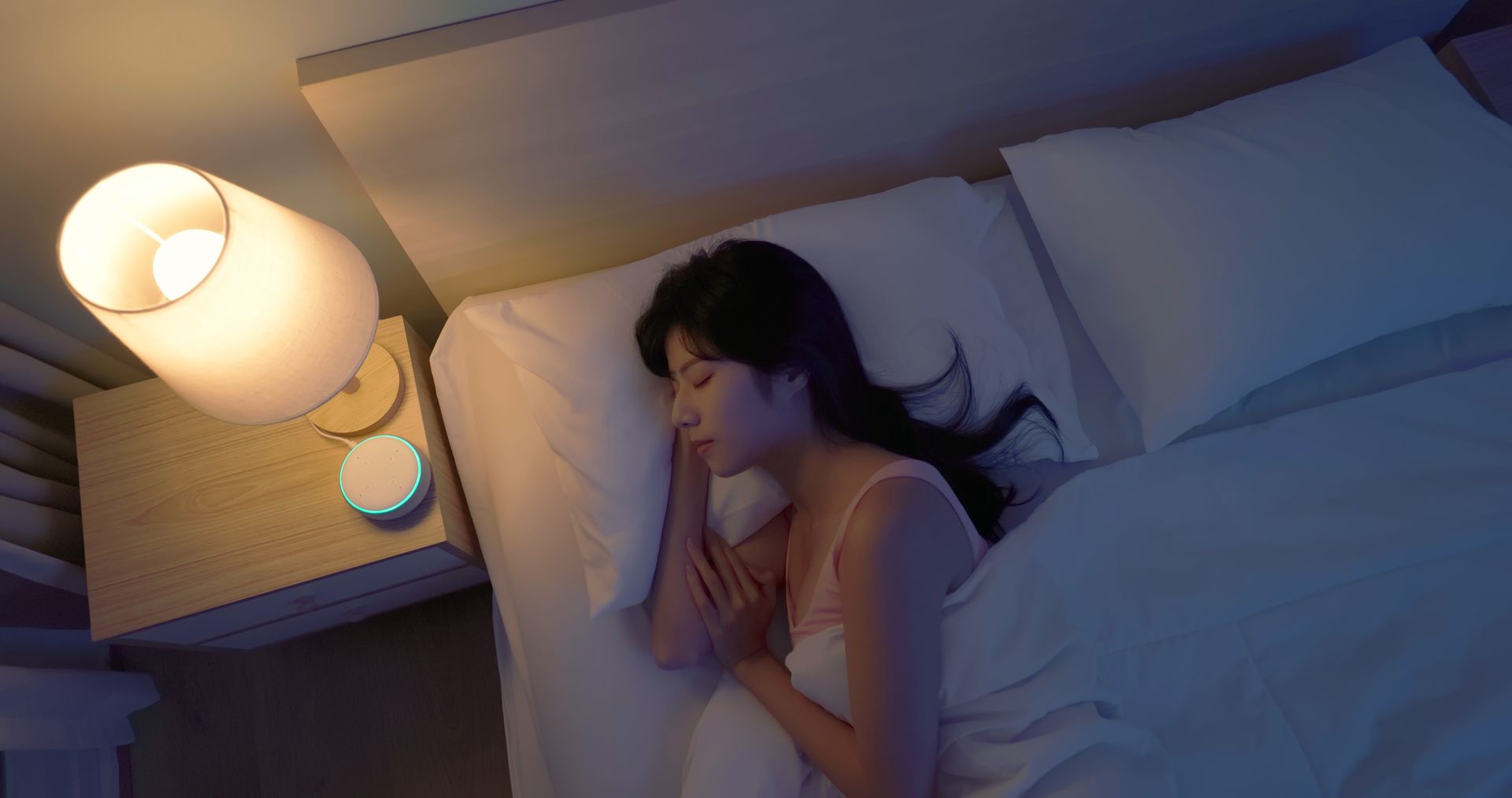
Noise disrupts sleep by triggering the brain's threat-monitoring systems, which remain partially active even during deep sleep. Sudden or unpredictable sounds — a car alarm, a door closing, a phone notification — are particularly disruptive because the brain prioritizes novel or changing stimuli. Even sounds that don't fully wake a person can produce micro-arousals, brief transitions to lighter sleep stages that fragment sleep architecture and reduce its restorative quality.
The most straightforward approach is reducing noise at the source: closing windows, using earplugs, moving the bedroom away from street-facing walls if possible, or using double-pane windows where they're available. These solutions are not always practical, particularly in urban environments or shared living situations.
White noise — a consistent, broadband sound that masks fluctuations in ambient noise — is a widely used and well-tolerated alternative. The mechanism is acoustic masking: a steady background sound raises the threshold at which sudden noises stand out. A car horn on a quiet street is far more disruptive than the same horn heard against the backdrop of steady traffic. White noise works by creating the auditory equivalent of that steady background.
Other forms of consistent background sound — pink noise, brown noise, or ambient sounds like rain or fans — function similarly and are preferred by some people over white noise's sharper, higher-frequency quality. Machine-generated white noise (from a fan or a dedicated device) or digital recordings via a speaker both work; the key property is consistency throughout the night rather than a track that loops with perceptible gaps.
For people sharing a bedroom with a partner who snores, white noise is often a more accessible solution than asking the partner to address the snoring — though persistent, loud snoring warrants evaluation for sleep apnea, which is a medical condition with its own distinct effects on sleep quality.
Children are often helped by consistent background sound as well, since their sleep is more susceptible to environmental disturbance. Adults who grew up in noisy environments sometimes find they actually sleep better with some background sound than in complete silence — the brain adapts to its habitual auditory environment, and silence can itself feel alerting to people unaccustomed to it.

Sean Gallup / Getty Images
Digestion is metabolically active work. When a large meal is consumed close to bedtime, the digestive system remains in a high-activity state during the early part of the night, producing heat, demanding blood flow, and maintaining gastric motility. This activity is inconsistent with the cooling and metabolic slowing that deep sleep requires.
The effects are not the same for everyone. People with healthy digestive systems and regular schedules may notice little impact from eating a moderate meal an hour or two before bed. But large meals — particularly those high in fat, which slows gastric emptying — reliably produce more disruption. Fatty foods delay the time it takes the stomach to empty, meaning digestive activity extends further into the sleep window.
Gastroesophageal reflux (acid reflux) is a particularly common sleep disruptor with a direct dietary mechanism. When a person lies down shortly after eating, stomach contents are closer to the esophageal junction, and the relaxation of the lower esophageal sphincter during sleep increases the likelihood of acid rising into the esophagus. People who experience heartburn or reflux — and many do without necessarily recognizing it as such — often find that eating earlier in the evening substantially improves sleep.
A practical guideline is to finish the main meal of the day at least two to three hours before the intended sleep time. This doesn't require going to bed hungry; a small, low-fat snack closer to bedtime is generally tolerable. Some people find that including carbohydrates — which are associated with tryptophan availability and serotonin production — in an evening snack helps with sleep onset, though the evidence on this is modest.
The timing of all eating, not just dinner, has broader circadian implications. Late eating can shift the peripheral clocks in metabolic organs, creating a mismatch between the central circadian clock and the digestive system. For people troubleshooting sleep quality, moving the dinner window earlier — and keeping it consistent — is a low-cost experiment with potential benefits beyond the direct digestive effects.
cottonbro studio / Pexels
Lying awake with racing thoughts is among the most common complaints in sleep medicine, and it reflects a genuine neurological problem: the prefrontal cortex, which governs executive function and worry, does not simply quiet down because the body is horizontal. For many people, the absence of daytime distractions is precisely when anxious or ruminative thinking is most active.
The relationship between anxiety and sleep runs in both directions. Poor sleep elevates anxiety by impairing the prefrontal regulation of the amygdala — the brain's alarm system — making threat-related thoughts feel more urgent and harder to dismiss. This creates a cycle in which anxiety disrupts sleep, and disrupted sleep amplifies anxiety. Breaking it requires addressing both sides.
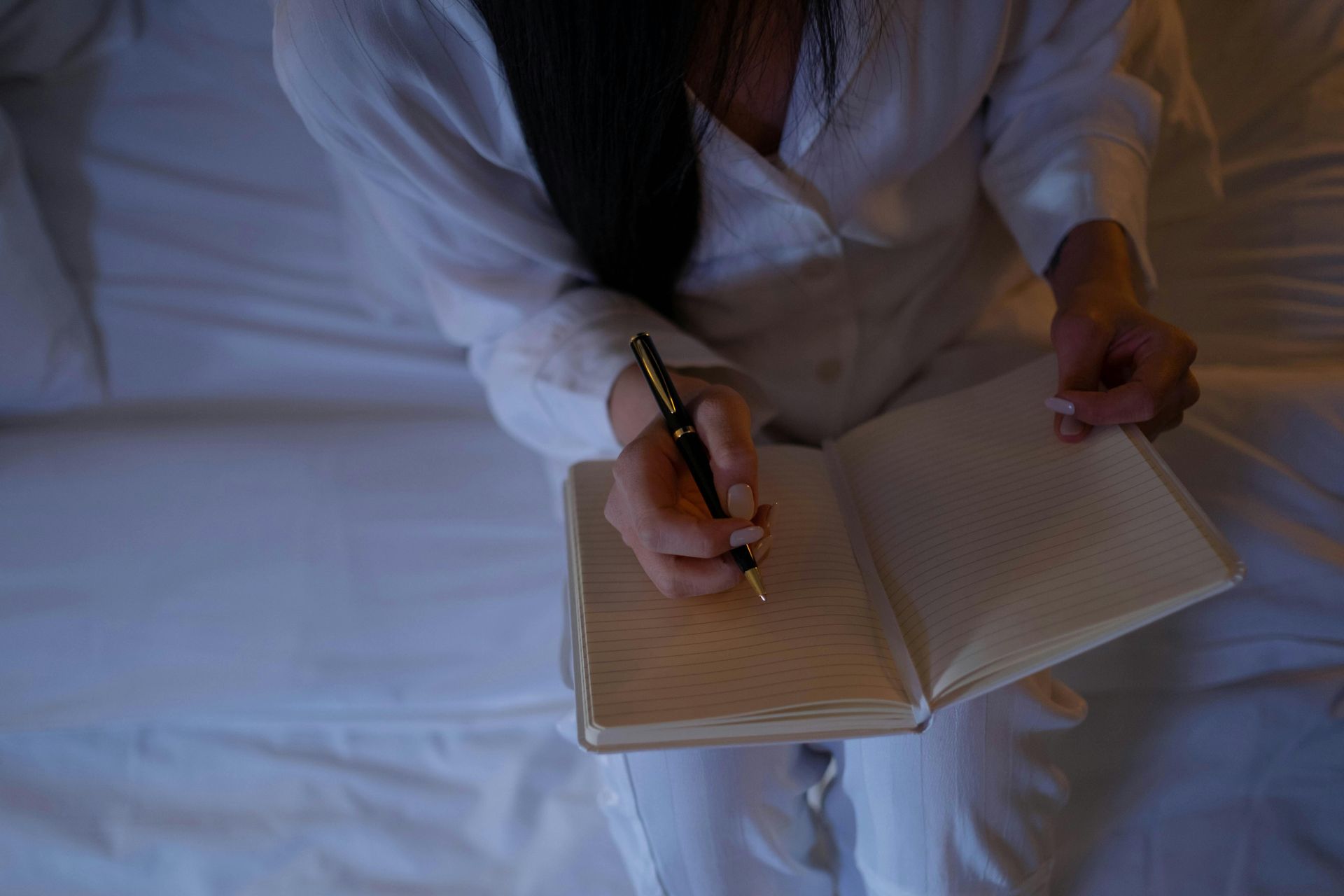
Behavioral techniques have the strongest track record for managing nighttime rumination. Scheduled worry time — deliberately setting aside 15 to 20 minutes in the early evening to write down concerns and possible responses, then actively redirecting rumination to the scheduled time when it occurs at night — reduces the frequency and intensity of intrusive thoughts during the sleep window for many people. The act of externalizing worries onto paper appears to reduce the brain's need to keep cycling through them.
Cognitive restructuring — examining the accuracy of anxious predictions and identifying cognitive distortions — is a core component of CBT-I and is effective for sleep-related anxiety specifically. The target is not positive thinking but accurate thinking: identifying when catastrophizing, mind-reading, or overgeneralizing is generating worry that isn't proportionate to reality.
Relaxation techniques such as diaphragmatic breathing, progressive muscle relaxation, and body-scan meditation address the physiological component of anxiety — elevated heart rate, muscle tension, sympathetic activation — rather than the cognitive one. They don't suppress thoughts but change the body's response to them, creating a more conducive state for sleep onset.
People with clinical anxiety disorders or significant insomnia should not rely solely on self-guided techniques. CBT-I delivered by a trained clinician or through validated digital programs has a substantial evidence base and produces durable results without the rebound effects associated with sleep medications.
fcafotodigital / Getty Images
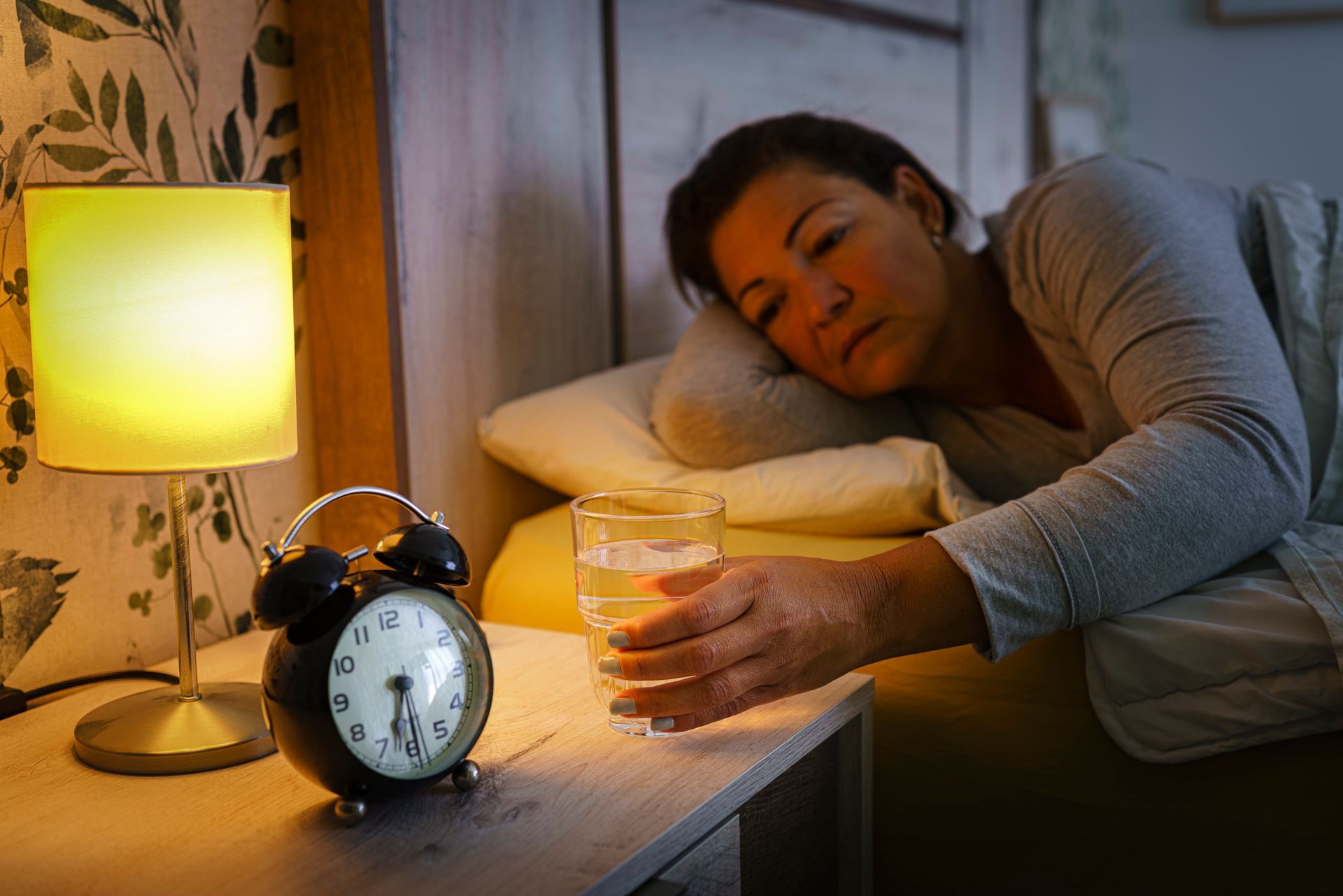
Nocturia — waking at night to urinate — is one of the most common causes of sleep disruption across all age groups, and it becomes more prevalent with age. A significant contributor is fluid intake too close to bedtime, which fills the bladder during the early part of the sleep cycle and generates the signal to wake before the deeper stages of sleep have fully run their course.
The basic behavioral adjustment is straightforward: move the bulk of daily fluid intake earlier in the day, and taper intake in the two to three hours before bed. Most adults need roughly two liters of fluid per day through beverages and food; there's no reason this hydration can't be distributed through waking hours in a way that avoids front-loading the bladder at night.
Some beverages have compounding effects beyond their fluid volume. Alcohol is a diuretic — it suppresses vasopressin, the hormone that reduces urine production at night — meaning that alcohol consumed in the evening produces more urine than the same volume of water would. Caffeine is also mildly diuretic in some people, though the effect is less pronounced in regular consumers who have developed tolerance. Both are therefore worth limiting in the evening on two separate counts.
For people who experience nighttime urination despite limiting evening fluids, other factors may be contributing. Caffeine's diuretic effect can persist for hours. High-sodium meals increase fluid retention and then fluid excretion. Some medications, including certain blood pressure drugs and diuretics, are better taken in the morning to avoid nighttime voiding.
Older adults face an additional physiological factor: the kidneys' circadian rhythm, which normally concentrates urine at night and reduces production, becomes less pronounced with age. This is a medical matter, and people experiencing significant nocturia that doesn't respond to fluid management should discuss it with a physician, as it can have multiple treatable causes including sleep apnea, which itself increases nighttime urine production through a separate mechanism involving cardiac hormones.

RDNE Stock project / Pexels
Napping can support alertness and cognitive function during the day, but it interacts with the sleep drive in ways that affect nighttime sleep if it is too long or too late in the afternoon. The sleep pressure system — the adenosine accumulation discussed earlier — operates on a daily cycle. Napping depletes sleep pressure built up during waking hours, which directly reduces the strength of the signal that drives sleep onset at night.
A short nap of 10 to 20 minutes, taken before 3 p.m., delivers most of the alertness benefits of napping without significantly depleting sleep pressure. These short naps involve only the lighter stages of sleep (stages 1 and 2) and end before the brain enters slow-wave sleep, which would produce the grogginess and disorientation known as sleep inertia upon waking.
Naps longer than 30 minutes — and especially naps of 60 to 90 minutes — carry a higher risk of slow-wave sleep, which is harder to interrupt and leaves some people feeling worse, not better, for a longer period after waking. They also more substantially reduce nighttime sleep pressure, which can delay sleep onset or reduce total sleep time at night.
Napping after 3 p.m. to 4 p.m. is the bigger problem for most people with normal sleep schedules. Late afternoon is close enough to the intended sleep window that even a short nap can shift the evening's homeostatic sleep pressure substantially, making it harder to feel sleepy at bedtime.
For people who are significantly sleep-deprived — recovering from several consecutive nights of short sleep — a longer nap can be a legitimate recovery tool with less cost to the following night than might be expected. But as a regular practice, napping works best when treated as a brief, early supplement to a solid nighttime foundation rather than a correction for it. People who rely heavily on napping to get through the day are usually compensating for inadequate nighttime sleep, and addressing the root cause will generally serve them better than optimizing their napping habits.

Adisak Lamphat / Getty Images
The separation of work time from rest time has become harder to maintain as remote work, mobile devices, and always-on communication have collapsed the spatial and temporal boundaries that previously enforced it. The consequence for sleep is not only the time spent working — it is the cognitive activation that work-related thinking produces, which can persist well into the evening and resist the wind-down process.
Work problems, unresolved emails, pending decisions, and professional anxieties have a way of resurfacing during the quiet of the evening. This is partly because the daytime environment is full of stimuli that compete with those thoughts for attention, while evening environments are not. The result is that people who check email at 9 p.m. or review work documents in bed are often not simply adding an extra hour of work — they are extending the cognitive activation of their working state into the sleep window.
The behavioral principle at stake is similar to stimulus control for the bed: consistency in how environments and time periods are used shapes the brain's state in them. An evening that reliably involves no work-related activity becomes a reliable transition to rest. An evening that frequently involves work-related activity, even briefly, does not offer that consistency.
A specific, useful practice is creating an end-of-work ritual — a defined set of actions that closes out the workday and creates a psychological boundary. This might involve writing a brief list of tasks for the following day, closing all work-related applications, and a physical action that marks the transition (changing clothes, going for a walk, preparing dinner). The content matters less than the consistency: the ritual trains the brain to recognize that a boundary has been crossed.
People who work from home face a particular version of this challenge because the workspace and the rest space are the same building. Establishing dedicated work zones, keeping work devices out of the bedroom, and maintaining a consistent end-of-work time all help reinforce the boundary that geographic separation used to provide automatically.
Bob Price / Pexels
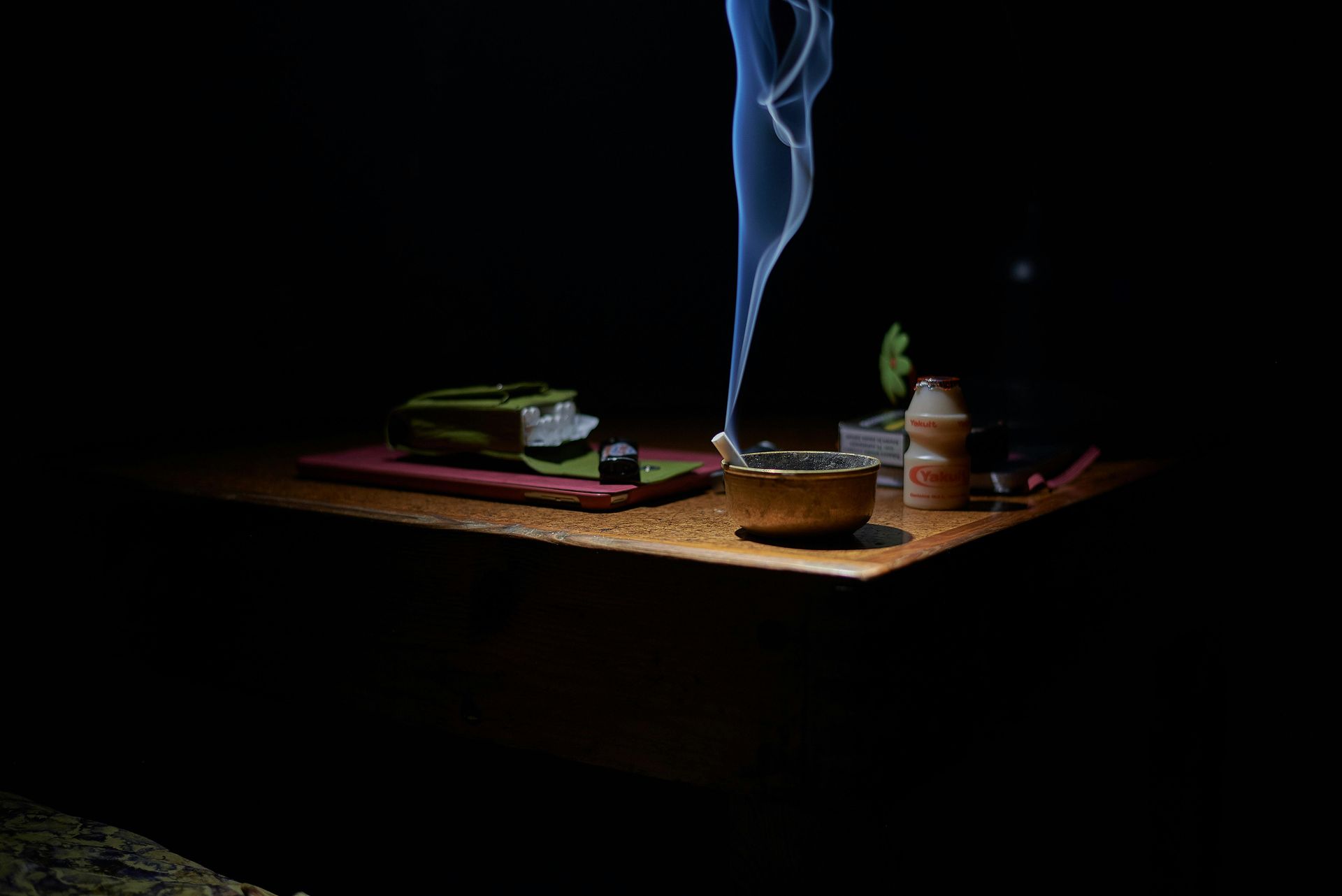
Nicotine is a stimulant. This is a basic pharmacological fact with direct implications for sleep: nicotine activates the sympathetic nervous system, elevates heart rate, and promotes alertness. People who smoke or use other nicotine products regularly often find that they have difficulty falling asleep, particularly when they smoke close to bedtime.
Nicotine's half-life in the blood is roughly two hours, but its effects on the central nervous system can persist longer, and regular use raises baseline nicotine levels that take considerably more time to clear. Smokers in general tend to have lighter, more fragmented sleep than non-smokers, spend less time in slow-wave sleep, and report lower sleep satisfaction.
There is an additional complication: nicotine dependence produces withdrawal symptoms during sleep. Because sleep represents a forced abstinence from nicotine, the body's dependence state generates mild withdrawal cues during the night — particularly in the later sleep cycles — that can increase nighttime awakenings. Some smokers experience this as early waking and a strong urge to smoke first thing in the morning; they are effectively waking due to withdrawal.
Nicotine replacement products used as smoking cessation aids (patches, gum, lozenges) have their own effects on sleep, particularly transdermal patches worn overnight, which deliver nicotine continuously and can disrupt sleep through the same stimulant mechanism. People using patches sometimes find that removing the patch before sleep reduces nighttime disruption, though this is worth discussing with the prescribing physician.
The relationship between smoking cessation and sleep is not uniformly smooth in the short term. The first weeks after quitting are often accompanied by sleep disruption, vivid dreaming, and increased anxiety, which are withdrawal effects. These typically resolve within two to four weeks, after which former smokers generally report significantly improved sleep quality. The long-term trajectory — both for sleep and for health broadly — favors cessation substantially.

Pheelings Media / Getty Images
The arousal system and the sleep system are partly antagonistic: activating one tends to suppress the other. Stress and cognitive arousal at bedtime reflect a state of heightened sympathetic nervous system activity that is physiologically incompatible with sleep onset. Relaxation techniques work by deliberately activating the parasympathetic nervous system — the rest-and-digest counterpart to the fight-or-flight response — which creates the physiological conditions that support sleep.
Several techniques have been studied in relation to sleep and show consistent benefit. Progressive $PGR muscle relaxation, developed by physician Edmund Jacobson in the early 20th century, involves systematically tensing and releasing muscle groups throughout the body. The contrast between tension and release creates a deepening awareness of physical relaxation that reduces both muscle tension and cognitive arousal. It takes roughly 15 to 20 minutes and can be practiced lying in bed.
Diaphragmatic breathing — slow, deep breaths that engage the diaphragm and expand the belly rather than the chest — directly activates the parasympathetic nervous system via the vagus nerve. The 4-7-8 breathing pattern (inhale for four counts, hold for seven, exhale for eight) is one formulation. Slow exhalation relative to inhalation is the key mechanism, regardless of the specific counting pattern used. Extended exhalation activates the vagal brake and produces measurable reductions in heart rate.
Body-scan meditation — directing attention sequentially through different parts of the body and simply noticing sensations without trying to change them — trains the brain away from ruminative thought patterns and toward present-moment sensory awareness. This is particularly useful for people whose nighttime wakefulness is dominated by future-oriented worry or replaying of past events.
The consistent practice of any of these techniques produces stronger results than occasional use. Like all behavioral sleep interventions, their effectiveness builds over time as the brain learns to associate the technique with the subsequent transition to sleep.
rozdemir01 / Getty Images
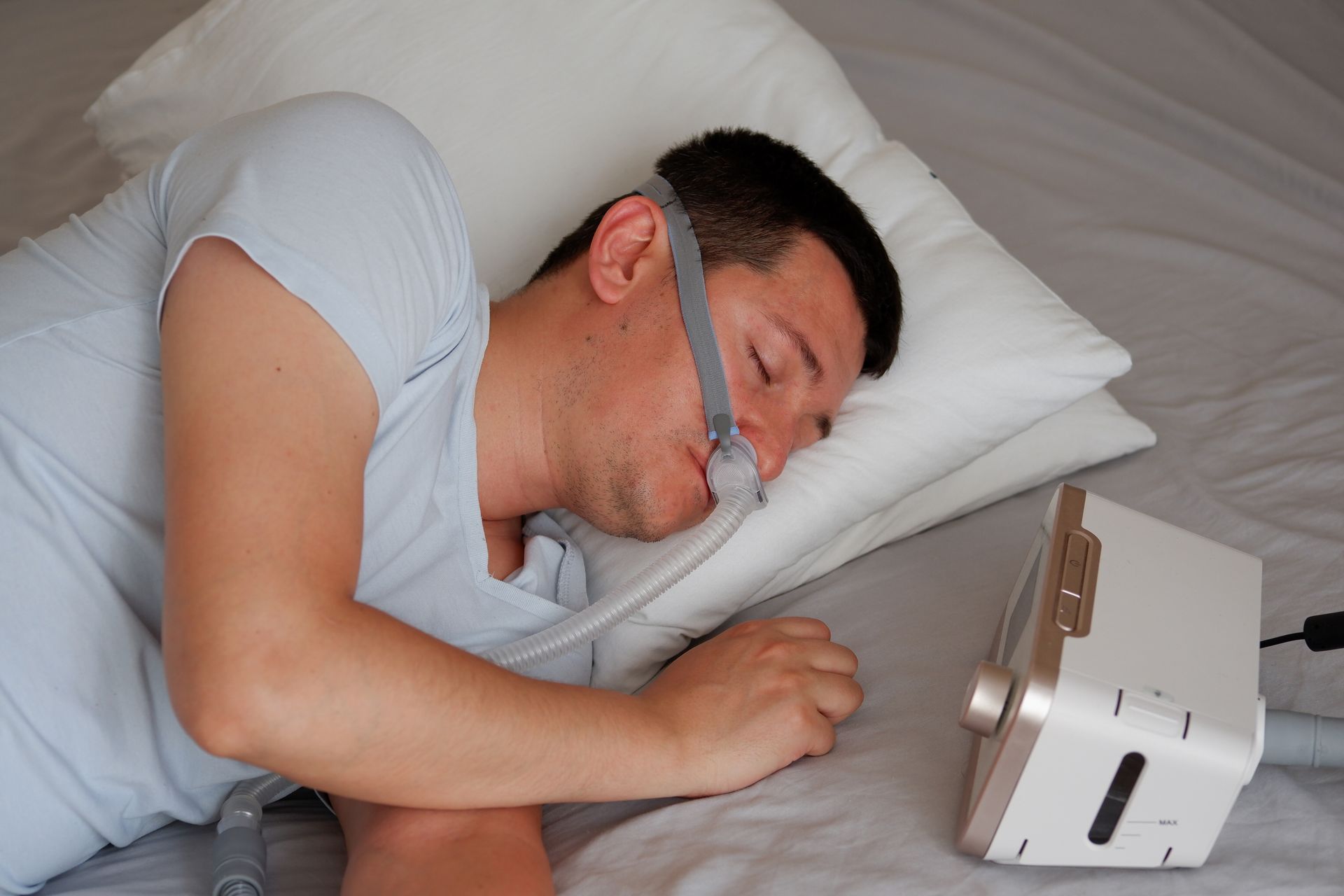
Sleep apnea is a medical condition in which breathing repeatedly pauses during sleep — sometimes dozens or hundreds of times per night — typically because the soft tissue of the throat collapses, partially or completely blocking the airway. Each interruption triggers a partial arousal as the brain registers the drop in blood oxygen and prompts a return to breathing. These arousals are usually brief and incomplete, meaning most people with sleep apnea don't experience them as waking. What they experience instead is chronic fatigue, unrefreshing sleep, morning headaches, and often a partner reporting loud snoring or observed breath-holding.
Sleep apnea is substantially underdiagnosed. The symptoms are common enough to be attributed to lifestyle factors — stress, long working hours, poor sleep habits — and the diagnostic pathway (a sleep study, either in a lab or at home via a wearable device) requires active medical engagement that many people never initiate.
The relevance to sleep habits is this: someone with moderate or severe sleep apnea can implement every other habit on this list and still wake up exhausted, because the structural interruption of breathing overrides all behavioral optimization. For people who feel they sleep sufficient hours but consistently wake unrested, who snore, or who feel excessively sleepy during the day despite adequate time in bed, sleep apnea is worth ruling out before attributing the problem to habits or stress.
Risk factors include male sex, older age, obesity, a thick neck circumference, a recessed jaw, and nasal congestion — but none of these is required. Thin, young women can have sleep apnea. Children can have it.
Treatment with continuous positive airway pressure (CPAP) is effective for most people with obstructive sleep apnea. Alternatives include mandibular advancement devices and, for some cases, positional therapy (avoiding sleeping on the back) or targeted weight loss. The point is that identifying the condition is the necessary first step — and it cannot be addressed through behavioral habits alone.
Jorg Greuel / Getty Images
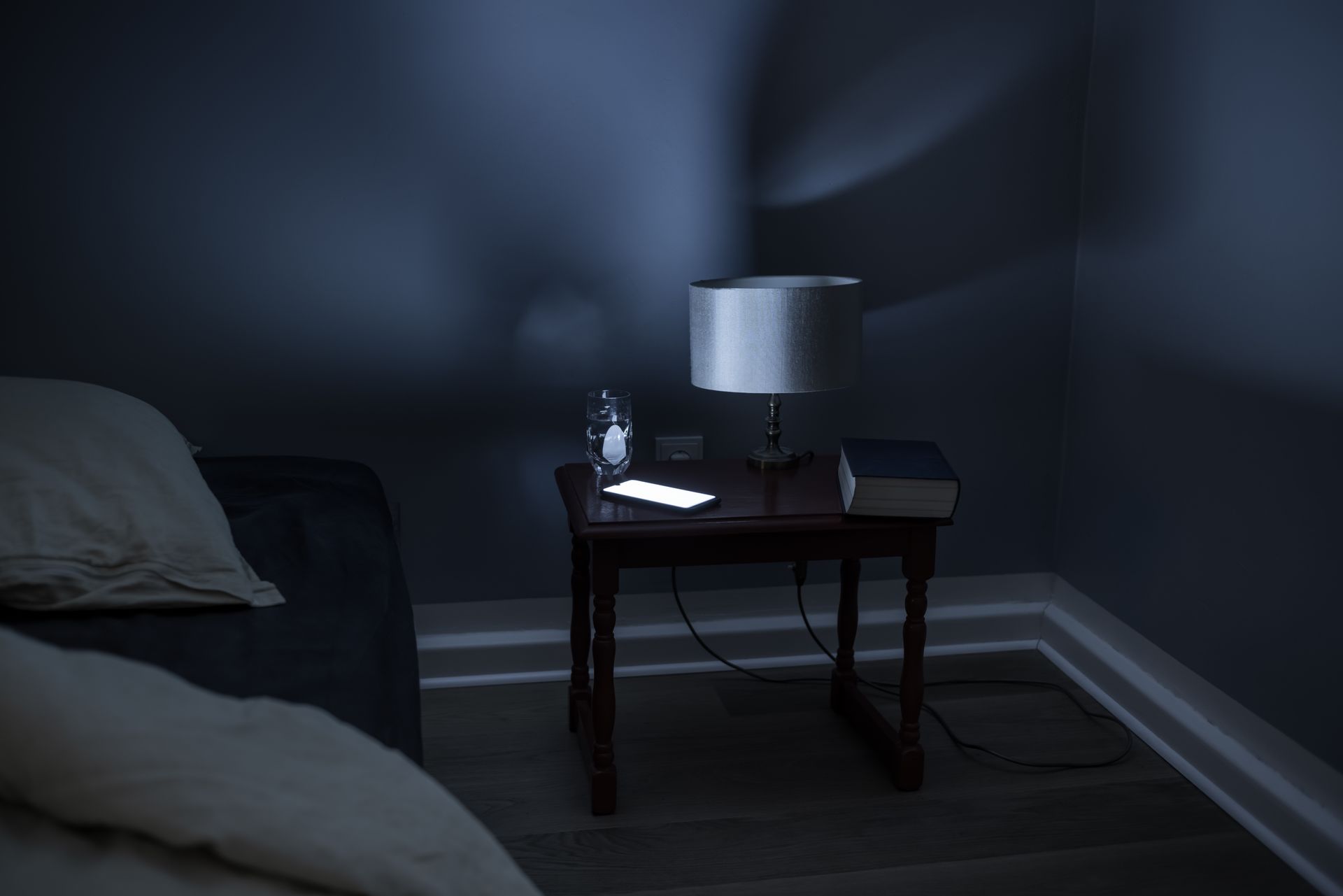
The argument against screens before bed is most commonly framed around blue light and its effect on melatonin. That mechanism is real, but it captures only part of why screens disrupt sleep. The content consumed through screens — news, social media, streaming video, games — creates its own category of problem that is separate from the light they emit.
Emotionally activating content raises physiological arousal. A stressful news cycle, a dramatic episode of television, a provocative thread on social media — each of these engages the brain's emotional processing systems, elevating heart rate, triggering rumination, and sustaining a state of cognitive activation that is directly at odds with sleep onset. The brain doesn't shift from high emotional engagement to restful sleep in five minutes; the activation lingers.
The interactive nature of social media and games adds a further layer. Unlike passive media consumption, interactive content involves decision-making, social evaluation, variable reward cycles (the unpredictable refresh of a social feed functions similarly to a slot machine in terms of dopamine engagement), and sometimes interpersonal conflict or comparison. These qualities are specifically designed to hold attention, and they do so in ways that the brain finds genuinely difficult to disengage from.
There is also a practical time displacement effect. Screens in bed reliably extend the time between getting into bed and falling asleep. Even for people who don't feel particularly stimulated by what they're watching or reading, the act of looking at content competes with sleep as a behavioral option. Boredom, which would otherwise produce drowsiness, is continuously forestalled.
A phone-free bedroom — where the phone charges in another room overnight — is one of the most reported-effective practical interventions for this problem. It removes the temptation for middle-of-the-night checking, eliminates the light source in the room, ensures that the last stimulus before sleep is not a screen, and eliminates the disruptive effect of notifications. The objection that the phone serves as an alarm clock is easily addressed by a separate alarm clock.
Oscar Wong / Getty Images
People are generally poor judges of their own sleep quality in the absence of objective data. The distortions run in both directions: some people overestimate how poorly they sleep (a phenomenon called sleep state misperception that is common in insomnia), while others systematically underestimate how much their sleep is being disrupted by factors they haven't identified. Without some form of tracking, both groups tend to stay stuck.
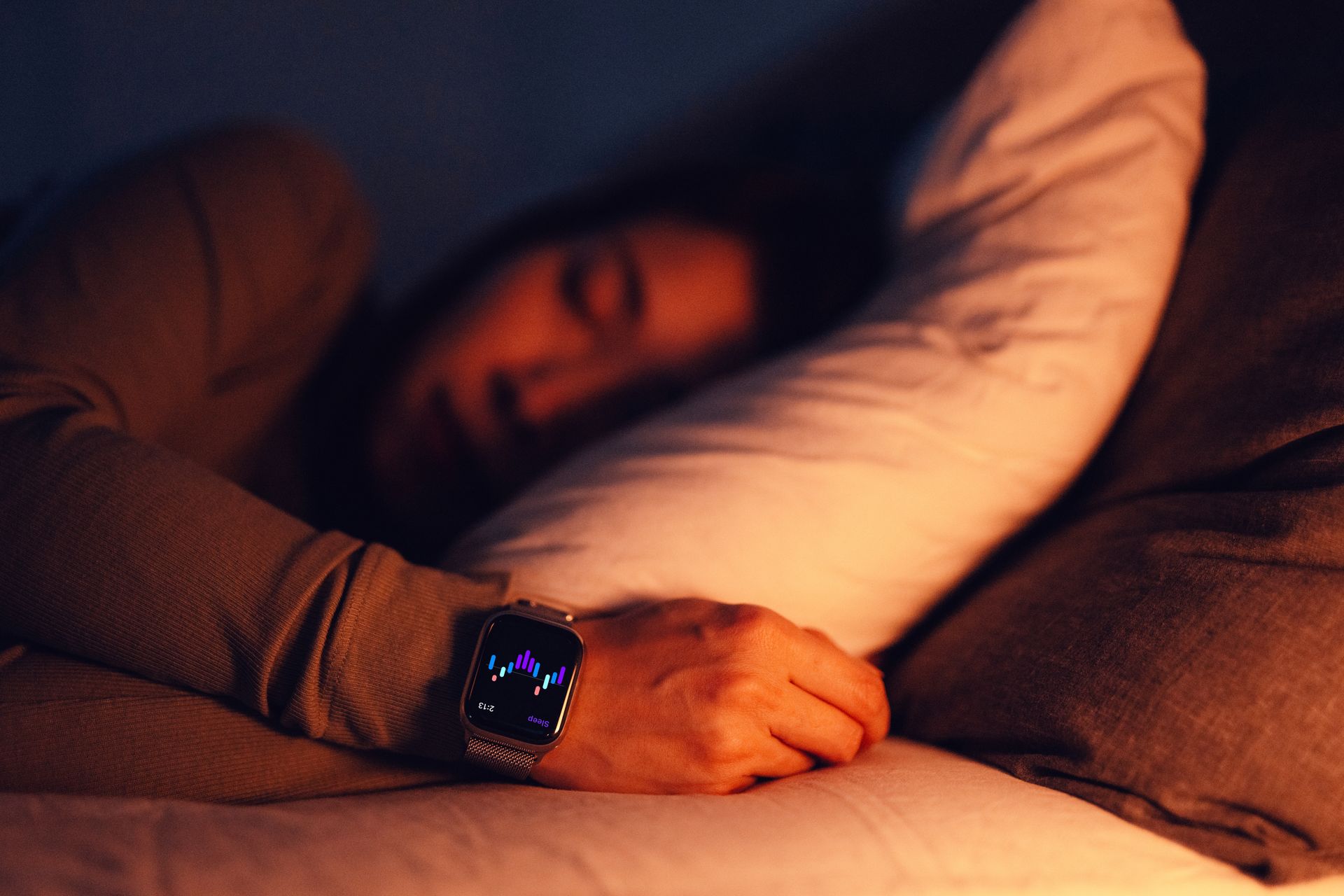
Sleep tracking does not require clinical equipment. Consumer wearables — smartwatches and fitness trackers — provide approximations of sleep duration and stages that are imprecise in their detail but useful as trend data. The value is not in knowing exactly how many minutes of REM sleep occurred on a given night but in identifying patterns across days and weeks: whether sleep duration correlates with energy levels, whether certain days of the week consistently show shorter sleep, whether alcohol use is associated with earlier waking, whether sleep improves or worsens around specific life events.
A sleep diary — a simple written record of bedtime, wake time, estimated quality, and notable variables (caffeine timing, exercise, stress level) — requires no technology and can reveal patterns that electronic tracking misses. Many sleep therapists and clinicians use the two-week sleep diary as a standard diagnostic tool because it surfaces information that people don't otherwise notice or articulate.
The goal of tracking is not optimization for its own sake. Focusing too heavily on sleep metrics — obsessing over sleep scores, panicking over a bad night's data — can itself produce anxiety that worsens sleep. The clinical literature refers to excessive preoccupation with sleep data as orthosomnia, and it is a real iatrogenic problem associated with the rise of consumer sleep tracking.
Used lightly, tracking is a tool for observation rather than judgment. The question is not "was my sleep good enough?" but "what does the pattern tell me about what's helping and what isn't?" That distinction determines whether tracking supports sleep improvement or adds another layer of nighttime anxiety.
