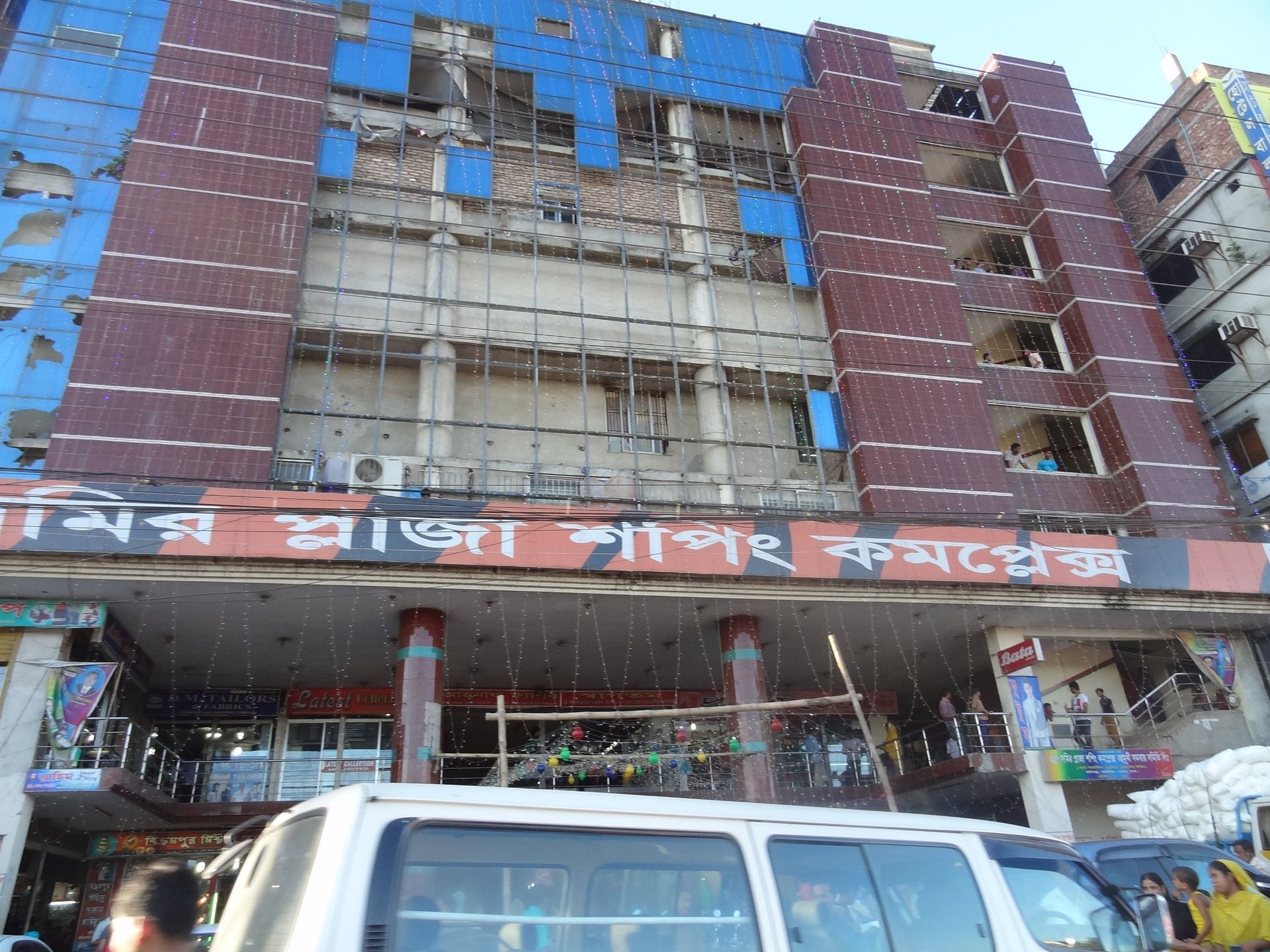
Detroit is a long way from Dhaka, but the American city’s efforts to address blight offer lessons for cleaning up the garment sector in Bangladesh. Released in May, the Detroit’s Blight Removal Task Force’s plan (pdf) offers a practical vision for addressing the more than 78,000 dilapidated buildings that are the primary obstacle to the city’s growth and vitality. In the year since the factory collapse in Dhaka, which killed more than 1,100 garment workers, brands and policymakers have focused on improving inspection in a subset of factories producing for the export market. Companies like the Gap $GPS, Wal-mart, H&M, Target $TGT, Zara, and Mango are wrestling with how to solve the problem of poor workplace safety in a country where the government doesn’t provide basic protections for workers in its number one export industry. The next important step for Bangladesh—and the brands and retailers that depend on the country’s apparel sector—is developing a comprehensive plan for relocating, closing, and fixing factories. Here’s where Detroit can help:
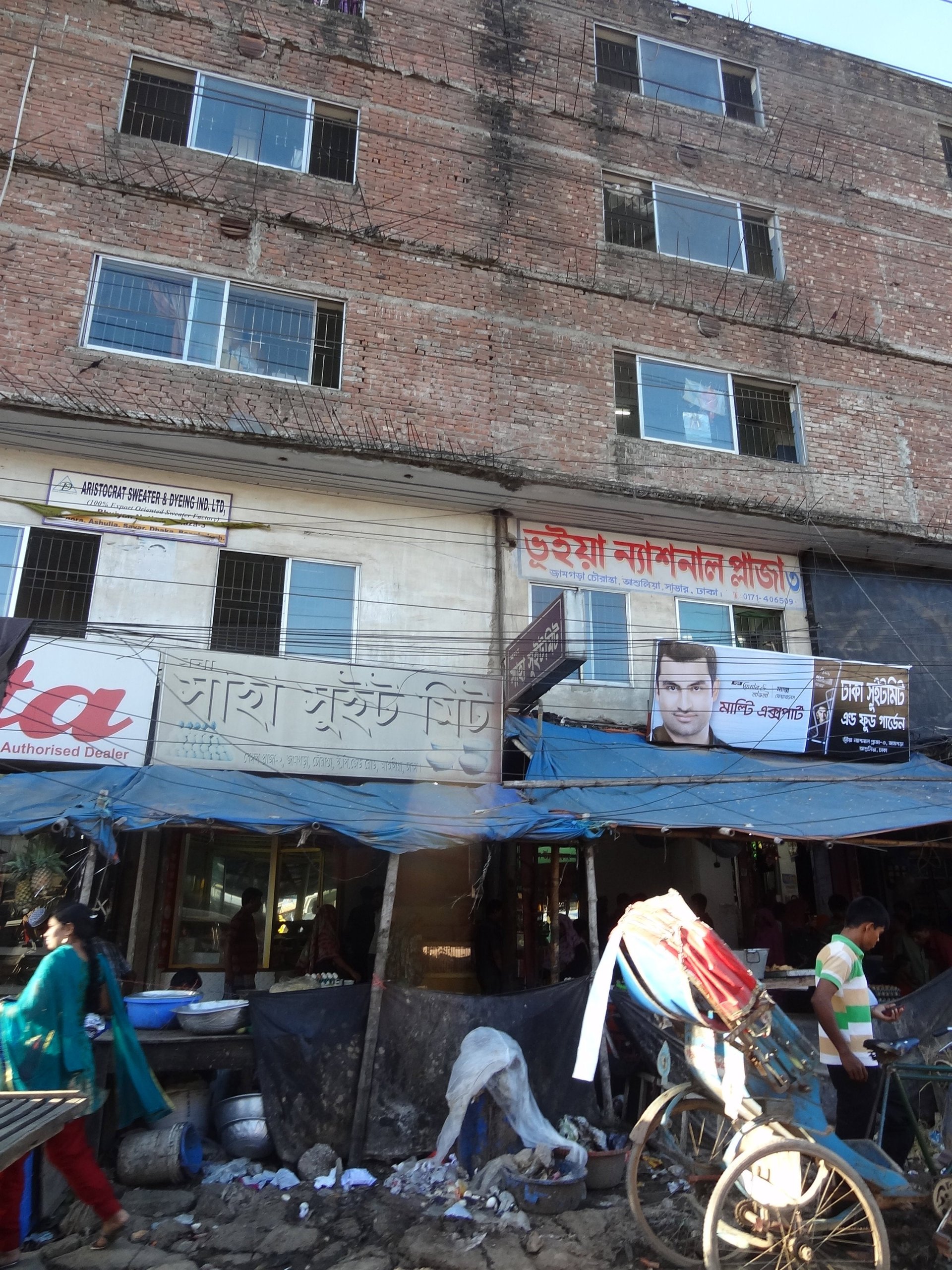
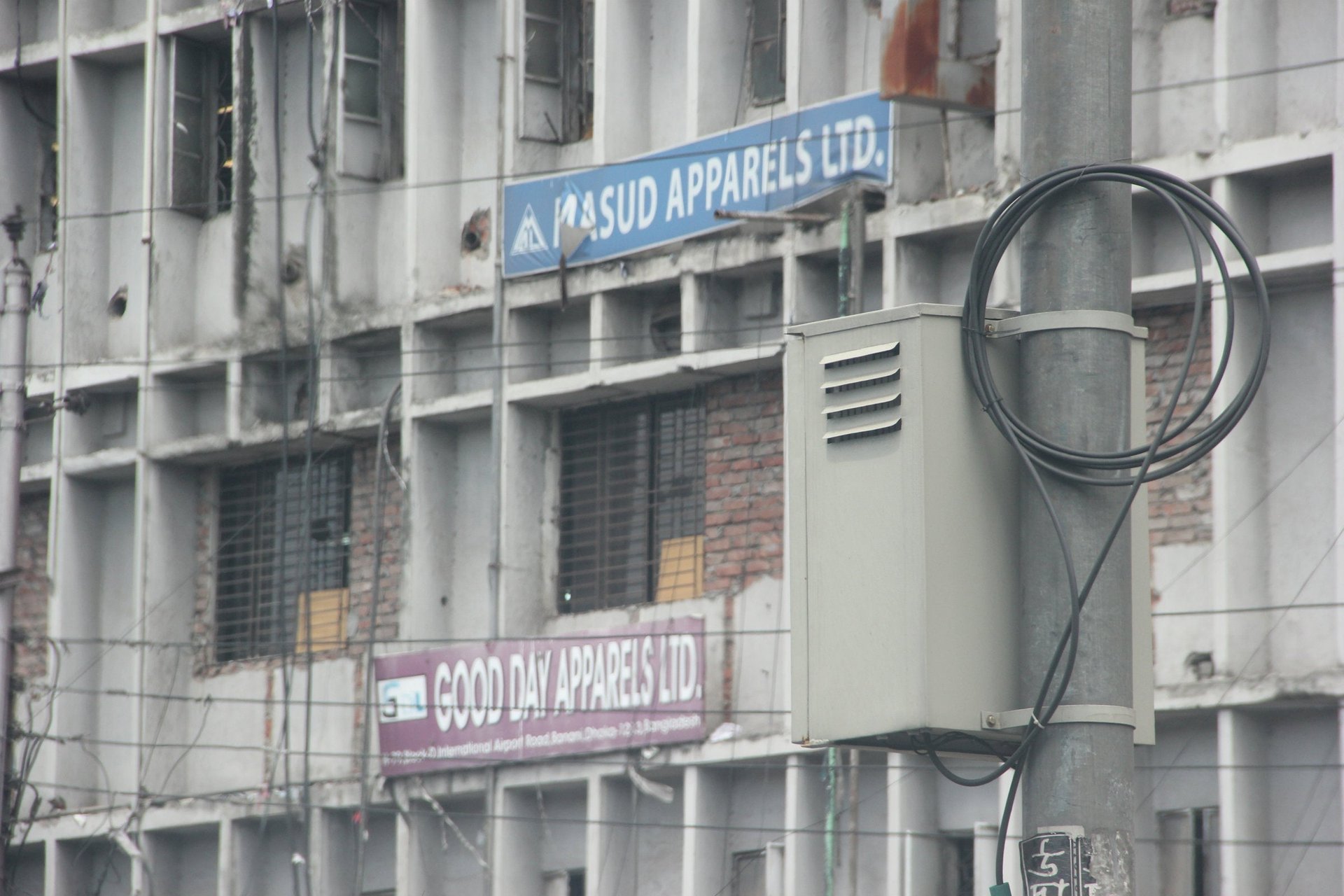
“Eliminating all blight from Detroit is an enormous task, but Detroiters have the inventiveness, grit, and resiliency to get it done,” says the Blight Task Force plan. Bangladesh has yet to garner the political and industry leadership that will be required to tackle a comprehensive upgrade of its apparel sector. But Bangladeshis have the same kind of determination and ambition that are on display in Detroit. Since the arrival of the garment sector in the late 1970s, the country’s poverty rate has dropped by nearly one-third. Ensuring that the export garment sector continues to drive economic growth and respects workers’ rights is a challenge Bangladesh must get right.
