The away message, long a staple of old-school instant messaging services like AOL Instant Messenger, is making a comeback.
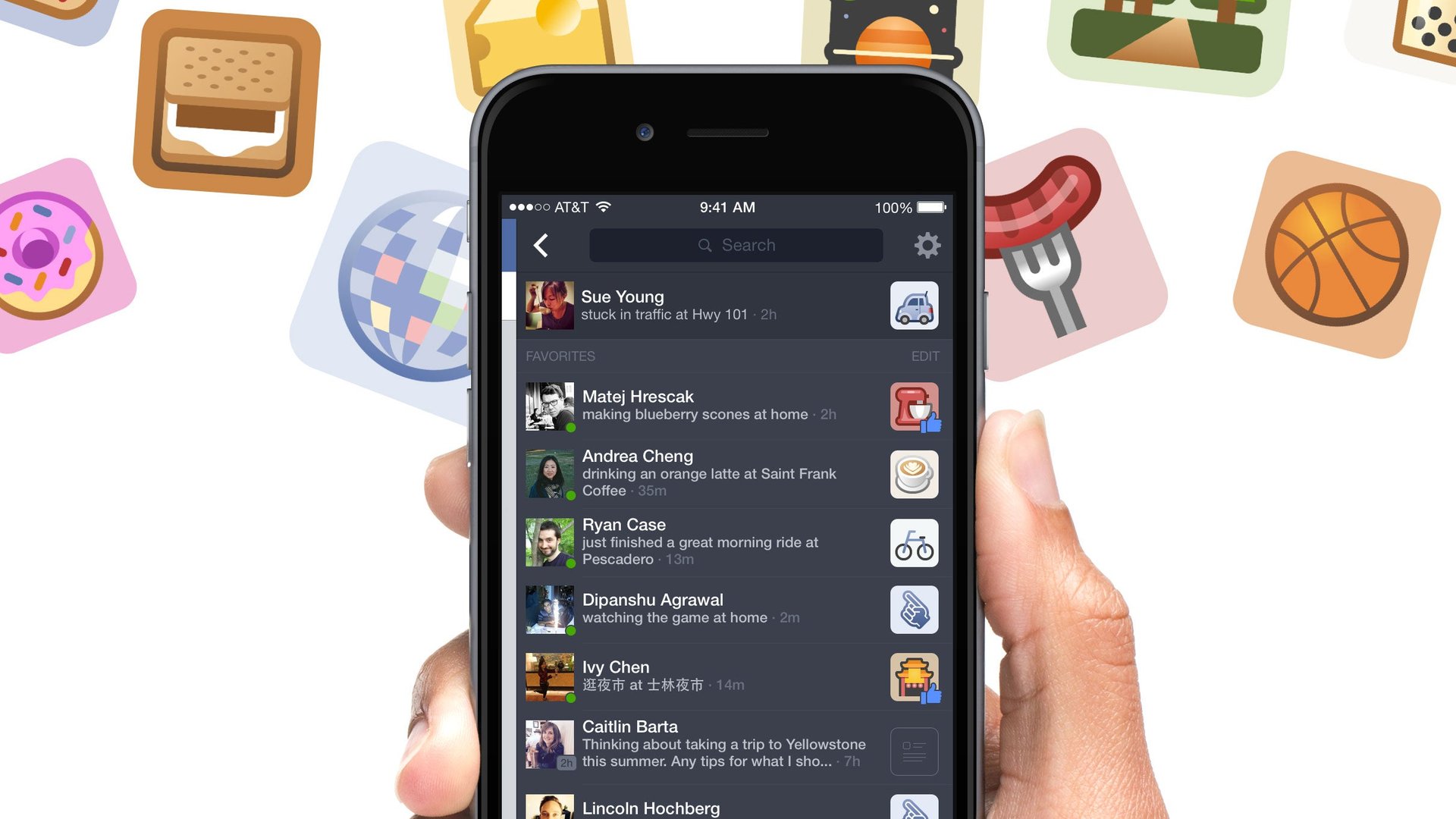
The away message, long a staple of old-school instant messaging services like AOL Instant Messenger, is making a comeback.
This week, Facebook $META began testing a new feature in Taiwan and Australia that lets users add a temporary status that shows up in the right panel of the social network’s flagship app.
Join 500,000+ readers who start their day with Quartz.
By subscribing, you agree to our Terms of Service and Privacy Policy.
Sidebar status, as the feature is called, will only appear for 12 hours or until the user clears or updates it. By default, statuses can only be seen by users’ friends on mobile and don’t show up in the main feed of updates. Unlike a typical status update, where users might share photos or news stories, sidebar status is meant to capture what people are doing at that very moment.
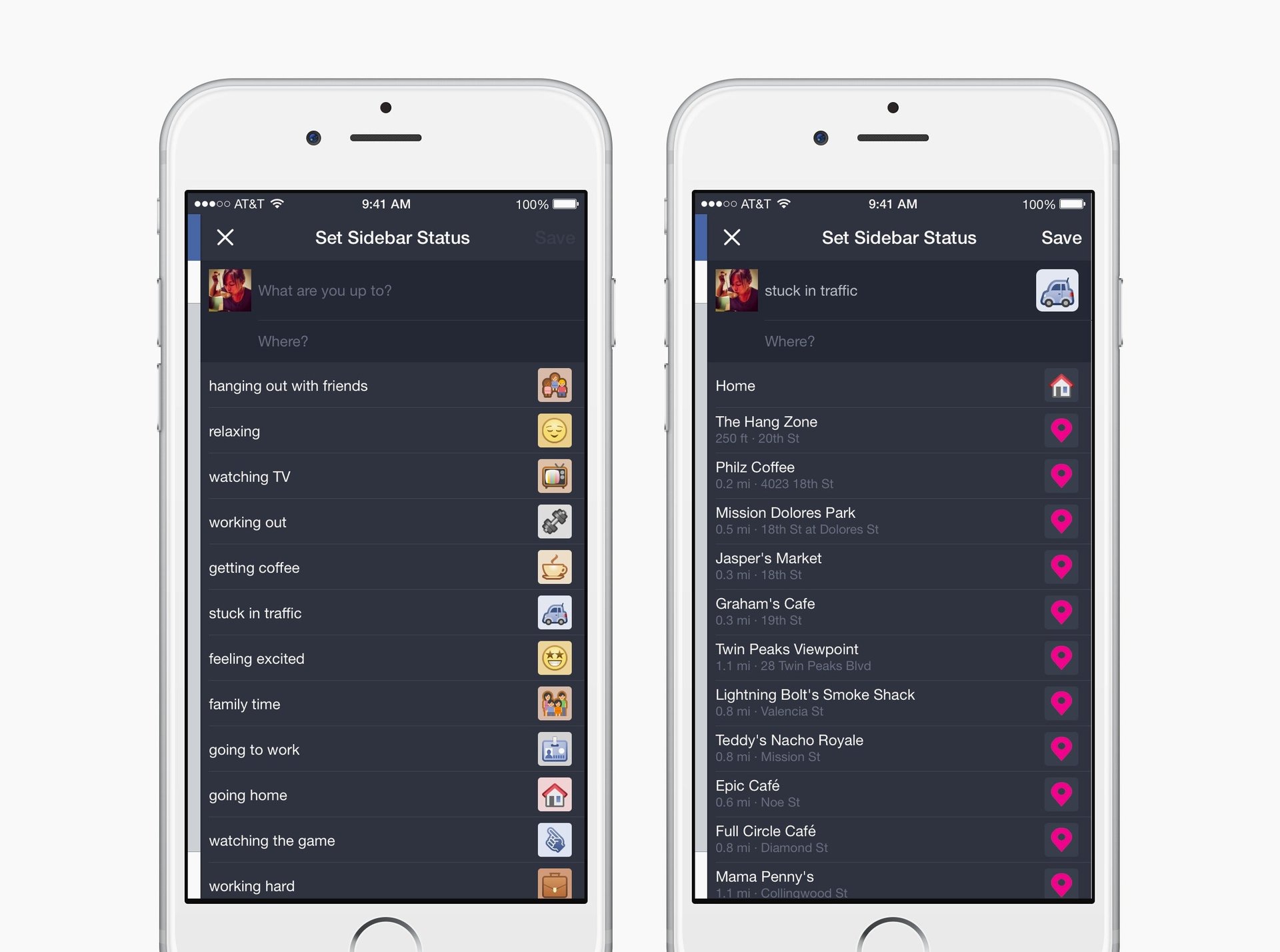
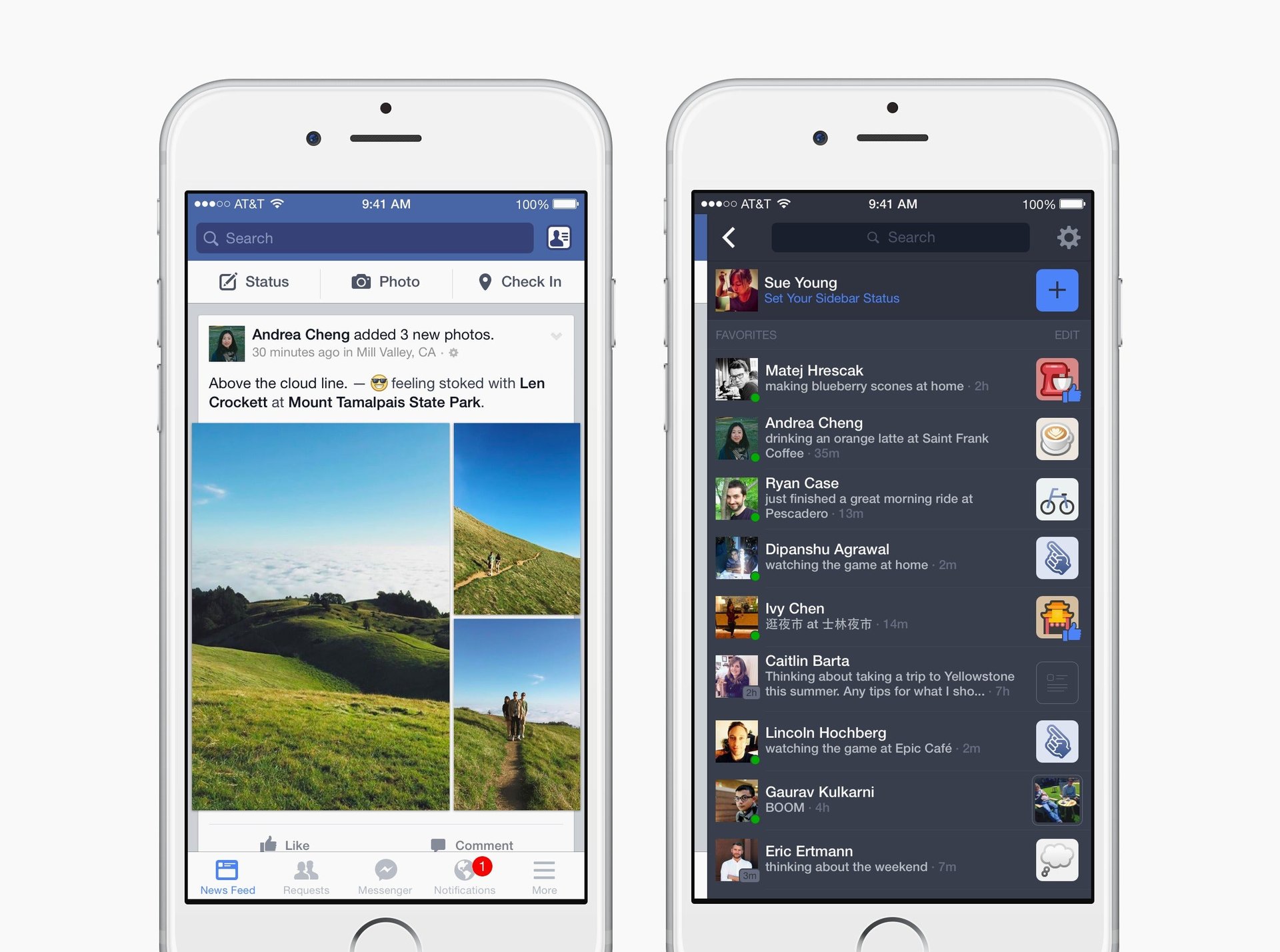
In Facebook’s early days, the company had encouraged users to do exactly that—share what was happening right then and there. But in 2007, it changed the format of updates, giving users free reign to express themselves so they no longer had to complete sentences that began, “Michael is…”
The away message has become something of a dying art form. Though it exists today in various manifestations—statuses on Gchat or WhatsApp—they largely fell by the wayside as social media sites popularized the concept of streams. The rise of Facebook and Twitter $TWTR changed the nature of these updates, so they were no longer ephemeral but saved online as part of an archive. It’s interesting to see Facebook revive something it inadvertently quashed.
