Quartz
Subscribe
Quartz
Subscribe
Edition
Business News
A.I.
Technology
Money & Markets
Leadership
Lifestyle
Latest

Get Quartz in your inbox

Free daily briefing on global business news.

Business News
AirlinesAutomobilesFoodPharmaceuticalsPolitics & GovernmentRetail & EcommerceSpace & AerospaceEarnings
Technology
A.I.ComputingConsumer TechSpace & AerospaceEarnings
Money & Markets
Economic IndicatorsMarketsPersonal FinanceEarnings
Lifestyle
Cars & BikesCollectingEntertainmentFood & Fine DiningHealth and FitnessReal EstateTravel
Quartz

Global business news for a smarter world

Topics

  • Business News
  • Money & Markets
  • Tech & Innovation
  • Generation A.I.
  • Lifestyle
  • Leadership

Products

  • Daily Brief
  • Weekly Digest
  • Member Benefits
  • Quartz Pro

Legal

  • Sitemap
  • About
  • Accessibility
  • Privacy
  • Terms of Service
  • Advertising

© 2026 Quartz Media, Inc. All rights reserved.

Lifestyle

Fantastic words with no easy translation in other languages

Warmduscher, in German, refers to a Goldilocks-like person who only takes warm showers, implying that he is a bit of wimp. Gurfa, in Arabic, is the amount of water than can be held in one hand. Nunchi, in Korean, is the art of listening and gauging another’s mood.
By Leo Mirani·1 min read·Updated July 21, 2022
Add QZ to Google

Warmduscher, in German, refers to a Goldilocks-like person who only takes warm showers, implying that he is a bit of wimp. Gurfa, in Arabic, is the amount of water than can be held in one hand. Nunchi, in Korean, is the art of listening and gauging another’s mood.

We have all met these people or felt these emotions, but probably never had the vocabulary to describe them. Like schadenfreude, the German term for deriving pleasure from someone else’s misfortune, the words are not directly translatable into English.

Daily Brief

The essential business news, delivered fresh every morning.

Join 500,000+ readers who start their day with Quartz.

By subscribing, you agree to our Terms of Service and Privacy Policy.

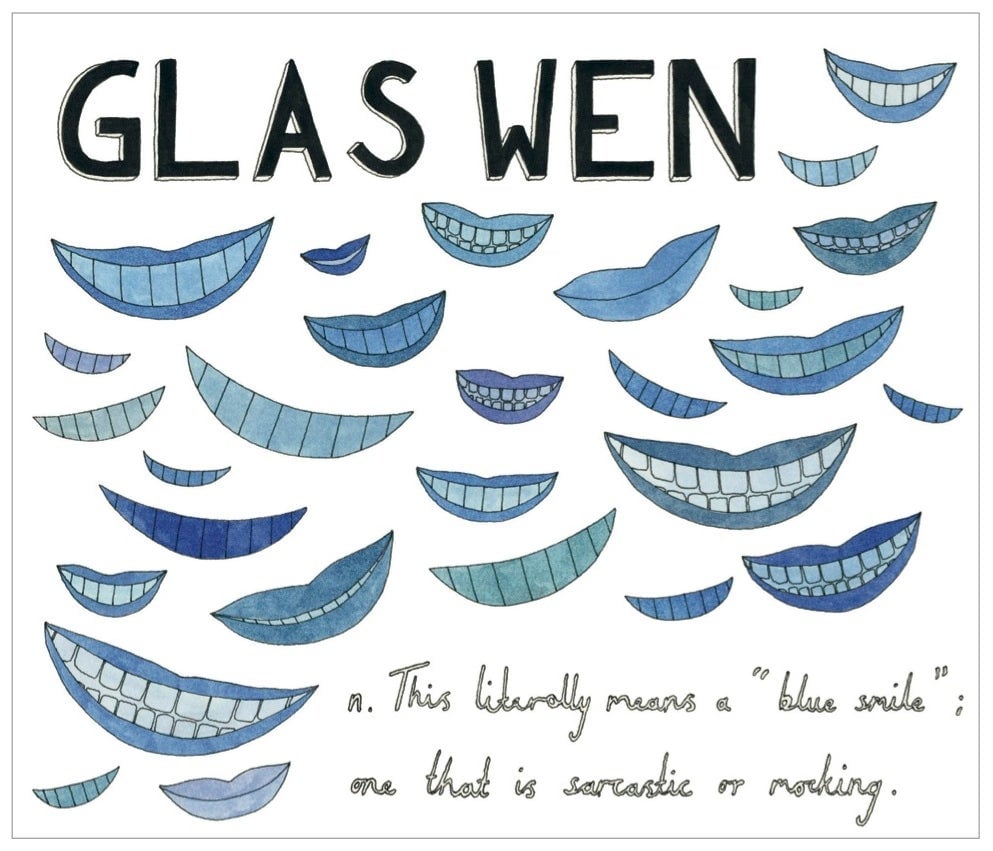
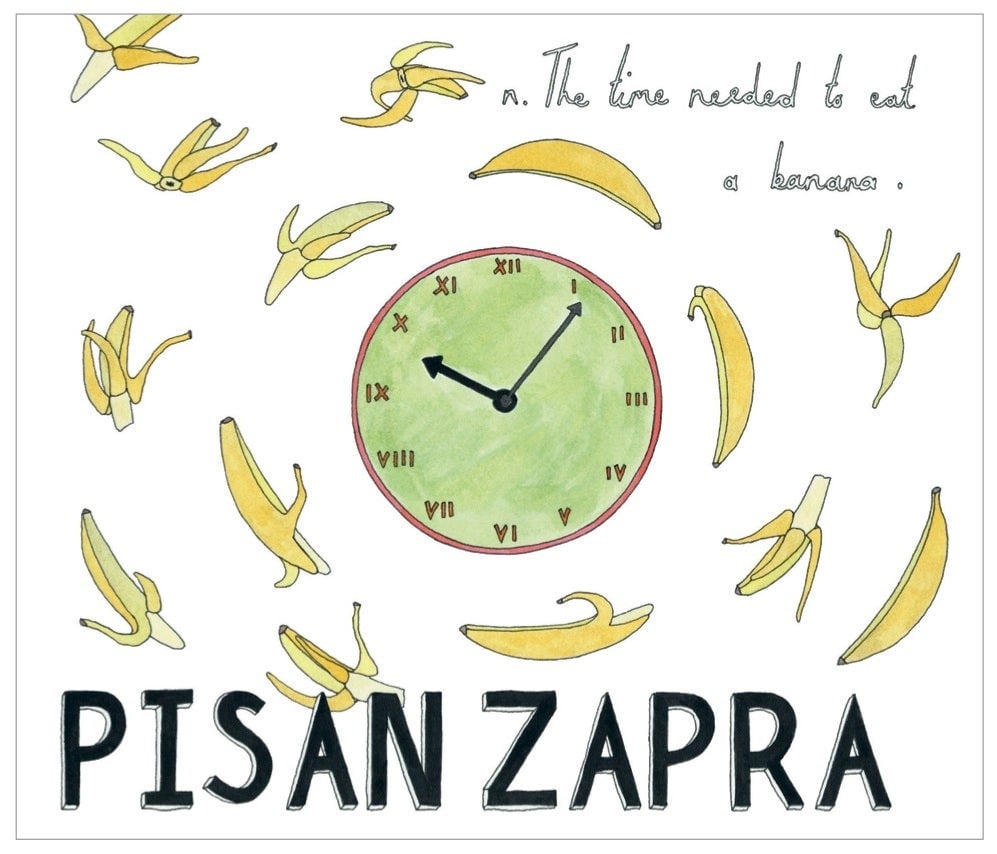
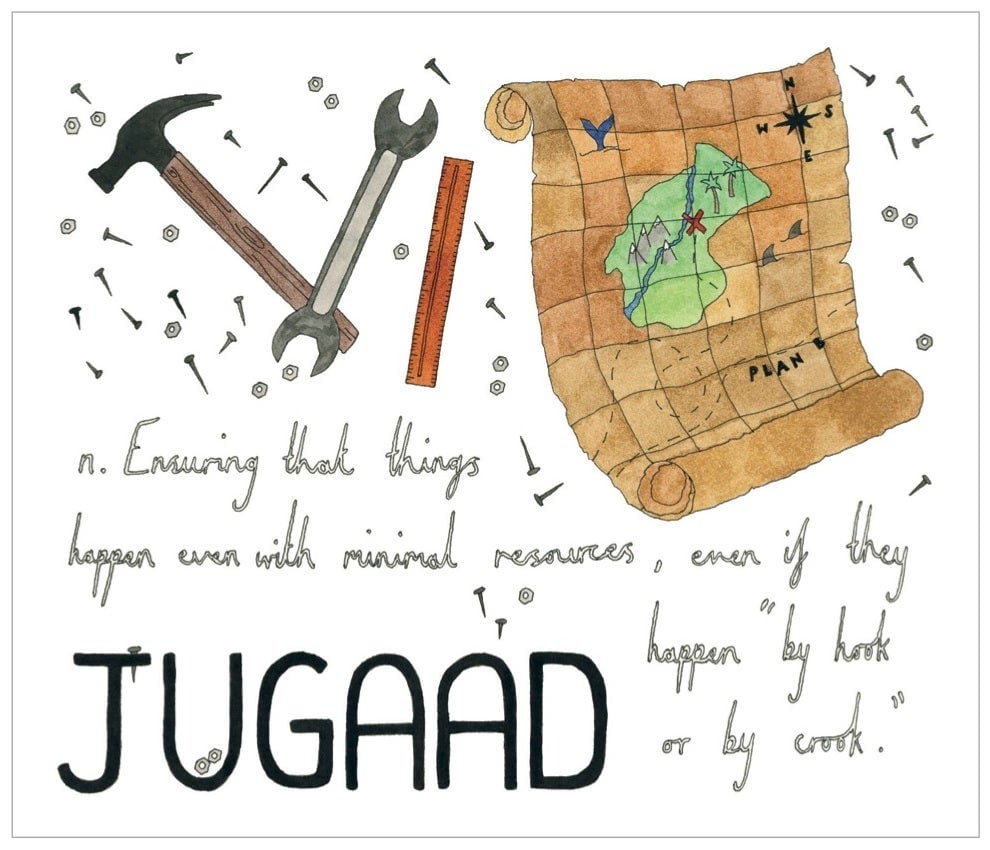
Ella Frances Sanders, a writer and illustrator, has compiled some of the most evocative words from around the world in a new illustrated book, Lost in Translation, published by Penguin Random House next month in the United Kingdom and last year in the US. Here are some that we think might be useful at work, at home, and everywhere else:
  • Tretår (Swedish): On its own, “tår” means a cup of coffee and “patår”  is a refill, so “tretår” is a second refill, or a “threefill.”
  • Tsundoku (Japanese): Leaving a book unread after buying it, typically piled up together with other unread books.
  • Cotisuelto (Caribbean Spanish): A man who insists on wearing his shirt tails untucked.
  • Struisvogelpolitiek (Dutch): Literally, “ostrich politics.” Acting like you don’t notice when something bad happens and continuing on regardless as you normally would.
  • Poronkusema (Finnish): The distance a reindeer can comfortably travel before taking a break.
  • Drachenfutter (German): Literally, “dragon-fodder.” The gift a husband gives his wife when he’s trying to make up for bad behaviour.