
4 telltale signs your cat is happy
Discover these feline behaviors, from slow blinks to playful energy, and how they reveal when your cat feels safe, content, and thriving.
Milada Vigerova / Unsplash
Cats have a reputation for being mysterious. One minute they're demanding your attention, and the next they're perched across the room pretending you don't exist. That emotional independence can make it surprisingly difficult to tell whether your feline is actually happy or simply tolerating your presence.
Fortunately, cat contentment leaves plenty of clues—if you know where to look. According to Reader’s Digest, while dogs often wear their emotions on their sleeves, cats communicate through far subtler signals, from the position of their tail to the way they blink or choose to spend their time. Many of these behaviors are rooted in trust. A relaxed cat feels secure enough to let its guard down, maintain healthy routines, and seek out social interaction on its own terms.
A happy cat typically displays several signs consistently, while sudden changes in appetite, grooming, litter box habits, or activity levels can point to stress or illness instead. Paying attention to your cat's everyday behavior is one of the easiest ways to spot both contentment and potential problems early.
Here are four signs your cat is living its best life.
1. They rub against you to say you're part of the family
Piotr Musiol / Unsplash
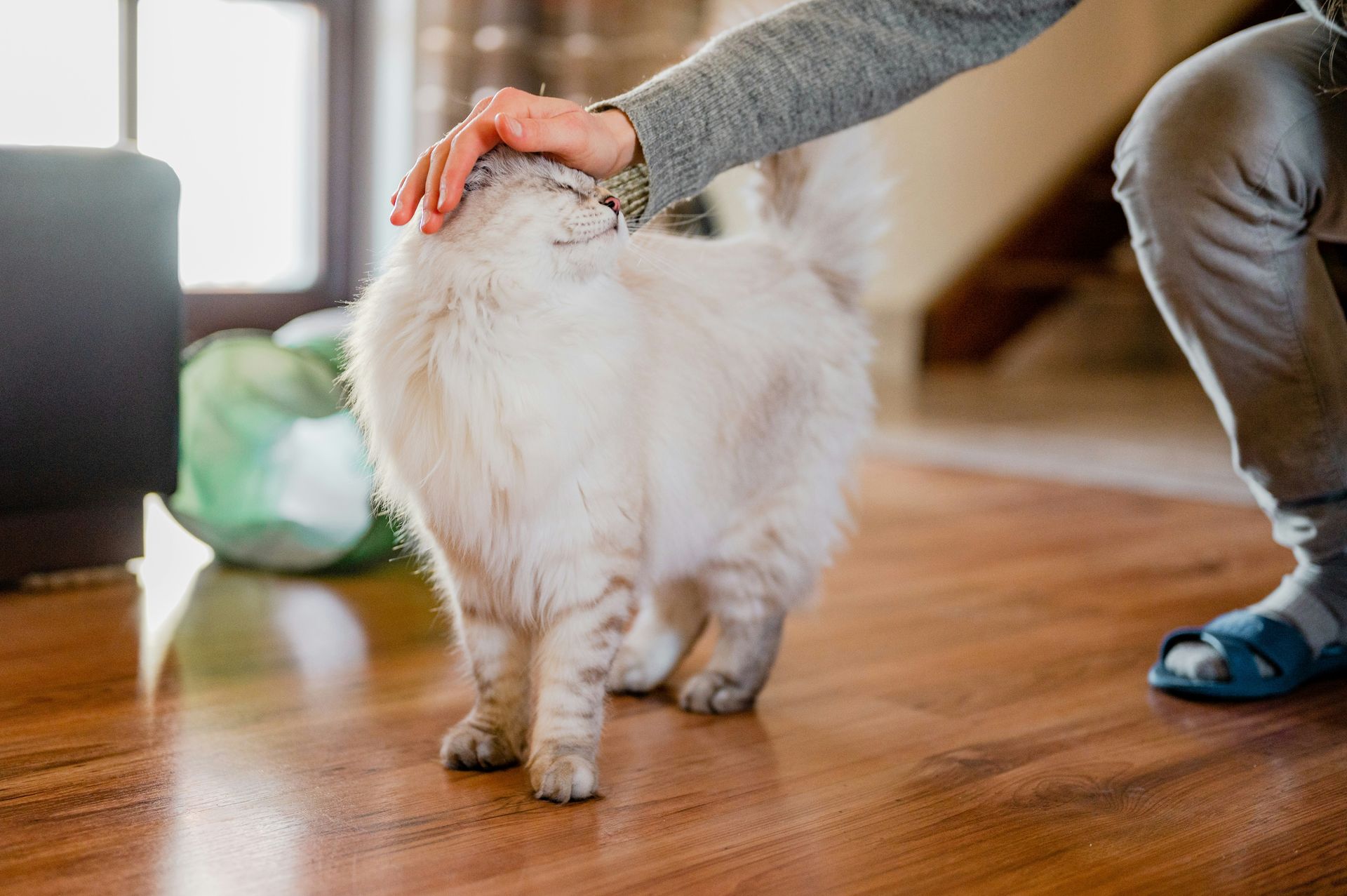
When your cat winds between your legs or presses its head against your hand, it isn't just asking for food. According to Reader’s Digest, cats rub against people they trust as part of a natural social behavior. Cats living together often rub on one another to share scent from glands located around their cheeks, chin, and forehead, creating what experts call a "colony scent." When your cat does the same to you, it's treating you as part of its trusted social group.
This behavior also signals comfort. Cats are cautious animals by nature, and they don't voluntarily initiate close physical contact with someone they perceive as threatening. By choosing to rub against you, your cat is expressing familiarity and security while reinforcing your bond every time it leaves behind its scent.
Although scent-marking is technically territorial behavior, it isn't possessive in the human sense. Instead, it's one way cats communicate affection and belonging. Many owners mistake this behavior for simple attention-seeking, but experts say it's actually one of the clearest everyday indicators that your cat enjoys your company.
If your cat regularly greets you this way after you've been away—even if only for a few minutes—it's a strong sign you've earned an important place in its social world.
2. Slow blinks are the feline version of a smile
Alice / Unsplash
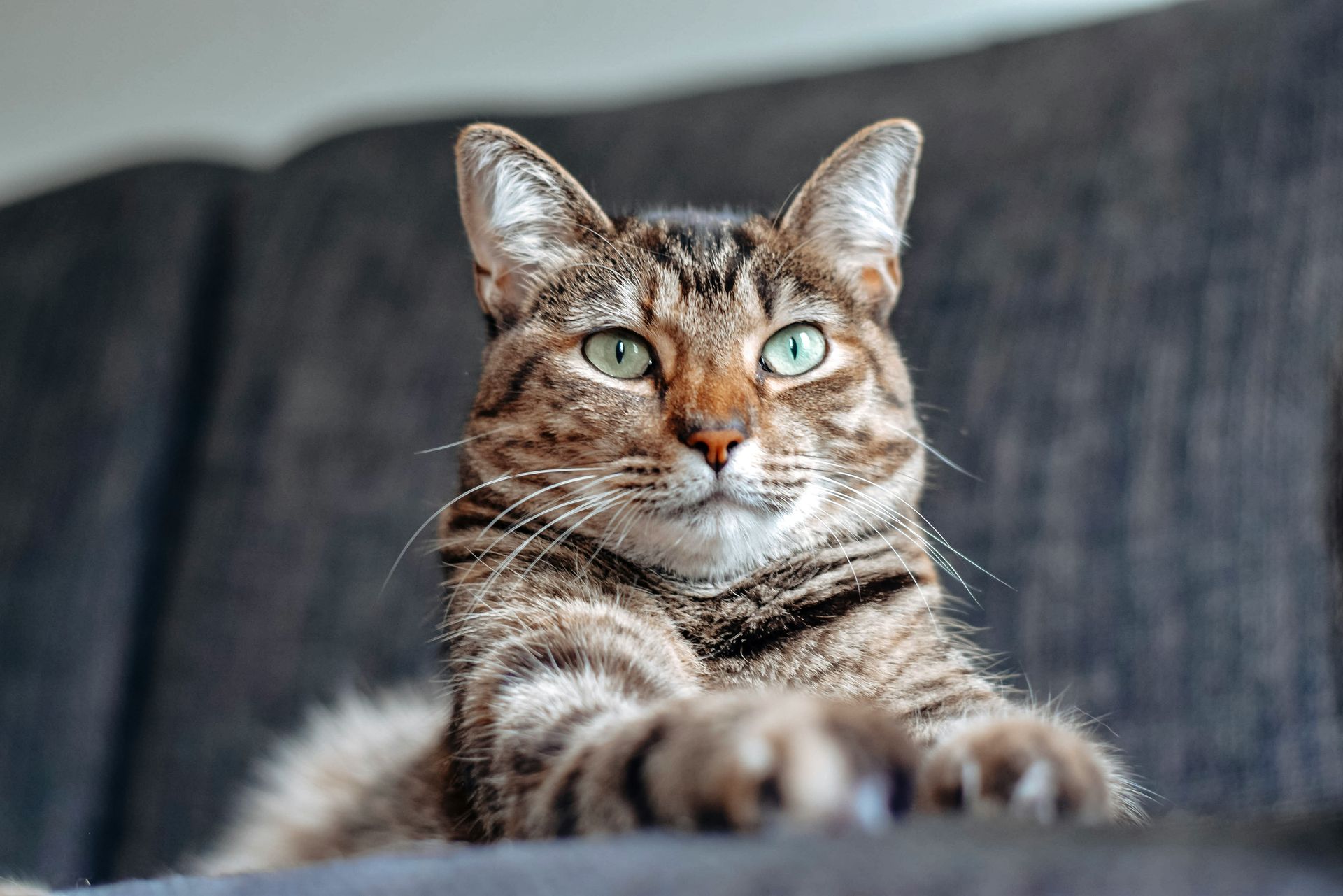
Cats don't smile the way humans do, but they have their own unmistakable gesture of trust: the slow blink.
Maintaining prolonged eye contact is often interpreted as a threat in the feline world. That's why cats who feel safe deliberately soften their gaze before slowly closing and reopening their eyes. According to Reader’s Digest, this communicates friendly intentions rather than aggression, signaling that the cat feels relaxed enough to let its guard down.
Reader’s Digest notes that researchers and veterinarians often refer to this as a "cat kiss." Better yet, the communication works both ways. Returning a slow blink to your cat can reinforce the interaction and help strengthen your relationship over time.
Owners often notice slow blinking during quiet moments, such as while relaxing together on the couch or before a nap. Combined with relaxed ears, loose body posture, or gentle purring, it's one of the strongest indicators that your cat feels comfortable in its environment.
For many cats, these subtle expressions carry far more meaning than overt displays of affection.
3. They keep grooming because they feel healthy and secure
Eric Han / Unsplash
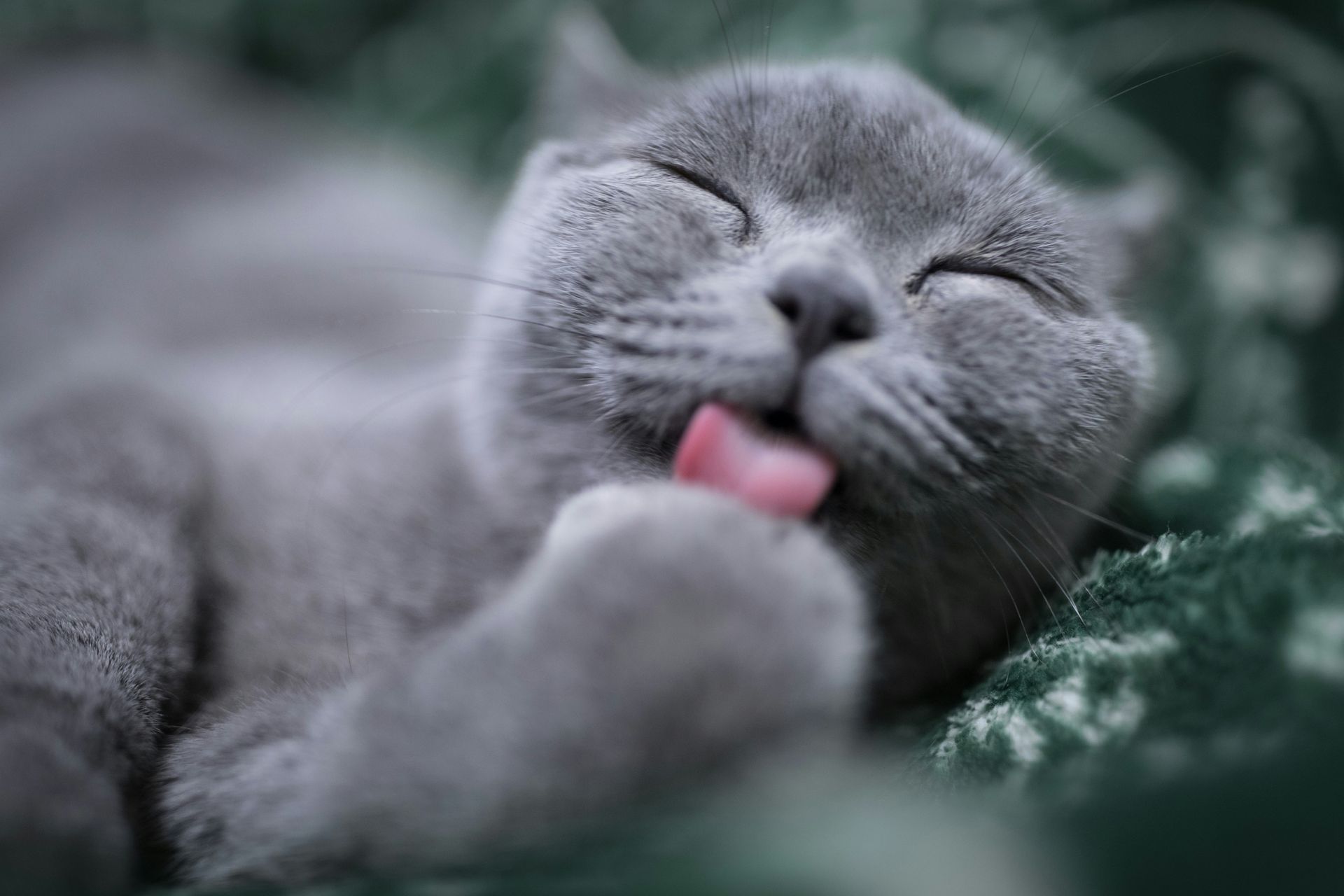
Cats are famously meticulous about personal hygiene, sometimes spending several hours each day grooming themselves. According to Reader’s Digest, maintaining a clean, healthy coat is often a sign that a cat feels physically well and emotionally content.
A happy cat, on the other hand, generally keeps up its normal grooming routine. Regular cleaning helps distribute natural oils through the coat, removes loose hair, and supports overall skin health, but it also reflects a cat's sense of security.
When your cat calmly pauses throughout the day for a thorough cleaning session, it's often doing exactly what a relaxed, healthy feline should.
4. Playfulness means they feel safe enough to have fun
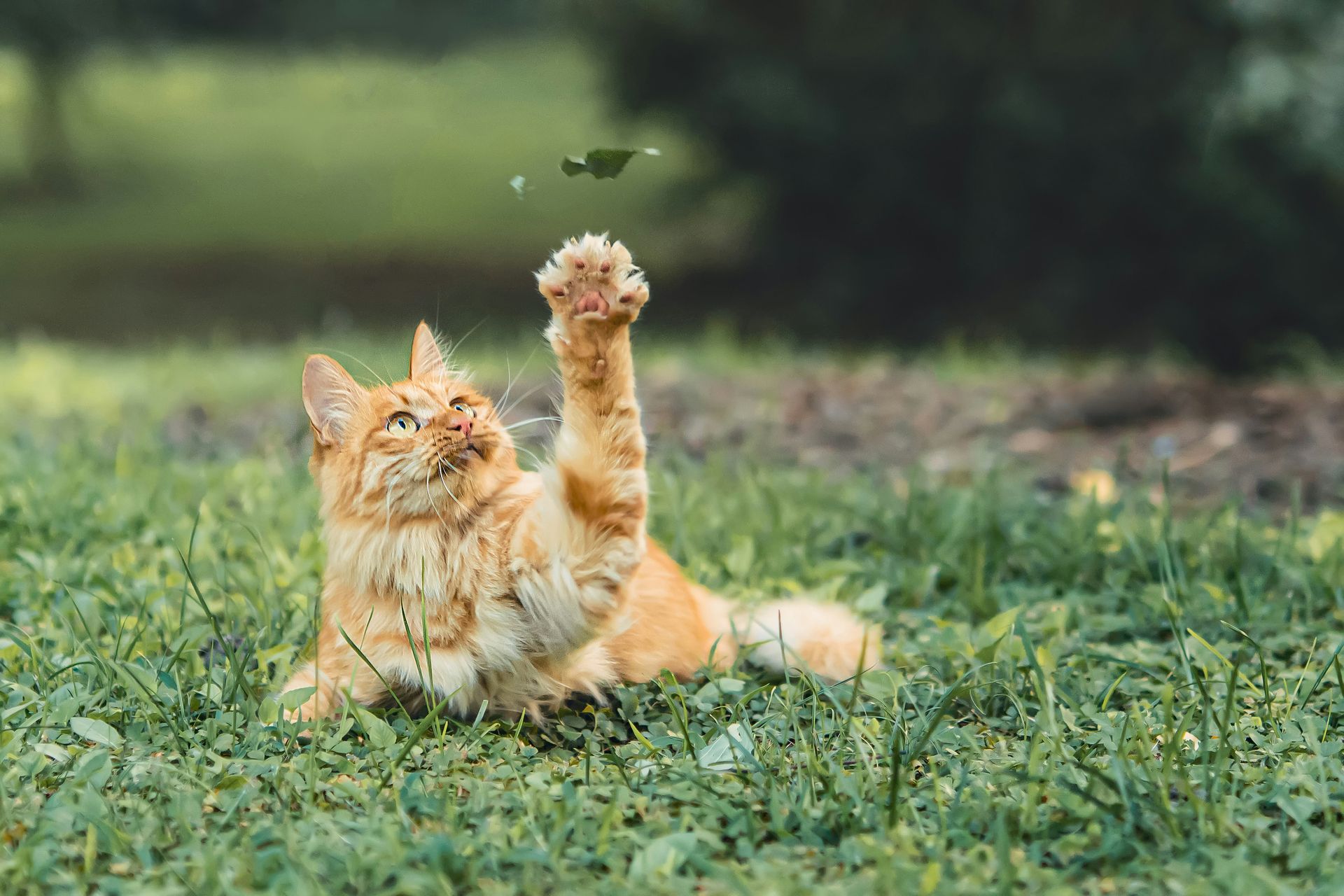
Zhang Kaiyv / Unsplash
Few behaviors signal feline happiness more clearly than a willingness to play.
Whether your cat is chasing a feather wand, pouncing on a toy mouse, or sprinting through the house during a burst of "zoomies," those playful moments reflect both physical health and emotional well-being. According to Reader’s Digest, cats that eagerly engage in play are generally feeling confident, comfortable, and mentally stimulated.
Play also satisfies natural hunting instincts. Even indoor cats retain the drive to stalk, chase, and capture prey-like objects. Regular interactive play allows them to express those instincts in healthy ways while reducing boredom and stress.
Scheduling short daily play sessions not only provides valuable exercise but also strengthens the bond between cats and their owners. For many felines, a favorite toy and a willing playmate are all it takes to turn an ordinary afternoon into an enriching experience.
If your cat still races across the living room after a toy or eagerly joins in a game, it's likely telling you it's feeling pretty good about life.