Quartz
Subscribe
Quartz
Subscribe
Edition
Business News
A.I.
Technology
Money & Markets
Leadership
Lifestyle
Latest

Get Quartz in your inbox

Free daily briefing on global business news.

Business News
AirlinesAutomobilesFoodPharmaceuticalsPolitics & GovernmentRetail & EcommerceSpace & AerospaceEarnings
Technology
A.I.ComputingConsumer TechSpace & AerospaceEarnings
Money & Markets
Economic IndicatorsMarketsPersonal FinanceEarnings
Lifestyle
Cars & BikesCollectingEntertainmentFood & Fine DiningHealth and FitnessReal EstateTravel
Quartz

Global business news for a smarter world

Topics

  • Business News
  • Money & Markets
  • Tech & Innovation
  • Generation A.I.
  • Lifestyle
  • Leadership

Products

  • Daily Brief
  • Weekly Digest
  • Member Benefits
  • Quartz Pro

Legal

  • Sitemap
  • About
  • Accessibility
  • Privacy
  • Terms of Service
  • Advertising

© 2026 Quartz Media, Inc. All rights reserved.

Energy Transition

How bees, hummingbirds, and butterflies keep humans healthy

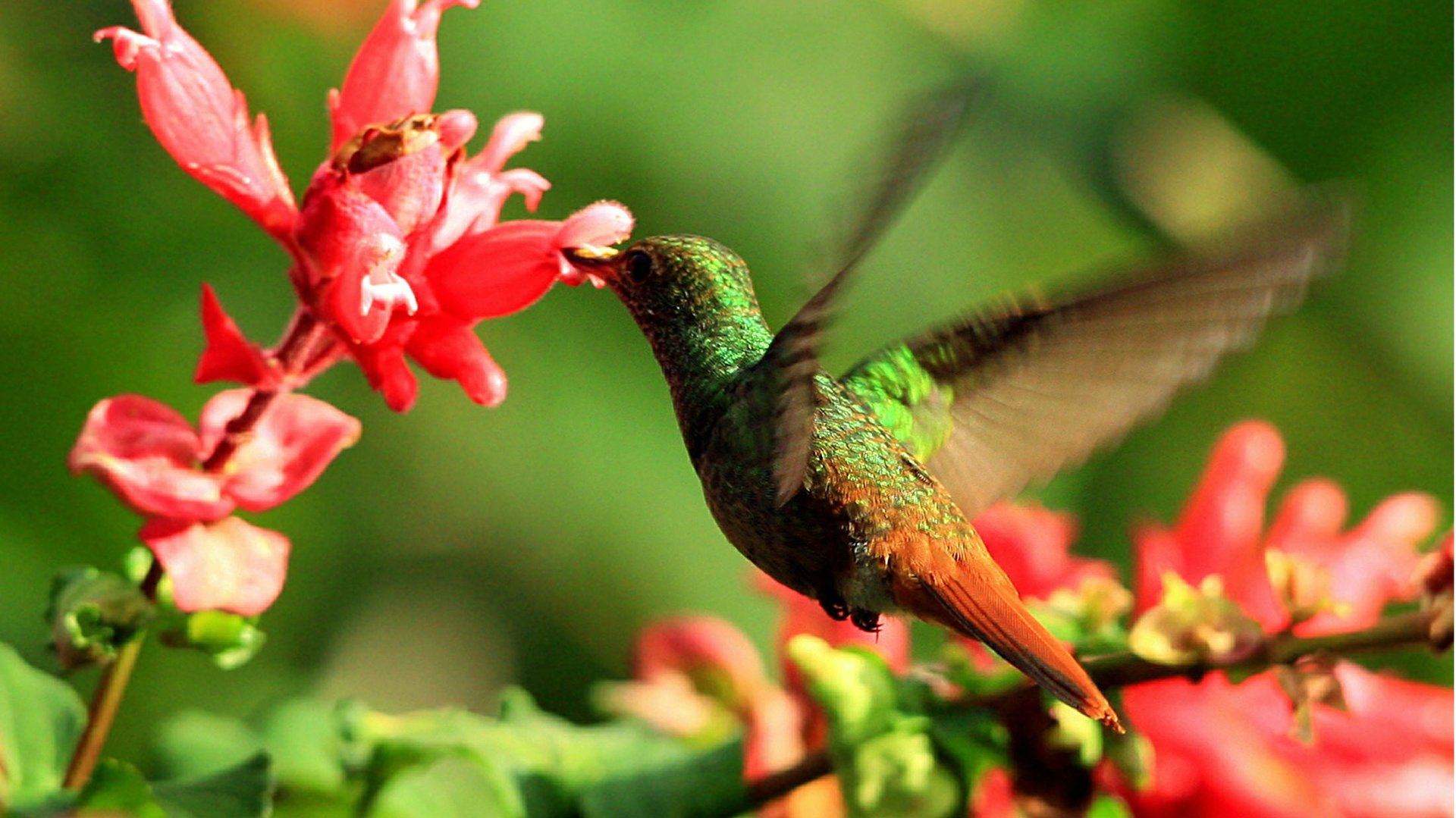
Pollinators contribute $24 billion to the US economy—some estimates say $250 billion globally. These animals—bees, butterflies, hummingbirds, and even some lizards and mammals—contribute to the agricultural system by spreading pollen to different plants so they can reproduce. And now, science shows that these animals play an important role in our health, too.
By Katherine Ellen Foley·2 min read·Updated July 21, 2022
Add QZ to Google

Pollinators contribute $24 billion to the US economy—some estimates say $250 billion globally. These animals—bees, butterflies, hummingbirds, and even some lizards and mammals—contribute to the agricultural system by spreading pollen to different plants so they can reproduce. And now, science shows that these animals play an important role in our health, too.

Already, there has been some evidence that pollinators are on the decline because of climate change, habitat loss, pesticide use, and invasive species. So researchers at the Harvard School of Public Health decided to look at what would happen if all the pollinators died. Though not likely, in a worst-case scenario where 100% of pollinators die off, the global mortality rate would increase by 2.7%. Many of these deaths would be the result of cancer, diabetes, and heart disease exacerbated by nutrient losses from a lack of fruits, vegetables, and nuts.

Daily Brief

The essential business news, delivered fresh every morning.

Join 500,000+ readers who start their day with Quartz.

By subscribing, you agree to our Terms of Service and Privacy Policy.

To reach this conclusion, researchers looked at 224 types of food in 156 countries. They measured each food’s dependency on pollinators, like bees or other insects, and then measured the nutritional value from each of those foods. They estimated the number of people who would be at greater risk for micronutrient deficiency (lack of nutrients like folate and vitamin A), infectious diseases, and non-communicable diseases.

Most affected were China, India, and Russia, as well as countries in eastern Europe. Researchers estimate that without pollinators, 1.42 million additionally people would die each year from non-communicable diseases. Additionally, 244 million people would experience deficiencies in either vitamin A or folate, which can lead a greater vulnerability to illnesses or birth defects.

“In this case, the greatest impacts are actually in the more developed countries [than sub-Saharan Africa],” Samuel Myers, an environmental health scientist at the Harvard School of Public Health and co-author of the study, tells Quartz. “It’s the countries that have high underlying risk of [non-communicable diseases] and high intake of pollinator-dependent fruits, vegetables, nuts, and seeds were at the highest risk globally.”

With the reduction of certain crops, people would substitute their diets with staples like wheat or other grains. According to Myers, these foods don’t rely on pollinators as much. The researchers recognize that trade plays a big role in consumption, which means that wealthier people would still consume scarcer crops, now priced higher, while poorer people could not.