This week, China said it will lift a ban on selling video game consoles and games in the country, the latest in a series of rules aimed at loosening restrictions on sales. But despite the nice-sounding sentiment that China is opening up, the fact is that not much has changed. And not much will change.
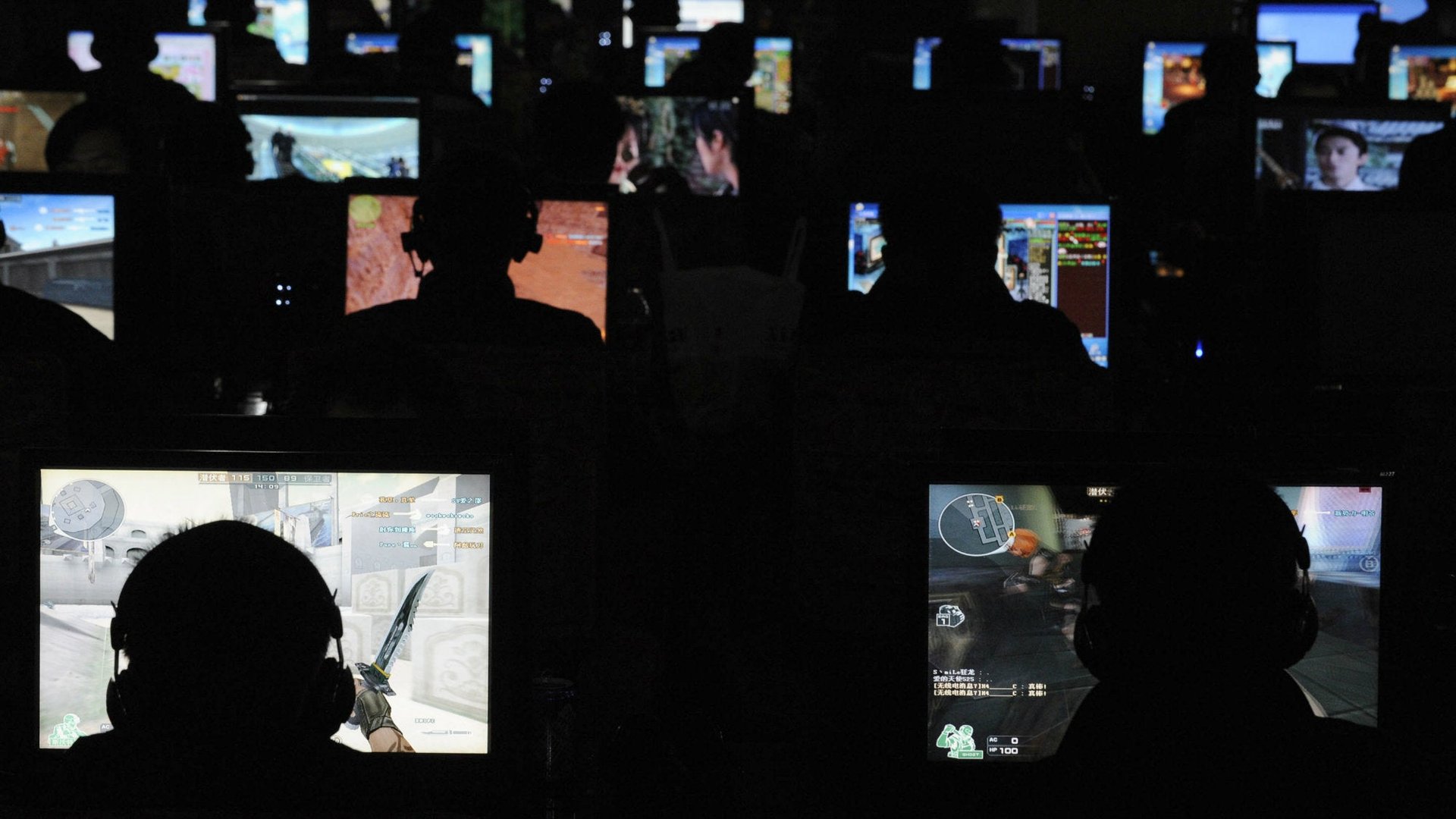
This week, China said it will lift a ban on selling video game consoles and games in the country, the latest in a series of rules aimed at loosening restrictions on sales. But despite the nice-sounding sentiment that China is opening up, the fact is that not much has changed. And not much will change.
China has “lifted the ban” before—notably in January 2014, when it allowed the sale of the consoles and games in China so long as they met certain conditions, such as being locally produced in a specific free-trade zone. The latest directive simply makes life slightly easier for companies, allowing them to set up them anywhere in the country, as Tech in Asia points out.
Join 500,000+ readers who start their day with Quartz.
By subscribing, you agree to our Terms of Service and Privacy Policy.
Moreover, the change is unlikely to make much of a difference to games-makers, either. A research note from investment bank Macquarie notes that the “initial impact is likely very minimal,” citing six reasons beyond the fact that games are already easily available, both legally and in the gray market. These are:
In short, says Macquarie, the answer to the question of what impact this will have for large gaming firms like Electronic Arts $EA, “the answer is, unfortunately, very little… at least for now.”
