After I had gone through the Netflix recruiting process, it struck me that nobody ever asked me for a resume. The recruiting team already had all the information they needed that you would normally find on a resume. This information was readily available online. My profile on LinkedIn, my Twitter feed, my Github profile, and my blog all provided a comprehensive resume, more detailed than a two page resume. My online presence serves as my resume, a modern technical resume.

After I had gone through the Netflix $NFLX recruiting process, it struck me that nobody ever asked me for a resume. The recruiting team already had all the information they needed that you would normally find on a resume. This information was readily available online. My profile on LinkedIn, my Twitter $TWTR feed, my Github profile, and my blog all provided a comprehensive resume, more detailed than a two page resume. My online presence serves as my resume, a modern technical resume.
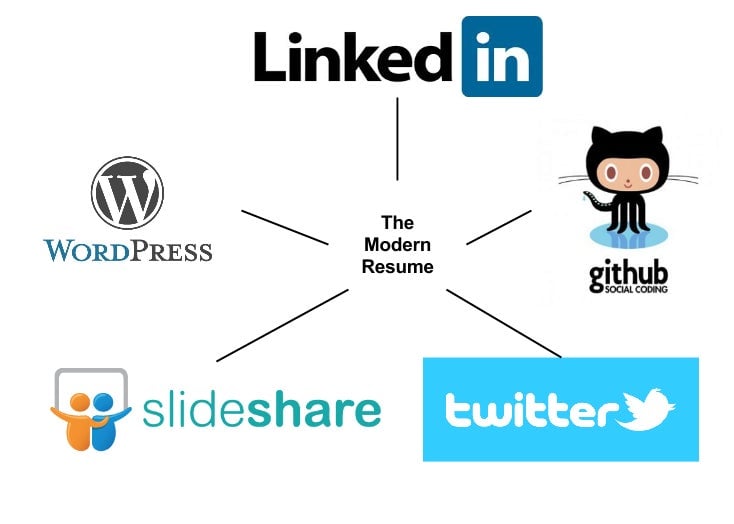
Since going through this process, I have talked to a number of friends who are looking to make a career change. I wanted to provide some recommendations for those who don’t have a strong online presence. Beefing up your online presence will help you not only get noticed, but also help companies find out if you are the right fit. If you’re lucky, people will be lining out the door to have you work at their company.
Join 500,000+ readers who start their day with Quartz.
By subscribing, you agree to our Terms of Service and Privacy Policy.
The first place you should start is LinkedIn. LinkedIn has become the go-to site for recruiters to begin searching for candidates. Having an up-to-date and detailed LinkedIn profile can do wonders for making yourself discoverable. If you already have a good LinkedIn profile, then you likely get pinged by recruiters constantly. You may even find this annoying, but some day you will be glad that your LinkedIn profile is appealing.
Here are my recommendations for updating your LinkedIn profile:
Remember that if you do nothing else, I recommend making sure you have a complete LinkedIn profile. It raises questions from hiring managers if a individual doesn’t have a thorough profile.
While Twitter may not be an indicator of how technically competent you are, it is still important. I am disappointed when I come across a technically promising LinkedIn profile, but only 25 tweets over two years. I know this isn’t exactly fair, but Twitter has become the communication medium of the tech industry. If you are an engineer and don’t participate, that speaks volumes.
Here are my recommendations for getting started:
Building a good Twitter account can be a long road, so just start one tweet at a time.
Having a good Github account can be the most useful part of your modern resume. Github serves as a modern portfolio of work, demonstrating how well you write code. Don’t hesitate to put code on Github, even if it’s just examples of frameworks and tools that you are learning. Ideally, you are open sourcing or contributing to an existing open source project.
Here are some bootstrapping tips for improving your Github account presence:
Your eventual goal with Github is to contribute to open source projects, whether they are your own or somebody else’s.
Almost every engineer I know falls into one of three camps: those who have a blog, those who don’t and those who talk about starting a blog. A large majority of those with blogs haven’t posted anything new in over a year. Of those who talk about starting a blog, they seem to always have a reason why they haven’t started. What does that say? Blogging is hard work. But it is well worth the effort. It proves that you can compose your thoughts and write compelling prose. It is a great way to sell your ideas. It is a great way to get noticed.
Getting started isn’t easy, but here are some pointers:
Having a good blog with a lot of content is hard work, but well worth it.
A story on blogging:
To further punctuate the value of blogging, let me tell a story. Over two years ago, I was working in consulting and looking to break out. I was meeting with Steve Feldman from Blackboard for coffee. When I showed up, he pulled out a piece of paper and put it front of me saying, “I want you to come to Blackboard and do this.” On that piece of paper was a blog entry that I had written in May of 2011 about ALM. I was floored. I took the job because I was being asked to implement a vision I laid out my blog.
Public speaking is not for everybody, but it will have an amazing impact on your professional career. I have done enough public speaking to feel fairly comfortable in a large crowd. Public speaking is hard but can propel your status just as well as anything above.
There are a lot of sources for how to improve your public speaking skills. In fact, I am currently reading Presentation Patterns, and it seems like a great resource.
At this point you may thinking, “F’ that, no way I am doing all that!” Don’t. Pick some of these things and start there. Pick off one thing and complete it. You will find that the feedback and response you get will egg you on to do more. It’s also important to note that you can have a great career and never do any of this stuff.
This post originally appeared at www.mikemcgarr.com. We welcome your comments at [email protected].
Image by Flazingo Photos on Flickr, licensed under CC-BY-2.0.
