When tuition-paying parents ask themselves what courses at the small liberal arts college where I teach will best prepare their child for the real world, they probably think about classes in math, chemistry, economics and computer science—majors that could land their children jobs at Google, a spot in medical school, or a seat at a venture-capital firm.
When tuition-paying parents ask themselves what courses at the small liberal arts college where I teach will best prepare their child for the real world, they probably think about classes in math, chemistry, economics and computer science—majors that could land their children jobs at Google $GOOGL, a spot in medical school, or a seat at a venture-capital firm.
But I have a different answer: Fiction Workshop.
Join 500,000+ readers who start their day with Quartz.
By subscribing, you agree to our Terms of Service and Privacy Policy.
I don’t say this as a joke—and I’m not implying that a talent for literary fabrication in any way prepares students for a career in banking, law, or politics. Of course not.
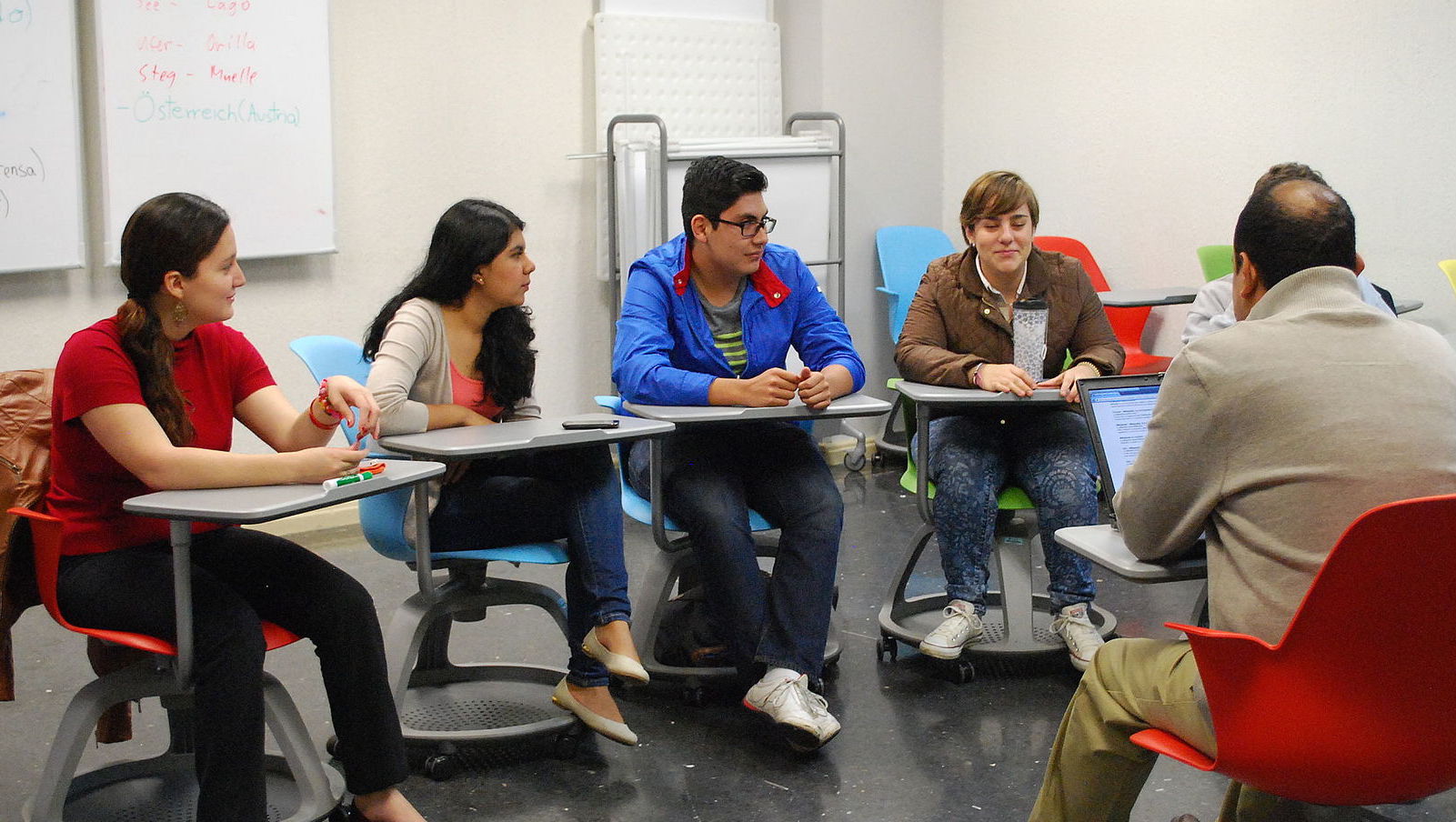
In creative writing workshops, students write stories, share them with their peers and then meet to discuss how issues like point of view, narrative structure, characterization, tone, setting and voice contribute to the power—or lack of power—in their stories.
The aim is to generate feedback for the writer to sift through during the process of revision—to practice that necessary movement from flash of inspiration to finished product. In a workshop, students not only learn how to give criticism, they learn to take it. This means learning that the best feedback may come from an unlikely source, as well as learning how to recognize which comments will be most helpful even if they send you back to square one.
Before I began teaching, I worked in marketing, digital media and communications. I saw more than one dot-com boom go bust. And at every one of these jobs, I had to consider new ideas from my colleagues—business plans, market analyses, product prototypes, website redesigns—and provide cogent, meaningful feedback. Back then, I counted on a few simple rules that I learned in my own undergraduate creative writing workshops:
The wacky draft of a story that your friend wrote is a work in progress. The crazy idea for an app that your co-worker just sprung on you is also a work in progress. A writing workshop, more than any other class, can prepare you for life in fast-moving startups where every employee is expected to think creatively, ask questions and sort out the truly useful feedback from the half-baked opinions.
That’s my story and I’m sticking to it.
We welcome your comments at [email protected].
Image by Thelmadatter on Wikimedia Commons, licensed under CC-BY-4.0.

