
Discover five subtle signs your cat may be depressed, learn what these behaviors could mean, and how to help
Paul Hanaoka / Unsplash
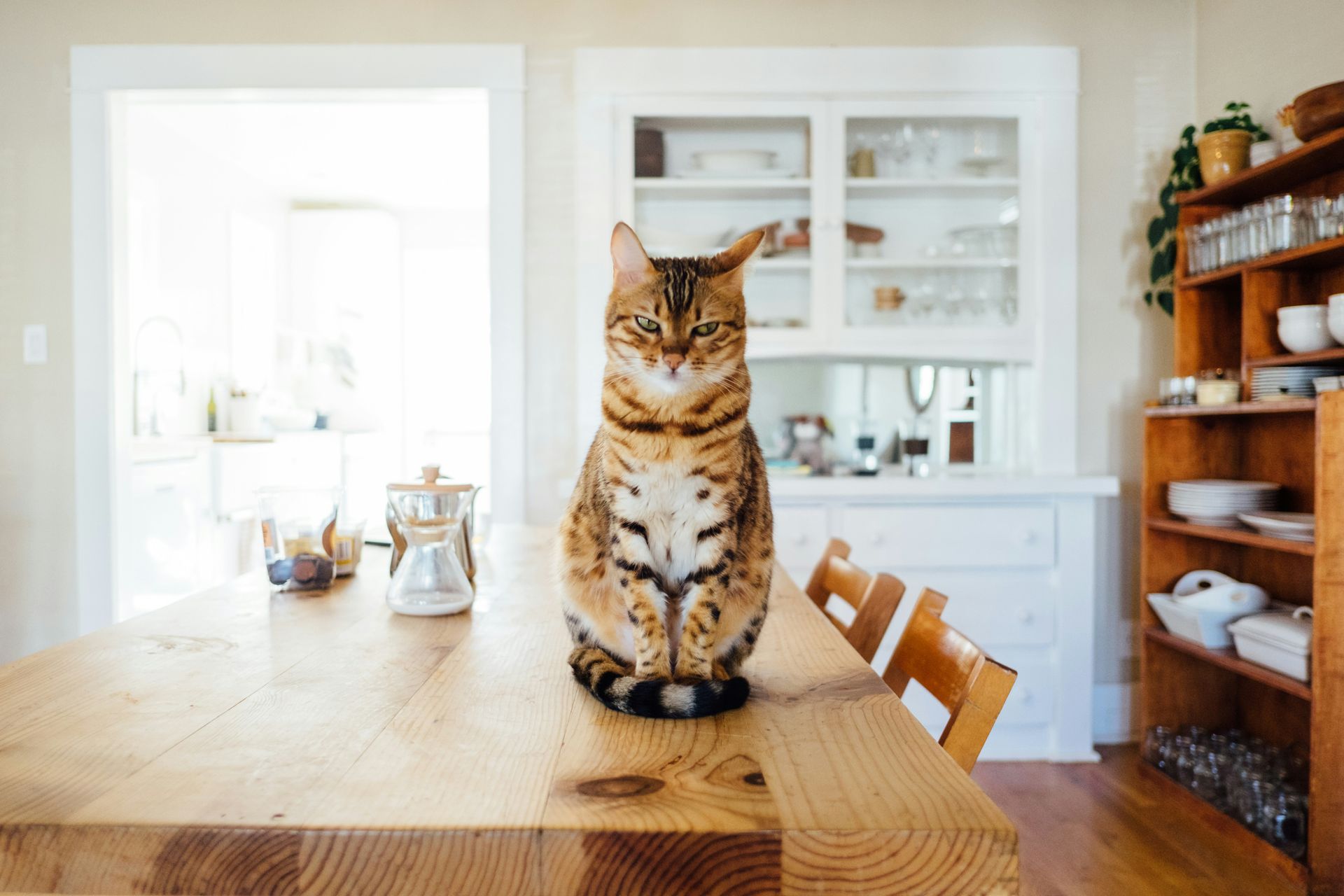
Cats have a reputation for being mysterious, which can make it difficult to tell the difference between ordinary feline behavior and a sign that something is wrong. One day your cat is curled up beside you on the couch, and the next they're hiding under the bed or ignoring their favorite toy. While it's tempting to dismiss these changes as typical cat quirks, Reader's Digest explains that sudden shifts in behavior can sometimes point to emotional distress.
Although cats don't experience depression exactly the way humans do, they can become withdrawn, anxious, or unhappy when faced with major changes, illness, boredom, or stressful environments. A move to a new home, the loss of a companion, a disrupted routine, or even a lack of mental stimulation can affect a cat's emotional well-being. Cats communicate primarily through body language and behavior, so recognizing these subtle changes is one of the best ways owners can step in before a small problem becomes a larger one.
The good news is that many of these behaviors improve when cats feel safe, engaged, and understood. Paying attention to changes in your pet's personality, providing plenty of enrichment, and consulting your veterinarian when something seems off can go a long way toward helping your cat feel like themselves again.
Here are five signs your cat may be feeling down and what those behaviors could be trying to tell you.
-1920x1168.jpg)
Nattalia Nunez / Unsplash
Every cat has its own personality, but a dramatic change in how much attention they seek can be worth noticing. According to Reader's Digest, some cats that normally enjoy their independence may suddenly become unusually attached to their owners when they're experiencing emotional distress. A cat that constantly follows you from room to room, demands extra cuddles, or refuses to leave your side may be looking for reassurance rather than simply becoming more affectionate.
Behavior changes are often more important than the behavior itself. If your cat's level of affection shifts noticeably without another obvious explanation, it may be a sign that something is bothering them emotionally or physically. Reader's Digest notes that owners shouldn't simply assume their cat is "just being a cat" when long-standing habits suddenly change. Instead, observe whether other unusual behaviors appear alongside the clinginess and consider whether any recent changes in the household could be contributing. If the behavior continues or is accompanied by other concerning symptoms, a veterinary visit can help rule out underlying health issues.
Maks D / Unsplash
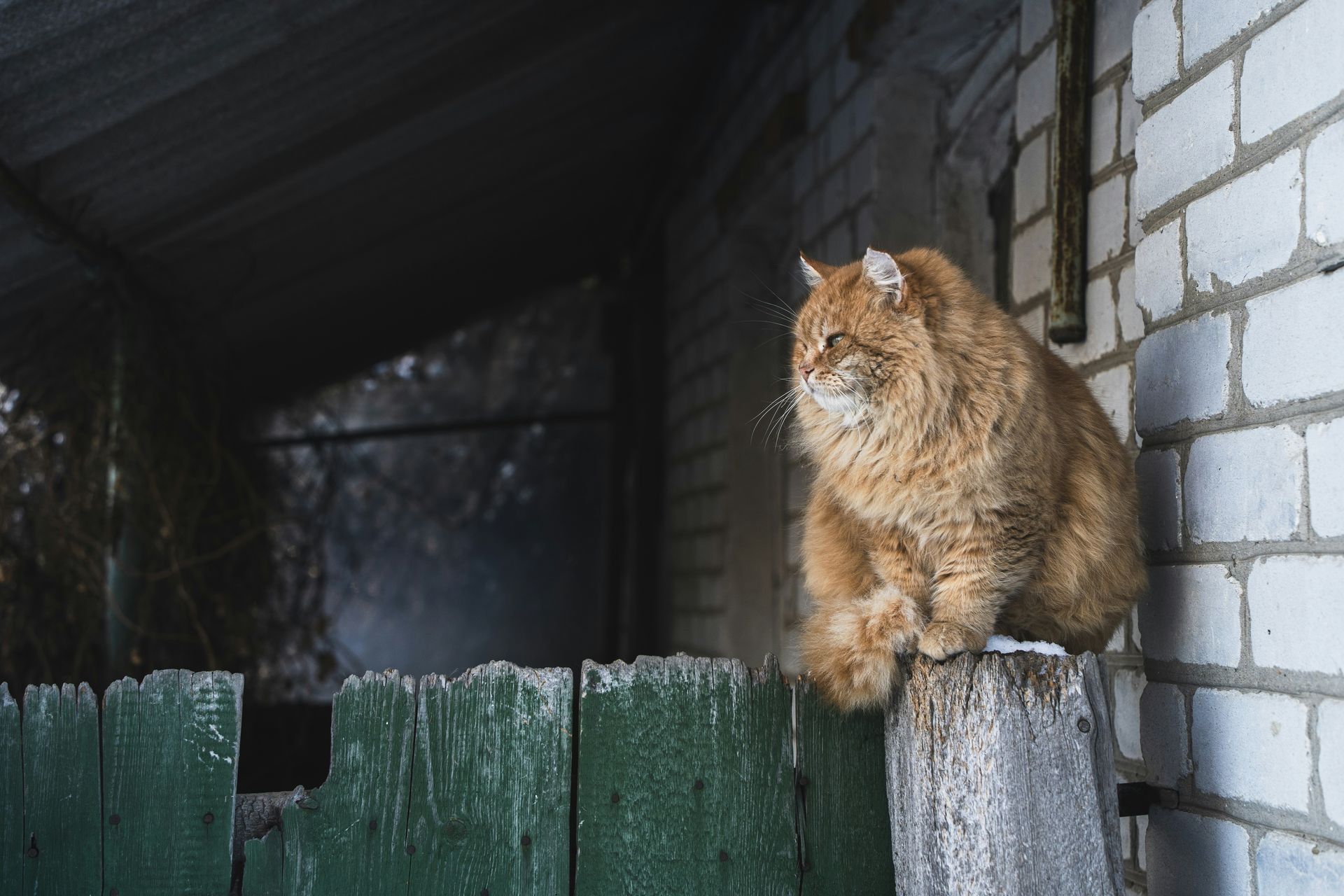
Some cats naturally enjoy plenty of alone time, but even independent felines usually have favorite people they choose to spend time with. Reader's Digest explains that when a cat begins avoiding family members, hiding more than usual, or withdrawing from interactions they once enjoyed, it may signal emotional distress.
Social withdrawal can happen after major life changes, stressful events, or ongoing anxiety. Rather than forcing your cat to interact, give them a quiet, secure place where they can decompress at their own pace. Reader's Digest recommends allowing depressed cats to approach people when they feel comfortable while maintaining a consistent routine that helps rebuild their sense of security. Respecting their boundaries while continuing to offer affection on their terms can help strengthen trust as they recover.
Thuc Tran / Unsplash
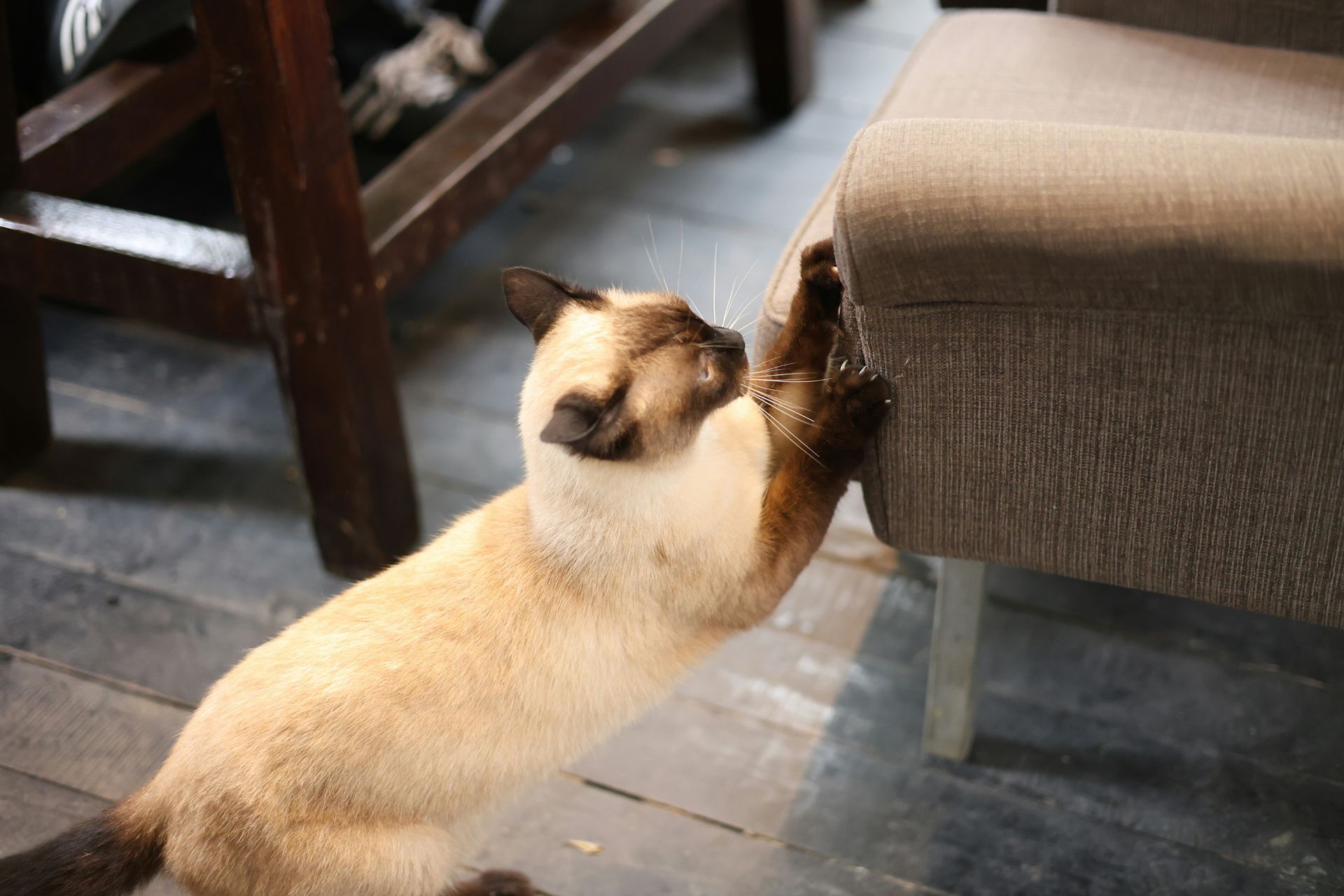
If your well-behaved cat suddenly starts scratching furniture, climbing curtains, or destroying household items, boredom or emotional stress could be playing a role. According to Reader's Digest, destructive behavior isn't always about mischief. It can be your cat's way of coping with frustration, excess energy, or depression.
Cats thrive when they have opportunities to climb, scratch, hunt, and explore. Without enough mental and physical stimulation, they may create their own entertainment in ways owners don't appreciate. Reader's Digest suggests enriching your cat's environment with scratching posts, climbing trees, interactive toys, cozy resting spots, and regular play sessions. Creating a home that encourages natural feline behaviors can reduce stress while giving your cat healthier outlets for their energy.
Jason Leung / Unsplash
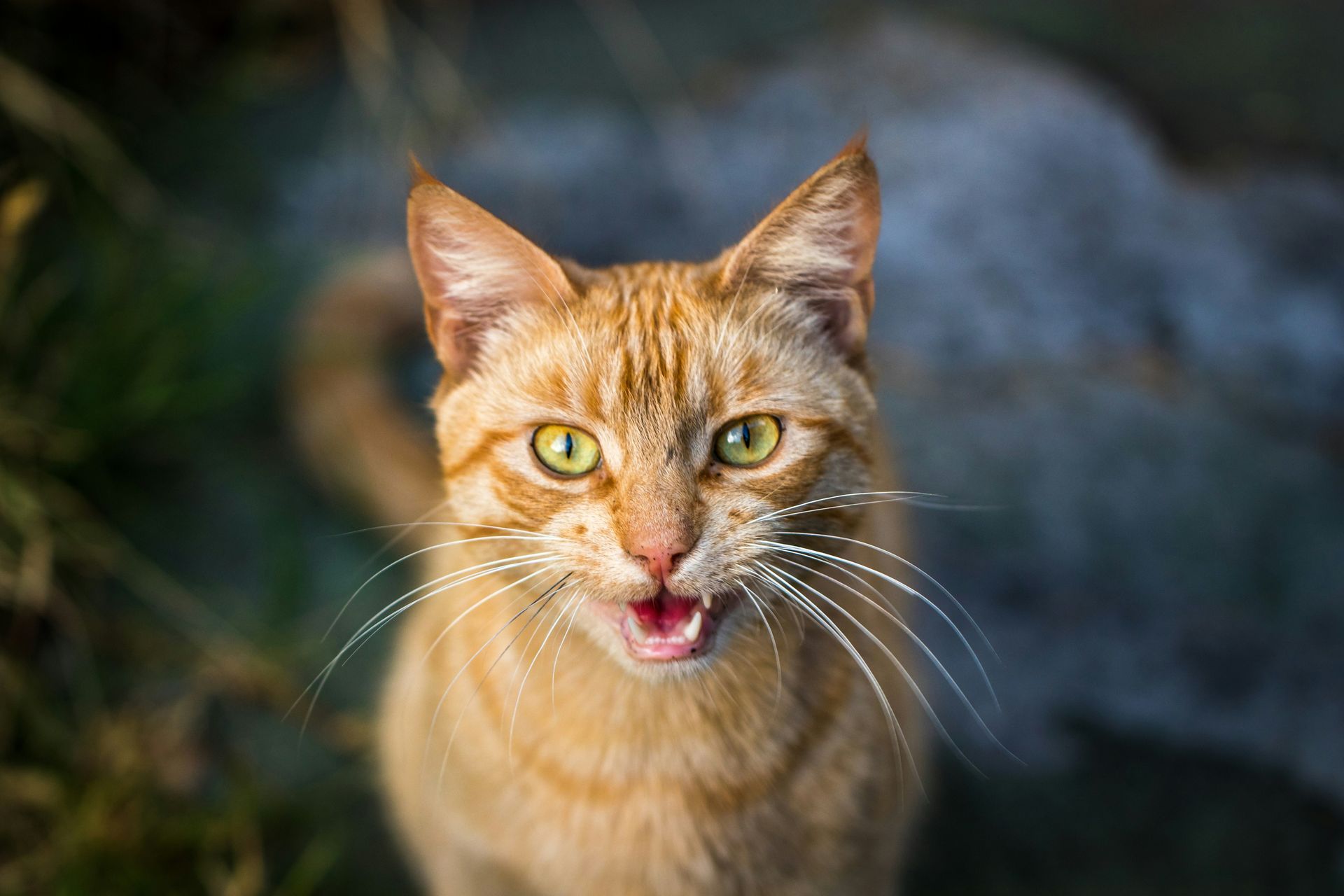
Cats communicate in many different ways, and excessive meowing is sometimes one of the clearest signs that something has changed. Reader's Digest notes that unusually frequent vocalizations may indicate loneliness, stress, or emotional discomfort, particularly if the behavior appears suddenly.
A cat that wanders the house crying, meows constantly for attention, or vocalizes at unusual times may be trying to communicate that their routine, environment, or emotional needs have changed. While increased meowing doesn't automatically mean your cat is depressed, it deserves attention, especially if it's paired with other behavioral changes. Reader's Digest recommends increasing enrichment, spending more quality time together, and speaking with your veterinarian if the vocalizations persist or seem unusual for your pet.
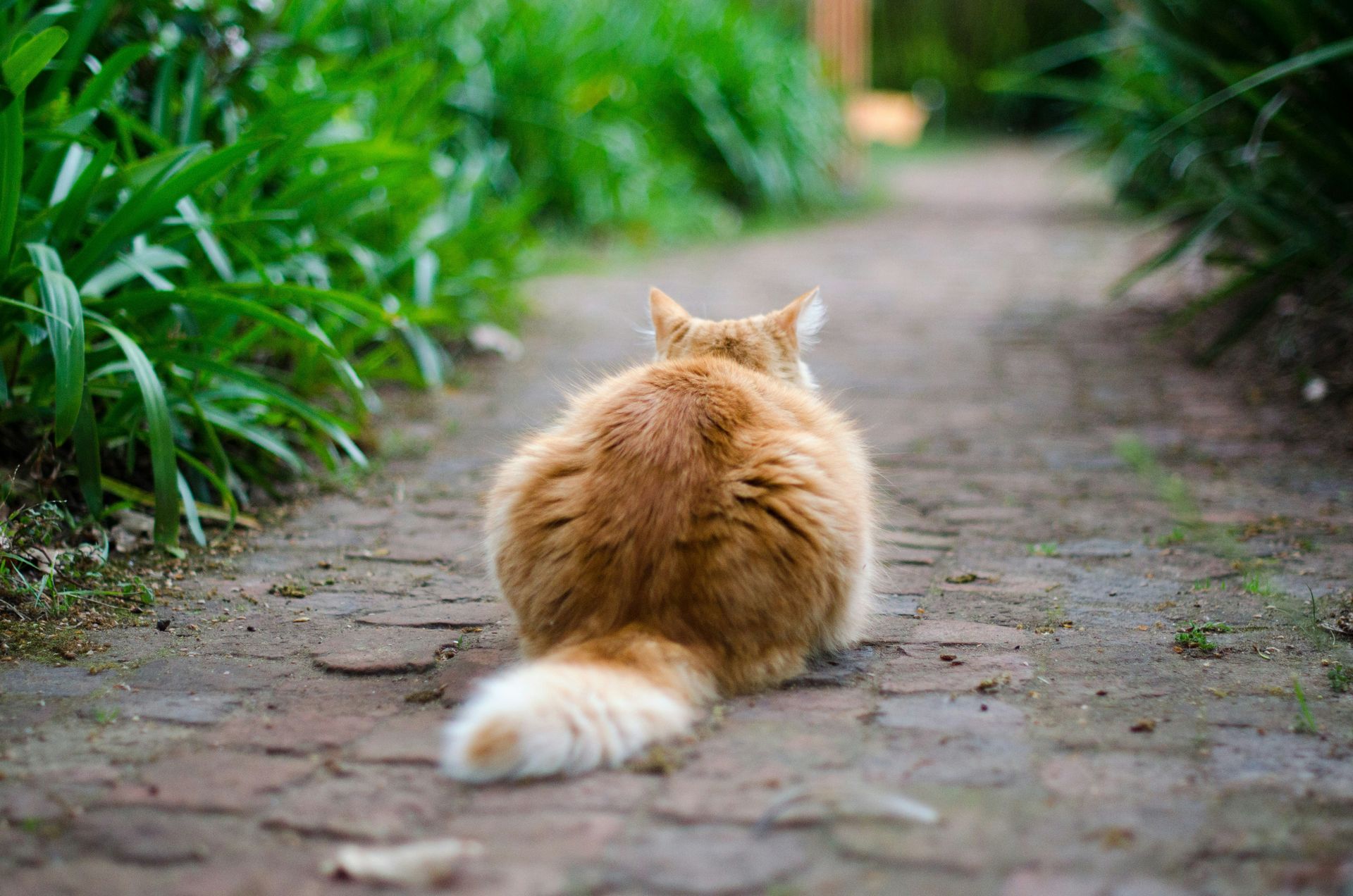
Marnhe Du Plooy / Unsplash
A cat's tail can reveal a surprising amount about how they're feeling. According to Reader's Digest, a depressed or distressed cat may display quick, sharp tail flicks instead of the slow, relaxed movements seen in content cats. These tense tail motions often signal irritation, anxiety, or emotional discomfort.
Watching your cat's body language as a whole provides valuable clues. If the tail swishing appears alongside hiding, reduced activity, clinginess, or changes in appetite, it may indicate your cat is struggling with stress or sadness rather than simply feeling annoyed in the moment. Reader's Digest advises owners to consider any recent disruptions to their cat's routine, since even seemingly small changes can have a significant impact on a cat's emotional well-being. Addressing potential stressors early may help prevent these behaviors from becoming more severe.