Jingda Chen / Unsplash
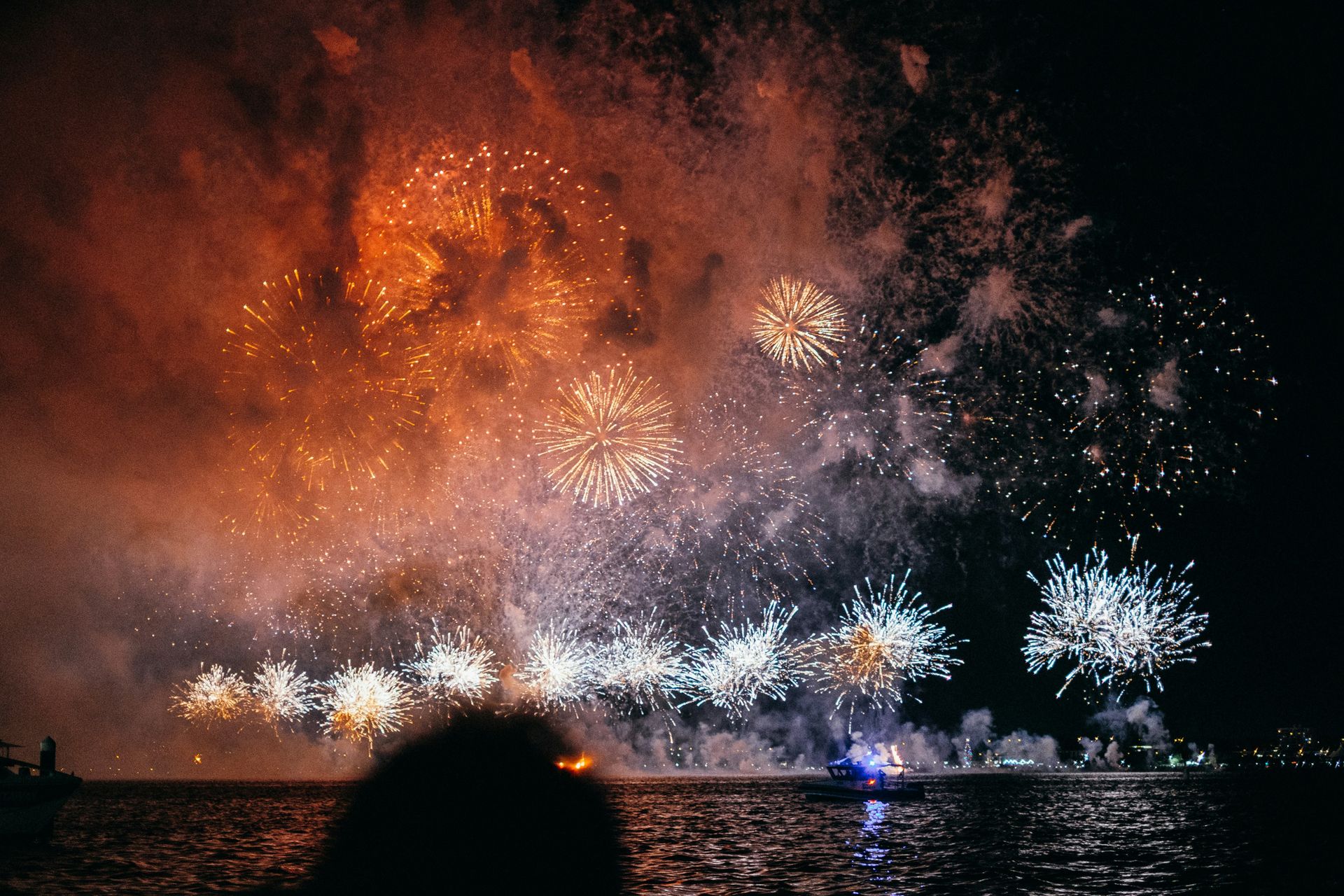
Fireworks have become one of the defining traditions of summer celebrations, especially around the Fourth of July. Backyard displays, neighborhood gatherings and colorful nighttime skies are a familiar sight across much of the U.S. But despite their popularity, fireworks are far from universally allowed. In fact, where you live can dramatically affect what you are legally allowed to buy, possess or set off.
Many people assume fireworks laws are the same everywhere, but that couldn't be further from the truth. Every state regulates consumer fireworks differently, with some allowing nearly every type of legal consumer firework while others limit residents to only small ground-based devices. A handful of states take an even more localized approach, allowing counties or municipalities to create their own rules. One state stands apart by prohibiting all consumer fireworks entirely.
Reader's Digest recently examined fireworks laws across the country, highlighting how regulations vary from state to state. The publication explains that while 49 states and Washington, D.C., permit consumer fireworks in some capacity, the types of fireworks allowed—and when they can be purchased or used—can differ significantly. Safety standards established by the Consumer Product Safety Commission also play a role in determining which products can legally be sold.
Understanding these rules is important before purchasing fireworks for a holiday celebration or traveling across state lines with them. Something that's perfectly legal in one state may be prohibited just a few miles away.
Here are the states with some of the strictest fireworks laws in the country.
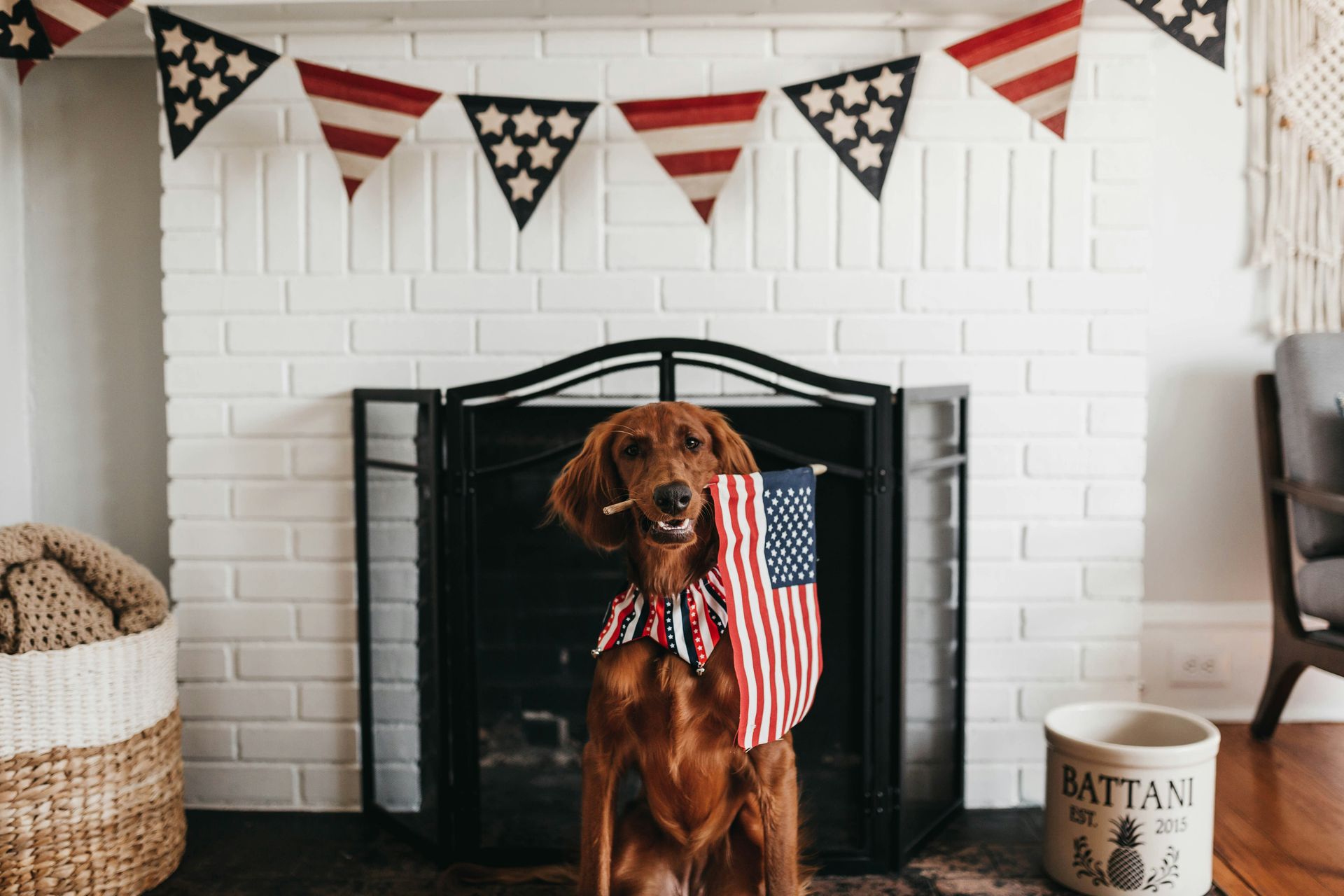
Photo by Camylla Battani on Unsplash
California allows consumer fireworks, but only a narrow category of products. Reader's Digest explains that legal options include ground and handheld sparkling devices, cone and cylindrical fountains, wheel spinners, illuminating torches and certain flitter sparklers. Many fireworks commonly associated with Fourth of July celebrations remain prohibited. Firecrackers, Roman candles, skyrockets, chasers and wire or wooden-stick sparklers are all illegal under California law.
The state also limits when legal fireworks may be sold. According to Reader's Digest, approved fireworks can only be purchased between noon on June 28 and noon on July 6, and buyers must be at least 16 years old. These restrictions make California one of the most tightly regulated states for consumer fireworks while still allowing limited celebrations.
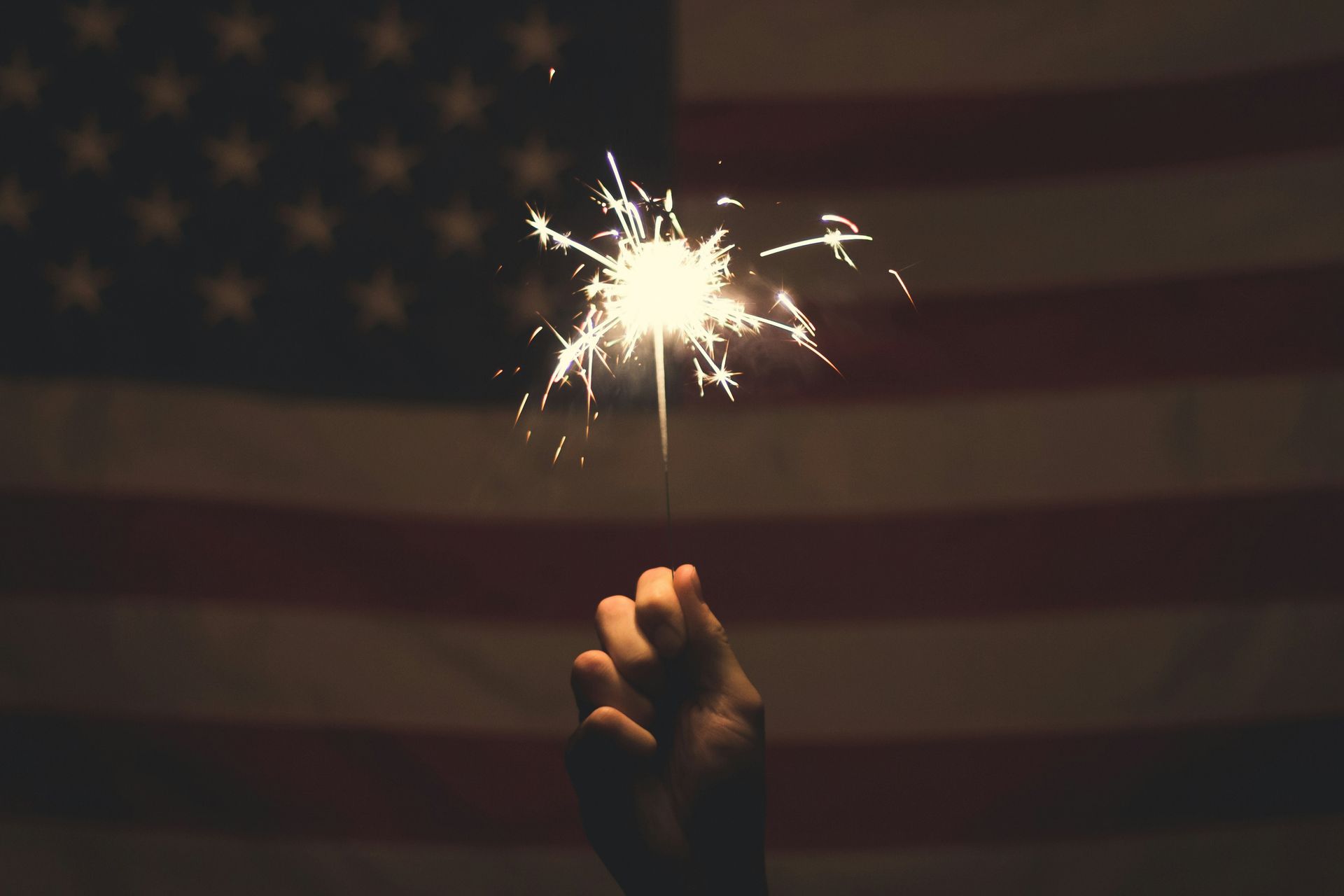
Photo by Trent Yarnell on Unsplash
Instead of enforcing one statewide policy, Hawaii allows local governments to determine their own fireworks regulations. Reader's Digest reports that each county establishes its own rules regarding consumer fireworks, meaning laws can vary depending on where you are within the state.
This localized approach requires residents and visitors to check county regulations before purchasing or using fireworks. A product that is permitted in one county may not be allowed in another. Since the rules differ by location, travelers cannot assume the same regulations apply throughout Hawaii. Reader's Digest identifies Hawaii as one of only three states that use this county-by-county system for consumer fireworks laws.
Nevada also relies on local governments rather than one uniform statewide law. According to Reader's Digest, counties throughout Nevada determine which consumer fireworks, if any, may be sold and used within their jurisdictions. This creates significant differences across the state. Residents must follow the regulations established by their county instead of relying solely on statewide guidance.
For visitors planning Independence Day celebrations, checking local ordinances before purchasing fireworks is essential. Reader's Digest lists Nevada alongside Hawaii and Wyoming as states where county governments control consumer fireworks regulations.
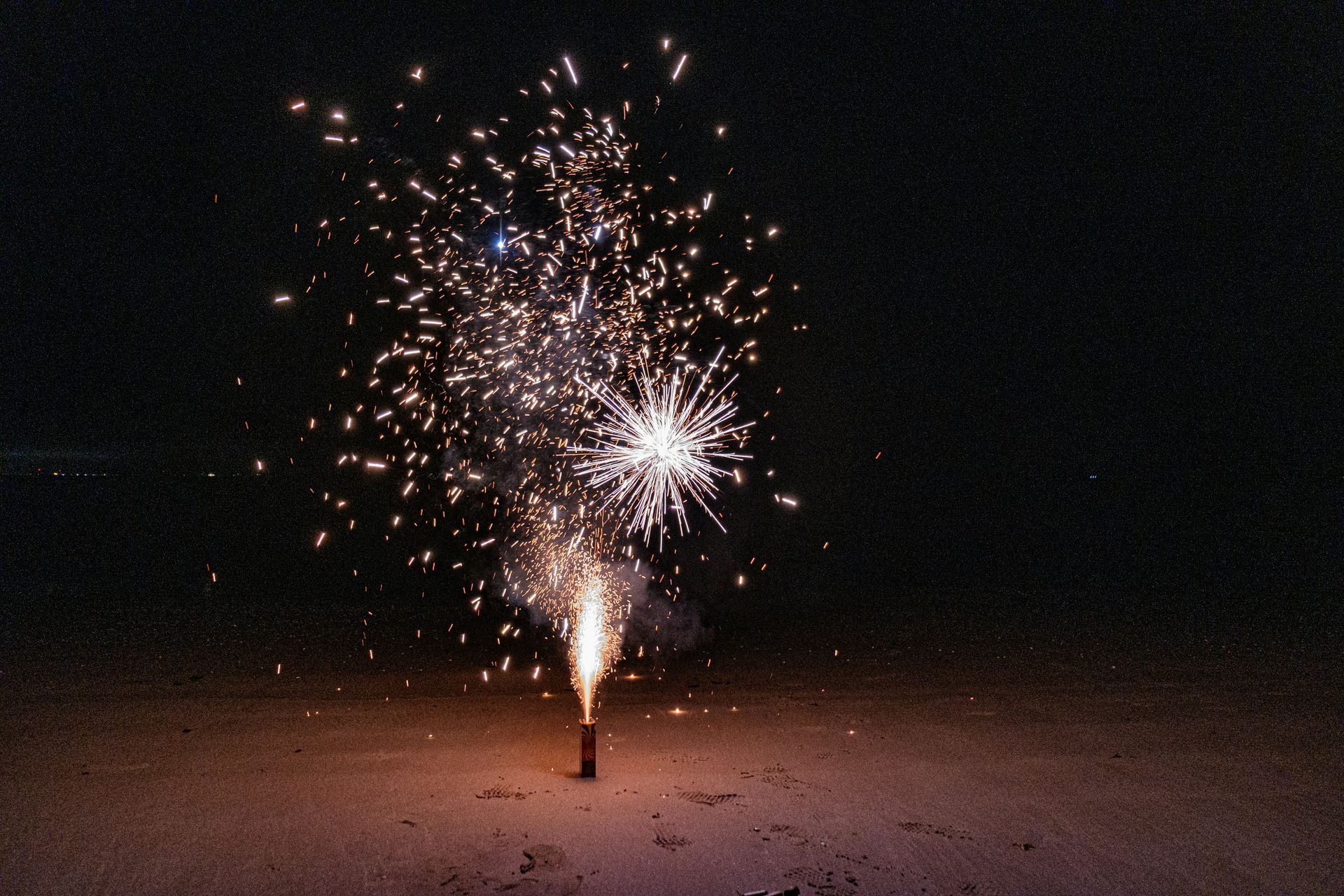
Photo by Yuheng Mei on Unsplash
Wyoming rounds out the trio of states that allow counties to establish their own fireworks laws. Reader's Digest explains that consumer fireworks regulations are determined locally rather than through one comprehensive statewide standard. This means legal fireworks can vary depending on where someone lives or travels within the state. Local officials decide which products are permitted and under what conditions they may be used.
Since regulations are not identical across Wyoming, consumers should review county requirements before purchasing fireworks. The county-based approach gives communities flexibility while creating a patchwork of rules that differs across the state.
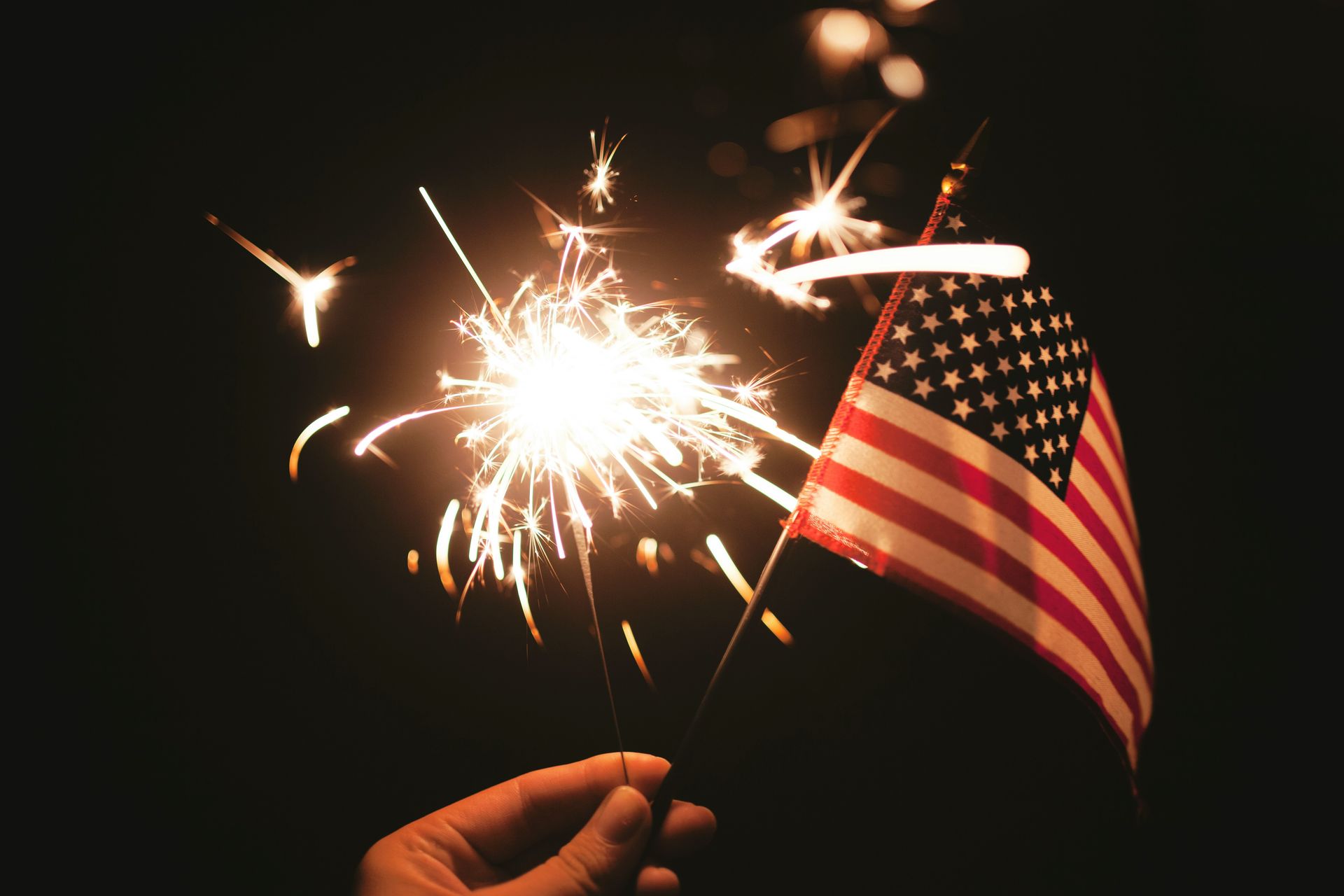
Photo by Stephanie McCabe on Unsplash
Massachusetts has the strictest fireworks laws in the country because it completely prohibits consumer fireworks. According to Reader's Digest, it is the only state where residents cannot legally purchase, possess or use consumer fireworks of any kind. That means even products commonly sold elsewhere, such as sparklers or small fountains, are not permitted for personal use. The ban applies regardless of whether fireworks were purchased legally in another state.
While consumers cannot put on their own displays, professionally organized fireworks shows remain legal throughout Massachusetts. These events are conducted by licensed professionals who follow strict safety regulations. For residents and visitors, attending a public display is the legal way to celebrate with fireworks. Reader's Digest notes that Massachusetts stands alone in adopting this statewide prohibition, making it unique among all 50 states.