It is World Water Day, and time for the United Nations to remind us how many people in developing countries still lack basic sanitation.
It is World Water Day, and time for the United Nations to remind us how many people in developing countries still lack basic sanitation.
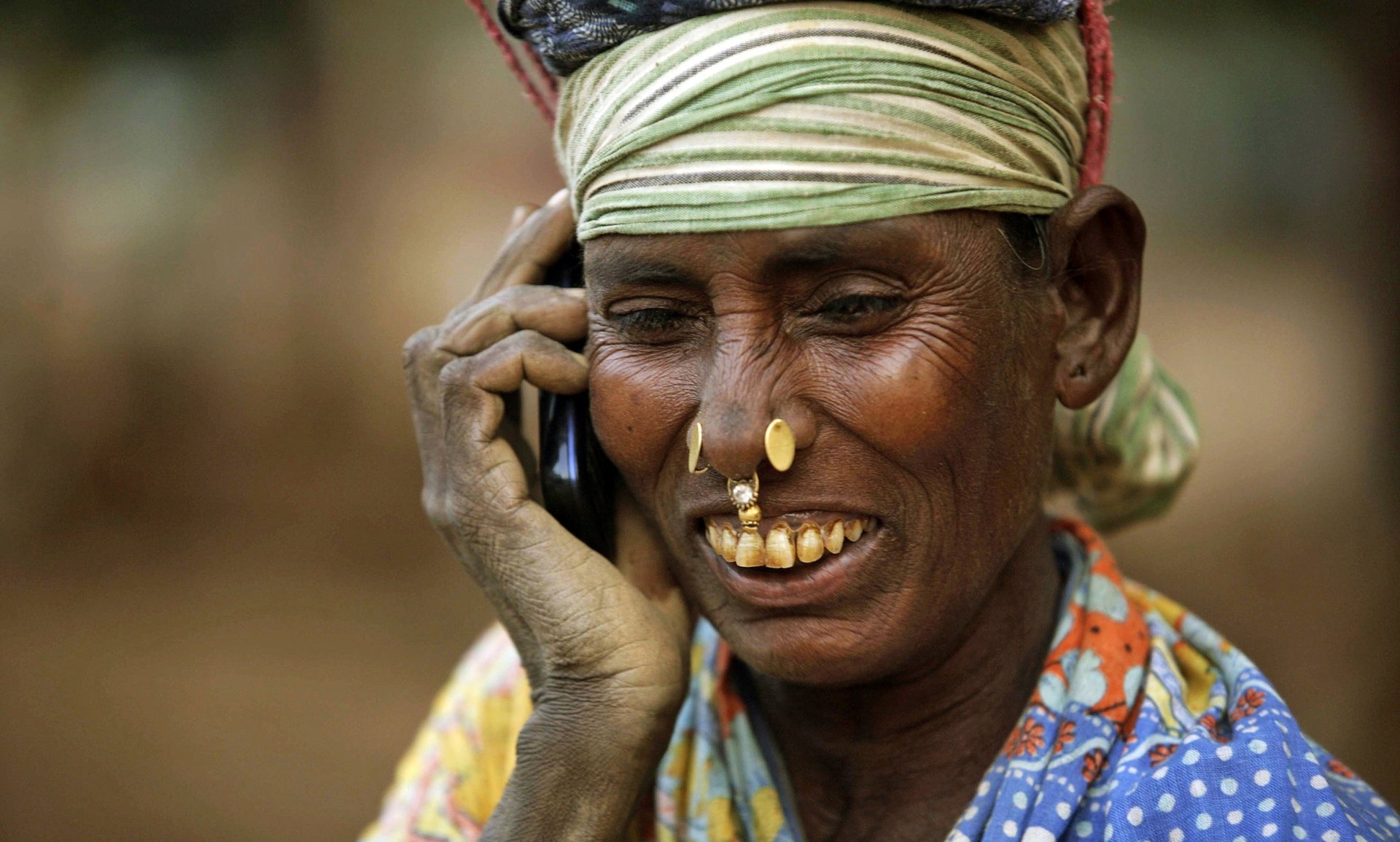
Surprisingly, the UN reports there are now more people with mobile phones (six billion for world population of seven billion) on earth than there are with access to clean toilets (4.5 billion).
Join 500,000+ readers who start their day with Quartz.
By subscribing, you agree to our Terms of Service and Privacy Policy.
That phenomenon is easily visible in Indonesia, for example, where it is common to see people who live in metal roofed shacks without bathrooms surfing Facebook $META on their smartphones or feature phones. And it shows how, in the developing world, multinationals are often better at responding to peoples’ needs than governments are.
Open defacation, while not widely discussed, causes illnesses such as diarrhea that kill 4,500 children daily. Poor sanitation also hobbles emerging markets economically. According to the UN, the problem costs India $53.8 billion a year, while Nigeria loses $3 billion annually.
Another big problem in developing countries is water scarcity caused by leaks from faulty pipes.
But here, the prevalence of mobile phones in the third world can be a good thing.
In a smart PR move to coincide with World Water Day, IBM $IBM has just launched a mobile app in South Africa that allows users to take photos and answer simple questions about any water problems they observe. IBM says it will store and analyze the data “to help municipal authorities spot problems, dispatch repair crews and set maintenance priorities.”
