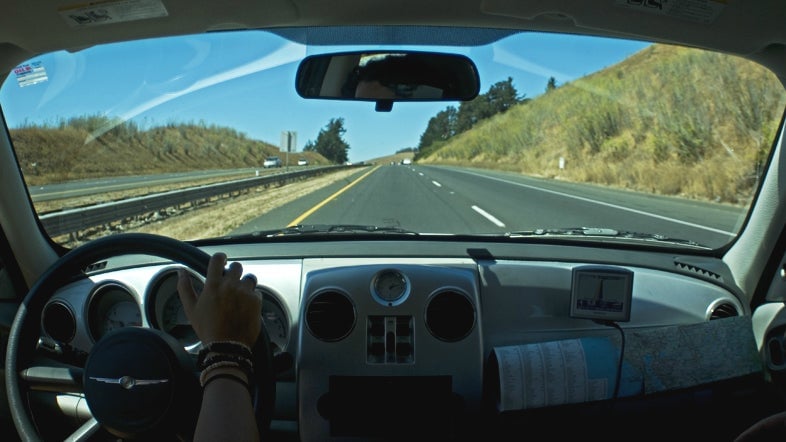
In a few days, I’ll be taking off for a summer road trip—several days of highway driving, crossing state lines. I could tune the car’s stereo into satellite radio stations, audio books, or podcasts, spend days poring over the perfect playlist, or depend on the vast library and algorithmic genius of Spotify $SPOT to make one for me. All of the aforementioned forms have a place in the travel audio pantheon, and can help to pass the hours on the highway, but this summer, I can’t wait to surrender the soundtrack to another form of listening: the full album.
Remember those?
As technology makes my media diet of shows, movies, reading, and music increasingly à la carte—and overwhelming in its choice—the idea of pressing play, putting down my phone, and spending 45 minutes with a single artist’s work is increasingly attractive. And there may be no better setting for it than a moving car, with miles of road stretched out ahead.
Ethan Hein, a composer, producer, and professor of music technology and education at New York University, agrees.
“If you’re just on the highway it doesn’t take that much of your brain to operate the car,” says Hein. “So you’re really just sitting there and giving the music your full attention.” In the modern era, that kind of attention is pretty rare. A good album will reward you for it, providing an effortless soundtrack for your journey and making the hours fly.
“It’s definitely a long musical form like a symphony,” says Hein. “It has a beginning, a middle, and an end.”
Entire dissertations have been devoted to how the Beatles’ Abbey Road works as a single composition, and Hein called it “my favorite exemplar of the album that’s bigger than the sum of its parts.” ”‘She Came in Through the Bathroom Window’ is very cool and everything,” he says, “but you couldn’t just stick it on a playlist with a bunch of non-Beatles songs.”
Another example? That perennial road trip favorite, Paul Simon’s Graceland. Hein points out how the album’s eleven tracks hang perfectly together as a 50-minute piece of music, thanks to Simon’s sequencing, which follows some pretty simple rules: Hook the listener early with a hit (“Boy in the Bubble)—but not the hit of the album (“Call Me Al”)—put the heavier, more introspective songs in the middle (“Under African Skies,” “Homeless”), and leave them with something upbeat (“All Around the World”). Beyoncé’s Lemonade, however different in its narrative, follows a similar format.
A well-constructed album has a narrative drive that lends itself to, well, driving.
Perhaps the best argument for full-album listening on the road is the laziest: Playlists are a pain.
Anyone who has painstakingly made a mixtape for a crush can tell you it’s a labor of love. It’s not easy to keep the energy flow consistent, the transitions smooth, and to telegraph just the mood you’re hoping for (but you know, casually). Musicians—who are really the experts on their music—obsess about exactly the same factors as they decide exactly where each song belongs on an album.
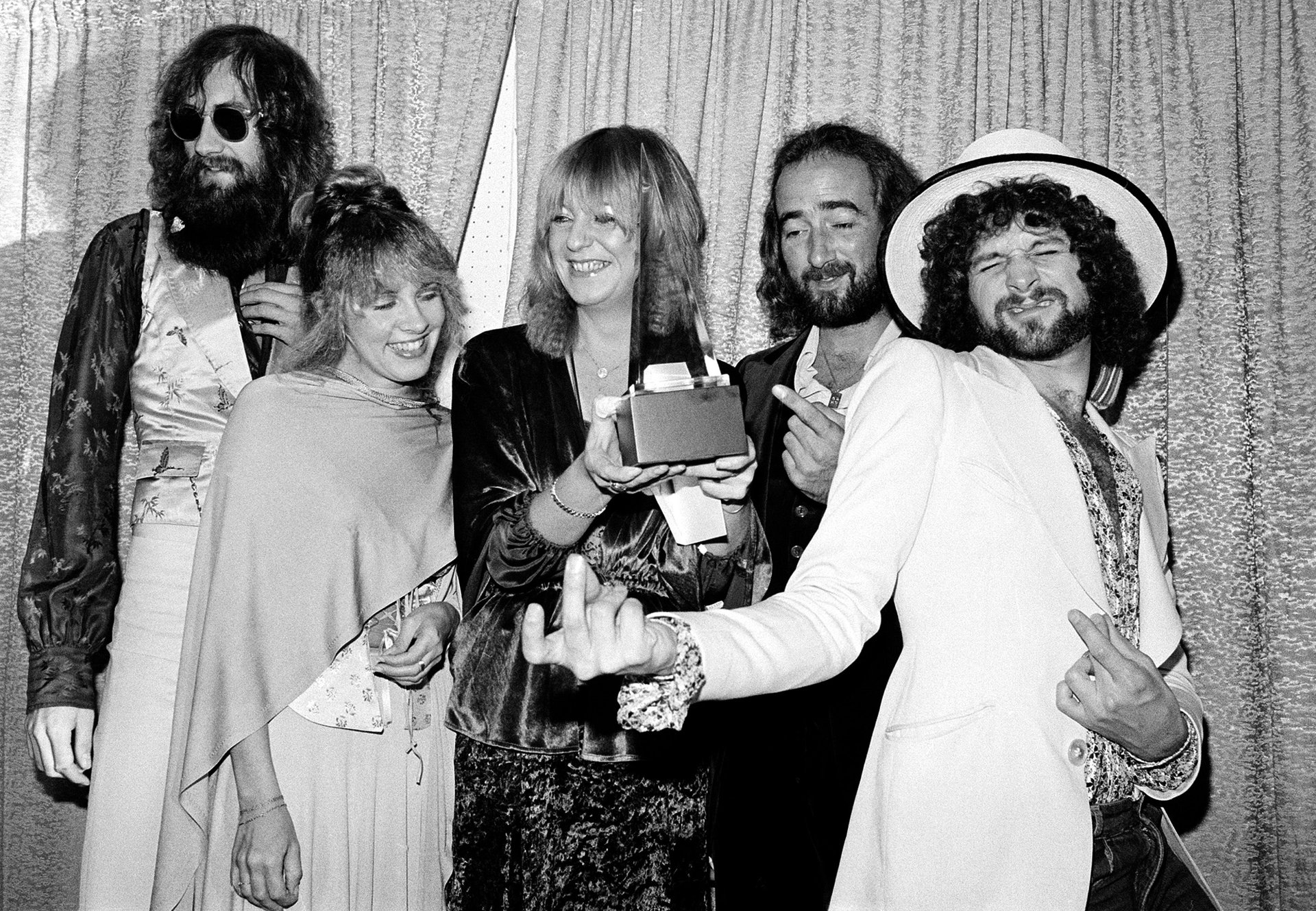
“One thing in favor of the album format in the streaming age is just that maintaining and curating your playlist is work” says Hein. “Fleetwood Mac put all this thought and attention into picking eleven Fleetwood Mac songs for you to listen to, in an order, as a group.”
So why not just hit play and let Fleetwood Mac—or Grimes, or Modest Mouse, or Beethoven—do the curating?
Although the album is a long-form work of art that deserves to be consumed in its entirety, it’s exceedingly rare for most of us these days to just sit down and listen to one. A road trip provides prime conditions for doing just that: monotonous highway driving, extended time, and, often, great equipment.
“It’s very likely that your car speakers are the best set of speakers that you own,” said Hein. “The speakers are distributed around the car, giving you a nice enveloping sound image. You tend to listen to music in the car louder than you would at home, and that always sounds better. And while a fancy sound system in a home is unusual, a fancy sound system in a newer car is not.”
Master producers, including Dr. Dre, even mix albums for optimum sound on car stereos.
“In the absence of all other considerations,” Hein says, “just being familiar with something will make you like it more.” The extended time and captive situation of a moving car make road trips a great time to sing along to Thriller.
There’s also a singular satisfaction in falling in love with a new album, song by song. That might mean teaching your boyfriend the words to Madonna’s Immaculate Collection, indoctrinating your kids with an appreciation for a Tribe Called Quest’s Midnight Marauders, or finding out for yourself what’s so special about Lou Reed’s Transformer.
Below, some more album inspiration for your summer travels from family, friends, colleagues, and the beta testers of our lifestyle newsletter, Quartzy. This is just a start, and the experts at Rolling Stone and Pitchfork can help you with many more classic and new albums.
Whatever you choose to listen to, press play, put down your phone, and look out the window.
Because you never sound better than you do in a moving car.
For forward momentum on monotonous highways.
Because bass sounds so much better in a car.
These aren’t the deep cuts, they’re the easy introductions for your car-mates who might have grown up with different favorites from you: ”I never knew they sang this!”
Albums that feel designed for the American highway, if not literally written about them.
Use your road time to take in a masterpiece.
