Judo gold medalist Kayla Harrison wears the lucky socks that were a gift from her grandmother. Hockey player Alex Danson spins her stick 15 times before each game. Tennis player Rafael Nadal takes alternating sips from two water bottles at every break between games. The Olympic games are filled with superstitions and rituals followed by the best athletes in the world.
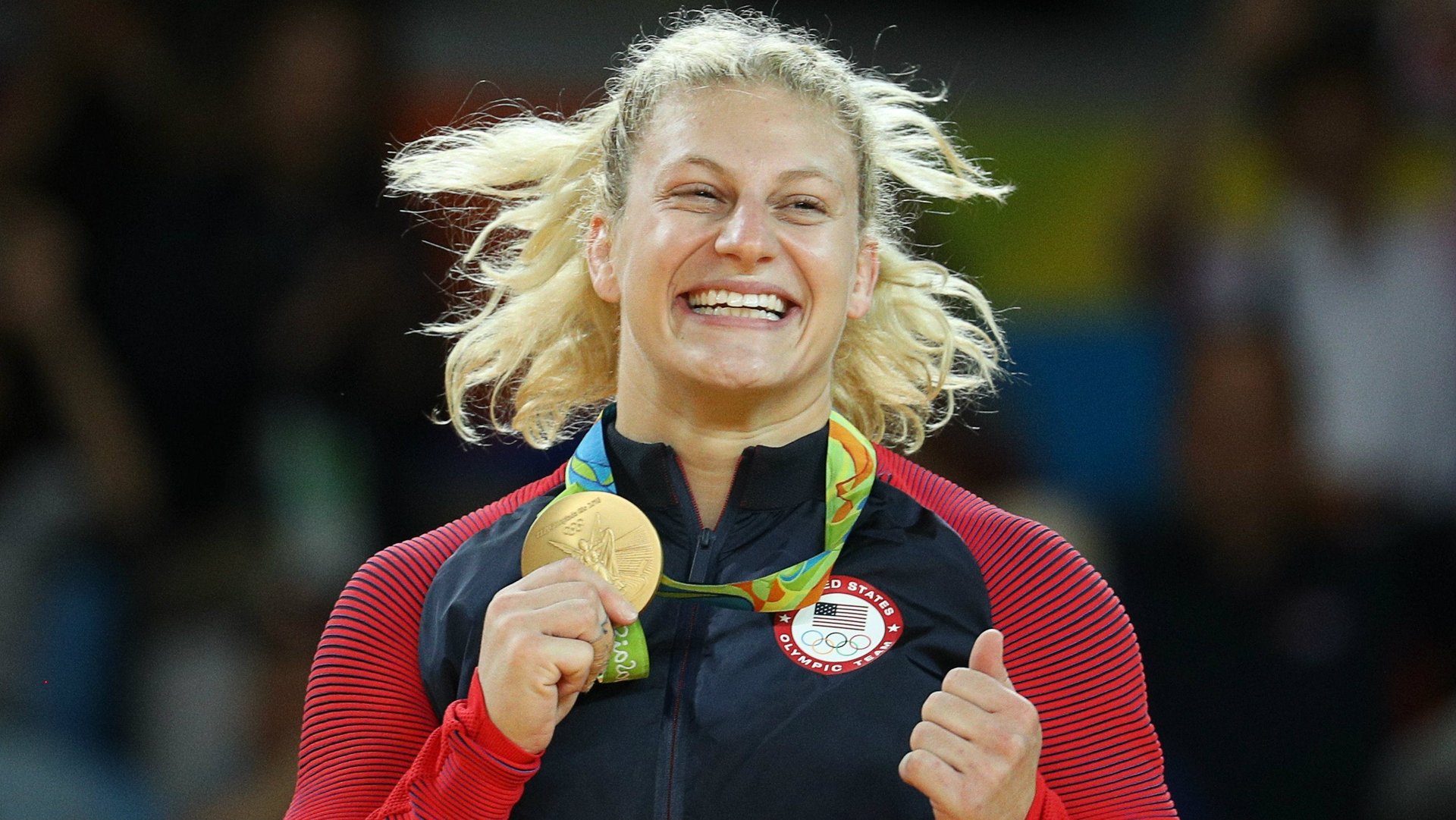
Judo gold medalist Kayla Harrison wears the lucky socks that were a gift from her grandmother. Hockey player Alex Danson spins her stick 15 times before each game. Tennis player Rafael Nadal takes alternating sips from two water bottles at every break between games. The Olympic games are filled with superstitions and rituals followed by the best athletes in the world.
But while it may seem paranoid, psychologists say such customs make perfectly good sense. “In many of these sports, there’s waiting time before they perform and often there’s nothing they can do to prepare or practice during that time. And so these rituals are a way of fending off anxiety and creating a mantra-like focus prior to the performance,” says Stuart Vyse, psychologist and author of
Join 500,000+ readers who start their day with Quartz.
By subscribing, you agree to our Terms of Service and Privacy Policy.
As well as helping soothe anxieties, rituals can also give athletes an illusion of control. “Even though this ritual can’t possibly directly affect what’s going on, it gives the person a sense that they have a bit more control over the outcome than they would otherwise have,” says Vyse. “That’s an attractive thing.”
Of course, there’s no rational reason why wearing a particular pair of socks will affect sporting performance. But these small influences on an athlete’s psychology create a placebo effect. And though placebo effects are fairly weak, even a tiny change in performance can make the difference between a medal and none.
“If you’re talking about a one second lead in a three hour bike race, then that’s less than 0.01%,” says David Colquhoun, a pharmacologist at University College London.
Superstitions don’t have to be complex. One study showed that even saying “break a leg,” having a lucky charm, or crossing your fingers led to improved performance in skilled activities. These small tokens of luck make people feel more confident in their abilities.
“This is not a magical effect. It’s not that the lucky charm or the luck has a direct effect on performance, but it does have a psychological effect that’s positive,” says Vyse.
Or as Harrison, the judoka who’s just won another gold for the United States, told CNN, rituals and patterns make her comfortable. “And when I get comfortable, I get confident,” she adds. “And when I get confident, I win.”
