A last-minute tweak to the American Health Care Act, the bill that would repeal Obamacare, will leave it up to state governments to decide whether they want to require “essential health benefits”—a list of bedrock services like prescription drugs and hospitalization insurers must now provide.
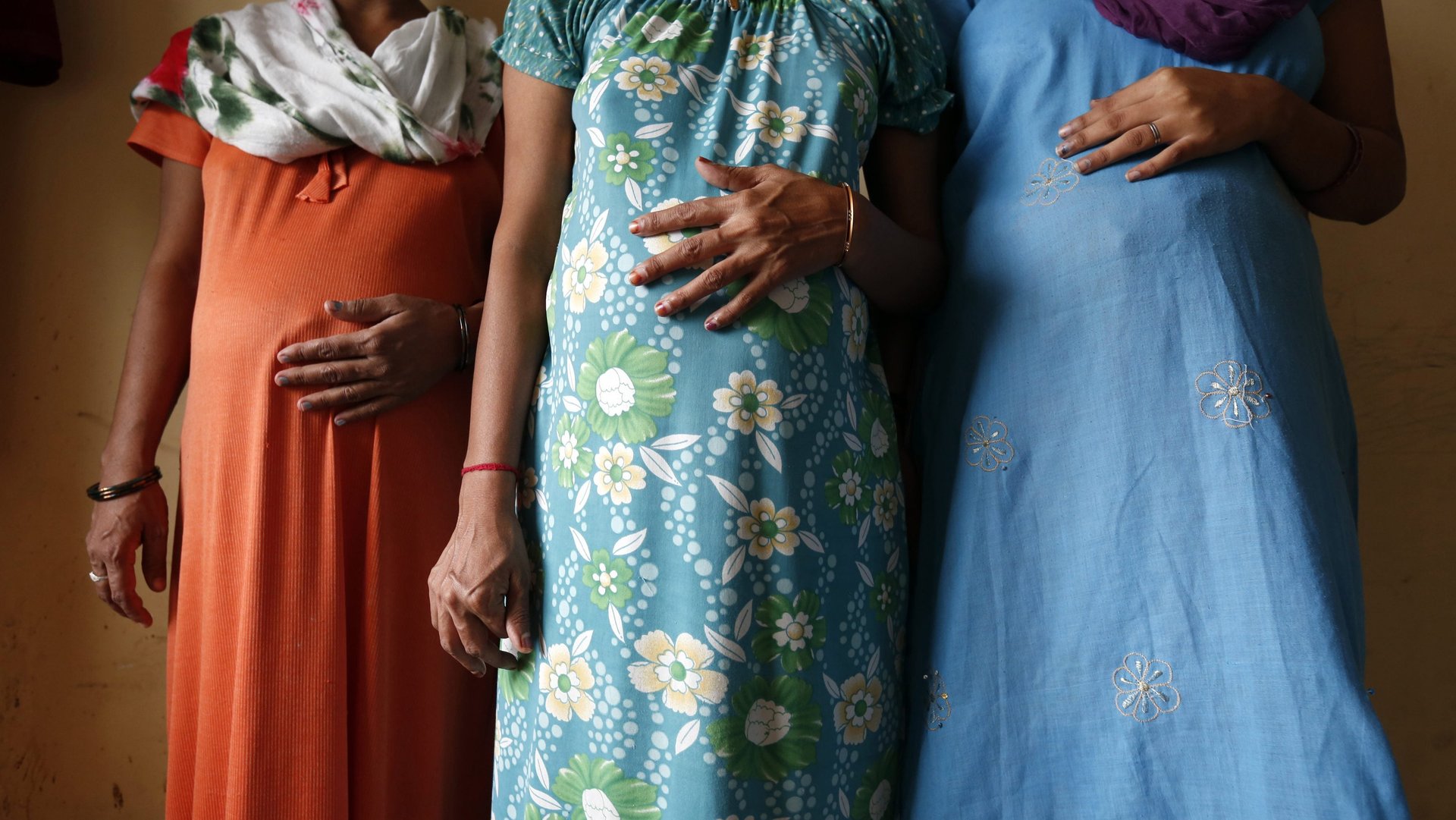
A last-minute tweak to the American Health Care Act, the bill that would repeal Obamacare, will leave it up to state governments to decide whether they want to require “essential health benefits”—a list of bedrock services like prescription drugs and hospitalization insurers must now provide.
An amendment introduced late on March 23 “requires states to determine essential health benefits, beginning in 2018,” meaning that they can choose not to cover things such as:
Join 500,000+ readers who start their day with Quartz.
By subscribing, you agree to our Terms of Service and Privacy Policy.
Mick Mulvaney, director of the White House’s Office of Management and Budget, told CBS News, “What we’re doing is taking away the federal control of these systems.” The move was designed to appeal to the “Freedom Caucus,” a group of about 30 Republicans opposed to the original proposal backed by president Donald Trump. They want lower taxes and fewer government directives.
When asked what a pregnant woman whose state didn’t cover maternity care should do, Mulvaney said: “You can figure out a way to change the state you live in.” He added that pregnant women could “try to change their own state legislatures and their state laws.”
“Why do we look to the federal government to try to fix our local problems?” he added. “That’s one of the big problems of Obamacare.”
Before the Affordable Care Act, as Obamacare is formally known, maternity care was rarely available at all outside of employer-associated group plans, as the Atlantic explains, and “prohibitively expensive when it was, because insurers expected that anyone who purchased it was intending to have a child and thus planned to access the benefits.”
Planned Parenthood calls the AHCA the worst women’s health legislation in a generation. “Simply put, this bill makes it harder for women to prevent unintended pregnancy, harder to have a healthy pregnancy, and harder to raise a healthy child,” the organization said on Friday.
Voting is scheduled to start at 4:30pm today (March 24), and at this point the bill is widely expected to fail, in part because gutting essential health benefits has upset more moderate Republicans.
