Many multinational companies are quite pleased with their performance in India. That’s because they have set quite a low bar for success. To most, the fact that their business in India is meeting budget or growing at double-digit rates is significant.
But that isn’t success. Companies can be growing at double-digit rates and meeting budgets, and still be irrelevant to their parent and in India. McKinsey & Company analysis shows that the 25 largest, publicly listed multinational companies in India contributed just 2% of their parent’s global revenues and profits in 2011. That’s telling, especially since many of them have been operating in India for a long time. The Indian operations of companies that have set up shop since 1991 as wholly owned subsidiaries contribute an even more anemic 1% of their parent’s revenues and profits. If all these operations grow at roughly the same pace as their industry, even after a decade their contribution will still be extremely modest.
Real success in India, I would argue, means meeting three criteria:
That may seem like a high bar, but some multinational companies have vaulted over it. They span many industries such as banking, engineering, food, packaged consumer goods, trucks, telecom, information technology, and automotive. They are American, South Korean, Japanese, Swedish, French, German, and British. Some are large; others midsize. Yet they are all doing well in India by my parameters. Despite their diversity, these companies adopt a similar approach:
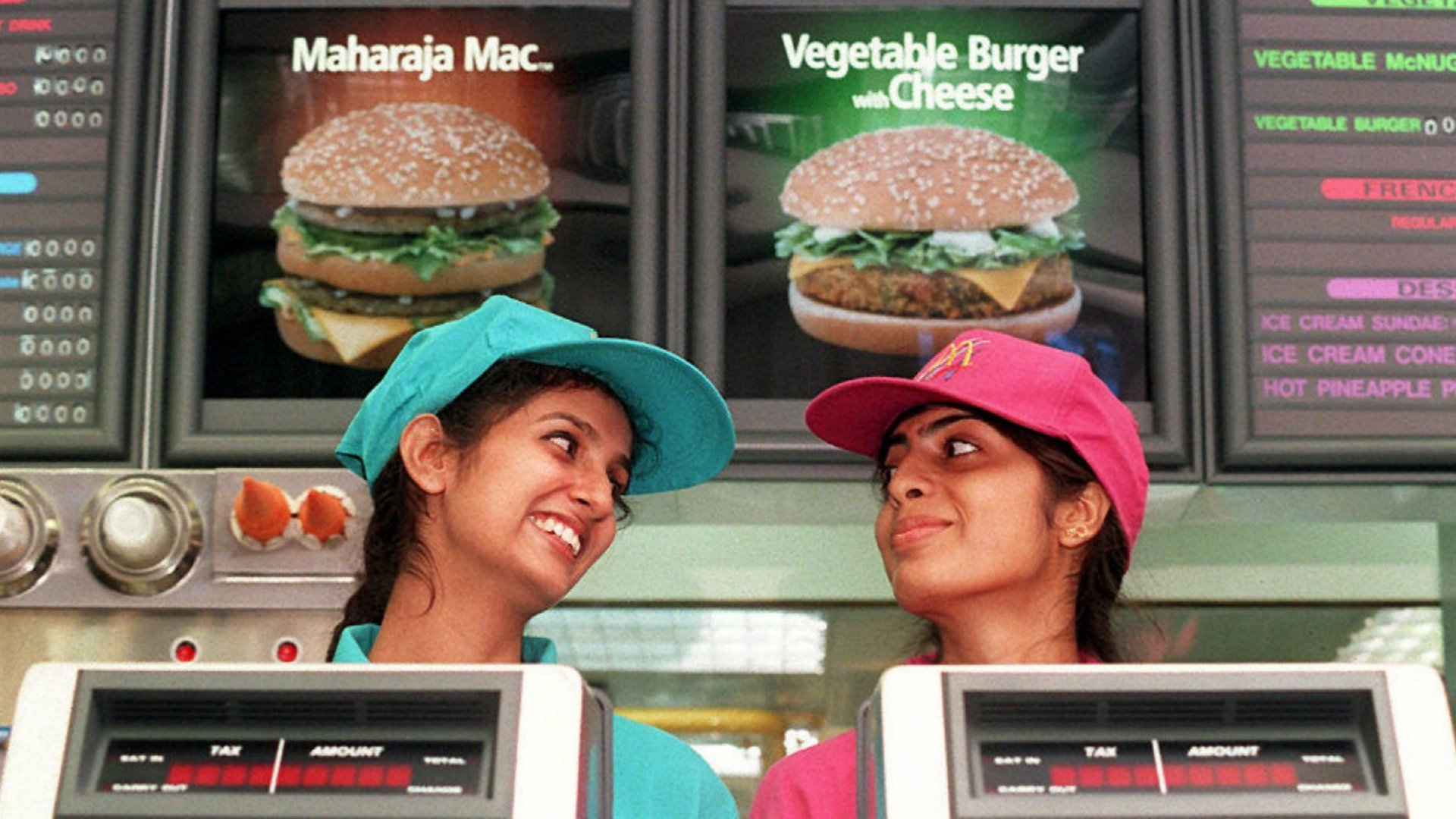
The winners take a long-term view, trading short-term profits for growth and leadership. They make significant investments in product localization and distribution, and in creating an aspirational brand, ahead of demand and ahead of competitors. For instance, between 1995 and 2005, McDonald’s India invested nearly $100 million in setting up a supply chain, creating a brand, and developing a low-cost business model before ramping up its presence across India.
Take the case of UK-based construction equipment company JCB. India is the jewel in the JCB crown, contributing more than a third of its revenues and perhaps half its global profits. The company has a very substantial share (estimated at 55% by industry sources) of the fast-growing Indian construction equipment business, and it is beginning to use its low-cost manufacturing and engineering capabilities to compete in other developing countries. Invigorated by the capabilities it has built in India, JCB has become a global leader in its industry. By contrast, Caterpillar $CAT, the world’s biggest construction equipment maker, has struggled to get its act together despite being an extremely well-managed company. Caterpillar languishes in fourth position in sales of construction machines in India. In a 2009 interview in the Financial Times, then chairman and CEO Jim Owens said he was “disappointed” with Caterpillar’s weak showing in India, but was “determined we will do better.” Since then, the gap between JCB and Caterpillar in India has only grown bigger.
Reprinted by permission of Harvard Business Review Press. Excerpted from “Conquering the Chaos: Win in India, Win Everywhere.: Copyright 2013 Harvard Business Publishing Corporation. All rights reserved.
