The seismic shift in global energy production was powerfully in evidence today (April 21), when all electricity in the UK was produced for a 24-hour period without burning a single shovelful of coal—for the first time since the industrial revolution.
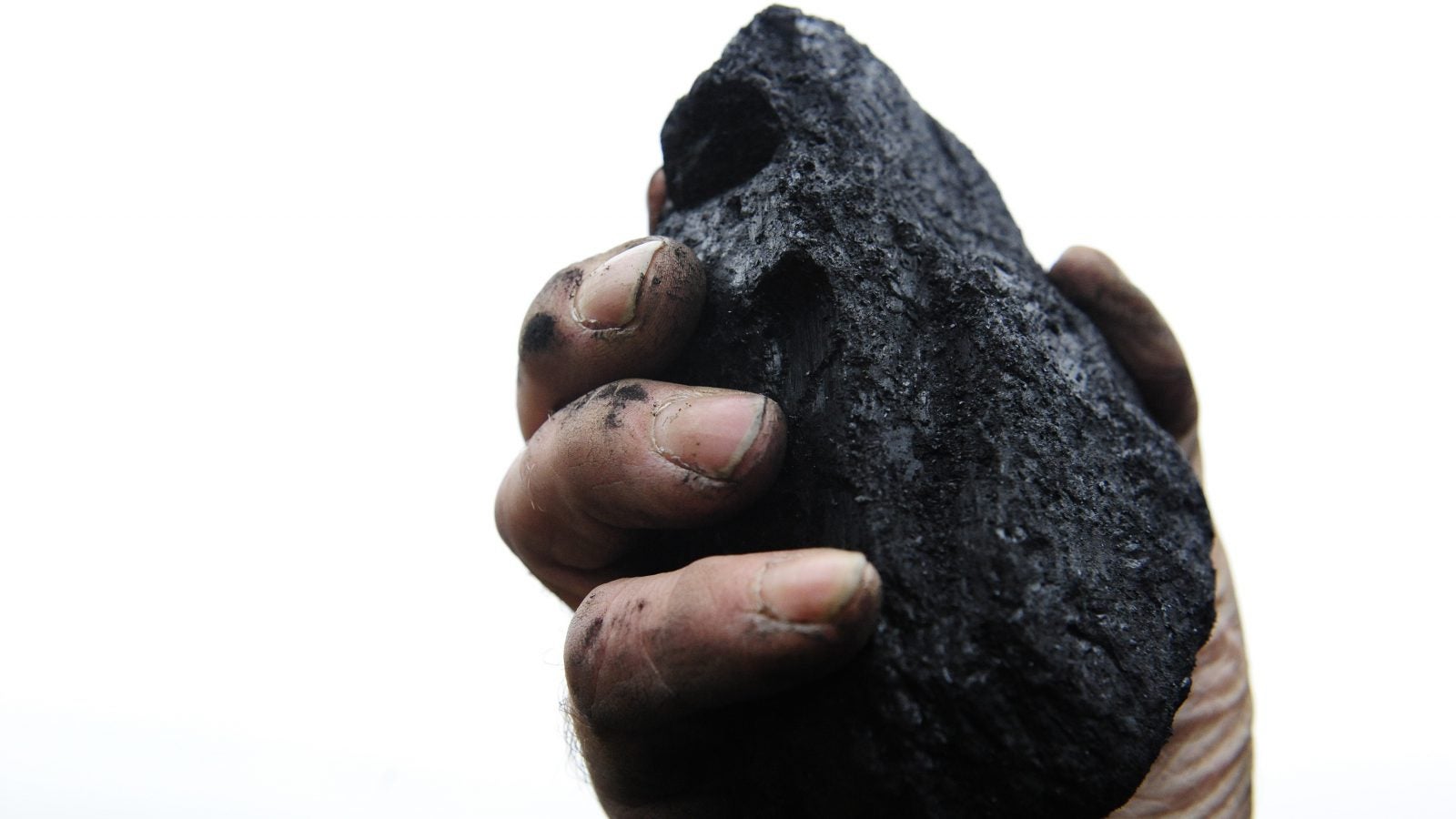
The seismic shift in global energy production was powerfully in evidence today (April 21), when all electricity in the UK was produced for a 24-hour period without burning a single shovelful of coal—for the first time since the industrial revolution.
Britain led the world into industrialization in the 18th century, when machines powered by coal—and eventually by electricity produced from burning it and other fuels—began to take over from manual labor. Ever since then, billions of tonnes of coal have been incinerated to keep power grids feeding the country’s homes and businesses. As recently as 2014, the UK was still getting 40% of its energy from coal.
Join 500,000+ readers who start their day with Quartz.
By subscribing, you agree to our Terms of Service and Privacy Policy.
But over the last five years, the UK has tried hard to wean itself off the most-polluting fossil fuel:
The plan, mandated by targets to close down all existing coal plants by 2025, has several strands. One is a shift to burning natural gas which, while still a fossil fuel, releases less carbon into the atmosphere and is therefore seen by many as a “bridge” to even lower-emission alternatives. The UK has invested in renewable technologies, most notably offshore wind and solar. And some coal-fired power stations like the massive Drax plant in Yorkshire are partway through converting their boilers to burn wood instead of coal (a decision which brings its own set of issues.)
National Grid, which runs the UK’s electricity system, said during the day on April 21 that an entire 24-hour stretch with no coal combustion was probable:
The day without coal won’t be absolutely confirmed until late on the 21st. But National Grid said there were no plans to bring any of the UK’s coal plants online for the day—barring a failure somewhere else.
Statistics from Drax, which collates data from a number of sources to create a picture of the UK’s energy system, showed that in the last days coal has produced only a tiny fraction, sometimes less than 1%, of the UK’s total electricity consumption. But it’s never stayed at zero for 24 hours before. The lion’s share of electricity comes from gas-fired power stations. Nuclear accounts for about 20% and wind, the biggest renewable contributor, produced more power than coal for one month for the first time ever last year.
Simon Evans, who tracks energy use for Carbon Brief, a non-governmental organization, said the UK was likely to keep using coal especially in the winter months, but also noted the massive shift that’s taken place:
Worldwide, coal is still used on a massive scale, especially to power emerging economies like China and India. If the planet is to have any hope of staying below warming targets set in 2015 in an effort to avoid catastrophic climate change, those countries will need to find alternatives too.
