When news broke that the US Central Intelligence Agency will soon begin funneling weapons to vetted Syrian rebels by way of Jordan, our next logical question was: How does one vet a Syrian rebel?
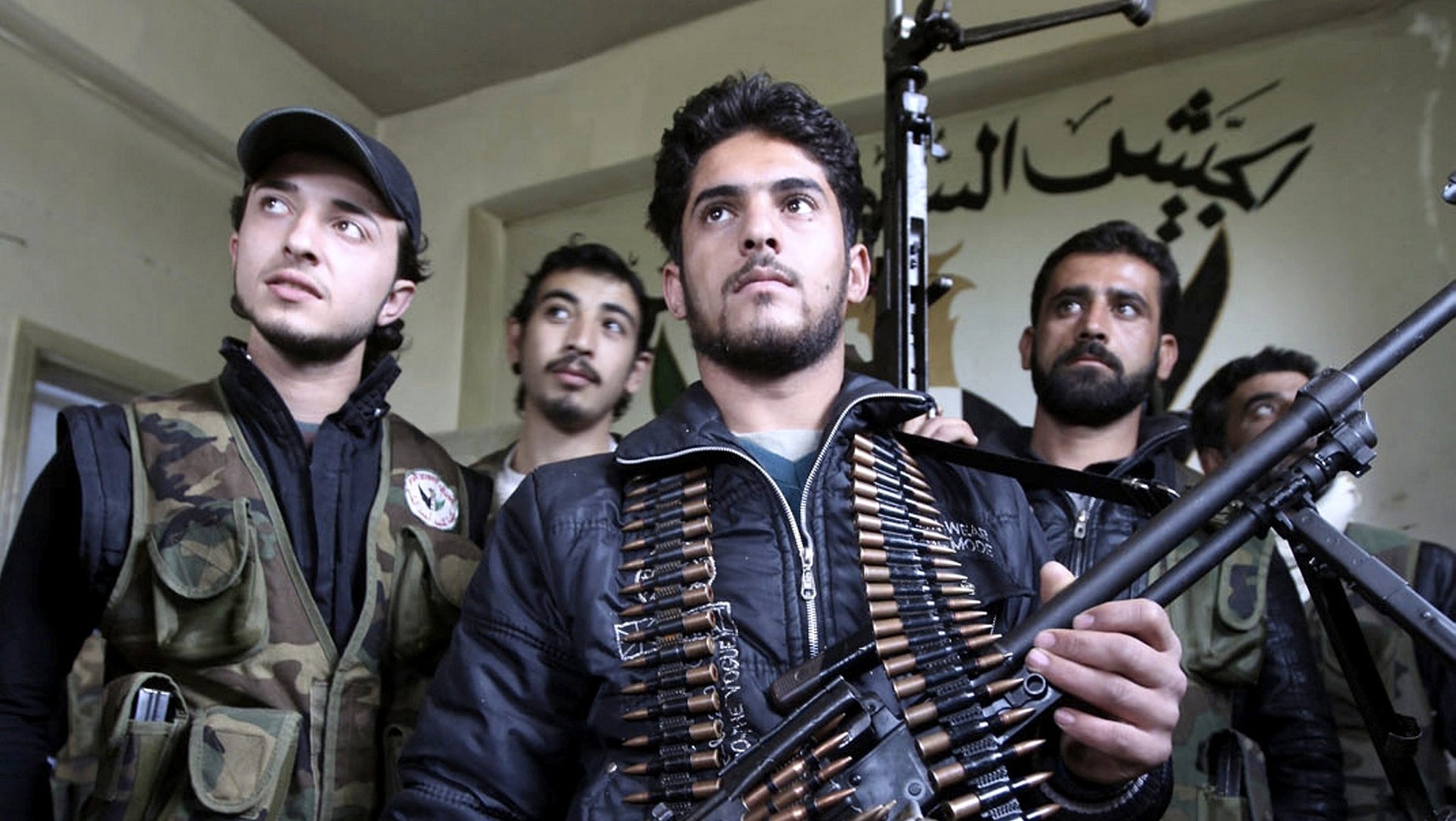
When news broke that the US Central Intelligence Agency will soon begin funneling weapons to vetted Syrian rebels by way of Jordan, our next logical question was: How does one vet a Syrian rebel?
The CIA has been in the business of arming rebel groups for many decades, but often with very mixed results. Books will probably be written about what a bad idea it is for Washington and its allies to dole out weapons to a fractured, contentious and unaccountable group of Syrian fighters, especially after waiting for so long.
Join 500,000+ readers who start their day with Quartz.
By subscribing, you agree to our Terms of Service and Privacy Policy.
Although the US government isn’t saying how many rebels will be vetted, the program’s success could dramatically impact how the situation in Syria turns out. Three former CIA officials who have spent decades on the ground doing it say the upcoming campaign will be a crapshoot at best.
On paper, the vetting process is straightforward, says one former CIA case officer who is a veteran of the war in Afghanistan and other US military campaigns. It starts with checking with local and regional law enforcement and intelligence officials about whether the candidates have criminal backgrounds, terrorist connections or ties to organized crime and trafficking in drugs, humans or weapons.
Then comes the harder part: assessing the character and softer details of a rebel fighter’s past. Do they have extremist views? Who do they associate with? What is their employment history? Their emotional stability? Do they have experience with fighting and the use of weapons? For each candidate, that kind of information gathering can take days or even weeks in the case of potential senior commanders. “It is a substantial amount of work and you’re never done,” the former CIA case officer tells Quartz. “You have to constantly keep validating them based on new information you get.”
Here are some of the pitfalls to getting the vetting right:
