
Some of the most consequential discoveries in human history were made by people who weren't looking for them — and often didn't recognize what they'd found until later
Tima Miroshnichenko / Pexels
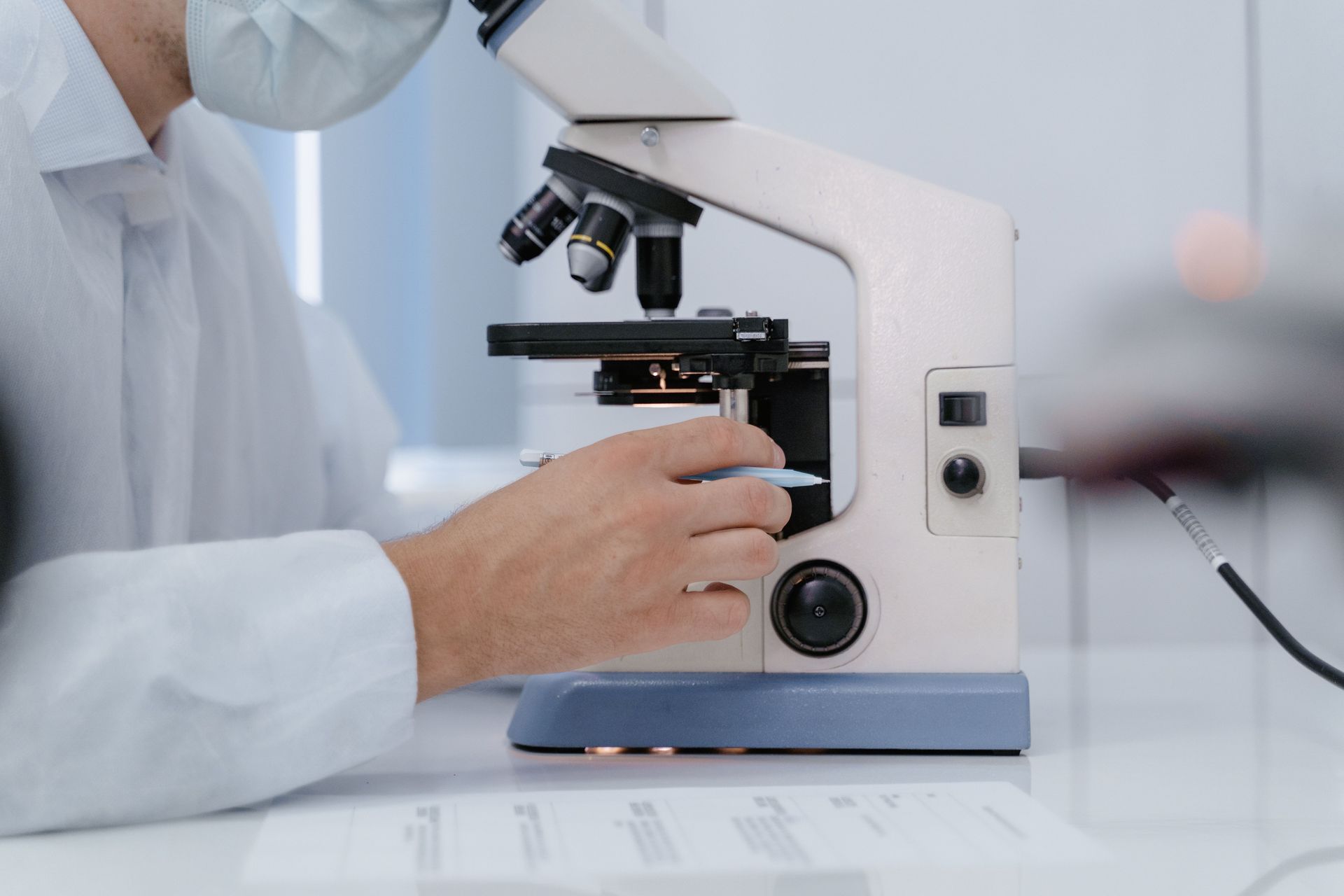
Science is usually described as a deliberate enterprise — the systematic application of method to a clearly defined question, with results that confirm or refute a hypothesis formed in advance. This description is accurate for a large proportion of scientific work. It is conspicuously inaccurate for some of the most consequential discoveries in history.
Penicillin was discovered because Alexander Fleming went on holiday without washing up his petri dishes. The microwave oven was discovered because a radar engineer walked past a magnetron with a chocolate bar in his pocket. Saccharin was discovered because a chemist forgot to wash his hands before lunch. Teflon was discovered by a lab assistant checking on an experiment that appeared to have gone wrong. Viagra was discovered during a clinical trial for a heart medication that wasn't working very well.
The pattern is specific and recurring: a researcher notices something unexpected — a contaminated culture plate, an unusual reading, an anomalous material property — and, instead of dismissing it as an error, investigates it. The investigation reveals something significant. The significance was entirely invisible from the original research question. The philosopher of science Louis Pasteur observed that "chance favors the prepared mind" — meaning that accidental discoveries are only transformative when the person who witnesses them has enough background knowledge to recognize that what they have seen is interesting. The chocolate bar melting in Percy Spencer's pocket was not the discovery; the recognition that the magnetron had caused the melting was the discovery, and it required a mind prepared to make the connection.
This list covers 20 of the most consequential accidental discoveries in science and technology — ranging from medicines to materials to foods to fundamental physical phenomena. Each entry covers what was being looked for, what was found instead, and what the subsequent significance proved to be. Several of these discoveries saved millions of lives. Several produced industries worth hundreds of billions of dollars. All of them happened because someone was paying attention to something that wasn't supposed to be there.

Archives nationales (France) / Wikimedia Commons (CC BY-SA 4.0)
Alexander Fleming discovered penicillin on September 28, 1928, when he returned to his laboratory at St Mary's Hospital in London after a two-week holiday and noticed that one of the petri dishes he had left unwashed contained a mold — later identified as Penicillium notatum — surrounded by a clear zone in which the bacteria he had been culturing had been killed. The contamination was, by normal laboratory standards, an experiment to be discarded. Fleming looked at it more carefully.
Fleming was investigating Staphylococcus bacteria and had been away from the laboratory during the critical period when the contamination occurred. The specific conditions that produced the observation were retrospectively analyzed: the temperature during his absence had been unusually cool for London in summer, which allowed the mold to grow before the bacteria established themselves; a higher temperature would have allowed the bacteria to grow faster and overwhelm the mold before it could produce the antibiotic effect. The discovery depended on a specific sequence of meteorological luck as much as on Fleming's observation.
Fleming published his observations in 1929 but was unable to purify the active compound sufficiently for clinical use, and his paper attracted little attention for a decade. The clinical application was developed by Howard Florey and Ernst Chain at Oxford in 1940, who purified penicillin and conducted the first human clinical trials during World War II. Fleming, Florey, and Chain shared the Nobel Prize in Physiology or Medicine in 1945.
The consequences are difficult to overstate. Penicillin and the subsequent antibiotics developed from it fundamentally changed the relationship between human beings and bacterial infection, converting diseases that had been death sentences — pneumonia, syphilis, sepsis, gonorrhoea — into treatable conditions. The estimated number of lives saved by penicillin since its clinical introduction is counted in hundreds of millions.

AJ Ahamad / Pexels
On October 8, 1945, Percy Spencer, an American engineer working for Raytheon $RTX on radar magnetron development, walked past an active magnetron — a vacuum tube that generates microwave radiation — and noticed that the chocolate bar in his breast pocket had melted. Spencer had not been the first person to notice unexplained warmth around operating magnetrons, but he was the first to investigate the cause rather than dismiss it.
Spencer's background was the prerequisite for the discovery. A largely self-educated engineer who had taught himself electrical theory while working as a radio operator, he had an intuitive understanding of electromagnetic radiation that made the connection between the magnetron and the melting chocolate immediately legible. He subsequently tested the effect deliberately, placing popcorn kernels and then a whole egg in front of the magnetron. The egg exploded.
Raytheon filed a patent for a microwave cooking process within months, and the first commercial microwave oven — the Radarange — was introduced in 1947. It was 1.8 meters tall, weighed 340 kilograms, and cost approximately $5,000. The domestic microwave oven did not become commercially available until 1967, when Amana (a Raytheon subsidiary) produced a countertop version at a price accessible to households.
The microwave oven is the most consequential domestic cooking technology introduced in the 20th century, transforming how food is reheated and prepared in homes and commercial settings globally. The wartime radar research that led to it was itself an accident of engineering priorities — the microwave cooking effect was an unwanted side effect of magnetron development rather than anything the engineers were trying to produce.
Credit: Wikimedia Commons (CC BY-SA 4.0)
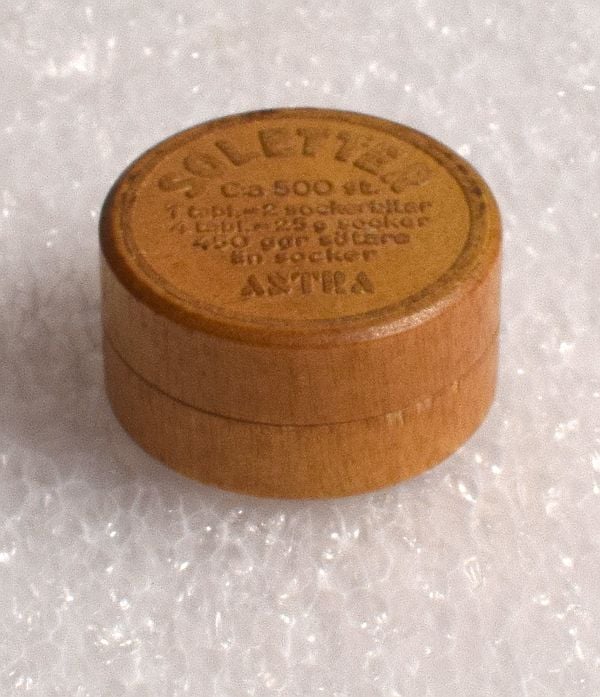
Saccharin — the artificial sweetener approximately 300 to 400 times sweeter than sugar, and the first artificial sweetener to be widely used commercially — was discovered in 1879 by Ira Remsen and Constantin Fahlberg at Johns Hopkins University, under circumstances that were entirely accidental and that Fahlberg subsequently exploited in a manner that Remsen found professionally outrageous.
Fahlberg, a chemist working in Remsen's laboratory on the oxidation of toluene sulfonamide compounds, forgot to wash his hands before eating lunch and noticed that his bread tasted unusually sweet. He returned to the laboratory and tasted every beaker and dish on his bench until he identified the source — a compound he had spilled on his hands during the morning's work, subsequently identified as benzoic sulfinide, which he named saccharin.
The professional dispute that followed was as significant as the discovery itself. Fahlberg published the discovery without including Remsen as a co-author, and subsequently patented saccharin commercially and became wealthy from its production. Remsen spent the remainder of his career contesting the attribution. The scientific community generally credited Remsen with the discovery's intellectual context; the commercial credit and the patent belonged to Fahlberg.
Saccharin became commercially important during World War I and World War II, when sugar shortages made a sweetener alternative economically critical, and remains in use as a zero-calorie sweetener more than 140 years after its accidental discovery.
Pogrebnoj-Alexandroff / Wikimedia Commons (CC BY-SA 4.0)
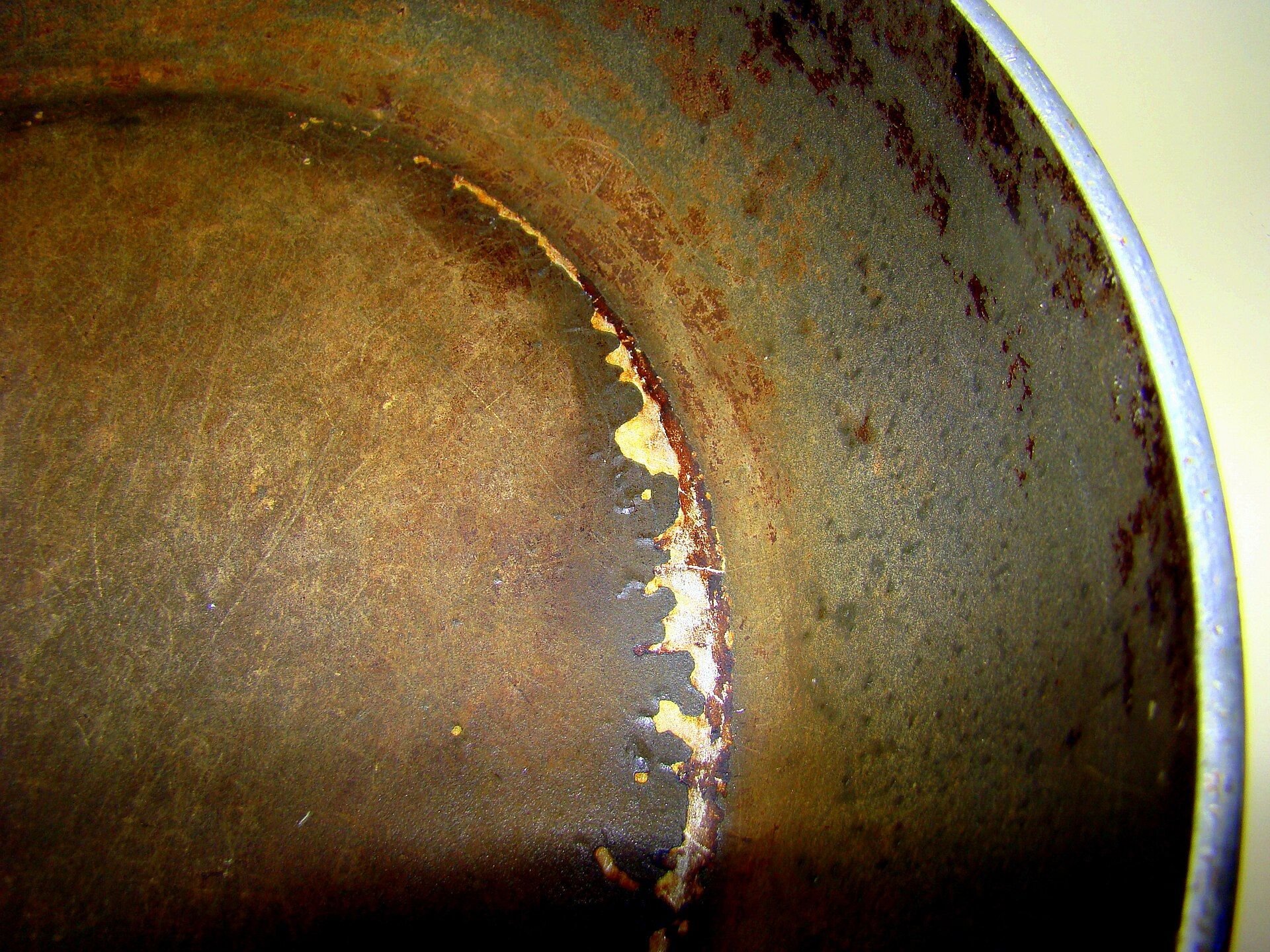
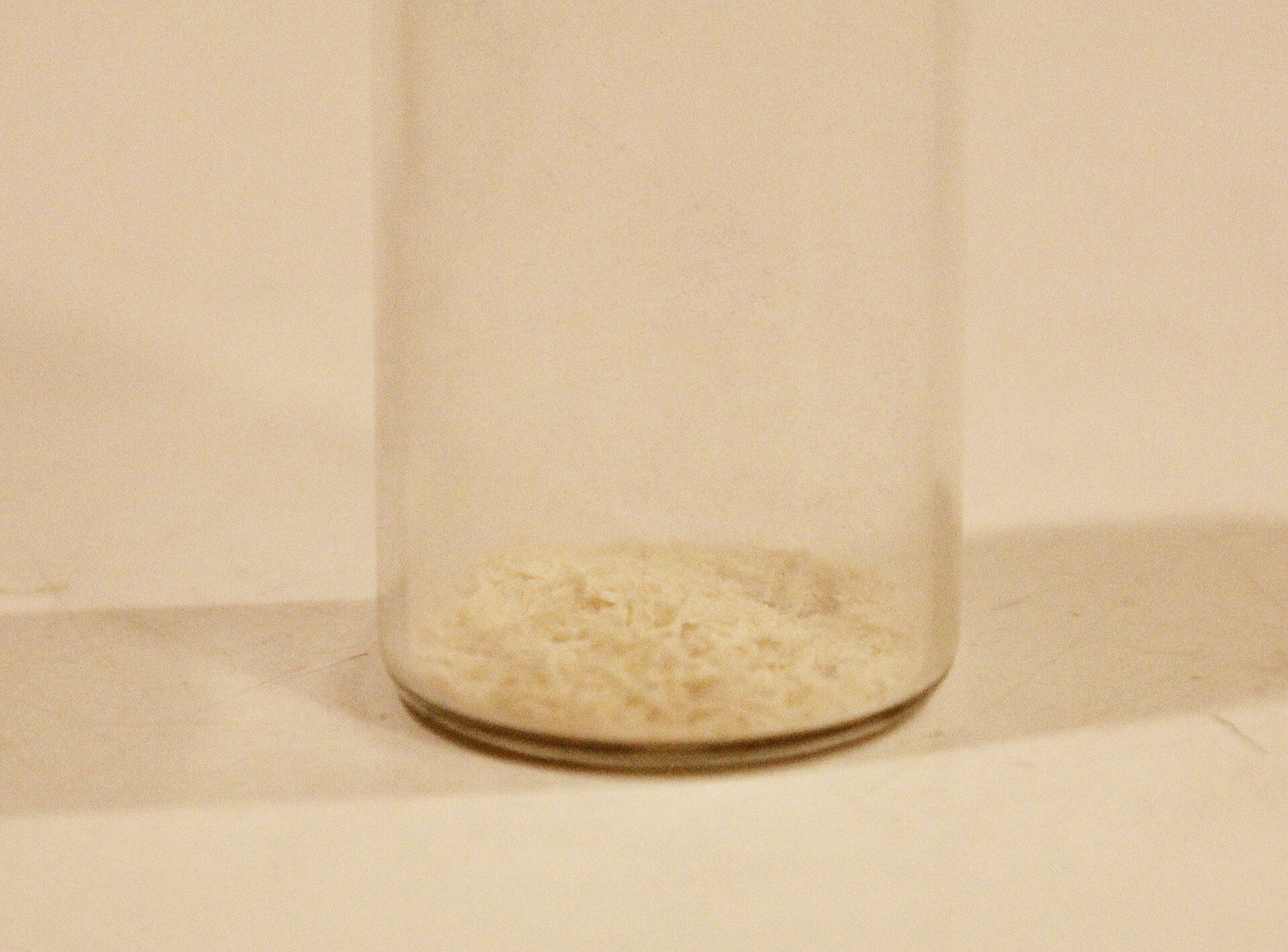
Teflon — polytetrafluoroethylene (PTFE), the non-stick coating that has become one of the most widely used materials in modern manufacturing — was discovered on April 6, 1938, by Roy Plunkett, a chemist at DuPont, when he opened a pressurized canister of tetrafluoroethylene gas to find that the gas had apparently disappeared, the canister registered its full original weight, and the interior was coated with a white, waxy powder.
Plunkett had been researching new refrigerants based on tetrafluoroethylene and had stored the gas under pressure in small cylinders. The tetrafluoroethylene had polymerized overnight — a spontaneous chemical reaction that converted the gas into a solid polymer, polytetrafluoroethylene. The canister was not empty; the gas had transformed into something else entirely.
Plunkett investigated the white powder's properties and found them extraordinary: it was chemically inert (resistant to almost every known solvent and acid), thermally stable to high temperatures, and had a surface friction so low that almost nothing would adhere to it — properties that no existing material possessed in combination. DuPont patented the material and trademarked it as Teflon in 1945.
The initial applications were industrial and military — Teflon was used in the Manhattan Project to coat valves and seals handling the corrosive uranium hexafluoride used in uranium enrichment. The non-stick cookware application, now the most familiar use, was developed in France in the 1950s and popularized in the United States through the 1960s. Current applications include medical implants, aerospace components, and Gore-Tex fabric.

Topi Pigula / Wikimedia Commons (CC BY-SA 4.0)
George de Mestral, a Swiss electrical engineer, invented Velcro in 1941 after returning from a hunting trip in the Alps and spending time removing burrs from his dog's fur and his own trousers. Instead of finding the burrs merely irritating, de Mestral examined them under a microscope and observed that each burr was covered in tiny hooks that engaged the loops of fabric or fur they contacted — a two-part fastening system of extraordinary simplicity and reliability.
De Mestral spent the following decade attempting to replicate the natural fastening system artificially. The challenge was finding a manufacturing process that could produce the tiny hooks at sufficient density and with consistent geometry to replicate the burr's performance. The solution came from a weaving specialist in Lyon, France, who demonstrated that nylon, when woven in a specific loop pattern and cut, produced the hook side of the system; a complementary uncut loop fabric produced the loop side.
Velcro — from the French "velours croché" (hooked velvet) — was patented in 1955 and initially struggled to find commercial applications in a market accustomed to zippers and buttons. NASA's adoption of Velcro for spacesuits and spacecraft interior fittings — where its zero-gravity utility was obvious — provided the credibility that launched its broader commercial adoption. Current global Velcro production is measured in billions of meters annually.
The specific contribution of the accident was de Mestral's observation of the fastening mechanism rather than the burrs themselves, which everyone who has worn wool trousers through undergrowth has experienced. The prepared mind that made the connection between burr mechanics and engineering application was the discovery.
Polina Zimmerman / Pexels
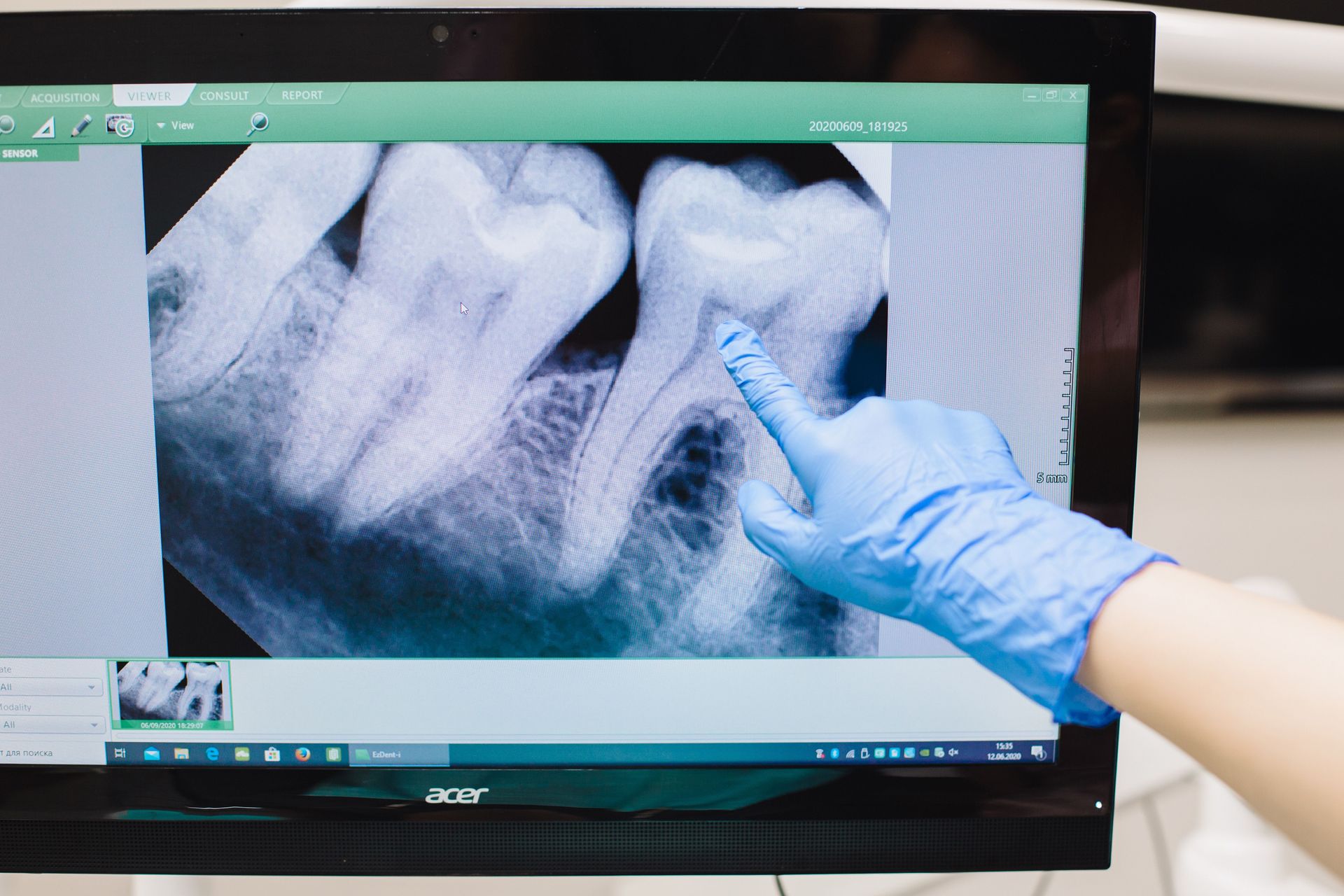
Wilhelm Röntgen discovered X $TWTR-rays on November 8, 1895, while experimenting with cathode ray tubes in his laboratory at the University of Würzburg. He had covered a cathode ray tube in black cardboard to prevent light from escaping and noticed that a fluorescent screen several feet away — which should have been unaffected by the shielded tube — was glowing faintly. The effect persisted when he moved the screen further away and even when he placed various objects between the tube and the screen.
Röntgen spent the following six weeks in intensive private investigation, sleeping and eating in his laboratory, before he was confident enough of his findings to announce them. He found that the invisible radiation — which he called X-rays for their unknown nature — penetrated most materials but was blocked by dense ones, particularly metals and bone. He produced the first X-ray photograph, of his wife Bertha's hand showing the bones and her wedding ring, on December 22, 1895. Bertha, seeing the image of her own skeleton, reportedly said: "I have seen my death."
Röntgen published his discovery on December 28, 1895. Within weeks, X-ray imaging was being used in hospitals in Germany, Austria, Britain, and the United States — the fastest adoption of any medical technology in history to that date. He received the first Nobel Prize in Physics in 1901, donating the prize money to his university rather than keeping it personally.
Alfred T. Palmer / Wikimedia Commons
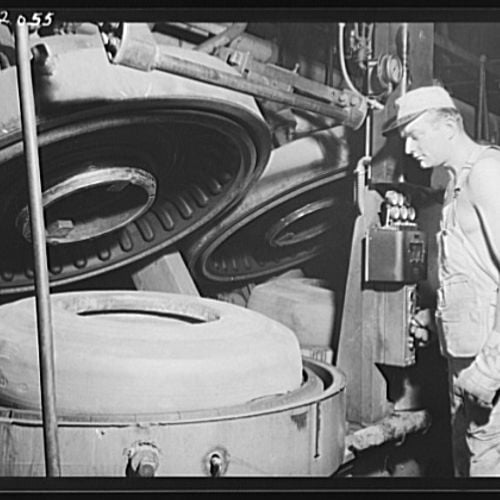
Charles Goodyear spent years attempting to find a way to stabilize natural rubber, which became brittle in cold temperatures and soft and sticky in heat, making it commercially unreliable. In 1839 — after years of experiments, repeated failures, and at least one imprisonment for debt incurred funding his research — he accidentally dropped a mixture of rubber and sulfur onto a hot stove, then removed the resulting material and examined it the following morning.
The material that emerged from the accidental heating was transformed: flexible, durable, resistant to temperature extremes, and retaining its elasticity in a way that untreated rubber did not. Goodyear had discovered vulcanization — the chemical process by which sulfur cross-links polymer chains in rubber, producing a thermosetting material whose properties were entirely different from the natural material.
Goodyear spent the next several years refining the process and patenting it, but his patents were challenged extensively and he died in 1860 in debt, having failed to profit substantially from a discovery whose commercial value was already being measured in millions of dollars. The tire company that bears his name — the Goodyear Tire and Rubber Company — was founded 38 years after his death and has no corporate connection to him beyond the name adopted in his honor.
Vulcanized rubber made possible the pneumatic tire, the industrial conveyor belt, surgical gloves, waterproof clothing, and a range of engineering applications whose collective importance to 20th-century industry is difficult to overstate.

DS stories / Pexels
Spencer Silver, a chemist at 3M $MMM, accidentally created an abnormally weak adhesive in 1968 while attempting to develop a strong one. The adhesive — composed of tiny acrylic microspheres that created a light, repositionable bond — stuck to surfaces but could be removed cleanly and reused. Silver recognized that the adhesive had unusual properties but could not identify a practical application for a glue that did not bond permanently.
For six years, Silver promoted his discovery internally at 3M through seminars and presentations, trying to interest product developers in a use for the repositionable adhesive. He found no takers. The application came in 1974 when Art Fry, a 3M colleague who had attended one of Silver's seminars, was struggling with bookmarks that kept falling out of his church hymnal. He remembered Silver's adhesive, applied it to small pieces of paper, and found that the bookmarks stayed in place without damaging the pages when removed.
3M tested the Post-it Note in limited markets in 1977 and 1978 with disappointing results, partly because the product was so novel that consumers did not know what to do with it. A saturation sampling campaign in Boise, Idaho — in which free samples were distributed to offices — produced the adoption rate that demonstrated the product's value. National launch followed in 1980. Post-it Notes are now one of the best-selling office products in the world.
The two-stage accidental discovery — Silver's adhesive without an application, then Fry's application without which the adhesive remained commercially invisible — is unusual in the history of accidental discoveries and illustrates the specific value of organizational knowledge management: Silver's internal seminars were the mechanism by which the solution and the problem eventually found each other.
LHcheM / Wikimedia Commons (CC BY-SA 3.0)
James Schlatter, a chemist at G.D. Searle & Company, discovered aspartame in 1965 while working on anti-ulcer drug research. He was synthesizing a tetrapeptide — a chain of four amino acids — as part of a gastrin research program and spilled some of the compound on his hand. When he licked his finger to pick up a piece of paper, he noticed an intensely sweet taste and traced it back to the compound he had been handling.
Aspartame — a dipeptide of aspartic acid and phenylalanine — is approximately 200 times sweeter than sucrose and has essentially no caloric contribution at the concentrations used in food products. Its discovery led G.D. Searle to pivot toward its commercial development, a process that involved a lengthy regulatory approval process — the FDA initially rejected aspartame in 1975 after questions about the safety data, before approving it in 1981 following review.
Aspartame became one of the most commercially significant food additives in history, used in thousands of diet products globally, including Diet Coke, which adopted it in 1983. Its safety has been periodically reviewed and occasionally contested — the IARC classified it as "possibly carcinogenic to humans" in 2023 based on limited evidence — but it remains approved by food safety authorities in most countries.
The specific ethical question raised by Schlatter's discovery — the routine practice of taste-testing compounds in pharmaceutical research, which has led to several significant discoveries and which most modern safety protocols prohibit — is a reminder that the laboratory practices of the mid-20th century produced both accidental discoveries and accidental exposures whose full consequences were not always benign.
-1920x960.jpg)
ESA and the Planck Collaboration / Wikimedia Commons (CC BY 4.0)
Arno Penzias and Robert Wilson, radio astronomers at Bell Labs in New Jersey, discovered the cosmic microwave background radiation in 1964 while attempting to use a large radio antenna — the Holmdel Horn Antenna — for satellite communications research. They were plagued by a persistent, uniform background noise that appeared in every direction they pointed the antenna, at a temperature of approximately 3.5 Kelvin (later refined to 2.725 Kelvin).
Penzias and Wilson spent a year attempting to eliminate the noise before concluding it was genuine rather than instrumental. They considered and eliminated every local source: interference from New York City, residual effects from nuclear test detonations, and — famously — a pair of pigeons nesting in the antenna horn who had coated the interior with what Penzias diplomatically described as "white dielectric material." They removed the pigeons, cleaned the horn, and the signal remained.
Meanwhile, a group at Princeton University led by Robert Dicke had been preparing to search for exactly the signal Penzias and Wilson had found — the thermal afterglow of the early universe predicted by Big Bang theory. When Penzias heard about the Princeton group's plans through a mutual colleague, the two teams realized simultaneously what the Bell Labs signal was.
The cosmic microwave background radiation is the most direct observational evidence for the Big Bang — the thermal radiation left over from the early universe approximately 380,000 years after the Big Bang, when the universe cooled enough for atoms to form and radiation to travel freely. Penzias and Wilson received the Nobel Prize in Physics in 1978.
Georg Slickers / Wikimedia Commons (CC BY-SA 3.0)
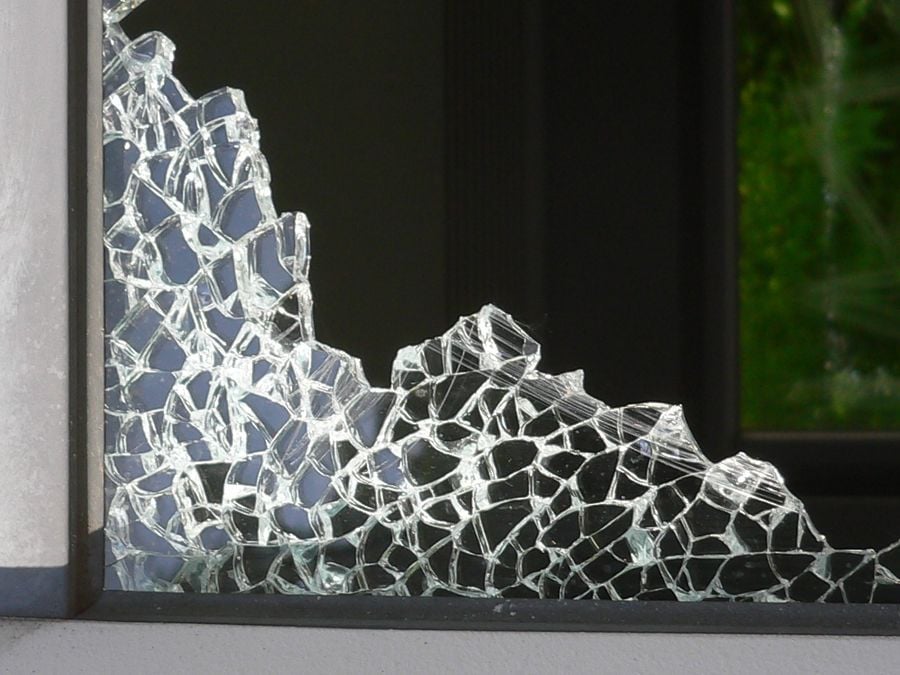
Édouard Bénédictus, a French chemist, discovered laminated safety glass in 1903 after dropping a glass flask that had previously contained cellulose nitrate solution. The flask shattered but the pieces remained in place, held together by the thin film of dried cellulose nitrate coating the interior. Bénédictus noted the phenomenon and filed it in his memory; the commercial motivation to develop it came two years later after reading about the facial injuries caused by automobile windshields in accidents.
Bénédictus patented laminated safety glass — two panes of glass bonded to a cellulose nitrate interlayer — in 1909. The automotive industry was initially reluctant to adopt it on cost grounds, and the glass found its first widespread commercial application in gas mask lenses during World War I, where the ability to shatter without dispersing fragments was critical.
The adoption by the automotive industry followed gradually through the 1920s and became standard in windshield manufacture through the 1930s and 1940s. The estimated number of facial injuries prevented by safety glass in automotive accidents over the subsequent century is uncalculable but enormous — the specific injury profile of automobile accidents before laminated windshields, which produced facial lacerations from windshield glass, was fundamentally altered by the material Bénédictus observed while dropping a flask.
-900x875.jpg)
Keene and Cheshire County (NH) Historical Photos / Wikimedia Commons
Humphry Davy, the chemist who would later discover sodium, potassium, calcium, and several other elements, synthesized nitrous oxide in 1799 and conducted extensive personal experiments with its effects, including inviting friends and colleagues to inhale it at social gatherings he called "laughing gas parties." In 1800, Davy noted in his published account that "as nitrous oxide in its extensive operation appears capable of destroying physical pain, it may probably be used with advantage during surgical operations."
Davy's observation was ignored by the medical community for approximately 44 years. Surgical operations were conducted without anaesthesia throughout this period — patients were restrained, given alcohol, or rendered unconscious by blows to the head — despite the published evidence that nitrous oxide produced insensibility to pain. The disconnect between Davy's observation and its medical application is one of the most studied failures of scientific adoption in history.
The clinical application came from an American dentist, Horace Wells, who witnessed a public demonstration of nitrous oxide in 1844 and immediately recognized its dental application. He arranged for a tooth to be extracted from himself under nitrous oxide the following day, experienced no pain, and began using it in his dental practice. Wells's attempt to demonstrate the technique publicly at Harvard Medical School in 1845 was partially successful but was judged a failure by the skeptical audience, and he subsequently abandoned the effort. Ether anaesthesia, developed from similar principles, achieved clinical acceptance in 1846 and transformed surgery.

Juhele / Openclipart via Wikimedia Commons (CC0)
Henri Becquerel discovered radioactivity in February 1896, in circumstances that were almost entirely accidental. He had been investigating whether uranium salts fluoresced — emitted visible light after exposure to sunlight — and had prepared photographic plates wrapped in black paper alongside uranium salt samples for exposure to sunlight. When Paris was overcast for several days, he stored the plates in a drawer with the uranium samples rather than waiting for sun, intending to expose them properly when the weather improved.
When Becquerel developed the plates to check whether sunlight exposure was necessary for the experiment — expecting to find weak or absent images — he found the impressions of the uranium salts on the plates were strong and clear, despite having received no sunlight. The uranium was emitting radiation without any external energy source, at a constant rate regardless of temperature, light, or any other environmental variable.
Becquerel had discovered what Marie Curie later named radioactivity — the spontaneous emission of radiation from atomic nuclei, a phenomenon that contradicted the assumption that atoms were stable and unchanging. The implications were foundational: radioactivity eventually led to the discovery of the atomic nucleus, nuclear fission, nuclear energy, nuclear weapons, radiometric dating, and nuclear medicine.
Becquerel shared the 1903 Nobel Prize in Physics with Pierre and Marie Curie. The specific accident — storing the plates in a drawer on a cloudy day rather than waiting for sunshine — is one of the most consequential meteorological contributions to scientific discovery in history.
The Drug Users Bible / Wikimedia Commons (CC BY 2.0)
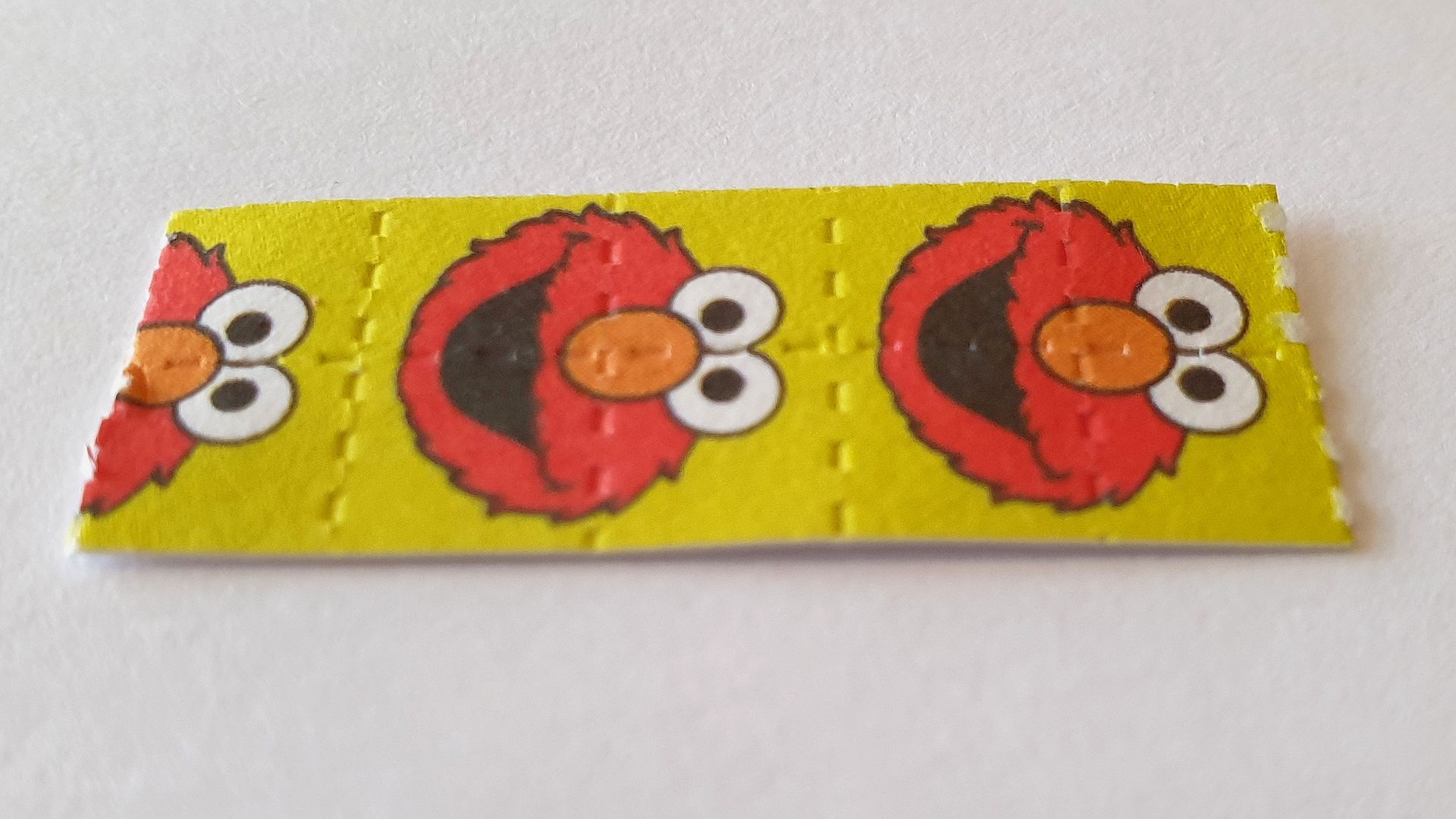
Albert Hofmann, a chemist at Sandoz Pharmaceuticals in Basel, Switzerland, synthesized lysergic acid diethylamide (LSD-25) for the first time in 1938 while researching ergot alkaloid derivatives as potential respiratory and circulatory stimulants. He set it aside after preliminary tests showed no interesting pharmacological properties. Five years later, on April 16, 1943, he resynthesized the compound for further investigation and accidentally absorbed a small amount through his fingertips — either through a small skin cut or through inadequate protective practices.
Hofmann noticed "remarkable restlessness, combined with a slight dizziness" and went home, where he experienced what he described as a "dreamlike state" with "an uninterrupted stream of fantastic pictures, extraordinary shapes with intense, kaleidoscopic play of colors." He correctly identified the experience as resulting from the compound he had been handling and arranged a deliberate self-experiment three days later — the famous "bicycle day" of April 19, 1943, when he intentionally ingested 250 micrograms and cycled home under the most intense psychedelic experience ever documented.
Hofmann's discovery initiated the clinical investigation of LSD as a psychiatric medication, which consumed most of the 1950s and early 1960s at research institutions globally. The subsequent cultural history of LSD — its adoption by the counterculture, its prohibition under the Controlled Substances Act of 1970, and the recent revival of research into psychedelics as treatments for depression, PTSD, and addiction — all trace back to Hofmann's inadequately protected fingertips on a Wednesday afternoon in Basel.
Cottonbro Studio / Pexels
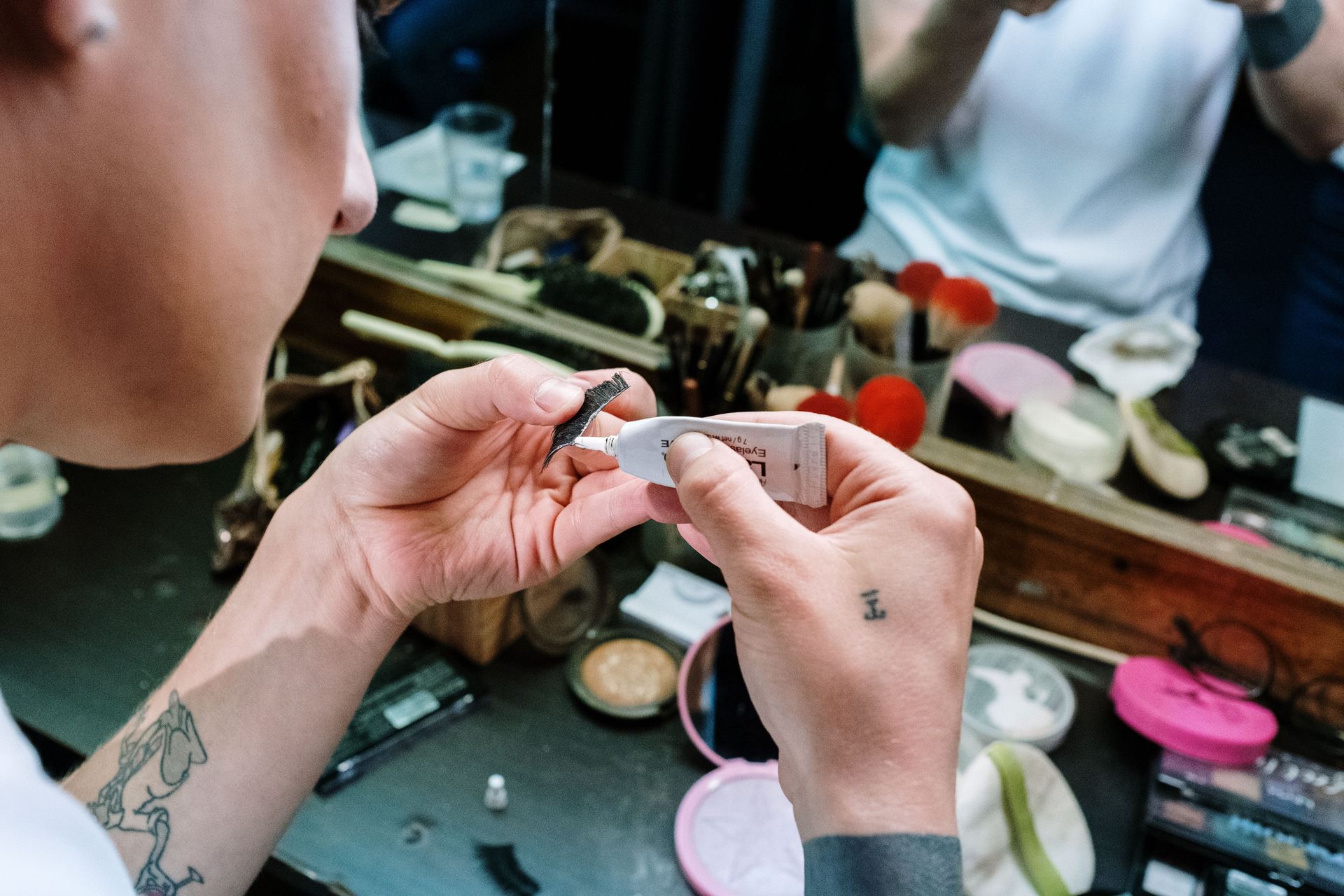
Superglue — cyanoacrylate adhesive — was discovered twice accidentally, by two different groups of researchers working on unrelated problems. The first discovery was made in 1942 by Harry Coover at Eastman Kodak, who was working on clear plastics for gun sights during World War II. He synthesized cyanoacrylate compounds and found them useless for gun sights because they bonded too aggressively to everything they touched, including the testing equipment. He set the compound aside as too adhesive to be useful.
Nine years later, in 1951, Coover was working on jet canopy materials when a colleague, Fred Joyner, spread a cyanoacrylate compound between two refractometer prisms to test its optical properties. The prisms bonded permanently. Coover recognized the compound, this time understanding its extremely strong adhesion as the product's value rather than its flaw. Eastman Kodak marketed it as Eastman 910 in 1958, and the product subsequently became globally known under the Loctite and Super Glue brand names.
The specific change between the 1942 and 1951 discoveries was not in the compound but in Coover's understanding of the market context. In 1942, an adhesive that bonded everything uncontrollably was a laboratory nuisance. In 1951, in a context where the specific property of strong, rapid adhesion was understood as a product category, the same property was a commercial opportunity. The compound had not changed; the frame of reference had.

Fringio / Wikimedia Commons (CC0)
William Henry Perkin, an 18-year-old chemistry student at the Royal College of Chemistry in London, discovered the first synthetic dye — mauveine, or mauve — in 1856 while attempting to synthesize quinine, the antimalarial drug derived from cinchona bark that was in chronic short supply in British-controlled tropical territories. Perkin had been given the task by his professor August Wilhelm von Hofmann and was working at home in his Easter vacation.
The synthesis of quinine from coal tar derivatives was attempted on the reasonable but incorrect assumption that aniline, a coal tar compound, could be chemically transformed into quinine. When Perkin treated aniline sulfate with potassium dichromate, the result was not quinine but a black sludge. Attempting to clean the flask with alcohol, he noticed that the alcohol turned an intense purple. The compound was subsequently identified as mauveine.
Perkin's response to the accidental discovery was entrepreneurial rather than merely scientific. He was 18 years old, had some business intuition, and recognized immediately that a synthetic purple dye at a price lower than the natural purple dyes (Tyrian purple from mollusks, or murex) would be commercially significant. Purple clothing was associated with royalty and the highest social class precisely because natural purple dye was extraordinarily expensive. Perkin patented and commercialized mauveine within months of its discovery, built a factory, and was a wealthy man before he was 21.
The synthetic dye industry that Perkin's discovery initiated transformed chemistry, textile manufacturing, and ultimately pharmaceutical development — many of the early pharmaceutical companies grew from the organic chemistry laboratories developing synthetic dyes, because the same chemistry that produced dyes produced drugs.
Toronto Daily Star / Wikimedia Commons
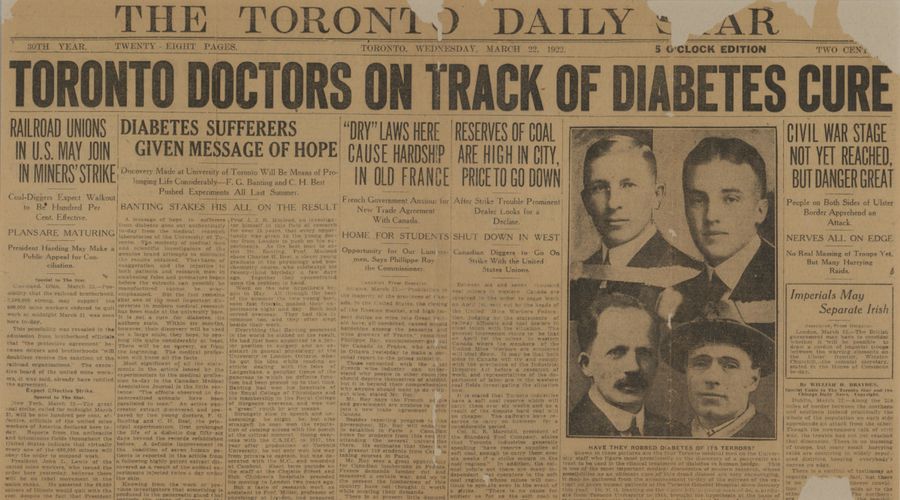
Frederick Banting, a Canadian surgeon, had an idea for isolating the internal secretion of the pancreas — later identified as insulin — in the middle of the night on October 30, 1920, after reading an article about the pancreas. He had no laboratory experience, no research track record, and no university position. He persuaded J.J.R. Macleod at the University of Toronto to lend him laboratory space and a research assistant, Charles Best, for eight weeks in the summer of 1921.
The specific accident in Banting and Best's discovery was procedural: their technique for extracting the pancreatic secretion involved tying off the pancreatic duct in dogs, which caused the enzyme-producing cells to degenerate while leaving the insulin-producing islet cells intact. The assumption behind the technique — that the islet cells were the source of the anti-diabetic secretion — turned out to be correct, though the specific method was subsequently found to be unnecessary; other extraction methods produced comparable results.
What made the discovery transformative rather than merely interesting was the speed of its clinical application. The first human injection of insulin was given to Leonard Thompson, a 14-year-old dying of Type 1 diabetes, in January 1922. Thompson recovered. Within a year, insulin was being produced at scale by Eli Lilly $LLY and saving the lives of diabetic patients who had previously faced certain death. Banting and Macleod received the Nobel Prize in Physiology or Medicine in 1923, the fastest Nobel Prize award following a discovery in the prize's history.
Credit: Wikimedia Commons
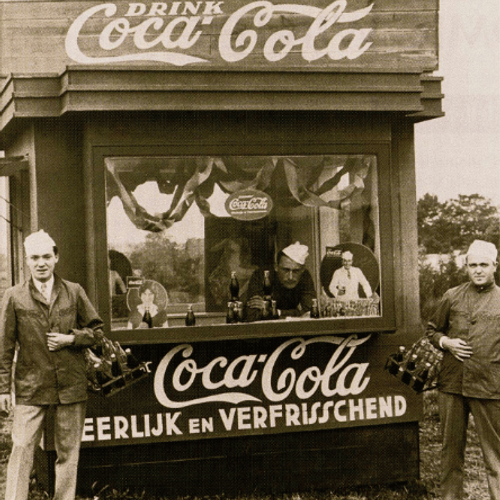
Coca-Cola $KO was created in 1886 by John Pemberton, an Atlanta pharmacist who was developing a coca wine — a then-fashionable tonic drink combining coca leaf extract and kola nut in a wine base — as a nerve tonic and headache remedy. When Atlanta passed alcohol prohibition legislation in 1886, Pemberton reformulated his tonic drink using a carbonated water base rather than wine, producing the syrup that, mixed with carbonated water, became Coca-Cola.
The specific accidental element was the carbonated water: according to the most widely cited account, a soda fountain employee at Jacobs' Pharmacy in Atlanta mixed carbonated water with Pemberton's syrup by mistake rather than still water. Customers preferred the carbonated version, and the carbonated formulation became the product. Pemberton himself did not live to see Coca-Cola's commercial success — he sold most of his interest in the formula in 1888, the year before his death, for $1,750.
The cultural and commercial consequences of the accidental carbonation are among the most consequential in food history. Coca-Cola is the most recognized brand name in the world, sold in every country except North Korea and Cuba, and the carbonated soft drink industry it helped create is valued in the hundreds of billions of dollars. The coca leaf extract (decocainized since 1929) and kola nut caffeine that formed the basis of Pemberton's original nerve tonic are still present in the formula, which remains a trade secret held by the Coca-Cola Company.
Sciencia58 / Wikimedia Commons (CC0)
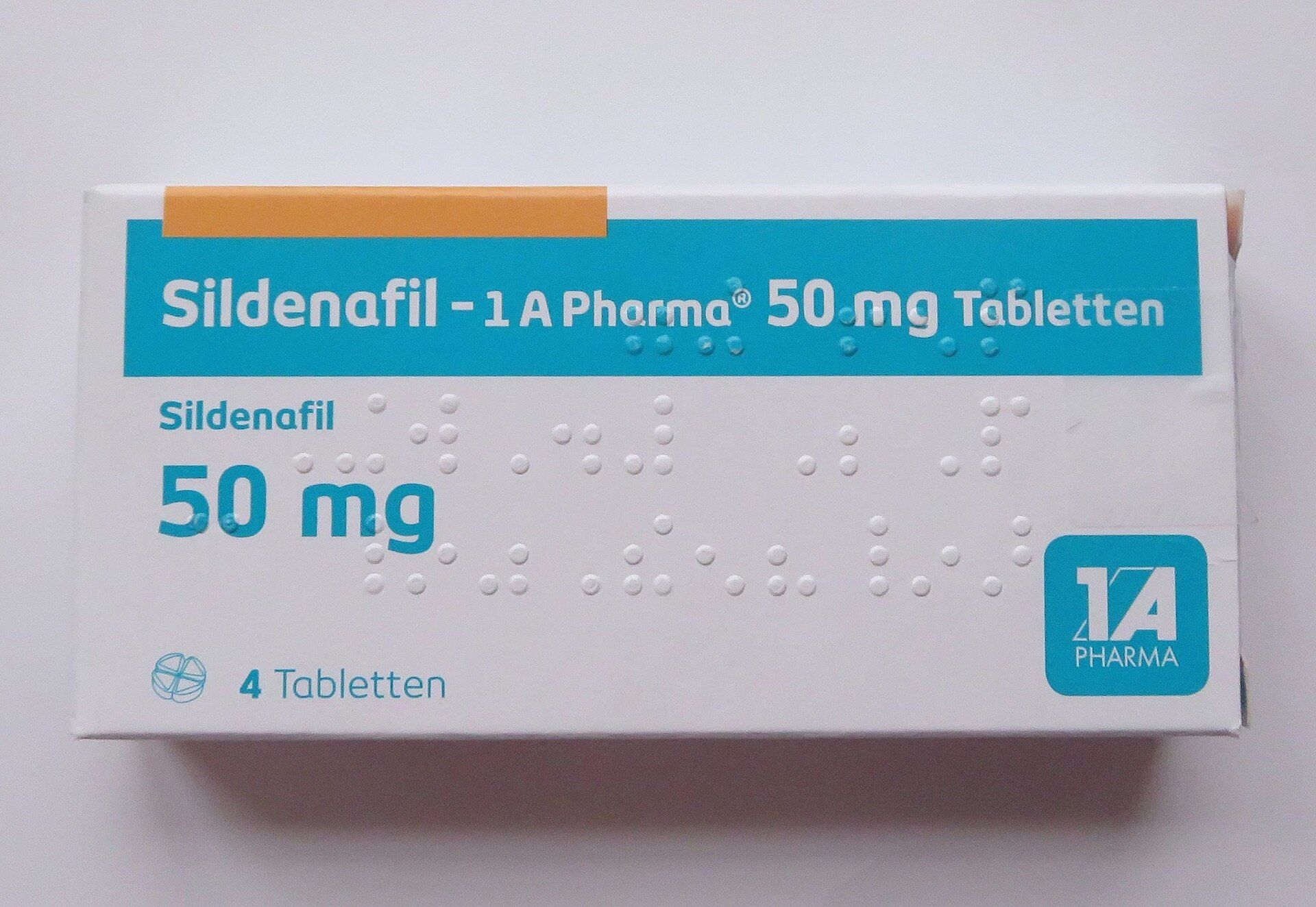
Sildenafil — marketed as Viagra — was discovered during a clinical trial for a heart medication that was not performing as hoped. Pfizer $PFE researchers had developed the compound as a potential treatment for angina and hypertension, targeting the enzyme PDE5 to improve blood flow to the heart by relaxing the smooth muscle of blood vessel walls. Clinical trials in Merthyr Tydfil, Wales, in the early 1990s found that the compound was not particularly effective for angina.
When the trial investigators attempted to collect unused tablets from the male participants at the trial's conclusion, they encountered an unusual level of reluctance to return them. The participants, when pressed, reported a consistent and unexpected side effect: prolonged erections. The researchers, recognizing that the compound was producing a local vasodilatory effect in penile tissue through the same PDE5 mechanism that had been ineffective for the heart, redirected the research program.
The clinical trials for erectile dysfunction moved rapidly — the condition was common, poorly treated, and the market was obvious to anyone who had spent five minutes thinking about it. Sildenafil received FDA approval for erectile dysfunction in March 1998 and became the fastest-selling pharmaceutical in history to that point, generating $1 billion in revenue within its first year.
The subsequent discovery that PDE5 inhibitors are also effective for pulmonary arterial hypertension — a serious condition in which the blood vessels supplying the lungs become progressively blocked — meant that the original cardiovascular research program was vindicated in a different application than intended. Sildenafil is now used therapeutically for pulmonary hypertension at doses lower than those used for erectile dysfunction.
Friedrich Fröbel /Wikimedia Commons (CC BY-SA 3.0)
Wallace Carothers, a chemist at DuPont, was working on the fundamental science of polymerization — the process by which small molecules chain together to form large ones — when his team discovered that certain combinations of molecules produced strong, flexible fibers with properties unlike any natural material. The specific accident occurred in 1930 when Julian Hill, a member of Carothers's team, found that a polyester compound being heated in a flask could be drawn out into long, silky threads by dipping a rod into the melt and pulling it away.
Hill and his colleagues spent a morning doing "cold drawing" experiments in the laboratory hallway, pulling the material into longer and longer threads and watching its properties improve with the drawing — a physical process that aligned the polymer chains and produced a material much stronger than the undrawn fiber. The playful quality of the discovery — researchers running down a corridor pulling threads of a new material and watching it get stronger — captures something about the specific conditions that enable accidental discovery: the freedom to follow an interesting observation without immediate commercial pressure.
The compound Hill was drawing was not nylon — that came later — but the cold-drawing principle it demonstrated was the physical insight that made nylon's development possible. Nylon 6,6 was announced by DuPont in 1938 and introduced commercially in nylon stockings in 1939, where demand was so intense at the initial launch that riots broke out at some stores. The subsequent applications — parachutes, toothbrushes, ropes, bearings, gears, and thousands of engineering components — made nylon one of the most economically significant synthetic materials of the 20th century.