Real sand, real value, no second mortgage required — the U.S. beach towns that prove a great coastal vacation doesn't have to be expensive
Kalle Schmitz / Unsplash
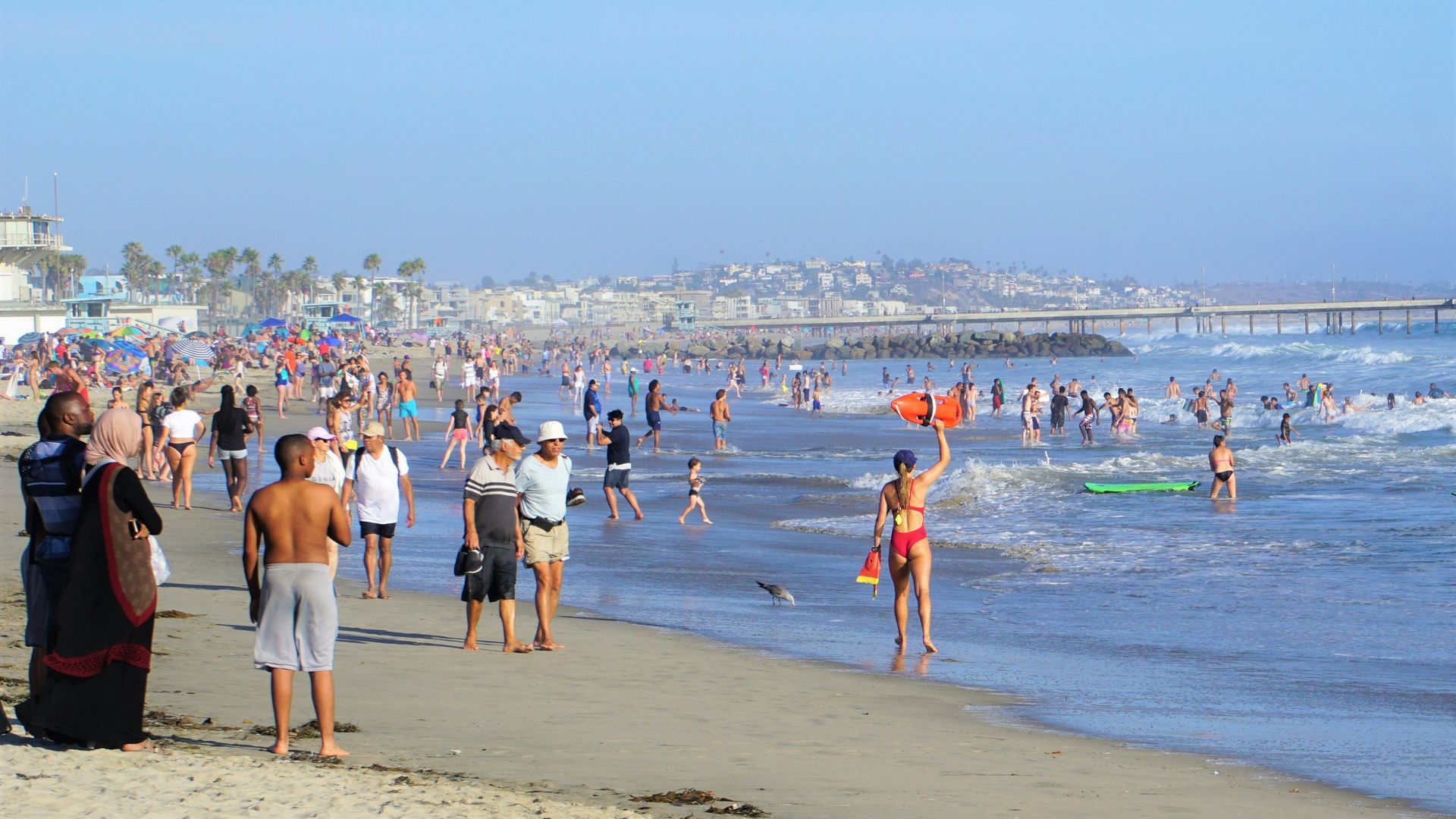
American beach vacations have developed a reputation for being expensive by default — a reputation earned honestly by the Hamptons, Nantucket, and the more developed stretches of Florida's Gulf Coast, where a week's beachfront rental can run into five figures before a single meal is purchased. What this reputation obscures is the much larger reality of American coastline: thousands of miles of it, much of which offers the same fundamentals — clean sand, warm water, a walkable town — at a fraction of the cost, simply because it has not been branded as a luxury destination.
The affordability in this list comes from several different sources depending on the destination: some places are affordable because they are less internationally famous despite being objectively comparable in quality to costlier alternatives; some are affordable because the local economy has not been built around luxury tourism infrastructure; and some are affordable specifically outside of a narrow peak season, offering excellent value in shoulder months that most vacationers overlook in favor of the crowded, expensive weeks of July and early August.
Each entry covers what makes the destination worth visiting, the specific reason it remains affordable relative to comparable beach towns, and the practical detail — timing, lodging type, or location within the broader area — that maximizes the value on offer.
Steven Van Elk / Pexels
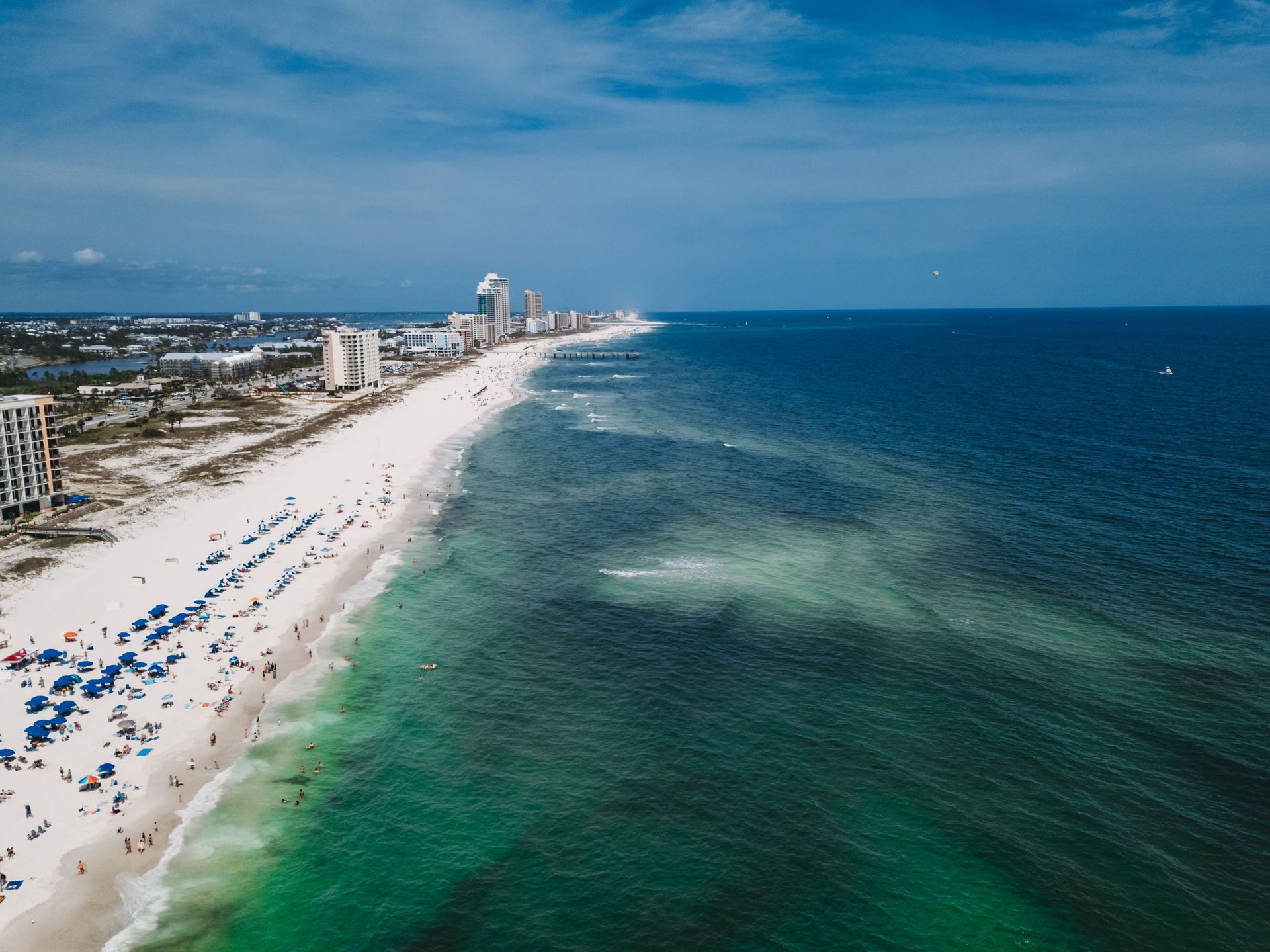
Alabama's Gulf Coast offers some of the whitest sand and clearest water on the entire US Gulf Coast — a product of the quartz sand that washes down from the Appalachian foothills and has none of the darker sediment common to much of the Gulf shoreline — at prices consistently lower than comparable stretches of Florida's Panhandle just a few hours to the east, despite offering essentially the same beach experience.
The affordability gap exists largely because Alabama's Gulf Coast has not developed the same national brand recognition as Destin, Panama City Beach, or the Emerald Coast towns just across the Florida state line, despite sharing the same coastline characteristics. Condo rentals in Gulf Shores and Orange Beach routinely run 20 to 30% below comparable properties in nearby Florida beach towns during the same summer weeks, and the gap widens further in the shoulder season months of May and September, when the water remains warm but the peak-season pricing has not yet kicked in.
The Gulf State Park, a large public park with miles of protected beachfront, camping, and a nature trail system, offers a lower-cost lodging alternative to beachfront condos for travelers willing to trade direct beach access for a short walk or drive, and the area's seafood — particularly the Gulf shrimp and oysters available at unpretentious local seafood shacks rather than resort restaurants — offers a genuinely excellent food experience at prices well below the tourist-town markup common in more developed beach destinations.
Robert Medford / Pexels
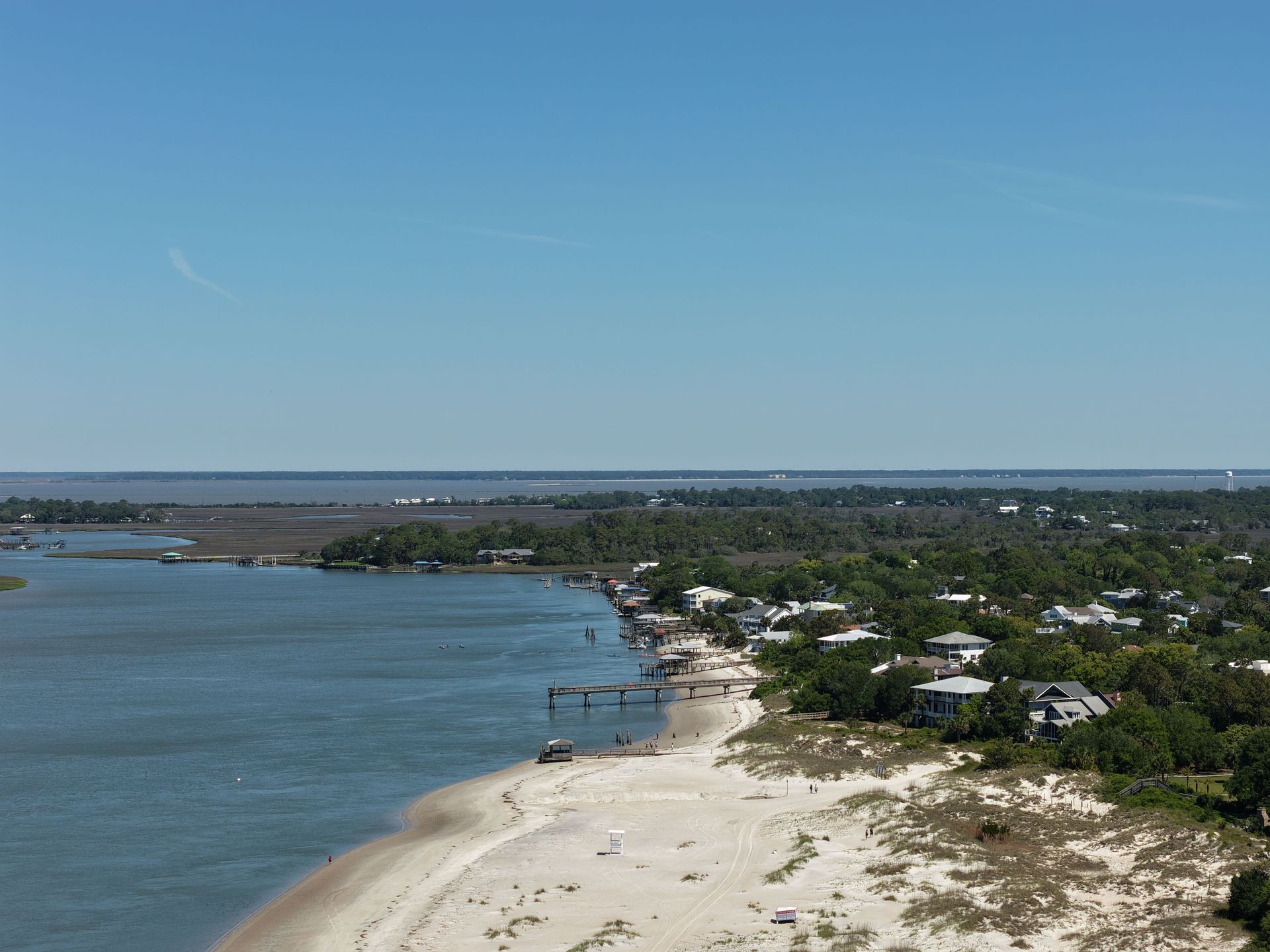
Tybee Island, a small barrier island 18 miles from downtown Savannah, offers a specific combination that few other affordable beach destinations can match: a legitimate beach vacation paired with immediate access to one of the most historically and architecturally significant small cities in the American South, allowing a single trip to cover both a beach holiday and a substantive cultural visit without the cost of two separate trips.
The island itself remains relatively low-key by design — height restrictions and a deliberate small-town zoning approach have prevented the high-rise condo development that has driven up prices in many other Southeastern beach destinations, keeping the town's rental stock dominated by smaller cottages and modest motels rather than luxury towers, which keeps average nightly rates significantly below comparable beach towns in Florida or the Carolinas.
The proximity to Savannah means that visitors can stay in less expensive Savannah accommodations and day-trip to the beach, or stay on Tybee itself and day-trip into Savannah for its historic squares, its restaurant scene, and its architecture — a flexibility in trip structure that allows budget-conscious travelers to allocate spending toward whichever experience they value more without committing an entire budget to beachfront lodging.

Jonathan Venit / Pexels
Wildwood, on the Jersey Shore south of Atlantic City, has maintained a specifically old-fashioned, unpretentious boardwalk beach town character — complete with a concentration of mid-century "Doo Wop" motels whose retro neon signage has become a specific local architectural attraction in its own right — that has kept the town's pricing significantly below the more developed and more expensive Jersey Shore towns to the north, including Cape May and the areas closer to New York City day-trip range.
The beach itself is genuinely excellent by Mid-Atlantic standards: wide, with some of the most generous beach-to-boardwalk distance of any East Coast beach town, and — unusually for a US beach destination — free, with no beach tag or admission fee required, a specific and significant cost advantage over most New Jersey Shore towns, which routinely charge daily beach access fees that can add up meaningfully over a multi-day family vacation.
The boardwalk itself, with its amusement piers, arcade games, and old-school beach food (funnel cake, saltwater taffy, boardwalk pizza), provides a full vacation experience without requiring restaurant reservations or resort-level spending, and the town's motel-heavy lodging stock, largely family-owned and operated rather than chain-affiliated, keeps average nightly rates well below the beachfront hotel pricing common in more upscale East Coast beach destinations.
Viktoria B. / Pexels
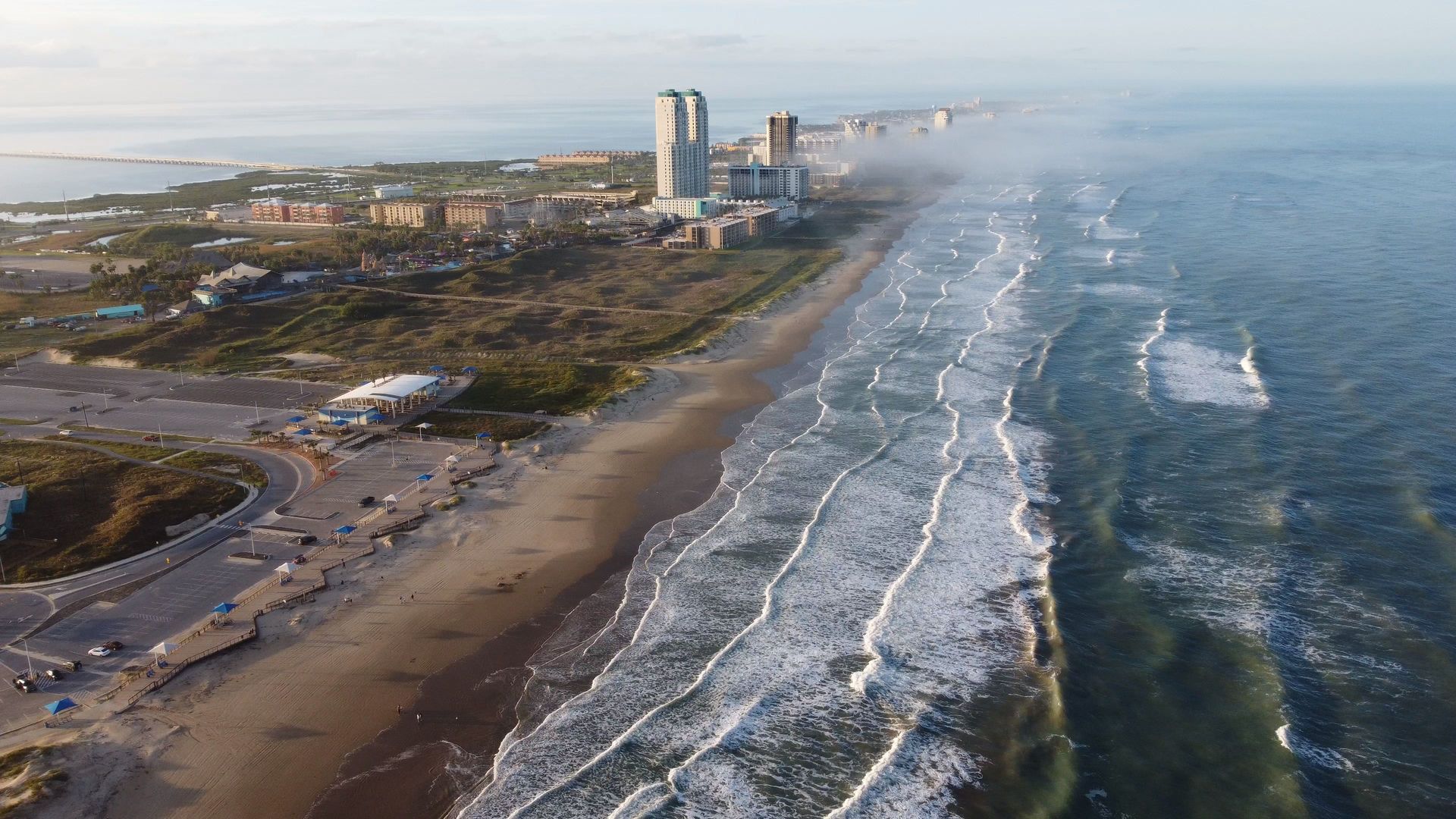
South Padre Island, at the southern tip of Texas near the Mexican border, offers 34 miles of Gulf Coast beach at pricing that reflects both its distance from major coastal population centers and its position outside the more heavily marketed Florida and Carolina beach corridors that dominate most Americans' mental map of domestic beach vacations, despite offering warm water, wide beaches, and a genuinely subtropical climate for a substantial portion of the year.
The island's specific value proposition includes its position as a significant wind-sports destination (kiteboarding and windsurfing conditions are considered among the best in the country), which has produced a specific type of visitor infrastructure — gear rental, lessons, and a broader watersports culture — that operates at price points well below the yacht-and-resort culture of comparable wind-sports destinations elsewhere in the country.
The shoulder season months of April, May, September, and October offer particularly strong value: the water remains warm enough for swimming well into fall, the summer crowds and associated price premiums have receded, and the island's specific ecological attractions — sea turtle nesting programs, dolphin watching, and the Laguna Madre's birding opportunities — are at their most active and least crowded during these months.

John Callery / Pexels
Ocean Shores, on Washington's Pacific coast, offers a genuinely different beach experience from the warm-water entries in this list — cooler water, dramatic driftwood-strewn sand, and a wilder, more rugged Pacific Northwest coastal character — at prices that reflect both the region's less beach-vacation-centric tourism identity and the specific climate factors (cooler water temperatures, more variable weather) that keep it out of the national conversation about premium American beach destinations despite its considerable natural beauty.
The specific value here is not a warm-water beach vacation in the conventional sense but a coastal nature experience: horseback riding directly on the beach (permitted and popular at Ocean Shores in a way that few other US beaches allow), extensive razor clam digging during the designated season (a specific Pacific Northwest coastal tradition that draws its own dedicated community of participants), and a wide, flat beach that permits driving directly onto the sand in designated areas — an activity unavailable at most US beaches and specifically popular with Pacific Northwest visitors.
The town's lodging stock, dominated by modest motels and vacation rental cottages rather than resort development, combined with the region's position outside the primary national beach-vacation marketing narrative, keeps prices meaningfully below comparable coastal destinations in California or the more developed parts of Oregon's coast, while offering a genuinely distinctive beach experience for travelers whose vacation preferences lean toward dramatic scenery and outdoor activity over conventional sunbathing.
Jacob Hurd / Pexels
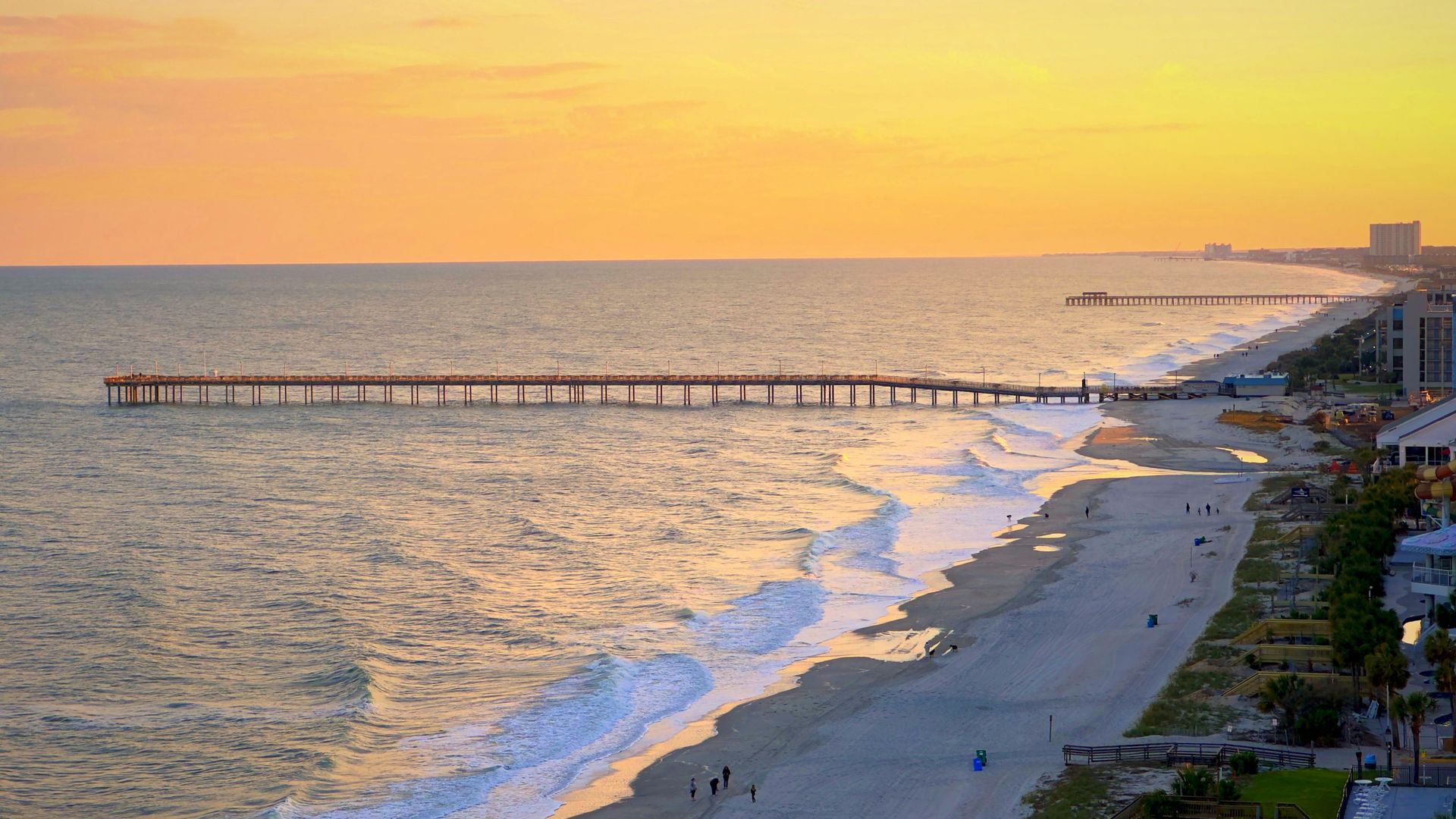
Myrtle Beach anchors a 60-mile stretch of South Carolina coastline known as the Grand Strand, and while the main tourist corridor has developed a reputation for mid-market family tourism rather than upscale beach vacationing, that reputation is precisely what has kept the area's lodging, dining, and activity pricing well below comparable East Coast beach destinations, particularly in the shoulder season months of April, May, September, and October when temperatures remain pleasant and pricing drops substantially from the peak summer weeks.
The sheer volume of lodging supply along the Grand Strand — thousands of hotel rooms and vacation rental condos built up over decades of sustained tourism development — creates a genuinely competitive pricing environment uncommon in more supply-constrained beach destinations, where a limited number of beachfront properties can command premium prices simply because demand consistently outstrips a fixed, small supply. Myrtle Beach's supply is large enough that oceanfront lodging remains attainable at prices that would only secure a several-blocks-back property in more constrained markets.
The area's specific value proposition beyond lodging includes an extensive golf course concentration (among the highest density of golf courses in the country, with many offering significant off-peak and package discounts), a broad range of free and low-cost family attractions along the boardwalk, and a restaurant scene weighted toward casual, moderately priced seafood rather than the fine-dining concentration found in more upscale coastal markets — a combination that allows a family beach vacation to be genuinely comprehensive without requiring resort-level spending at any point in the trip.
