
The most affordable beach towns Americans are moving to right now
Waterfront living still sounds impossibly expensive to most house hunters. moveBuddha found five towns where beach life costs under $400,000
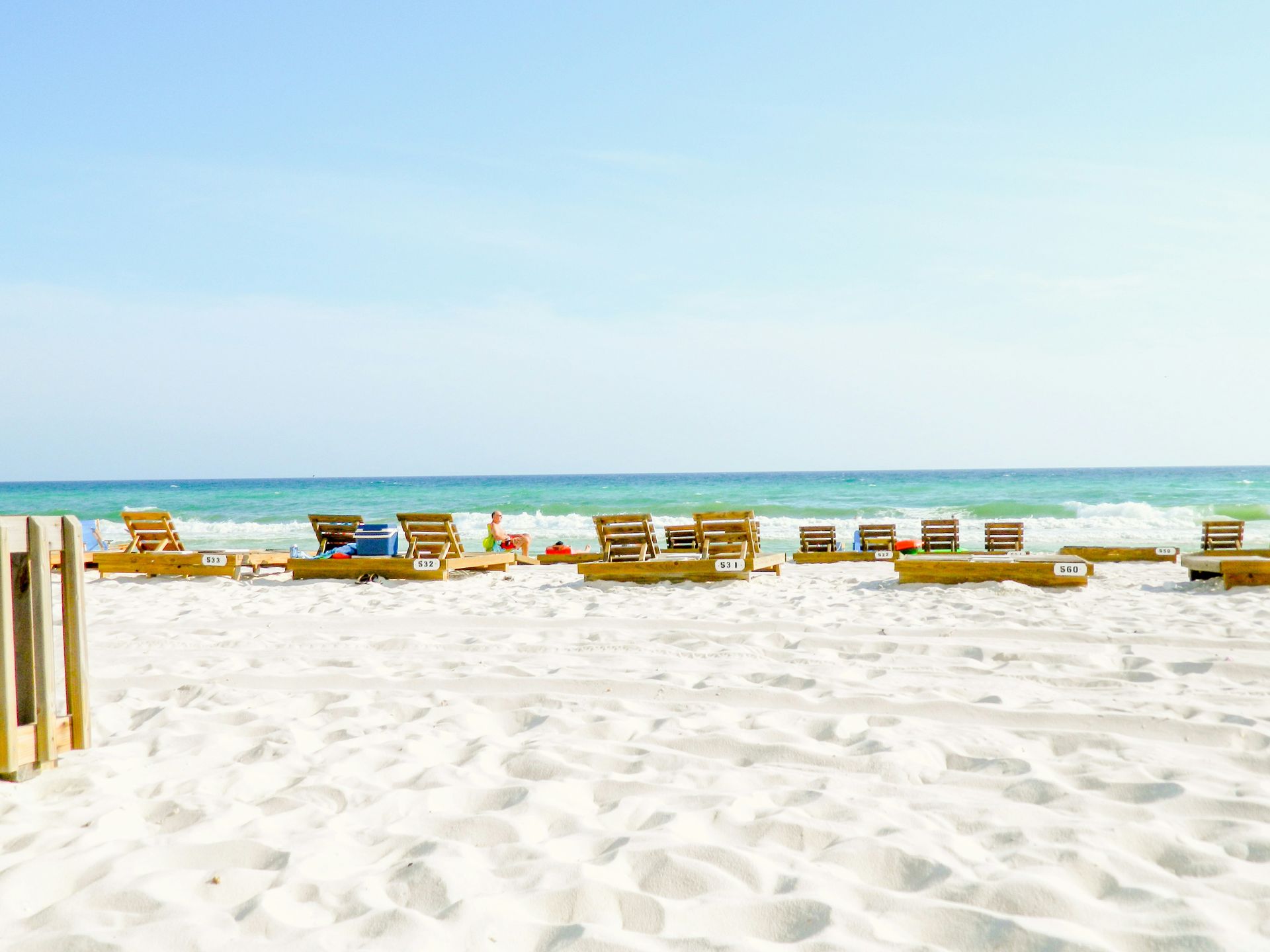
Courtney Rader / Unsplash
Millions of Americans still picture retirement, or just a better Tuesday, as a house near open water. For most of them, that remains a dream.
Coastal real estate got priced for investors and second-home buyers a long time ago, and the assumption that any address near a beach carries a permanent luxury tax has calcified into conventional wisdom. But the assumption is starting to crack. A wave of house hunters who want a fishing dock or a lakefront sunset are discovering that plenty of waterfront communities never joined the million-dollar club, and those towns are filling up faster than they're emptying out.
The shift comes down to plain math more than beach glamour. Mortgage rates have stayed high enough, and home prices in the usual coastal hot spots have climbed high enough, that many buyers are widening their search past the towns that show up in every glossy real estate roundup. Some are trading a view of the Atlantic for a view of the Great Lakes, where the water is fresh, the sunsets are just as dramatic, and the price tags are years behind the coastline. Others are following steady local job markets into small port cities that spent decades getting overlooked entirely.
moveBuddha tracked where Americans moved in 2026, then matched that movement against home values, local unemployment, and distance to the nearest beach to find out which towns deliver real waterfront value instead of just the promise of it. The research turned up towns with genuine staying power. The cheapest five prove that budget-friendly beach living hasn't vanished. It just relocated to a different shoreline.
Racine, Wisconsin
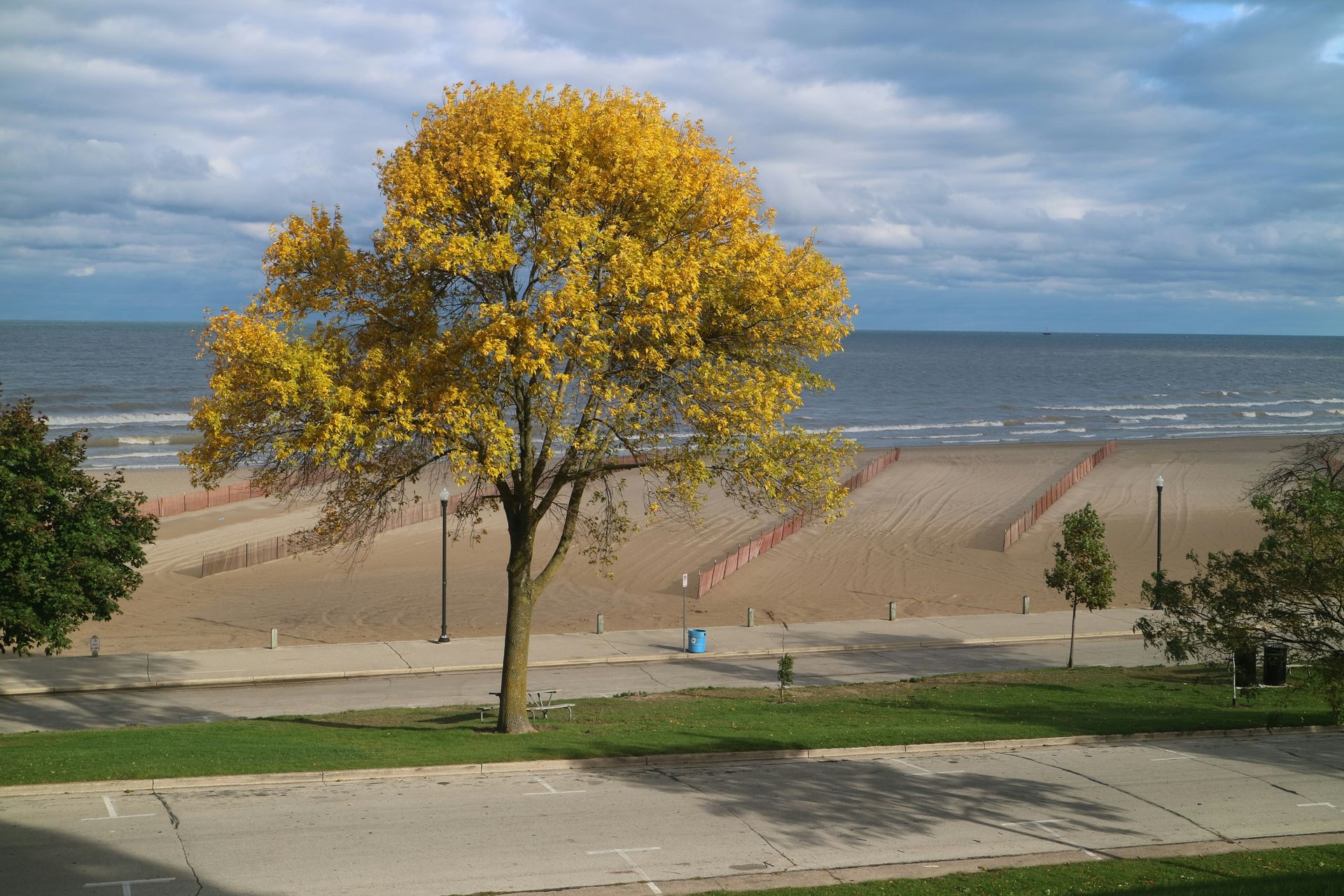
Vincent Y @USA / Unsplash
Racine, Wis., sits on the west shore of Lake Michigan, and it tops moveBuddha's list of affordable beach towns for a simple reason. The average home there costs $215,994, a full $152,204 below the national average of $368,198. The gap works out to a 41% discount on waterfront living, the widest margin among the 31 towns in the study. A buyer settling for a landlocked starter home elsewhere can instead land a house within a mile of open water and still spend less than the typical American homebuyer.
The shoreline itself is the draw. North Beach runs roughly 25 city blocks along the lake, earning a reputation as one of the best freshwater beaches in the country. Visitors comb the sand for beach glass after a storm rolls through, and dog owners use the beach's full length for long morning runs before the summer crowds arrive. Racine sits 22 miles south of Milwaukee, close enough for a concert or a Brewers game but far enough to dodge Milwaukee's steeper price tags. Racine County holds eight public beaches in total, so newcomers aren't limited to a single stretch of sand once they've settled in.
The job market backs up the housing math. Racine County's unemployment rate averaged 4.01% over the past 12 months, just under the 4.3% national benchmark moveBuddha used to screen out struggling local economies. Steady work paired with cheap waterfront housing helps explain why people keep arriving. For every resident who leaves Racine, roughly 1.26 people move in, one of the strongest inbound ratios among the affordable towns on the list. Rising demand normally pushes prices up fast, yet Racine's homes remain the cheapest of the bunch.
Buyers drawn here want a genuine Great Lakes address with a mortgage payment that still leaves room for a boat, a fishing rod, or a weekend drive up the coast. Racine proves that the cheapest beach town in the country can sit on freshwater instead of salt water.
Panama City, Florida
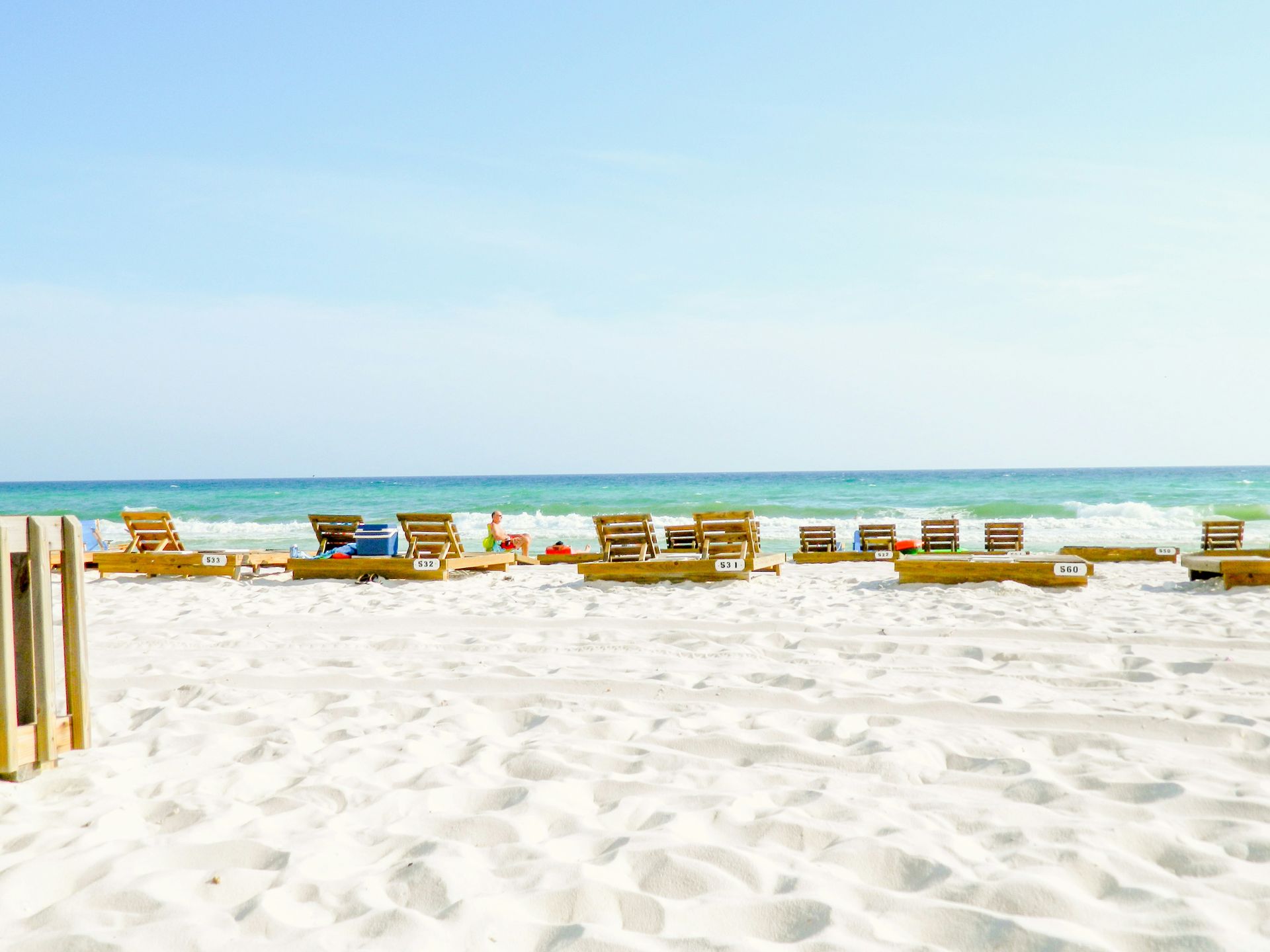
Courtney Rader / Unsplash
Panama City, Fla., ranks second on moveBuddha's list, and the numbers explain why so many movers are circling it. The average home price sits at $284,235, roughly 23% below the national average of $368,198. Few Gulf Coast addresses come with that kind of discount attached, especially one with 320 sunny days a year and Gulf water that averages 72 degrees for most of the swimming season.
Panama City backs up its beach credentials with a strong local economy. The city recently ranked first in the region for economic growth potential. Growth like that matters to buyers who want more than a pretty view. Newcomers moving in outnumber those leaving by a ratio of 1.27 to one, a modest edge but a real one, and it lines up with a broader pattern along Florida's Gulf Coast. Bay County's unemployment rate averaged 4.29% over the past 12 months, just inside the 4.3% threshold moveBuddha used to screen out towns with shakier job markets.
Sixteen public beaches sit within Bay County, giving residents far more shoreline than a single stretch of sand near a hotel strip. Wide public access like that matters in a market where beach towns often ration their best spots for tourists. Panama City's beach sits roughly 10 miles from the city center, a short enough drive that residents treat the water as a weekend habit rather than a special occasion.
Housing stock in Panama City still reflects decades as a working Gulf port rather than a resort built from scratch, and that history shows up in the price. Buyers get a genuine Florida beach address, warm water nearly year round, and a growing local job market, all for tens of thousands less than what the rest of the country pays just to own a home with no water in sight. Few towns on this list combine climate, economy, and price as cleanly as Panama City does.
Mentor, Ohio
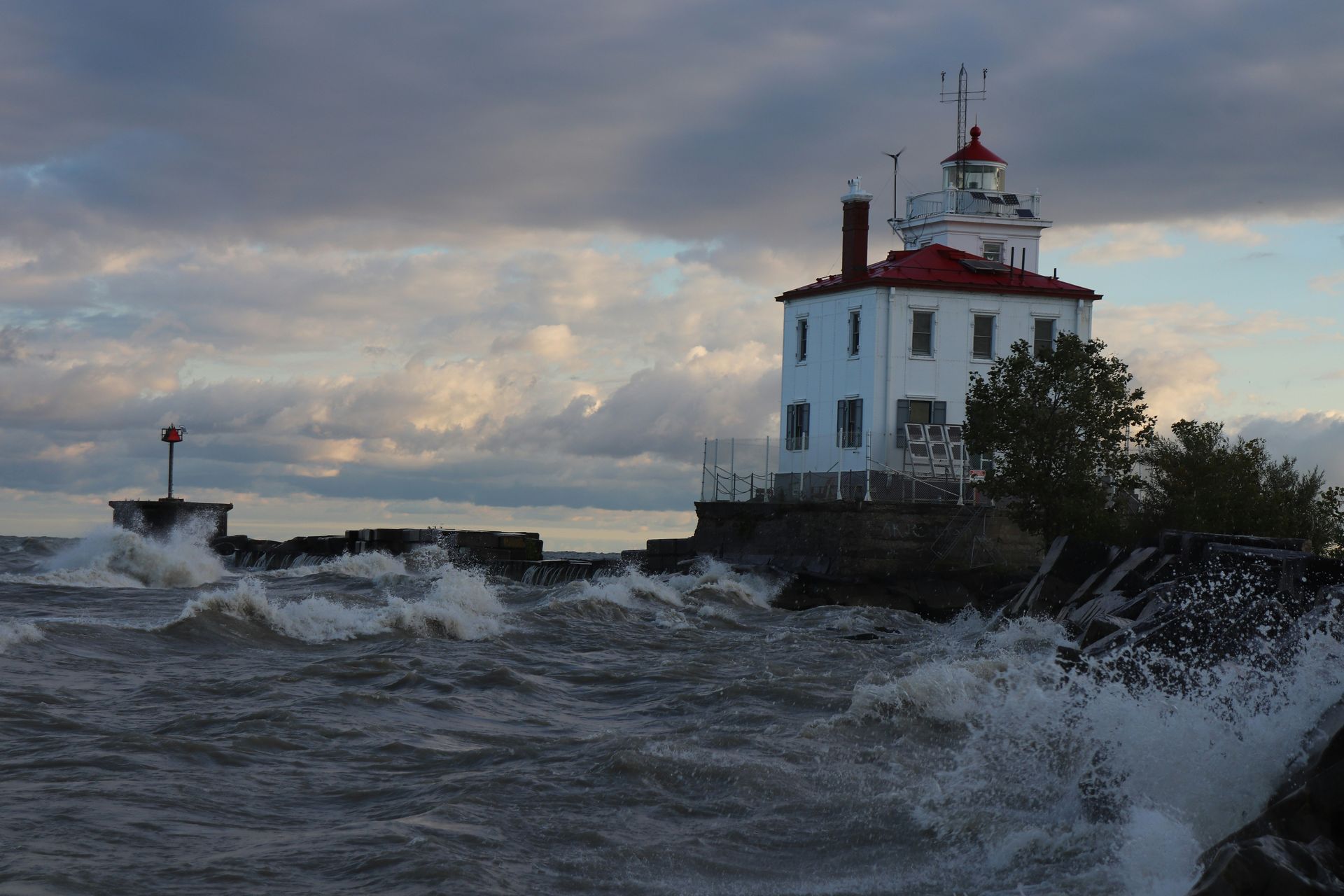
Ed Cummings / Unsplash
Mentor, Ohio, and its waterfront neighbor Mentor-on-the-Lake share just two nearby beaches, fewer than any other town in moveBuddha's top five. One of those two beaches carries the entire draw. Headlands Beach State Park stretches along Lake Erie as the longest natural beach in the state, and it pulls in roughly 2 million visitors a year who come to swim, sunbathe, or fish for walleye. National coverage has repeatedly named it among the country's best beaches. Few Midwest shorelines earn that kind of recognition.
The price reflects that lack of name recognition, at least for now. The average home in Mentor costs $298,971, about $69,227 less than the national average of $368,198. The gap works out to roughly 19% in Mentor's favor. The discount is steep enough to let a buyer trade a cramped starter home somewhere else for genuine lakefront living. Residents pay less and still end up three miles from the water, close enough to make a Lake Erie sunset a weeknight habit rather than a special trip.
Move-in demand backs up the value case. For every resident who leaves Mentor, roughly 1.43 people move in, and move-ins are outpacing departures by a wide margin. Lake County's unemployment rate averaged 3.66% over the past 12 months, among the lowest of any town on the list and comfortably under the 4.3% benchmark moveBuddha used to screen for stable local economies. Steady jobs paired with a nationally recognized beach explain why Mentor keeps gaining residents even without the marketing budget that Florida's beach towns enjoy.
Buyers here get a genuine four-season lake town, walleye fishing in the summer, and access to a beach that draws visitors from well outside Ohio, all without paying a premium for it. Mentor makes the case that a great beach doesn't need an ocean attached to it, just a lake big enough to forget it isn't one.
Daphne, Alabama
JodyB / Wikimedia Commons (CC-BY-SA-3.0)
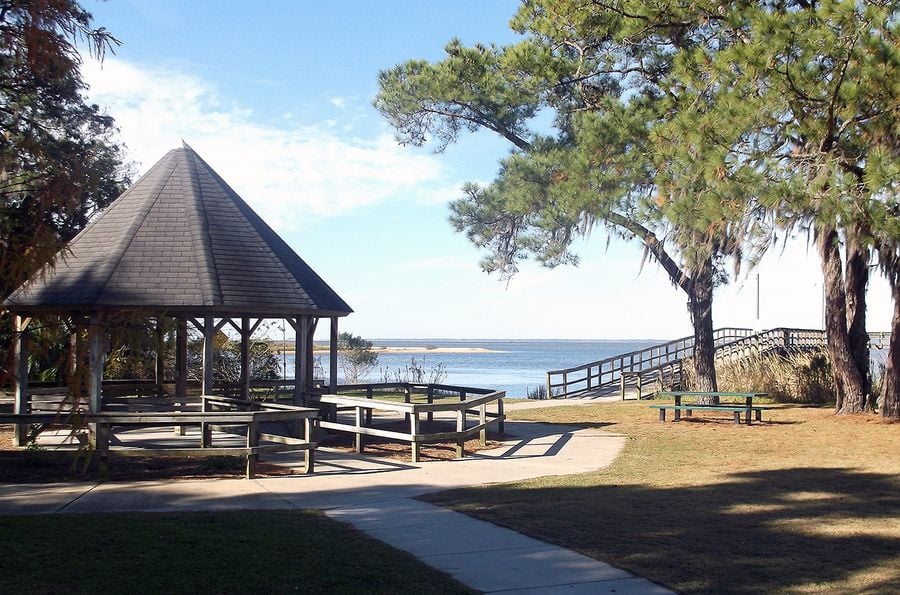
Daphne, Ala., breaks the pattern set by the other four towns in moveBuddha's top five, earning its spot on the eastern shore of Mobile Bay rather than a Midwestern lake or a Florida coastline. The bay itself stays calm enough for casting a line most mornings, and Gulf Shores and Orange Beach sit close enough for a day trip whenever residents want true open surf, with Pensacola reachable in about an hour by car.
Home prices in Daphne tell a modest but real affordability story. The average home costs $335,160, roughly $33,038 below the national average of $368,198. The gap comes out to about 9%. Buyers find a bigger discount in Racine, Panama City, or Mentor, but Daphne makes up ground with its job market. Baldwin County's unemployment rate averaged just 2.46% over the past 12 months, the lowest of any town in moveBuddha's top five and well under the 4.3% national benchmark used to screen out struggling local economies.
Twenty public beaches sit within Baldwin County, and Daphne itself sits roughly two miles from the water, close enough that a beach trip barely counts as a plan. Move-ins outpace departures at a ratio of 1.34 to one, a healthy margin that lines up with the broader pull of Alabama's Gulf Coast, where buyers priced out of Florida increasingly look for the same warm water without the same price tag attached.
Daphne sits on Mobile Bay with a split identity that few towns on this list can match. Residents can fish the bay in the morning and drive out to the barrier island beaches by afternoon, all while paying a fraction of what comparable Gulf Shores or Orange Beach addresses command. The low unemployment rate suggests the local economy can support that lifestyle well beyond a single good season, and the modest but genuine discount on home prices means the payment stays manageable even as insurance and maintenance costs climb along the Gulf.
Holland, Michigan
Craig Washington / Unsplash
Holland, Mich., rounds out the five most affordable beach towns in moveBuddha's 2026 research, and it does so while charging a small premium rather than a discount. The average home costs $379,544, about $11,346 above the national average of $368,198, a gap of roughly 3%. Even at that premium, Holland still beats plenty of coastal markets by a wide margin, and buyers keep showing up anyway.
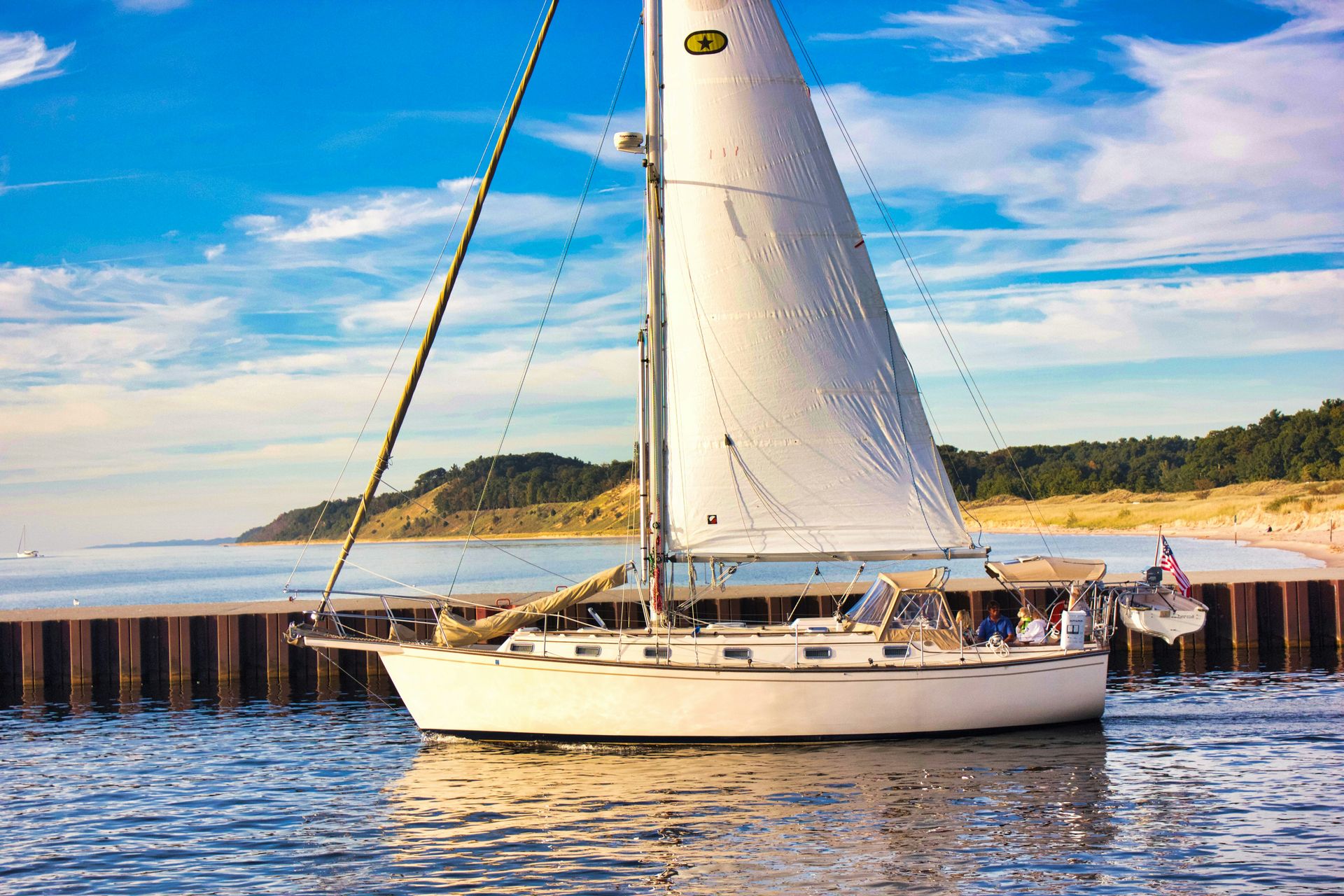
Lake Michigan is Holland's main asset. The shoreline at Holland State Park runs wide and pale, good for an evening walk or a slow afternoon with a blanket and a cooler, and the "Big Red" lighthouse marking the channel there has become one of the most photographed spots on the entire Michigan coast. Locals treat the water as a year-round hobby rather than a summer fling, launching kayaks in the early morning and working a fishing line off the pier once the tourist crowds thin out. Eleven public beaches sit within the surrounding county, spreading demand across enough shoreline that no single spot gets overwhelmed.
Move-in interest here outpaces every other town in the top five. For every resident who leaves Holland, roughly 2.19 people move in. The ratio signals real momentum rather than a passing trend, and it is the strongest of any town in the top five. Ottawa County's unemployment rate averaged 4.08% over the past 12 months, comfortably under the 4.3% national benchmark moveBuddha used to screen for towns with stable local economies. Steady jobs and a nationally known lighthouse combine to pull in far more residents than the town loses.
The small premium over the national average buys a lot in Holland. Buyers get sunset views, sugar sand, and a lighthouse that shows up in tourism campaigns well beyond Michigan, all seven miles from the water. Among the five most affordable beach towns Americans are chasing this year, Holland is the one proving that people will pay slightly more for the right lake, as long as the number still starts with a three instead of a four.