From federal rental assistance programs to shared housing arrangements, these 10 budget-friendly options can help older adults find safe and affordable places to live

Credit: Vlada Karpovich / Pexels
Nearly a third of households headed by someone age 65 or older spend more than 30 percent of their income on housing, according to Harvard's Joint Center for Housing Studies. Among older renters specifically, the share is far higher. More than half of that group is considered severely cost burdened, putting over half of every dollar of income toward rent alone.
Social Security benefits rise each year with a cost-of-living adjustment. That adjustment has rarely kept pace with the rent increases many older renters have faced over the past decade. At the same time, many retirees live on a fixed income with little room to absorb a rent hike, a property tax increase, or a surprise repair bill. For a large share of older adults, the math simply does not work the way it used to.
The conversation around senior housing tends to jump straight to assisted living or a nursing home. Both options can cost far more than a typical mortgage or rent payment. Both are also designed for people who need daily medical or personal care. Most older adults do not need that level of support. What they need is a stable, affordable place to live that fits a fixed budget. That could be an apartment, a shared home, or a small unit on a family member's property.
The options below range from federally subsidized apartment programs run through local housing authorities to informal arrangements like home sharing and multigenerational living. Some require an application through a government agency and a wait. Others can be arranged directly with a landlord, a builder, or a family member. None of them require giving up independence. All of them are designed to stretch a retirement budget further than a market-rate apartment or a continuing-care community would.
Eligibility rules, income limits, and availability vary by state and county. Anyone considering these options should treat this list as a starting point for research, not a final answer. A local Area Agency on Aging is often the fastest way to find out which of these programs actually operate nearby.
Credit: Vlada Karpovich / Pexels
The Section 202 Supportive Housing for the Elderly program is one of the longest-running federal efforts aimed specifically at older adults. Created under the Housing Act of 1959, it funds nonprofit organizations that build and operate apartment communities exclusively for very low-income residents age 62 and older.
Rent in a Section 202 property is generally tied to income rather than the local market rate. Most residents pay around 30 percent of their adjusted income toward rent. The federal government covers the difference between that amount and the actual cost of operating the building. That structure means a resident's rent adjusts if their income changes, offering a level of predictability that market-rate housing does not.
Beyond affordable rent, Section 202 buildings are designed with older residents in mind. Many include grab bars, wider doorways, and other accessibility features built in from the start rather than retrofitted later. Many properties also employ a service coordinator. This staff member connects residents with transportation, meal delivery, home health services, and other community resources, so residents do not have to navigate those systems alone.
No new Section 202 buildings have been funded since 2012, when Congress shifted the program's approach from direct construction grants to project-based rental assistance for existing properties. The total supply of Section 202 units is essentially fixed rather than growing, and waitlists in many cities can run into months or years. Congress continues to fund the program annually, including the rental assistance contracts that keep existing buildings affordable, so current residents are not at risk of losing their homes. Prospective applicants, however, should expect a wait rather than immediate placement.
To apply, search HUD's online housing locator for Section 202 properties in a specific city or county, then contact each building directly. Applications are managed at the property level rather than through a single centralized waitlist. Applicants typically need to show proof of age and income documentation, and in some cases pass a background check. Demand consistently outpaces supply. Applying to multiple properties across a wider geographic area, including smaller towns and suburbs where waitlists tend to be shorter, improves the odds of finding a unit sooner.

Credit: Seyi Ariyo / Unsplash
The Low-Income Housing Tax Credit, created by Congress in 1986, is the largest source of funding for affordable rental housing construction in the U.S. today. Rather than paying developers directly, the federal government gives tax credits to state housing finance agencies. Those agencies award the credits to developers who agree to rent a portion of their units at below-market rates for at least 30 years.
Unlike Section 202, LIHTC properties are not limited to older adults. Developments serve a mix of populations, including families, individuals with disabilities, and seniors, though many buildings are built specifically as age-restricted communities for residents 55 or 62 and older. A property's mix depends on what its developer applied to build and what the state prioritized when awarding credits that year.
Rent in a LIHTC unit is capped based on the area median income for the county or metro area, generally at 50 or 60 percent of that figure. That is different from Section 202, where rent is tied to a tenant's individual income. The actual dollar amount varies significantly by location. A one-bedroom apartment capped at 60 percent of area median income might rent for a few hundred dollars a month in a rural county. In an expensive metro area, the same cap could allow for considerably more. Either way, the rent stays well below the market rate for that area.
Because LIHTC financing supports new construction as well as renovation of older buildings, the total number of units keeps expanding each year, unlike programs that stopped building decades ago. Starting in 2026, the tax credit allocation available to each state increased on a permanent basis, which should support continued production of new units in the years ahead.
Finding a LIHTC apartment usually starts with a state housing finance agency's online property search tool, which lists income-restricted developments by county. Some states also list openings through a centralized affordable housing portal. Because these properties are managed individually rather than through one waitlist, contacting several buildings directly is the most reliable way to find an open unit. Ask each one about its specific income limits and any age restrictions.
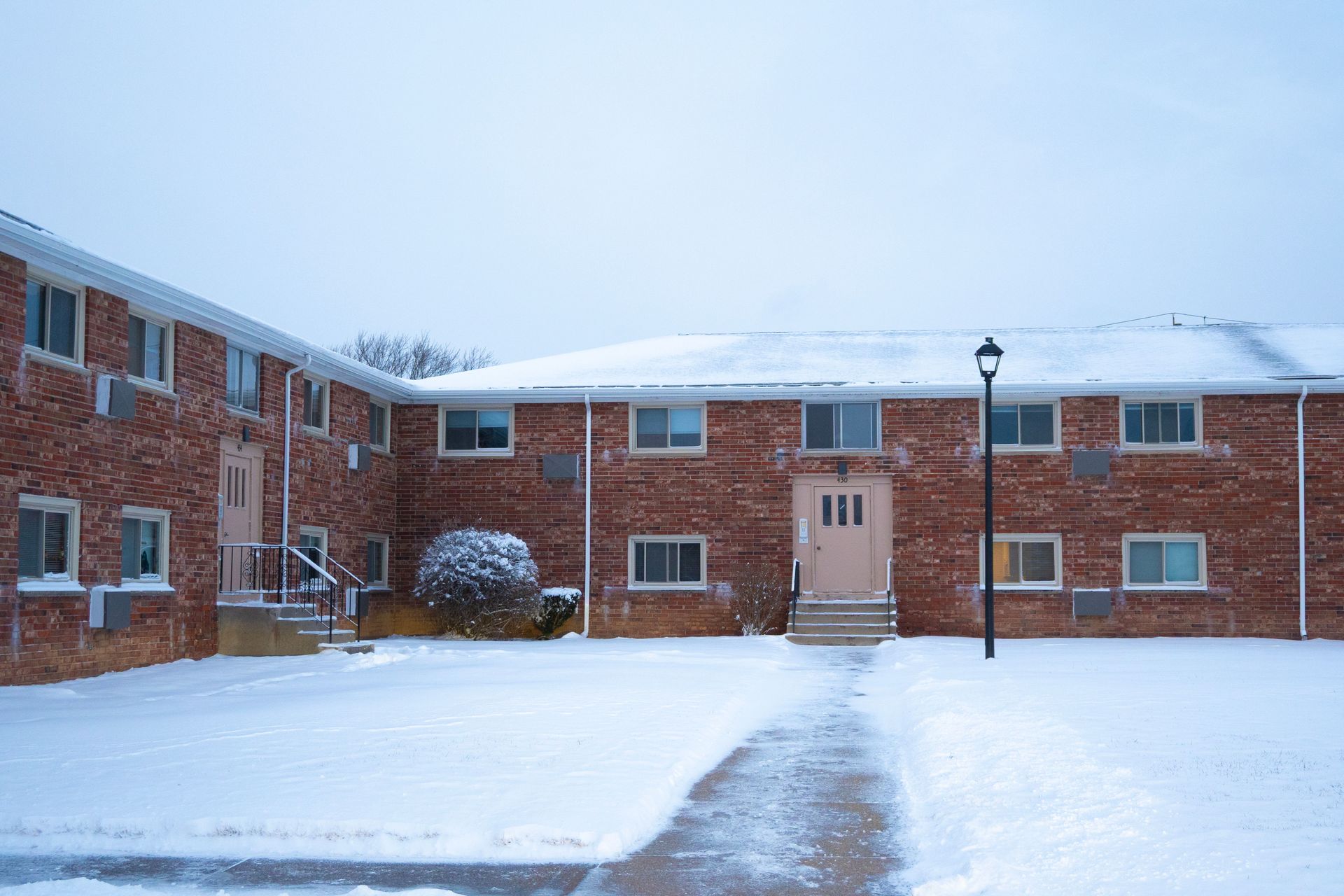
Credit: Marri Shyam / Pexels
Public housing is one of the oldest forms of government-assisted housing in the U.S., predating both Section 202 and the voucher program most people know as Section 8. Unlike those programs, public housing units are owned and directly operated by local Public Housing Authorities, known as PHAs, rather than by private landlords or nonprofits receiving federal subsidies.
Roughly 3,000 PHAs operate across the country, ranging from large city agencies managing thousands of units to small rural authorities with a single building. Many PHAs set aside a portion of their portfolio, or in some cases entire buildings, specifically for elderly and disabled residents. Rent is calculated the same way it is in most federal housing programs, generally around 30 percent of a household's adjusted income, so it moves automatically as income changes.
Because public housing is funded and appropriated by Congress each year, availability depends heavily on where an applicant lives. Some PHAs have short waits for elderly units. Others in high-demand cities keep waitlists closed for extended periods, simply because there are far more applicants than available units. A PHA often reopens its waitlist only periodically, sometimes with just a short application window, so checking in regularly rather than assuming a list is permanently closed matters.
To apply, contact the local PHA directly, since there is no single national application. HUD maintains a searchable directory of every PHA in the country by state and city. Some applicants find it useful to apply to several PHAs within a reasonable driving distance, rather than just the one closest to home. Wait times can differ significantly between neighboring jurisdictions, even within the same metro area.
Public housing communities built specifically for seniors often include on-site or nearby services. Meal programs, transportation coordination, and social activities are common, similar to what a Section 202 building offers. The exact amenities depend entirely on the individual PHA and property. Asking about these extras during the application process can help identify which available unit is the best overall fit, not just the most affordable one.

Credit: Ron Lach / Pexels
The Housing Choice Voucher program, still widely known by its older name, Section 8, works differently from Section 202, LIHTC, or public housing. It attaches the subsidy to the tenant rather than to a specific building. A household that receives a voucher can use it to rent almost any private apartment or house whose landlord agrees to accept it. That is different from being limited to a designated affordable housing development.
Once approved, a voucher holder generally pays around 30 percent of household income toward rent. The local housing authority pays the rest directly to the landlord, up to a set payment standard based on typical rents in that area. This flexibility means a voucher holder can choose a unit in a neighborhood close to family, a doctor, or public transit. That beats accepting whatever unit happens to be available in a designated building.
That flexibility comes with real friction. Not every landlord accepts vouchers, and in areas without source-of-income discrimination protections, a landlord can legally decline an applicant simply because they plan to pay with a voucher. Finding a willing landlord, especially in tight rental markets, often takes longer than finding an available unit in a project-based program. Some cities and states have passed laws barring landlords from refusing voucher holders, which can meaningfully shorten the search in those areas.
Waitlists for vouchers are typically long, often lasting years rather than months, and many housing authorities prioritize applicants who are elderly, disabled, or experiencing homelessness when spots open. Applying as soon as a waitlist opens is worthwhile, rather than waiting until a lease is about to end. That gives an applicant more runway to search for a unit once a voucher is finally issued.
To apply, contact the housing authority serving the county or city of residence, since, as with public housing, there is no single centralized national waitlist. Many housing authorities also participate in a regional or statewide waitlist that covers multiple counties. Asking about this option specifically can open up more listings than applying to just one local authority alone.
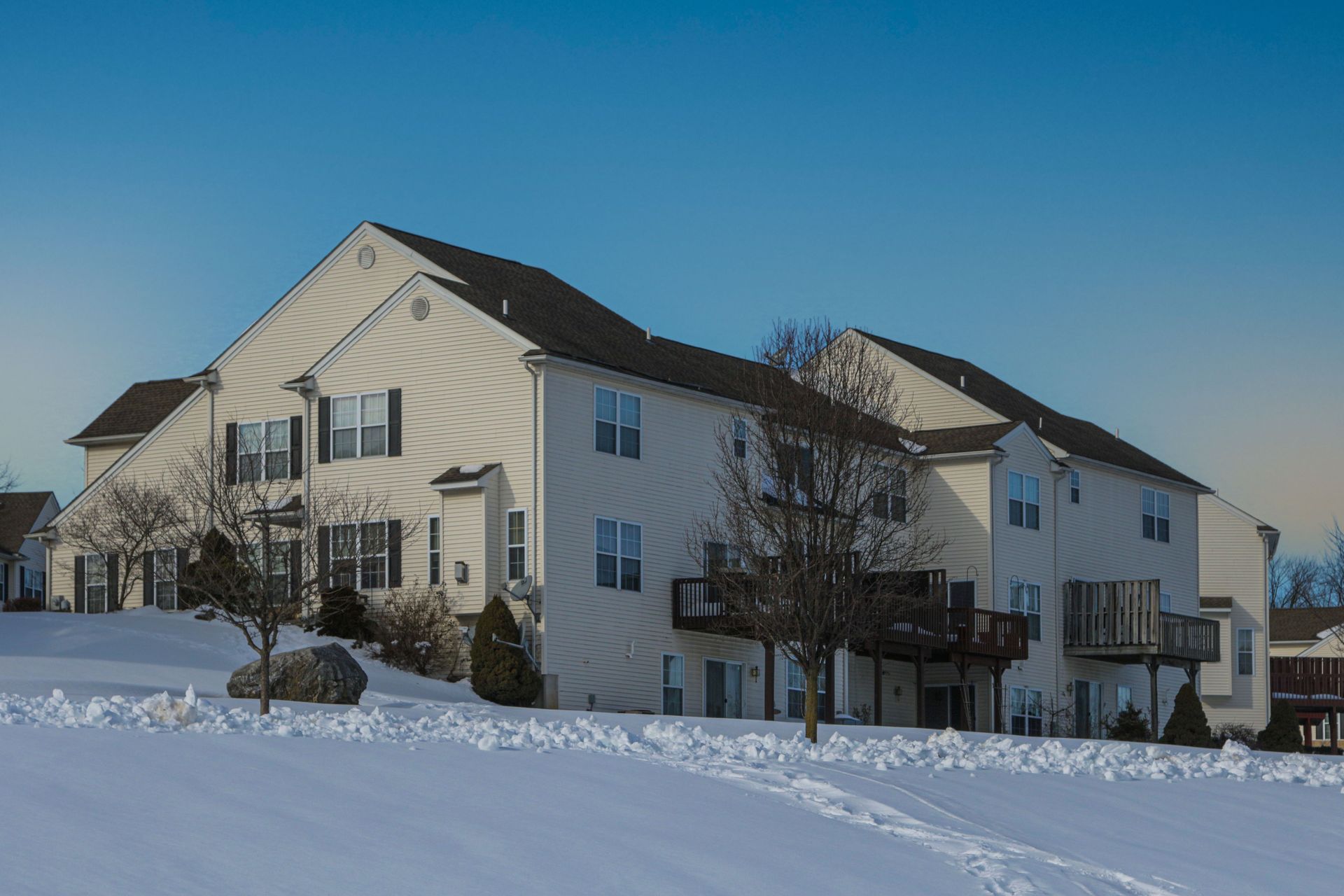
Credit: Following NYC / Pexels
Most federal housing programs are run by HUD, but the U.S. Department of Agriculture also finances affordable rental housing, aimed specifically at small towns and rural counties. Its primary tool, Section 515, has financed the construction of more than 500,000 rental units since the program began in the 1960s. Roughly 750,000 people currently live in Section 515 housing nationwide.
More than 60 percent of Section 515 residents are age 62 or older, have a disability, or both. That makes it one of the more senior-heavy federal housing programs, even though it was not built exclusively for older adults. Rent is typically restricted to about 30 percent of a household's income. Because these properties sit in lower-cost rural markets, the rent difference compared with a market-rate unit in the same county can be substantial.
There is an important caveat for anyone researching this option. The USDA stopped issuing new Section 515 loans in 2011, so the total number of properties in the program is shrinking rather than growing. As existing mortgages mature over the coming decades, most by the mid-2040s, property owners are no longer required to keep rents affordable and can convert units to market rate. Existing residents in properties still in the program are not affected by this shift, and vacancies continue to be filled through normal waitlists. The overall pool of available units, however, will keep shrinking over time without new federal investment.
None of that makes Section 515 a poor option today. It remains one of the few affordable options in many small towns and agricultural counties where LIHTC and Section 202 properties are scarce or nonexistent. To find a property, search the USDA Rural Development multifamily housing directory by state and county, or contact a regional Rural Development office directly. Applicants should ask specifically whether a property's loan is scheduled to mature soon, since that affects how long the unit is likely to remain affordable.
-1920x2880.jpg)
Credit: Quang Vuong / Pexels
A naturally occurring retirement community, often shortened to NORC, is not a housing program in the traditional sense. It describes an apartment building, housing cooperative, or neighborhood that was never designed or marketed for older residents. Over decades, though, it can end up with a large share of residents who are 60 or older, simply because they moved in years ago and never left.
The concept dates to the 1980s, when a University of Wisconsin researcher coined the term to describe this pattern in ordinary housing developments. Rather than trying to relocate those residents to age-restricted buildings, some cities and states realized it made more sense to bring supportive services directly to where older adults already lived. That insight led to the creation of NORC Supportive Service Programs, which now operate in more than 25 states.
For someone on a limited budget, a NORC offers an appealing structure. There is no age restriction to move in, and no special application process beyond a standard lease at normal or below-market rent. Once a building or neighborhood is designated as a NORC by a state or local aging agency, residents gain access to a range of services. These include case management, transportation coordination, wellness checks, and social programming. Most are free or available for a modest fee on a sliding scale based on income.
The catch is that NORC status is not something a renter can apply for individually. It depends on whether a particular building or neighborhood has already been designated, or is likely to be designated, by the relevant state or city aging office. Someone hoping to benefit from this model should contact their state's Office for the Aging or Area Agency on Aging and ask for a list of designated NORCs nearby. From there, the next step is looking for available apartments within those specific buildings or neighborhoods.
Because a NORC is fundamentally about geography rather than eligibility, it works well as a secondary filter after finding an affordable apartment through another program. Checking whether a building already receiving federal rental assistance also happens to sit within a designated NORC boundary is worth the effort. That overlap can mean access to extra support services, layered on top of rent that is already affordable.

Credit: Terry Jaskiw / Unsplash
Manufactured housing, still commonly called mobile homes even though most are no longer mobile once installed, remains one of the most affordable paths to homeownership in the U.S. A new manufactured home typically costs a fraction of a comparably sized site-built house. Many communities are restricted to residents 55 and older, under a federal exemption that allows age-restricted housing to legally exclude families with children.
In a typical arrangement, a resident owns the manufactured home itself but leases the land it sits on from the community's owner. That monthly lot rent covers land use, and often shared amenities like a clubhouse, pool, or upkeep of common areas. Lot rent is usually far lower than a comparable apartment rent in the same region. It is not fixed forever, though, and can rise over time, sometimes significantly, if the community changes ownership or the local rental market tightens.
Because the resident owns the home but not the land beneath it, this arrangement carries a different risk profile than traditional homeownership. If a community's owner decides to sell the land for redevelopment, residents can be forced to relocate their homes. That process is expensive, and not always physically possible, depending on the home's age and condition. Some states require advance notice and relocation assistance in these situations, but protections vary widely, so checking state-specific manufactured housing tenant laws before signing a lease is worthwhile.
A smaller number of manufactured home communities are structured as resident-owned cooperatives, where residents collectively own the land through a nonprofit cooperative rather than renting it from an outside landlord. These communities tend to have more stable, predictable costs over time, since residents control decisions about lot rent increases themselves. Buying into a cooperative, though, usually requires an upfront membership share, in addition to the cost of the home itself.
Finding an age-restricted manufactured home community usually starts with a regional listing site for manufactured and mobile home communities, filtered by age restriction and location. Touring in person and speaking directly with current residents about lot rent history is one of the better ways to gauge long-term affordability. Ask about community management, too, before committing to a purchase.
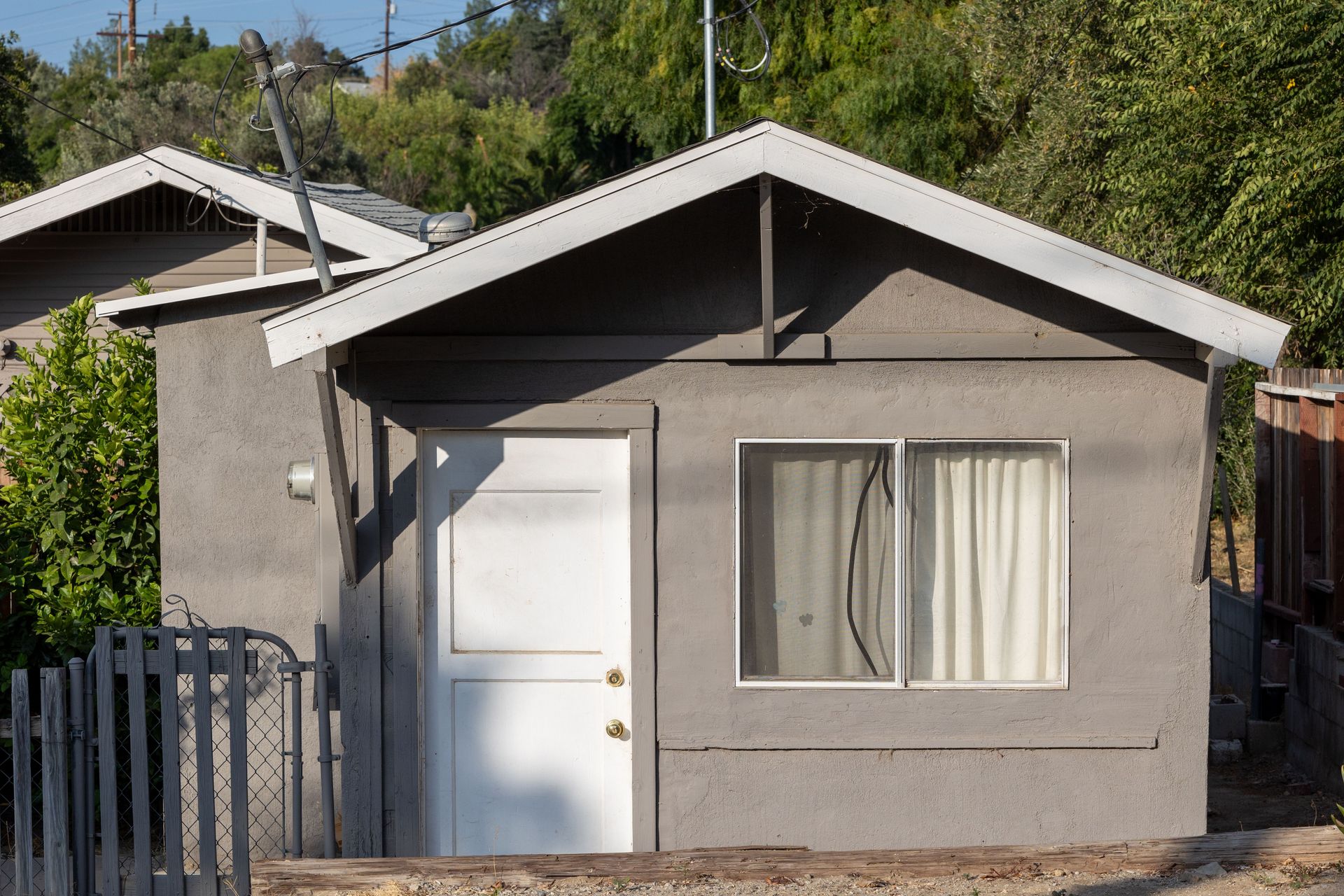
Credit: David Brown / Pexels
An accessory dwelling unit, commonly called an ADU, is a smaller, independent living space built on the same property as an existing single-family home. Depending on the design, it might be a converted garage, a basement apartment with its own entrance, or a small detached cottage in the backyard. For a senior on a fixed income, an ADU offers two very different but equally useful paths to affordable housing.
The first path is moving into an ADU built on a family member's property. This allows an older adult to live independently, with a private entrance, kitchen, and bathroom, while staying close enough to family for regular support. Neither party has to sacrifice privacy the way a shared bedroom arrangement inside the main house would require. Because the ADU is typically owned by the family member, the resident may pay little or no rent, depending on the family's financial arrangement.
The second path runs in the opposite direction: an older homeowner builds an ADU on their own property and rents it out. The goal might be generating income to offset housing costs, or housing a caregiver or family member nearby. Both approaches have become considerably easier to pursue over the past decade. Several states, including California, have passed laws limiting how much cities can restrict ADU construction on single-family lots.
Building an ADU still requires real upfront capital, typically well into six figures for a detached unit. Converting existing space, like a garage or basement, costs meaningfully less than new construction. Some states and utility companies offer low-interest loans, grants, or rebate programs specifically for ADU construction, particularly when the unit will house an aging family member. It is worth checking with a state housing finance agency or Area Agency on Aging before assuming the upfront cost is out of reach.
Zoning rules, permitting requirements, and utility connection costs vary enormously by city and county. Anyone considering this option should start with a local planning department, to understand what is actually allowed on a specific property before spending money on architectural plans.

Credit: Alena Darmel / Pexels
Home sharing pairs an older adult who has extra space in their home with another person who needs an affordable place to live. That person is often, but not always, younger. In exchange, they might offer lower rent, help with household tasks, or some combination of both. It is one of the more flexible options on this list. The specific arrangement, from rent amount to expected chores to shared common spaces, is negotiated directly between the two parties rather than set by a government formula.
For a homeowner on a fixed income, taking in a housemate can meaningfully offset a mortgage payment, property taxes, or utility bills without requiring a move. For a renter, offering to share a larger apartment with a compatible housemate can cut the monthly rent significantly compared with living alone. Either way, the financial benefit runs in both directions. That is part of why the model has drawn interest from local governments and nonprofits looking for low-cost ways to address housing affordability.
Formal home-sharing programs, often run by a local nonprofit or an Area Agency on Aging, screen applicants and conduct background checks. They also help both parties negotiate a written agreement covering rent, house rules, and expectations before anyone moves in. This structure offers more safeguards than an informal arrangement found through a classified ad, which matters given that a stranger will be living in a shared home. The National Shared Housing Resource Center maintains a list of home-sharing programs by state, a reasonable starting point for finding a vetted local option.
Home sharing is not the right fit for everyone. It requires a genuine willingness to share common spaces, adjust to another person's schedule and habits, and communicate clearly when problems come up. Not every homeowner or renter wants to take that on, regardless of the financial upside. A trial period, ideally in writing, before committing to a longer-term arrangement gives both parties a way to back out gracefully if the living situation is not working.
Because a written agreement is not a formal lease in most states, home sharing typically offers fewer legal protections than a standard tenancy. That is another reason working through a vetted program, rather than an informal connection, tends to produce a more secure arrangement.

Credit: Kampus Production / Pexels
Multigenerational living, in which an older adult moves in with an adult child, grandchild, or other relative, has become more common as housing costs have climbed. The practice, though, has a much longer history in many immigrant and cultural communities than recent coverage of the trend sometimes suggests. For a senior on a fixed income, it is often the single largest reduction in housing cost available, since it can eliminate a separate rent or mortgage payment entirely.
The financial case is straightforward, but the practical details take more planning than simply moving boxes into a spare room. Families considering this arrangement need to work out several things in advance. One is money: whether the older adult will contribute financially toward shared expenses like groceries or utilities. Another is space: how much privacy everyone needs on a daily basis. A third is caregiving: who takes on specific tasks if health needs increase over time. Skipping these conversations tends to create friction later, even in families with strong relationships.
Some families address the space and privacy question by converting an existing space, like a basement or a room over a garage, into a more separate living area. That space sometimes includes its own bathroom or small kitchenette. Others build a small, separate living unit on the property when land and budget allow for it. Either approach can preserve more independence for the older adult than moving directly into shared common living space would.
There are financial planning implications worth understanding before making the move permanent. Selling a home to move in with family can affect eligibility for certain income-based government benefits. Gifting or transferring a home to a family member can also trigger tax consequences, or complicate future Medicaid eligibility if long-term care becomes necessary. An elder law attorney or financial planner familiar with the state's specific Medicaid look-back rules can help structure the transition in a way that avoids unpleasant surprises years later.
Multigenerational living will not fit every family's dynamic or living space, and it depends on having a family member both willing and financially able to make room. But for families where it is workable, it remains one of the most effective ways to stretch a limited retirement income. Few housing subsidy programs can match it on their own.
