
20 places in Europe that are still affordable, still beautiful, and not overrun
From Balkan hill towns to Baltic university cities, these 20 European destinations offer beauty and value without the crowds
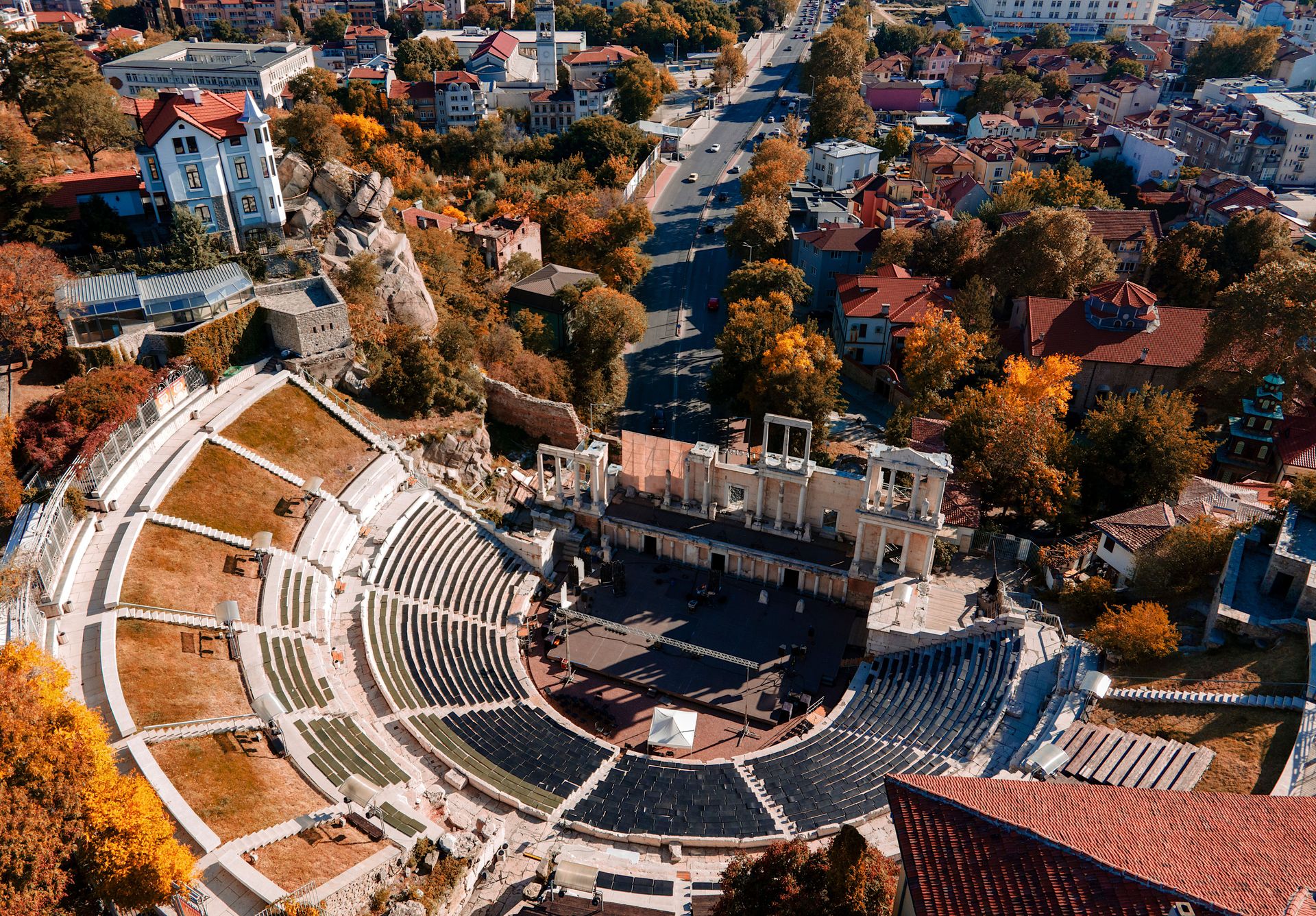
Credit: Denitsa Kireva / Pexels
Europe's most famous cities have a pricing problem. A short hotel stay in Venice, Amsterdam, or Barcelona now competes with a long weekend in New York, and the crowds that come with that price tag have pushed many travelers to look elsewhere. The good news is that the continent is large, and plenty of its most rewarding places have not been swallowed by mass tourism or the price inflation that follows it.
The 20 destinations on this list share three qualities. They are affordable by European standards, meaning a traveler can eat well, sleep comfortably, and see the sights without draining a bank account. They are visually and culturally distinctive, not simply cheaper stand-ins for better-known cities. And they have, so far, avoided the tourism volume that has changed the character of places like Dubrovnik or Prague's Old Town.
This list leans heavily on the Balkans, the Baltics, and parts of Central and Southern Europe, regions that spent decades outside the mainstream tourism circuit for political and economic reasons that have little to do with what they actually offer visitors. Ottoman-era architecture in Bulgaria, Habsburg squares in Romania, Venetian coastlines in Montenegro, and university towns in the Baltics all deliver a version of European travel that used to be more common everywhere: walkable historic centers, local restaurants that have not adjusted their menus for tour groups, and hotel prices that reflect the local economy rather than global demand.
None of this is guaranteed to last. Several places on this list, including Plovdiv and Sarajevo, have seen visitor numbers climb steadily. Prices rise as word spreads and budget airlines add routes. The places included here are not undiscovered so much as underpriced relative to what they offer, which makes now a reasonable time to go before that changes.
Gjirokastër, Albania
Credit: Laura Meinhardt / Pexels
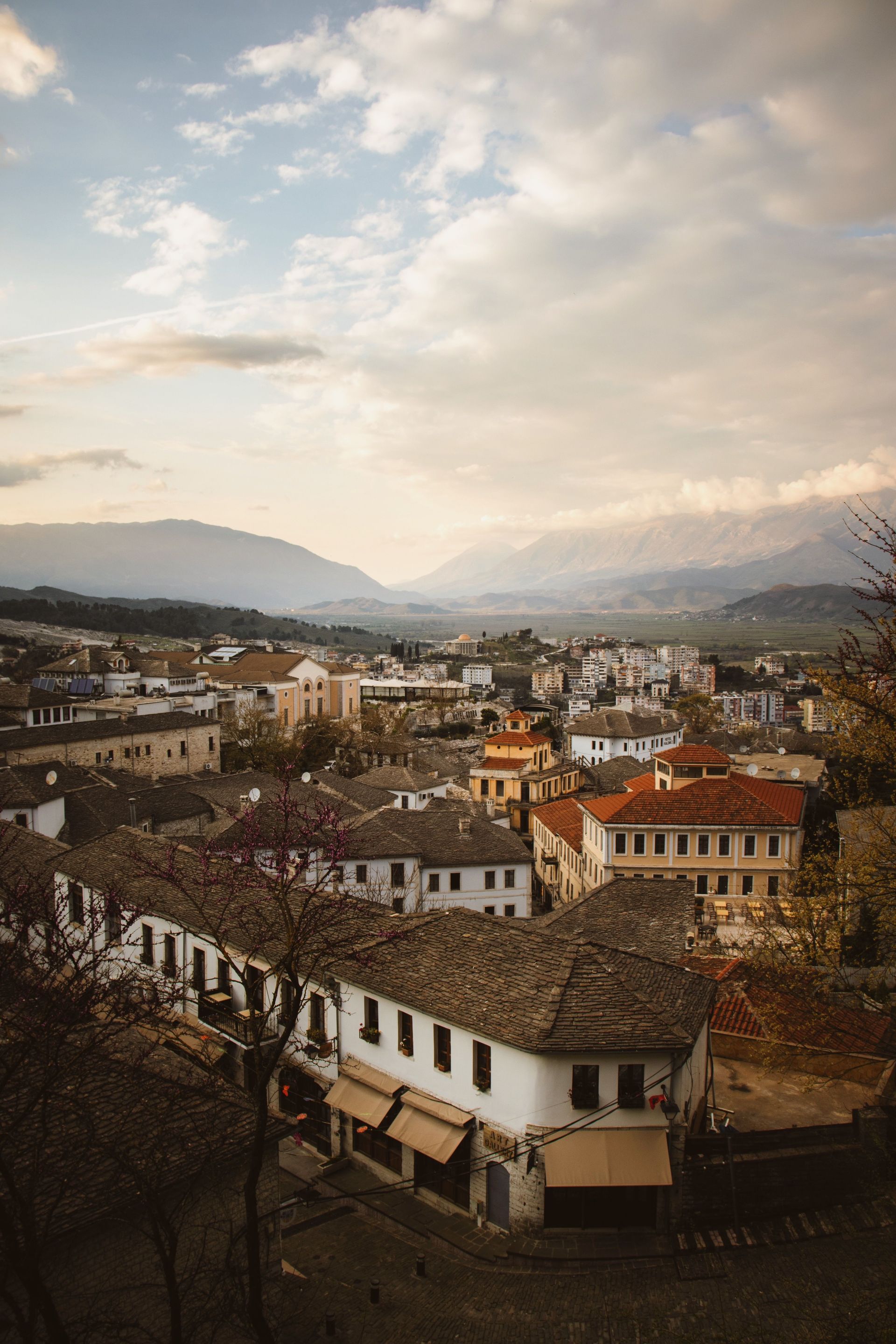
Gjirokastër sits on a hillside in southern Albania, its stone houses stacked above a river valley and topped by a 12th-century fortress that once held political prisoners under Albania's communist regime. UNESCO added the town's old bazaar quarter to its World Heritage list in 2005, recognizing the Ottoman-era architecture that survives largely intact.
The defining feature of Gjirokastër is its stone. Roofs, walls, and streets are built from the same gray limestone quarried nearby, giving the town a unified look that changes color with the light, silver at midday, warmer toward evening. Walking the old town means climbing steep, cobbled lanes between tall stone houses with distinctive overhanging upper floors, a style particular to this part of the Balkans.
The hilltop castle houses a museum covering Albania's military history, including a captured U.S. Air Force plane from the Cold War era. Below the fortress, the old bazaar still functions as a working market, with metalworkers and other craftspeople operating from small stone shops rather than curated tourist stalls.
Albania's currency, the lek, keeps costs low. A restaurant meal with local wine typically runs a fraction of what the same quality would cost in Italy or Greece across the water. Guesthouses in restored Ottoman-era homes offer traditional architecture at prices closer to a mid-range hotel elsewhere in Europe.
Gjirokastër works well as a stop between Albania's capital, Tirana, and the southern coast, roughly two hours from the beaches around Sarandë. Travelers $TRV often pair it with nearby Berat, also included on this list, since both share the same architectural style but offer different atmospheres, Gjirokastër more austere and fortress-like, Berat softer and more residential.
The town's museum ethnographic house, once home to the family of Albania's former communist leader Enver Hoxha, gives insight into domestic life in the region before industrialization changed local building and living patterns. Visiting outside July and August avoids both the heat and the bulk of seasonal travelers heading to the coast.
Berat, Albania
Credit: Amarildo Lezaj 🇦🇱 / Pexels
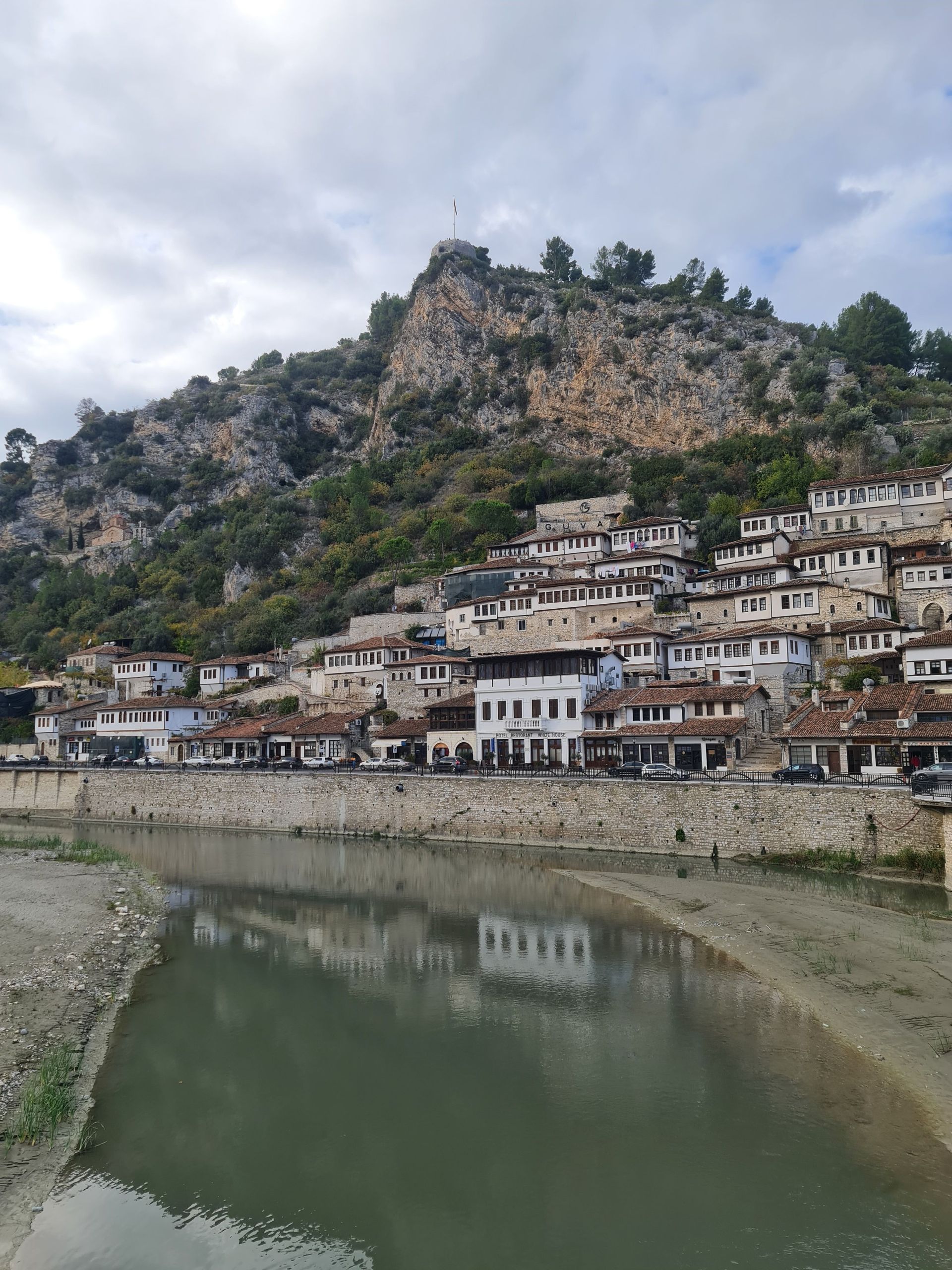
Berat earns its nickname, the city of a thousand windows, from the rows of Ottoman-era houses that climb the hillside above the Osum River, their white facades and dark window frames repeating in tiers up the slope. Like Gjirokastër, it holds UNESCO World Heritage status, granted in 2008, for the density and preservation of its historic quarters.
The town splits into distinct neighborhoods that reward a full day of walking. Mangalem, the Muslim quarter, spreads below the castle hill with narrow streets lined by mosques and traditional houses. Gorica, across the river, developed as the Christian quarter and retains a quieter, more residential feel. A stone footbridge connects the two, offering the clearest view of the tiered white houses that give the city its name.
Berat Castle, still inhabited by families whose homes sit within its walls, dates back over two thousand years in its earliest form, though most of what stands today reflects Byzantine and Ottoman-era construction. Inside, the Onufri Museum houses religious icons and frescoes from the 16th century, painted by the artist Onufri, one of the most significant figures in Orthodox iconography from the region.
Local wine production has become a modest draw, with several small wineries near the town producing varieties from grapes native to the region. Restaurants along the river serve grilled meats and fresh vegetables at prices that remain low even as visitor numbers have grown over the past decade.
Berat sits roughly two and a half hours from Tirana by car or bus, making it accessible as a day trip, though an overnight stay allows time to see the castle at both sunset and sunrise, when the white houses catch the light differently. Guesthouses inside restored historic homes offer character that new hotel construction elsewhere in the region cannot match, often at rates well below comparable properties in Croatia or Italy.
Ohrid, North Macedonia
Credit: Osman Uğuz / Pexels
Ohrid sits on the shore of Lake Ohrid, one of Europe's oldest and deepest lakes, shared between North Macedonia and Albania. The town and the lake together hold UNESCO World Heritage status for both cultural and natural significance, a dual designation shared by very few sites worldwide.
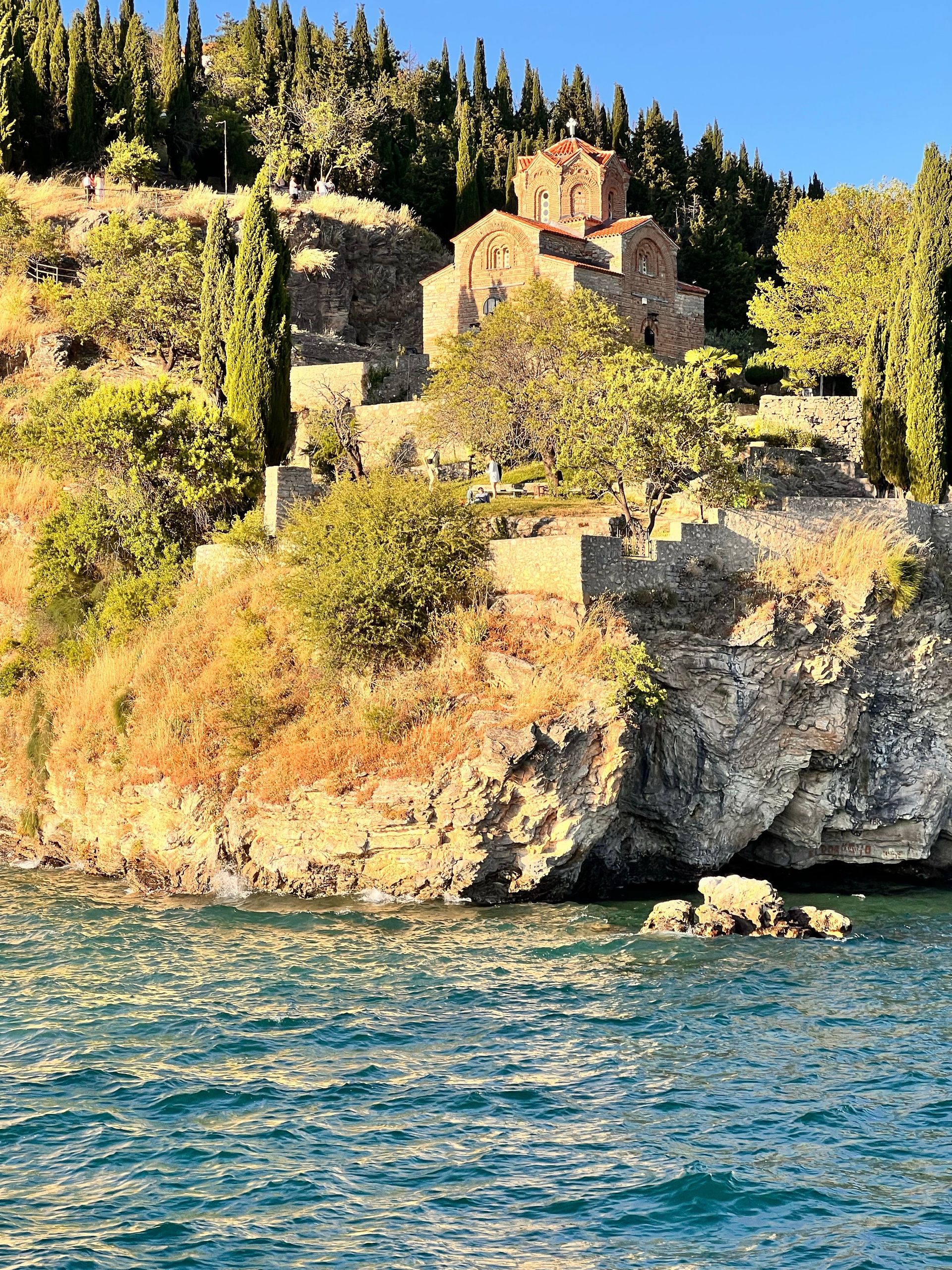
The old town climbs a hill above the lake, its cobbled streets lined with Byzantine-era churches, several dating to the 9th through 13th centuries. The Church of St. John at Kaneo, perched on a cliff directly above the water, has become the most photographed structure in the country, its simple stone walls and red-tiled roof set against the lake below.
Ohrid's history as a center of Slavic literacy runs deep. The Ohrid Literary School, established in the 9th century, played a central role in developing the Cyrillic alphabet used across much of Eastern Europe and Central Asia today. The nearby Plaošnik site includes a reconstructed monastery and church complex tied to this history, alongside archaeological remains from earlier Roman occupation.
Lake Ohrid itself supports a level of biodiversity uncommon in European lakes, including several fish and mollusk species found nowhere else. Swimming, boating, and lakeside dining make up much of the daytime activity in summer, while the old town's cafes and restaurants stay busy into the evening at prices well below those of lake towns in Italy or Switzerland.
North Macedonia's currency, the denar, keeps overall travel costs low, and the country's position outside the eurozone means prices have not adjusted upward the way they have in neighboring EU member states. Ohrid connects to the capital, Skopje, by a two-hour drive, and to Albania's Lake Ohrid shoreline by a short border crossing, allowing travelers to see both sides of the lake without significant added cost or complexity.
Sarajevo, Bosnia and Herzegovina
Credit: Sandin Redzo / Pexels
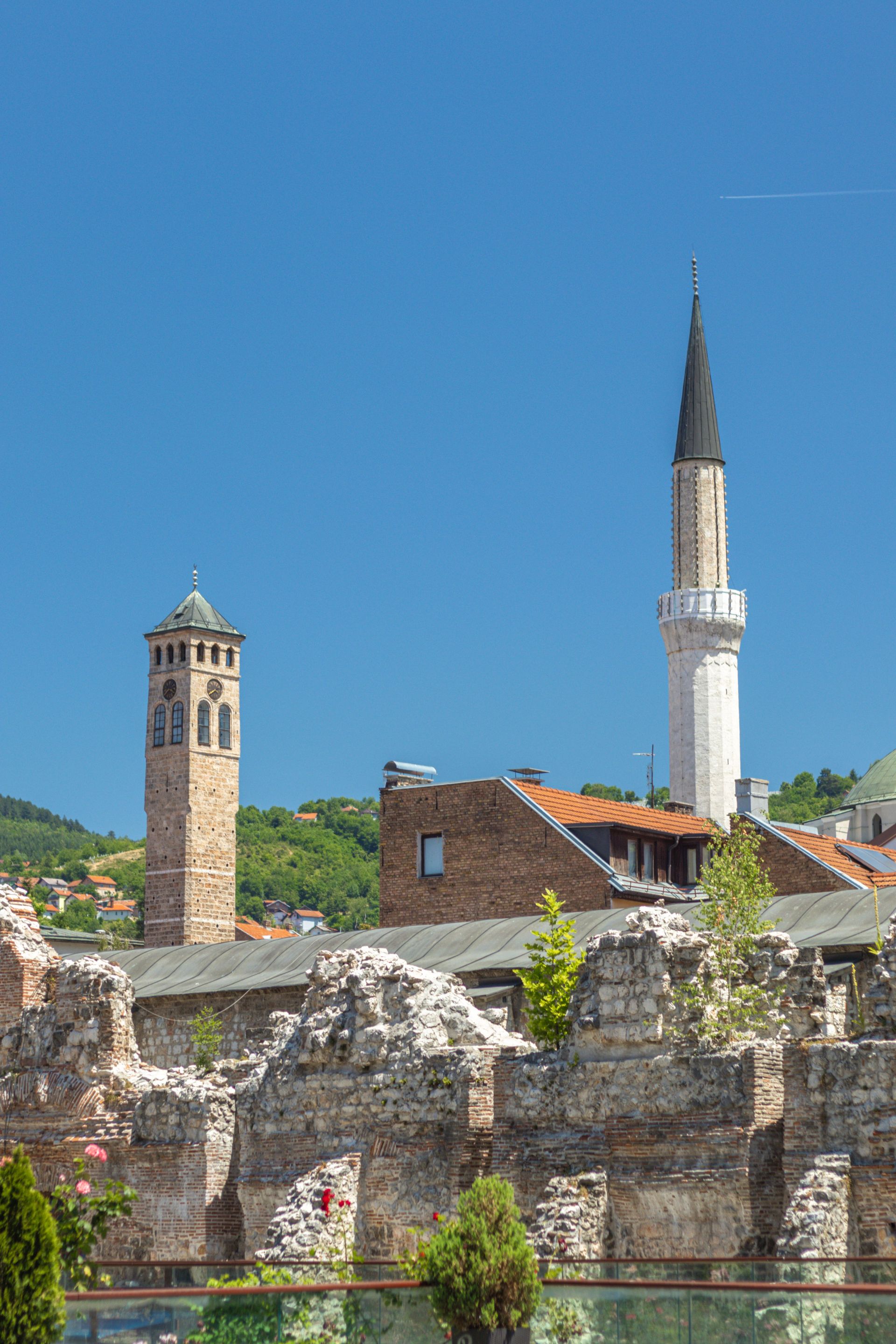
Sarajevo carries visible layers of history within a few city blocks. The Ottoman-era Baščaršija district, with its copper workshops and mosque courtyards, sits a short walk from Austro-Hungarian buildings dating to the late 19th century, which themselves sit near sites tied to the 1990s siege of the city during the Bosnian War.
The city's location, a narrow valley surrounded by hills, shaped both its history and its layout. Streetcars have run through the center since 1885, among the earliest tram systems in Europe. Markers embedded in sidewalks, known locally as Sarajevo roses, mark spots where mortar shell impacts during the siege killed people, a quiet form of memorial integrated into daily foot traffic rather than set apart in a formal monument.
Coffee culture runs central to Sarajevo life. Bosnian coffee, prepared in a copper pot called a džezva and served with a small piece of Turkish delight, forms the basis of a slow social ritual practiced across the Baščaršija cafes. Meals lean heavily on grilled meats, particularly ćevapi, a dish of minced meat sausages served in flatbread, widely considered a benchmark version of a dish found across the Balkans.
The Tunnel of Hope, a preserved section of the tunnel dug beneath Sarajevo's airport during the siege to move supplies and people in and out of the besieged city, sits on the outskirts and functions as one of the more direct historical sites in the region, run largely by a family whose home once contained its entrance.
Bosnia and Herzegovina's currency, the convertible mark, is pegged to the euro but travel costs remain considerably lower than in most EU countries. Hotel rooms in restored buildings near the old town, full meals, and local transport all cost a fraction of comparable options in Vienna or Budapest, cities with which Sarajevo shares architectural DNA from its Austro-Hungarian period.
Trebinje, Bosnia and Herzegovina
Credit: Jocelyn Erskine-Kellie / Pexels
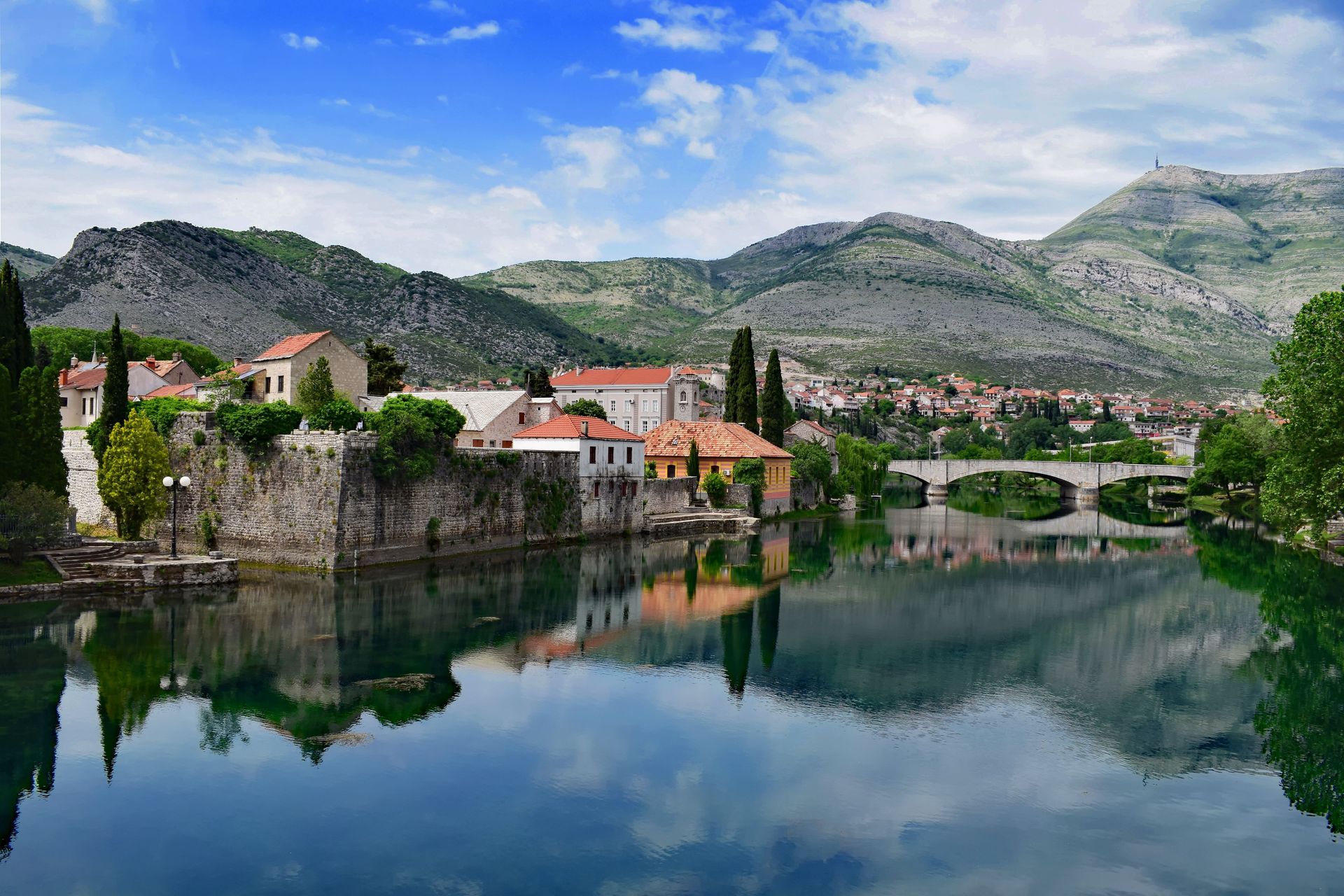
Trebinje sits in the far south of Bosnia and Herzegovina, closer to the Adriatic coast than to Sarajevo, and carries a Mediterranean feel distinct from the rest of the country. Plane trees line the main square, planted during the Austro-Hungarian period, and the Trebišnjica River runs directly through the old town, spanned by the Arslanagić Bridge, an Ottoman-era stone structure moved and reconstructed after a dam project altered the river's course in the 1960s.
The old town's core dates to Ottoman rule, with a walled quarter containing shops, cafes, and a mosque, though much of what stands was reconstructed after damage during the 19th and 20th centuries. Cafes fill the main square in the evening, a local custom known as korzo, where residents walk and socialize rather than sit inside.
Wine production defines much of the surrounding region. Trebinje sits within Herzegovina's wine country, known for the Žilavka white grape variety, and several small producers offer tastings a short drive from the town center. The combination of Mediterranean climate and limestone soil produces wines distinct from those grown in Bosnia's more continental interior.
Nearby, the Hercegovačka Gračanica monastery, built in the early 2000s but modeled closely on a medieval Serbian monastery in Kosovo, sits on a hilltop overlooking the town and offers a clear view of Trebinje's layout below.
Trebinje remains largely overlooked by travelers who fly into Dubrovnik, just over an hour away across the border, despite offering a similar stone architecture and Mediterranean atmosphere at a fraction of the cost. A meal, a glass of local wine, and a night in a family-run guesthouse together typically cost less than a single meal in Dubrovnik's old town during peak season.
Kotor, Montenegro
Credit: Faruk Kaymak / Unsplash
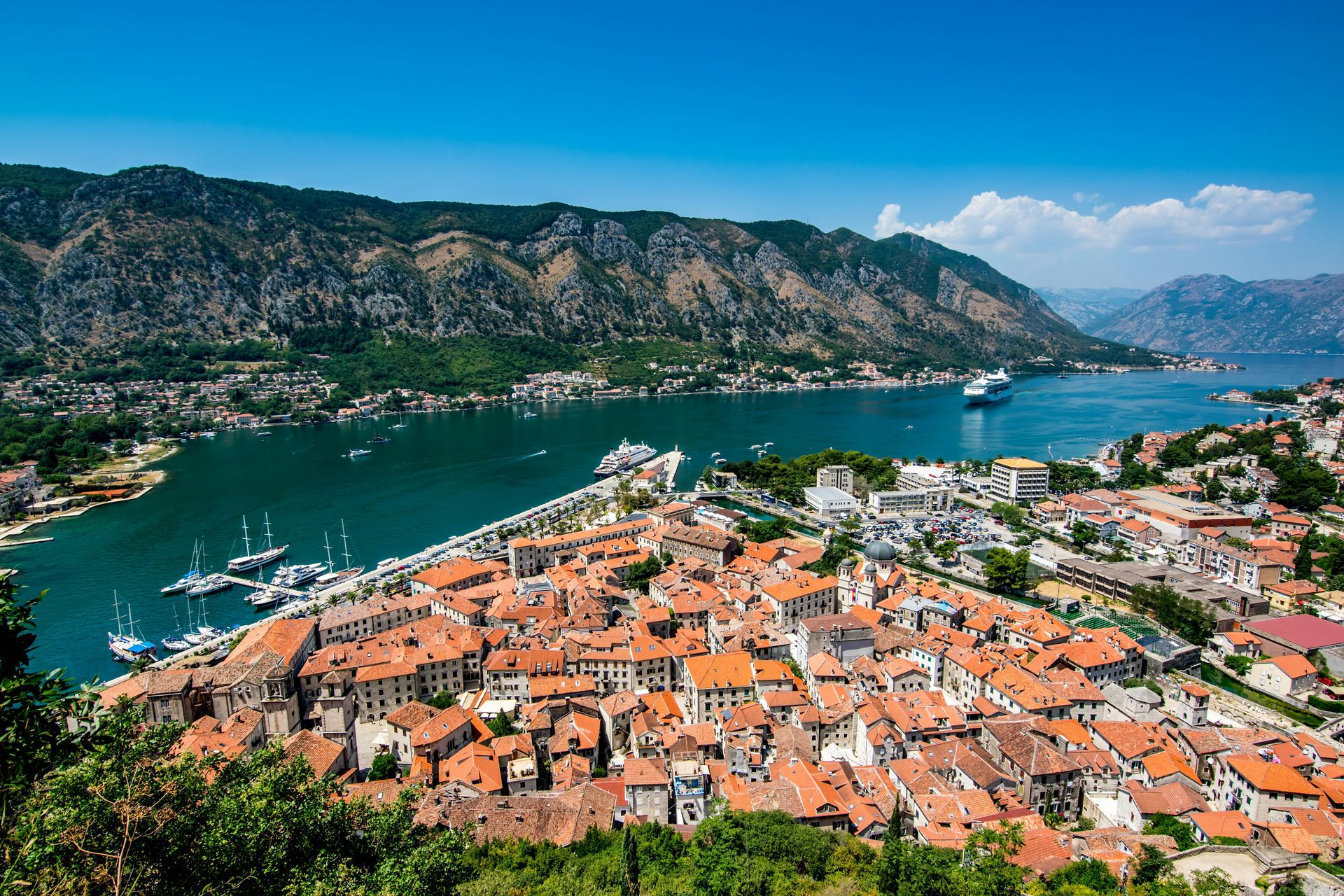
Kotor sits at the head of the Bay of Kotor, a body of water often described, loosely, as Europe's southernmost fjord, though it formed through river erosion rather than glacial activity. Steep limestone mountains rise directly from the water, and the walled old town sits at their base, its fortifications climbing 260 meters up the mountainside to a fortress overlooking the bay.
Venetian rule over several centuries left a clear architectural mark, visible in the old town's squares, churches, and the layout of its narrow stone streets. The Cathedral of Saint Tryphon, consecrated in 1166, anchors the town's main square and has survived multiple earthquakes, including a significant one in 1979 that damaged much of the old town and prompted a long restoration effort.
Climbing the fortress walls to the Church of Our Lady of Remedy, roughly halfway up, and continuing to the Fortress of San Giovanni at the top, offers a view over the entire bay and the terracotta rooftops below. The climb takes most visitors one to two hours and involves uneven stone steps without much shade, so early morning or early evening timing works better than midday.
Kotor has seen visitor numbers grow substantially over the past decade, driven partly by cruise ship traffic that can crowd the old town's narrow streets on days when multiple ships dock. Visiting outside peak cruise hours, generally early morning, avoids much of this congestion.
Montenegro uses the euro despite not being an EU member, which keeps pricing transparent for European travelers, and costs for food, lodging, and transport remain lower than in Croatia just across the border. Perast, a small Venetian-era village a short drive around the bay, offers a quieter alternative base with direct water access and considerably fewer visitors than Kotor's old town itself.
Plovdiv, Bulgaria
Credit: Denitsa Kireva / Pexels
Plovdiv claims a history stretching back roughly 6,000 years, making it one of the oldest continuously inhabited cities in Europe, older than Rome and Athens by most estimates. The city held the title of European Capital of Culture in 2019, which brought infrastructure investment and renewed attention to its historic center without pushing prices to Western European levels.
The old town sits across several hills, its cobbled streets lined with Bulgarian National Revival-era houses, wooden structures with elaborately painted facades and overhanging upper floors built in the 18th and 19th centuries. Many now function as house museums or galleries, offering a look at interior design from the period alongside the architecture itself.
At the base of the old town, a Roman theater dating to the 1st century CE remains in active use for concerts and performances, one of the best-preserved ancient theaters in the region. A separate Roman stadium lies partially excavated beneath the modern pedestrian street, its remaining seating visible at street level in the city center.
Kapana, a district just below the old town, has developed into a creative quarter over the past decade, filled with independent cafes, galleries, and workshops in buildings that were largely vacant or underused before the city's cultural investment began. The district's name translates roughly to "the trap," a reference to its maze-like layout of narrow streets.
Bulgaria's currency, the lev, remains outside the eurozone, and prices across Plovdiv stay noticeably lower than in Bulgaria's capital, Sofia, itself already inexpensive by European standards. A meal in Kapana, a stay in a boutique hotel within a restored Revival-era house, and entry to the city's museums together cost a fraction of a comparable day in Vienna or Prague.
Veliko Tarnovo, Bulgaria
Credit: Barbora Vrzáková / Unsplash
Veliko Tarnovo served as the capital of the Second Bulgarian Empire from the late 12th century until the Ottoman conquest in 1393, and the ruins of that period still dominate the city's skyline. Tsarevets Fortress, built on a hill surrounded on three sides by a bend in the Yantra River, contains the remains of royal palaces, churches, and defensive walls, along with a reconstructed patriarchal cathedral visible from across the valley.
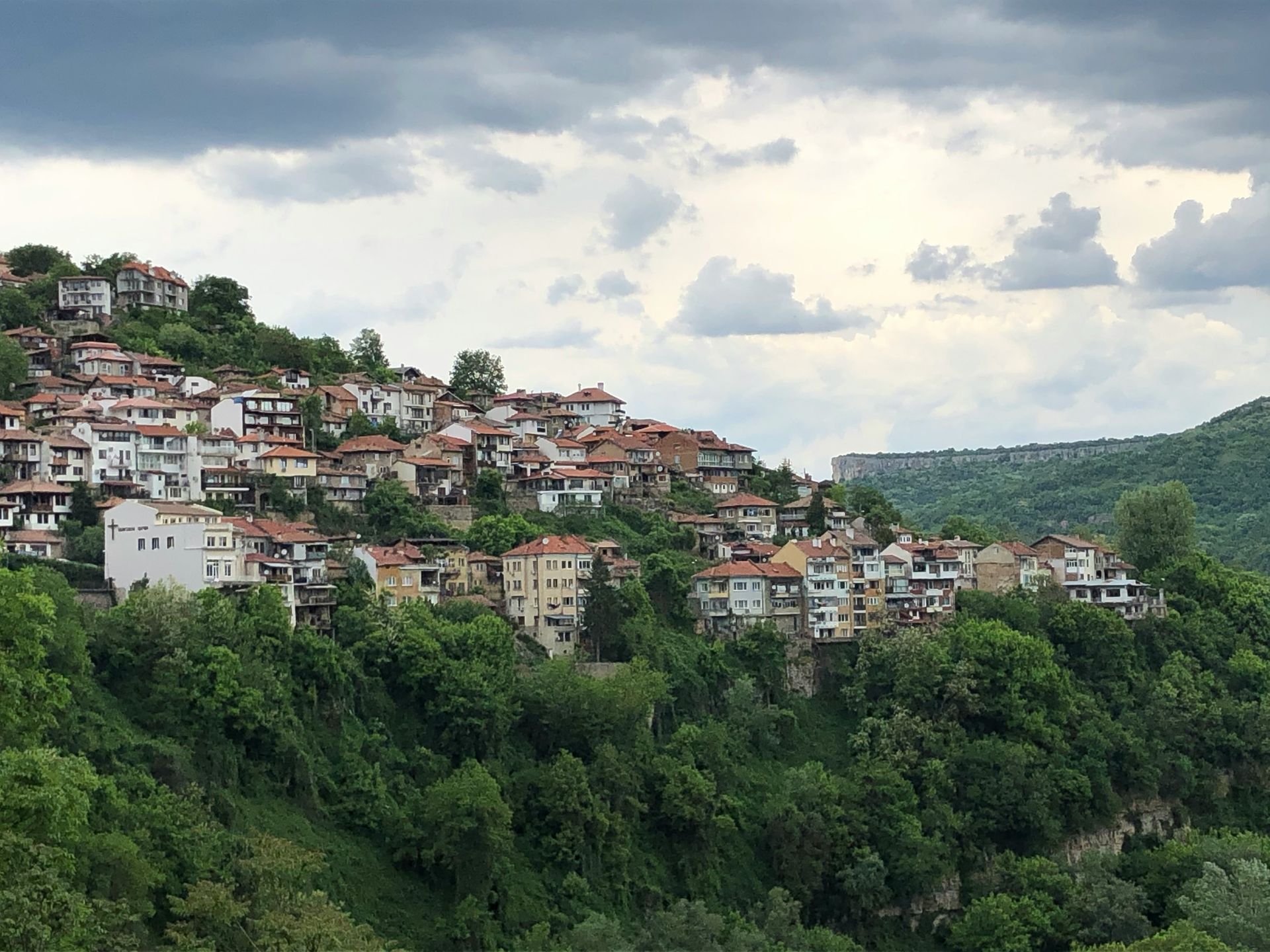
The city's terrain defines its character. Houses built into the steep hillsides overlook the river gorge below, with the old quarter's streets winding along contours rather than a grid. Samovodska Charshia, the old craft district, preserves workshops for pottery, woodworking, and metalwork, some still operated by the same families for multiple generations.
A sound and light show projected onto Tsarevets Fortress after dark, using colored lighting and recorded narration, has run for decades and remains one of the more distinctive evening activities available in the city, though schedules vary seasonally and are worth checking locally rather than assuming a fixed timetable.
Veliko Tarnovo functions as a university city as well as a historic one, home to St. Cyril and St. Methodius University, which keeps the town active outside tourist season and supports a range of affordable restaurants and cafes aimed at students rather than visitors.
The city sits roughly three hours from Sofia and just over an hour from Plovdiv, making it feasible to combine with other stops on this list within a single Bulgaria itinerary. Lodging in guesthouses overlooking the gorge, often converted from historic homes, costs considerably less than equivalent river or valley views would command in Central Europe, and the same holds for meals featuring the grilled meats and stewed vegetable dishes common across Bulgarian regional cooking.
Sibiu, Romania
Credit: Elenav / Pexels
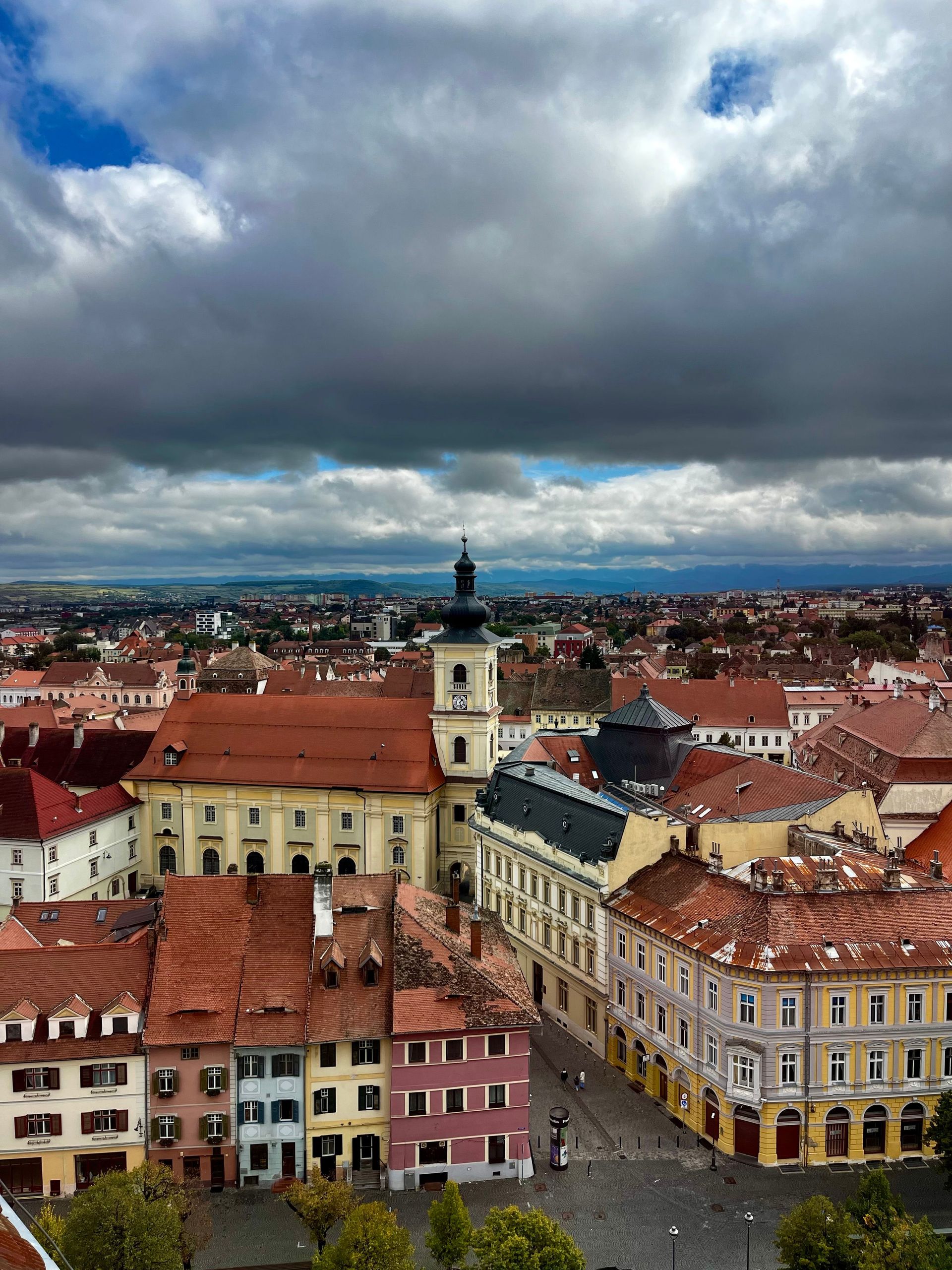
Sibiu anchors Transylvania's Saxon heritage, founded by German settlers in the 12th century and shaped over centuries by their guilds and architecture. The city held the title of European Capital of Culture in 2007, an early recognition that helped fund restoration work across its historic squares without triggering the price surges seen in more heavily marketed destinations.
The Piaţa Mare, or Great Square $SQ, forms the heart of the old town, ringed by pastel-colored buildings whose steeply pitched roofs contain narrow, slit-like dormer windows locally nicknamed the eyes of Sibiu, designed originally for ventilating grain storage in the attics. A network of covered passages and staircases connects the upper and lower towns, remnants of the city's medieval fortifications.
The Brukenthal National Museum, housed in an 18th-century baroque palace on the main square, holds one of Romania's most significant art collections, including works by European masters alongside Transylvanian Saxon artifacts. Outside the museum, the ASTRA National Museum Complex, a short distance from the city center, preserves an open-air collection of traditional rural buildings relocated from across the region.
Sibiu's Christmas market, running through December, has grown into one of the more established seasonal markets in Eastern Europe, drawing visitors from across the region, though it remains considerably smaller and less commercial than markets in Germany or Austria.
Romania's currency, the leu, keeps costs low relative to the rest of the EU, and Sibiu in particular benefits from strong local tourism infrastructure built up since its Capital of Culture year without the international rents that follow similar designations elsewhere. Direct flights from several European cities have made Sibiu increasingly accessible, though visitor numbers remain modest compared with Prague or Budapest, both a similar distance from most of Western Europe.
Cluj-Napoca, Romania
Credit: Czapp Árpád / Pexels
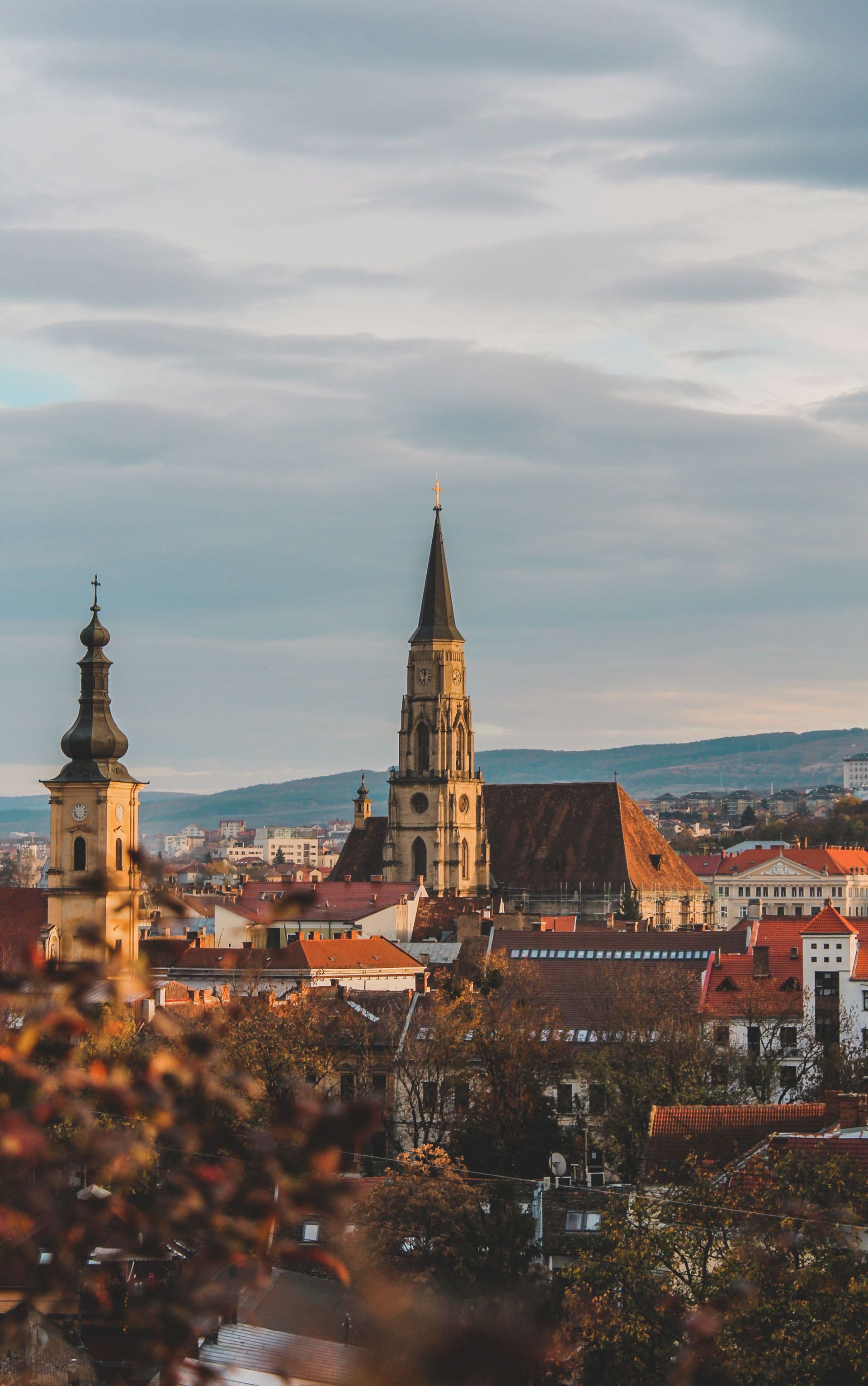
Cluj-Napoca, generally shortened to Cluj, functions as Romania's unofficial second city, a university and technology hub that has grown rapidly without losing its Austro-Hungarian architectural core. St. Michael's Church, a Gothic structure on the main square dating to the 14th and 15th centuries, anchors a city center lined with buildings from the Habsburg period, when the city operated under the name Klausenburg.
Cluj's identity splits between its historic layer and a genuinely contemporary one. Babeș-Bolyai University, one of Romania's largest, keeps the population young and supports a restaurant and bar scene that caters to residents rather than tour groups, keeping prices low even as the city has developed a reputation within Romania as an expensive place to live by national standards.
The Botanical Garden, one of the largest in Eastern Europe, spreads across several hillside terraces near the city center and includes a Japanese garden section along with extensive greenhouse collections. Nearby, the Turda Salt Mine, roughly a 40-minute drive away, has converted a former industrial salt mine into an underground amusement park and event space, complete with a Ferris wheel and boating lake carved into the rock.
Cluj has developed a strong contemporary art presence, centered on the Paintbrush Factory, a former industrial complex converted into studio and gallery space that hosts several of the city's most active galleries.
Direct flights connect Cluj to numerous European cities, and the airport has expanded its route network substantially in recent years, making the city increasingly practical as a starting point for a Transylvania itinerary rather than only a stopover. Prices for dining, lodging, and transport remain considerably below Western European norms, even as the city's cost of living has risen relative to the rest of Romania.
Novi Sad, Serbia
Credit: Borys Jarzcuk / Pexels
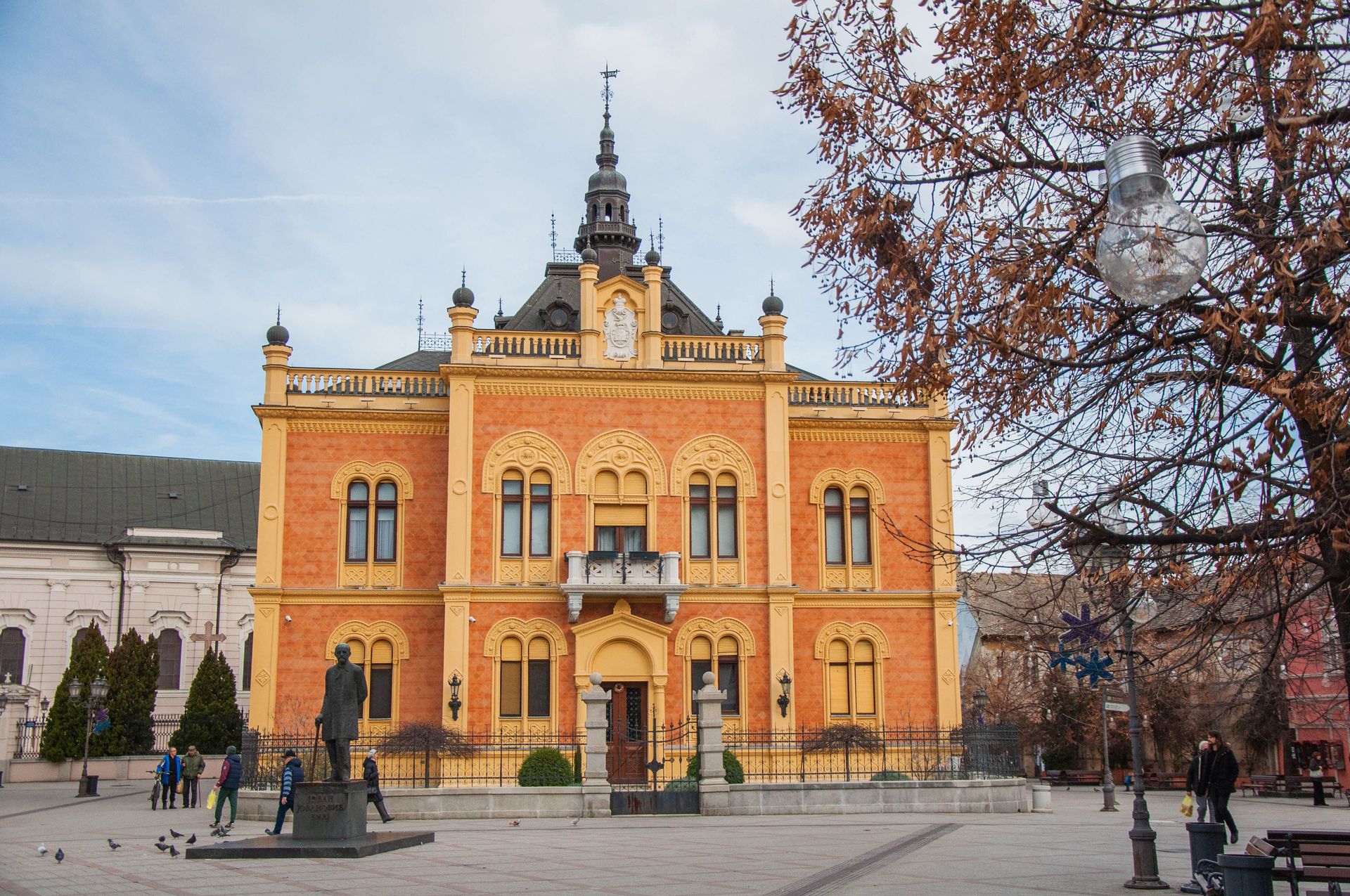
Novi Sad sits on the Danube River in Serbia's Vojvodina region, a flat, multicultural area shaped by Habsburg rule and later Yugoslav administration. The city held the title of European Capital of Culture in 2022, the first Serbian city to receive the designation, which brought renovation to its historic core and cultural venues.
Petrovaradin Fortress, on the opposite bank of the Danube from the main old town, dominates the skyline with its baroque fortifications built by the Habsburgs in the 17th and 18th centuries. Beneath the fortress, a network of tunnels stretches for kilometers, largely unmapped in total and only partially open for guided tours. The fortress grounds also host the EXIT music festival each July, an event that draws international performers and has raised the city's profile among younger travelers across Europe.
The old town itself, on the west bank, centers on Zmaj Jovina Street, a pedestrian corridor lined with Austro-Hungarian buildings leading to Liberty Square $SQ and the neo-Gothic Name of Mary Church, its tiled roof one of the more photographed details in the city.
Vojvodina's flat agricultural land surrounds the city, supporting a regional food culture built on fresh produce and river fish, distinct from the grilled-meat-heavy cooking found further south in Serbia. Restaurants along the Danube's Štrand beach area serve this cuisine at prices well below those of river cities further west in Europe, such as Vienna or Budapest.
Serbia's currency, the dinar, remains outside the eurozone, keeping travel costs low. Novi Sad connects to Belgrade by a roughly one-hour train ride, making it feasible as a day trip from the capital, though the depth of its fortress complex and old town architecture rewards a longer stay.
Wrocław, Poland
Credit: Kostas Dimopoulos / Pexels
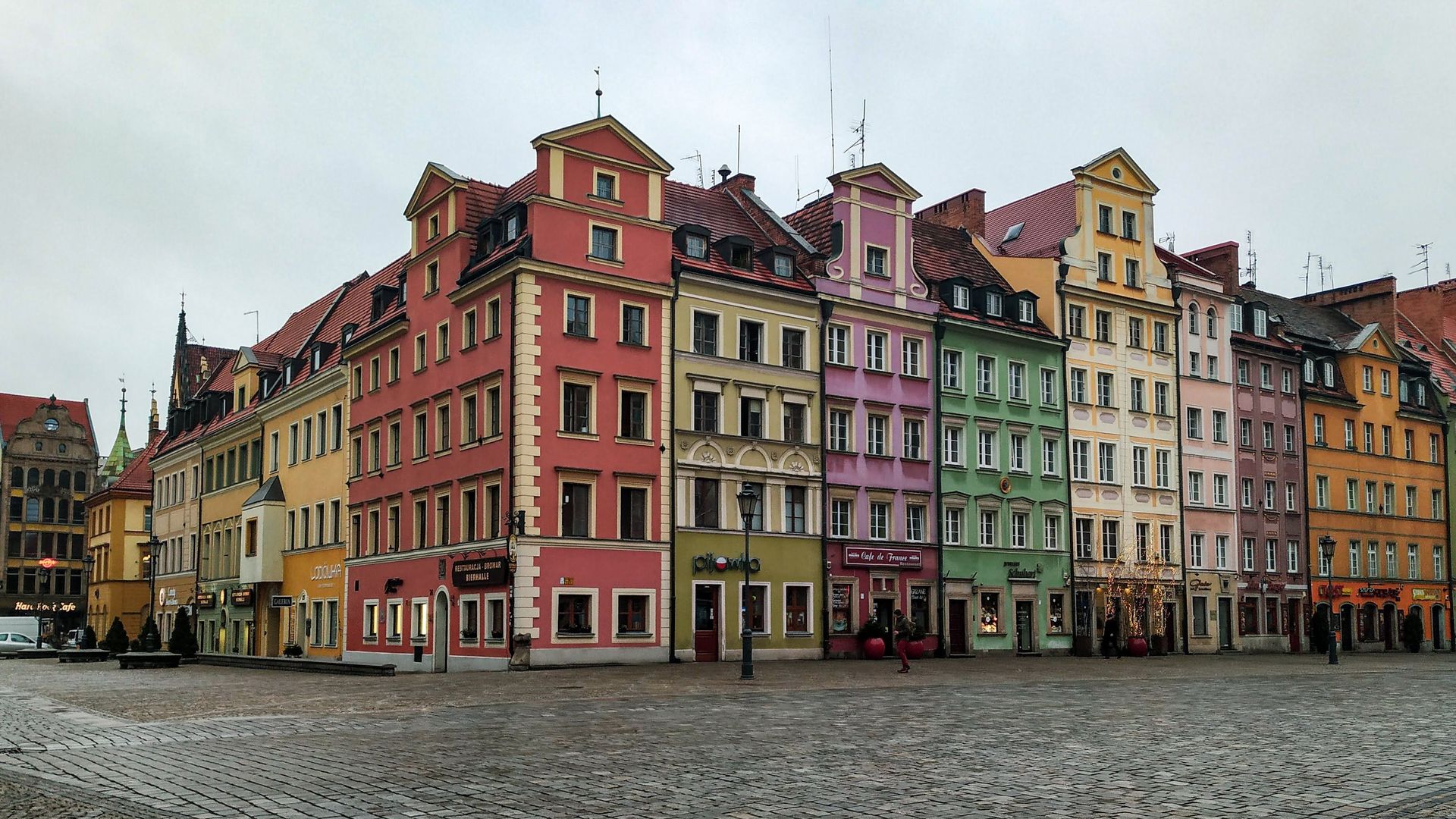
Wrocław sits on the Oder River in southwestern Poland, a city rebuilt almost entirely after suffering severe destruction during a 1945 siege near the end of World War Two. What stands today is a careful reconstruction of the city's Gothic and baroque core, centered on a market square, or Rynek, ranked among the largest in Europe and ringed by colorfully painted merchant houses.
The city's most distinctive feature is smaller and stranger than its architecture. Wrocław is home to several hundred bronze dwarf statues, called krasnale, scattered throughout the streets in a public art project that began in 2001 as a tribute to an anti-communist resistance movement from the 1980s that used dwarf imagery as a symbol. Finding them has become an informal activity for visitors walking the old town.
Ostrów Tumski, the city's oldest district and once a separate island before river channels were filled in, holds Wrocław's cathedral and a cluster of churches dating to the medieval period, illuminated by gas lamps still lit by hand each evening by a municipal lamplighter.
The Centennial Hall, a reinforced concrete structure completed in 1913 and designated a UNESCO World Heritage site, represented an engineering advance for its time and now hosts events alongside a Japanese garden and multimedia fountain in the surrounding park.
Poland's currency, the złoty, keeps prices low relative to Western Europe, and Wrocław in particular remains less visited than Kraków despite comparable architectural density. Direct flights connect the city to much of Europe, and a meal, museum entry, and a night's lodging together typically cost noticeably less than the same combination in Kraków's more heavily touristed old town.
Zamość, Poland
Credit: Anna Rynkowska / Pexels
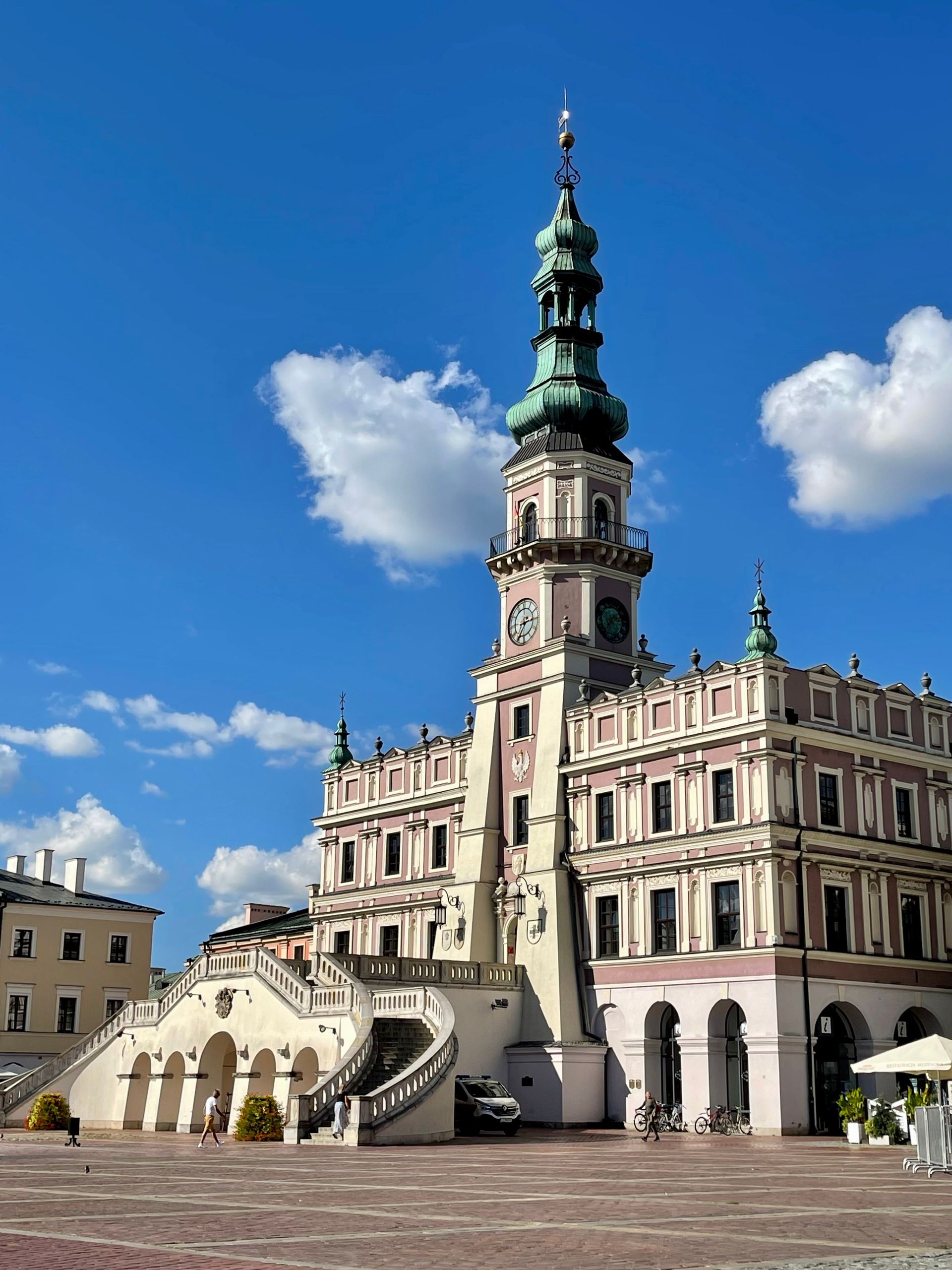
Zamość was built from scratch in the late 16th century as a planned Renaissance city, commissioned by Polish chancellor Jan Zamoyski and designed by Italian architect Bernardo Morando. Rather than developing organically over centuries, the entire old town follows a single coherent design, laid out on a grid with a large central market square and defensive fortifications, earning it recognition as a UNESCO World Heritage site.
The market square, Rynek Wielki, is lined with arcaded merchant houses in shades of pink, yellow, and blue, their facades decorated with stucco ornamentation from the original construction. The town hall, with its distinctive fan-shaped staircase added in the 18th century, anchors one side of the square and remains the most photographed structure in the city.
Zamość's planned layout reflected Renaissance ideas about ideal urban design that were rarely executed at this scale, making the town a rare complete example rather than a partial or reconstructed one. The surrounding fortifications, though modified over the centuries, still trace the star-shaped defensive perimeter typical of Renaissance military architecture.
The city sits in eastern Poland, close to the border with Ukraine, a location that kept it somewhat removed from the main tourist routes that run through Kraków and Warsaw. This distance from the primary circuit has helped preserve both the physical fabric of the old town and the affordability of visiting it.
Restaurants around the main square serve Polish and regional Lubelszczyzna cuisine at prices below those in Poland's more visited cities, and lodging in the handful of guesthouses within the old town costs a fraction of a comparable historic-center stay in Kraków or Warsaw. Zamość works well as part of a broader eastern Poland itinerary, though it also functions as a worthwhile standalone stop for travelers focused specifically on Renaissance architecture and urban planning.
Tartu, Estonia
Credit: Cayambe / Wikimedia Commons (CC BY-SA 4.0)
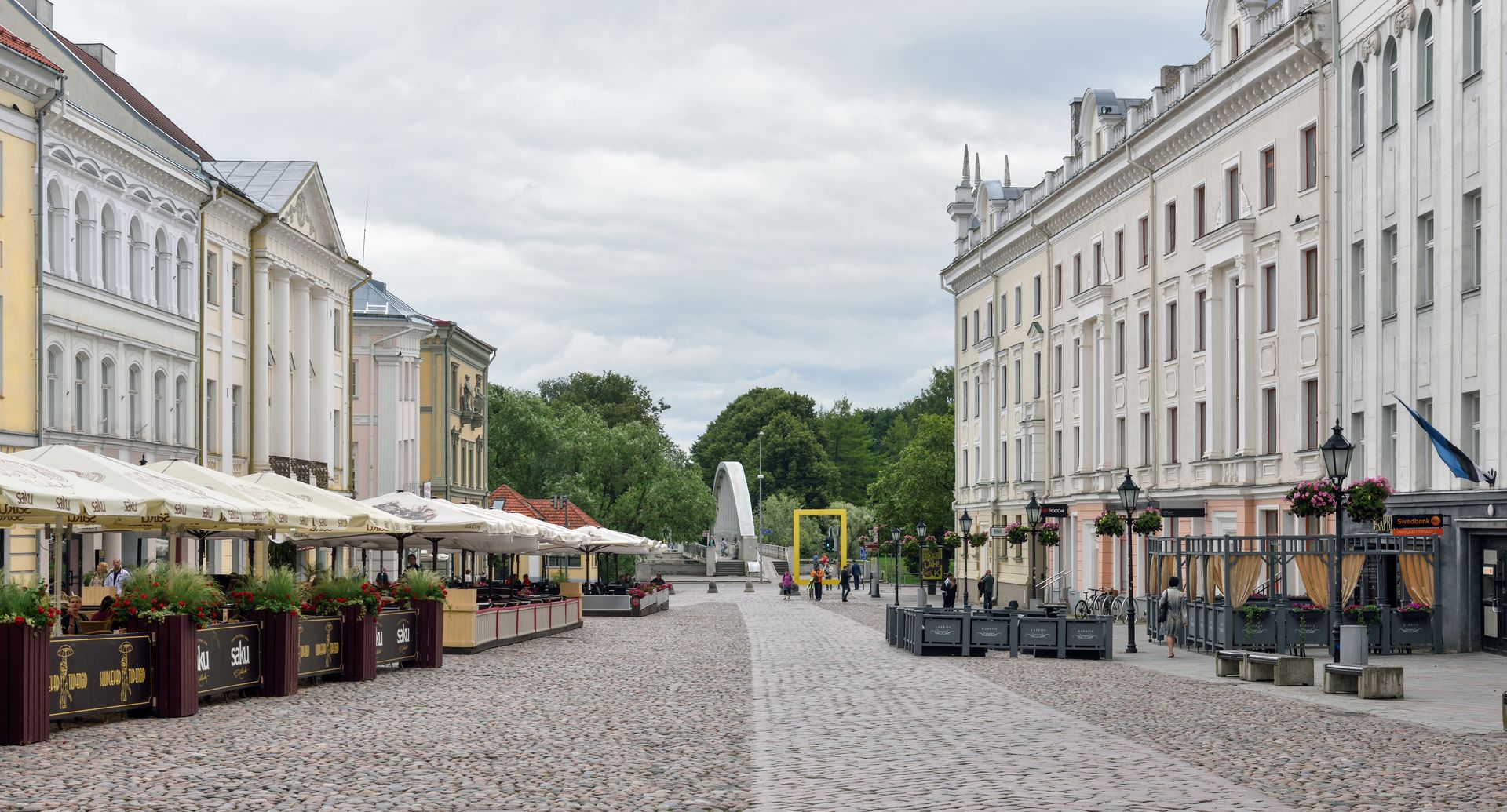
Tartu holds the title of Estonia's intellectual capital, built around the University of Tartu, founded in 1632 under Swedish rule and now one of the oldest universities in Northern Europe. The city's identity centers on this academic history, visible in its neoclassical main university building, its observatory, and a student culture that keeps prices and pace noticeably more relaxed than in the capital, Tallinn.
The Town Hall Square $SQ forms the city's core, a pastel-colored plaza anchored by a fountain depicting two students kissing under an umbrella, a piece that has become an informal symbol of the city since its installation in the 1990s. Toomemägi Hill, just behind the square, holds the ruins of a medieval cathedral alongside a park landscaped in the 19th century, including one of the oldest surviving suspension bridges in Estonia, built for pedestrian use in 1913.
Tartu carries a reputation within Estonia as more politically progressive and intellectually inclined than Tallinn, a distinction that traces partly to its status as the country's cultural resistance center during Soviet occupation. Tartu held the European Capital of Culture title jointly with the surrounding region in 2024, which brought renewed infrastructure investment to the riverside area along the Emajõgi.
The AHHAA Science Centre, one of the largest of its kind in the Baltic states, draws families with interactive exhibits, while the Estonian National Museum, housed in a striking modern building on the city's edge, covers Estonian ethnography and history in depth.
Estonia's use of the euro keeps pricing transparent, and Tartu's costs run noticeably below those in Tallinn, itself already inexpensive relative to Helsinki or Stockholm across the Baltic Sea. A meal, a museum visit, and a night's stay together typically cost less in Tartu than a single one of those items might in the Nordic capitals nearby.
Cēsis, Latvia
Credit: Krista Glīzdeniece / Pexels
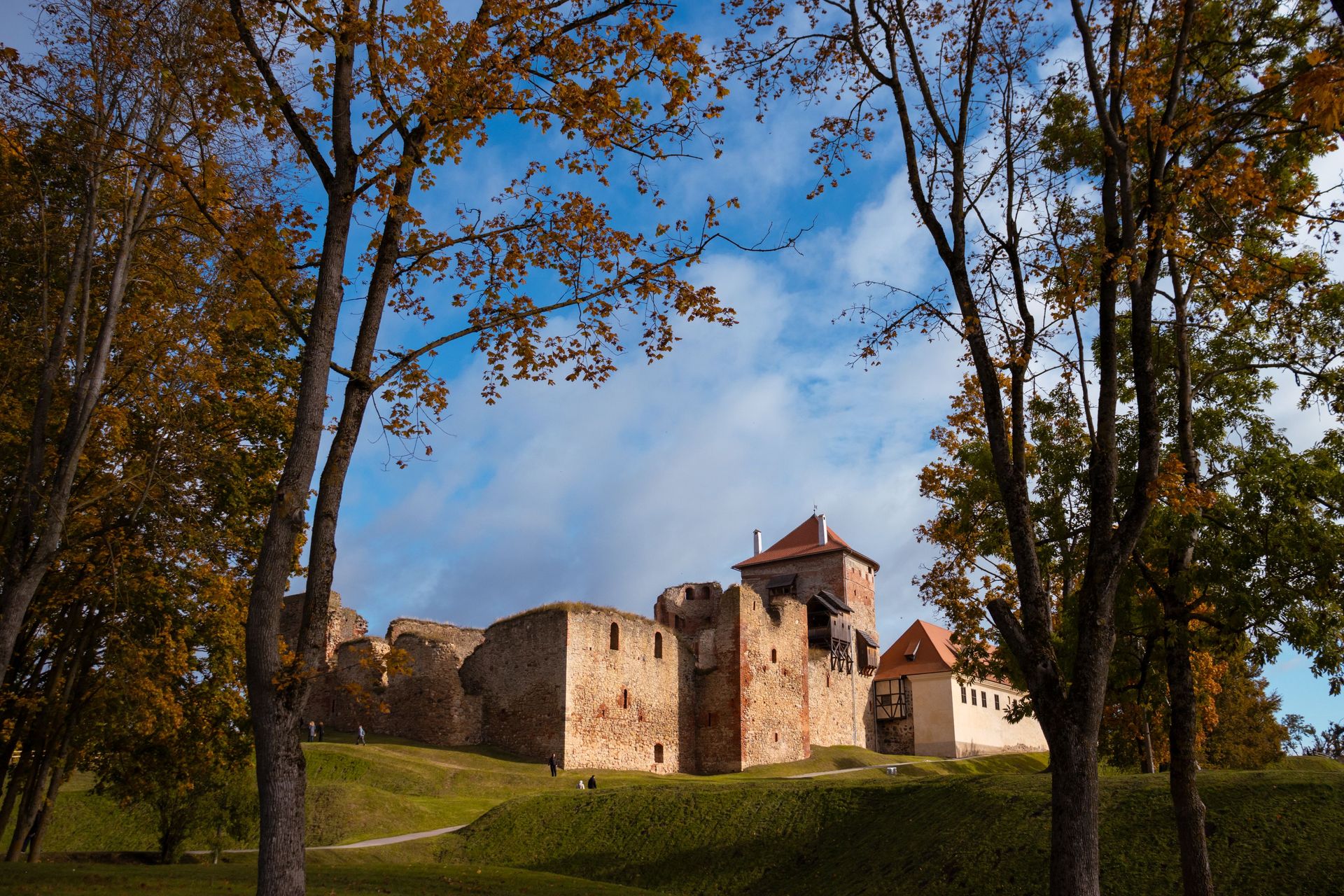
Cēsis sits roughly ninety minutes from Riga in Latvia's Vidzeme region, a small medieval town built around a castle complex that dates to the early 13th century, when the Livonian Order established a fortress on the site. Unlike many European castles rebuilt repeatedly over the centuries, parts of Cēsis Castle remain genuinely ruined, and visitors can explore the dark stone towers by candlelit lantern, a deliberate choice that preserves the atmosphere of the original unlit interior.
The town itself sits within a national park, Gauja National Park, Latvia's oldest and largest protected area, known for sandstone cliffs, pine forests, and the Gauja River valley that surrounds Cēsis on several sides. Hiking and cycling trails connect the town to nearby attractions without requiring a car, a rarity in much of rural Eastern Europe.
Cēsis Castle's grounds include a newer manor house, built in the 18th century after the original fortress fell into disuse, which now functions as a museum and event space distinct from the medieval ruins. Local craft beer production has also become a modest draw, with several small breweries in the area producing beer using regional ingredients and traditional methods.
The town's main square and church, St. John's, both reflect a smaller-scale version of the Hanseatic architectural style found in larger Baltic cities like Riga and Tallinn, without the crowds that now fill those cities' old towns for much of the year.
Latvia's use of the euro keeps costs straightforward for European travelers, and Cēsis in particular remains inexpensive relative to Riga, itself already affordable by Western European standards. A day trip from Riga is feasible by regional train, though an overnight stay allows time for the castle's evening lantern tours and a full day in the surrounding national park.
Vilnius, Lithuania
Credit: Mr Alex Photography / Pexels
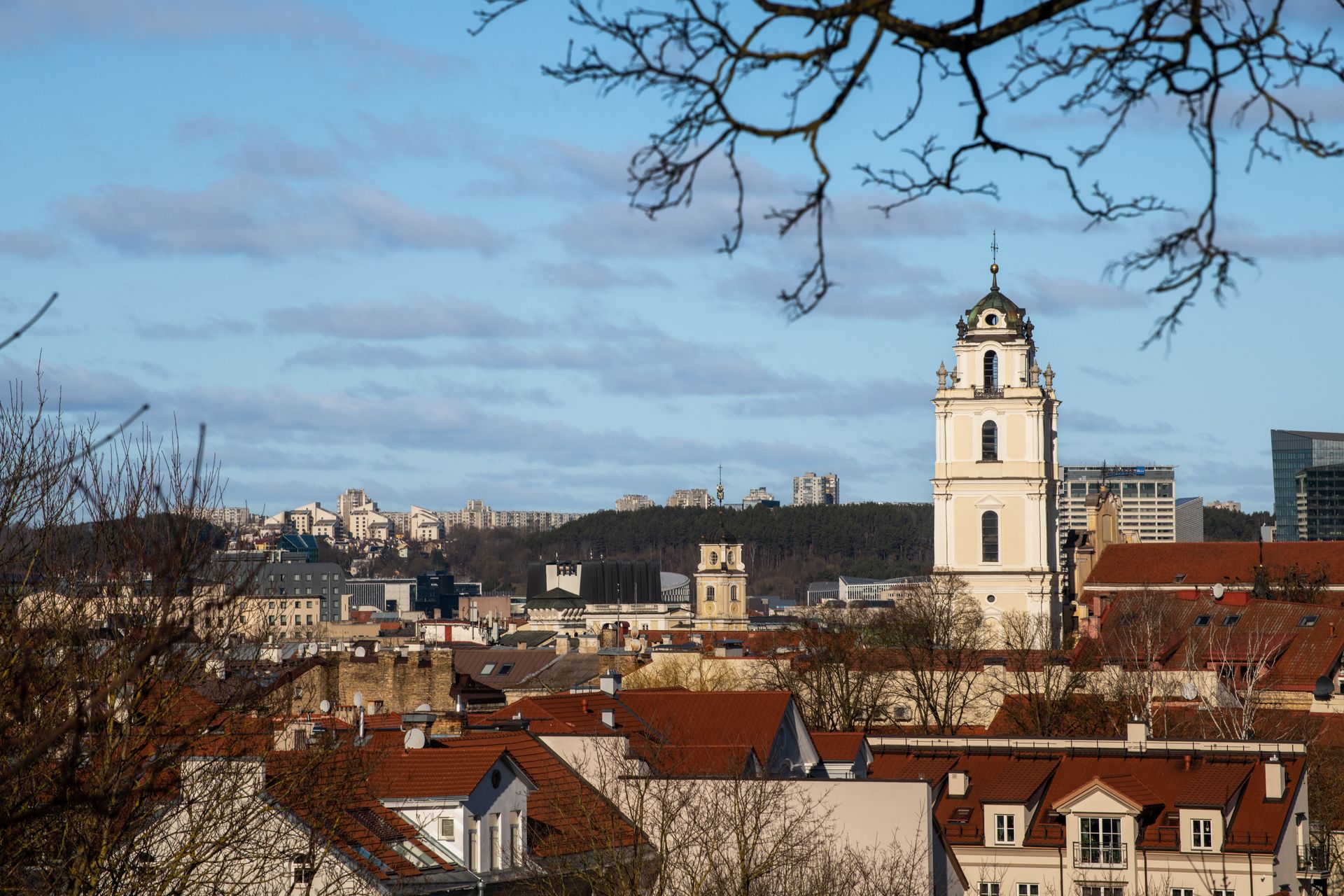
Vilnius holds one of the largest baroque old towns in Europe, a UNESCO World Heritage site shaped by centuries of Polish-Lithuanian Commonwealth rule, Russian imperial control, and a Jewish community that once made the city a major center of Talmudic scholarship, earning it the nickname the Jerusalem of the North before the community was largely destroyed during the Holocaust.
The old town's streets wind past dozens of churches representing multiple architectural styles and religious traditions, including St. Anne's Church, a Gothic brick structure famous enough, according to local legend, that Napoleon wanted to carry it back to Paris stone by stone. Gediminas Tower, the surviving remnant of the city's original castle complex, sits atop a hill overlooking the old town and offers the clearest view of the city's layout below.
Užupis, a small district across the Vilnia River from the old town, declared itself an independent republic in a satirical gesture in 1997, complete with its own constitution posted on a wall in multiple languages, its own flag, and an annual celebration of its founding. The district has developed into an arts quarter filled with galleries and cafes, retaining an informal, unpolished character distinct from the more manicured old town nearby.
Vilnius's Jewish heritage sites, including the Choral Synagogue, one of the few in the city to survive the 20th century, and a network of memorials marking the former ghetto, provide a serious counterpoint to the old town's lighter attractions.
Lithuania's use of the euro simplifies pricing, and Vilnius remains one of the more affordable EU capitals, with restaurant meals, museum admission, and hotel rooms priced well below equivalents in Western European capitals of similar historical density, such as Prague or Vienna. Direct flights connect Vilnius to a growing number of European cities, keeping the trip logistically simple.
Nicosia, Cyprus
Credit: öykü su / Pexels
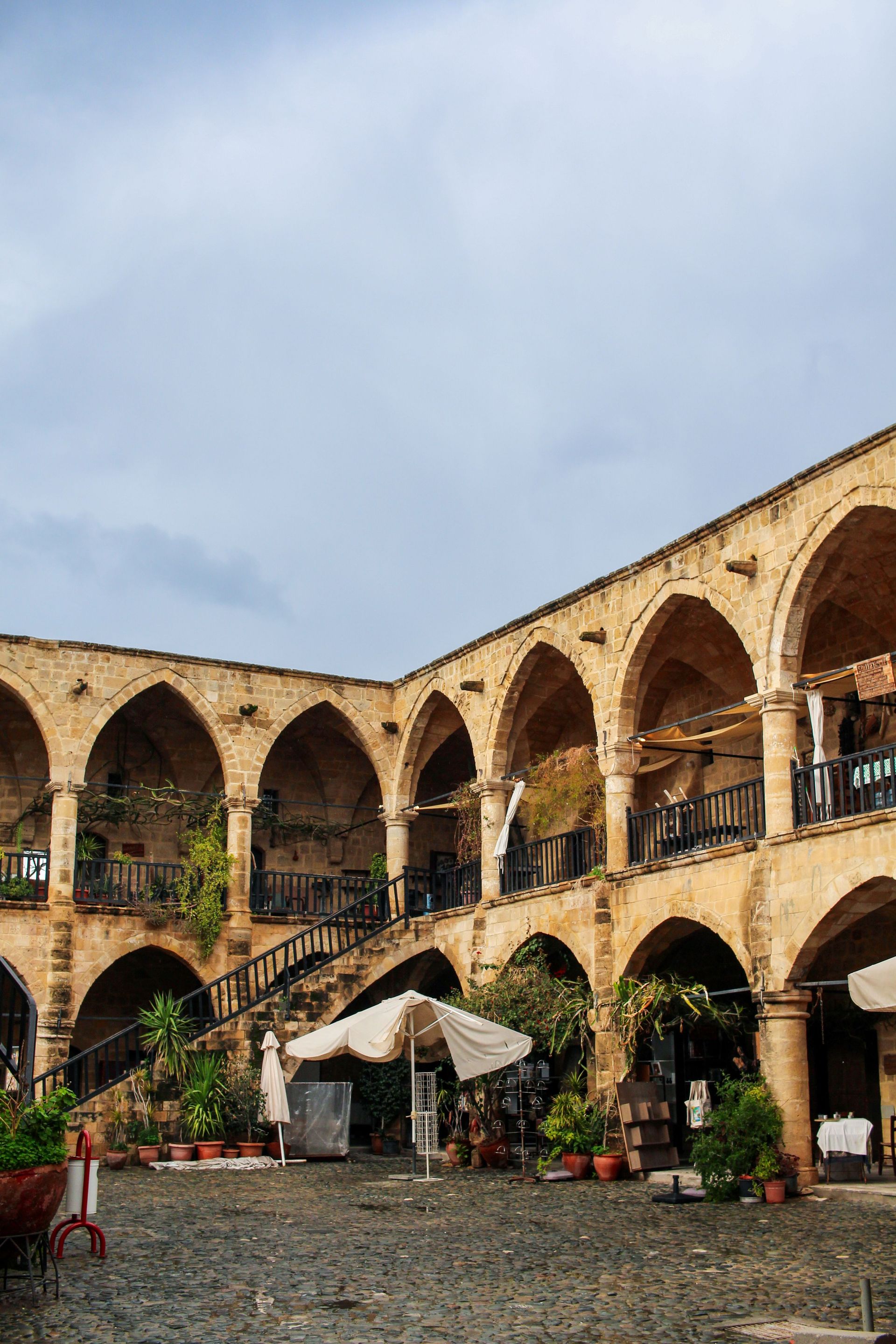
Nicosia holds the distinction of being the last divided capital city in Europe, split since 1974 between the Republic of Cyprus and the Turkish-controlled north, a division marked by a UN buffer zone, known locally as the Green Line, running directly through the old town. Crossing between the two sides requires only a passport check at a handful of pedestrian checkpoints, making the division itself one of the city's more distinctive features for visitors.
The Venetian-built city walls, constructed in the 16th century in a star-shaped design, still ring the old town on both sides of the divide, their scale visible from above and their bastions now used variously as parks, cultural venues, and administrative buildings. Ledra Street, the main pedestrian crossing point, runs directly through a checkpoint, allowing visitors to walk from the Greek Cypriot side to the Turkish Cypriot side within a matter of minutes.
On the Turkish Cypriot side, the Selimiye Mosque, originally built as a Gothic cathedral in the 13th century and converted after the Ottoman conquest of Cyprus, retains its Gothic exterior alongside minarets added centuries later. On the Greek Cypriot side, the Cyprus Museum houses the island's most significant archaeological collection, spanning the Neolithic period through Roman rule.
Nicosia sees far fewer visitors than Cyprus's coastal resort towns, most travelers to the island heading directly to beach destinations like Ayia Napa or Paphos rather than the inland capital, which keeps prices for food and lodging noticeably lower than the coast during peak summer months.
Cyprus's currency, the euro on the Republic side and the Turkish lira on the northern side, means costs vary depending on which side of the city a traveler spends time in, though both remain inexpensive relative to Mediterranean coastal destinations in Italy, Spain, or the Greek islands.
Cáceres, Spain
Credit: Fotografías de El Puerto de Santa María / Pexels
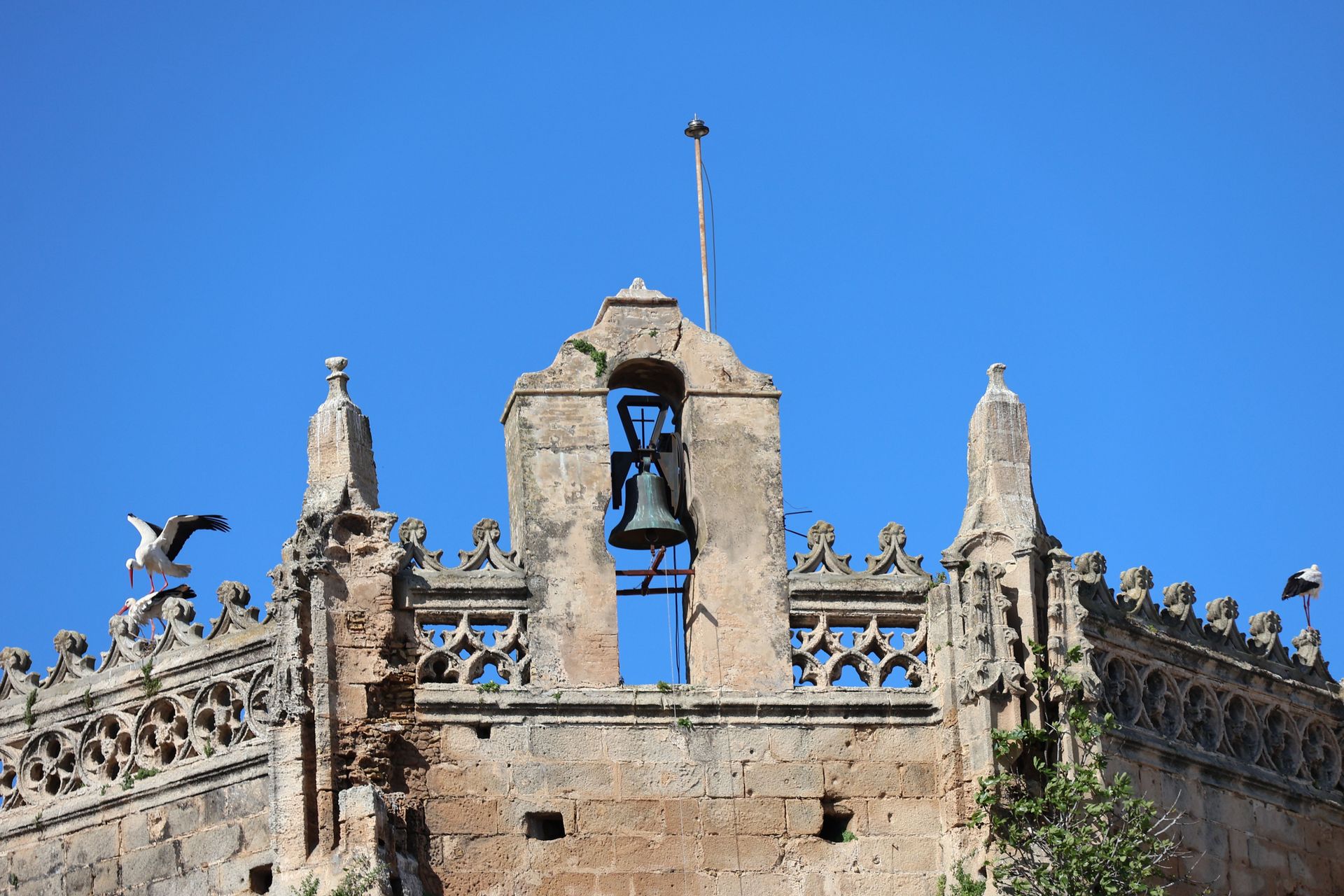
Cáceres sits in the Extremadura region of western Spain, a part of the country that receives comparatively few visitors despite containing one of Spain's best-preserved medieval old towns. The historic center, a UNESCO World Heritage site since 1986, contains a dense concentration of towers, palaces, and walls built by a succession of Roman, Moorish, and Christian rulers, with almost no modern construction visible within the old walls.
Storks nest on many of the towers that rise above the old town's rooftops, a detail that has become part of the city's visual identity and a protected feature under local ordinances that limit renovation work during nesting season. The Bujaco Tower, built on Roman and Moorish foundations, anchors the Plaza Mayor, the main square that separates the old town from the newer city below.
Cáceres has served as a filming location for large-scale television productions in recent years, drawn by the unaltered medieval streetscape, though the city has not seen the surge in visitors that similar exposure has brought to filming locations elsewhere in Europe.
Extremadura's cuisine centers on cured meats, particularly jamón from acorn-fed pigs raised in the region's oak forests known as dehesas, along with hearty stews suited to the area's hot summers and cold winters. Restaurants in Cáceres serve this regional cooking at prices considerably below those in Madrid or the more visited cities of Andalusia to the south.
The city sits roughly three hours from Madrid by car or bus, and closer still to the Portuguese border, making it a feasible stop on a route between Madrid and Lisbon. Extremadura as a whole remains one of the least visited regions in Spain relative to its historical density, and Cáceres in particular offers a full day or two of walking through intact medieval architecture without the volume of visitors found in Toledo or Segovia.
Lecce, Italy
Credit: merwak. raw / Pexels
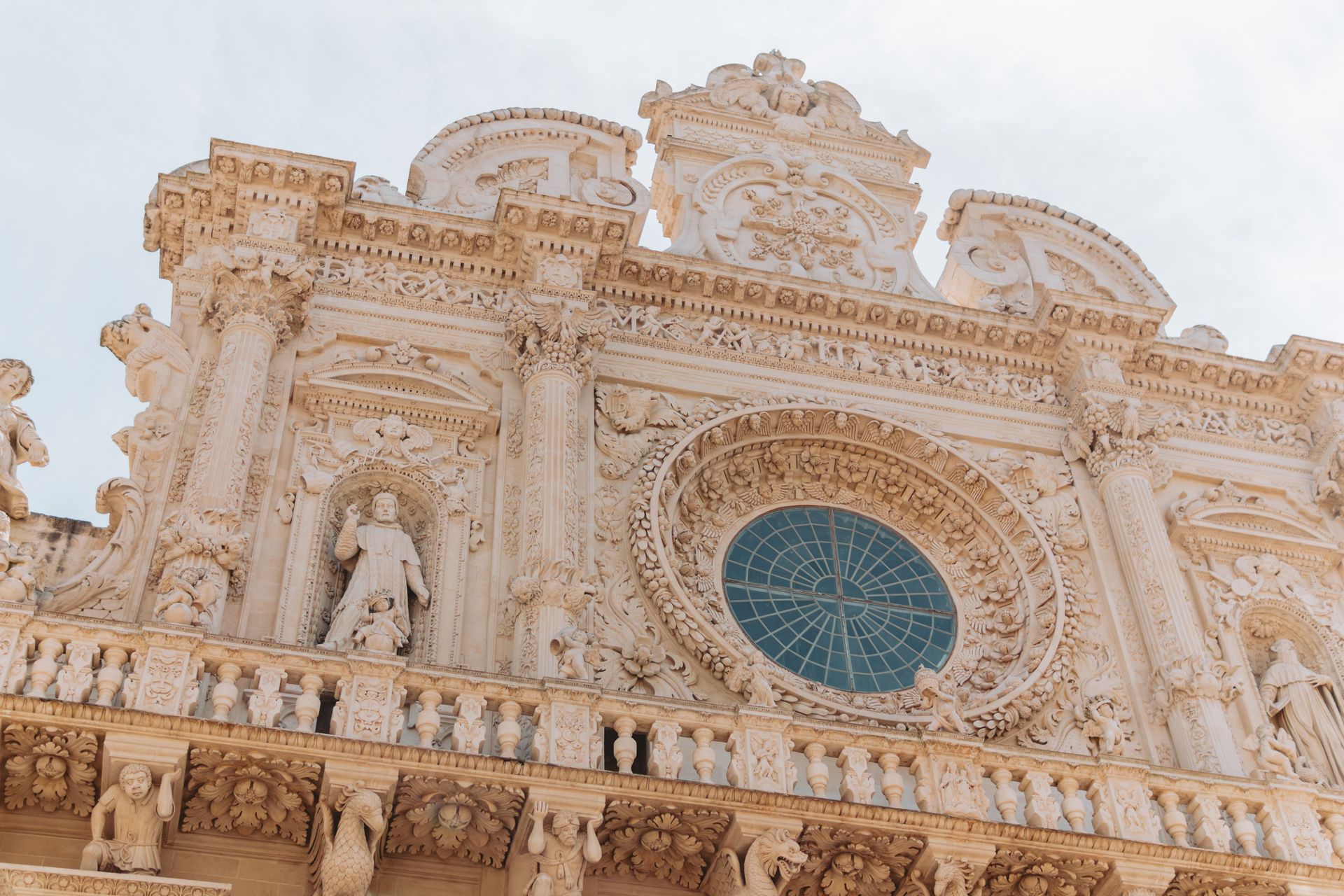
Lecce, in Italy's southern Puglia region, earned the nickname the Florence of the south for its concentration of baroque architecture, built primarily in the 17th and 18th centuries from a local sandstone called pietra leccese, soft enough to carve in fine detail and pale enough to glow in direct sunlight.
The Basilica di Santa Croce anchors the city's baroque reputation, its facade covered in elaborate carved figures, columns, and floral detail that took roughly a century and a half to complete across multiple architects. Piazza del Duomo, a largely enclosed square accessible through narrow entrances, contains the cathedral, bishop's palace, and seminary in a single coordinated architectural ensemble rare in Italian city planning.
Beneath the baroque layer, Lecce holds a well-preserved Roman amphitheater, discovered during construction work in the early 20th century and now exposed in the center of the modern Piazza Sant'Oronzo, allowing visitors to see 2,000-year-old ruins framed directly by the city's later architecture.
Puglia's cuisine, built around olive oil, orecchiette pasta, and seafood from the surrounding coastline, has developed a following within Italy but remains less internationally recognized than the cooking of Tuscany or Campania, keeping restaurant prices in Lecce notably lower than in more established Italian tourist regions.
Lecce sits roughly forty minutes from the Adriatic coast and under an hour from the Ionian side of the Salento peninsula, making it a practical base for exploring Puglia's beaches without the summer crowding found in the Amalfi Coast or Cinque Terre further north. Flights connect to Brindisi airport, a short drive from the city, and hotel and meal prices across Lecce remain considerably lower than comparable options in more heavily marketed parts of Italy, even as the region has grown in popularity over the past several years.
Tavira, Portugal
Credit: Juan García / Pexels
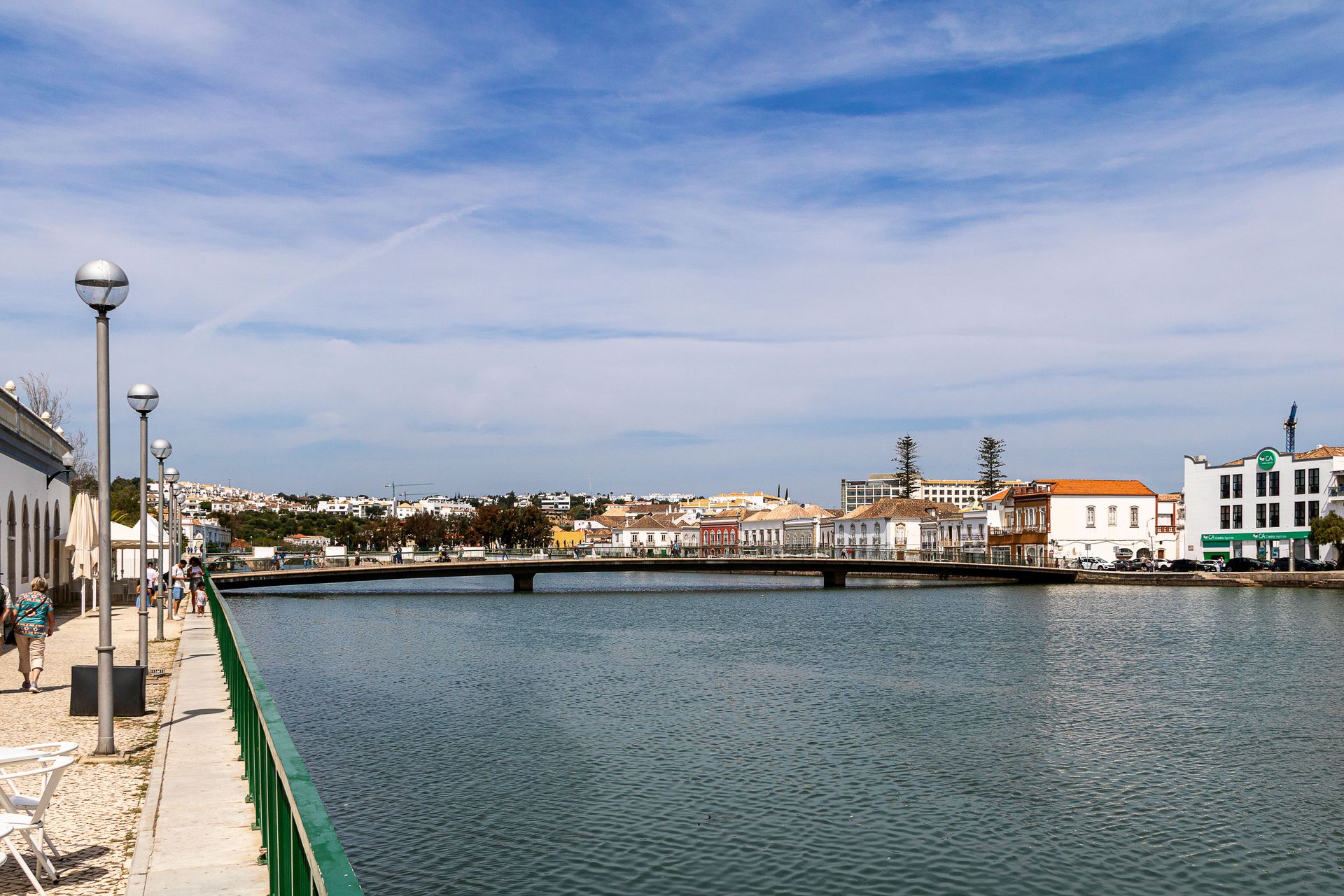
Tavira sits on Portugal's Algarve coast, a region known internationally for its beach resorts, but the town itself has avoided the large-scale development that transformed nearby Albufeira and Lagos into package-tourism hubs. Local building regulations have kept structures low and largely traditional, preserving a whitewashed, tile-roofed townscape split by the Gilão River and connected by a Roman-origin bridge rebuilt several times over the centuries.
The town's more than twenty churches, a notably high number for its size, reflect Tavira's historical wealth from the tuna fishing industry that once operated along this stretch of coast. The Church of Santa Maria do Castelo, built atop the remains of a former mosque within the old castle walls, offers a view over the town's rooftops and the river delta beyond.
Ilha de Tavira, a barrier island reached by a short ferry ride from the town, provides beach access without the built-up resort infrastructure found along much of the central Algarve coastline. The Ria Formosa Natural Park, a lagoon system stretching along this part of the coast, supports salt pans still in active use and a range of bird species that draw a smaller, more specialized group of visitors than the beach crowds further west.
Tavira's salt production has continued for centuries, and several producers now offer tours of active salt pans, explaining a traditional harvesting method that has changed little since it began.
Portugal's use of the euro keeps pricing transparent, and Tavira remains noticeably less expensive than the Algarve's more developed resort towns, particularly outside the peak July and August period. A meal of fresh grilled fish, a stay in a converted townhouse, and a ferry trip to the island together cost a fraction of comparable options in Lagos or Albufeira, making Tavira one of the more practical bases for a Portugal beach trip that also includes historic architecture.