Ethiopia has long had a reputation as one of the worst jailers of journalists in the world, reportedly holding 18 reporters at one time in detention. Yet as of Dec. 1, the country was recorded as not having any imprisoned journalists. This comes after a number of political and economic reforms undertaken by the newly elected reformist leader of the ruling Ethiopian People’s Revolutionary Democratic Front party.
Ethiopia has long had a reputation as one of the worst jailers of journalists in the world, reportedly holding 18 reporters at one time in detention. Yet as of Dec. 1, the country was recorded as not having any imprisoned journalists. This comes after a number of political and economic reforms undertaken by the newly elected reformist leader of the ruling Ethiopian People’s Revolutionary Democratic Front party.
The last time Ethiopia was recorded as having no journalists in prison was 2004, according to the Committee to Protect Journalists’ 2018 annual prison census. The government for years oversaw a media environment that restricted access to independent information and analysis. It shut down newspapers, cut off internet services, banned the use of social media platforms to communicate or document anti-government protests, used sophisticated commercial spyware dissidents, and at one point, opposition, diaspora-run television stations illegal. It has also used to target bloggers, journalists, and human rights defenders, according to digital advocates.
Join 500,000+ readers who start their day with Quartz.
By subscribing, you agree to our Terms of Service and Privacy Policy.
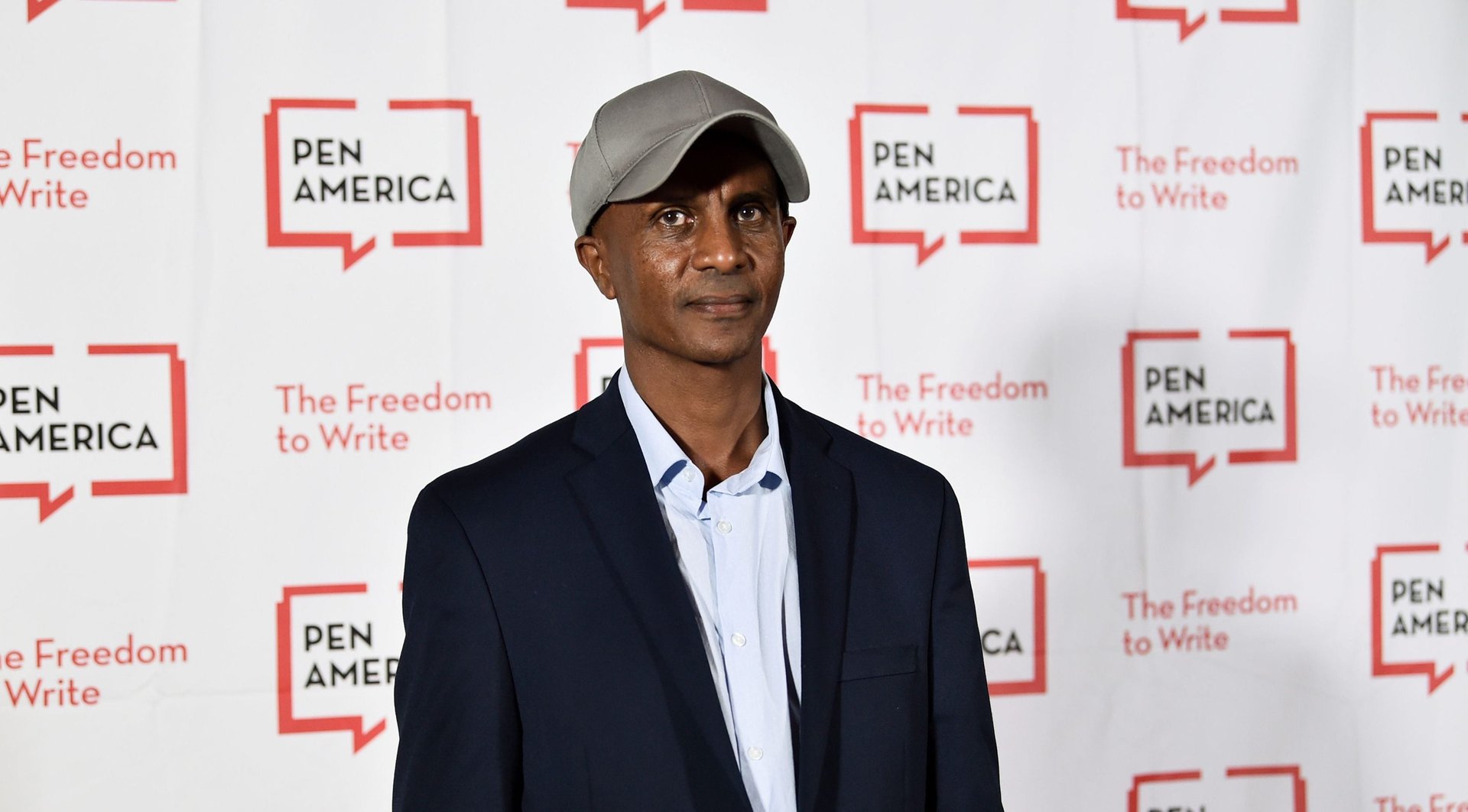
But in January, ex-prime minister Hailemariam Desalegn announced the closure of the notorious detention center Maekelawi, which had previously housed many journalists. His successor, Abiy Ahmed, who took over in April also released thousands of political prisoners and journalists and dismissed charges against diaspora-based media outlets. Those released included prominent journalists Eskinder Nega, Darsema Sori, and Khalid Mohammed, who were held for years on charges ranging from treason to inciting extremist ideology and planning to overthrow the government.
Yet for all the changes, Ethiopia still has a long way to go. Even though opposition groups and the government have held talks on amending the anti-terrorism law, the act and its provisions are still in place. Under prime minister Abiy, the Horn of Africa nation also blocked internet access twice this year to quell unrest: first in August in the eastern Somali region, and then in September amid clashes in the capital Addis Ababa.
