Thursday, May 30, 2019 was a notable date in African economic history as the day the African Continental Free Trade Area (AfCFTA) came into effect, after which it comes to market on July 7.
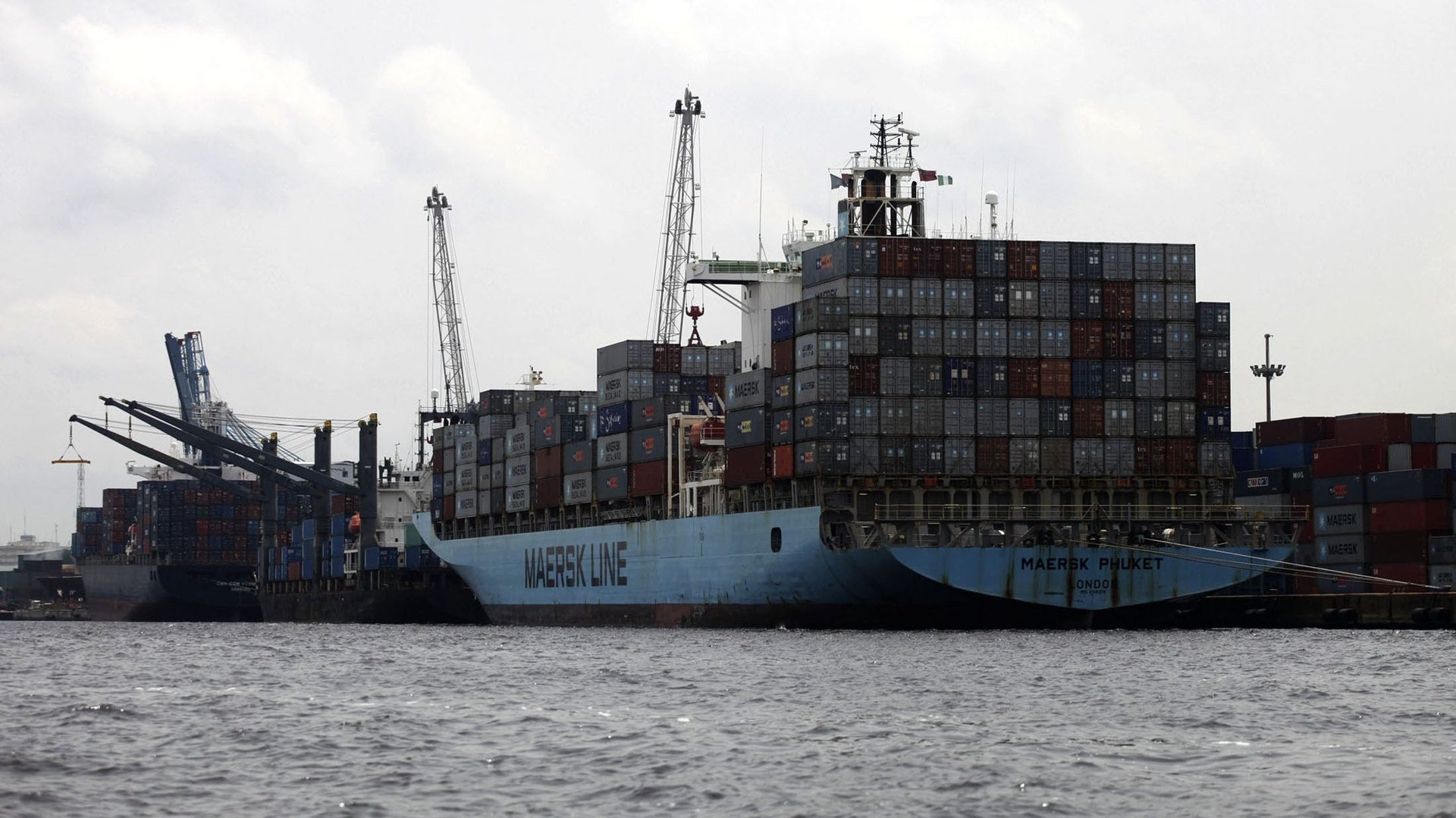
Thursday, May 30, 2019 was a notable date in African economic history as the day the African Continental Free Trade Area (AfCFTA) came into effect, after which it comes to market on July 7.
In a nutshell, it means a single market of goods and services for 1.2 billion people with an aggregate GDP of over $2 trillion. UNCTAD, the UN’s trade body, predicts reducing intra-African tariffs under AfCFTA “could bring $3.6 billion in welfare gains to the continent through a boost in production and cheaper goods.”
Join 500,000+ readers who start their day with Quartz.
By subscribing, you agree to our Terms of Service and Privacy Policy.
One of the more stark economic data points about Africa is just how little African countries trade with each other—just 16% of total continental trade in 2014. The UN Economic Commission for Africa thinks AfCFTA has the potential to raise intra-African trade by 15% to 25%, or $50 billion to $70 billion, by 2040.
Brookings’s analyst Landry Signé estimates that if AfCFTA works as intended, Africa will have a combined consumer and business spending of $6.7 trillion in 2030.
But Signé also notes the devil will be in the detail of ongoing complicated negotiations for implementation. Among issues to be ironed out include understanding how “most favored nation” (MFN) deals get worked out between all the countries given the near total reciprocity this deal would need.
Another sticking point will be the “rules of origin” issue which decides which products get the preferential tariffs depending on its classification. “Is a blouse made from Chinese silk, designed and stitched in China, but packaged in Kenya eligible to receive AfCFTA preferential tariff rates? What if it is made of imported Chinese silk, but stitched together in Kenya?” ask the Brookings analysts.
But the more straightforward concern about the negotiations for AfCFTA implementation is that they might not be, well, straightforward. The concern is they could instead add complexity to existing agreements across regional bodies like ECOWAS in West Africa or EAC in East Africa.
And while many of the trade discussions are often about moving goods around the continent it’s worth noting exports of African services grew more than six times faster than merchandise exports between 1998 and 2015. Services could be expected to grow even faster across borders as more African startups gain traction offering everything from fintech services to online education as they disrupt traditional sectors.
It’s also worth remembering the continent’s largest economy Nigeria—alongside Eritrea and Benin—has yet to sign up as the Buhari government figures out how to salve the concerns of powerful labour unions and big business. And while many believe Africa’s largest oil producer could benefit, analysts believe more diversified large economies, led by South Africa and Egypt, would benefit much more.
One of the realities of implementing an agreement like AfCFTA is that it requires not just the governments but crucially the input of African businesses and everyday Africans. And not many institutions are asking them, so Kasi Insight, which carries out consumer insight studies across some of Africa’s larger economies, did just this with consumers.
Among the key findings was that many respondents were skeptical about what AfCFTA represented or as Kasi describes it, “a significant indecisiveness.” That said, it varied on a country spectrum, with respondents in Côte d’Ivoire much more positive (85%) than South Africans (45%), who were the least positive.
But the survey also found respondents weren’t so much skeptical about AfCFTA specifically as they were about benefiting from multi-country agreements overall given past or current regional agreements.
That said, when the question was asked in the context of a comparison with the benefits of European Union membership, those who understood how the EU works were much more positive about the potential of AfCFTA.
Sign up to the Quartz Africa Weekly Brief here for news and analysis on African business, tech and innovation in your inbox
