
AI is able to replace nearly 12% of the U.S. workforce, according to a new study from the Massachusetts Institute of Technology.
The study simulated over 151 million U.S. workers interacting with AI tools to measure automation potential
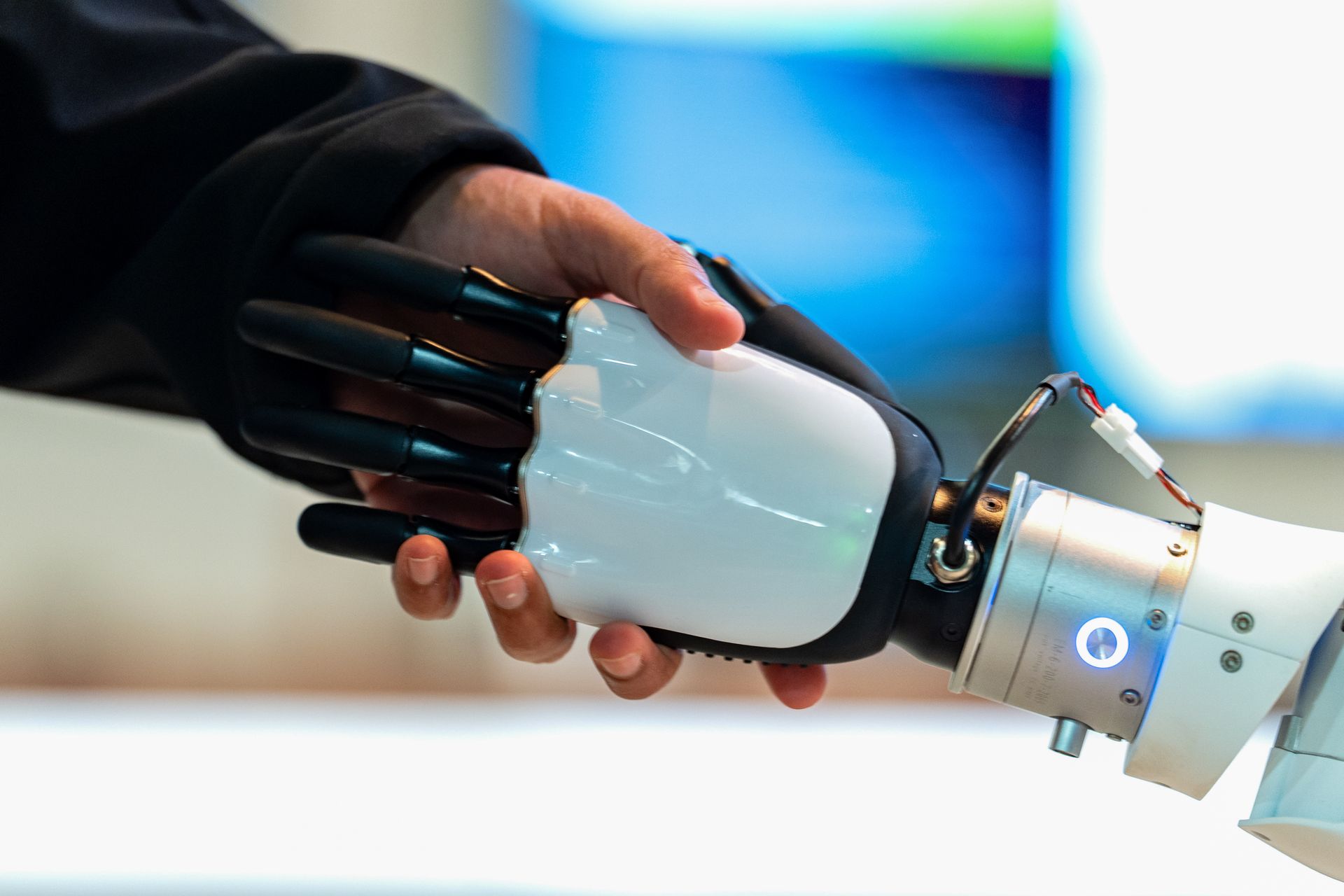
A Dexmate robot demonstration at the Nvidia booth during the Nvidia GTC (GPU Technology Conference) in Washington, DC, US, on Wednesday, Oct. 29, 2025. (Kent Nishimura/Bloomberg via Getty Images)
AI is able to replace nearly 12% of the U.S. workforce, according to a new study from the Massachusetts Institute of Technology.
The survey simulated over 151 million U.S. workers interacting with AI tools across the country using a so-called "Iceberg Index" as a metric to measure automation potential. It was unveiled in August by MIT and the Oak Ridge National Laboratory and captures the extent to which AI can perform occupational tasks. The study surveyed 32,000 skills across 923 jobs in 3,000 counties across the U.S., going beyond large coastal cities to dig deeper.
The automation shown in the study was heavily concentrated among white-collar jobs in the finance, administrative and the professional services sector, encompassing $1.2 trillion in wages.
Policymakers are hotly debating the extent to which the so-called AI revolution will disrupt the U.S. economy through job losses resulting from automation. Last week, Democratic Sen. Mark Warner of Virginia warned that job seekers fresh out of college face new barriers stemming from companies employing AI to complete tasks that are common in first jobs.
He said in a CNBC interview that he believed a 25% unemployment rate among recent college graduates was possible if policymakers do nothing about AI.
However, other experts say that widespread automation hasn't taken root in the U.S. economy yet. An October analysis from the Yale Budget Lab said that there hasn't been "discernible disruption" since ChatGPT was introduced three years ago.
"Historically, widespread technological disruption in workplaces tends to occur over decades, rather than months or years," the Yale paper said.
Join 500,000+ readers who start their day with Quartz.
By subscribing, you agree to our Terms of Service and Privacy Policy.