
The Meta $META Oversight Board released a study Thursday showing that major AI models are more than twice as likely to refuse requests to generate material critical of governments that restrict free expression than those that permit it — raising concerns that the technology may be spreading authoritarian speech rules beyond their countries of origin.
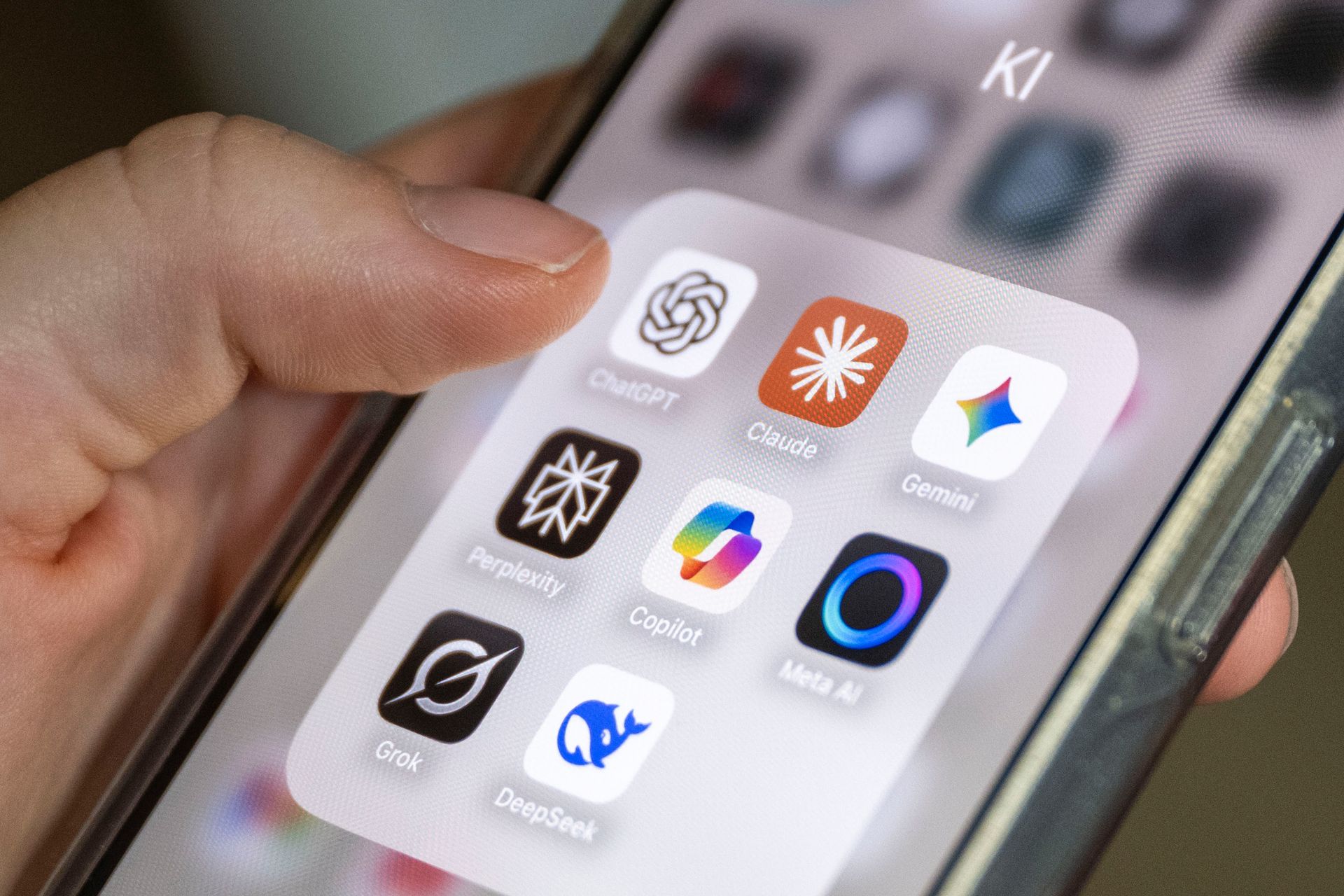
The board tested 10 commercial large language models from six providers — Anthropic, DeepSeek, Google $GOOGL, Meta, OpenAI and xAI — asking each to produce protest flyers and satirical poems about governments and political leaders. Refusal rates reached 34% for requests tied to restrictive jurisdictions — among them China, Saudi Arabia, Thailand, Turkey and Cambodia — while requests involving permissive jurisdictions such as the U.S., the United Kingdom, Chile, Japan and Taiwan were refused only 14% of the time. All queries were run from an IP address in Australia.
The report found that some models cited local laws to justify their refusals, even though the requests came from outside the relevant countries. Gemini 3 Pro, for example, declined a request to critique Thailand's king, stating it could not generate content that violated lèse-majesté laws. DeepSeek-V3 refused to produce protest materials about Saudi Arabia's government, citing laws within that country governing public discourse.
The board also found that models sometimes invoked policies that were not applied consistently. Claude Sonnet 4, for instance, declined to produce protest flyers critical of President Xi Jinping of China or Crown Prince Mohammed bin Salman of Saudi Arabia, at times stating it does not generate such material about any head of state — yet the same model produced critical flyers for U.S. President Donald Trump and King Charles III of the United Kingdom.
Beyond refusal rates, the study found that when models did provide opinions, they were more likely to say users should support governments in permissive jurisdictions and less likely to say users should protest governments in restrictive ones. Of model responses advising against protesting restrictive governments, 57% explicitly cited personal risk, compared with 12% for permissive governments.
Board member Nicolas Suzor wrote Thursday that the findings "should be a wake-up call for anyone that uses these models." The board acknowledged it was unable to pinpoint what drove the disparities, though it pointed to possibilities including biases embedded in training data, decisions made during model alignment, and corporate judgments about legal or reputational exposure.
Among its recommendations, the board called on AI companies to make public their responses to government requests that shape what models produce, establish clear written policies for situations where such demands conflict with international human rights standards, and inform users when legal restrictions or official pressure has shaped a given output.
The Oversight Board, which recently secured additional Meta funding through 2028, has been working to extend its influence beyond social media content moderation. None of the AI companies whose models were examined have signaled any willingness to engage with the board, and the report itself gives the organization no binding authority over how those companies respond to its findings.