
Here's how algorithms are helping people hack their habits while quietly learning how to hack them back
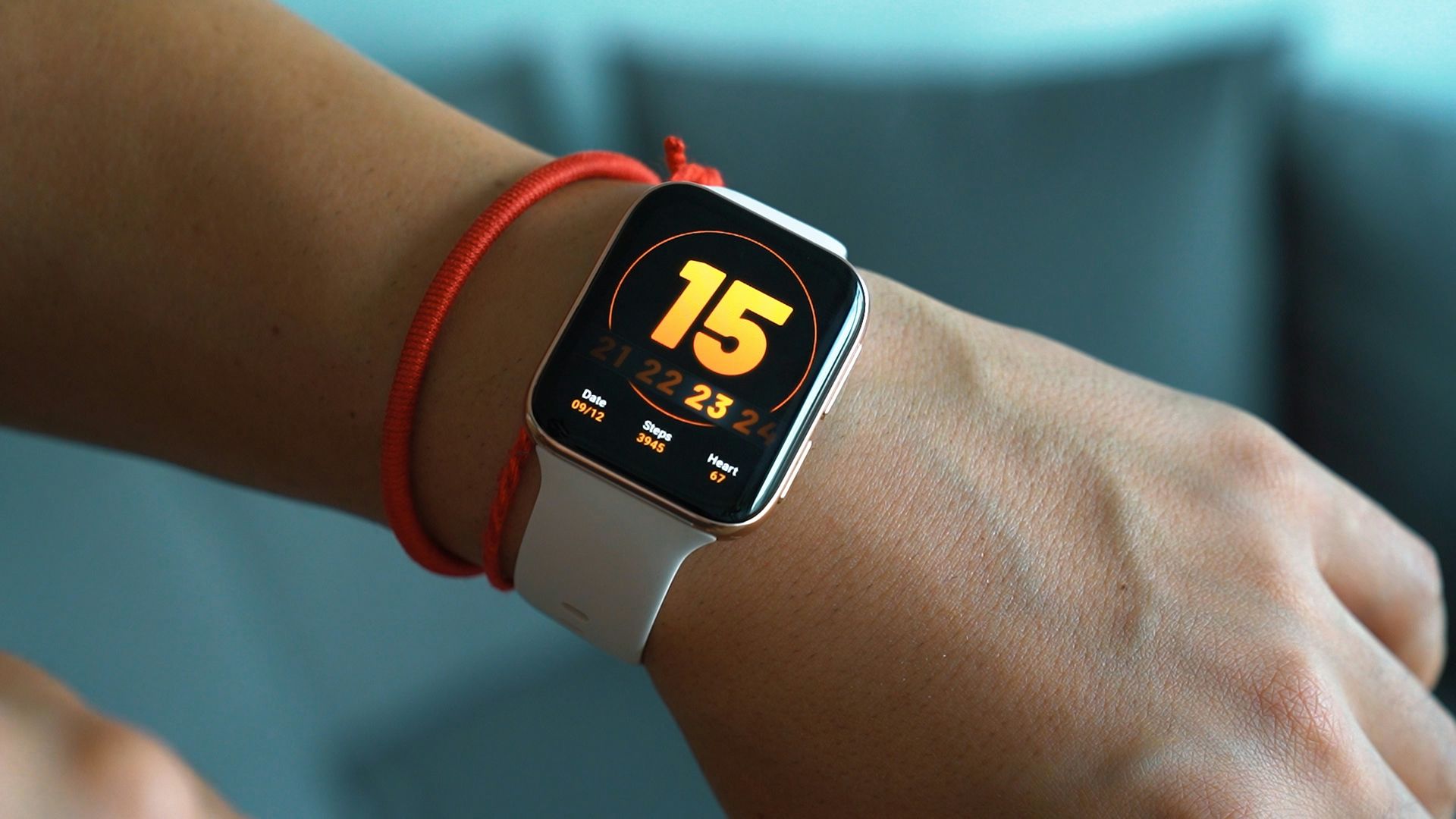
Onur Binay / Unsplash
Artificial intelligence isn’t just automating workflows anymore. It’s automating you.
It studies your habits, rewires your routines, and rewards the behaviors most likely to stick. Behind every productive streak and mindfulness app is an algorithm quietly testing what makes you tick, and what makes you cave.
Thanks to neuroscience-informed design, these systems now sync to the rhythm of human behavior, tweaking timing, tone, and nudges until a habit feels self-made. As Sean Van Tyne notes, AI evolves with your behavior, blending psychology with real-time feedback until new routines practically wire themselves in.
Meanwhile, a Florida Atlantic University study found users actually like this kind of manipulation, praising AI-powered health tools for making habit-building effortless, even when it means surrendering a little control.
At work, algorithms are coaching people into productivity. McKinsey and NIH researchers note that adaptive feedback loops outperform raw willpower, training employees to behave optimally without realizing they’re being trained.
The result? A generation outsourcing its discipline to machines.
Here are nine ways AI is helping people hack their habits, even as it learns to hack them right back.

Bruce Mars / Unsplash
AI doesn’t just tell you what to do, it studies when you’ll actually do it. These adaptive reminders track your patterns, moods, and downtime to time their cues perfectly. Sean Van Tyne calls this continuous adaptation, where systems evolve with your patterns to make routines practically automatic.
Huum / Unsplash
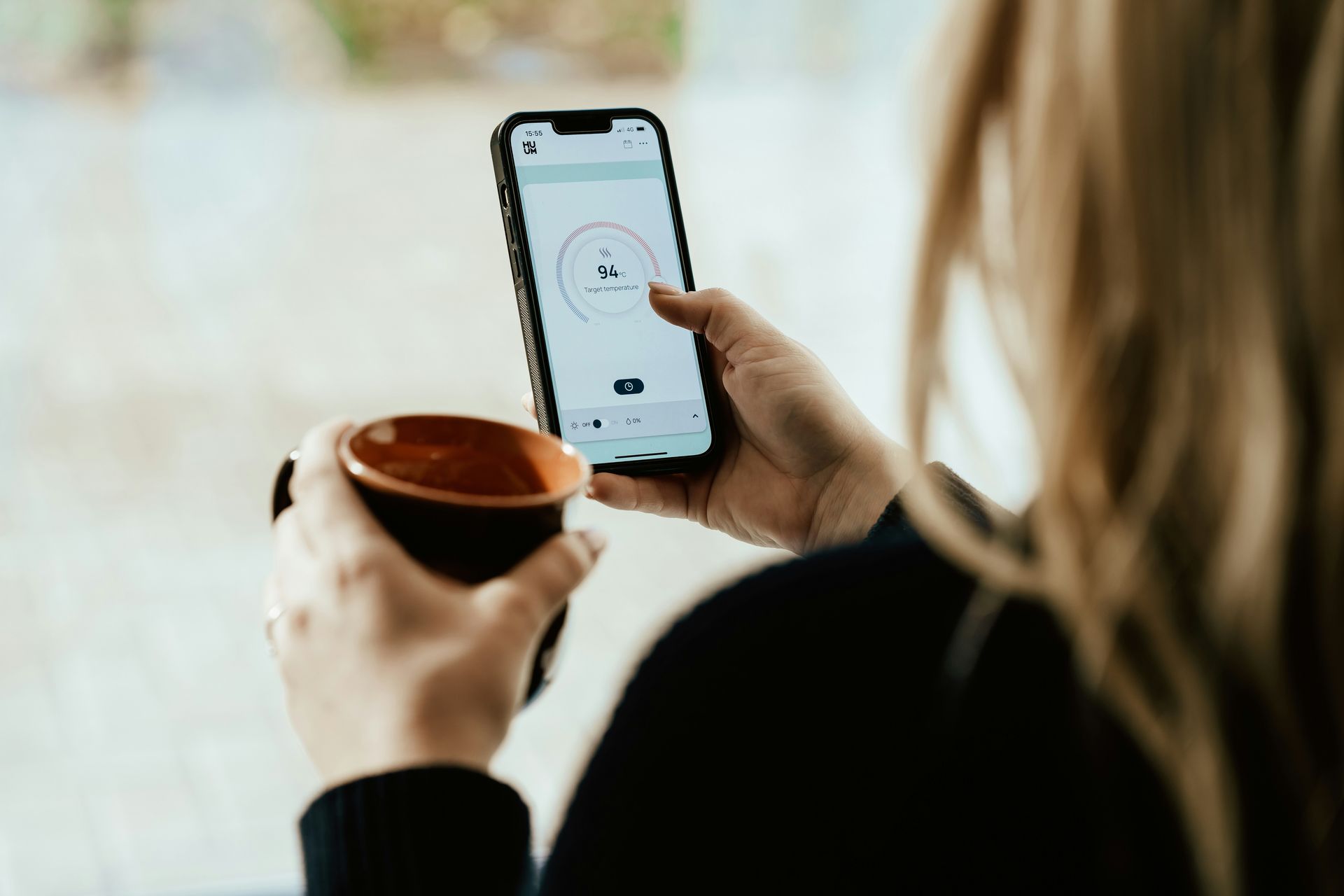
Forget the scolding notifications. AI-driven habit tools now deploy micro nudges, which are subtle digital interventions, like reframed messages or motivational phrasing, that course-correct before you notice you’ve strayed. According to Pausa’s analysis of AI habit systems, this real-time adaptation makes behavior correction feel more natural, less like a reminder and more like intuition. Those perfectly timed nudges aren’t as random as they seem.

Vitaly Gariev / Unsplash
AI has learned that discipline isn’t one-size-fits-all. That’s why AI systems such as Personos use personality modeling to align habit goals with intrinsic motivation. Their 2025 report found that tailoring routines to personality data increases consistency and reduces burnout, effectively teaching users to work with their habits rather than against them.

Carter Hightower / Unsplash
Machine learning can now tweak your classic habit loop in real time, figuring out which cues and rewards actually work for you. The result is an endlessly self-correcting behavior engine that never stops learning. Researchers at the National Library of Medicine found that AI can identify which cues and rewards sustain habits over time, then tweak those variables dynamically as users change. It’s the psychological loop, optimized by an algorithm.
Georgia de Lotz / Unsplash
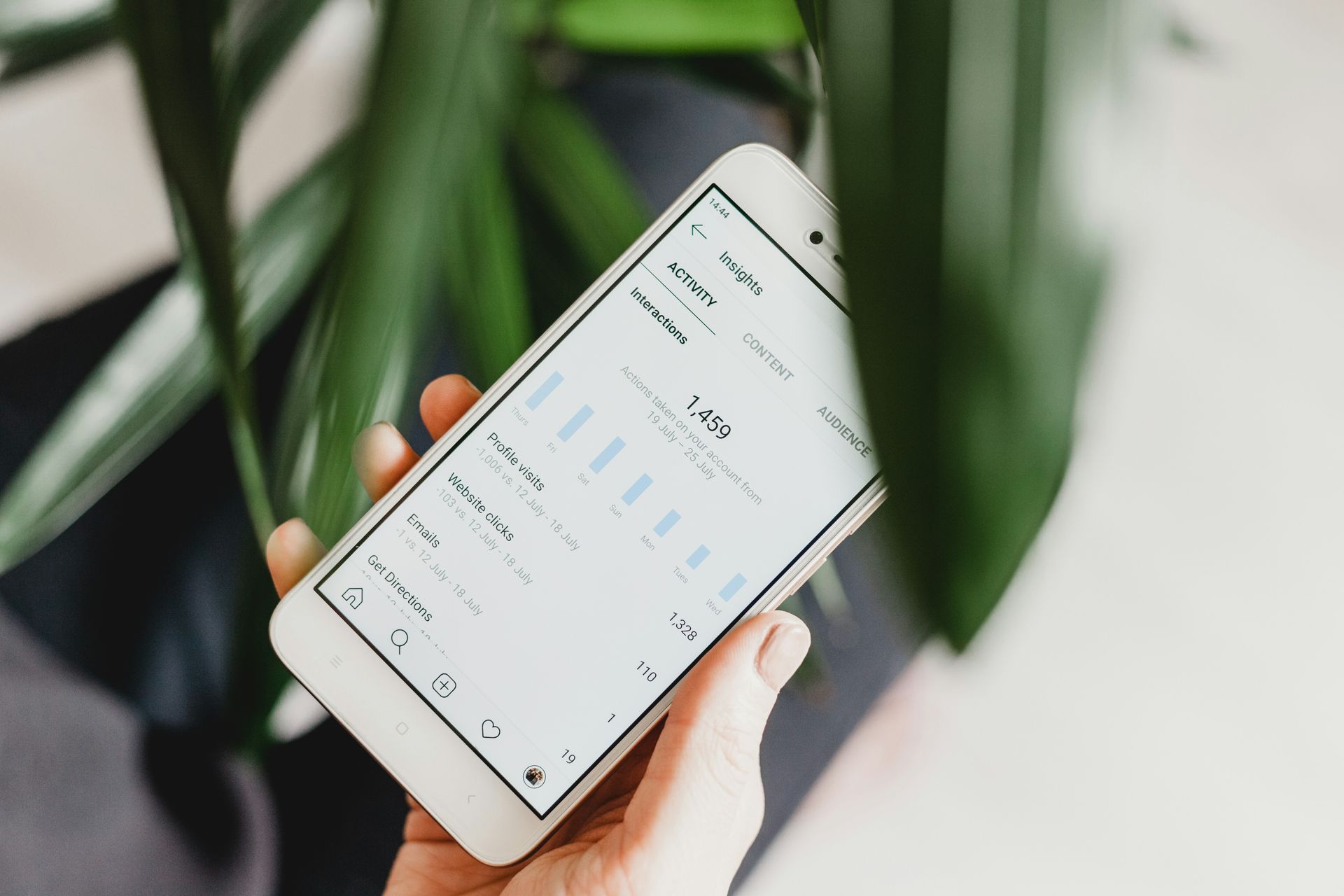
Habit apps don’t just gamify progress – they personalize it. Van Tyne’s research notes that adaptive gamification taps directly into the brain’s dopamine circuitry, keeping users locked into behavioral loops that feel rewarding. In other words, AI personalizes gamified rewards based on your motivational profile, creating reinforcement loops that feel good because they’re supposed to.
Daria Nepriakhina / Unsplash
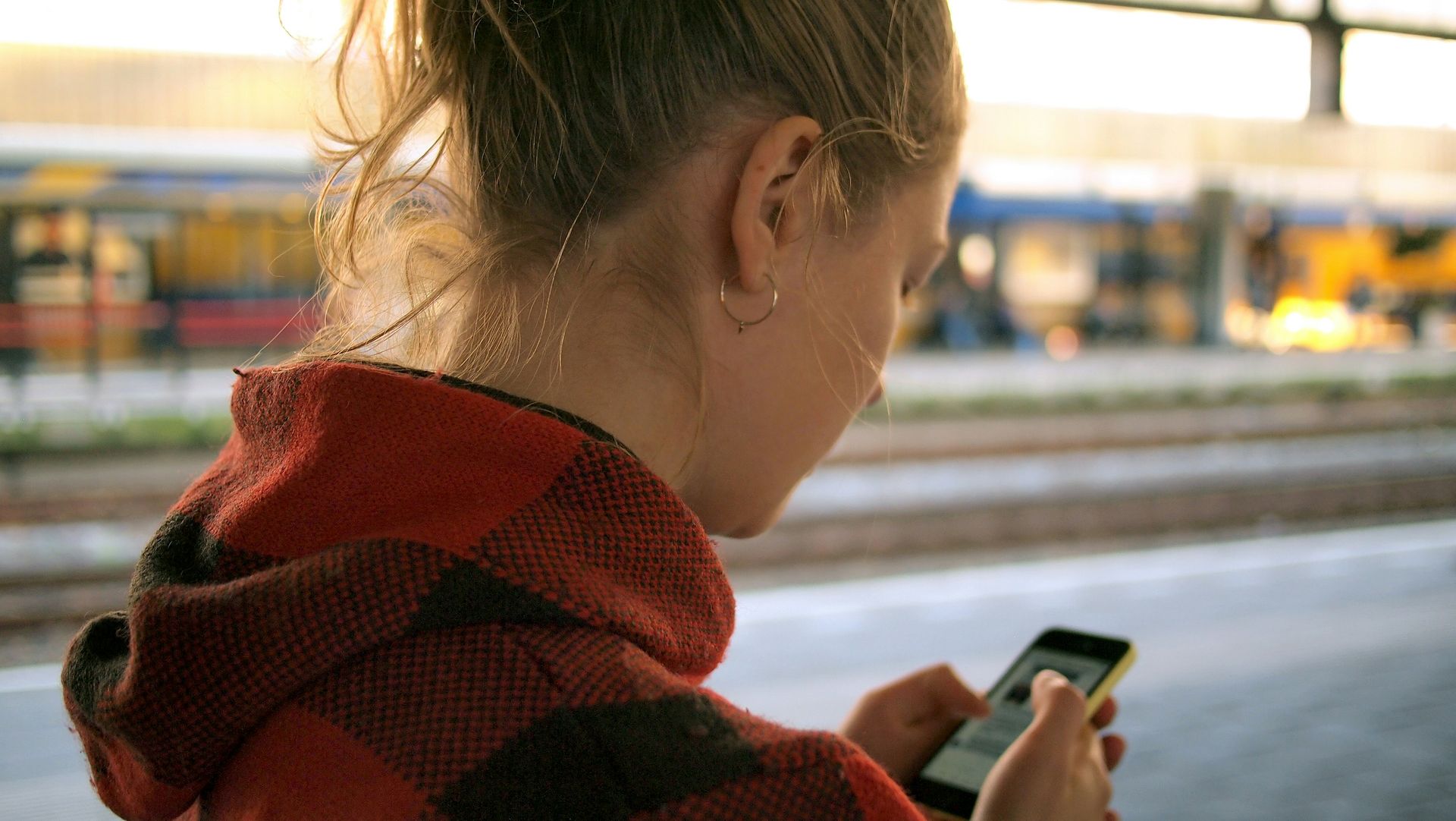
Unlike traditional trackers, AI habit systems continuously monitor your progress and recommend micro-adjustments, shifting workout times, suggesting lighter tasks, or changing goal intensity to prevent burnout. Pausa’s comparison of AI vs. traditional tracking found this adaptive strategy doubled user adherence over a three-month period. By monitoring engagement and energy patterns, these tools tweak your goals or schedules before fatigue hits.
Kelly Sikkema / Unsplash
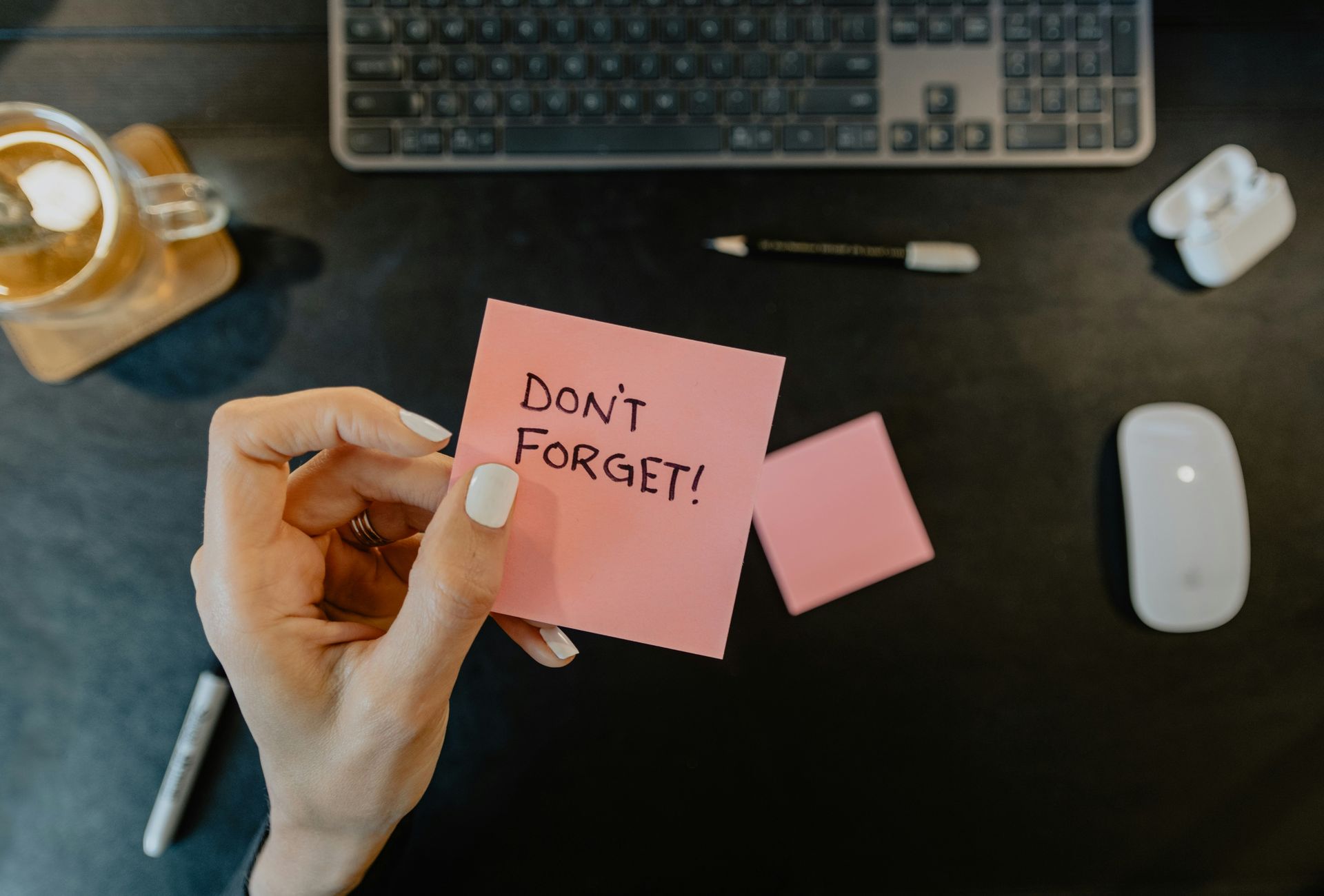
When your data signals that you’re about to break a streak, such as missed check-ins, low engagement, or erratic timing, AI predicts it before it happens. Personos calls this “anticipatory nudging,” a model that reinforces desired habits with extra cues before motivation collapses. It’s prevention as a product feature.
Estee Janssens / Unsplash
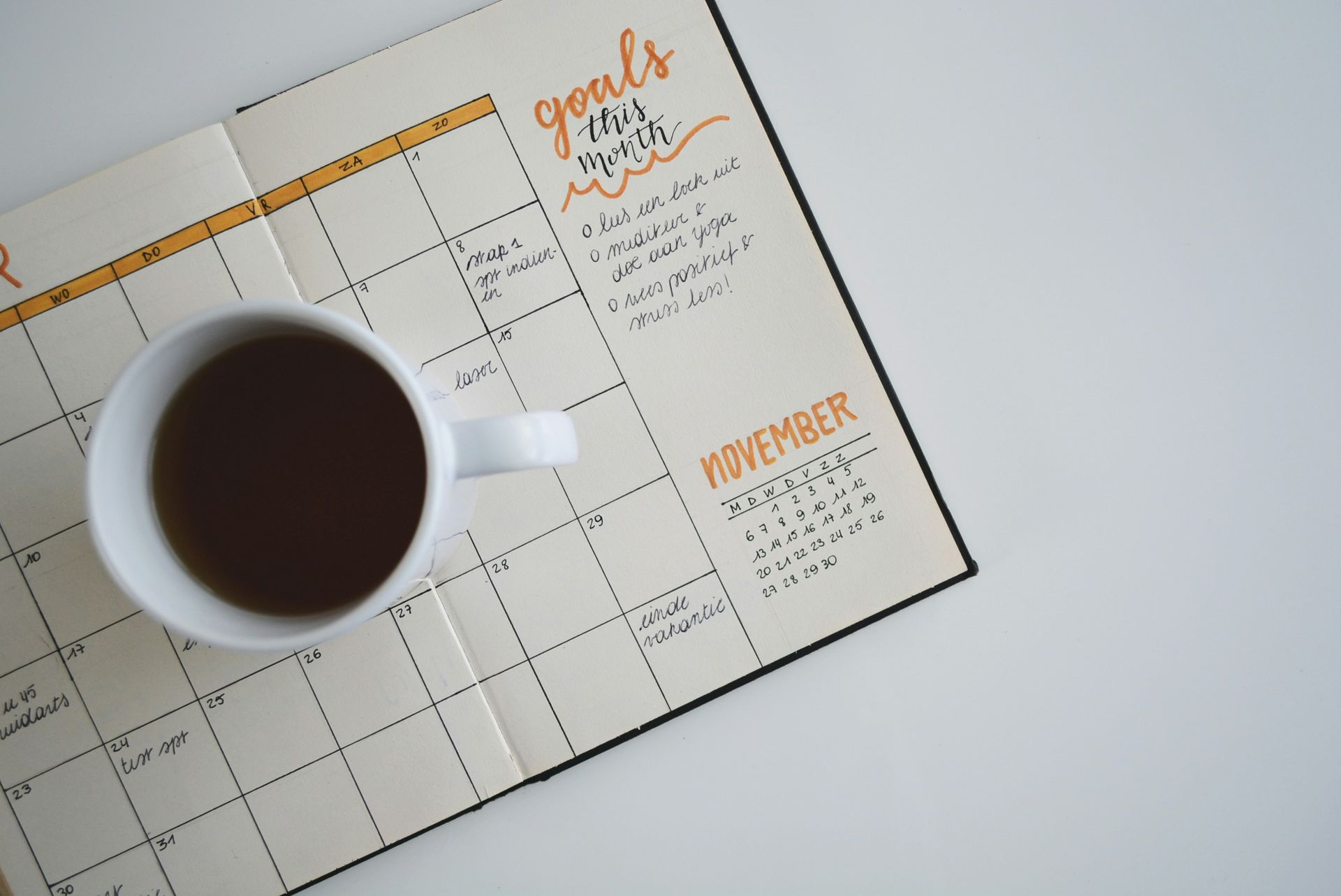
Forget blocking time manually. AI platforms now auto-schedule habits into your day, syncing with your work calendar to fill behavioral gaps. The result is frictionless consistency: a machine that quietly protects your priorities without asking permission.

Christina @ wocintechchat.com / Unsplash
AI doesn’t guess. Across thousands of users, it spots the conditions that matter most: when you do it, where you are, and how you feel. A 2023 study by Buyalskaya and colleagues showed that machine learning can map the contextual triggers of habit formation with far greater precision than self-reported data.