Make your next trip smoother with these five smart air travel tips, and avoid common airport mistakes
-1920x1300.jpg)
Artur Tumasjan / Unsplash
Whether you're a seasoned road warrior or someone who only flies a few times a year, air travel has a way of throwing unexpected challenges your way. Delayed departures, canceled flights, long security lines, crowded terminals, and lost luggage can quickly turn an exciting trip into a stressful experience. While you can't control the weather or mechanical issues, you can prepare for many of the situations that catch travelers off guard.
A little planning before you leave home can make a noticeable difference once you're at the airport. Knowing how to respond when your flight is canceled, understanding the best way to pack your carry-on, and checking in before you arrive can save valuable time and reduce frustration. Even seemingly small habits—such as keeping liquids accessible during security screening or monitoring airport displays instead of relying solely on your phone—can help you avoid unnecessary delays.
The good news is that you don't need expensive travel gear or elite airline status to travel more smoothly. Many of the best strategies come from experienced travelers and airline experts who have learned, often the hard way, how to navigate common travel headaches.
According to Reader’s Digest, these five practical tips focus on preparation rather than luck, helping you spend less time dealing with airport hassles and more time enjoying your destination.
Matthew Smith / Unsplash
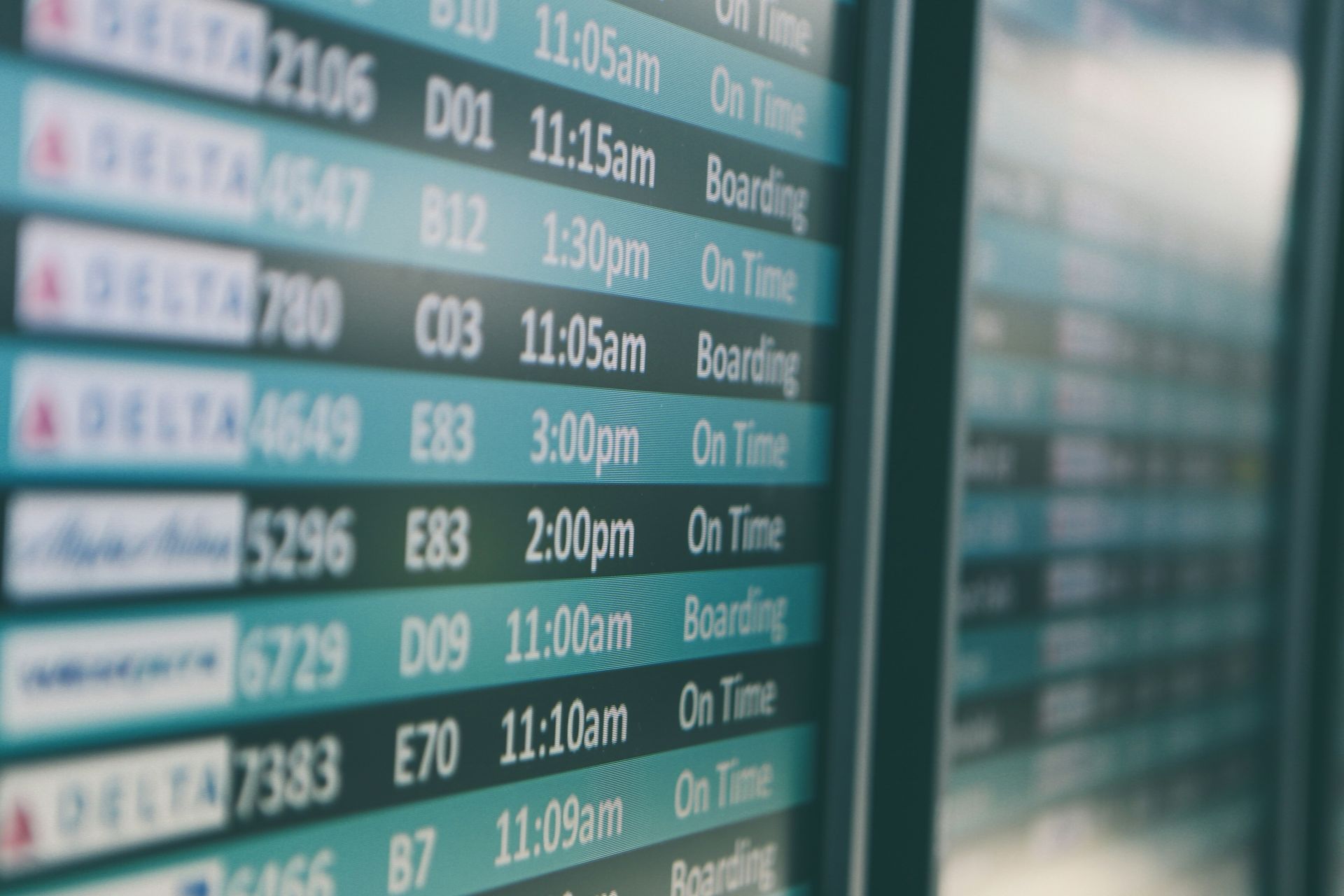
When a flight is canceled, most travelers instinctively rush to the gate desk, creating long lines and even longer waits. According to Reader's Digest, a faster strategy is to call the airline's customer service line while you're standing in line. There's a good chance you'll reach a phone representative before you make it to the front of the queue, giving you an opportunity to secure a new flight while everyone else is still waiting.
Even if you stay in line as a backup, having both options working in your favor increases your chances of finding an available seat sooner. Phone agents may also have access to different booking options than overwhelmed gate agents handling dozens of frustrated passengers at once. Flight disruptions are stressful enough without spending an extra hour waiting to speak with someone, so using multiple channels can save valuable time.
The next time severe weather or mechanical problems derail your travel plans, resist the urge to rely solely on the gate desk. A quick phone call could get your trip back on track much faster.
Grant Durr / Unsplash
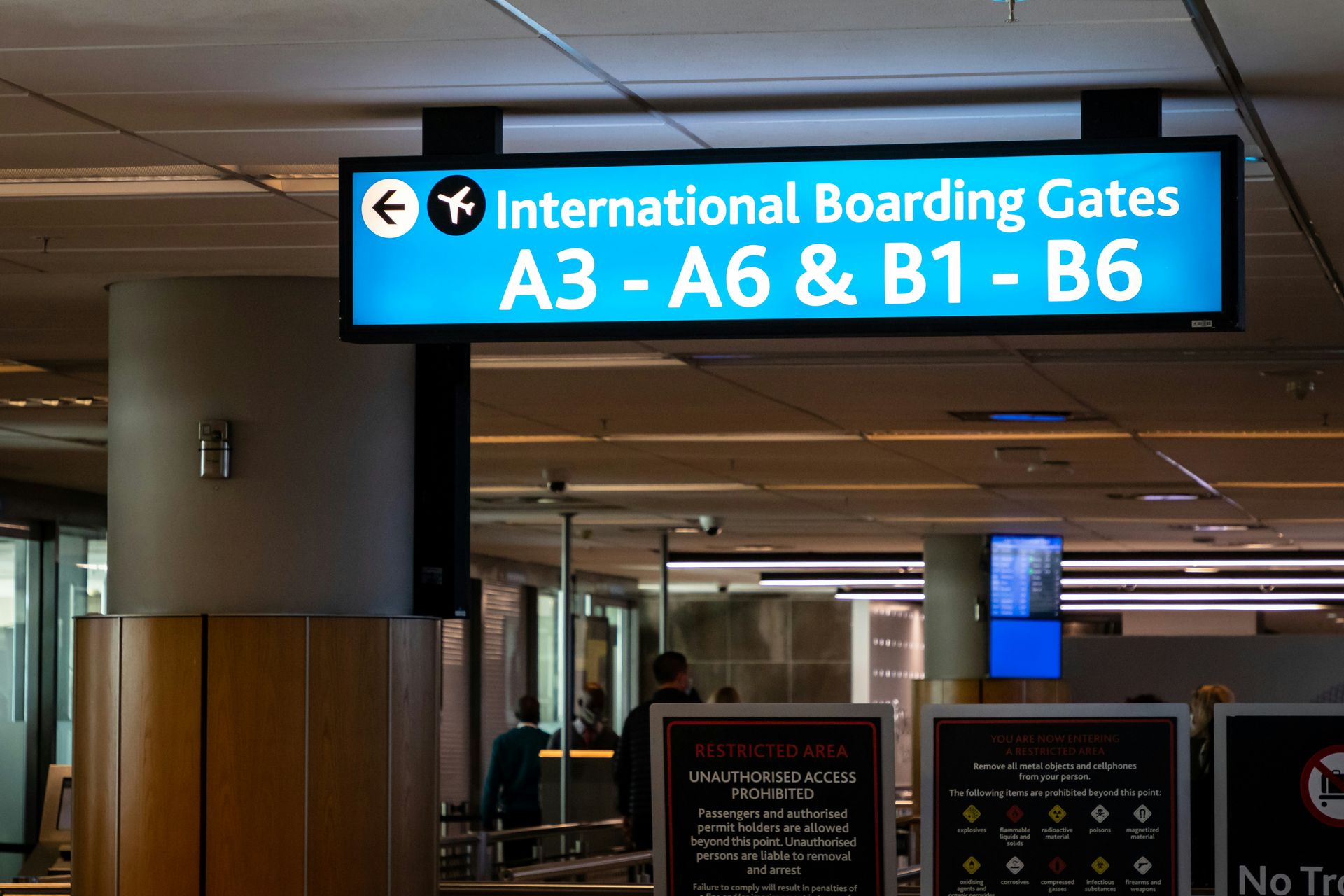
Checking in online before heading to the airport is one of the easiest ways to simplify travel day. Reader's Digest notes that checking in ahead of time not only saves time once you arrive but can also improve your chances of getting a better seat before the flight fills up. Some airlines also award bonus miles for checking in through their mobile apps or online platforms.
Beyond those perks, completing the process early lets you confirm your reservation, verify your gate information, and catch potential issues before you're standing at the airport counter with a long line behind you. If you're traveling with only a carry-on, checking in beforehand can allow you to head straight to security instead of waiting to speak with an agent.
It's a small task that takes only a few minutes but removes one more item from your travel-day to-do list. The less time spent dealing with logistics at the airport, the more time you'll have to relax before boarding begins.

Nk Ni / Unsplash
The way you organize your carry-on can make a surprisingly big difference at airport security. Reader's Digest recommends placing travel-size liquids in an easy-to-reach outside pocket instead of burying them beneath layers of clothing.
The same goes for laptops and tablets, which often need to be removed during screening depending on the checkpoint. Digging through a packed suitcase while other passengers wait behind you slows down the line and adds unnecessary stress to the process. Keeping required screening items accessible helps you move through security more efficiently and repack your belongings without holding up other travelers.
Before arriving at the airport, double-check that all liquids comply with TSA limits and are stored together in a clear quart-size bag. A few minutes of thoughtful packing at home can save you far more time once you're at the checkpoint. It's one of the simplest ways to make the airport experience smoother from the very beginning of your trip.
Annie Spratt / Unsplash
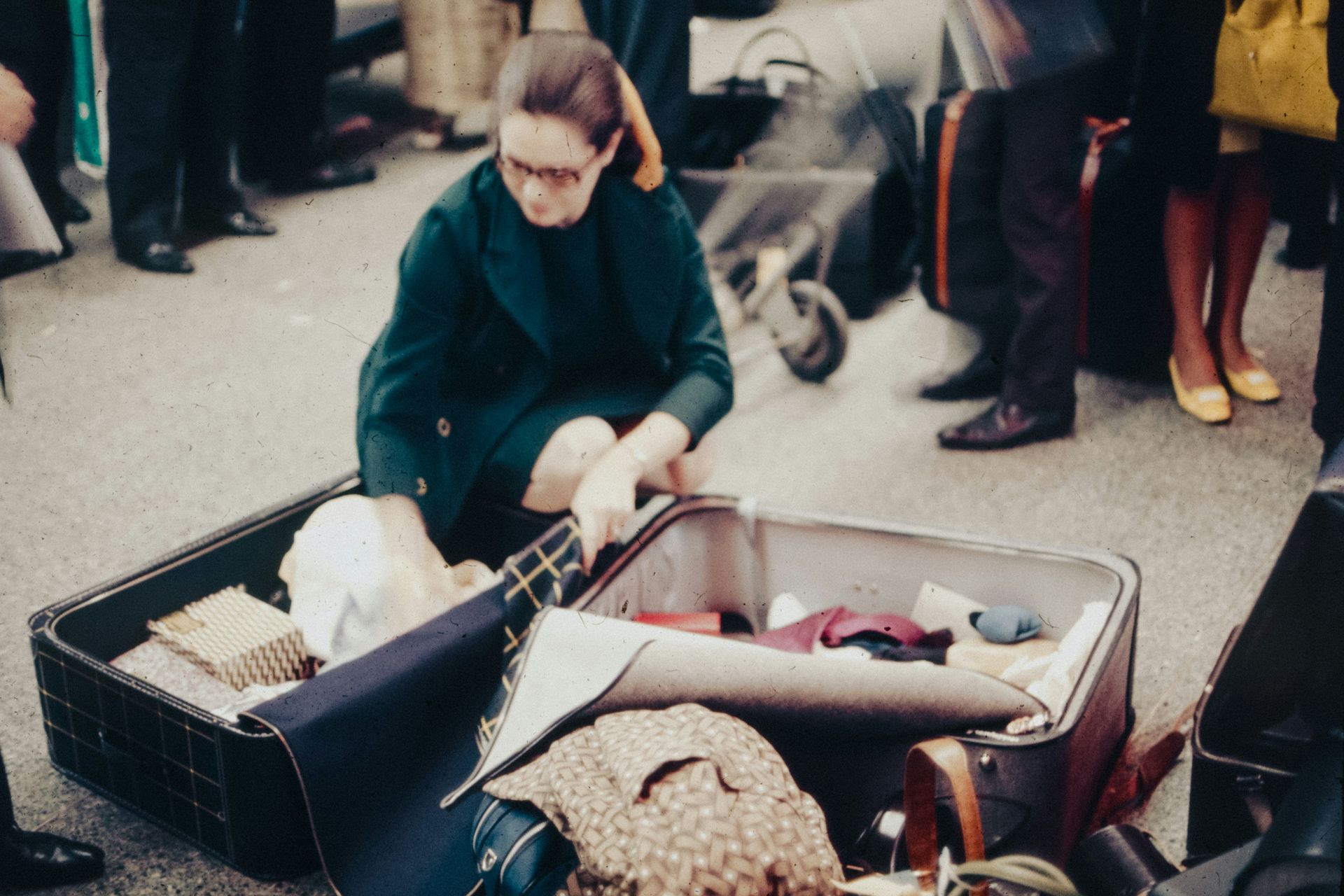
Checked luggage doesn't always arrive when you do, which is why Reader's Digest recommends keeping your most important belongings in your carry-on bag. Prescription medications, medical supplies, travel documents, a phone charger, and a change of clothes should stay with you throughout your journey.
If your checked bag is delayed or temporarily lost, having these essentials readily available can make the situation far less stressful. Even if your luggage eventually catches up with you, you'll have what you need to get through your first day without rushing to replace important items. A fresh shirt, clean socks, or basic toiletries can also make a long travel day much more comfortable during unexpected delays or overnight disruptions. While it may be tempting to save space in your carry-on, prioritizing necessities over convenience can spare you significant headaches if your baggage doesn't arrive on schedule.
Smart packing isn't just about fitting everything into a suitcase. It's about preparing for the possibility that you won't have immediate access to all of your belongings.
Dimitri Karastelev / Unsplash
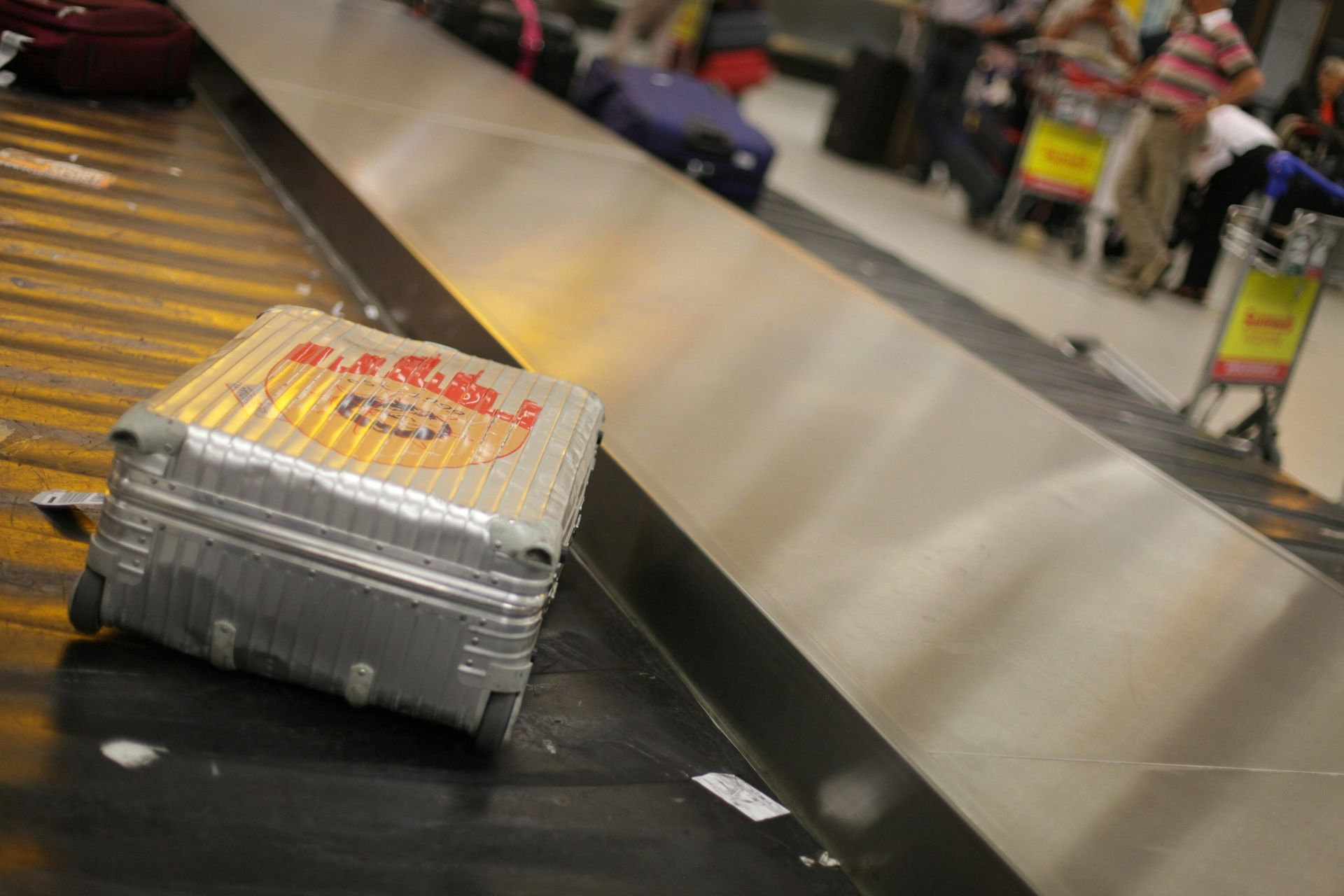
If your checked baggage doesn't appear on the carousel, don't wait until you reach your hotel to report it. Reader's Digest explains that airlines often have strict deadlines for filing lost luggage claims, making it important to report missing bags before leaving the airport whenever possible. Filing your claim immediately also starts the recovery process sooner and creates a record of the incident while all the details are fresh.
Be sure to keep receipts for any necessary purchases, such as clothing or toiletries, because airlines may reimburse reasonable expenses related to delayed baggage. In some situations, travelers may also qualify for compensation if their luggage is permanently lost. Acting quickly gives you the best chance of recovering your belongings and protecting your rights under the airline's baggage policies.
While no one wants to end a trip standing at a baggage service desk, taking care of the paperwork right away can make the process much smoother and increase the likelihood of a favorable outcome.
