Drive-to mountain towns make a strong case for investors. AirDNA ranks five with yields of up to 15.1%
Alex Potemkin / Getty Images
Mountain real estate has long attracted a certain type of dreamer, someone who pictures a cabin with a porch, a view of pine-covered ridges, and a steady stream of guests who keep the mortgage paid. The vision is appealing. The math, however, does not always cooperate.
Short-term rental markets in mountain regions can be deceptively tricky. Some of the most recognizable names — the ski towns, the Instagram-famous hamlets — carry home prices that have long since outrun their earning potential. Revenue looks impressive on paper until you divide it by what you paid. The yield shrinks. The business case softens. Earn $70,000 a year on a $700,000 cabin, and you are looking at a 10% yield before mortgage, taxes, and management fees take their share.
The smarter entry point is not always the most obvious one. Mountain travel is structurally durable. Hikers, foliage chasers, skiers, and shoulder-season travelers all find reasons to book, spreading demand across the calendar in a way few other destination types can match. Markets with diverse outdoor attractions rarely depend on a single peak to carry annual performance. Drive-to destinations benefit from repeat visitors who return for seasonal traditions and familiar scenery, building predictable occupancy that supports long-term returns.
What separates a good investment from a great one is the spread between acquisition cost and revenue potential. Short-term rental data platform AirDNA analyzed mountain markets across the U.S., focusing on for-sale properties and ranking them by yield, a measure of how much annual revenue a home is likely to generate relative to its purchase price. AirDNA drew the data in December 2025 from listings active at that time. The towns below ranked highest, and each tells a specific story about where pricing and demand align for investors who want to own a mountain Airbnb $ABNB without overpaying for the privilege.
Alex Potemkin / Getty Images
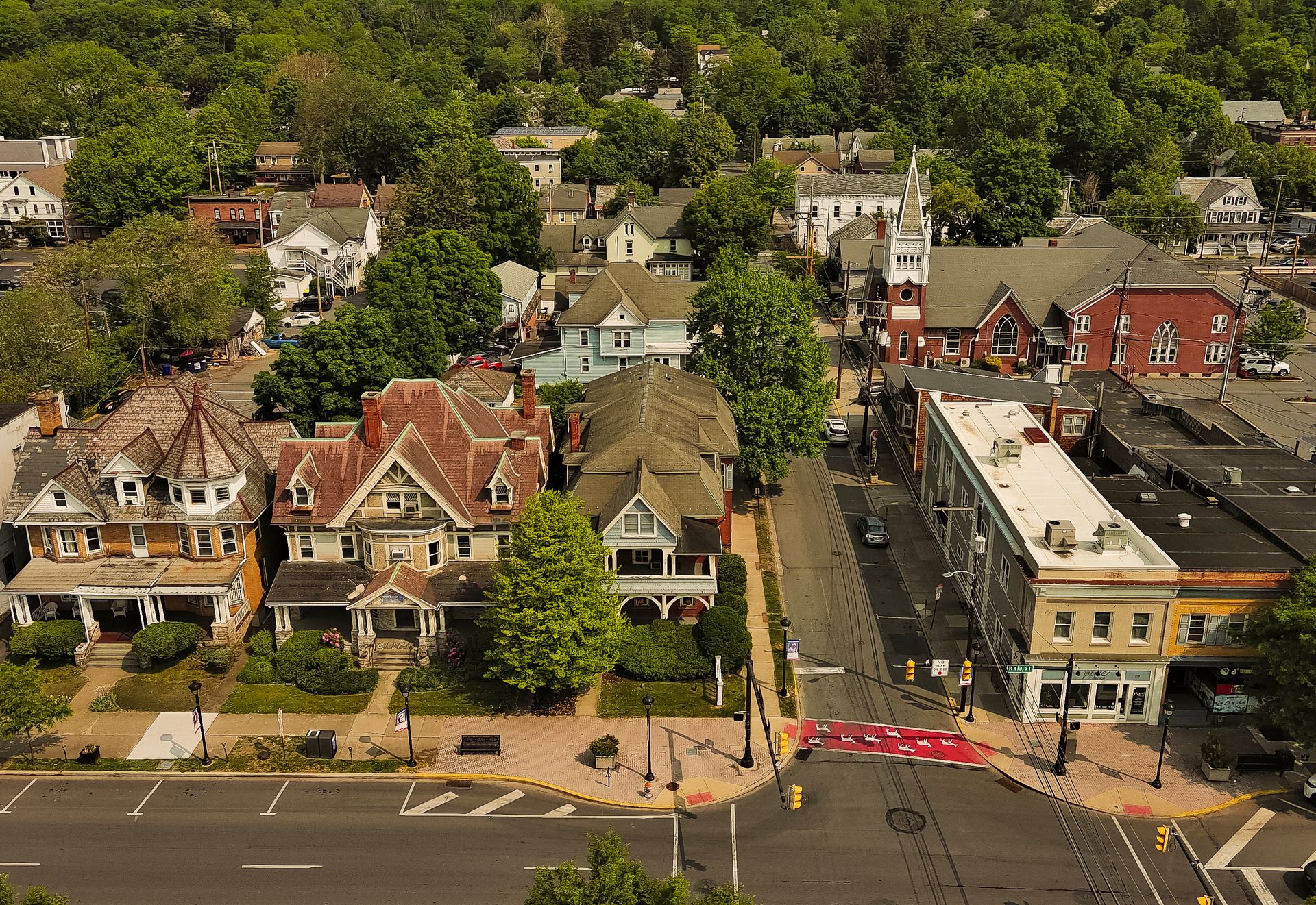
Average home price: $367K | Average yield: 15.1%
The Pocono Mountains hold a rare position in the Northeast. They sit close enough to drive from New York, Philadelphia, and New Jersey, draw visitors across all four seasons, and remain priced within reach for investors who approach them with discipline. East Stroudsburg sits at the center of that demand. Skiing, hiking, water parks, and a walkable downtown attract couples, families, and friend groups who return season after season.
The market metrics are compelling. Average home prices in East Stroudsburg sit below $370,000, and properties generate average revenue potential above $55,000 per year. The yield ranks among the highest in the region's mountain markets.
Occupancy peaks in August at 79% and dips to 32% in March, so investors should not assume the summer high will carry the full year. Hosts who price dynamically and maintain strong listing quality navigate seasonal markets better than those who set a rate and leave it.
Regulatory compliance is mandatory. Both Stroudsburg and East Stroudsburg Boroughs require hosts to obtain a short-term rental license or permit. East Stroudsburg Borough's Short-Term Rentals Ordinance 1379 outlines inspection requirements and renewal conditions. Stroudsburg Borough code specifies occupancy limits. Investors should treat licensing as a standard cost of doing business. The permitting framework carries real structure but stops well short of being punitive.
halbergman / Getty Images
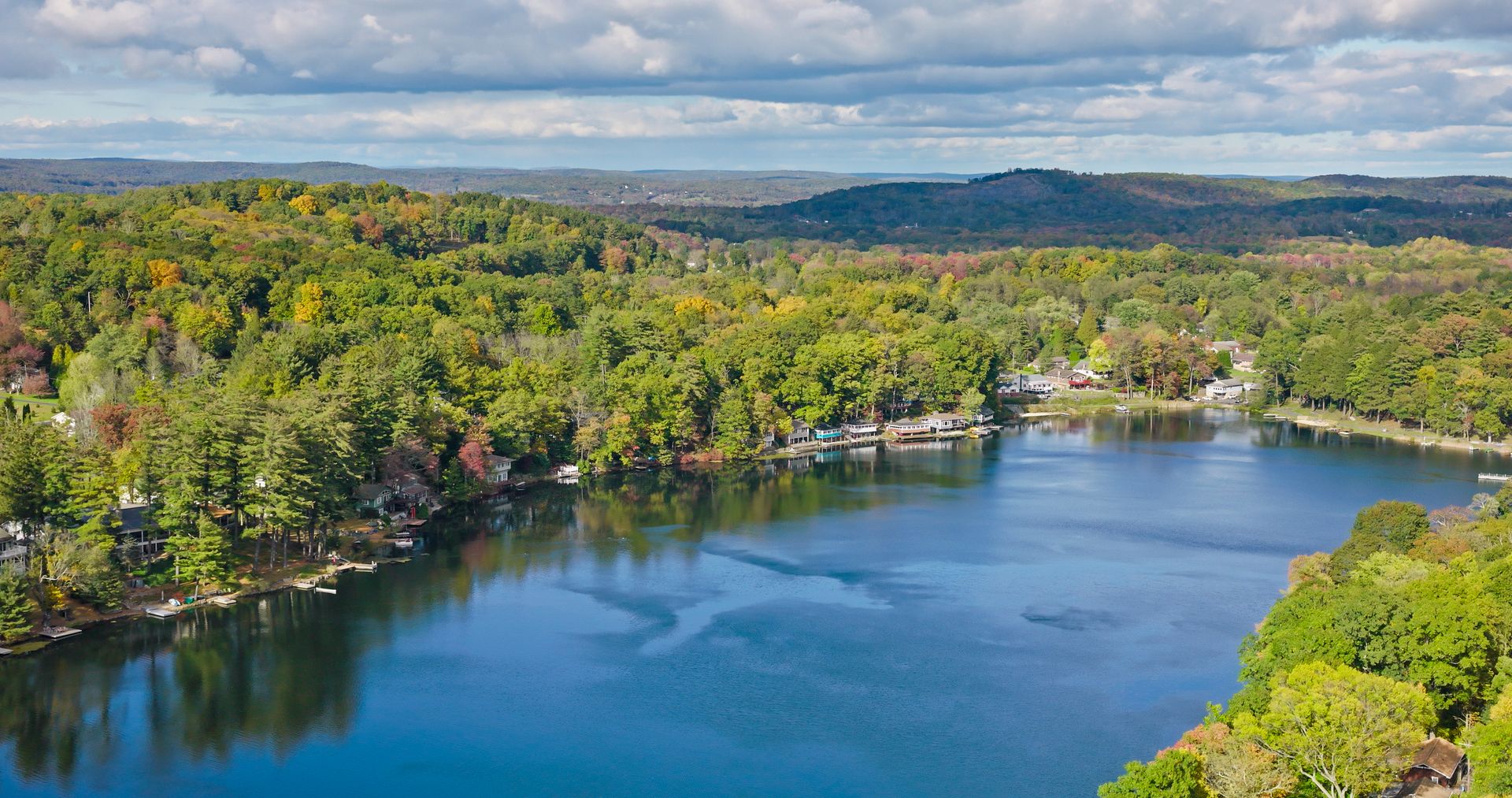
Average home price: $426K | Average yield: 13.9%
Emerald Lakes occupies a quieter corner of the Pocono Mountains, and guests appear willing to pay for the distinction. Average revenue potential among for-sale properties in this lake community runs approximately $4,000 higher per year than in East Stroudsburg, a meaningful gap when compounded over the life of an investment. The setting draws guests who want seclusion, lake access, and distance from the nearest city.
The trade-off is purchase price. Homes in Emerald Lakes average $426,435 — 16% higher than the East Stroudsburg market. Entry at that level tempers the yield to 13.9%, which remains above the average for mountain short-term rental markets. Investors willing to spend more upfront to access a premium demand profile will find Emerald Lakes a coherent choice. Those optimizing purely for yield on the lowest possible buy-in will find more runway in the neighboring market.
Longer stays underpin returns here. Guests who book lake communities tend to arrive for extended weekends or full weeks, boosting revenue per booking and reducing turnover costs. Families who return annually and couples who treat the mountains as a seasonal ritual support steady year-round occupancy without the need for aggressive discounting.
Emerald Lake's association rules allow members to rent or lease their residences, an HOA-level framework that accommodates short-term rentals. Both Stroudsburg and East Stroudsburg Boroughs require municipal licenses, and investors should verify current HOA terms before purchasing.
Alex Potemkin / Getty Images
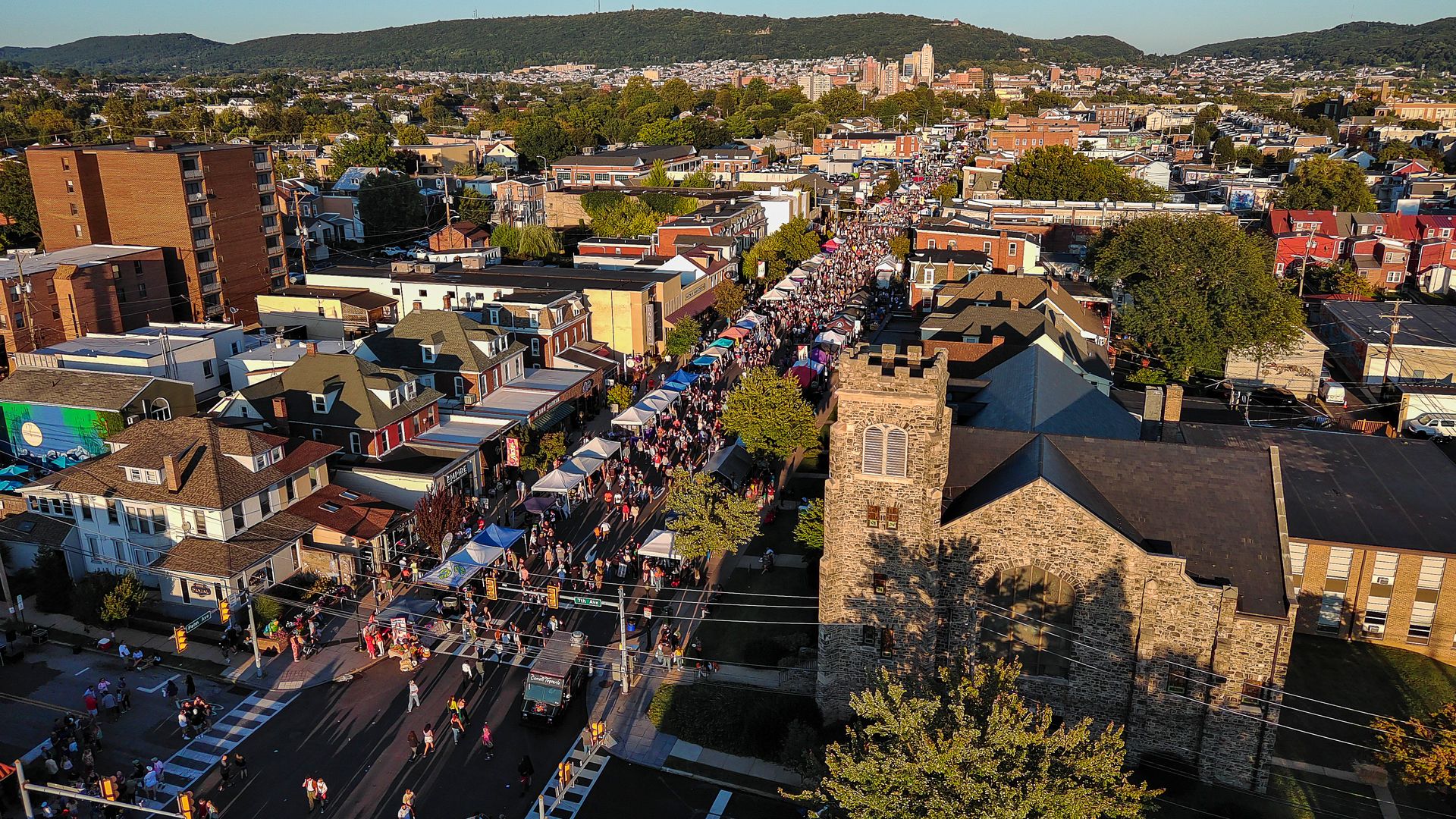
Average home price: $270K | Average yield: 13.4%
Reading, Pennsylvania, sits on the eastern edge of the Appalachian foothills, about 60 miles northwest of Philadelphia. Home prices average well below $300,000, while yields hover around13%. There is enough room here between acquisition costs and earning potential, even if revenue is modest by mountain-market standards.
Hawk Mountain and the surrounding Appalachian foothills attract spring and summer travelers for hiking, scenic overlooks, and nature-focused getaways. Gring's Mill Recreation Area and Nolde Forest extend the outdoor appeal and give guests reasons to plan longer stays. The Reading Public Museum, the Mid-Atlantic Air Museum, and landmarks such as the Reading Pagoda draw visitors with interests beyond outdoor recreation, adding a second demand layer that protects against single-season risk.
Reading's mix of mountain recreation, cultural tourism, and family travel creates overlapping demand that carries performance across seasons and guest profiles. Weekends fill with day-trippers and short-stay guests, and longer visits come from travelers who combine outdoor activities with museum stops and local dining.
The regulatory environment introduces caution. The city is reportedly considering a proposal to ban short-term rentals in most residential zones, while preserving them in commercial districts and high-density R-3 areas. The situation remains unsettled, and investors should monitor ordinance outcomes.
Denis Tangney Jr. / Getty Images
Average home price: $217K | Average yield: 12.9%
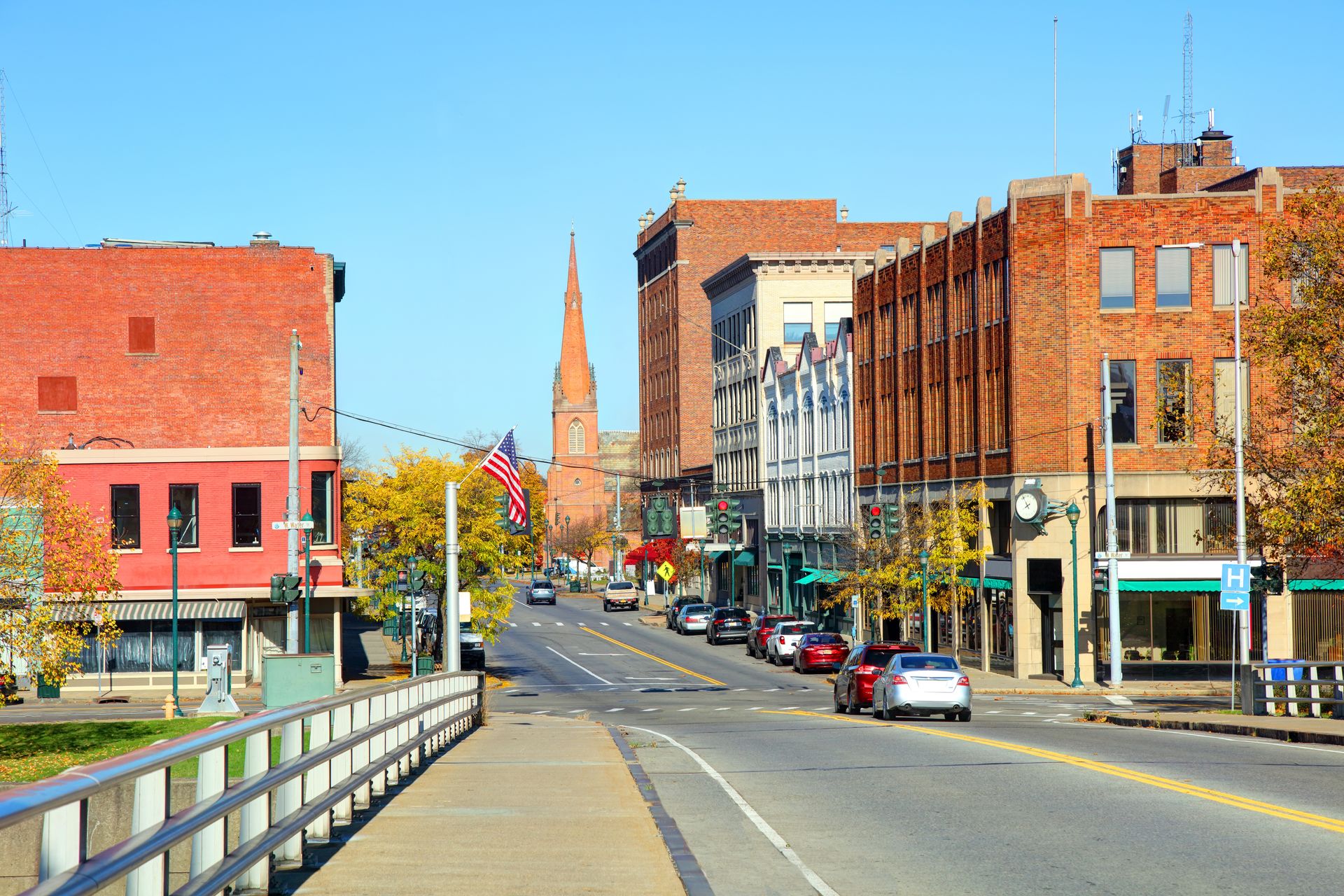
Affordability drives Elmira's investment case more directly than any other market on this list. Average home prices in this New York town sit below $220,000 — the lowest buy-in of any market in AirDNA's analysis. Revenue potential averages approximately $28,000 per year, modest in absolute terms but enough to deliver a 12.9% yield.
Demand in Elmira runs deeper than the headline numbers suggest. Tanglewood Nature Center and its surrounding trail network draw outdoor travelers seeking access to nature without the crowds of more prominent destinations. The National Soaring Museum and Harris Hill Soaring Corporation give the area distinctive appeal, while aviation and soaring culture anchors a demand segment few other markets can replicate. Mark Twain's ties to the region add a third demand layer.
Proximity to the Finger Lakes strengthens the case further. Travelers $TRV often combine Elmira with visits to the wine trails, waterfalls, and gorges of the Finger Lakes region, giving hosts a secondary market to target beyond the core Elmira audience. Listings positioned at the intersection of both demand drivers can capture bookings that a purely mountain- or Finger Lakes-focused property would miss.
Investors must meet regulatory requirements. Elmira's Rental Certification Ordinance requires hosts to register and certify rental properties in the city. The framework carries a compliance-forward character, meaning hosts who approach licensing seriously and maintain their properties to code will find the process navigable. Operating informally in this market carries friction risk.
halbergman / Getty Images
Average home price: $462K | Average yield: 12.2%
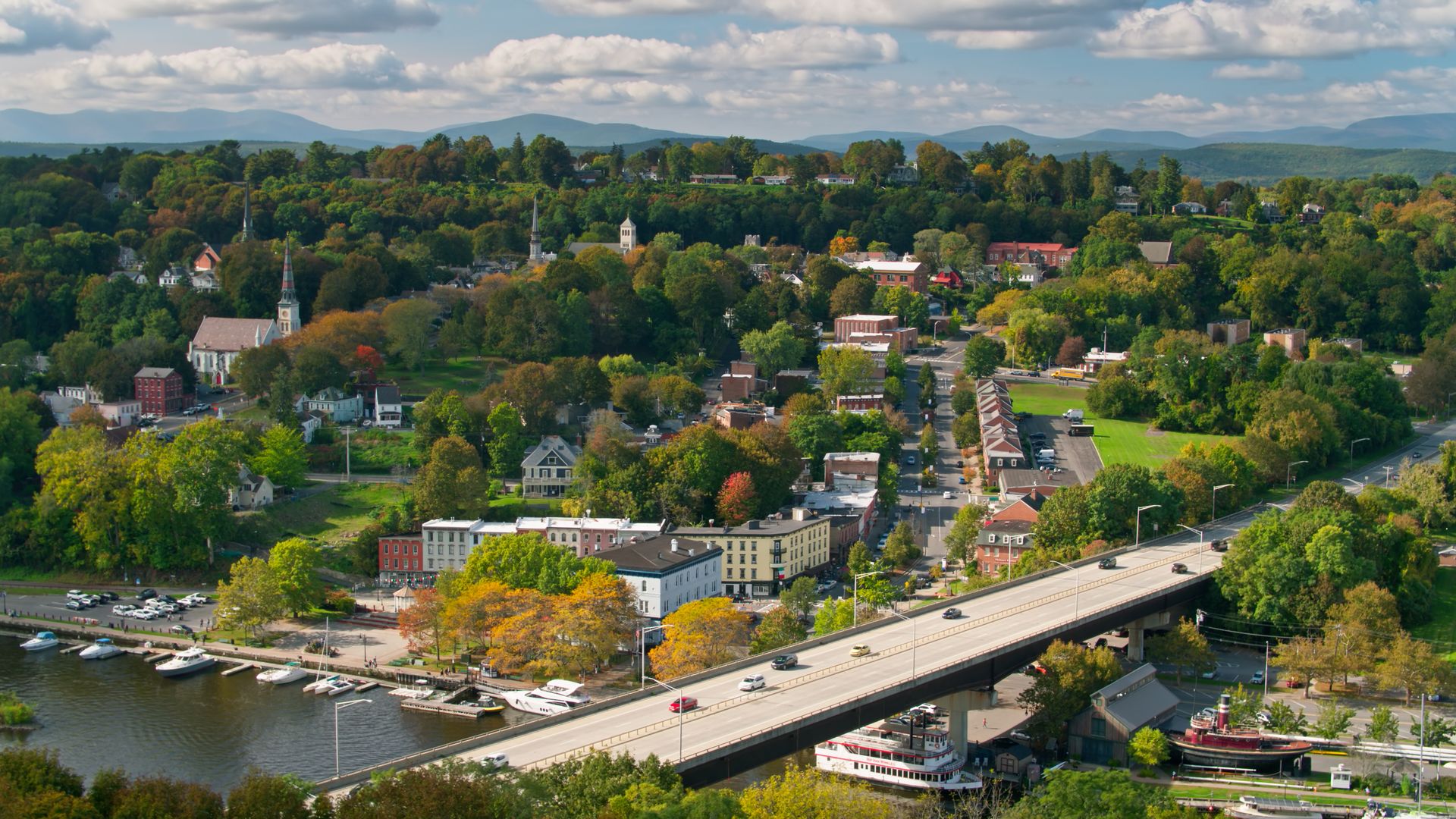
Few other markets in the Northeast have genuine urban character, Catskill Mountain access, and a short-term rental yield above 12%. Average home prices in Kingston, New York, sit below $465,000, which is elevated by the standards of the other markets on this list but reasonable for the Lower Hudson Valley, where weekender demand from New York City has pushed comparable towns well past that threshold.
Revenue potential averages $56,000 per year, yielding 12.2%. Kingston offers an established arts scene, a waterfront setting, three distinct historic districts, and direct access to the Catskill Mountains. Few markets with that profile trade at home prices that still support double-digit yields.
The Catskills give Kingston a legitimate mountain identity alongside its Hudson Valley cultural draw. Guests arrive for skiing at nearby resorts in winter, hiking and swimming in summer, and the food-and-arts scene year-round. Visitors who want both a walkable, restaurant-dense weekend and proximity to serious outdoor activity find Kingston well suited to both. The combination supports stronger average daily rates and attracts couples, small groups, and design-conscious travelers inclined to book higher-quality properties.
Kingston's regulatory environment requires active navigation. Hosts offering stays of fewer than 30 consecutive days must obtain a Short-Term Rental Permit. The city caps full-time short-term rental permits at approximately 106 permits, representing 1% of housing units. Permit availability, property eligibility, and timing all require due diligence before purchase. Investors who verify permit status upfront and buy with a clear path to compliance will find Kingston investable.
