Randolph Rojas / Unsplash
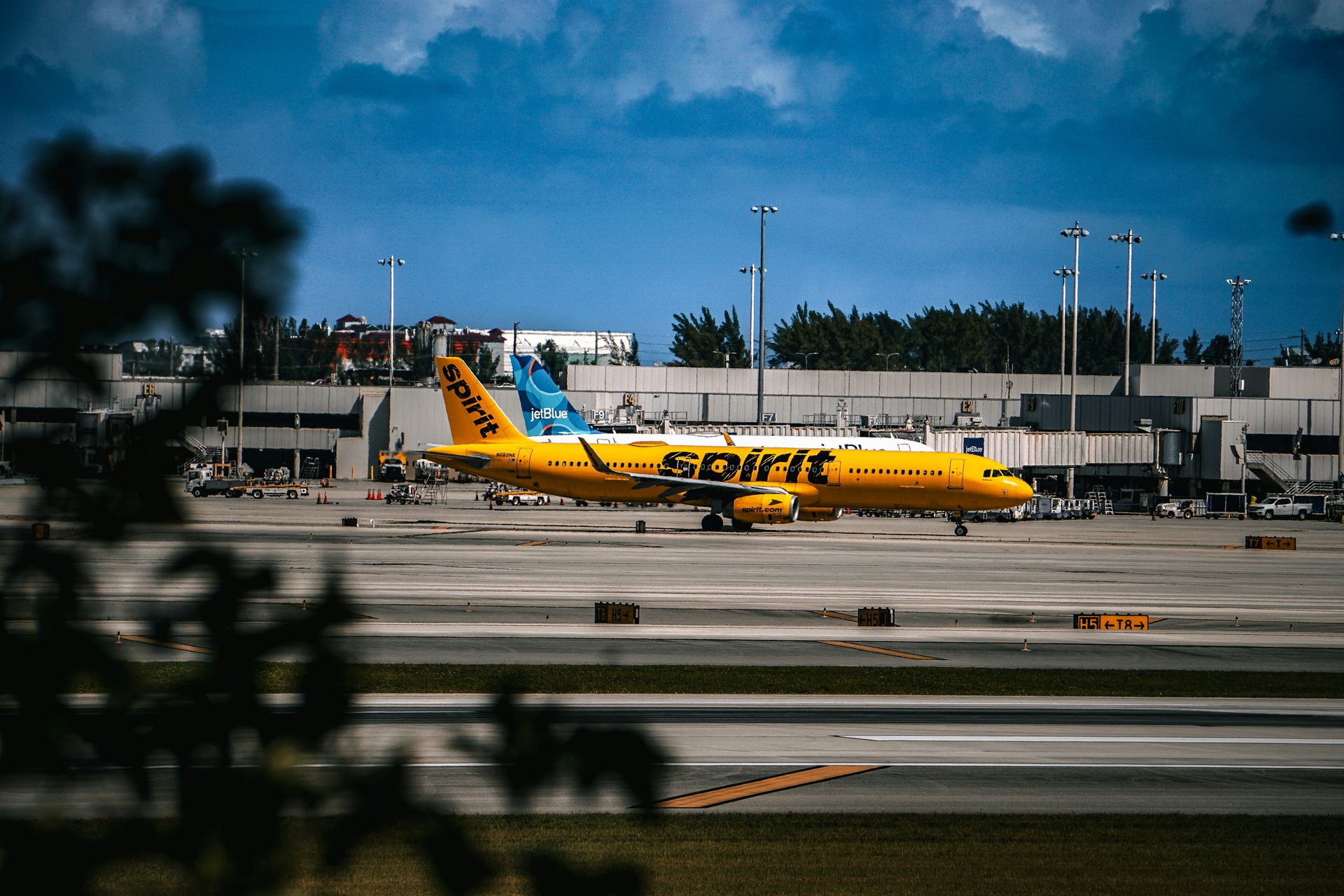
Spirit Airlines built its reputation around one of the industry's most recognizable value propositions: offering some of the lowest fares available to travelers. The experience came with tradeoffs. Passengers often navigated strict baggage policies, à la carte pricing, and fewer included amenities in exchange for lower upfront ticket costs. For many travelers, that approach made Spirit a notable player in the budget-airfare market.
Airfares have risen across much of the market, leading some travelers to wonder whether the era of ultra-low-cost flying has faded as well. While the steepest discounts may be less common than they once were, several airlines continue to operate with similar low-cost models.
Some focus on popular leisure destinations, while others connect smaller cities that larger airlines often overlook. A few have also sought to balance low fares with a somewhat more comfortable onboard experience.
The result is a budget-travel landscape that looks different but still offers opportunities for travelers focused on value. The lowest advertised fares frequently exclude checked bags, seat assignments, and other services that many passengers may expect. Travelers $TRV who pack light and remain flexible can still find prices that compare favorably with past budget-airline deals. Those seeking a more traditional airline experience may find costs rise as additional services are added.
Three airlines stand out among today's low-cost options. Each offers competitive base fares, each serves a distinct segment of the market, and each shows that affordable air travel remains available even after one of the industry's best-known budget carriers exited the scene.
1 / 3
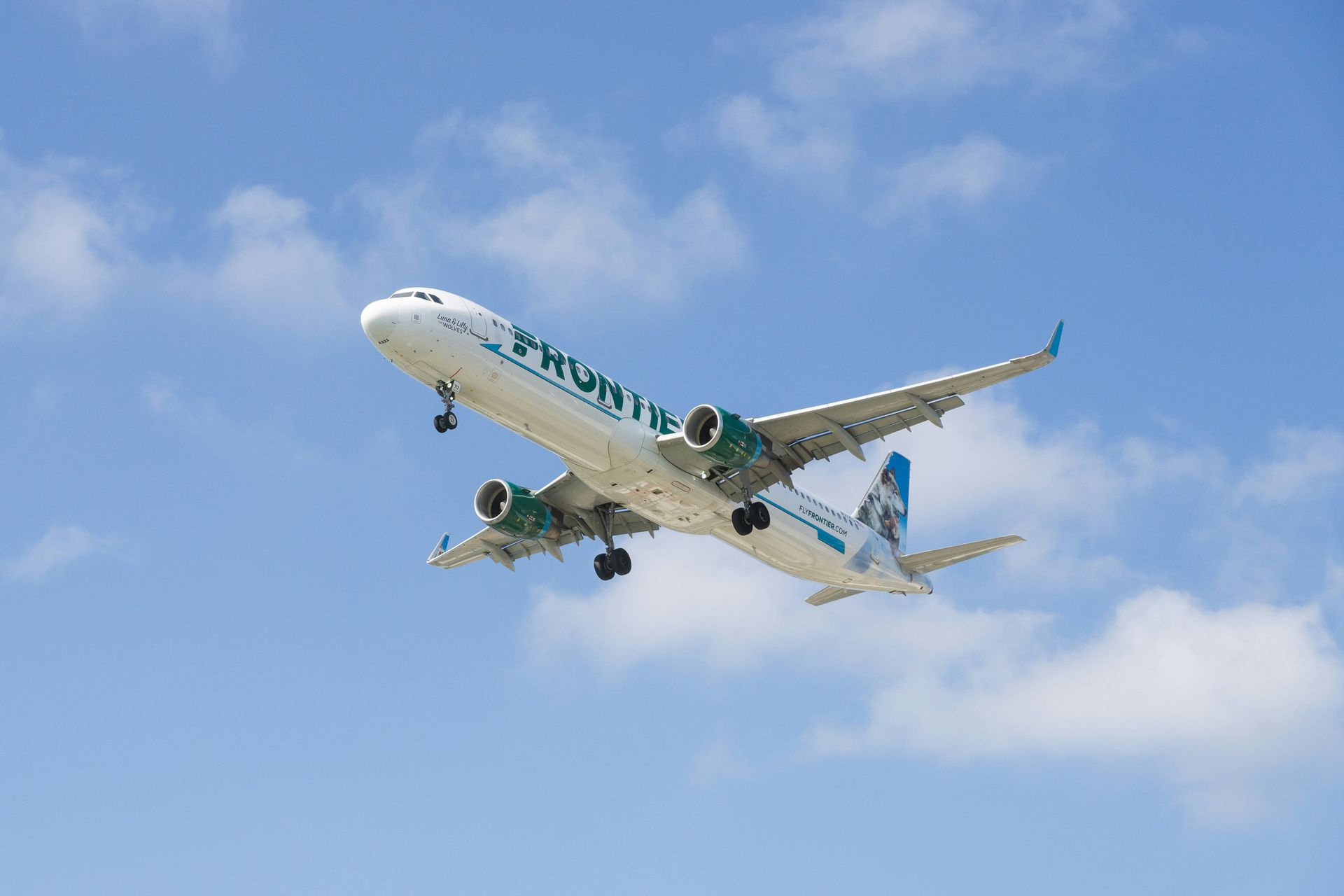
Photo by Brandon Karaca on Unsplash
If Spirit represented the purest version of budget flying, Frontier Airlines comes closest to carrying that torch. According to Reader’s Digest, Frontier serves more than 120 destinations, primarily across the U.S., while also connecting travelers to leisure destinations in Mexico, Jamaica, and the Dominican Republic. The airline’s reported one-way base fares frequently range from $24 to $79 on domestic routes, with promotional fares occasionally dropping even lower.
The resemblance to Spirit extends beyond pricing. Frontier relies on an unbundled business model that keeps the initial ticket price low while charging separately for services such as checked bags, carry-on luggage, and seat selection. For experienced budget travelers, that structure can be an advantage because it allows them to pay only for the services they need. For less frequent flyers, it can create surprises if they do not carefully review fees before booking.
Comfort is another area where the similarities appear. Reader’s Digest notes that the airline often receives criticism for limited comfort. Yet that tradeoff remains central to the economics of ultra-low-cost travel. Frontier’s ability to keep fares near the bottom of the market depends in part on maximizing efficiency rather than offering premium amenities.
For travelers whose primary goal is securing the cheapest possible ticket, Frontier may be the most direct successor to Spirit. The experience is built around the same philosophy: strip away nonessential features, keep fares low, and let passengers decide which extras are worth paying for.
2 / 3
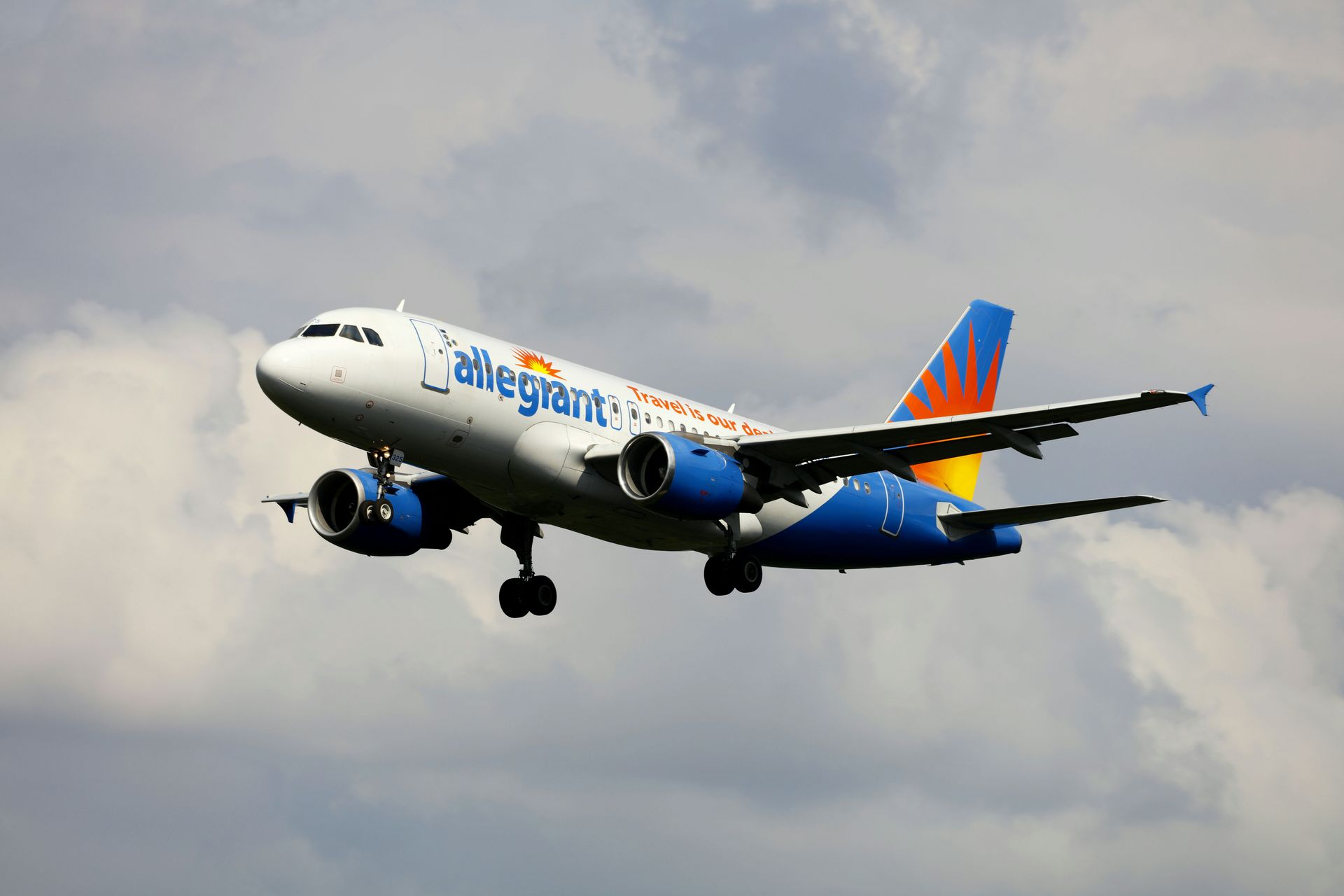
Photo by Forsaken Films on Unsplash
Allegiant Air occupies a slightly different corner of the discount-airfare market. Rather than competing aggressively on routes between major hubs, the airline focuses on connecting smaller cities with popular vacation destinations. According to Reader’s Digest, Allegiant serves approximately 120 destinations and specializes in routes linking regional airports with leisure markets such as Las Vegas, Orlando, Fort Lauderdale, and Myrtle Beach.
That strategy helps Allegiant stand apart from larger competitors. Travelers $TRV living near smaller airports often face limited nonstop options and higher fares. Allegiant attempts to fill that gap by operating targeted routes designed around vacation demand. Reader’s Digest reports that recent base fares commonly range from $38 to $92 one way, particularly on nonstop leisure routes.
Smaller airports can mean shorter security lines, less congestion, and easier travel logistics. In some cases, travelers may avoid long drives to major metropolitan airports entirely. Those conveniences can add value beyond the ticket price itself.
The tradeoff is frequency. Allegiant generally operates fewer flights than larger carriers, meaning travelers may have less flexibility when selecting departure times or dates. The airline also follows the familiar low-cost model of charging separately for bags and seat assignments. As with Spirit, the best deals often go to passengers traveling with only a personal item.
3 / 3
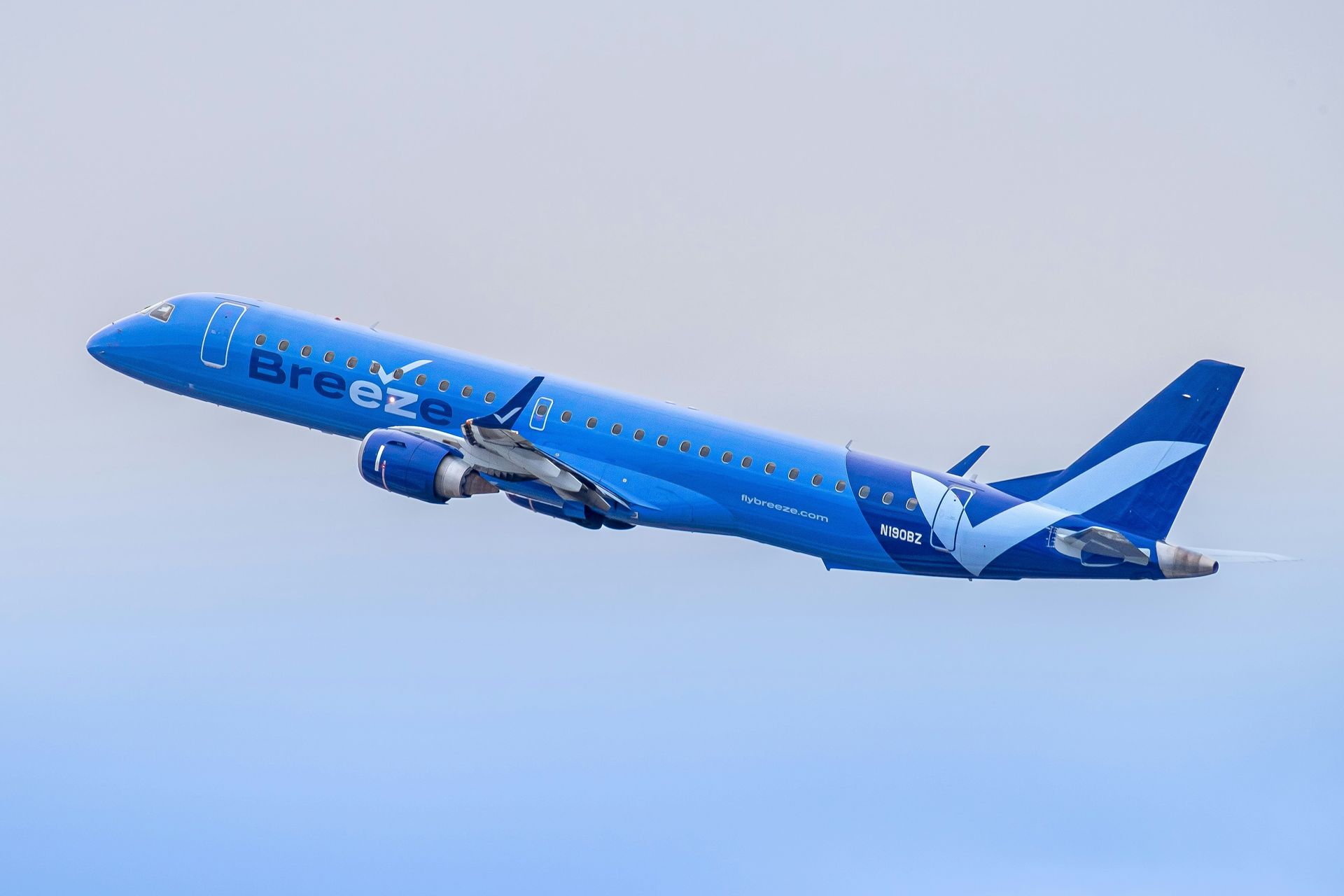
Among Spirit’s potential successors, Breeze Airways may be the most intriguing. Founded in 2018, the carrier is considerably newer than many competitors, yet it has rapidly expanded by focusing on routes that larger airlines often ignore. Reader’s Digest reports that Breeze serves more than 60 destinations across the U.S., emphasizing nonstop service between midsize cities.
Pricing remains central to the airline’s appeal. According to Reader’s Digest, introductory and promotional fares commonly start between $39 and $99 one way. The carrier’s lowest-priced option, known as the No Flex Fare, includes only a personal item that fits beneath the seat, echoing the stripped-down structure familiar to former Spirit customers.
Where Breeze differentiates itself is in the overall passenger experience. Reader’s Digest notes that travelers often view the airline as a more refined alternative to traditional ultra-low-cost carriers. The airline has developed a reputation for offering additional legroom and a less stressful onboard environment while still maintaining competitive pricing.
That combination reflects what could be a shift within the budget-travel market. Some travelers remain focused exclusively on price. Others are willing to spend slightly more if the experience feels meaningfully better. Breeze, it would seem, attempts to occupy that middle ground by preserving affordability without embracing every aspect of the bare-bones model.