
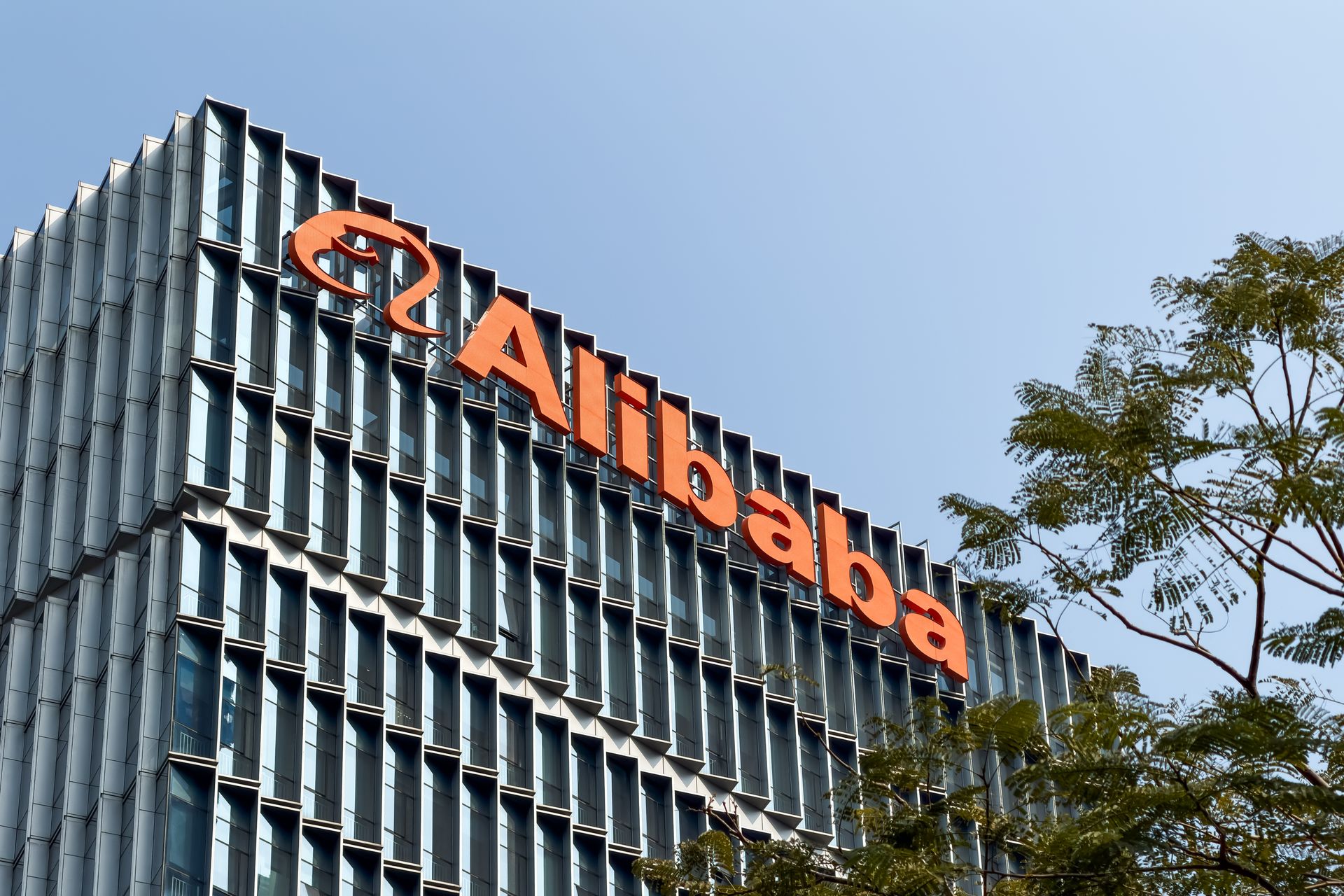
Alibaba Group and its U.S.-based payment processor, AUS Merchant Services, agreed to pay $600 million to resolve Justice Department allegations that they failed to prevent illegal pharmaceutical sales on their e-commerce platforms.
Non-prosecution agreements announced Wednesday by the Justice Department cover accusations that both companies broke the Federal Food, Drug, and Cosmetic Act — specifically by letting merchants move illegal drugs, controlled substances, regulated chemicals, and pill presses into the country via Alibaba.com and AliExpress.com.
As part of its agreement, Alibaba acknowledged responsibility for approximately 80,000 prohibited transactions involving U.S.-bound imports — spanning nearly a decade from January 2016 through December 2024 — whose total gross merchandise value topped $200 million. To build its case, the government sent undercover agents into the marketplace on over 40 separate occasions to purchase pharmaceuticals and pill-counterfeiting equipment that are barred from U.S. import, the department said.
Internal warnings had surfaced within Alibaba from employees who questioned whether the platform's safeguards were up to the task, even as formal rules against selling restricted goods remained on the books. Alibaba also provided a private in-platform messaging service that some merchants used to arrange illegal transactions — and in some instances, to direct buyers to third-party encrypted messaging apps to complete those deals, the department said.
The payment arm of the operation — AUS Merchant Services, a subsidiary of Ant Group that previously operated as Alipay U.S. — conceded that gaps in its anti-money-laundering program allowed certain merchants to run prohibited transactions through its network. Wire-transfer records were not consistently fed into the company's transaction-monitoring tools, leaving suspicious activity from high-risk jurisdictions undetected, according to the department. Court records show that at least one seller kept moving banned goods to U.S. customers even after AUS had flagged and reported the account, the department said.
Alibaba's share of the penalty includes $125 million in criminal fines and a $200 million forfeiture. AUS Merchant Services will contribute $85 million in criminal fines and $190 million in forfeited funds. As a condition of the deal, both firms committed to overhauling their compliance operations and maintaining an ongoing cooperative relationship with prosecutors.
"Companies operating online marketplaces — whether based in the United States or abroad — must implement appropriate safeguards to prevent bad actors from exploiting their platforms," Assistant Attorney General Brett A. Shumate said in a statement. "If they fail to do so, the Department will hold them accountable."
In a statement, Alibaba described the outcome as a "mutually satisfactory resolution" and said the agreement "reflects a thorough regulatory process with Alibaba's full cooperation and our commitment to best-in-class standards of control, policies, and measures against non-compliant product sales."
First Assistant U.S. Attorney Charles C. Calenda for the District of Rhode Island, which prosecuted the case, described the $600 million resolution as the largest monetary settlement in the district's history, the department said.