The $2.5 billion settlement resolved allegations that Amazon enrolled customers in Prime without consent and made cancellation difficult
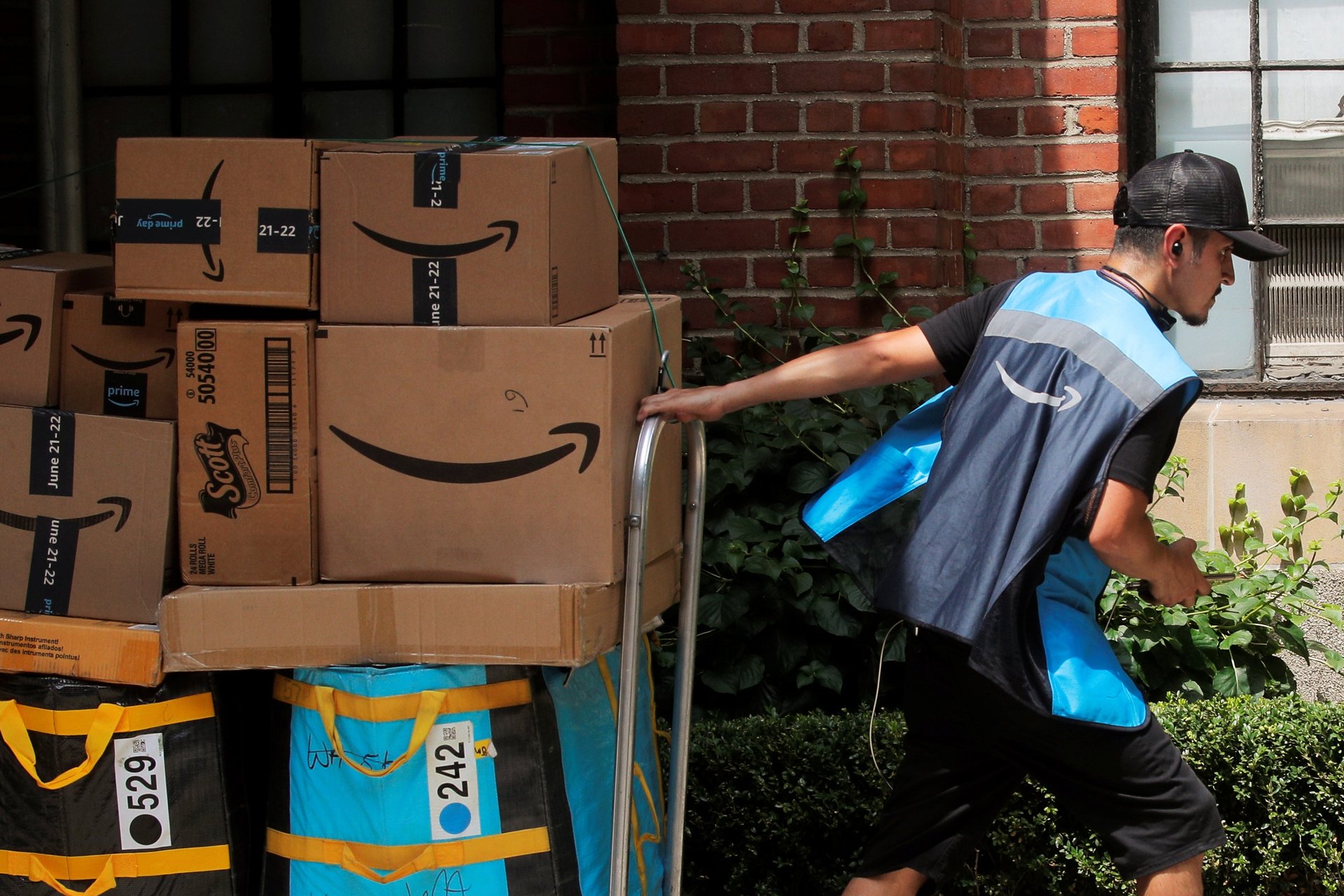
The settlement was reached in September 2025 after the FTC alleged that Amazon enrolled millions of customers in Prime without their knowledge and made cancellation difficult through what the agency called "manipulative, coercive or deceptive user-interface designs." Amazon denied wrongdoing but said the agreement "allows us to move forward and focus on innovating for customers," according to CNBC.
The $2.5 billion breaks down into a $1 billion FTC penalty and a $1.5 billion consumer fund, with no single claimant able to collect more than $51. Final payouts are calculated against how many approved claims come in and how much each member paid in Prime fees over the relevant period.
Not all eligible members need to file. Those whose accounts were flagged for automatic disbursement would have seen those funds arrive sometime between mid-November and late December 2025. The current filing window, which opened Jan. 5, 2026, is for members who did not receive an automatic payment.
To qualify for this phase of claims, a customer must be a U.S. consumer who signed up for Prime between June 23, 2019, and June 23, 2025; used more than three but fewer than 10 Prime benefits in any 12-month period during that window; and either enrolled through or attempted to cancel via one of the enrollment flows challenged by the FTC — the universal Prime decision page, shipping selection page, single page checkout, or the Prime Video enrollment flow.
Eligible members can submit a claim through the official Amazon Prime settlement website. Once submitted, each form goes through a 30-day review by Amazon, and those who clear that process are anticipated to see their money arrive around September 2026.
The FTC has issued a public advisory urging people to watch out for fraudsters who use high-profile settlement announcements to run cons. "The FTC will never contact you about this refund," the agency said in a statement. "No one from the FTC or Amazon will ask you for money to get a refund." Unsolicited calls, texts, or emails can be reported to the FTC's Fraud Prevention Division.
Join 500,000+ readers who start their day with Quartz.
By subscribing, you agree to our Terms of Service and Privacy Policy.
