American Airlines is being sued by three Black passengers who accuse the company of subjecting them and others to “blatant race discrimination” earlier this year.

The passengers sued American Airlines for "blatant race discrimination"
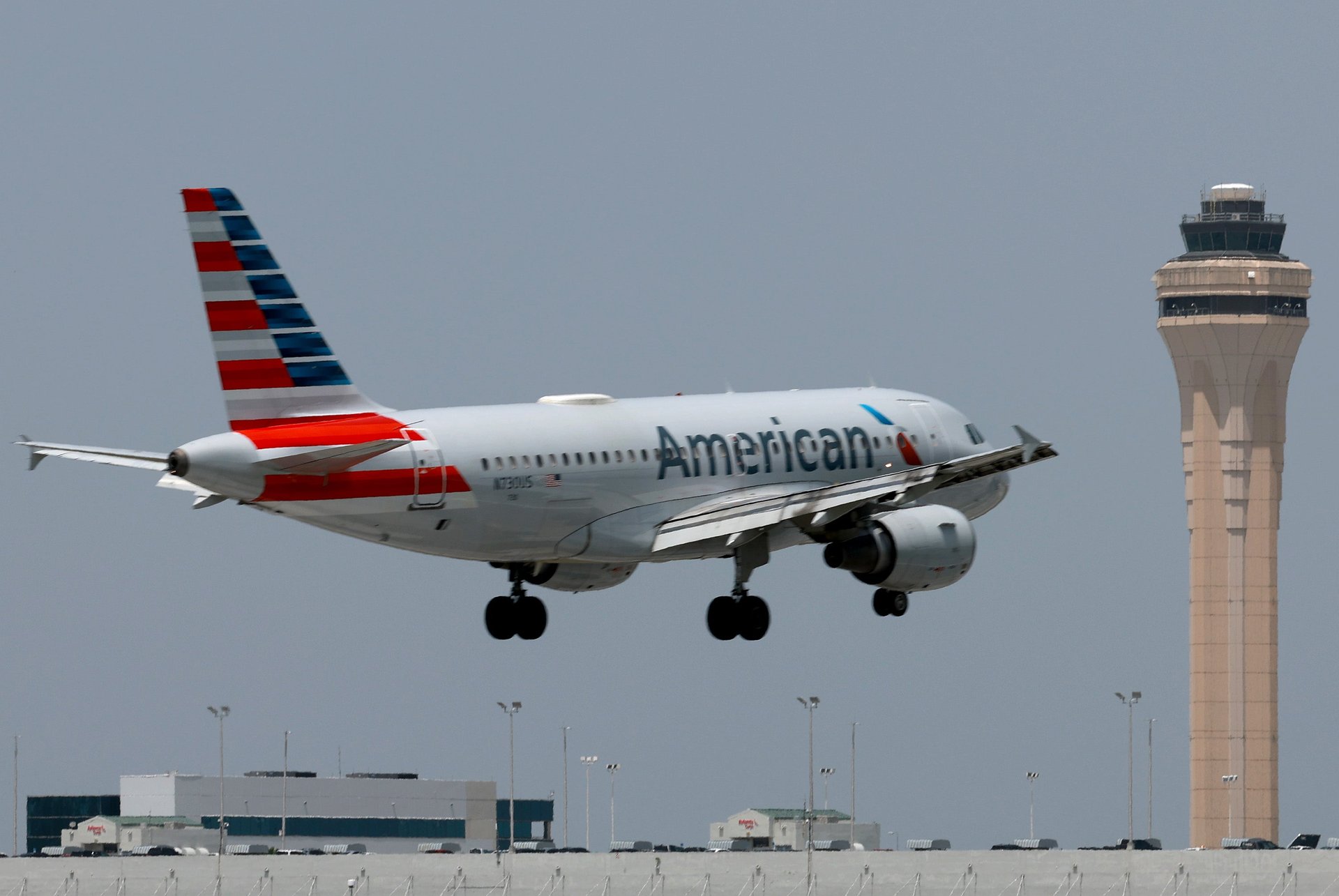
American Airlines is being sued by three Black passengers who accuse the company of subjecting them and others to “blatant race discrimination” earlier this year.
On January 5, an American employee ordered eight Black men off of Flight 832 from Phoenix to New York without explanation, according to a lawsuit filed Wednesday in the Eastern District of New York. When the men demanded one after exiting the plane, a worker informed them they had received a “complaint about body odor.” According to the lawsuit, they were the only Black passengers on Flight 832.
When one of the plaintiffs told an employee that it looked like they were being discriminated against, the worker agreed with the charge, the lawsuit claims. A different employee informed the plaintiffs that the complaint had come from a “white male flight attendant.”
While waiting at the gate, the plaintiffs were told they would need to rebook another flight, although one American representative told them it wouldn’t be possible to book them passage on another flight that evening. After an hour of waiting and demands to be allowed back on board, the airline permitted them to return to their seats.
“Throughout the flight—from the moment of their reboarding, in each interaction with the white male flight attendant, and continuing until landing — Plaintiffs experienced profound feelings of embarrassment, humiliation, anxiety, anger, and distress,” the lawsuit says. “The act of returning to their seats after the unwarranted delay, navigating past the predominantly white passengers, several of whom eyed them with anger and undue suspicion, compounded their humiliation.”
The lawsuit also goes to great lengths to illustrate American’s history of racial discrimination against Black passengers over the last eight years. The NAACP, the oldest and largest U.S. civil-rights group, in 2017 issued a travel advisory warning Black Americans to steer clear of traveling on American, citing a series of incidents of racial discrimination.
American said in a statement to Quartz that it takes “all claims of discrimination very seriously” and wants customers to have a positive experience. The company added that it is investigating the matter.
Join 500,000+ readers who start their day with Quartz.
By subscribing, you agree to our Terms of Service and Privacy Policy.