From freezing solid and reviving to navigating by the Milky Way, these 25 creatures have evolved abilities that challenge everything we assume about what bodies can do
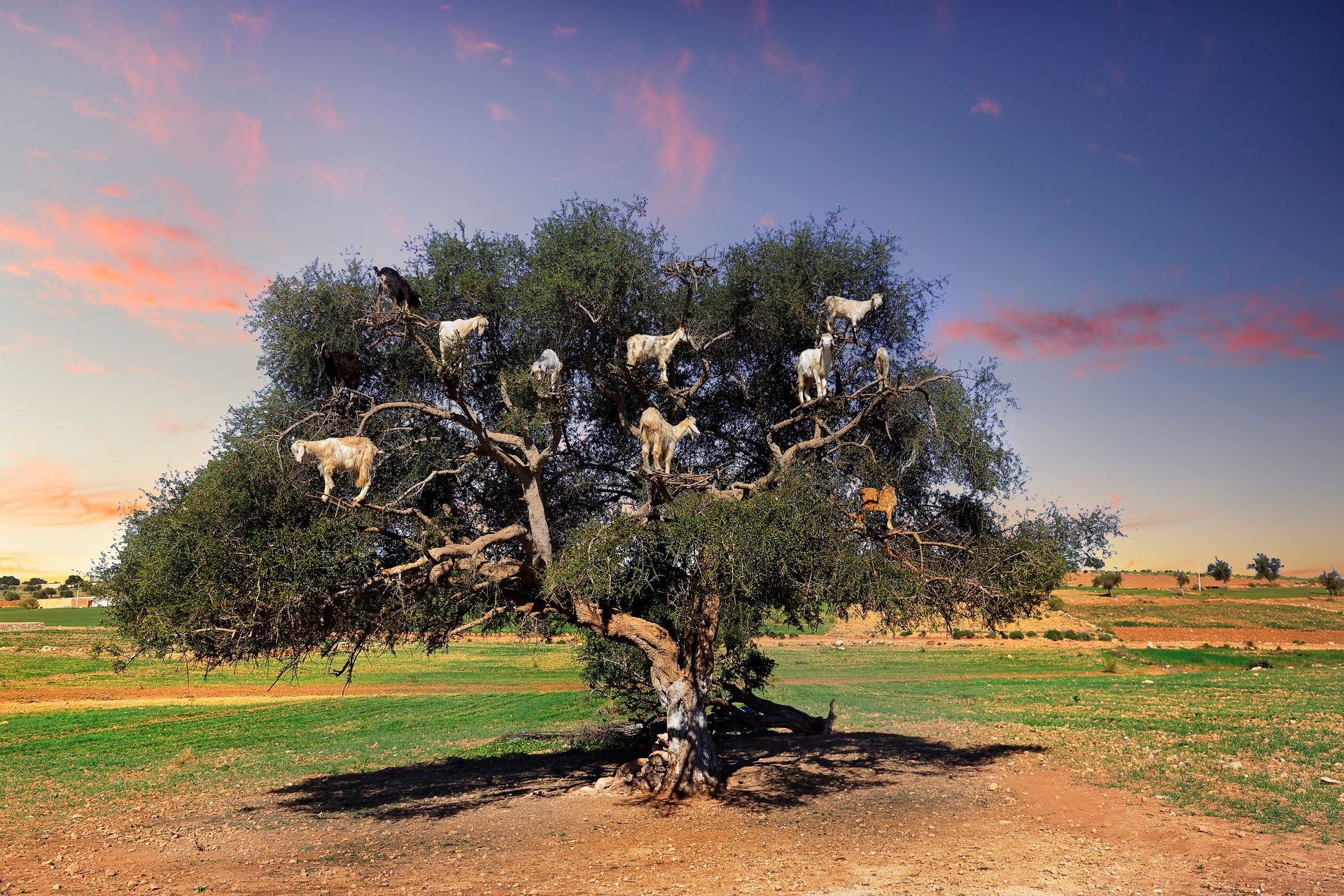
seng chye teo / Getty Images
Evolution does not care about elegance. It cares about survival, and over hundreds of millions of years, it has produced solutions to the problem of staying alive that bear almost no resemblance to anything humans have engineered. Some animals have evolved senses we lack the neurology to fully imagine. Others have developed physical defenses so extreme they seem to belong in a science-fiction screenplay. A few have found ways to cheat death itself — or at least make it wait far longer than seems reasonable.
The word "adaptation" can sound clinical, like a dry entry in a biology textbook. But what it describes is often extraordinary. An adaptation is the result of countless generations of organisms living, dying, and reproducing under pressure. Each small variation that improved survival got passed on. Each trait that helped an animal find food, escape predators, or reproduce under difficult conditions became more common over time. The cumulative result, across deep geological time, is a biosphere full of creatures capable of things that seem to violate common sense.
That includes animals that can survive being frozen solid, function without a heartbeat for months, regrow entire limbs, sense electrical fields that were invisible to human instruments until recently, and generate forces that briefly boil water without any external heat source. These are not exaggerations or folk tales. They are documented biological facts, confirmed through high-speed imaging, spectroscopy, and controlled laboratory study.
What makes these adaptations worth examining carefully is not just the spectacle of them. Understanding how the wood frog survives ice crystallizing inside its cells has direct implications for organ preservation and transplant medicine. The silk produced by certain spiders has inspired materials engineers for decades. The electric eel's ability to generate and control bioelectricity has informed research into neural interfaces.
Nature has already solved many of the problems humans are still working on. It just solved them using protein, chitin, and four billion years of trial and error rather than silicon and steel.
This list covers 25 animals whose adaptations push the boundary of what biology seems to permit. Each one is real, confirmed, and — once you understand the mechanism — even more striking for it.
-500x500.png)
Credit: Wikipedia
Tardigrades are microscopic animals — most between 0.1 and 1.5 millimeters long — that live in water films on mosses, lichens, soil, and sediment around the world. They are found in the Himalayas, in deep ocean trenches, in Antarctic ice, and in suburban backyards. What makes them extraordinary is not where they live but what they can endure when conditions turn hostile.
When a tardigrade's environment dries out, or when temperatures drop toward absolute zero, or when it is exposed to radiation levels that would kill virtually any other multicellular organism, it does not simply die. Instead, it enters a state called cryptobiosis — literally, "hidden life." It retracts its legs, expels nearly all the water from its body, and curls into a dehydrated barrel shape called a tun. In this state, its metabolism drops to less than 0.01 percent of its normal rate. It is not dead, but it is not, in any conventional sense, alive.
In the tun state, tardigrades have been documented surviving temperatures close to absolute zero — around minus 272 degrees Celsius — and temperatures as high as 150 degrees Celsius. They have survived pressures six times greater than those found at the bottom of the Mariana Trench. They have been exposed to doses of ionizing radiation far above what would kill a human outright. In 2007, samples were sent into low Earth orbit aboard the FOTON-M3 spacecraft. Some survived direct exposure to the vacuum of space and ultraviolet radiation for ten days and revived when rehydrated back on Earth.
The mechanism behind this survival involves a suite of protective proteins unique to tardigrades. One group, called tardigrade-specific intrinsically disordered proteins, appears to form a glass-like solid around the animal's cells during desiccation, physically preventing the cellular machinery from being damaged while water is absent. When water returns, the proteins dissolve, and the cells resume normal function.
Tardigrades also produce unusually high levels of a protein called Dsup — damage suppressor — which physically shields their DNA from radiation. Research published in Nature Communications in 2016 found that human cells engineered to express the Dsup protein showed significantly reduced DNA damage when exposed to X $TWTR-rays.
The evolutionary origin of these traits is not fully understood. Tardigrades are ancient animals — the fossil record places their lineage at least 530 million years ago, during the Cambrian period. Their resilience has been refined over an enormous stretch of geological time, predating complex vertebrate life on land by hundreds of millions of years.
For scientists studying the biology of extreme survival, tardigrades are a central reference point. Their proteins have been studied as potential protectants for vaccines, drugs, and biological samples that require refrigeration. Translating even a fraction of the tardigrade's stability to human medicine remains an active area of research.
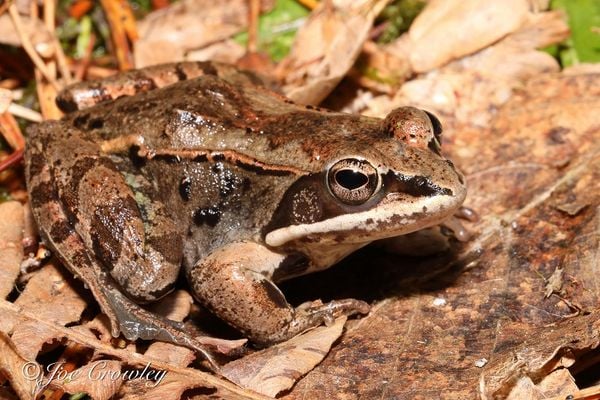
Credit: The Canadian Encyclopedia
Most vertebrates die when their body fluids freeze. Ice crystals puncture cell membranes, damage tissue, and destroy the structural integrity of organs. For the vast majority of animals, being frozen solid is irreversible. The wood frog (Rana sylvatica), a small amphibian found across North America from the southeastern U.S. into Alaska, does not follow this rule.
Each autumn, as temperatures in its range drop below freezing, the wood frog undergoes a remarkable physiological transformation. Ice begins to form in the fluid between its cells. Within a few hours, its heart stops. Its blood stops flowing. It stops breathing. Its brain shows no detectable electrical activity. By any standard clinical measure, it is not alive. And yet it is not dead either.
The wood frog survives this state through a series of rapid biochemical responses triggered by the first formation of ice crystals on its skin. Within minutes of first freezing, the frog's liver converts enormous quantities of glycogen into glucose. Glucose floods into the cells at concentrations so high — more than 100 times the resting blood sugar level — that it acts as a cryoprotectant, preventing intracellular water from forming ice and protecting cell membranes from rupture.
Simultaneously, the frog's cells produce proteins that control ice formation in the extracellular space, directing it into areas where it causes the least structural damage. Urea, which accumulates in the frog's tissues during winter, also contributes to cryoprotection by stabilizing proteins and membranes under freeze conditions.
When spring temperatures rise, the frog thaws from the inside out. Its heart restarts. Its lungs resume function. Within hours of thawing, it is alert, mobile, and capable of reproduction — wood frogs typically breed almost immediately after emerging from winter dormancy, often before the last snow has melted.
The wood frog has been studied extensively by researchers interested in cryonics and organ preservation. The challenge of preserving donor organs during transport — which involves the same core problem of preventing cellular damage during freezing and thawing — has drawn direct inspiration from the frog's biology. Understanding why the frog's cells tolerate ice while mammalian cells do not could eventually inform protocols for extending the viability window of transplant organs.
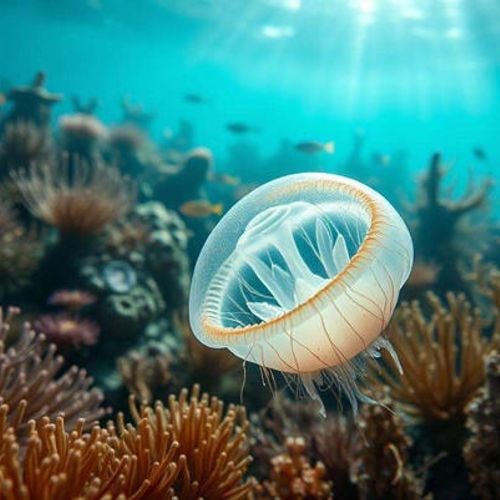
Credit: MSN
Turritopsis dohrnii is a small jellyfish — about 4.5 millimeters in diameter when mature — found in the Mediterranean Sea and in oceans worldwide following its spread through ballast water. What separates it from every other known multicellular animal is a confirmed ability to revert from its adult, sexually mature form back to its juvenile polyp stage when it is stressed, injured, or starved.
This process, called transdifferentiation, involves the jellyfish's cells changing from one type to another. A mature muscle cell, for example, may become a nerve cell or a sensory cell. The entire adult medusa — the bell-shaped, free-swimming form — can dissolve back into a blob of tissue that reorganizes itself into a polyp, from which new medusae will eventually bud off. The process is the biological equivalent of a butterfly reverting to a caterpillar.
No other multicellular animal has been confirmed to do this. In theory, if a specimen of Turritopsis dohrnii avoids predation, disease, and physical damage, it could cycle through this reversion process indefinitely. This is what has led some researchers to describe it as potentially biologically immortal — not in the sense that it cannot be killed, but in the sense that it may have no intrinsic lifespan limit imposed by its own biology.
The mechanism involves the reactivation of genes associated with pluripotency — the capacity of a cell to develop into multiple different cell types — that are normally switched off once tissues differentiate during development. In humans and most animals, that broad developmental capacity is shut down after embryonic development. In T. dohrnii, it can apparently be reactivated at will.
A 2022 study in the Proceedings of the National Academy of Sciences identified a suite of genes in T. dohrnii related to DNA repair, telomere maintenance, and stem cell renewal that differ significantly from those in closely related species that cannot rejuvenate. The practical question — whether any element of this mechanism could be replicated or translated to vertebrate aging biology — remains open. The jellyfish itself continues to cycle, largely untroubled by the question.
-1920x1721.jpg)
katanasharppictures / Unsplash
The axolotl (Ambystoma mexicanum) is a neotenic salamander native to a lake system near Mexico City. Neoteny means it retains juvenile features — including external, feathery gills — throughout its adult life, never undergoing the full metamorphosis that other salamanders complete. The trait that has made it one of the most studied animals in developmental biology, however, is its ability to regenerate lost tissue to a degree far beyond anything seen in mammals.
If an axolotl loses a limb, it will regrow a fully functional replacement — complete with bones, muscle, nerves, blood vessels, and skin — over weeks to months, depending on the animal's age and the injury's extent. This is not scar tissue filling a wound. It is the actual reconstruction of a complex, multi-tissue structure from scratch. The same applies to portions of the heart, the spinal cord, the jaw, and parts of the brain.
The regenerative process begins with the formation of a blastema — a mass of dedifferentiated cells at the wound site. These cells, drawn from surrounding muscle, connective tissue, and other structures, appear to partially revert to a progenitor-like state. From this cellular mass, guided by molecular signals, the correct tissues regrow in the correct pattern, in the correct spatial arrangement, without supervision from the nervous system.
The genetic machinery behind axolotl regeneration is enormous in scale. The axolotl has the largest genome of any animal yet sequenced — approximately 32 billion base pairs, roughly 10 times the size of the human genome. Many of the genes involved in its regenerative capacity are also present in mammals, including humans. They simply do not behave the same way after injury. Understanding why the axolotl activates these pathways while mammals form scar tissue instead is one of the central questions in regenerative medicine.
The axolotl is critically endangered in the wild. Its native habitat — the Xochimilco lake system in the Valley of Mexico — has been severely degraded by urbanization, pollution, and the introduction of predatory fish. Most axolotls alive today exist in laboratory and private captivity, studied intensively by researchers whose work depends on a species that barely survives outside the lab.
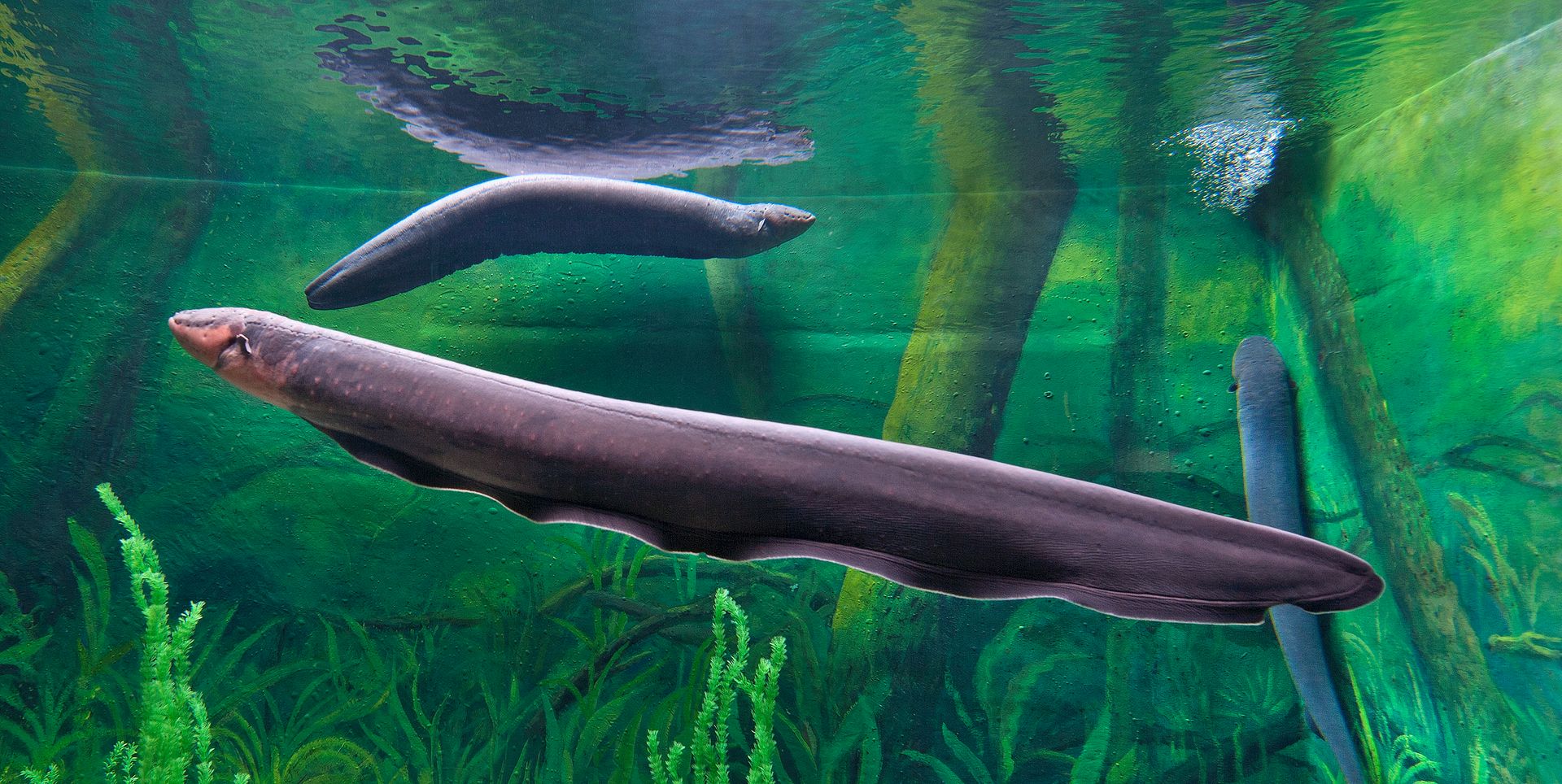
Billy Hustace / Getty Images
The electric eel — three species now recognized, Electrophorus electricus, E. voltai, and E. varii — is not actually an eel. It is a knifefish, more closely related to catfish and carp than to true eels, native to rivers and floodplains in South America, particularly the Amazon $AMZN and Orinoco basins. Roughly 80 percent of its body length is devoted to three specialized electric organs, each composed of thousands of flattened cells called electrocytes that function like stacked batteries.
Each electrocyte generates a small voltage across its membrane using ion pumps to create an asymmetric distribution of charged particles. When thousands of cells fire simultaneously, their individual contributions add together into a single powerful discharge. In the largest specimens of E. voltai, this reaches up to 860 volts — confirmed by a 2019 study in Nature Communications that remeasured and updated the species' electrical output.
The eel uses different types of discharges for different purposes. Low-voltage pulses of one to ten volts serve for navigation and electrolocation, allowing the eel to detect distortions in its own electric field caused by nearby objects. Higher-voltage discharges are used to stun prey. A more precise behavior — described in 2014 — involves the eel curling its body into a C-shape that creates a closed circuit around its prey, dramatically amplifying the shock delivered by surrounding the target with both poles of the discharge simultaneously.
In 2019, research also confirmed a behavior first described anecdotally by the naturalist Alexander von Humboldt in 1807: electric eels can leap partially out of the water to deliver electric shocks to large threats that approach the water's edge. In controlled experiments, the eels directed shocks with increasing intensity as they rose higher out of the water, effectively measuring the threat's size and proximity.
The electric eel generates and manages electricity with a precision that has no direct parallel in engineering at this scale. Researchers studying bioelectric interfaces — devices that communicate directly with neural tissue — have drawn on the eel's electrocyte architecture as a model for bio-integrated power sources.
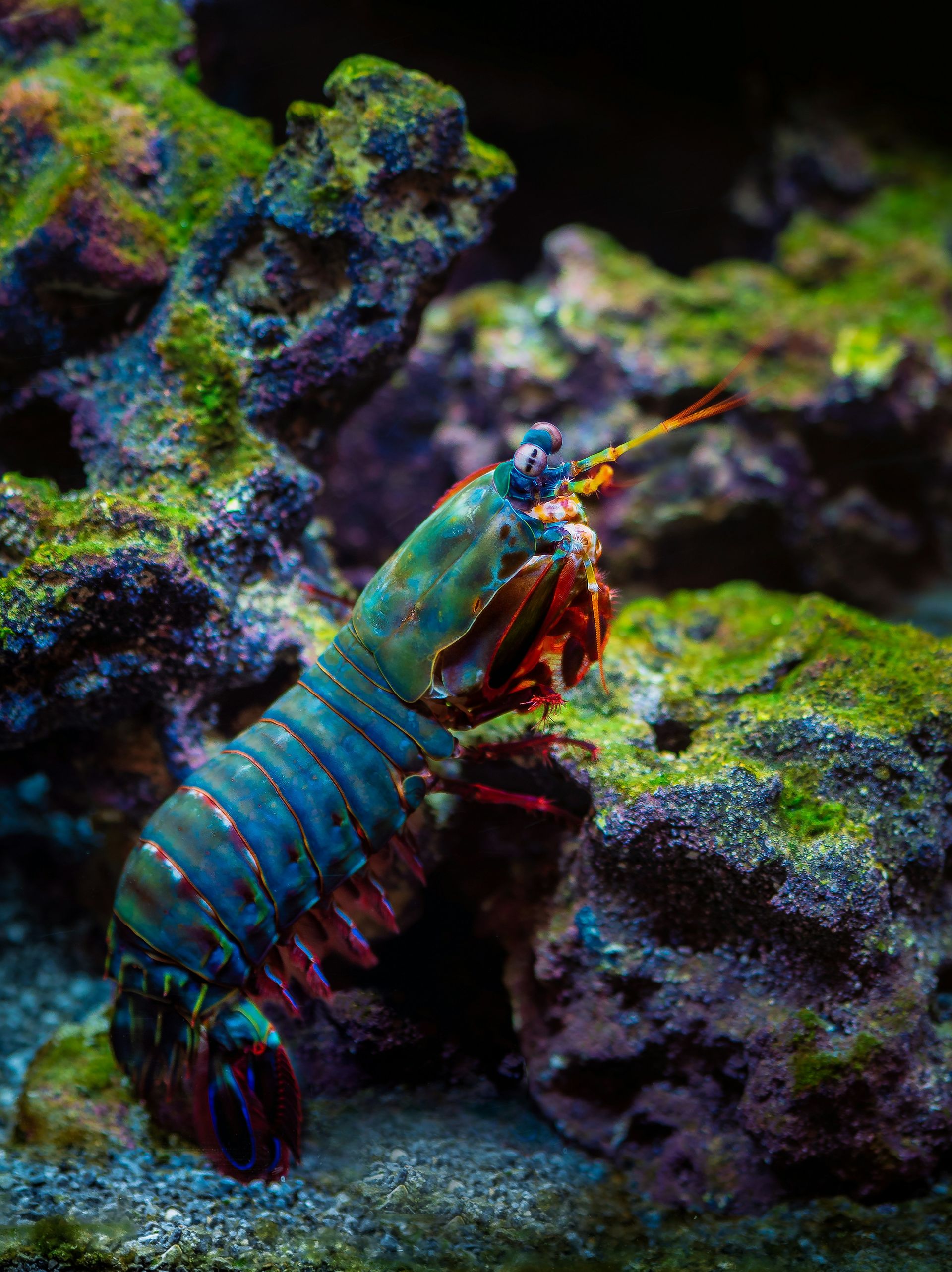
William Warby / Getty Images
The mantis shrimp is a marine crustacean in the order Stomatopoda, found on shallow tropical and subtropical ocean floors worldwide. It is neither a shrimp nor related to the mantis insect. What it does share with its namesakes is speed and lethality — and it possesses one of the most complex visual systems documented in any animal.
Human eyes contain three types of photoreceptor cells, sensitive to different wavelength ranges, which together allow us to perceive color across the visible spectrum. The mantis shrimp has 16 types of photoreceptor cells, sensitive to wavelengths ranging from deep ultraviolet to far red. Four receptor types are tuned to ultraviolet wavelengths that humans cannot detect. The visual apparatus would, by the logic of trichromatic vision, seem to give the mantis shrimp an extraordinarily detailed color experience.
But behavioral studies have found something more unusual. Rather than using its 16 receptor types to discriminate finely between similar colors — as a more sensitive version of human color vision — the mantis shrimp appears to process color as a rapid classification system, identifying color categories quickly and absolutely rather than comparing hues along a spectrum. It is a lookup system rather than a gradient, adapted for speed of recognition over fine discrimination.
Each eye also moves independently of the other, scanning a wide field of view. Crucially, each eye has trinocular vision on its own — the ability to judge distance using only one eye — because of the way the eye's visual field is divided into three distinct regions with overlapping fields.
Separately from its vision, the smasher varieties of mantis shrimp have a club-like appendage called a dactyl club used to strike hard-shelled prey. The strike accelerates at up to 10,000 g — comparable to the force of a bullet — and creates cavitation bubbles that collapse with enough force to stun or kill prey even when the club itself misses. The club's structure, which resists shattering under repeated high-impact loading, has been studied extensively as a model for impact-resistant composite materials.
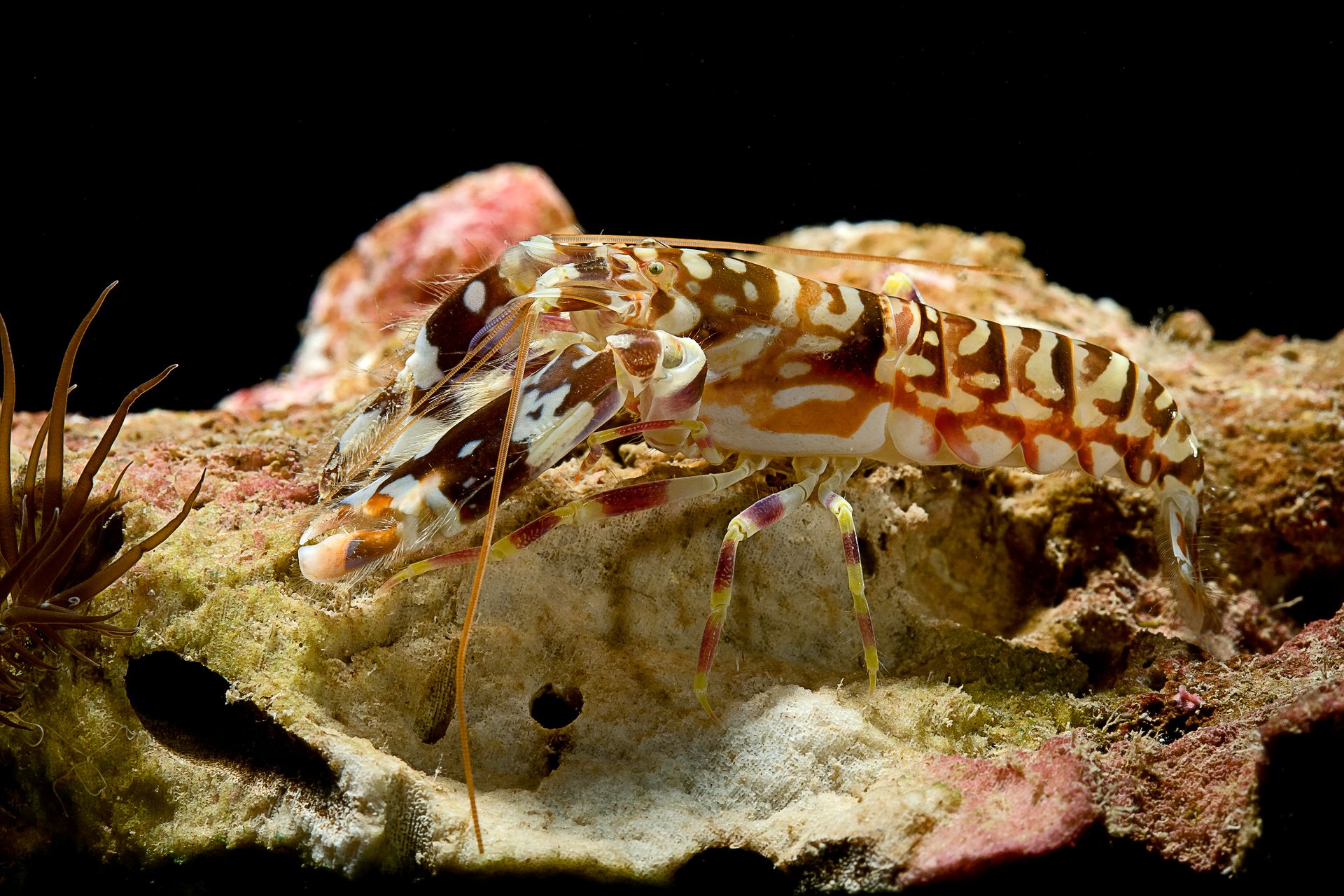
Paul Starosta / Getty Images
The pistol shrimp — several hundred species across the family Alpheidae — is typically one to two inches long and lives in tropical and subtropical marine environments. One claw is disproportionately enlarged, and when it snaps shut, it produces a physical effect that should not be possible for a small invertebrate: a cavitation bubble that briefly reaches temperatures comparable to the surface of the sun.
When the enlarged claw snaps shut at high speed, it forces a jet of water at approximately 100 kilometers per hour. This creates a low-pressure zone behind the jet where the water vaporizes. The resulting cavitation bubble collapses almost immediately, and as it does, the surrounding water rushes in with enough force to generate a shockwave and a brief flash of light — a phenomenon called sonoluminescence. The temperature spike inside the collapsing bubble has been estimated at around 8,000 degrees Celsius for a fraction of a millisecond.
The surface of the sun is approximately 5,500 degrees Celsius. The temperature spike inside the shrimp's cavitation bubble exceeds that figure — though the event is extraordinarily brief and confined to a microscopic volume. The shockwave it generates is sufficient to stun or kill small fish and invertebrates at close range. The snap also produces a sound pressure of around 218 decibels, placing the pistol shrimp among the loudest animals in the ocean.
Dense colonies of pistol shrimp produce a continuous background crackling that has practical consequences beyond biology. During World War II, submarines in the Pacific exploited dense aggregations of snapping shrimp as acoustic cover, using the noise to mask their own sound signatures from enemy hydrophones.
Many pistol shrimp species live in a mutualistic relationship with gobies — small fish that serve as lookouts. The shrimp, which has poor eyesight, maintains continuous contact with the goby using its antennae while digging and maintaining a shared burrow. When the goby retreats, the shrimp follows immediately, having received warning through touch rather than vision.
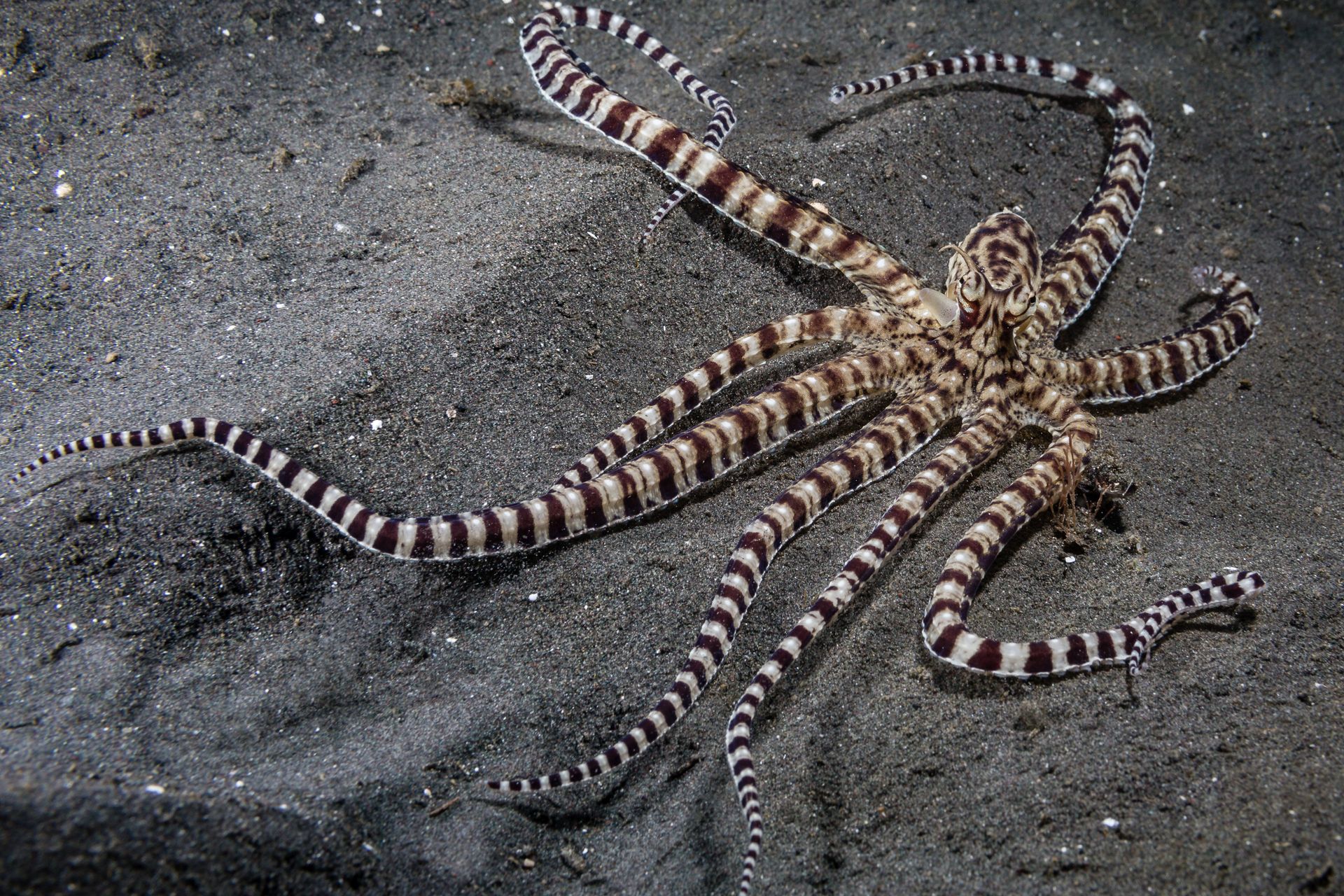
Tommi Kokkola Photography / Getty Images
The mimic octopus (Thaumoctopus mimicus) was documented scientifically for the first time in 1998, in the waters off Sulawesi, Indonesia. It belongs to the order Octopoda, like all octopuses, but it has a behavioral repertoire that distinguishes it from every other confirmed cephalopod: it impersonates multiple other species by altering its body posture, skin texture, color patterns, and movement style.
Octopuses in general are capable of remarkable camouflage. They control thousands of chromatophores — pigment-containing cells — and papillae that raise and lower the texture of the skin, allowing near-instantaneous color and texture changes. The mimic octopus uses these same mechanisms but applies them differently. Rather than blending into a background, it impersonates animals that predators avoid.
Documented impersonations include the flatfish, the lionfish, and the banded sea snake. When mimicking a flatfish, the octopus flattens its body and undulates in a pattern that closely matches the movement of several Indo-Pacific flatfish species. When mimicking a lionfish, it extends its arms radially and drifts with the slow, fin-like motion of that venomous fish. When mimicking a sea snake, it hides six arms in a hole and extends two arms with contrasting black and yellow banding, waving them to replicate the snake's characteristic lateral movement.
The octopus appears to select which species to mimic based on the nature of the threat and on which model would be most effective in the current context. This requires not just physical shape-shifting ability but something resembling a conditional behavioral strategy — if the threat is X $TWTR, respond with impersonation Y.
The mimic octopus is also unusual in that it is active during the day and moves openly across sandy, largely featureless seafloor where natural hiding places are scarce. Most octopuses rely on shelter or direct camouflage for protection. For the mimic octopus, dynamic impersonation appears to be its primary defense in an open environment where neither option is readily available.
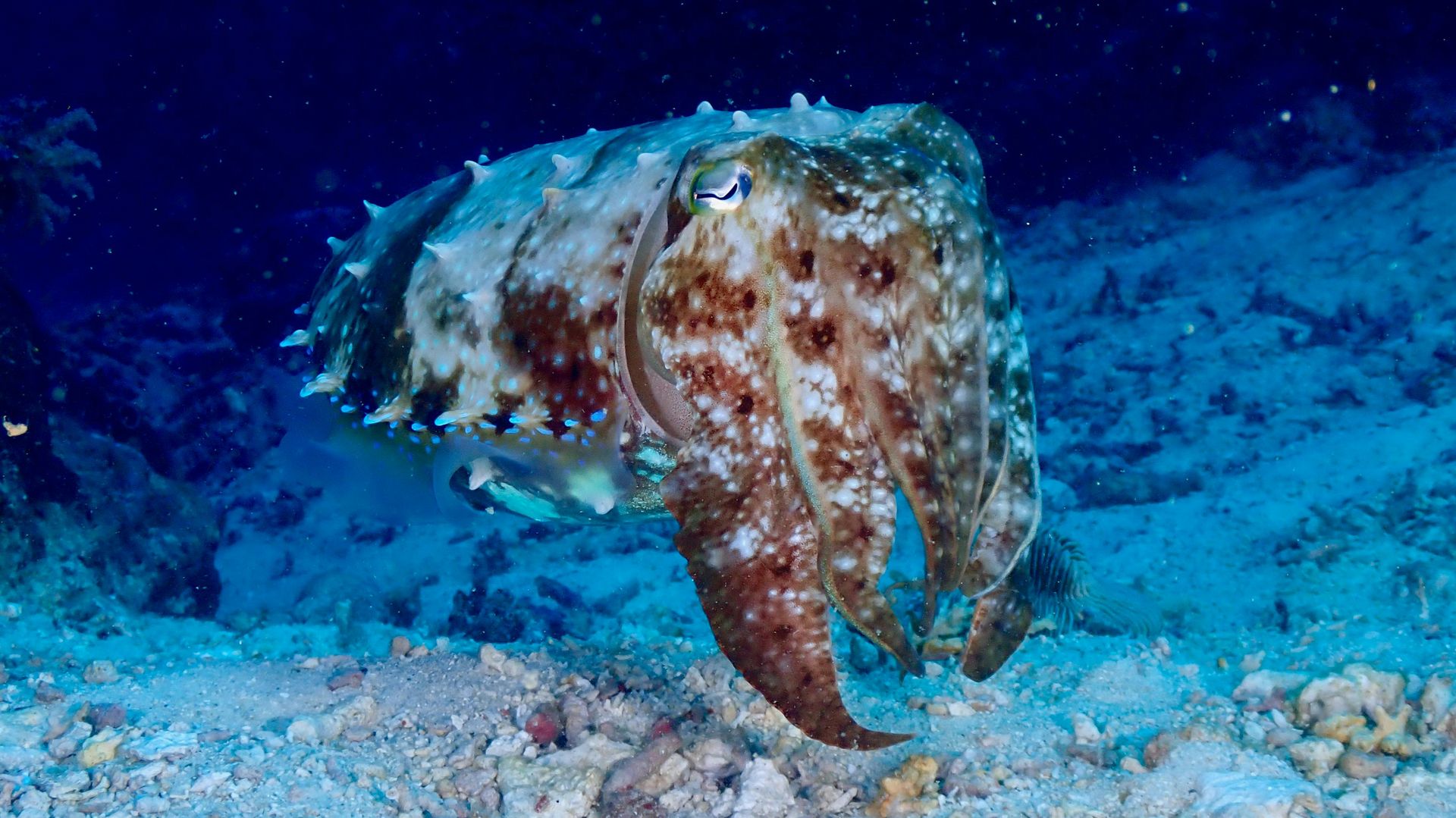
Chris Spain / Pexels
Cuttlefish — members of the order Sepiida, closely related to octopuses and squids — are among the most sophisticated camouflage artists in the animal kingdom. They can change the color, pattern, and texture of their skin almost instantaneously, matching backgrounds ranging from rippled sand to complex coral rubble. Their camouflage has been studied as a model for adaptive materials engineering and is widely considered the most refined in the animal kingdom.
The detail that makes this biologically striking is that cuttlefish are colorblind by the standard definition. Their eyes contain only a single type of photoreceptor, most sensitive to light in the blue-green range. They cannot distinguish wavelengths in the way that animals with two or more receptor types can. How a colorblind animal produces apparently color-matched camouflage has occupied researchers for years.
One hypothesis under investigation is that cuttlefish exploit chromatic aberration — the fact that different wavelengths of light focus at slightly different depths within the eye — to infer color information. By rapidly adjusting focus, the animal may be able to identify the wavelength at which an image is sharpest, inferring the dominant color of objects without a second photoreceptor class. This would effectively use the eye's optical imperfection as a spectral sensing mechanism.
Another factor is that the cuttlefish's skin produces color through structural means as well as through chromatophore pigment. Iridophores — reflective cells beneath the chromatophore layer — produce iridescent effects by reflecting light off thin, layered structures. The combination of chemical pigment and structural coloration allows for complex patterns that go beyond what pigment alone could achieve.
Cuttlefish also use their skin displays for communication between individuals. One pattern, called the "passing cloud" display — a wave of darkening that moves across the body — appears to be used to mesmerize or disorient prey before striking with two extendable feeding tentacles. Cuttlefish are considered among the most cognitively capable invertebrates and have shown evidence of impulse control and episodic-like memory in behavioral studies.
ffennema / Getty Images
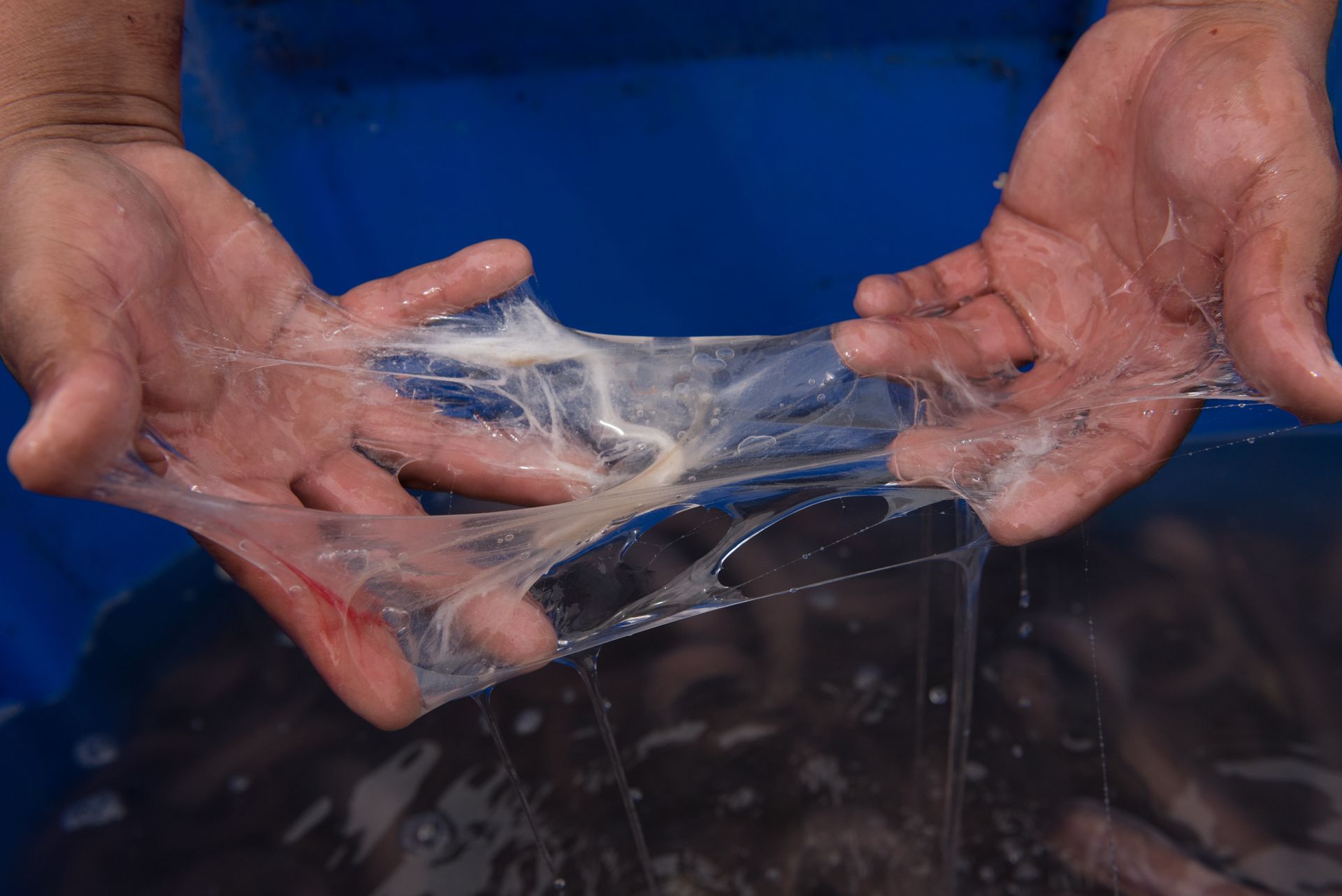
The hagfish — roughly 70 species in the family Myxinidae — is among the most ancient lineages of jawless vertebrate-adjacent animals alive today. It lives on or near the seafloor in cold ocean waters, scavenging the carcasses of dead animals by burrowing inside them and absorbing nutrients directly through the skin. It has no jaw, no scales, and no stomach in the conventional sense. What it does have is a defense mechanism unlike anything else documented in the animal kingdom.
When threatened, the hagfish can release a volume of slime that expands to many times its original size within milliseconds. The slime is not mucus in the ordinary sense. It is a two-component material — mucus proteins and long protein threads called intermediate filaments — stored separately in 100 or more gland pores along the body. When released and mixed with seawater, the threads unravel and the mucus swells around them, creating a gel that can expand to roughly 10,000 times its original volume in under half a second. A single hagfish can produce enough slime in one defensive event to fill a standard bucket.
The slime is effective against gill-breathing predators. When a fish attacks a hagfish, it inhales the slime, which clogs the gills and causes choking. The predator is typically forced to abandon the attack to clear its airway. The hagfish itself is largely immune because it breathes through its pharynx rather than gills, and it can also tie itself in a knot and drag the knot along its body to strip the slime off before it accumulates.
The intermediate filament threads in hagfish slime are comparable in diameter to spider silk and are, pound for pound, among the strongest biological fibers known. Researchers at multiple institutions have studied them as potential materials for textiles, protective gear, and biomedical applications. Producing them in useful quantities outside the hagfish remains challenging, though genetic and cell-culture approaches are being explored.
Paul Osborne / Getty Images
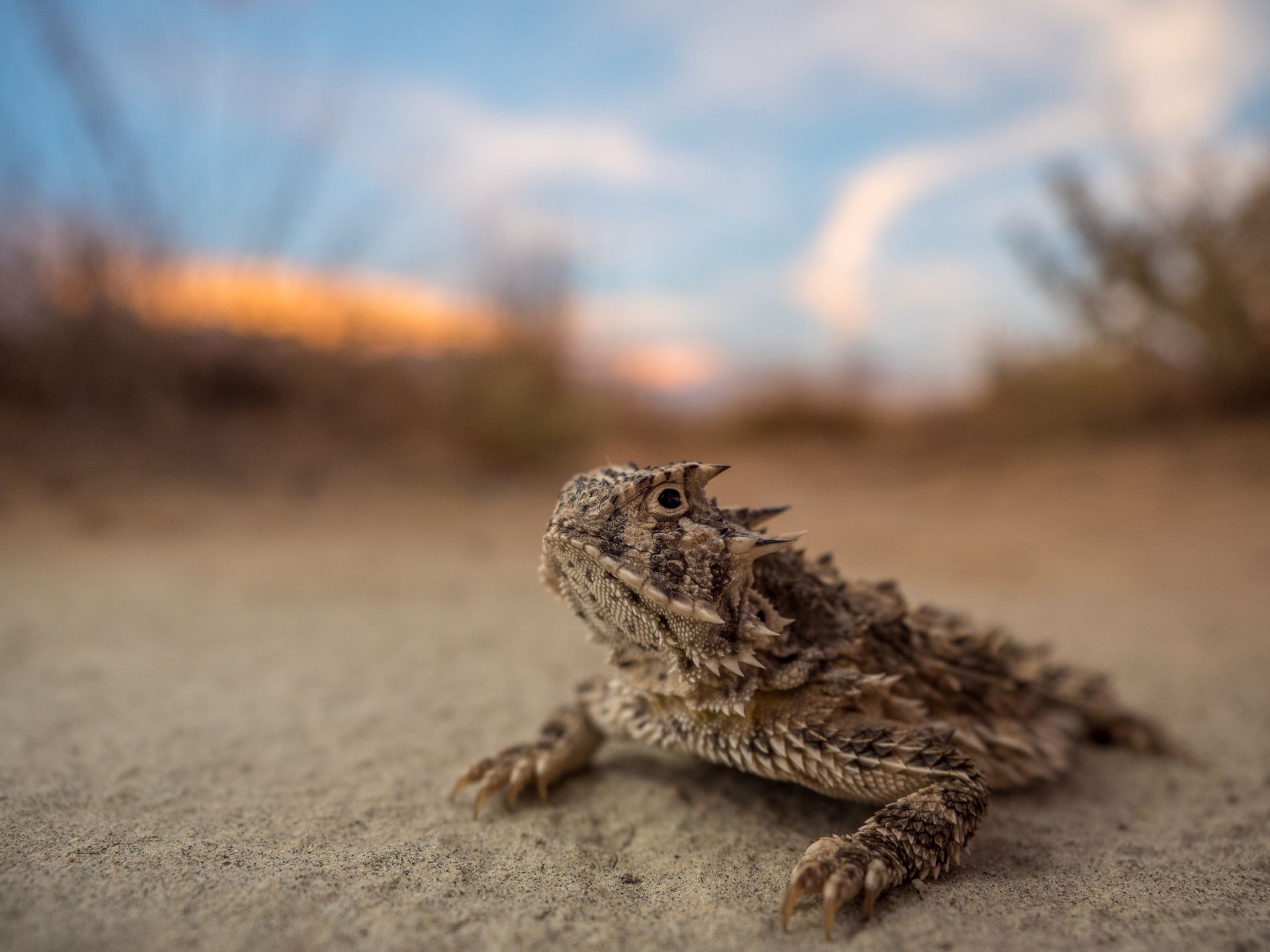
The horned lizards — the genus Phrynosoma, found across western North America and into Central America — are squat, flattened reptiles with pointed scales projecting from the head and body. Several species have a defense mechanism so specific and so unusual that it was doubted for decades despite repeated field reports: they can squirt a stream of blood from their eyes.
The mechanism, called ocular autohemorrhaging, works through a specialized blood-flow system in the eyelids. When a horned lizard feels threatened, it restricts blood outflow from the head while continuing to pump blood in, causing pressure to build in the sinus cavities of the skull. The pressure eventually ruptures small vessels near the lower eyelid sinus, and blood squirts out — sometimes as a focused stream reaching up to five feet.
The blood contains chemicals derived from the lizard's diet of harvester ants that appear to function specifically as a deterrent to canids — coyotes, wolves, and dogs. Studies have found that coyotes presented with blood from horned lizards display avoidance responses, while raptors, which also prey on horned lizards but lack the olfactory sensitivity of canids, are not deterred. The defense therefore appears tailored not as a general alarm signal but as a chemical deterrent calibrated to a specific class of predator.
The lizard loses up to 35 percent of its total blood volume in a single ocular squirt. It can repeat the behavior several times if the threat persists. The blood loss is significant but the lizard recovers, replenishing blood supply within a few weeks under normal conditions.
Horned lizards have also adapted to tolerate the formic acid content of their primary prey. Many species rely almost exclusively on harvester ants, which carry formic acid that would be toxic to most reptiles. The horned lizard's gut has a specialized alkaline mucus lining that neutralizes the acid before it can be absorbed, a dietary adaptation as unusual as the blood-squirting defense.
Credit: Montana Public Radio
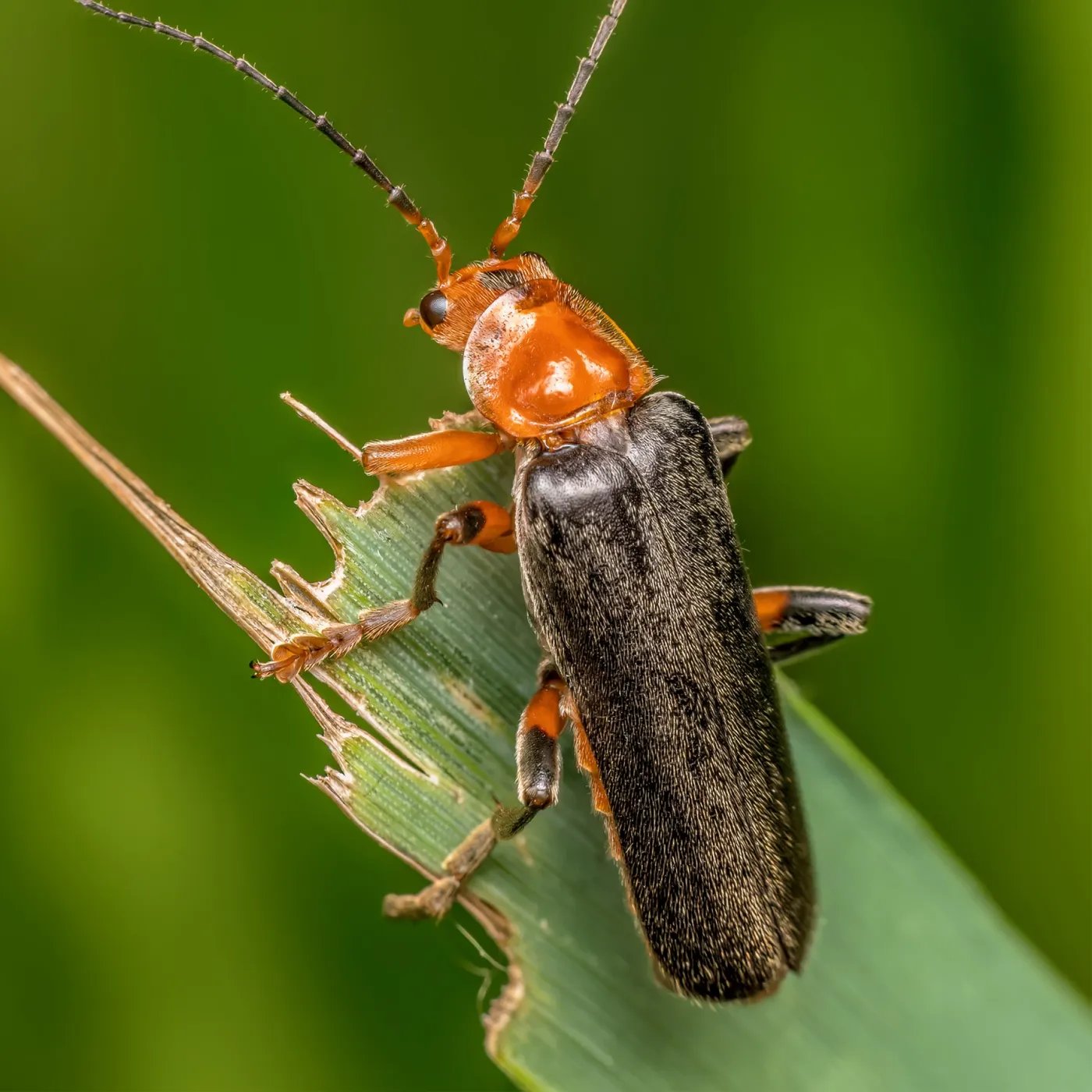
The bombardier beetle — found across multiple genera, including Brachinus, on nearly every continent except Antarctica — has evolved a defense involving a controlled chemical reaction inside its own body. When threatened, it sprays a boiling, noxious liquid from its abdomen with an audible pop, at temperatures around 100 degrees Celsius.
The beetle's abdomen contains two separate chambers. One holds a solution of hydroquinones and hydrogen peroxide. The other holds a mixture of enzymes — catalases and peroxidases. When the beetle opens the valve between the chambers, the hydrogen peroxide decomposes rapidly in the presence of the enzymes, producing oxygen gas that vaporizes the hydroquinones. The resulting chemical reaction is exothermic, heating the mixture to boiling point. The hot quinone spray is ejected through a rotating nozzle at the tip of the abdomen.
High-speed photography and synchrotron X $TWTR-ray imaging have revealed that the spray is not a single continuous burst but a series of rapid pulses — roughly 500 to 1,000 pulses per second. Each pulse involves the opening and closing of the valve between the reaction chamber and the ejection reservoir. This pulsing prevents the beetle's internal tissues from being damaged by sustained heat. The mechanism is strikingly similar in principle to the pulse-jet systems used in certain types of aircraft engines.
The bombardier beetle can rotate its spray nozzle in multiple directions and aim with considerable accuracy. When gripped in the mouth of a predator, it can shoot blindly backward with enough precision to cause the predator to release it. Several documented cases exist of toads that swallowed a bombardier beetle subsequently vomiting the beetle, which then walked away unharmed.
The beetle's spray mechanism has been studied by engineers as a model for fine-mist spray systems that operate without clogging, and for propulsion systems that need to generate short, precisely controlled bursts. The biological two-chamber design — mixing reactive components only at the moment of use — has also informed thinking about stable, on-demand chemical delivery in constrained spaces.
Jeffry Surianto / Pexels
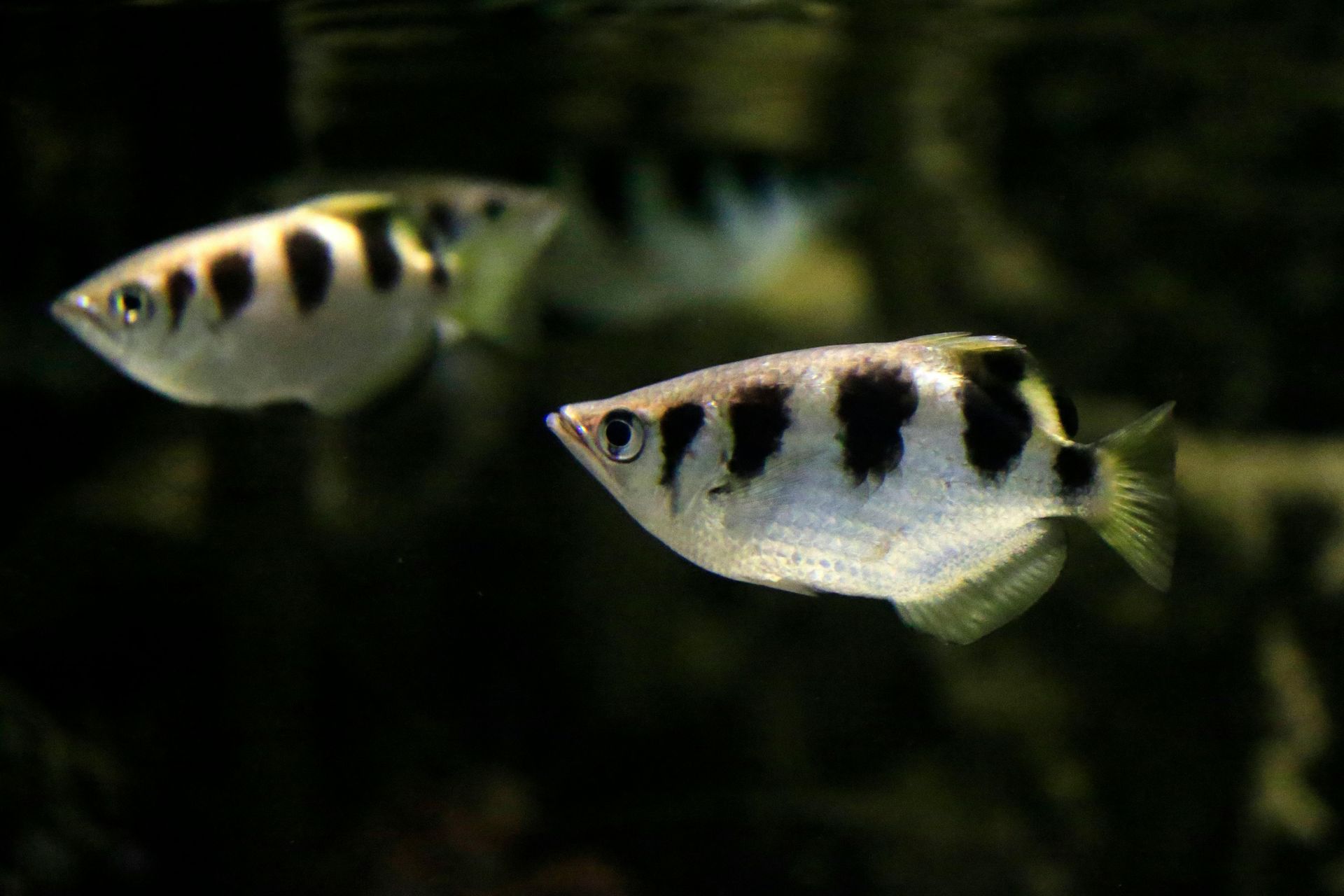
The archerfish — about seven species in the genus Toxotes, found in mangrove forests, estuaries, and freshwater rivers from India through Southeast Asia to northern Australia — hunts by shooting a jet of water at insects and other prey sitting on vegetation above the water's surface. The precision of its aim involves solving a physics problem that most animals never have to confront.
When an archerfish looks up at a target from below the water surface, it is looking across the boundary between two different optical media — water and air. Light bends when it crosses this boundary, according to Snell's law of refraction. The apparent position of a target viewed from below the water is not where that target actually sits. To hit its prey, the archerfish must correct for this refraction, or find a viewpoint angle that minimizes the error.
Research has established that archerfish accomplish accurate shots even when viewing targets from angles where refraction is significant. They appear to compute the actual position of their prey from multiple observations and adjust their aim accordingly. The fish produces the jet by pressing its tongue against a groove in the roof of its mouth, using its gill covers to create pressure that squirts water through the narrow channel formed between tongue and palate, reaching prey at distances of up to three meters.
Archerfish also account for the fall of the water jet due to gravity — a projectile-physics calculation that happens automatically and accurately enough to hit a moving target, such as an ant walking along a branch. When a target falls after being struck, archerfish predict where it will land and move to that position before the prey enters the water, indicating that they track and predict object trajectories rather than simply reacting to falling motion.
These abilities have developed without formal education in optics. They represent an example of an animal's nervous system having been shaped by selection to solve a specific physical problem — refractive correction — that took human scientists thousands of years of mathematics to describe formally.
Credit: Wikipedia
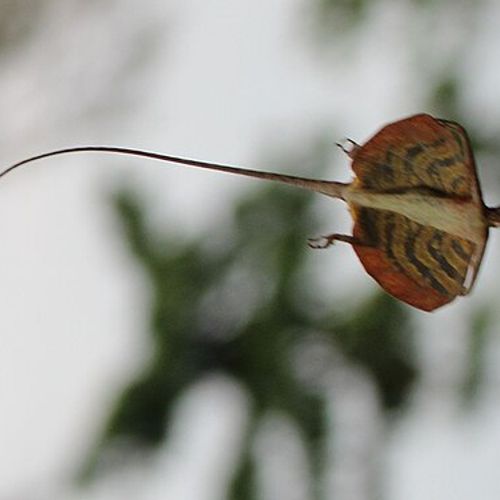
The draco lizards — roughly 40 species in the genus Draco, found in the forests of South and Southeast Asia — appear to fly between trees. They do not have wings, webbed forelimbs, or the loose skin membranes seen in flying squirrels. Instead, they extend their ribs.
Five to seven of the draco's ribs are elongated — up to three times the length of the remaining ribs — and can be rotated outward from the body using specialized muscles. Between these extended ribs, a thin membrane of skin called the patagium stretches, forming a wing-like surface on each side. When retracted, these membranes fold flat against the body and are nearly invisible. When extended, they allow the lizard to glide up to ten meters between trees with meaningful aerodynamic control.
The glide is not passive drifting. Draco lizards steer by adjusting the angle and extension of their patagia, and they routinely land precisely on vertical tree trunks. Their approach to landing involves pitching the body upward to slow descent — a maneuver closely analogous to the flaring technique birds use to reduce airspeed before touchdown.
Males use the patagia for display as well as gliding. The underside of the membrane is typically brightly colored in species-specific patterns, and males extend them to signal territorial ownership and to court females. Females, whose patagia are often more muted, glide primarily to move between trees to lay eggs in the soil — a brief visit to the ground that represents the main moment of vulnerability in their daily routine.
The rib-extension mechanism is unique among living reptiles. No other group of extant lizards has evolved flight membranes supported by elongated ribs. Strikingly, a similar structure evolved independently in some extinct Triassic reptiles, including Kuehneosaurus, which used a rib-supported patagium to glide in forests that no longer exist. The same mechanical solution to aerial mobility emerged twice, from unrelated lineages, separated by more than 200 million years.
eduards vaisa / Pexels
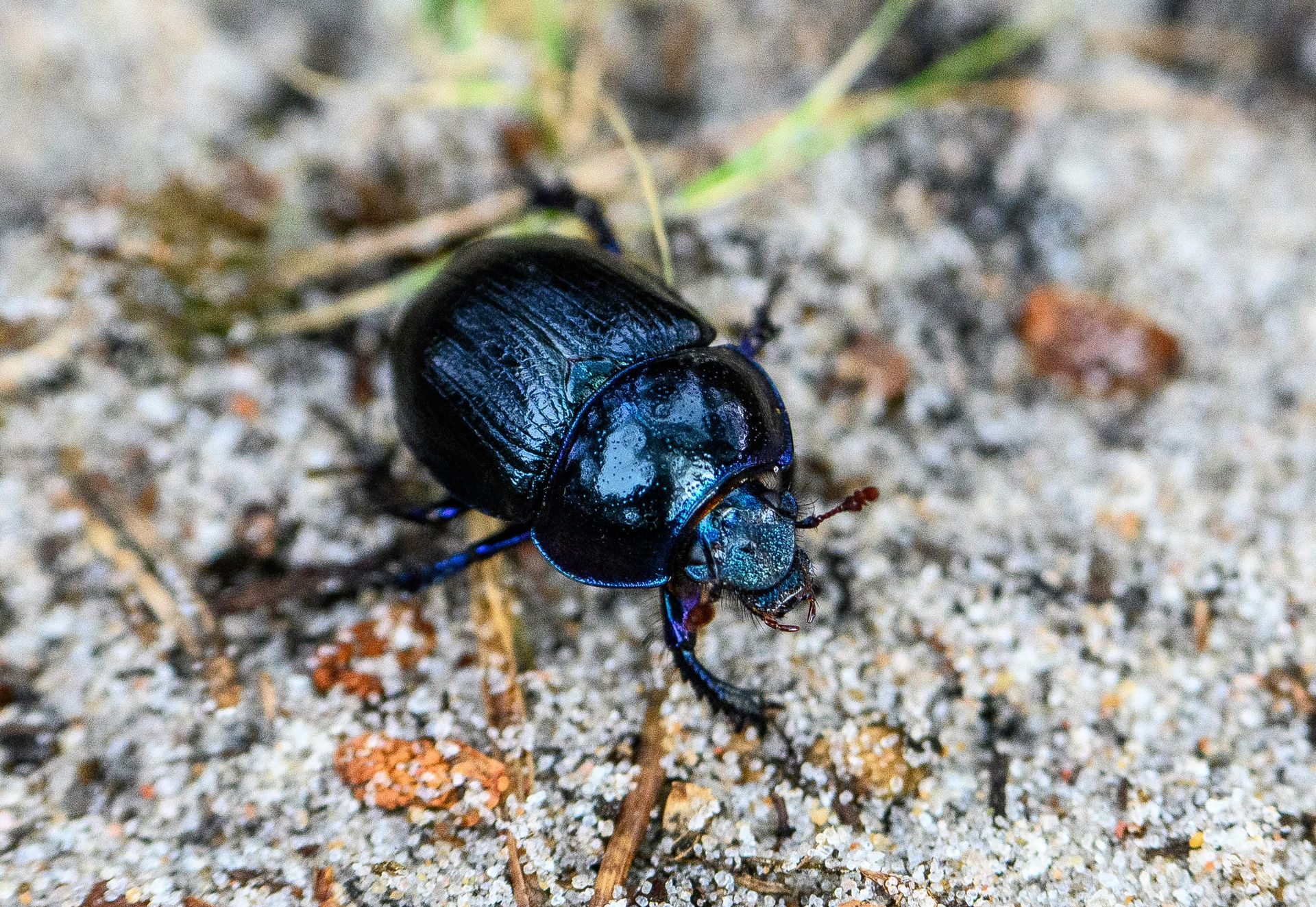
The African dung beetle (Scarabaeus satyrus) rolls balls of dung in a straight line away from the dung pile — a behavioral strategy that reduces competition with other beetles and minimizes the chance of the ball being stolen. Maintaining a straight line requires an orientation reference. Researchers confirmed that the beetle uses the sun, the moon, and the pattern of polarized light in the sky. Then, in 2013, a study published in Current Biology documented something that had not been found in any other insect: the beetles also navigate by the Milky Way.
To demonstrate this, researchers placed beetles in a planetarium and observed that they could orient correctly under a full star field but lost their straight-line bearing when the Milky Way was masked while leaving other stars visible. When the Milky Way was present — even without any individually recognizable bright stars — the beetles maintained accurate orientation. They are not identifying specific stars. They are using the orientation of the galaxy's diffuse band of light as a compass reference.
Periodically during a journey, the beetles climb on top of their dung balls and perform a brief rotation — a dance-like behavior that researchers now understand serves as an orientation check. Standing on top of the ball gives the beetle an unobstructed view of the sky, allowing it to confirm its direction relative to the Milky Way before continuing.
No other insect had previously been demonstrated to use a diffuse band of light for navigation. Most invertebrate celestial navigation research focused on discrete light sources — the sun, the moon, or their polarization patterns. The dung beetle's ability to extract directional information from an extended band of diffuse light represents a qualitatively different navigational mechanism, one that requires distinguishing orientation within a gradient rather than direction toward a point source.
The finding has relevance for understanding the minimum visual and neural complexity required to use extended light sources for orientation — a question with implications both for neuroscience and for the design of navigation systems for autonomous vehicles operating in low-landmark environments.
Credit: University of Alaska
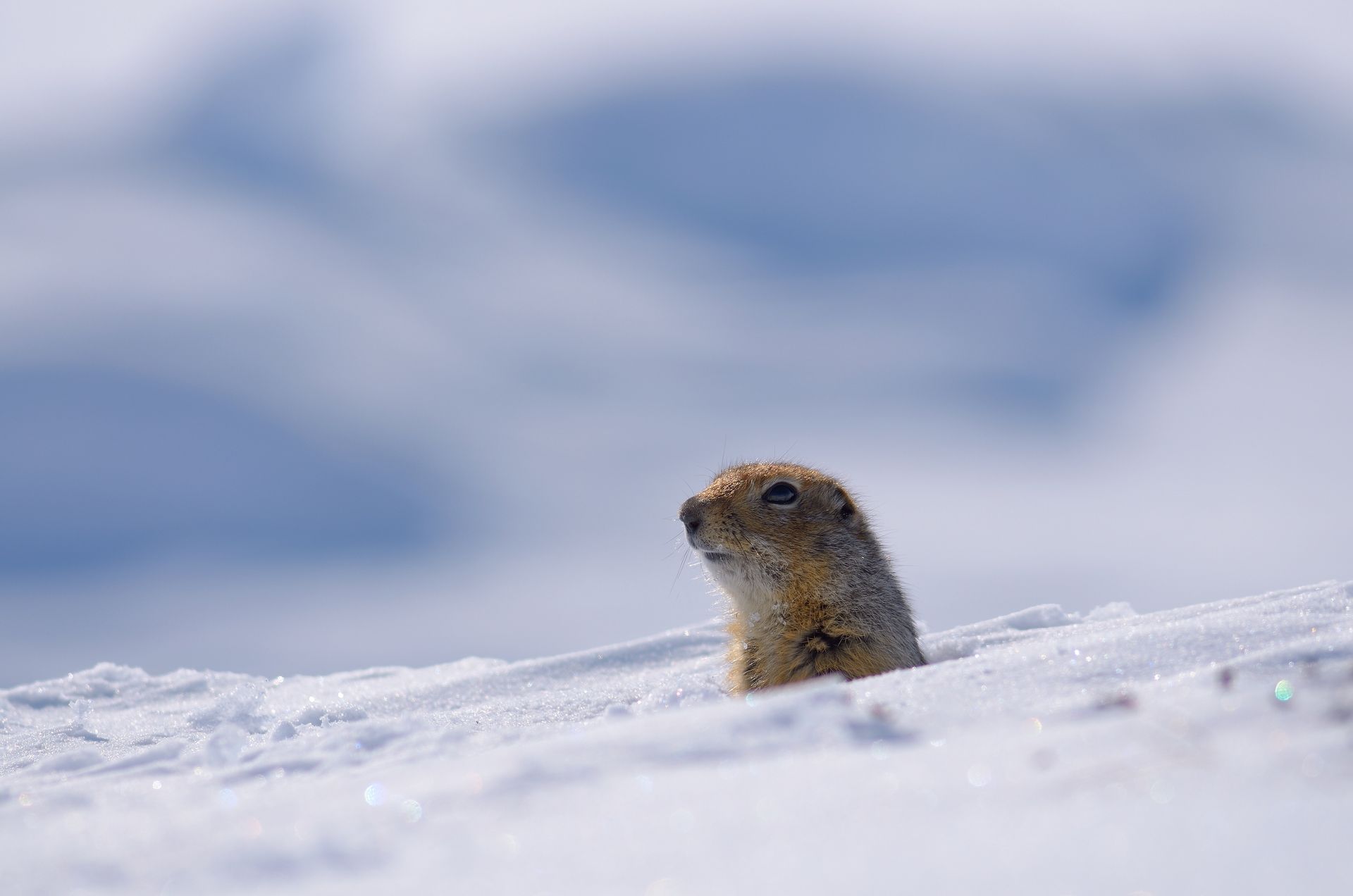
The Arctic ground squirrel (Urocitellus parryii) is the only known warm-blooded animal confirmed to tolerate sub-zero body temperatures during hibernation. It hibernates for up to eight months of the year, and during deep torpor its body temperature drops below the freezing point of water — sometimes as low as minus 2.9 degrees Celsius — without any ice forming in its tissues.
This is thermodynamically unusual. Pure water freezes at zero degrees Celsius, and biological fluids typically freeze at slightly below that due to dissolved solutes. The Arctic ground squirrel's blood and tissues are in a supercooled state — below the freezing point but still liquid — a condition that is inherently unstable. Any nucleation event, such as a surface imperfection or a foreign particle, could trigger rapid ice crystal formation throughout the tissue.
The mechanisms that maintain this supercooled state without triggering crystallization are not fully understood. Researchers have observed that the squirrel takes precautions that reduce nucleation risk. It empties its gut before entering hibernation and builds nests with careful insulation. Its blood may also lack the proteins that would otherwise act as ice nucleation sites, though this has not been fully characterized.
During deep torpor, the squirrel's heart rate drops from its active rate of around 200 beats per minute to as few as one beat per minute. Its metabolic rate falls to roughly one percent of its normal level. Every two to four weeks during hibernation, it spontaneously rewarms itself to near-normal body temperature in an event called interbout arousal, before cooling back into torpor. These periodic warmings appear to allow for neural and immune maintenance that cannot occur at near-zero temperature.
The squirrel's hibernation biology has drawn sustained attention from researchers in emergency medicine — where managed hypothermia is used to protect the brain during cardiac events — and in spaceflight biology, where a reliable hibernation-like state for long-duration travel would solve significant logistical problems.
Credit: Wikipedia
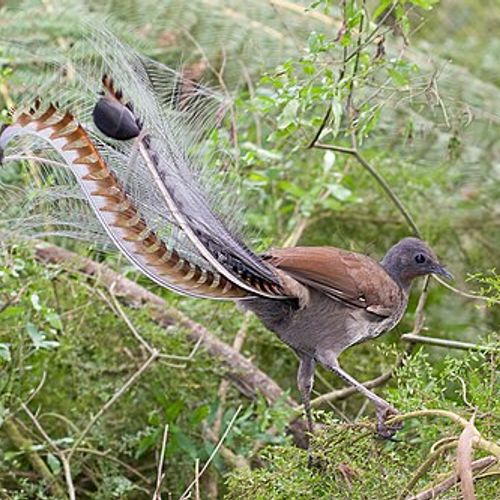
The superb lyrebird (Menura novaehollandiae) of southeastern Australia is a large ground-dwelling bird best known for the male's elaborate tail feathers, which fan out during display into a shape resembling a lyre. Its biological significance, however, lies in its vocal system. The lyrebird has one of the most complex and accurate sound-mimicry systems documented in any vertebrate.
Males produce a complex natural song, but they supplement it with mimicry of other species and, in areas near human habitation, mechanical and ambient sounds. Documented imitations include chainsaws, camera shutters, car alarms, and construction equipment. The mimicry is not approximate. Spectrographic analysis of lyrebird recordings shows the imitations are extremely close copies of the originals, capturing frequency patterns, envelope shapes, and amplitude modulation with high fidelity.
The mechanism relies on the syrinx — the avian vocal organ — which in lyrebirds is structured unusually. Most songbirds have four pairs of syringeal muscles. The lyrebird has two, but those two pairs produce a range of control that generates a wider variety of sounds than most birds achieve with more. The simplification appears to have enabled greater flexibility, not less.
In males, the vocal display — including mimicry — functions in mate attraction. Females appear to select males with more varied and elaborate performances. Whether accurate mimicry of environmental sounds conveys specific information to females, or whether it simply reflects a general capacity for acoustic learning that selection has favored, remains an active question.
A lyrebird raised at Healesville Sanctuary in Victoria, Australia is documented to have learned the sounds of construction equipment used at the sanctuary decades ago. Younger lyrebirds that later heard this bird's songs incorporated those same sounds into their own repertoire — transmitting an accurate copy of built-environment sounds into the wild population long after the original machinery was retired. The sounds persist in the local lyrebird population as cultural transmission, passed from bird to bird without anyone present who heard the original source.
Tze-hsin Woo / Getty Images
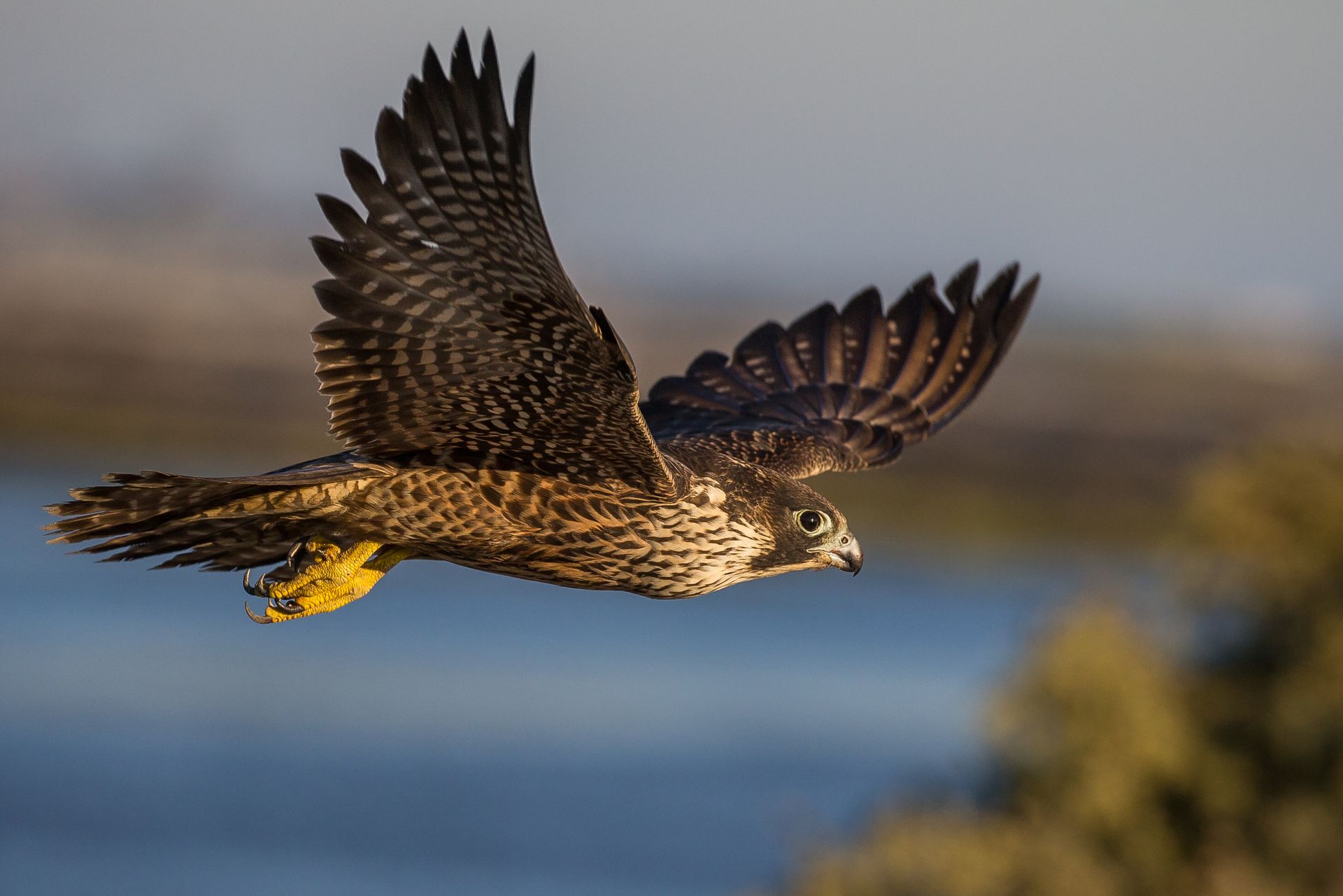
The peregrine falcon (Falco peregrinus) is the fastest animal on Earth in directed movement. During a hunting stoop — a high-speed dive from altitude onto prey below — it reaches speeds documented at over 320 kilometers per hour. No other animal achieves comparable velocity under its own power in directed travel.
At those speeds, the bird's body faces aerodynamic and physiological challenges that would disable most animals. The force of air entering the nostrils at full stoop speed would be enough to rupture the lungs of a bird without specific structural adaptations. The peregrine has bony tubercles — small projections — inside its nostrils that redirect and slow incoming air before it reaches the airways. This allows the bird to breathe normally at speeds that would otherwise cause barotrauma.
Its eyes, which must track fast-moving prey during the dive, are protected by a nictitating membrane — a translucent third eyelid that sweeps across the eye to clear debris and maintain surface lubrication without obstructing vision. The peregrine's visual acuity is estimated at two to three times that of humans, and its eye anatomy allows it to detect prey from heights exceeding 1,000 meters.
During the stoop, the falcon folds its wings tightly against its body, dropping in a near-vertical line. The aerodynamic shape it achieves — head extended, tail compressed, wings swept back — minimizes drag and maximizes acceleration under gravity. The kill is typically made with the talons, striking the prey in mid-air with enough force to kill it outright or stun it instantly.
The peregrine's adaptations have influenced engineering. The spiral tubercle structures in its nostrils were a reference point in the development of Boeing $BA's spiral baffles for jet engine inlets, designed to reduce intake turbulence and bird-strike disruption. Wind turbine noise reduction studies have also examined the peregrine's wing profile at high speed, looking for structural features that manage airflow around leading edges without creating turbulence.
JohnCarnemolla / Getty Images
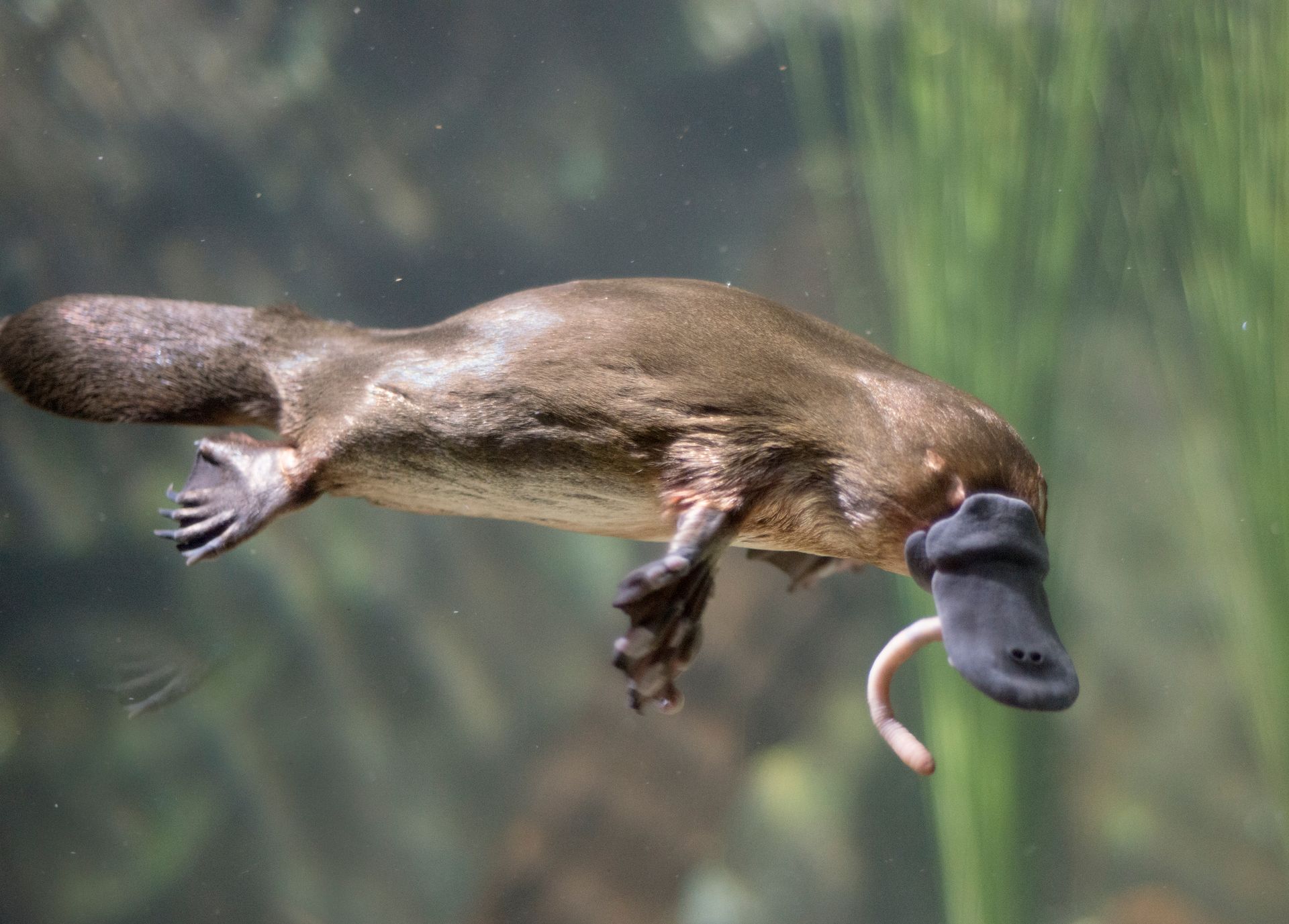
The platypus (Ornithorhynchus anatinus) is native to eastern Australia and Tasmania and is one of only five living species of monotremes — mammals that lay eggs rather than bearing live young. Its bill, which resembles a duck's but is soft, leathery, and mechanically distinct, contains thousands of specialized sensory receptors that allow it to detect weak electric fields generated by the muscle contractions of its prey.
This sense — electroreception — allows the platypus to hunt with its eyes, ears, and nostrils closed. Underwater, it sweeps its bill from side to side across the riverbed, detecting the faint bioelectric signals produced by shrimp, worms, insect larvae, and small crayfish in the sediment. The bill contains roughly 40,000 electroreceptors and 60,000 mechanoreceptors. The mechanoreceptors detect pressure changes, helping the animal build a spatial map of its surroundings from water disturbances produced by moving prey.
Electroreception is not unique to the platypus — sharks, rays, and electric fish also possess forms of it. But the platypus's version is particularly refined, and the cortical area devoted to processing bill sensory input in the platypus brain is proportionally large, reflecting how central this sense is to foraging relative to vision and hearing.
The platypus is also one of very few venomous mammals. Males have a hollow spur on each hind leg, connected to a venom gland in the thigh. The venom is not lethal to humans but causes severe, long-lasting pain resistant to conventional analgesics, including morphine. The venom's composition includes defensin-like proteins closely related to proteins found in reptile immune systems, a finding that prompted research into the evolutionary origins of mammalian venom and the relationship between immune and venom systems.
The platypus genome, sequenced in 2008, was found to contain a mosaic of mammalian, reptilian, and avian genetic features that had no clean parallel in other mammal genomes, reflecting the animal's deep divergence from the lineage that gave rise to all other living mammals.
picture alliance / Getty Images
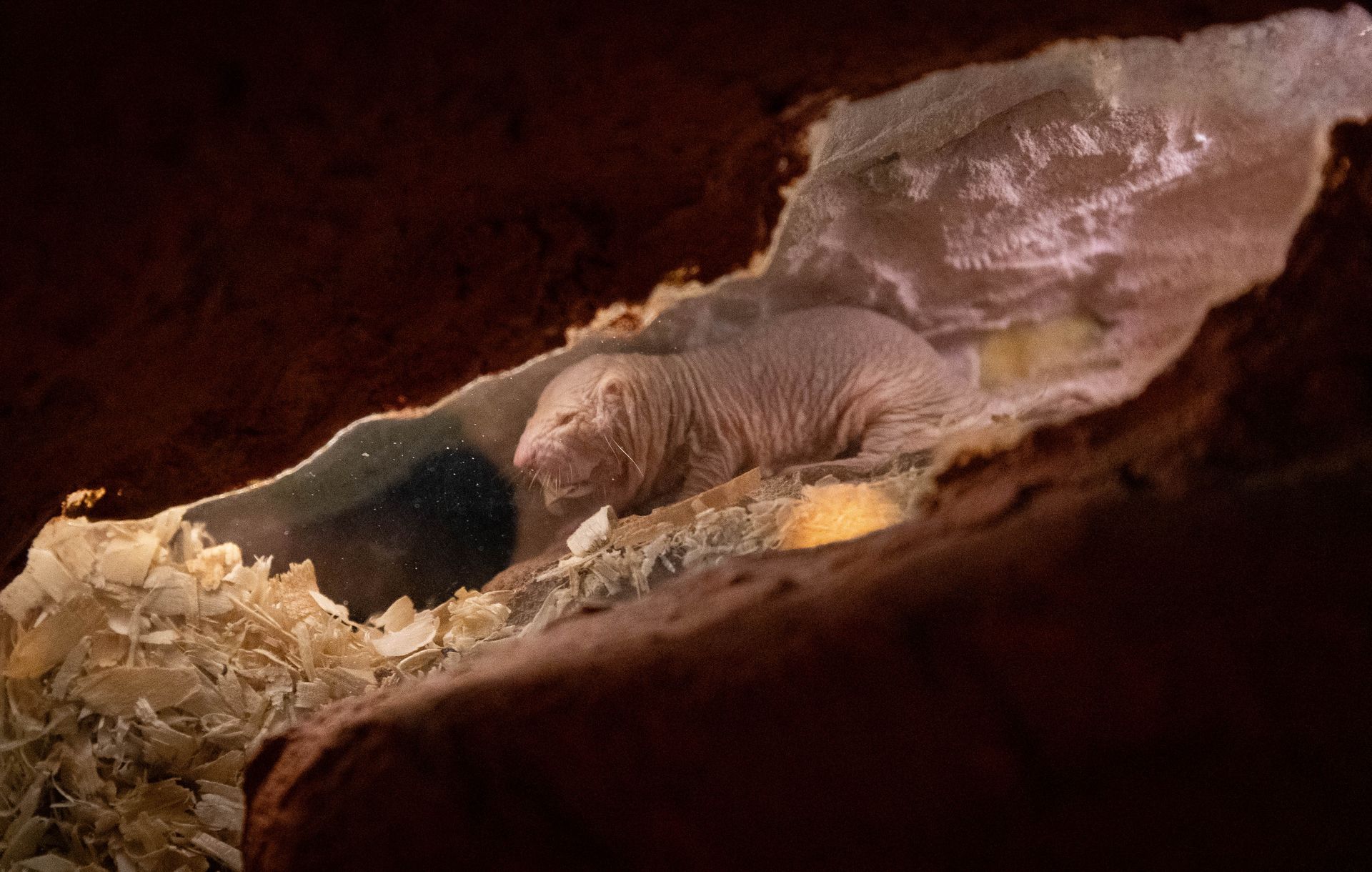
The naked mole rat (Heterocephalus glaber) is a rodent native to the dry savannas and semi-arid regions of East Africa. It lives in large underground colonies with a eusocial structure — a queen reproduces while other colony members perform specialized roles, as in bee or ant societies. It has a set of biological characteristics that make it one of the most heavily studied animals in aging and disease research.
Naked mole rats are effectively resistant to most forms of cancer. Cases of malignant tumors have been documented but are extremely rare relative to other rodents of comparable size. Several mechanisms appear to contribute. Their cells produce an unusually high-molecular-weight form of hyaluronic acid — a structural compound in connective tissue — that creates a physical barrier in tissue and prevents cells from crowding together beyond a certain density, a prerequisite for tumor development. When this mechanism was disrupted experimentally, naked mole rats developed tumors, confirming its protective role.
They also do not feel the burning pain caused by acid or capsaicin. Most mammals have pain-sensing neurons that respond to these stimuli through a receptor called TRPV1. In the naked mole rat, a structural change in a protein associated with the pain pathway prevents this specific response. In the animal's natural environment — cramped underground tunnels where CO2 levels can rise and soil acidity may be elevated — insensitivity to acid pain is functionally useful rather than simply anomalous.
The naked mole rat lives for up to 37 years, roughly 10 times longer than would be predicted for a mammal of its body size based on the typical relationship between mass and lifespan. It also shows negligible senescence across many biological markers — its risk of death does not increase significantly with age until very late in life. This combination of extreme longevity, cancer resistance, and unusual pain pathways has made it a primary model organism in both gerontology and oncology research.
Gerard Soury / Getty Images
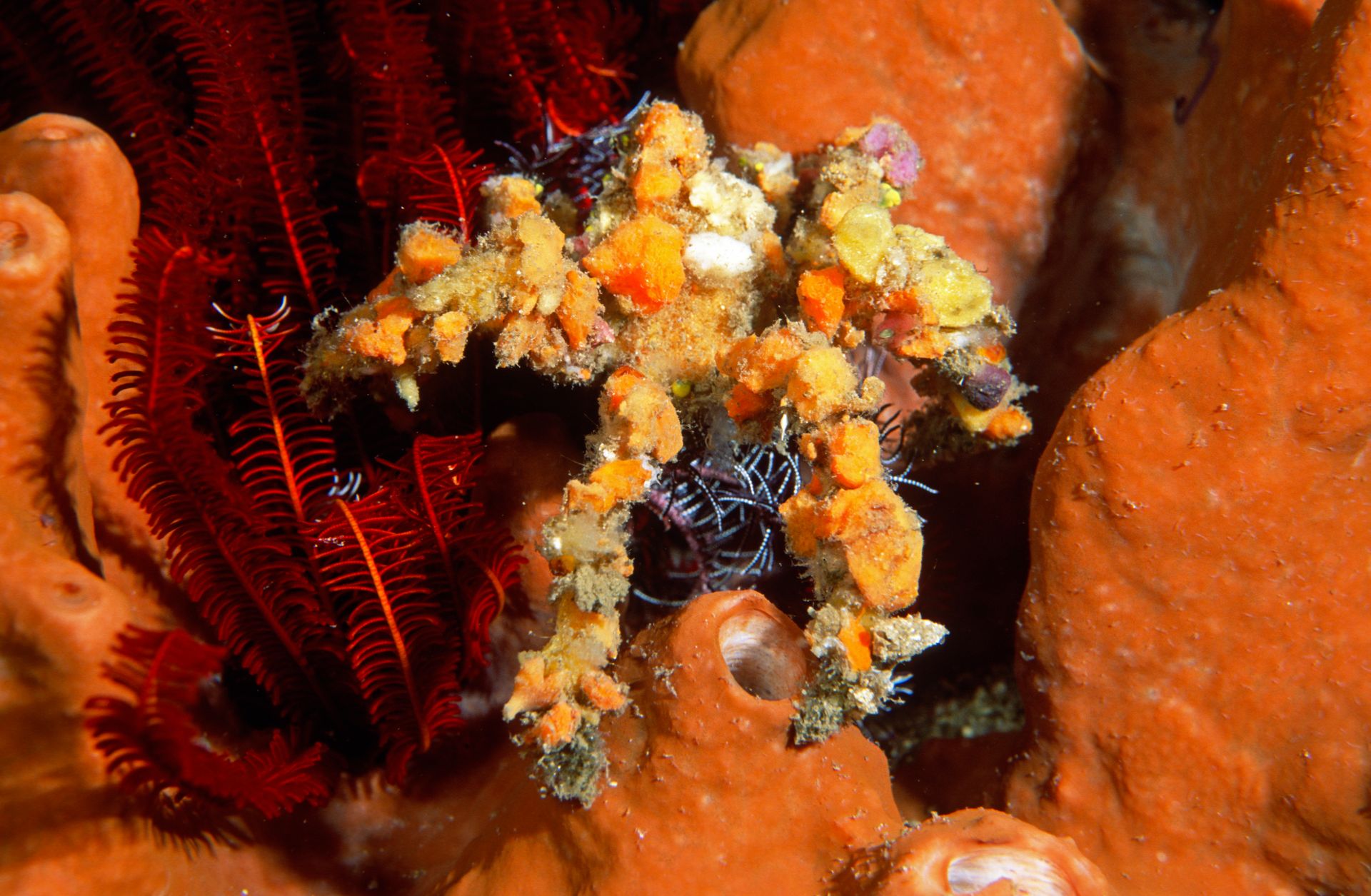
Decorator crabs — species found across multiple genera, including Camposcia and Macropodia — are crustaceans that attach living and non-living material to their own bodies as camouflage and chemical defense. The behavior is called decoration, and the range of materials used is broad: sponges, algae, hydroids, sea anemones, bryozoans, tunicates, and sediment. The decorations are secured to specialized hooked setae — hair-like projections on the carapace that act as natural hook-and-loop fasteners.
What distinguishes this from simple camouflage is that the crab selects materials actively, rearranges them, and replaces them when they die or fall off. In experiments where crabs were transferred from one habitat type to another — from a rocky substrate to a sandy one, for example — they actively removed their existing decorations and replaced them with material matching the new environment. This indicates the crab is assessing the camouflage value of materials relative to its current surroundings, not merely accumulating whatever is nearby.
Some species preferentially attach chemically defended organisms — sea anemones and toxic sponges — rather than physically matching the background. In controlled tests, decorator crabs carrying sea anemones were significantly less likely to be attacked by predators than crabs carrying non-toxic decorations. The crabs appear to exploit the chemical defenses of other organisms for their own protection, effectively borrowing toxicity they did not evolve.
The selection process appears to involve olfactory and tactile evaluation of candidate decorating materials — the crab is not picking items at random but is assessing them before attachment.
Decorator crabs also molt their exoskeleton as they grow, and they salvage their decorations after molting, carefully removing them from the shed shell and reattaching them to the new one before it fully hardens. The behavior represents an investment — the crab carries the metabolic cost of the extra weight in exchange for the protection the decorations provide.
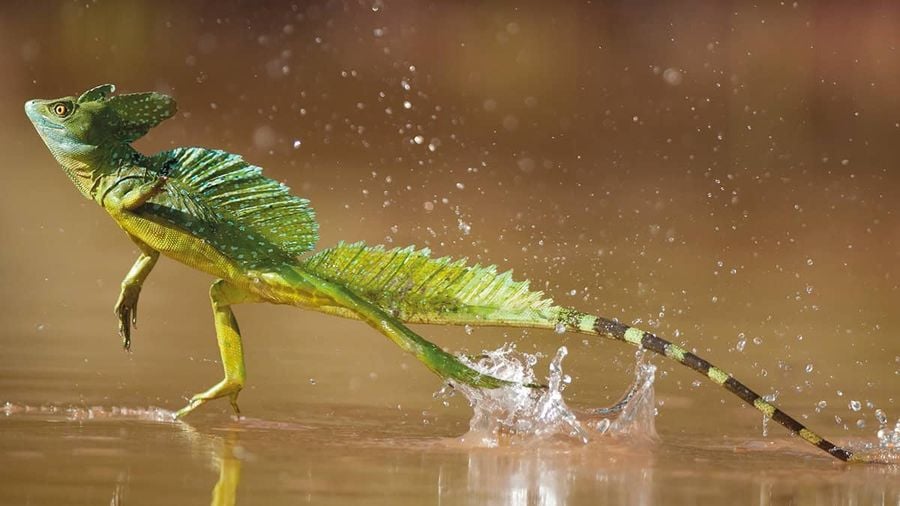
Credit: Physics World
The common basilisk (Basiliscus basiliscus) and related species found in Central and South America can run across the surface of water for short distances without sinking. The behavior requires a combination of specific body proportions, high stride frequency, and foot structures that exploit both surface tension and hydrodynamic effects.
When a basilisk runs on water, its hind feet strike the surface with a downward and slightly outward stroke that creates a cavity in the water. Before the cavity fills in, the foot pushes off, generating upward force. The foot then moves forward for the next stride before the cavity collapses fully. High-speed video analysis shows a running basilisk takes around 20 strides per second, spending only a fraction of that time per foot contact with the surface.
Basilisk lizards also have fringed toes — flaps of skin along the toe edges — that increase foot surface area on impact, distributing the downward force over a larger area and delaying the moment when the foot breaks through. The combination of high stride rate, downward-slapping foot motion, and toe fringing makes the behavior possible, but only above a minimum speed. When the lizard slows below a threshold velocity, the hydrodynamic forces drop below those needed to support its weight and it sinks.
The behavior is used almost exclusively for escape. When threatened, a basilisk drops from overhanging vegetation into water below and sprints toward the far bank. It can cover roughly three meters on the surface before slowing to the point where it submerges and begins swimming.
Only juveniles and small adults can sustain water-running over meaningful distances. Larger individuals are heavier relative to the force they can generate per foot strike, and their water-running ability decreases with size. Studies of basilisk locomotion have directly influenced robotics research into legged machines designed to operate on water or other compliant, low-resistance surfaces where wheeled locomotion is not viable.
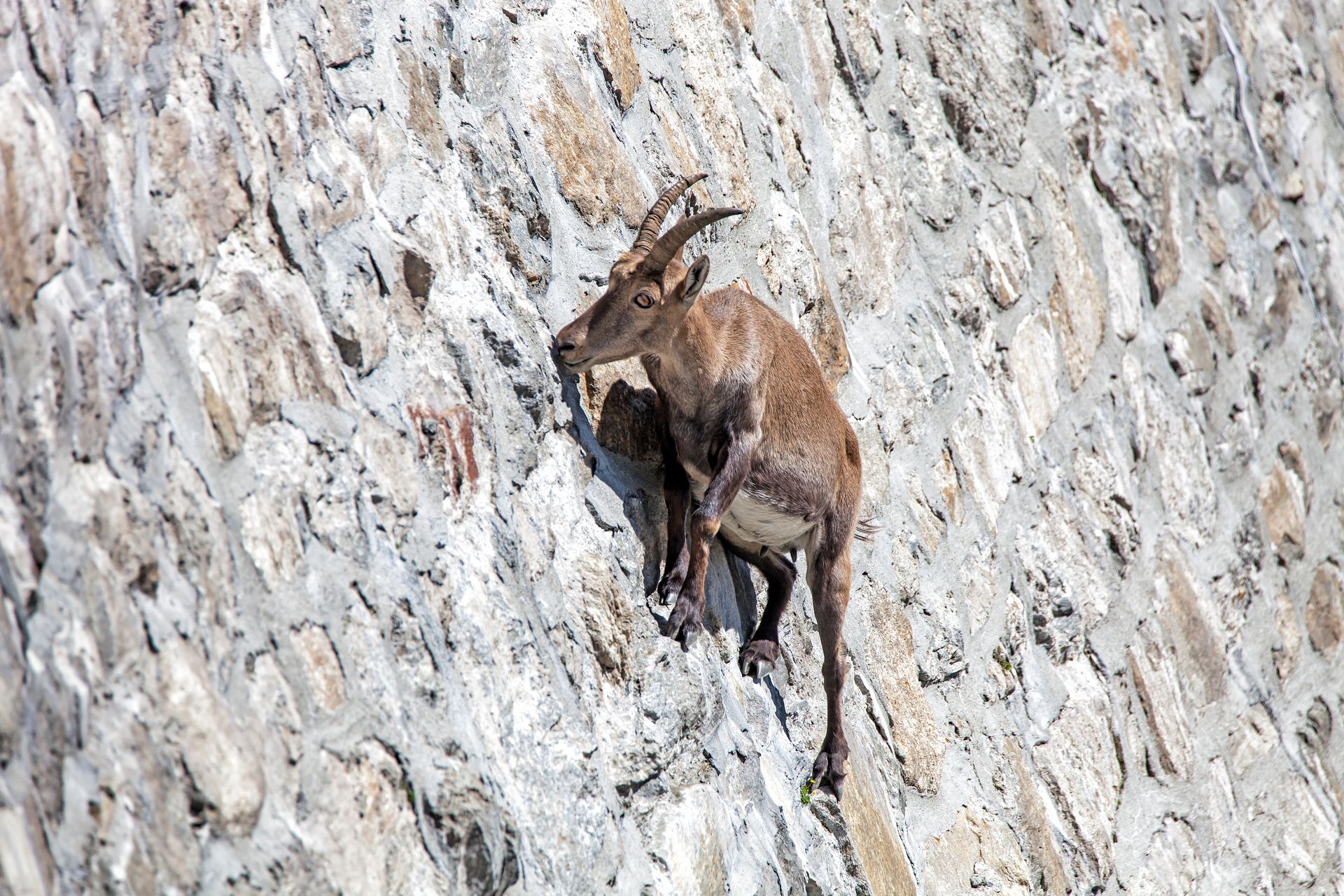
senorcampesino / Getty Images
The Alpine ibex (Capra ibex) lives in the mountain ranges of the European Alps at elevations typically between 1,600 and 3,200 meters. It is a large-hooved mammal — adult males weigh up to 100 kilograms — that routinely traverses cliff faces appearing nearly vertical. Its hooves have been shaped by selection specifically for adhesion on near-vertical rock.
The outer edge of the ibex's hoof is hard, providing traction on rock irregularities and gripping the lip of small ledges. The central surface is softer and more pliable, creating high contact area on smooth stone — a property analogous to the rubber sole of a climbing shoe. The hoof can also split into two independent toes that spread apart to grip rock from opposite sides, applying the same mechanical principle as a climber pinching a narrow hold.
The ibex's legs have a high degree of flexibility and wide range of motion, allowing it to place its feet on extremely small holds and to shift its center of gravity precisely over those holds. The musculature is adapted for sustained force on small ledges and for controlled, slow movement across terrain where a single misplaced step is fatal.
A widely circulated photograph shows a group of Alpine ibex on the near-vertical face of the Cingino dam in Piedmont, Italy. The animals are climbing the dam face — inclined at approximately 70 degrees — to lick minerals, particularly salt, from the masonry. They navigate the dam as confidently as they traverse natural cliff faces.
Their ability to use terrain inaccessible to most large mammals gives ibex a significant antipredator advantage. Wolves, bears, and lynx cannot follow them onto near-vertical rock. During periods of predator pressure, ibex spend extended time on terrain where the physics of pursuit becomes prohibitive, effectively rendering their steepest refuge zones as predator-free space.
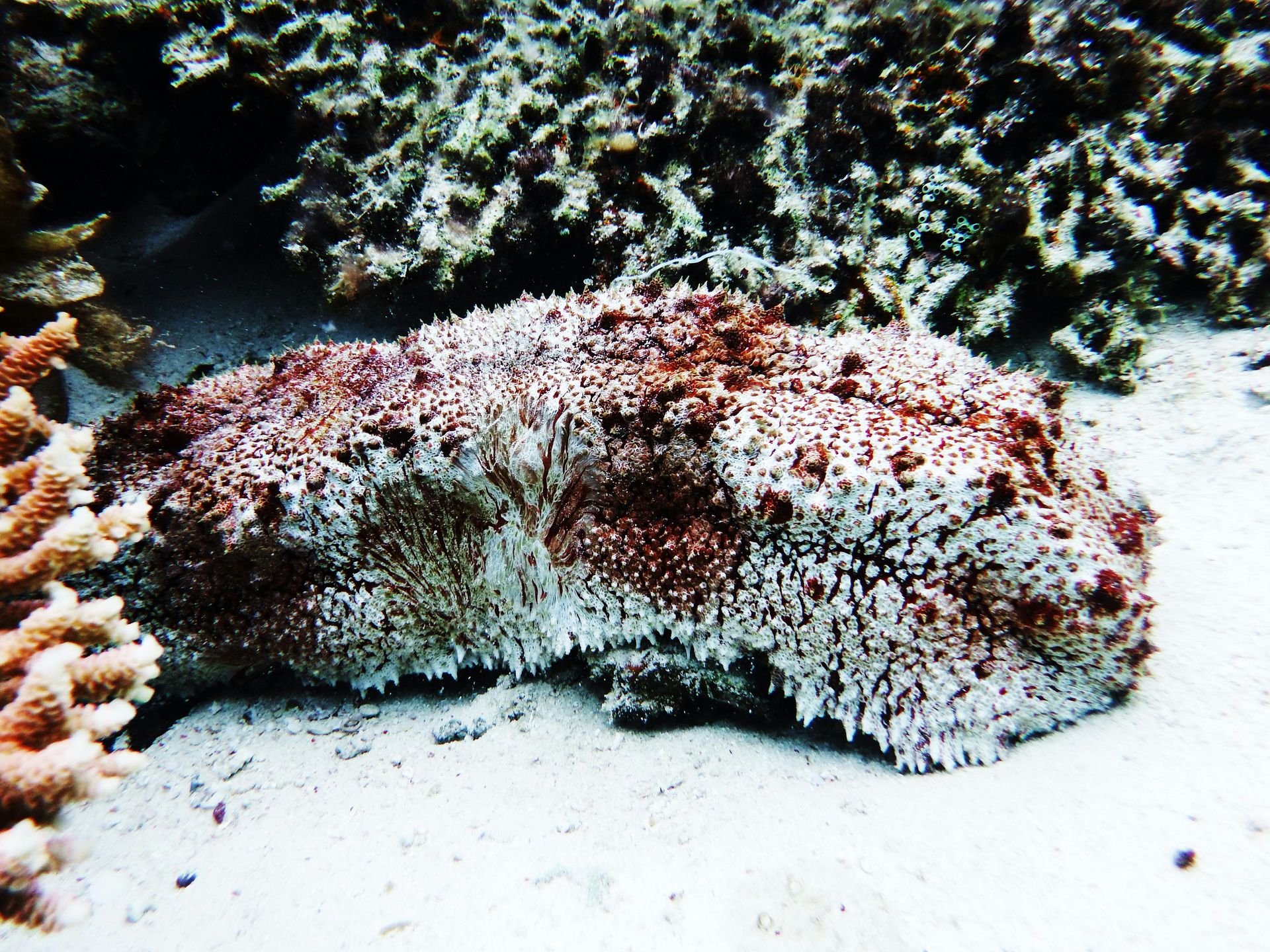
Roger Gasper / Pexels
Sea cucumbers — roughly 1,700 species in the class Holothuroidea, found from intertidal zones to deep ocean floors — have a form of tissue that can shift between a firm, solid state and a soft, near-liquid state in response to chemical signals. This property, called mutable collagenous tissue, allows the animal to change its body stiffness dramatically within seconds, an ability unique among animals at this structural scale.
Sea cucumbers can use this to squeeze through gaps far smaller than their normal body diameter. By softening the collagen fibers in their body wall, they compress themselves, pass through a narrow opening, and re-stiffen on the other side. This is not simply flexibility — it involves an actual change in the material properties of the collagen at the molecular level, controlled by the release of specific ionic compounds and small proteins into the tissue.
Many sea cucumber species also eject their internal organs — the respiratory trees, digestive tract, and gonads — through the body wall or anus when severely threatened. This process, called evisceration, appears to function as a defense: the ejected organs are sticky and, in some species, contain toxic compounds called holothurins that may entangle or deter a predator while the sea cucumber moves away. The organs fully regenerate within weeks to months.
Some species in the genus Actinopyga host small fish called pearlfishes inside their body cavities, which enter and exit through the cloaca. The sea cucumber appears to tolerate this intrusion, though whether any mutual benefit exists for the cucumber remains unclear.
The mutable collagenous tissue property has attracted interest from materials scientists working on soft robotics — machines designed to navigate through confined spaces would benefit substantially from the ability to transition between rigid and highly compliant states on demand, controlled by a chemical signal rather than a mechanical actuator.
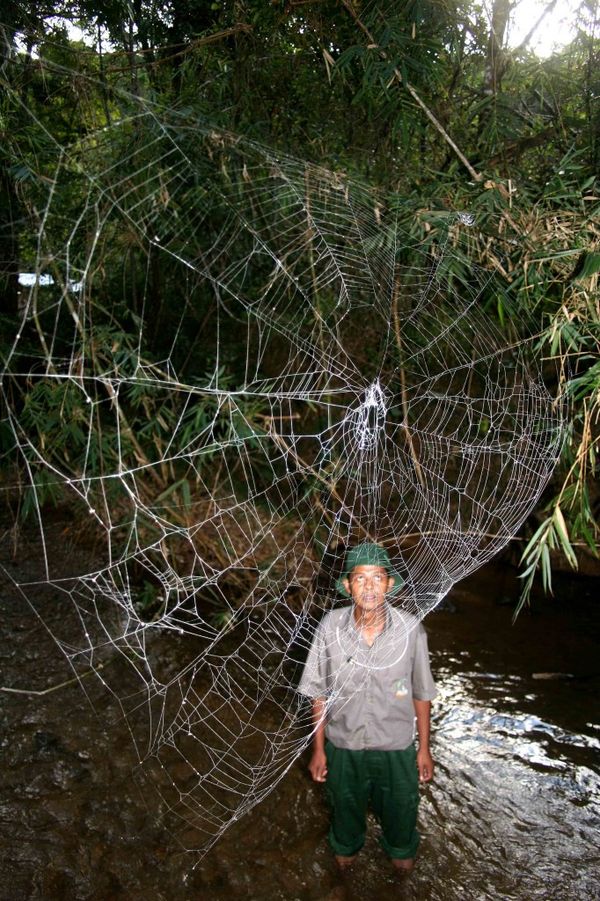
Matjaz Kuntner / Smithsonian Insider
Darwin's bark spider (Caerostris darwini) was first described as a new species in 2010, following its discovery in Madagascar. It builds orb webs across rivers and other bodies of water using anchor lines that can span up to 25 meters — the longest known web spans of any spider. The web hangs over the water surface, catching insects and other invertebrates that travel near the water.
The silk used by Darwin's bark spider is the toughest biological material ever measured. Toughness in materials science refers to the energy a material can absorb before it fails — a combined measure of strength and extensibility. The dragline silk of this spider has been measured at up to 520 megajoules per cubic meter, more than twice the toughness of any previously measured spider silk and over 10 times the toughness of Kevlar by weight.
The spider is small — females are about 15 to 22 millimeters long — and the individual silk threads are extremely fine. The anchor lines must resist the combined load of the web structure, prey impact, wind, and water spray while spanning distances that impose exceptional mechanical demands on each thread. The silk must be both strong enough to hold and elastic enough to absorb sudden loading without breaking.
Spider silk in general has attracted sustained attention from materials engineers. It is elastic, biocompatible, and, in the best-characterized species, stronger than steel on a per-weight basis. Darwin's bark spider's silk sets a new benchmark within that already high-performing material category, demonstrating that the mechanical ceiling of spider silk biology has not yet been reached.
Producing spider silk in useful quantities outside the spider has proved difficult. Unlike silkworms, spiders are territorial and cannot be farmed at scale. Research groups have used genetically modified bacteria, yeast, and transgenic goats that express silk proteins in their milk, with partial success in reproducing some of the mechanical properties of natural silk. Darwin's bark spider's silk remains an outlier even within that effort — a material whose performance characteristics set a target that synthetic approaches are still working toward.
