
15 living fossils that outlasted the dinosaurs entirely
Horseshoe crabs, nautiluses, sturgeon, lampreys — the species so well-adapted that hundreds of millions of years and multiple mass extinctions haven't changed them
Suki Lee / Pexels
The dinosaurs ruled the Earth for approximately 165 million years and have been extinct for 66 million more. In evolutionary terms, they were a temporary phenomenon — a remarkably successful one, but temporary. The animals in this list were already established, already successful, and in several cases already essentially unchanged from their current form before the first dinosaur existed, and they remained essentially unchanged through the entire span of dinosaur dominance, through the asteroid impact that ended it, and through the 66 million years since. They are not merely old. They are a category of evolutionary success that operates on a completely different logic than the dinosaurs' spectacular, temporary reign.
The scientific term for these species is "living fossils" — a phrase coined by Charles Darwin himself in On the Origin of Species to describe organisms that have changed so little from their fossil ancestors that the living animal and the fossil are morphologically almost identical. The mechanism behind this stability is not a failure to evolve; these species have continued to accumulate genetic mutations at normal rates. It is that their basic body plan solved a specific ecological problem so completely and so early that subsequent evolutionary pressure has not produced a superior alternative, and stabilizing selection — the evolutionary force that removes deviations from a well-adapted form rather than favoring them — has kept the successful design in place for hundreds of millions of years.
Each entry in this list covers the species, how long its current form has existed, the specific ecological niche and adaptation that has kept it stable, and what it survived to reach the present day. Several of these species have survived multiple mass extinction events that eliminated the vast majority of species alive at the time — the Permian extinction 252 million years ago, which eliminated an estimated 90 to 96% of marine species, and the Cretaceous-Paleogene extinction 66 million years ago, which eliminated the non-avian dinosaurs. Surviving one such event is remarkable. Several of these species survived multiple.
Horseshoe crab
Dusty Ruth / Pexels
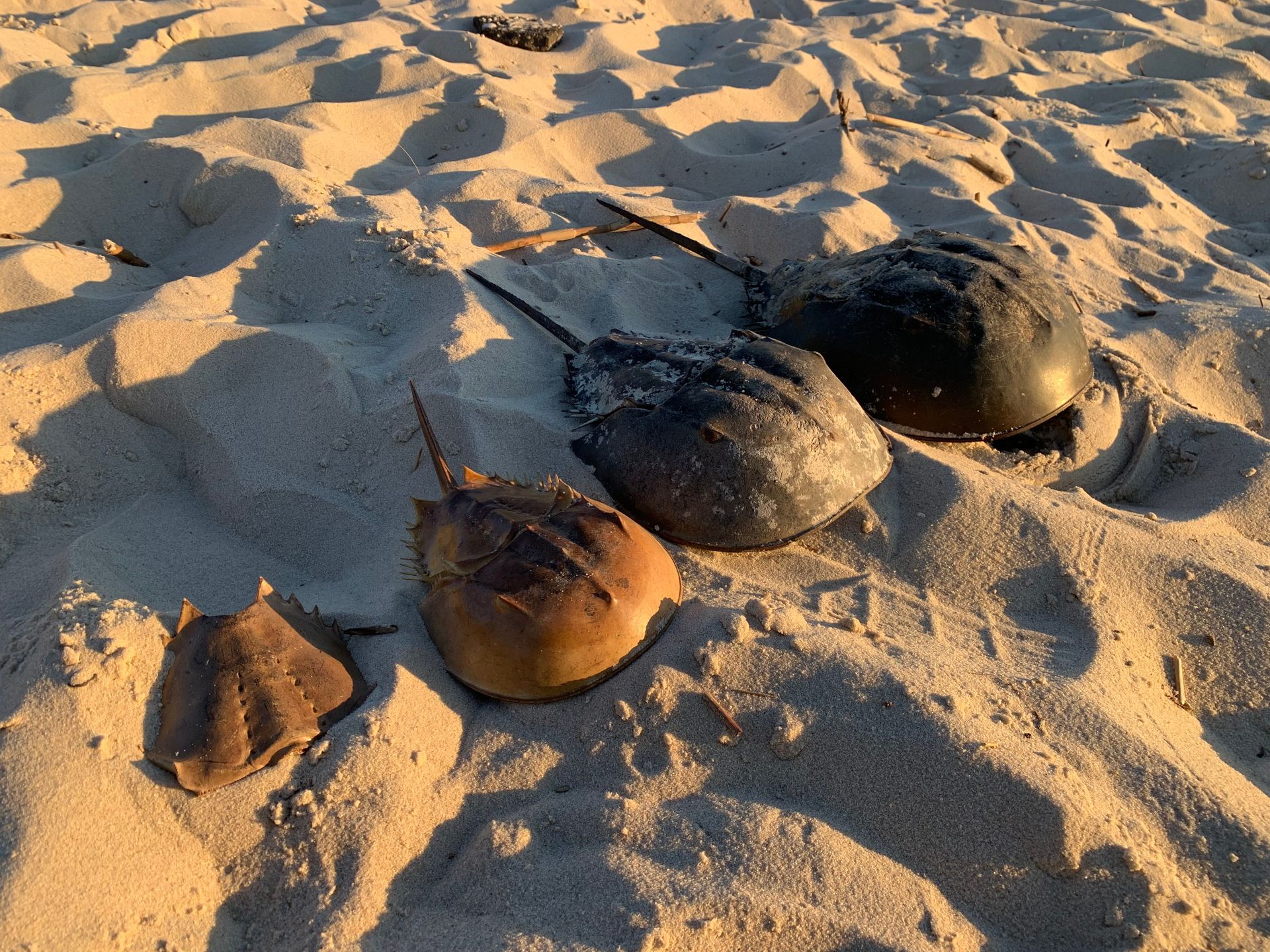
Horseshoe crabs (Limulidae) have existed in essentially their current form for approximately 450 million years, predating the dinosaurs by roughly 200 million years and predating trees by tens of millions of years. Despite the name, they are not true crabs but are more closely related to arachnids (spiders and scorpions) than to crustaceans, and their basic body plan — a hard carapace, a long tail spike, and a specific arrangement of legs and gills — has remained stable across four of the five major mass extinction events in Earth's history.
The horseshoe crab's stability reflects its extraordinarily generalized and robust design: it can survive extended periods without food, tolerate a wide range of salinity and temperature, and its exoskeleton provides effective protection against most predators without requiring the specialized adaptations that more ecologically narrow species develop and that make them vulnerable when their specific niche disappears.
Horseshoe crabs have a specific modern significance beyond their evolutionary longevity: their blue, copper-based blood contains a clotting agent (Limulus amebocyte lysate, or LAL) that is extraordinarily sensitive to bacterial contamination and has been used since the 1970s as the standard test for bacterial endotoxins in vaccines, injectable drugs, and medical devices — meaning that most vaccines administered globally have been tested using a substance derived from an animal whose basic design predates the dinosaurs.
Nautilus
Pixabay / Pexels
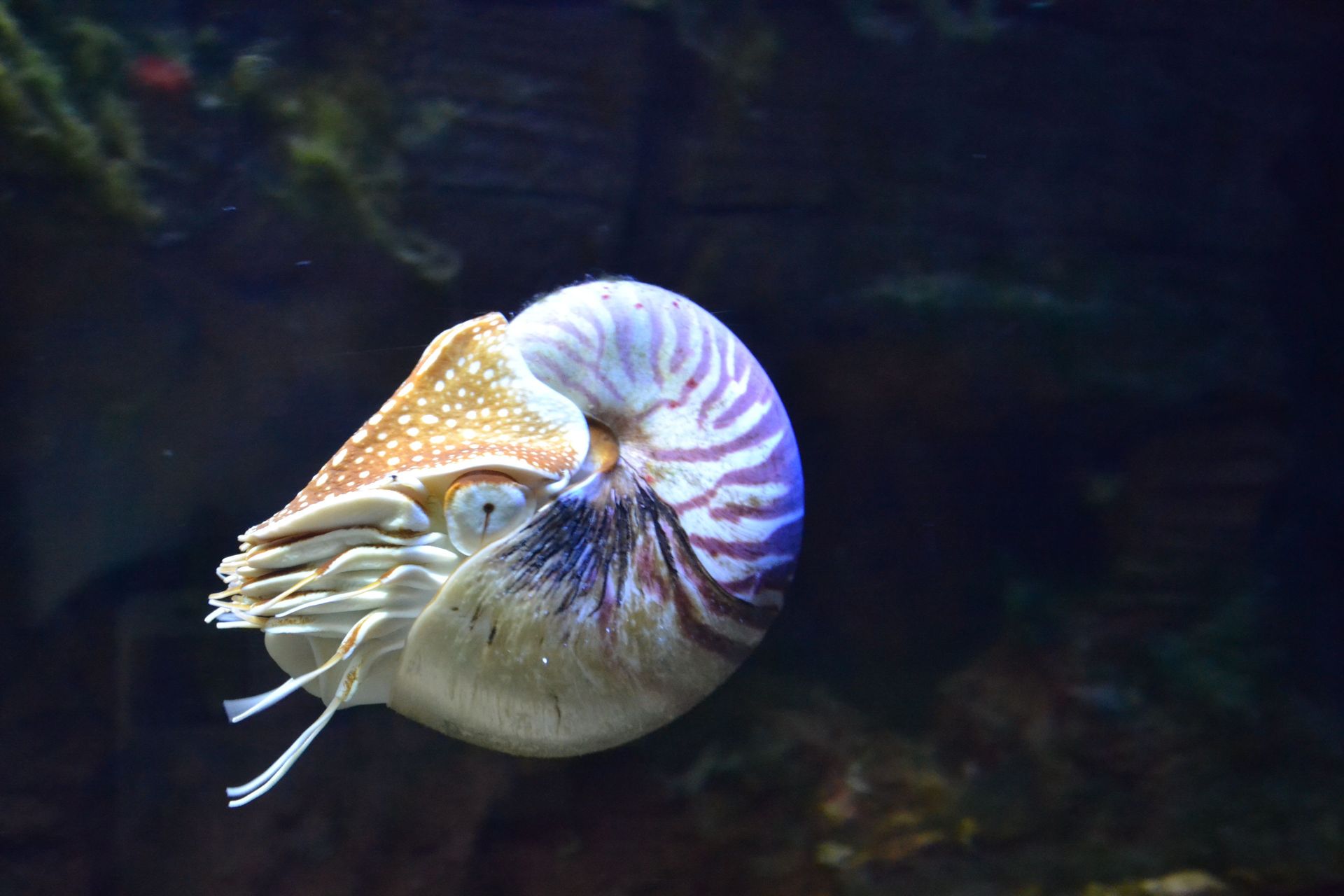
The chambered nautilus (Nautilus pompilius and related species) is the last surviving genus of a once-vast group of shelled cephalopods called nautiloids that dominated ancient oceans, with a body plan that has remained essentially unchanged for approximately 500 million years — making it older than any entry on this list except perhaps the horseshoe crab, and old enough to have existed before most animal life had left the ocean at all.
The nautilus's coiled, chambered shell — which the animal grows throughout its life, adding new chambers and moving into each as it outgrows the previous one, using the gas-filled older chambers for buoyancy control — is a design so effective for its specific ecological role (a slow-moving deep-water scavenger and predator) that it has required no fundamental modification across the entire span of animal evolution on land, the rise and fall of the dinosaurs, and the emergence of every major animal group that exists today.
The nautilus's living relatives — squid, octopus, and cuttlefish — evolved away from the external shell entirely, developing the soft-bodied, highly mobile, and in several cases highly intelligent forms that dominate modern cephalopod diversity. The nautilus represents the ancestral condition from which all of these more derived cephalopods diverged, essentially unchanged while its relatives transformed dramatically.
Coelacanth
David Clode / Unsplash
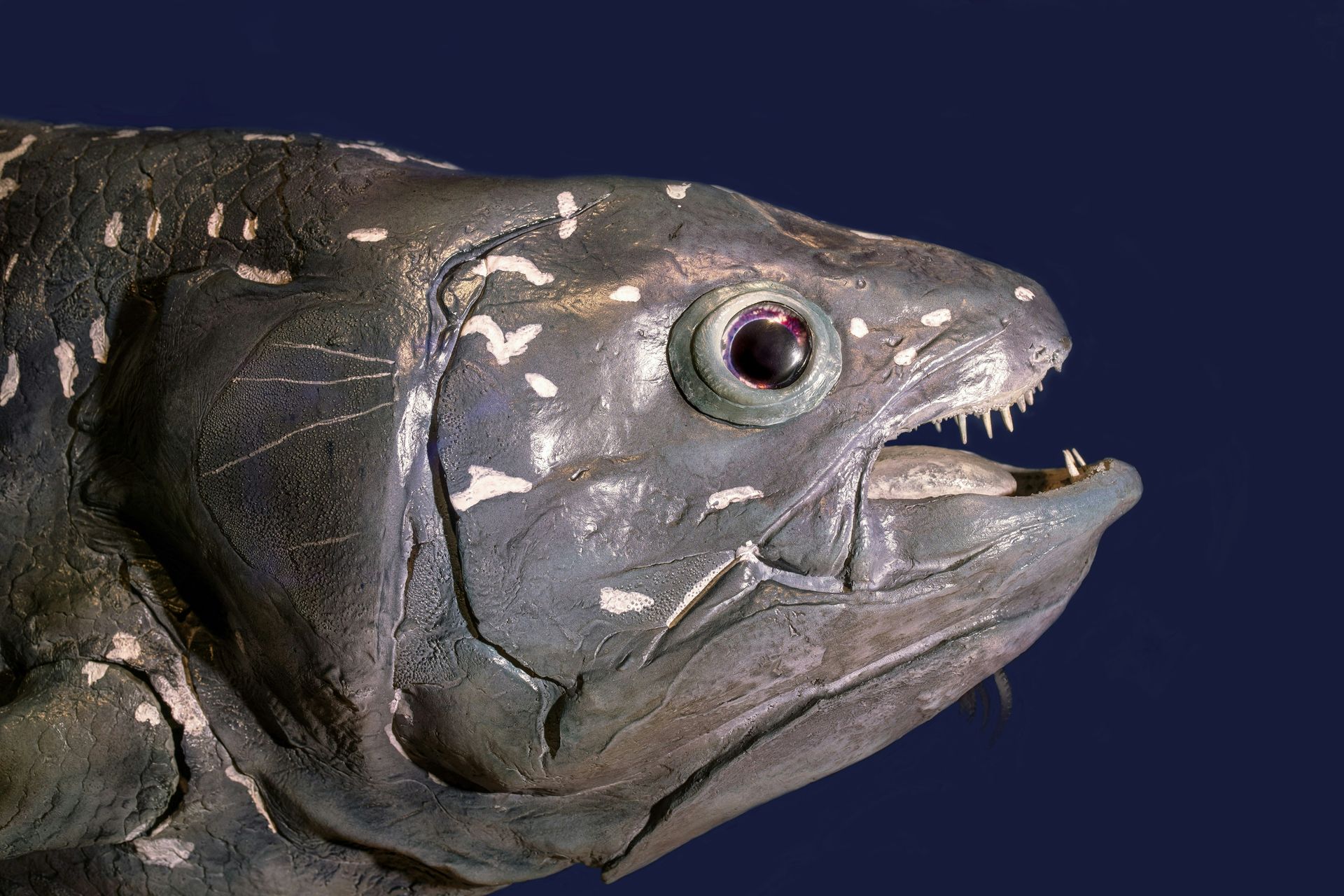
The coelacanth was known only from fossils and was believed to have gone extinct along with the dinosaurs 66 million years ago until a living specimen was caught off the coast of South Africa in 1938 — one of the most significant zoological discoveries of the 20th century, described by paleontologists as roughly equivalent to finding a living dinosaur. A second, genetically distinct population was subsequently discovered off Indonesia in the 1990s.
The coelacanth's lineage extends back approximately 400 million years, and its specific evolutionary significance lies in its lobed, fleshy fins, which are structurally similar to the limb bones of early tetrapods (the four-limbed vertebrates that eventually gave rise to all land animals, including humans) — the coelacanth represents a branch close to the evolutionary transition between fish and the first animals to walk on land, though it is not itself a direct ancestor of land vertebrates.
The 1938 rediscovery is significant not only zoologically but as an illustration of how much remains genuinely unknown about ocean biodiversity: a large (up to two meters long), distinctive fish believed extinct for tens of millions of years was found alive in reasonably accessible coastal waters, discovered essentially by chance when a museum curator noticed an unusual specimen among a local fisherman's catch.
Tuatara
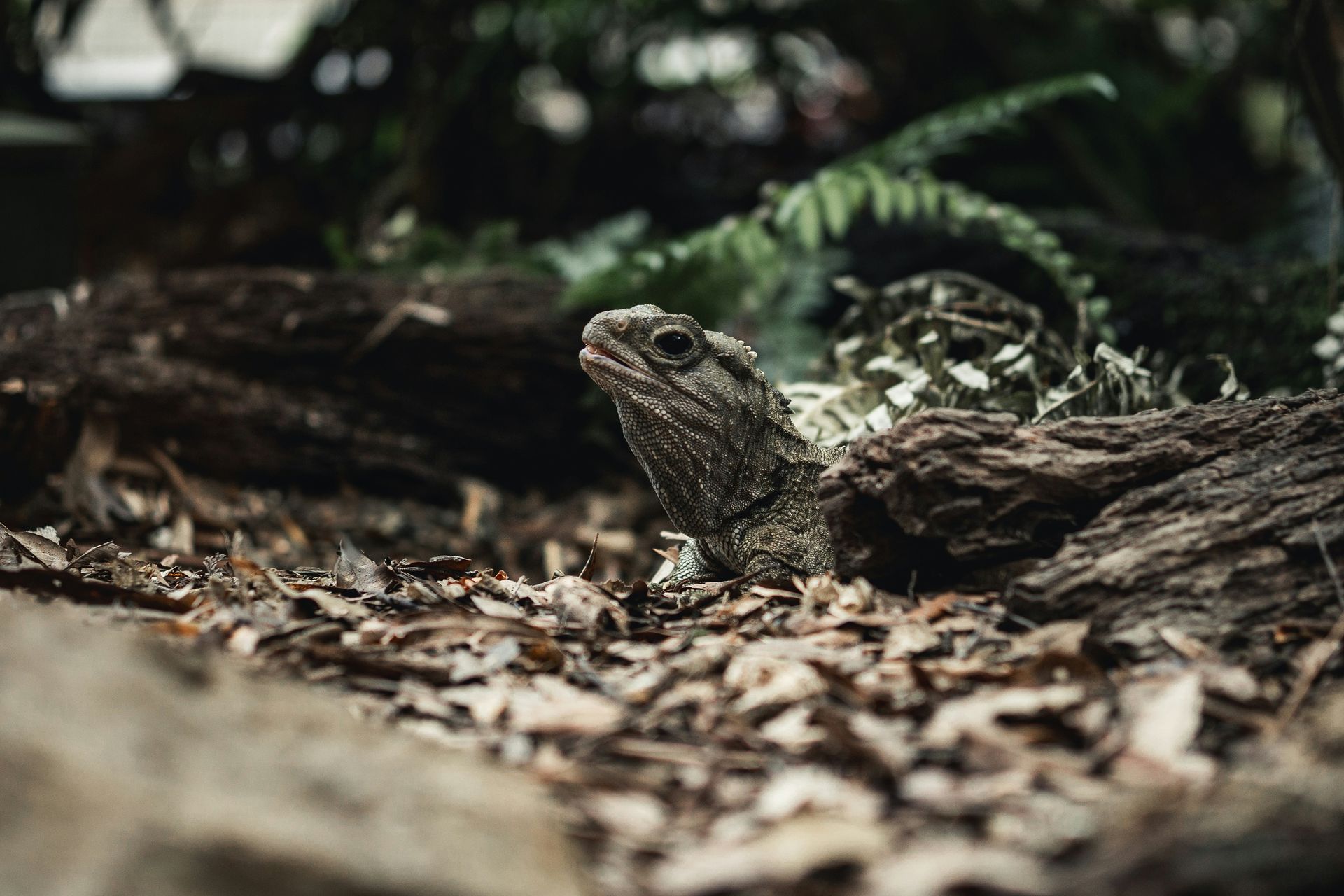
Harley Lin / Unsplash
The tuatara, found only in New Zealand, is the last surviving member of an entire reptilian order (Rhynchocephalia) that was widespread during the age of dinosaurs and has been reduced, over the subsequent 200 million years, to a single surviving genus. It is often mistaken for a lizard but is not one; it represents an entirely separate evolutionary lineage that diverged from the ancestors of modern lizards and snakes approximately 250 million years ago.
The tuatara has several distinctive features that reflect its ancient lineage: a third eye (parietal eye) on top of its head, visible in juveniles and covered by scales in adults, whose function is not fully understood but is believed to play a role in circadian rhythm regulation; teeth that are not replaceable (unlike most reptiles) and that wear down over the animal's exceptionally long lifespan, which can exceed 100 years; and one of the slowest metabolic rates and growth rates of any reptile, continuing to grow for the first 35 years of life.
The tuatara's decline to a single surviving genus, confined to a small number of predator-free New Zealand islands, illustrates a distinct pattern from most entries on this list: rather than a body plan that has remained dominant and widespread, the tuatara represents a lineage that has survived by retreating to an isolated refuge after most of its relatives went extinct, a survival strategy of contraction rather than continued dominance.
Lamprey

Tiit Hunt / Wikimedia Commons (CC BY-SA 3.0)
Lampreys are jawless fish whose basic body plan — a cartilaginous skeleton, a circular, tooth-ringed mouth used for parasitic feeding on other fish, and the absence of paired fins — has remained largely unchanged for approximately 360 million years, predating the appearance of jawed vertebrates' dominance and representing one of the few surviving lineages of the jawless fish that were once far more diverse.
The lamprey's continued success despite (or perhaps partly because of) its primitive characteristics reflects a specific ecological strategy: rather than competing directly with the jawed fish that came to dominate most aquatic environments, lampreys exploited a parasitic niche — attaching to larger fish with their specialized mouth and feeding on blood and tissue — that required no jaw at all and that has remained viable across hundreds of millions of years of changing fish diversity around them.
Lamprey research has become significant in regenerative medicine specifically because of their evolutionary position: lampreys diverged from the lineage leading to humans before the evolution of an adaptive immune system in its modern form, and studying their distinct immune mechanisms has provided insights into immune system evolution that more derived model organisms (mice, zebrafish) cannot provide, making an animal whose body plan is 360 million years old directly relevant to contemporary immunology research.
Sturgeon
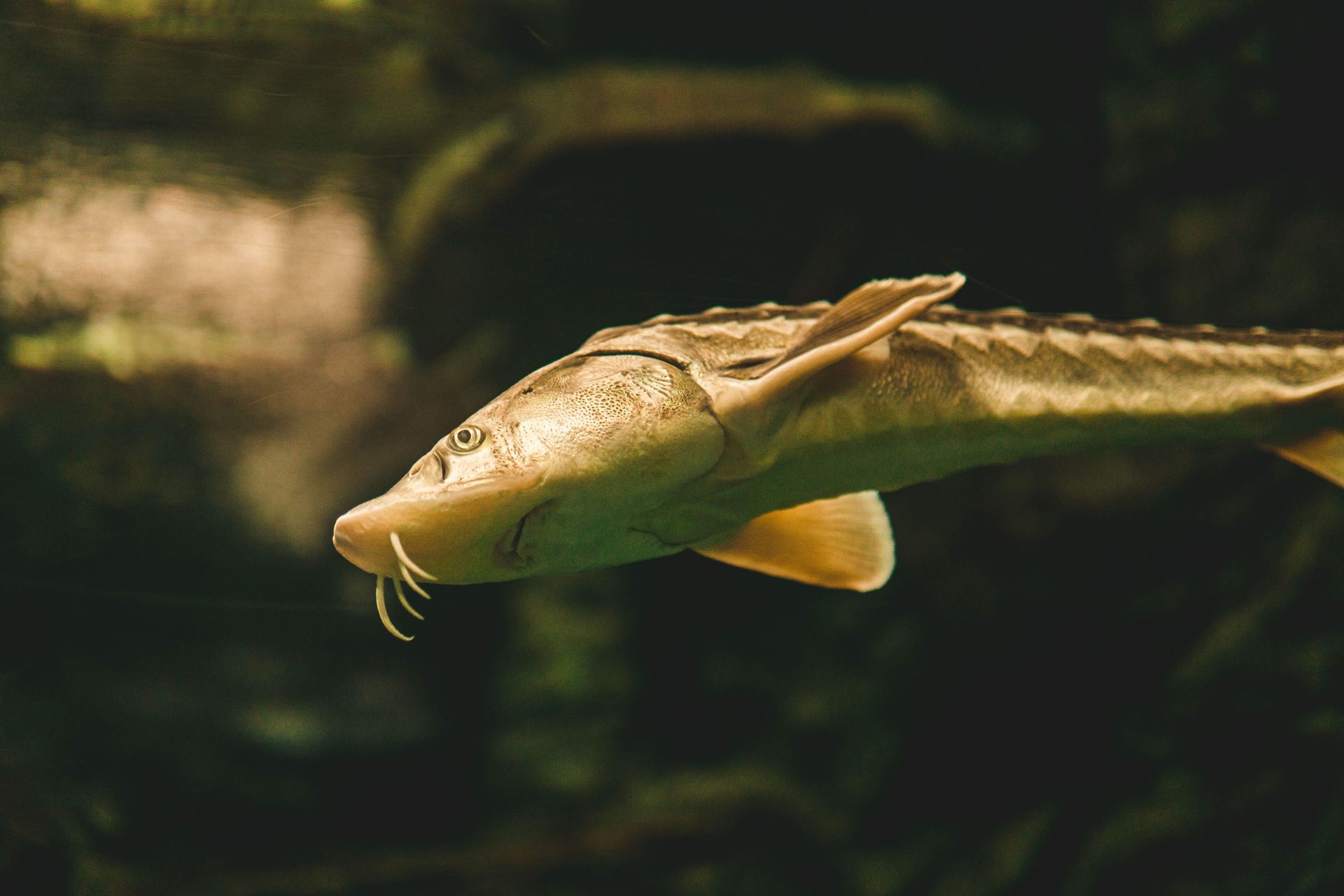
Parviz Hajizada / Pexels
Sturgeon have existed in essentially their current form for approximately 200 million years, predating the peak of dinosaur diversity, and their distinctive features — a cartilaginous skeleton (unusual for a fish this large), rows of bony plates called scutes instead of scales, and a shark-like tail shape despite being unrelated to sharks — reflect a body plan that has proven durable across an exceptionally long span of aquatic ecosystem change.
Sturgeon's specific ecological success reflects a generalist bottom-feeding strategy combined with exceptional size and longevity — some species can exceed 15 feet in length and live over 100 years, with the beluga sturgeon of the Caspian Sea among the largest freshwater fish in the world — that has allowed them to persist across dramatic changes in the freshwater and coastal ecosystems they inhabit.
The modern conservation status of sturgeon presents an important counterpoint to their evolutionary durability: despite surviving 200 million years of natural environmental change, most sturgeon species are now critically endangered due to overfishing (driven substantially by caviar demand, since sturgeon roe is the source of true caviar), habitat destruction from dam construction that blocks their spawning migrations, and pollution — illustrating that a species durable enough to survive the extinction of the dinosaurs can nonetheless be brought to the brink of extinction by human activity within a few generations.
Velvet worm
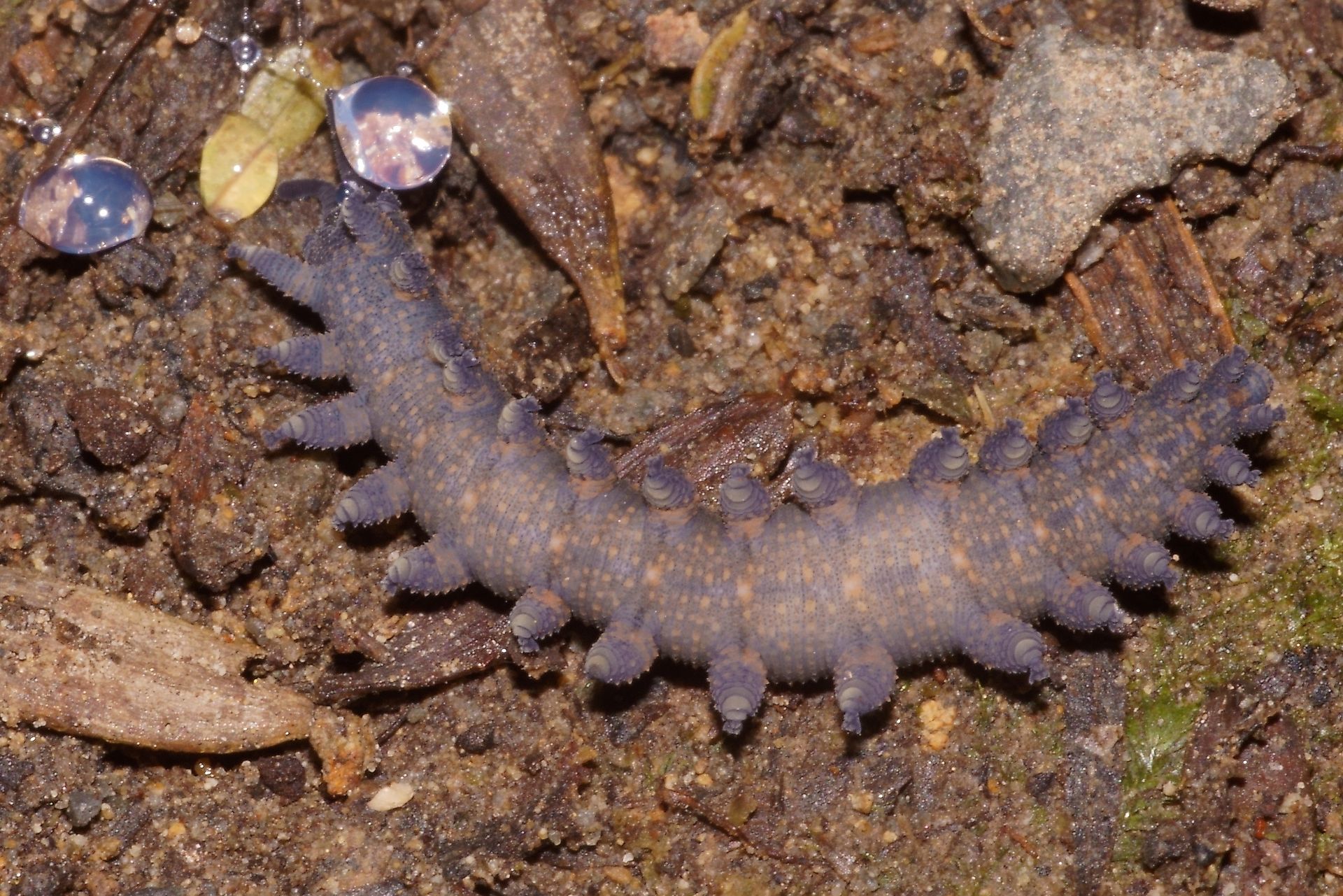
Uwe Schneehagen / Wikipedia (CC BY-SA 4.0)
Velvet worms (phylum Onychophora) have a body plan that has remained essentially unchanged for approximately 500 million years, based on fossil evidence from the Cambrian period, making them among the oldest entries on this list and predating the emergence of most modern animal phyla in their current recognizable form. They are soft-bodied, caterpillar-like predators found in humid tropical and temperate forests, using specialized glands to shoot adhesive slime at prey and predators from a distance of up to several body lengths.
The velvet worm occupies an evolutionarily significant intermediate position between two major groups: it shares characteristics with both annelid worms (segmented body plan, soft cuticle) and arthropods (clawed, jointed legs), and it is generally considered a close relative of the ancestral lineage from which arthropods (insects, spiders, crustaceans) eventually diverged — making it a living representative of a body plan that predates the arthropod radiation that would go on to become the most diverse animal group on Earth.
The slime-shooting defense mechanism, unique among living animals, has remained the velvet worm's primary means of both predation and defense across the entire span of its evolutionary history, a specialized adaptation stable enough that it required no significant modification through 500 million years of terrestrial ecosystem change around it.
Goblin shark
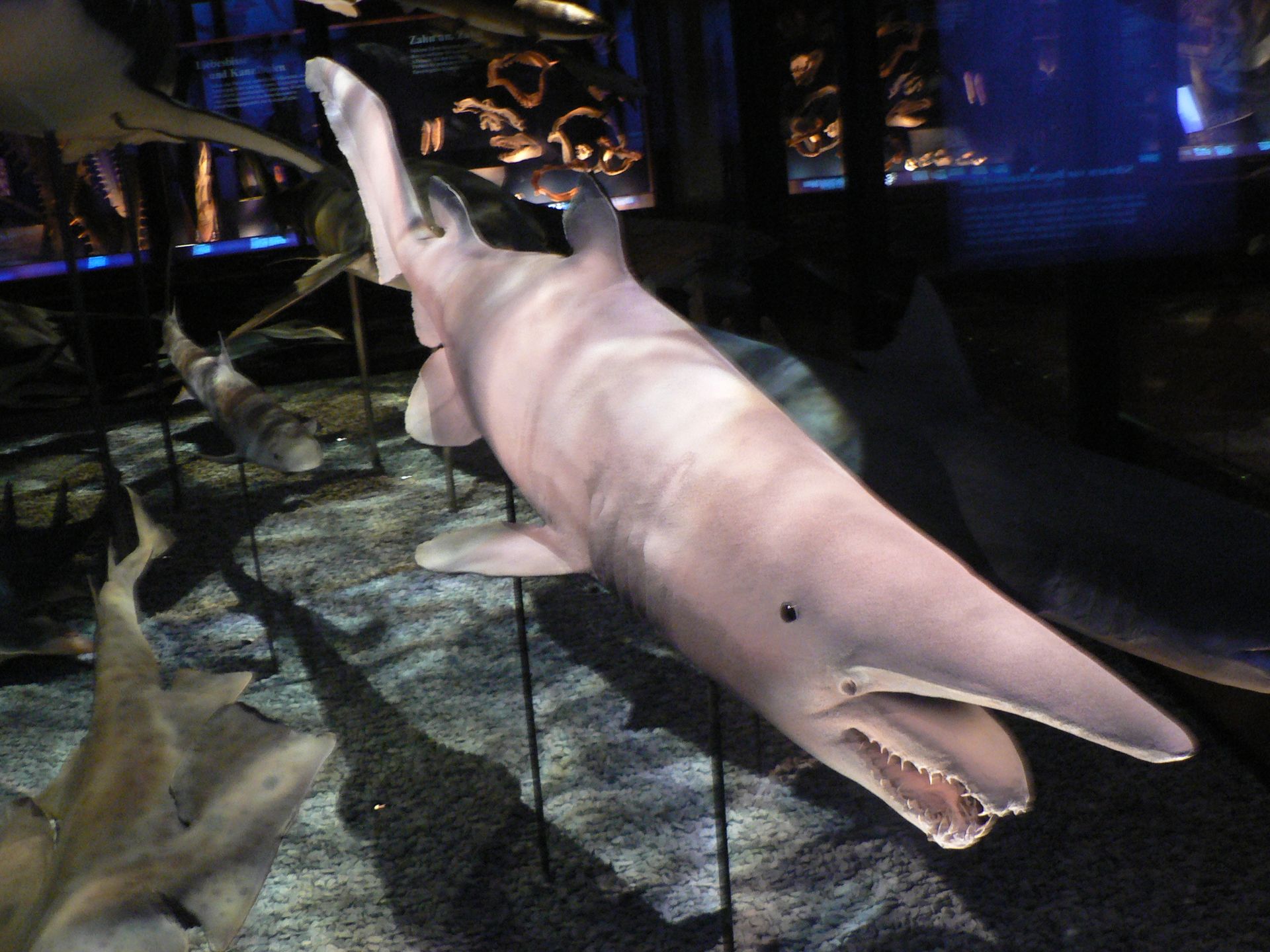
Credit: Wikimedia Commons (CC BY-SA 3.0)
The goblin shark represents the sole surviving member of a family (Mitsukurinidae) whose fossil record extends back approximately 125 million years, and whose distinctive features — an elongated, blade-like snout and jaws that can extend forward from the mouth to capture prey in a specific rapid strike mechanism — have made it one of the strangest-looking sharks alive, frequently described in media coverage as "alien" in appearance despite its ancient and thoroughly terrestrial (in the sense of being native to Earth's oceans) evolutionary history.
The goblin shark's extending jaw mechanism — in which the jaws project forward from the head to seize prey before retracting — is a specialized adaptation for capturing prey in the deep-sea environment it inhabits, where the ability to strike quickly at prey detected primarily through electroreception (sensing the electrical fields produced by other animals) rather than vision is a significant advantage in the near-total darkness of its deep ocean habitat.
The species is rarely observed alive and is known largely from specimens caught incidentally in deep-sea fishing operations, making it one of the least-studied entries on this list despite its striking appearance and long evolutionary history — a reminder that the deep ocean remains one of the least explored environments on Earth, harboring species whose lineages have persisted for tens of millions of years largely outside of direct human observation.
Frilled shark
Xyxyzyz / Wikimedia Commons (CC0)
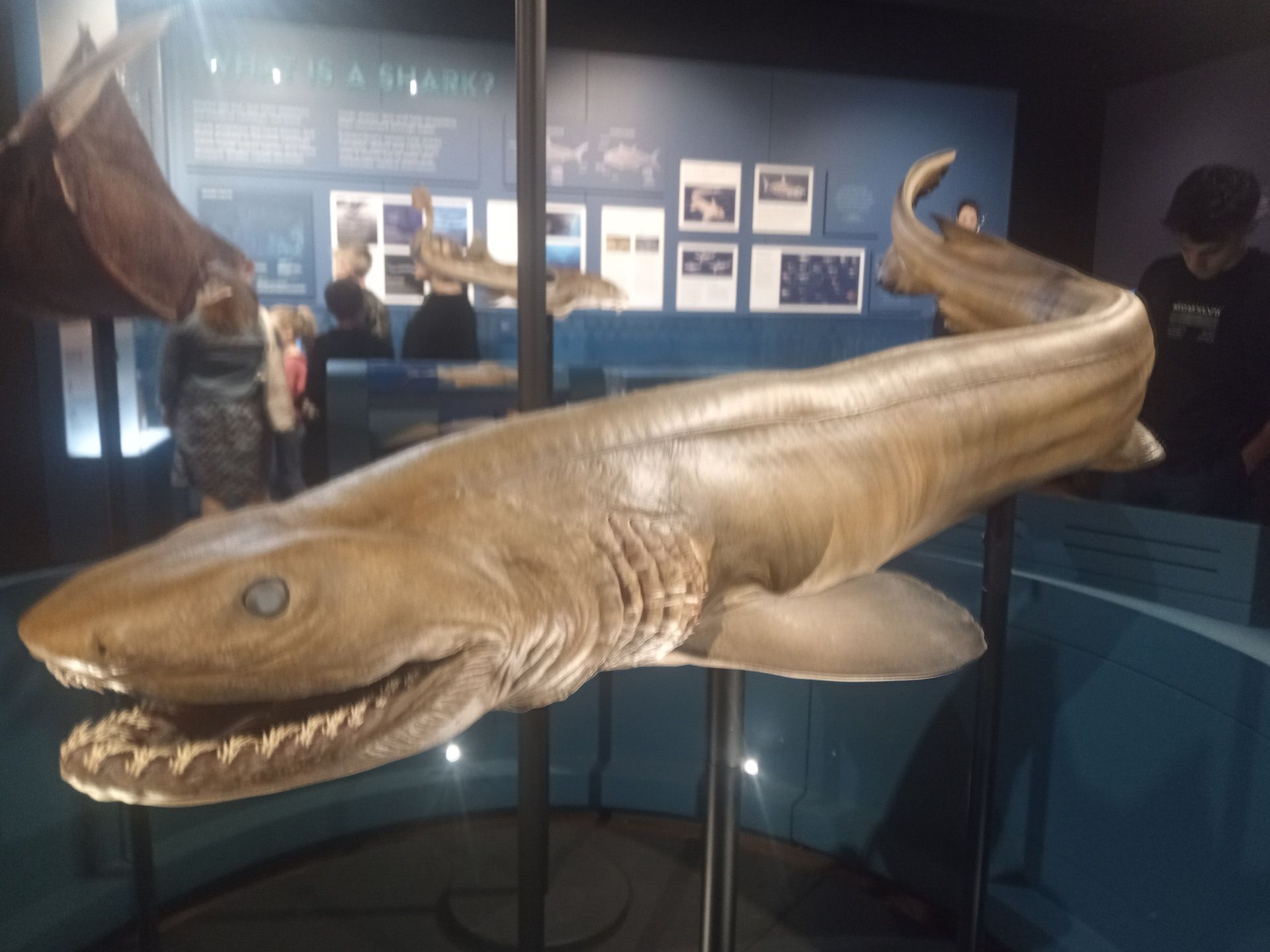
The frilled shark, found in deep waters worldwide, has a body plan retaining several primitive features considered characteristic of ancient sharks from the fossil record, including a notably eel-like body shape, a distinctive frilled gill structure (the source of its common name), and teeth arranged in a trident-like pattern found in few other living species — characteristics that have led some researchers to describe it informally as a "living fossil" shark, though its precise fossil lineage is less completely documented than several other entries on this list.
The species inhabits deep ocean waters, typically between 160 and 660 meters, rarely encountered by humans except when caught incidentally in deep trawling operations or, in a small number of documented cases, found stranded at the surface — one such surface encounter in Japan in 2007 produced widely circulated footage of a living frilled shark, giving the general public a rare direct view of a species that spends nearly its entire existence far below any human activity.
The frilled shark's reproductive biology reflects its ancient and deep-water adapted lineage: it has one of the longest gestation periods of any vertebrate, estimated at up to three and a half years, an adaptation to a stable but resource-scarce deep ocean environment that rewards slow reproduction and long individual lifespan over the rapid reproductive cycles that characterize species in more variable, resource-rich environments.
Ginkgo tree
JOSE GALLARDO / Pexels
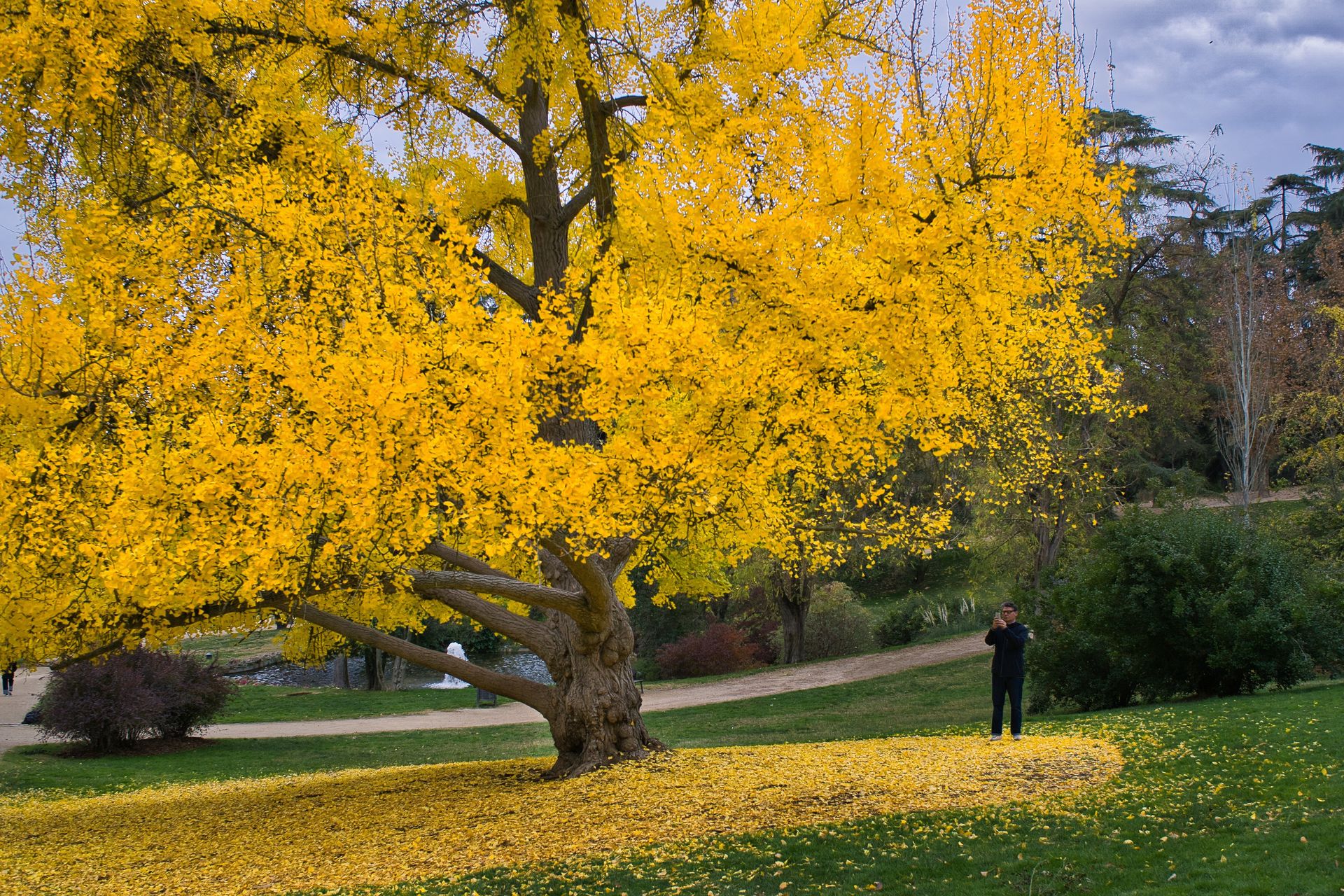
The ginkgo tree, while not an animal, is included in discussions of living fossils so consistently that its exclusion from this list would be a significant omission: it is the sole surviving species of an entire plant division (Ginkgophyta) that was widespread and diverse during the age of dinosaurs, with fossil leaves from over 200 million years ago that are essentially indistinguishable from the leaves of modern ginkgo trees.
The ginkgo's specific evolutionary durability is illustrated by its documented resilience: six ginkgo trees survived the atomic bombing of Hiroshima in 1945, growing within one to two kilometers of the blast's hypocenter, and remain alive and healthy today — a specific and dramatic demonstration of the species' resistance to environmental stress that has become one of the most cited examples of the ginkgo's extraordinary durability in both scientific and popular accounts.
The ginkgo's near-extinction in the wild — it survived primarily through cultivation in Chinese temple gardens for over a thousand years, and wild populations were believed extinct until small relict populations were identified in remote parts of China in recent decades — illustrates a pattern distinct from most animal entries on this list: a species whose evolutionary durability was ultimately dependent on deliberate human cultivation rather than continued success in its natural habitat.
Elephant shark (ratfish)
Totti / Wikimedia Commons (CC BY-SA 4.0)
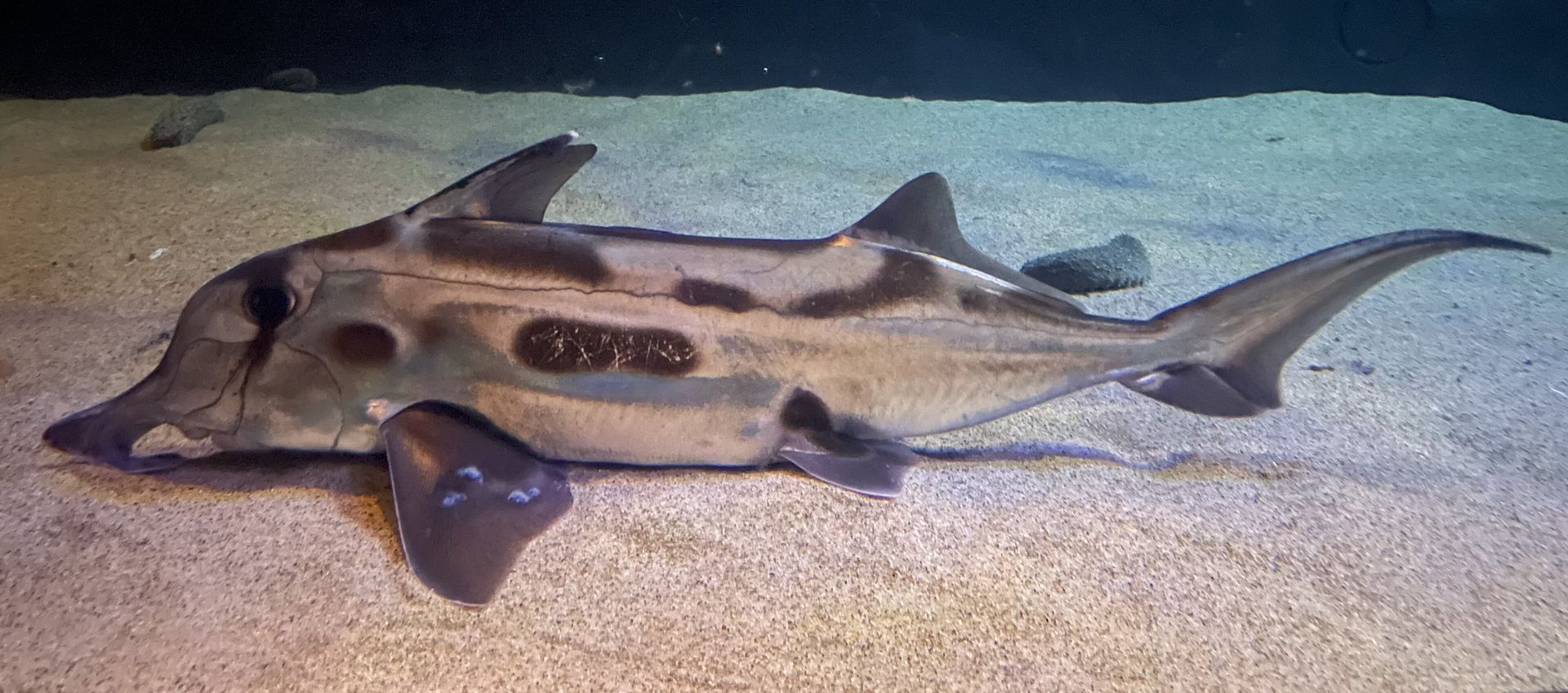
The elephant shark, a member of the Chimaeriformes (a group of cartilaginous fish distantly related to true sharks and rays), has a lineage extending back approximately 420 million years, and its genome — sequenced in 2014 — was found to be evolving significantly more slowly than that of any other vertebrate studied to date, making it, by genetic measurement rather than merely morphological comparison, one of the most literally "slowly evolving" vertebrates known.
The 2014 genome sequencing project specifically targeted the elephant shark because of its evolutionary position as one of the most ancient living jawed vertebrate lineages, and researchers found that its genome had changed at a rate substantially below that of other so-called "living fossil" species like the coelacanth, providing a genetic explanation for a pattern that had previously been inferred primarily from morphological stability in the fossil record.
The elephant shark's slow evolutionary rate has made it a significant model organism for comparative genomics, since its genome provides researchers with a closer approximation of the ancestral vertebrate genetic state than more rapidly evolving species can offer — meaning that an obscure deep-sea fish, unfamiliar to most people, has become scientifically significant precisely because of how little its DNA has changed since a period before the dinosaurs existed.
Cockroach
Tony Wu / Pexels
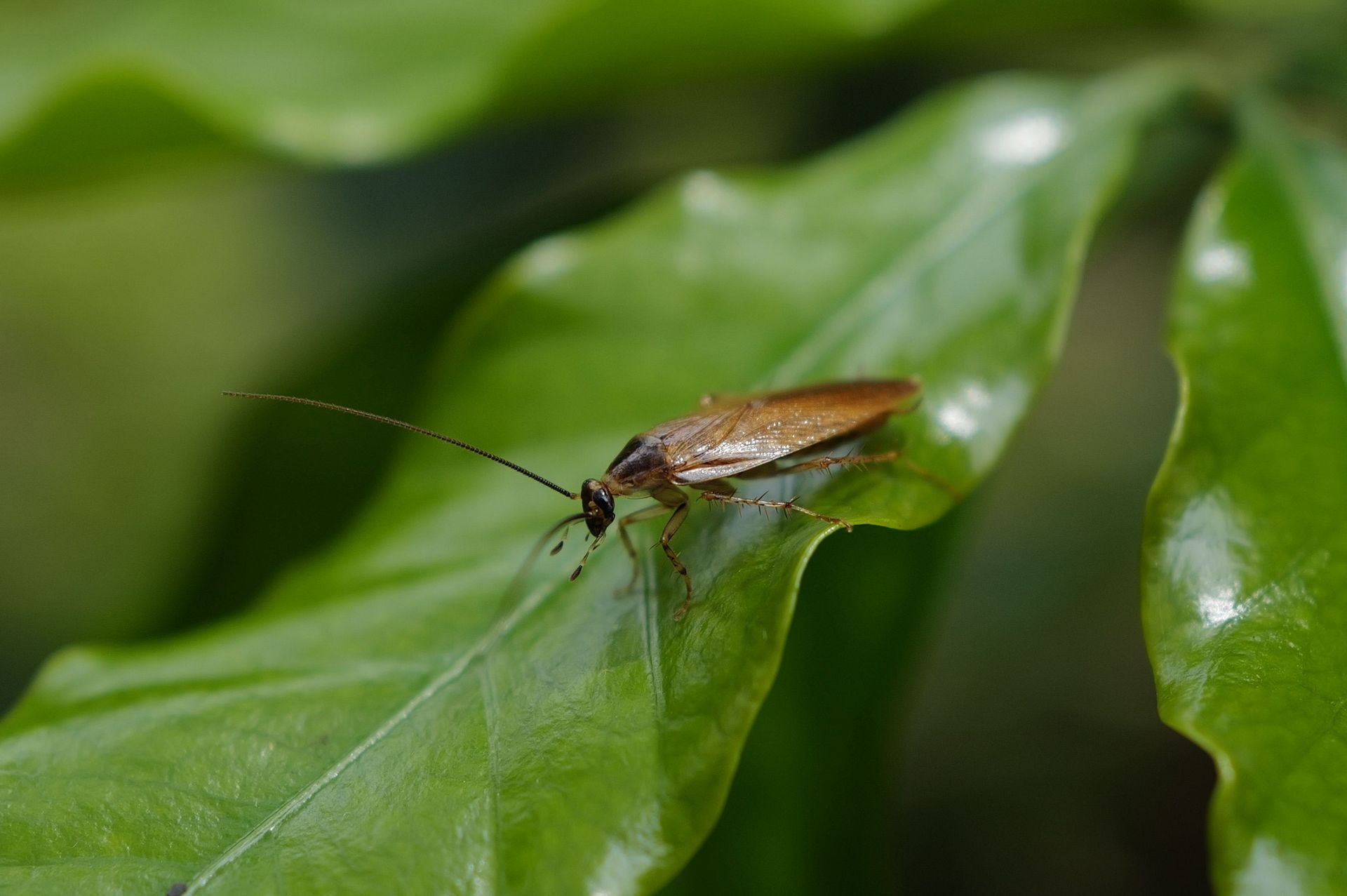
Cockroaches (order Blattodea) have existed in a form recognizably similar to modern species for approximately 320 to 350 million years, predating the dinosaurs by tens of millions of years, and their basic body plan — a flattened, oval body allowing access to narrow spaces, a hardened exoskeleton, adaptable mouthparts, and extraordinary dietary and environmental flexibility — has proven durable across every major environmental shift in the intervening period.
The cockroach's specific evolutionary success reflects one of the most generalized survival strategies among all entries on this list: rather than a specialized adaptation to a narrow ecological niche, cockroaches have persisted through an extraordinary tolerance for environmental variation, an ability to survive on almost any organic material as food, and a reproductive strategy that produces large numbers of offspring capable of surviving in a wide range of conditions — a strategy of flexibility rather than the specialization that characterizes several other entries in this list.
The oft-repeated claim that cockroaches would survive a nuclear war has some scientific basis, though it is frequently overstated: research has found cockroaches to have meaningfully higher radiation tolerance than mammals, though not dramatically higher than many other insects, and their reputation for indestructibility reflects their genuinely exceptional environmental tolerance more broadly rather than a specific unique radiation resistance.
Sponges
Sara Ibarra Lara / Pexels
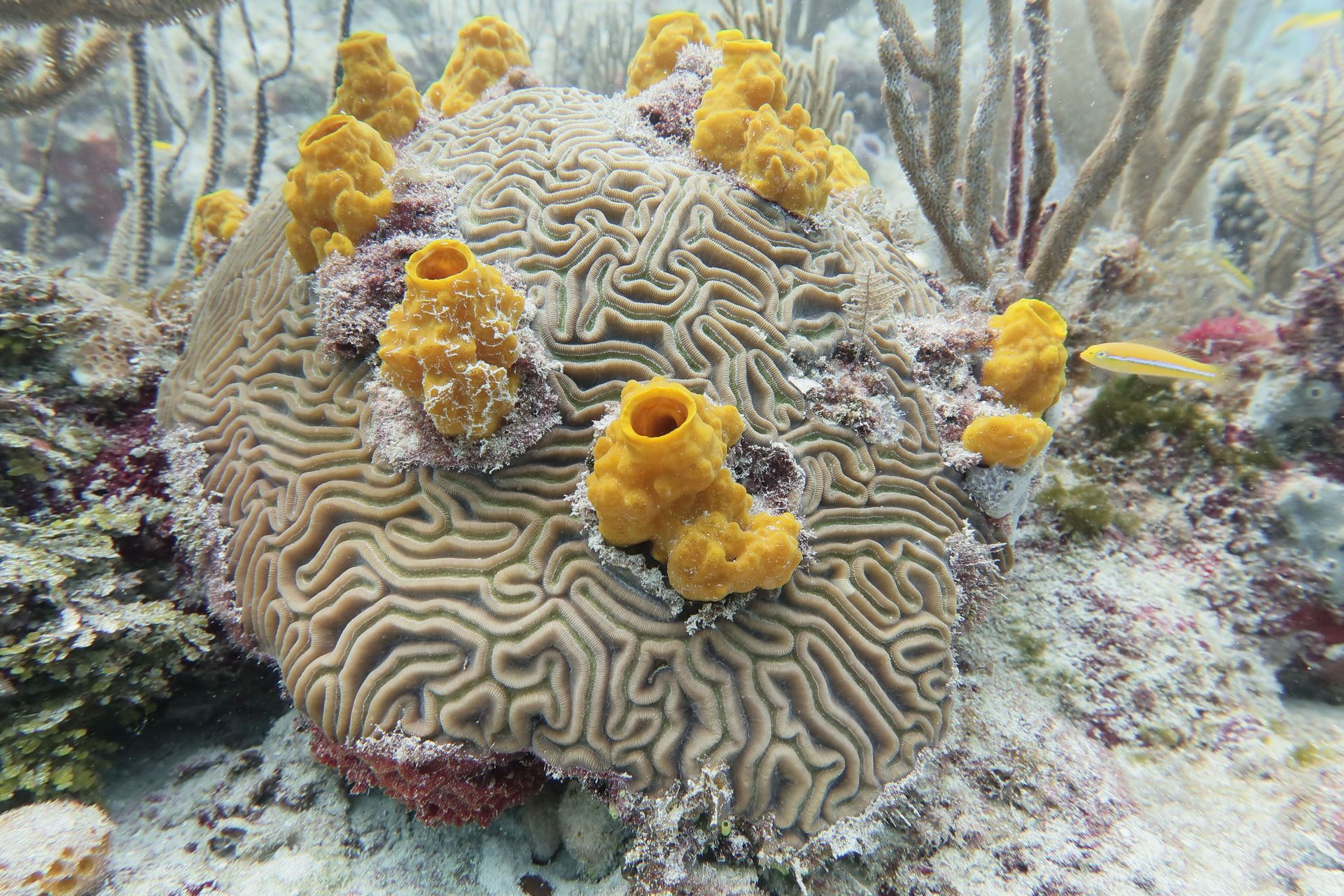
Sponges (phylum Porifera) are among the oldest surviving animal lineages on Earth, with genetic and fossil evidence suggesting their basic body plan — the simplest of any animal phylum, lacking true tissues, organs, or a nervous system, functioning through specialized cells that filter water for food and oxygen — dates back at least 600 million years and possibly earlier, potentially making sponges the most ancient animal lineage still living today, predating even the horseshoe crab and nautilus by a significant margin.
The sponge's evolutionary durability reflects the success of an extraordinarily simple body plan for a specific ecological function: filter-feeding requires no complex nervous system, no specialized organs, and no mobility, and a sedentary, filter-feeding lifestyle has remained viable in marine (and some freshwater) environments across the entire span of animal evolution, allowing sponges to persist essentially unchanged in basic design while more complex animal lineages evolved dramatically around them.
Sponges have proven directly useful to human medicine specifically because of their ancient and unusual biology: several sponge species produce novel chemical compounds (used for chemical defense, since sponges cannot flee predators) that have been isolated and developed into cancer treatment drugs, including cytarabine, one of the most important chemotherapy drugs used in treating certain leukemias, derived from compounds first isolated from a Caribbean sponge species.
Sharks (as a lineage)
adiprayogo liemena / Pexels
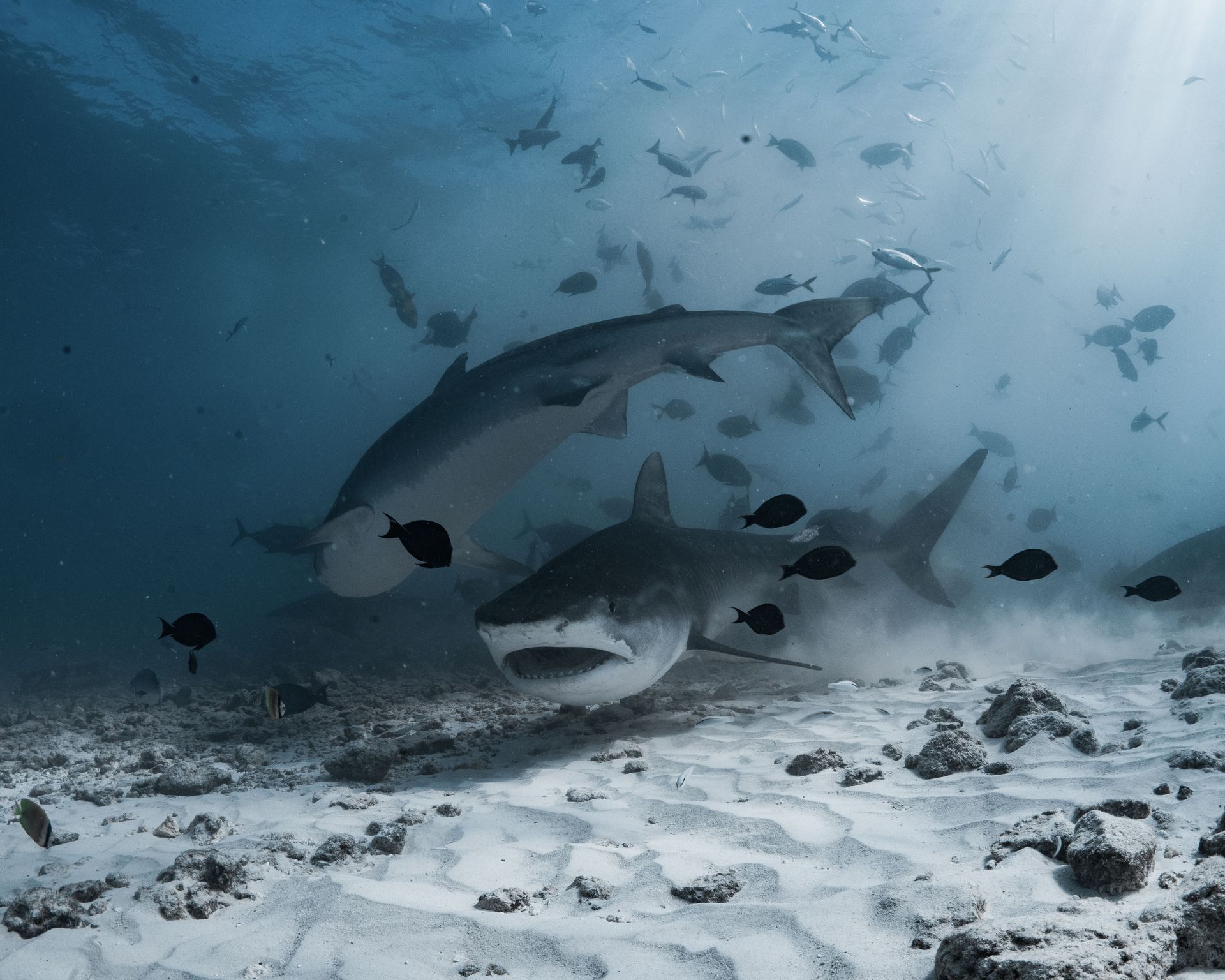
While individual modern shark species are not themselves hundreds of millions of years old, the shark body plan as a category — a cartilaginous skeleton, multiple gill slits, a specific tooth replacement system producing rows of continuously replaced teeth, and the general hydrodynamic body form — has existed in recognizable form for approximately 400 million years, predating the dinosaurs by roughly 170 million years and making sharks, as a lineage, older than trees.
Sharks as a group have survived all five of the major mass extinction events in Earth's history, including the Permian extinction that eliminated an estimated 90 to 96% of marine species — the most severe extinction event in the planet's history — and the Cretaceous-Paleogene extinction that ended the age of dinosaurs, a survival record shared by very few other vertebrate lineages of comparable ecological prominence.
The specific durability of the shark body plan reflects a combination of factors: cartilage is lighter and in some respects more resilient than bone, the tooth replacement system ensures a continuous supply of functional teeth throughout an individual's life regardless of wear or loss, and sharks occupy a position at or near the top of most marine food webs they inhabit, providing a degree of ecological stability that has allowed the basic body plan to persist across repeated, dramatic reorganizations of marine ecosystems throughout Earth's history.
Horseshoe worm (Phoronid) and brachiopods
Wilson44691 / Wikimedia Commons
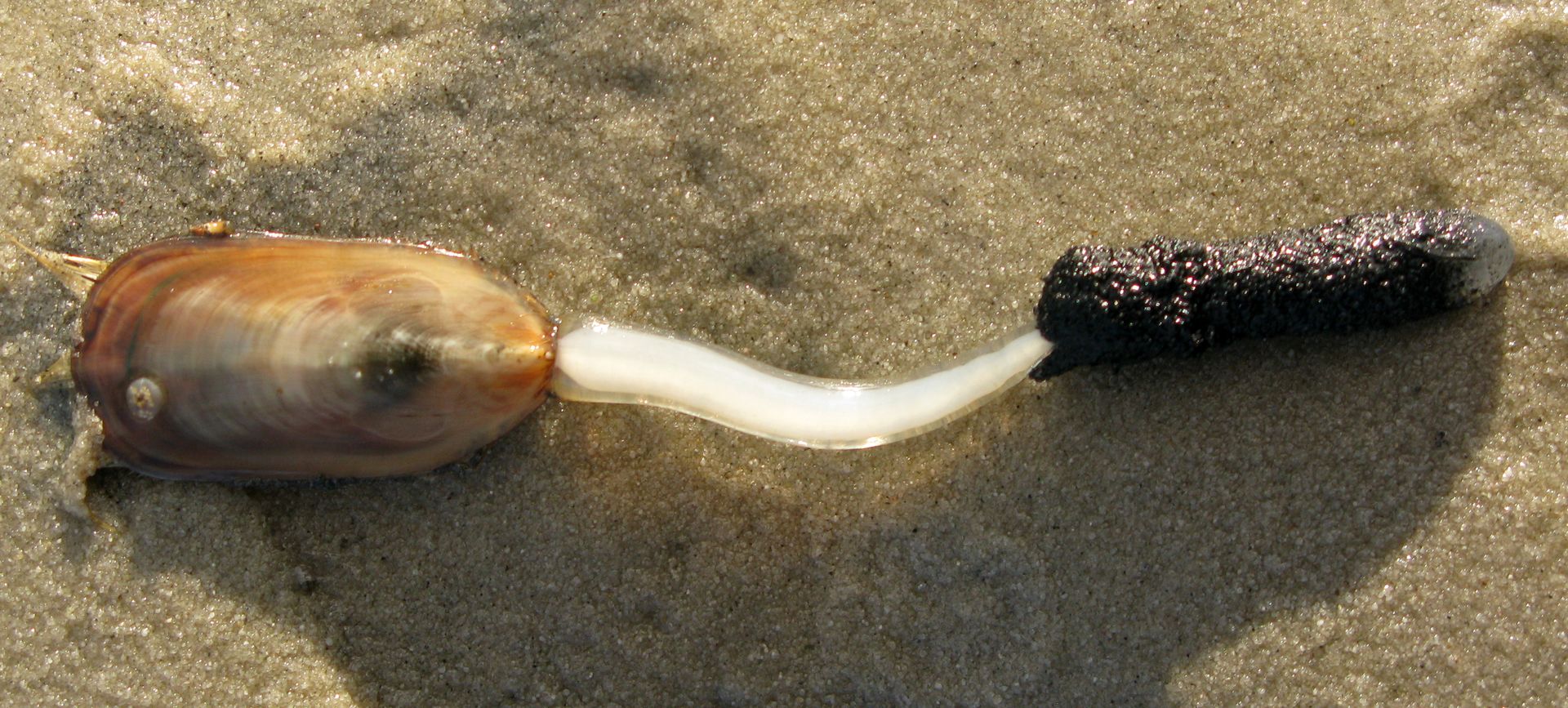
Brachiopods — shelled marine animals superficially resembling clams but structurally distinct and unrelated, distinguished by a specialized feeding organ called a lophophore — were among the most abundant and diverse marine animals during the Paleozoic era, and while the group's overall diversity has declined dramatically since its peak, several genera, including Lingula, have persisted in a form so stable that fossils dating back approximately 500 million years are difficult to distinguish from living specimens, making Lingula one of the longest-surviving genus-level classifications in the entire animal kingdom.
Lingula's specific survival strategy centers on a simple, burrowing lifestyle in intertidal and shallow marine sediment, using a muscular stalk to anchor itself within a burrow while its shell remains at or near the sediment surface for feeding — an ecological niche that has remained continuously available and continuously exploitable across the entire span of animal evolution, through multiple mass extinctions, and through the complete restructuring of marine ecosystems that occurred repeatedly during that time.
The brachiopod lineage's near-total ecological displacement by bivalve mollusks (true clams and their relatives) over the past several hundred million years, despite the enduring survival of relict genera like Lingula, illustrates a distinct pattern among this list's entries: a once-dominant group reduced to a small number of highly specialized survivors occupying a narrow ecological niche, persisting not through continued ecological dominance but through the specific stability of that narrow niche remaining available across geological time.