Evolution, millions of years of selection pressure, and the specific ingenuity of survival have produced animals who are still being studied and imitated by researchers
-1920x1280.jpg)
Lorie Shaull / Wikimedia Commons (CC BY-SA 4.0)
Evolution is a blind process. It has no goal, no foresight, no preference for elegance or efficiency — only the relentless filter of survival and reproduction applied across millions of years and billions of individuals. And yet the animals it produces are, repeatedly and astonishingly, better engineered for their specific tasks than anything human designers have deliberately created for the same purposes. The mantis shrimp's club withstands impact forces that would shatter carbon fiber. The gecko's adhesive system outperforms any synthetic dry adhesive yet developed. The shark's skin reduces drag in ways that competitive swimsuits have been designed to replicate. The pistol shrimp generates a cavitation bubble hot enough to briefly exceed the temperature of the sun's surface.
These are not metaphors. They are the specific mechanical and chemical performances of real animals doing real things in their real environments, documented by researchers who came to biology looking for inspiration precisely because natural selection had already solved problems they were struggling to solve. The field of biomimetics — the deliberate study of biological systems for engineering applications — exists because evolution, operating without intelligence or intention, has consistently arrived at solutions to material, structural, and chemical problems that human engineering has not yet equaled.
The animals in this list have been selected because each one demonstrates, in a specific and documentable way, a biological capability or structural solution that stands out as extraordinary — either because it has no analogue in human engineering, because it operates on physical principles that surprised researchers when first documented, or because its specific performance exceeds what materials science and mechanical engineering have achieved with deliberate design. Several are familiar; several are genuinely obscure. All of them are doing something that, when examined in detail, produces the specific quality of astonishment that comes from understanding how much has been built by a process that was not building anything.

Cédric Péneau / Wikimedia Commons (CC BY-SA 4.0)
The peacock mantis shrimp (Odontodactylus scyllarus) strikes its prey with one of the two specialized clubs on its forwardmost appendages at accelerations exceeding 10,000 g, generating impact forces of approximately 1,500 newtons from an animal approximately 10 centimeters long. The club strikes so fast that it generates cavitation bubbles in the water — collapsing at pressures that produce a secondary impact even when the club misses its target. The shrimp uses this system to crack open the shells of hard-shelled prey including crabs and clams.
What makes the dactyl club extraordinary from a materials science perspective is that it absorbs these impacts without shattering itself. The club contains three distinct structural regions: the impact region (a hydroxyapatite nanofiber composite arranged in a helicoidal Bouligand structure that deflects crack propagation in a spiral rather than a straight line), the periodic region (sinusoidal mineral bands that arrest cracks propagating from the impact surface), and the striated region (which handles the lateral compressive and tensile stresses generated during impact). The combination of these three architectures produces a material that is simultaneously hard enough to generate the impact and tough enough to survive it.
David Kisailus's research group at UC Irvine used the dactyl club's helicoidal fiber architecture as a blueprint for carbon fiber composite panels with significantly improved impact resistance. The mantis shrimp's eyes — with 16 types of photoreceptors compared to the human eye's three — are a separate engineering marvel: they process color information locally rather than sending raw data to the brain, a solution to information processing that is being studied for applications in satellite remote sensing and cancer detection.
Amandasofiarana / Wikimedia Commons (CC BY-SA 4.0)
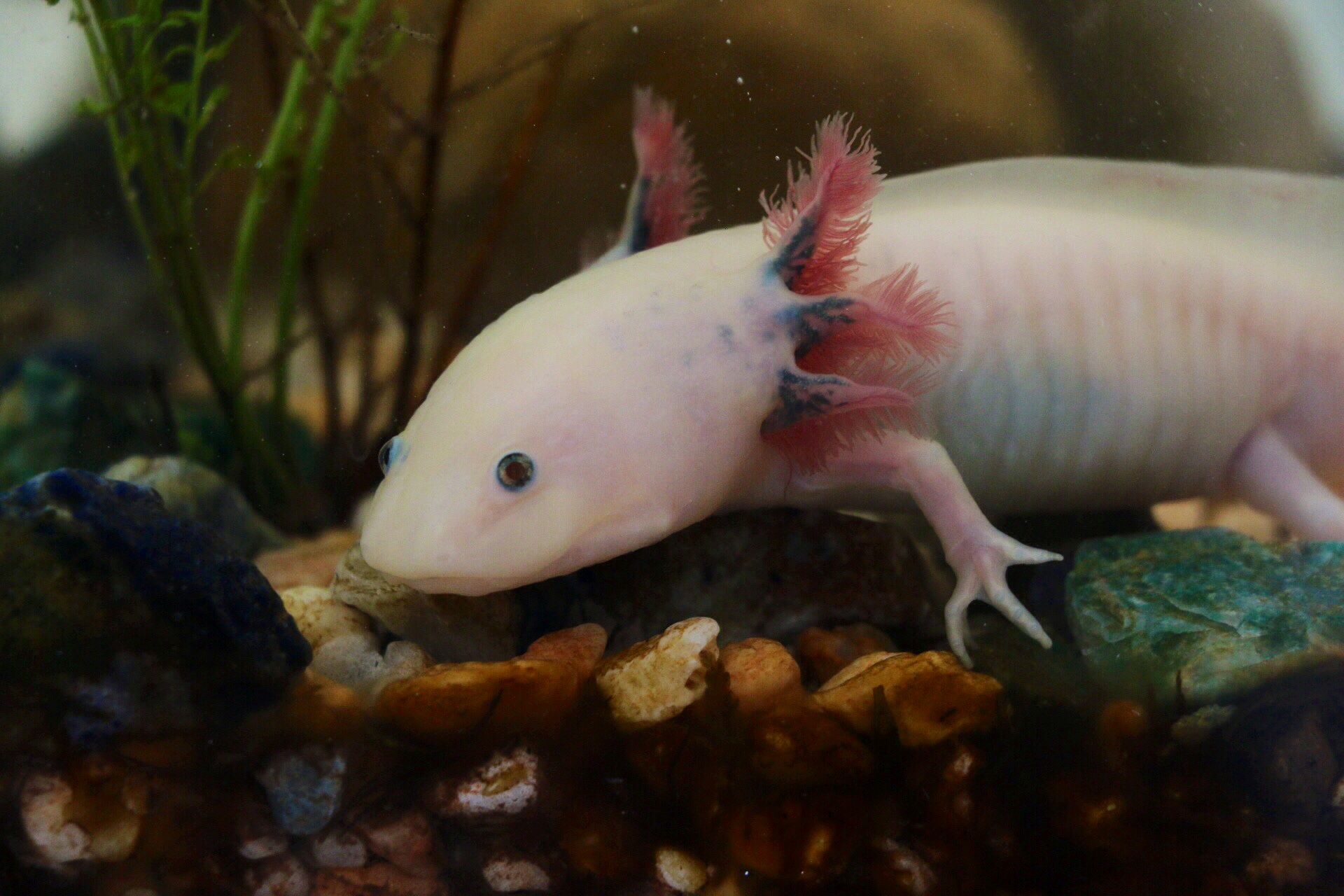
The Mexican axolotl (Ambystoma mexicanum) is a salamander that never completes metamorphosis — it retains its juvenile form (neoteny), including external gill plumes and aquatic habits, throughout its entire adult life. This is unusual but not unique. What makes the axolotl genuinely extraordinary is its regenerative capacity: it can regrow complete, fully functional limbs, heart tissue, portions of its brain, and its spinal cord after injury, with no scar formation and complete restoration of original architecture.
The specific mechanism of axolotl limb regeneration involves the dedifferentiation of mature cells at the wound site — muscle cells, bone cells, nerve cells — back to a less specialized state, followed by the formation of a blastema (a proliferating mass of dedifferentiated cells) that then redifferentiates into the correct cell types in the correct positions to reconstruct the missing limb. The process involves the reactivation of developmental signaling pathways (Wnt, BMP, FGF) that were active during the original limb development, with positional information encoded by the cells themselves rather than by any external blueprint.
The biomedical research implications are substantial: understanding why axolotls can do what mammals cannot — and what specifically prevents mammalian tissues from completing the regenerative process — is one of the primary research questions in regenerative medicine. The axolotl genome, sequenced in 2018, is the largest genome ever sequenced for any animal (32 billion base pairs, ten times larger than the human genome) and contains multiple gene families expanded beyond their mammalian equivalents, including those involved in immune response to wounding.
-1920x1275.jpg)
Chan T. Y. & Lin C. W. / Wikimedia Commons (CC BY 4.0)
Pistol shrimp (family Alpheidae, approximately 600 species) snap a specialized enlarged claw so rapidly that it generates a cavitation bubble in the water — a bubble created when the water pressure drops below its vapor pressure as the claw accelerates. When the bubble collapses milliseconds later, it produces a pressure wave of approximately 80 kilopascals, a flash of light (sonoluminescence — light produced by the collapsing bubble), a temperature briefly estimated at approximately 8,000 Kelvin (hotter than the surface of the sun, though for a duration measured in nanoseconds), and a sound pressure level of up to 218 decibels.
The shrimp uses this cavitation weapon to stun or kill prey at close range without physical contact — the pressure wave from the collapsing bubble is sufficient to kill small fish and invertebrates. The snap is one of the fastest movements of any animal appendage, with the claw closing at approximately 100 km/h; the cavitation bubble forms and collapses in under one millisecond. Individual pistol shrimp snap so frequently that colonies of thousands of them produce a crackling background noise that has historically interfered with submarine sonar operations in tropical coastal waters.
The specific physics of the pistol shrimp's weapon — using hydrodynamic cavitation rather than direct mechanical impact to generate force — has no practical equivalent in human engineering at the same scale, and the generation of sonoluminescence through biological mechanism remains one of the most unusual physical phenomena documented in any living organism.
DSparrow14 / Wikimedia Commons (CC BY-SA 4.0)
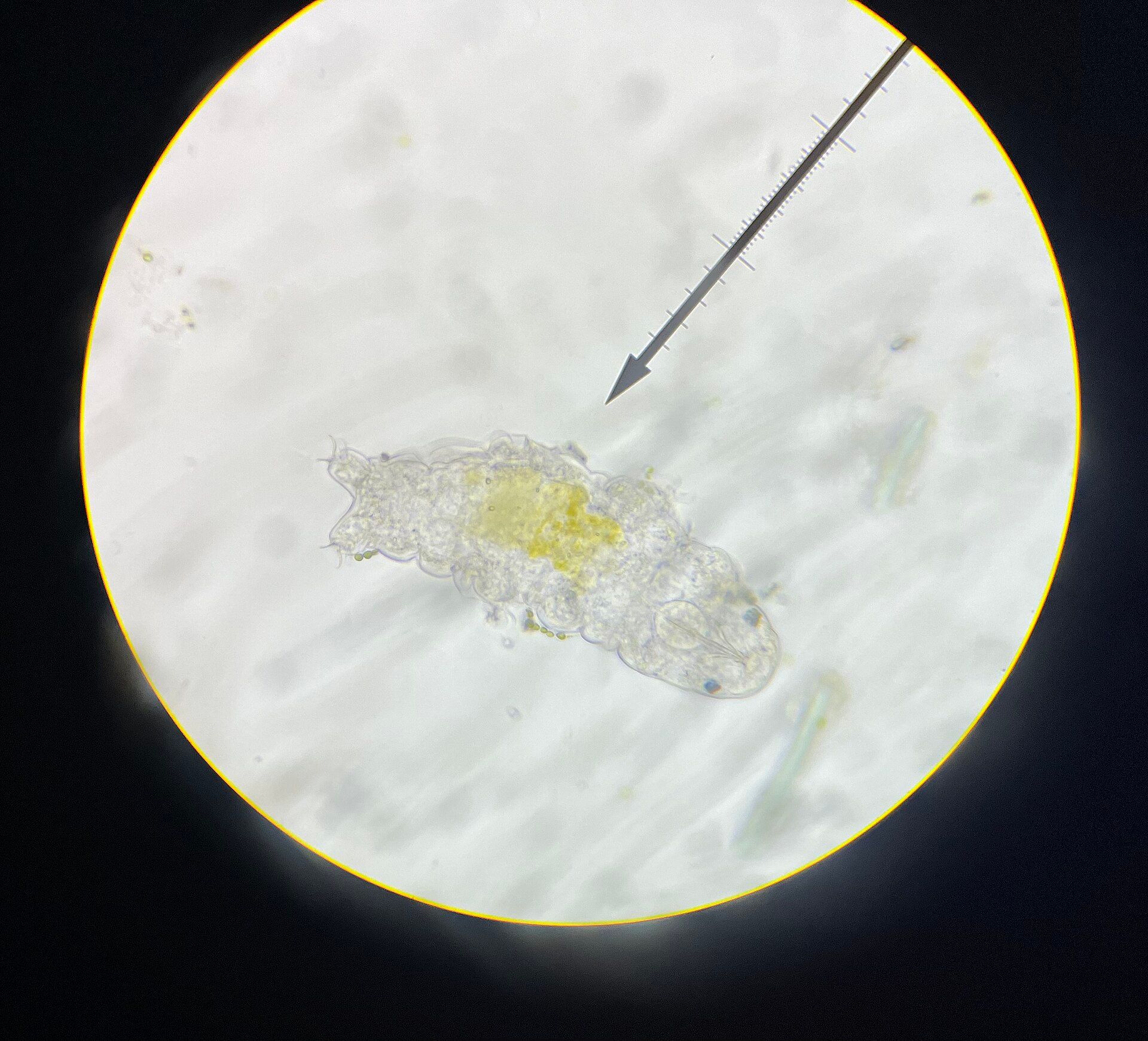
Tardigrades — microscopic animals approximately 0.5 to 1 millimeter in length, found in every environment on Earth — survive conditions that kill every other known animal by entering cryptobiosis: a state of near-complete metabolic suspension in which the organism's water content drops to approximately 1% of normal, its metabolism drops to 0.01% of normal activity, and its cells are protected by trehalose (a disaccharide sugar) that forms a glass-like solid around cellular structures.
In this state, tardigrades survive temperatures from -272°C to +150°C, pressures from near-vacuum to 600 megapascals (six times the pressure at the bottom of the Mariana Trench), radiation doses of up to 570,000 roentgens (a lethal dose for a human is approximately 500 roentgens), complete desiccation for decades, and vacuum exposure — including a 2007 European Space Agency experiment in which live tardigrades were exposed to open space for 10 days and survived.
The Dsup (damage suppressor) protein, discovered in 2016, physically associates with chromatin (the DNA-protein complex) and shields it from radiation damage — reducing radiation-induced DNA strand breaks by approximately 40% in cells expressing it. Dsup genes have been introduced into human cells in laboratory experiments with similar protective effects, suggesting potential applications in radiation protection. The tardigrade is, by any reasonable definition of the word, indestructible under conditions that would kill anything else alive on this planet.
Irhanz / Wikimedia Commons (CC BY-SA 4.0)
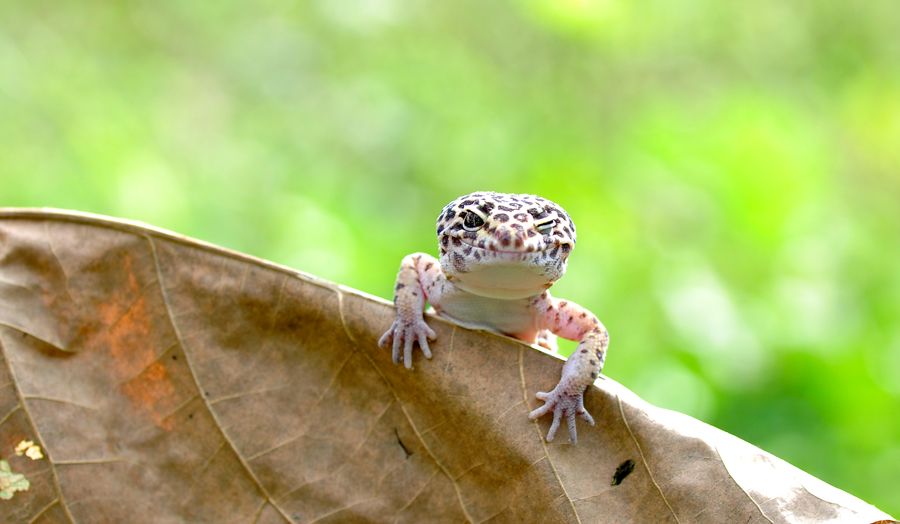
The gecko's adhesive system — the ability to climb smooth vertical surfaces and hang from ceilings without any adhesive substance — is produced by millions of microscopic hair-like structures (setae) on the toe pads, each of which branches into hundreds of spatulae approximately 200 nanometers in diameter. At this scale, the intermolecular van der Waals forces between the spatulae and the surface accumulate to a total adhesive force sufficient to support the gecko's body weight many times over.
The adhesion is dry (no liquid involved), reversible (the gecko detaches each foot easily by changing the angle of the setae), and self-cleaning (the dry adhesive picks up and then releases particles that would reduce adhesion, because its adhesion to the substrate exceeds its adhesion to contaminating particles). The combination of these three properties — strong adhesion, easy detachment, and self-cleaning — in a single passive system with no moving parts is a combination that synthetic adhesive researchers have been pursuing for decades without matching the biological original.
The directional nature of the adhesion is particularly elegant: the setae are loaded along their shaft axis for strong attachment and unloaded perpendicular to the surface for easy detachment. The gecko attaches by pulling its toes toward itself (loading the setae) and detaches by hyperextending them (unloading). Multiple research groups have developed synthetic gecko adhesives using carbon nanotube arrays, polymer microstructure arrays, and similar hierarchical surface architectures — none match the biological system's combination of adhesion strength, detachment ease, durability, and self-cleaning in a single material.
-900x686.jpg)
gailhampshire / Wikimedia Commons (CC BY 2.0)
The bombardier beetle (subfamily Brachininae, approximately 500 species) defends itself by spraying a boiling chemical mixture from a specialized chamber in its abdomen, producing a rapid-fire spray of approximately 500 pulses per second at approximately 100°C — a temperature hot enough to cause immediate burns on the skin of any predator in range. The spray is accompanied by a audible popping sound that produces an additional startle effect.
The chemical system that produces this spray is a genuine two-component rocket engine in miniature. Two chemical reactants — hydrogen peroxide and hydroquinone — are stored separately in two chambers and mixed in a reaction chamber containing enzymes (catalase and peroxidase) that catalyze their explosive reaction. The mixing produces oxygen gas (from the breakdown of hydrogen peroxide), quinone compounds (from the oxidation of hydroquinone), water vapor, and significant heat — enough heat to produce the boiling spray that makes the bombardier beetle's defense unique among insects.
The pulsing nature of the spray — produced by a passive valve mechanism that alternately opens and closes the reaction chamber — is mechanically equivalent to a pulse jet engine, and the beetle's chemistry-based propulsion system has been studied by aerospace engineers interested in non-mechanical valving mechanisms for fuel injection systems.
_Scottsdale_2-1920x1280.jpg)
Charles J. Sharp / Wikimedia Commons (CC BY-SA 4.0)
The platypus (Ornithorhynchus anatinus) is the animal that most consistently challenges the assumptions of vertebrate zoology: it is a mammal that lays eggs, has a duck-like bill, beaver-like tail, and otter-like feet, detects prey through electroreception (detecting the electric fields produced by the muscle movements of prey animals in the water, through approximately 40,000 electroreceptors and 60,000 mechanoreceptors in its bill), and — in males — has venomous spurs on its hind ankles.
The electroreception system is what most directly earns the platypus its place in this list. The bill contains a dense array of sensory receptors that allow the platypus to hunt with its eyes, ears, and nostrils closed, detecting prey through the extremely weak electric fields (approximately 50 microvolts) produced by muscle contractions. The bill sweeps side to side through the water as the platypus swims, and the brain's integration of signals from the bilateral receptor arrays allows three-dimensional localization of prey to within a few centimeters.
The platypus genome, sequenced in 2008, confirmed what the anatomy had long suggested: the platypus is a genuinely ancient lineage, diverging from the therian mammals (placentals and marsupials) approximately 166 million years ago, and retaining reproductive and sensory systems that other mammalian lineages subsequently abandoned or never developed. It has 52 sex chromosomes (compared to two in humans), arranged in a chain during meiosis, a chromosomal system found in no other mammal.
C. Anela Choy, Steven H. D. Haddock and Bruce H. Robison / Wikimedia Commons (CC BY-SA 4.0)
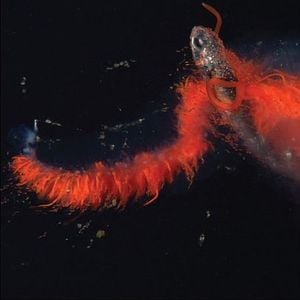
Siphonophores — colonial organisms in the phylum Cnidaria (related to jellyfish and corals) — are among the longest animals ever recorded, with some individuals (specifically Praya dubia) reaching lengths of 40 to 50 meters, exceeding the blue whale. They are not single animals in the conventional sense but colonies of genetically identical individuals called zooids, each specializing for a specific function: some for swimming (nectophores), some for feeding (gastrozooids), some for reproduction (gonozooids), some for defense (dactylozooids).
The colony is both one organism and many: each zooid shares the same genome and is connected to the others through a shared gastrovascular canal, but each is structurally and functionally specialized to the degree that it cannot survive independently. The organism-versus-colony distinction that seems conceptually clear for vertebrates becomes genuinely ambiguous for siphonophores: is the colony the organism, or are the zooids?
The specific engineering of siphonophore movement is extraordinary: the nectophores — the swimming bells — coordinate their contractions without any central nervous system, using local nerve nets and mechanical coupling through the shared cavity. This distributed locomotion system, with no central controller and no central processor, produces coordinated swimming movements across a colony potentially 40 meters long.
François Michonneau / Wikimedia Commons (CC BY 3.0)
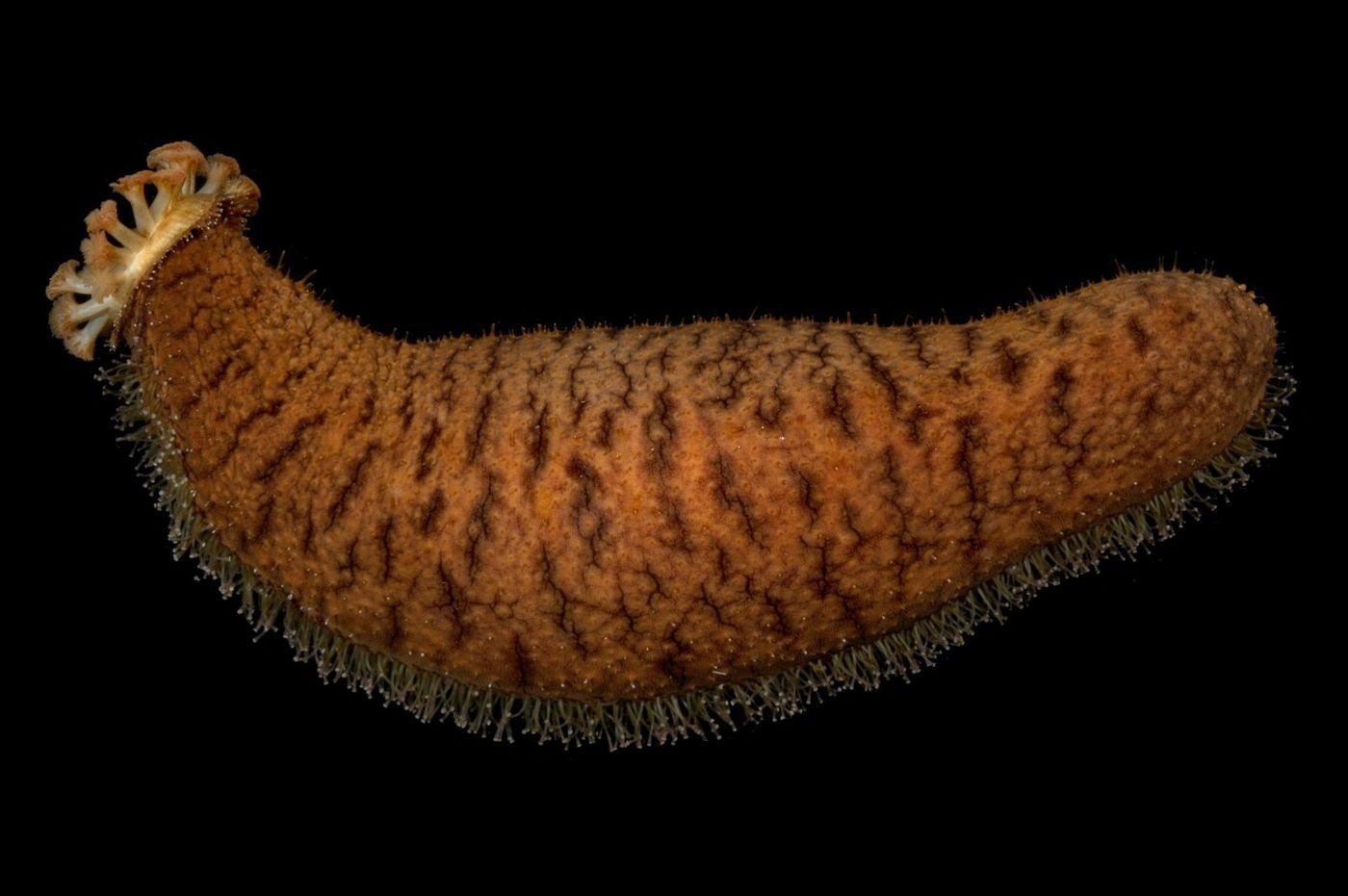
The sea cucumber's ability to rapidly change the stiffness of its body wall — from a soft, pliable state to a rigid, hard state — is a biological example of a tunable mechanical metamaterial: a material whose mechanical properties change on demand without any change in composition. Sea cucumbers change body wall stiffness by approximately 10-fold within seconds, moving between a compliant state (for squeezing through tight spaces and for predator-escape behaviors involving partial self-evisceration) and a rigid state (for defense and for anchoring in crevices).
The mechanism involves a specialized connective tissue called "mutable collagenous tissue" — a matrix of collagen fibrils whose stiffness is regulated by specialized cells (juxtaligamental cells) that secrete factors modulating the cross-linking between collagen fibrils. When cross-linking is increased, the tissue stiffens; when reduced, it softens. The transition is reversible and repeatable, and the same tissue can cycle between soft and hard states multiple times without degradation.
Materials scientists interested in tunable stiffness for soft robotics, medical devices (catheters and implants that need to be flexible during insertion and rigid during use), and protective equipment have studied sea cucumber collagenous tissue extensively. The ability to change stiffness without changing material composition — using biochemical regulation rather than mechanical actuation — is a capability that human engineering approaches only approximately through pneumatic or hydraulic systems.
_Bigger_File-1920x1330.jpg)
Marcial4 / Wikimedia Commons (CC BY-SA 3.0)
The hummingbird's hovering flight — sustained for minutes at a time, with precise position control in three dimensions and the ability to fly backwards and sideways as well as forward — is achieved by a wing movement that produces lift on both the downstroke and the upstroke (unlike most birds, which produce significant lift only on the downstroke), with the wing rotating approximately 180 degrees at each stroke reversal. The wing beats at 40 to 80 times per second, too fast for the human eye to resolve.
The energy cost of hummingbird hovering is the highest metabolic rate of any bird and among the highest of any warm-blooded animal, exceeding 10 times the resting metabolic rate during sustained hovering. To sustain this, the hummingbird heart beats at approximately 1,200 times per minute during flight, the flight muscles constitute approximately 25 to 30% of total body mass, and the bird must feed every 10 to 15 minutes during active periods to maintain its energy balance.
The hummingbird enters torpor at night — a state of dramatically reduced metabolic rate (metabolic rate drops to approximately 1/15 of its active rate) that prevents the starvation that would result from maintaining full metabolic rate through the night without feeding. The transition from torpor to full metabolic activity takes approximately 20 minutes, during which the heart rate and body temperature rise from nearly cold-blooded values to those of a fully active bird. The engineering of this metabolic flexibility — the ability to downregulate to near-hibernation and return to hyperactive flight within 20 minutes — has no mechanical equivalent.
,_Parque_natural_de_la_Arrábida,_Portugal,_2020-07-21,_DD_62-1920x1280.jpg)
Diego Delso / Wikimedia Commons (CC BY-SA 4.0)
The cuttlefish's ability to change not only color but texture and pattern across its entire body surface within milliseconds, for purposes of camouflage, communication, and prey hypnosis, is produced by a distributed control system involving three types of skin cells — chromatophores (pigment-containing sacs that expand and contract to display color), iridophores (cells that produce structural color through light interference), and papillae (muscular bumps that change the skin's physical texture) — all under direct neural control from the cuttlefish's brain.
The chromatophore system is mechanically simple: each chromatophore is a sac of pigment connected to radial muscles; neural activation pulls the muscles outward, expanding the sac and displaying the pigment; relaxation allows the sac to contract and the pigment to disappear. A single cuttlefish has millions of chromatophores, each independently controlled, producing a resolution of color change comparable to a high-definition display. The pattern changes that cuttlefish produce — waves, pulsing bands, and static camouflage — are generated by neural programs that coordinate the activity of millions of individual cells simultaneously.
The fact that cuttlefish are colorblind (their eyes contain only one type of photoreceptor) but produce color patterns that match their backgrounds with extraordinary accuracy remains one of the most interesting unsolved problems in cephalopod biology. The proposed mechanism involves pupils with irregular shapes that sample spectral information through chromatic aberration — using the physical optics of the eye to extract color information without requiring multiple photoreceptor types.
-1400x875.jpg)
Travel Manitoba / Wikimedia Commons (CC BY 2.0)
Migratory birds — including the European robin (Erithacus rubecula), the Arctic tern, and many other species — navigate across thousands of kilometers using a magnetic compass system that detects the Earth's magnetic field through a quantum mechanical mechanism in the eye. The specific proposal, known as the radical pair mechanism, involves cryptochrome proteins in the retina that form radical pairs (molecules with unpaired electrons) when struck by light; the spin states of these radical pairs are sensitive to magnetic field orientation, and the resulting chemical signals are interpreted by the visual system as magnetic field direction information.
The quantum mechanical nature of the proposed navigation system makes it genuinely extraordinary: it would represent quantum coherence — the maintenance of quantum superposition states — in a warm, wet biological environment at physiological temperature, a condition under which quantum effects were assumed to decohere too rapidly to be biologically relevant. The evidence for the radical pair mechanism in bird navigation includes behavioral studies showing that the magnetic compass is disrupted by radio-frequency oscillating magnetic fields (which interact specifically with radical pair spin dynamics), and spectroscopic studies of cryptochrome radical pair dynamics in isolated proteins.
This is a frontier research area whose details remain contested, but the existence of geomagnetic sensitivity in migratory birds — demonstrated in multiple behavioral studies — is established. The quantum mechanism is the best current explanation for how the sensitivity works, and if confirmed, it would represent one of the clearest examples of quantum biology in a vertebrate nervous system.
_male-1920x1280.jpg)
Charles J. Sharp / Wikimedia Commons (CC BY-SA 4.0)
The dragonfly is the most successful aerial predator in the animal kingdom by success rate: studies tracking individual predatory attempts have found that dragonflies catch their prey on approximately 95% of attempts — a success rate unmatched by any other studied aerial predator, including birds of prey (which succeed on approximately 20 to 25% of attempts) and lions (approximately 25%). The four wings of the dragonfly operate independently, allowing a degree of flight control unavailable to birds, and the visual system — with approximately 30,000 facets per eye and a nearly 360-degree visual field — is one of the most sophisticated of any invertebrate.
The specific hunting strategy that produces the 95% success rate is predictive interception: rather than chasing prey reactively, the dragonfly calculates a flight trajectory that will arrive at the same point as the prey simultaneously, adjusting for the prey's predicted motion. This predictive interception requires the rapid computation of relative trajectory and velocity — a capability previously assumed to require a brain significantly larger than the dragonfly's 1-million-neuron nervous system.
Research by Anthony Leonardo at Janelia Research Campus documented the specific neural circuit responsible for the interception behavior — a small set of neurons whose activity encodes the angular position of the prey relative to the dragonfly's flight path, feeding into motor commands that maintain the prey at a constant angle (the interception angle). This minimal neural circuit, using approximately a dozen neuron types, produces the predictive calculation that enables the 95% success rate.
I, Chrumps / Wikimedia Commons (CC BY-SA 3.0)
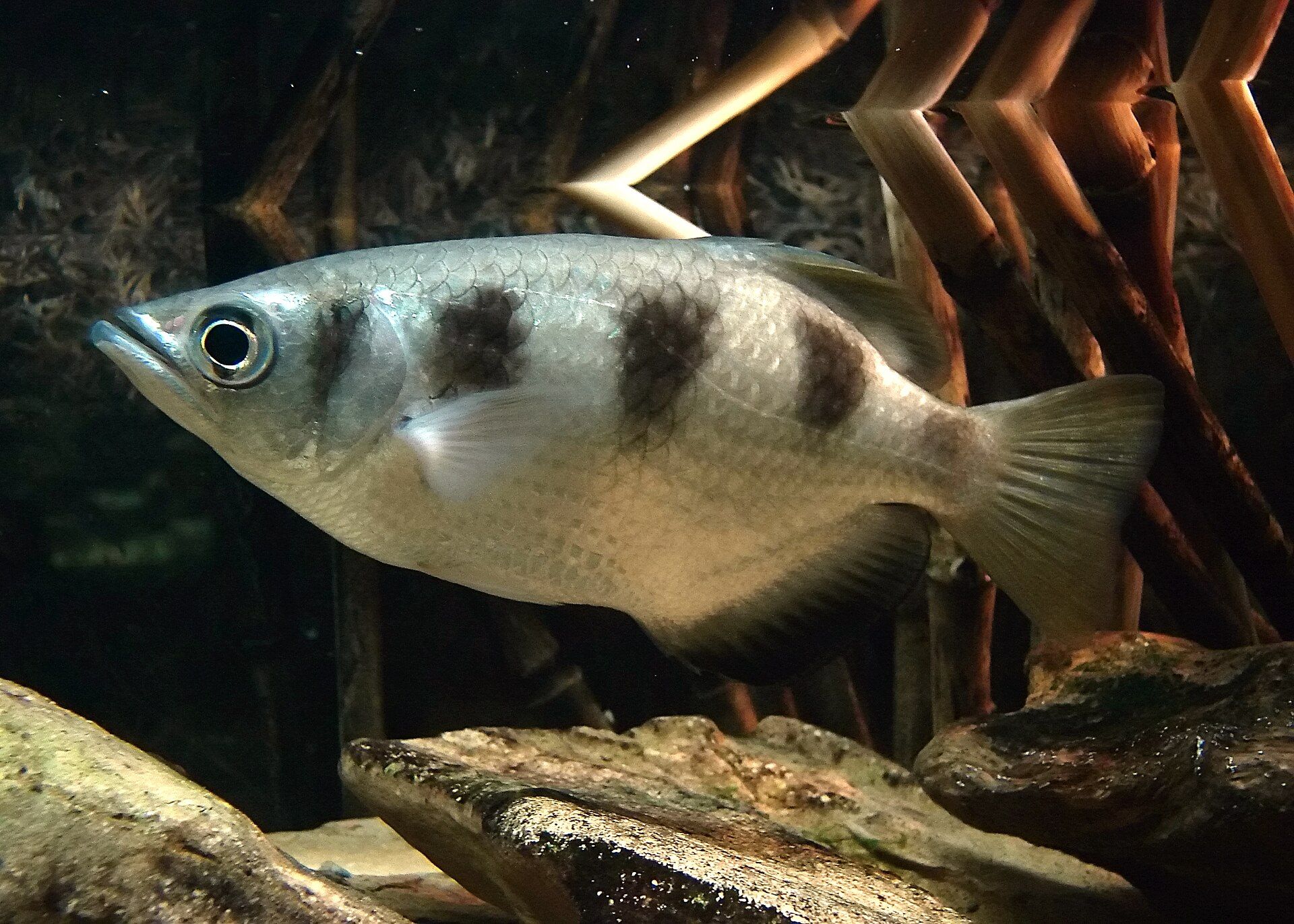
The archerfish (Toxotes species, primarily T. jaculator) hunts by shooting a precisely aimed jet of water from its mouth to knock insects off vegetation above the water surface, from distances of up to 3 meters, with sufficient force to dislodge insects from their perch and accuracy sufficient to correct for the refraction of light at the air-water interface — the optical distortion that makes underwater objects appear in a different position from where they actually are.
The correction for refraction is the specific capability that makes the archerfish remarkable among fish: objects above the water surface are not where they appear to be when viewed from below, due to Snell's law of refraction at the air-water interface. The archerfish's visual system has been shown to make accurate shots despite this distortion, which means it either compensates for the refraction optically (by the specific position from which it shoots — directly below the target eliminates the refraction problem, and archerfish do preferentially position themselves vertically below the target) or through a learned correction.
Stefan Schuster's research group at the University of Bayreuth documented an additional archerfish capability: they can identify specific individuals from photographs of human faces — a visual discrimination task previously assumed to require the cortical visual processing machinery that mammals possess and fish lack, achieved by a fish with a brain of approximately 100,000 neurons.
Alastair Rae / Wikimedia Commons (CC BY-SA 2.0)
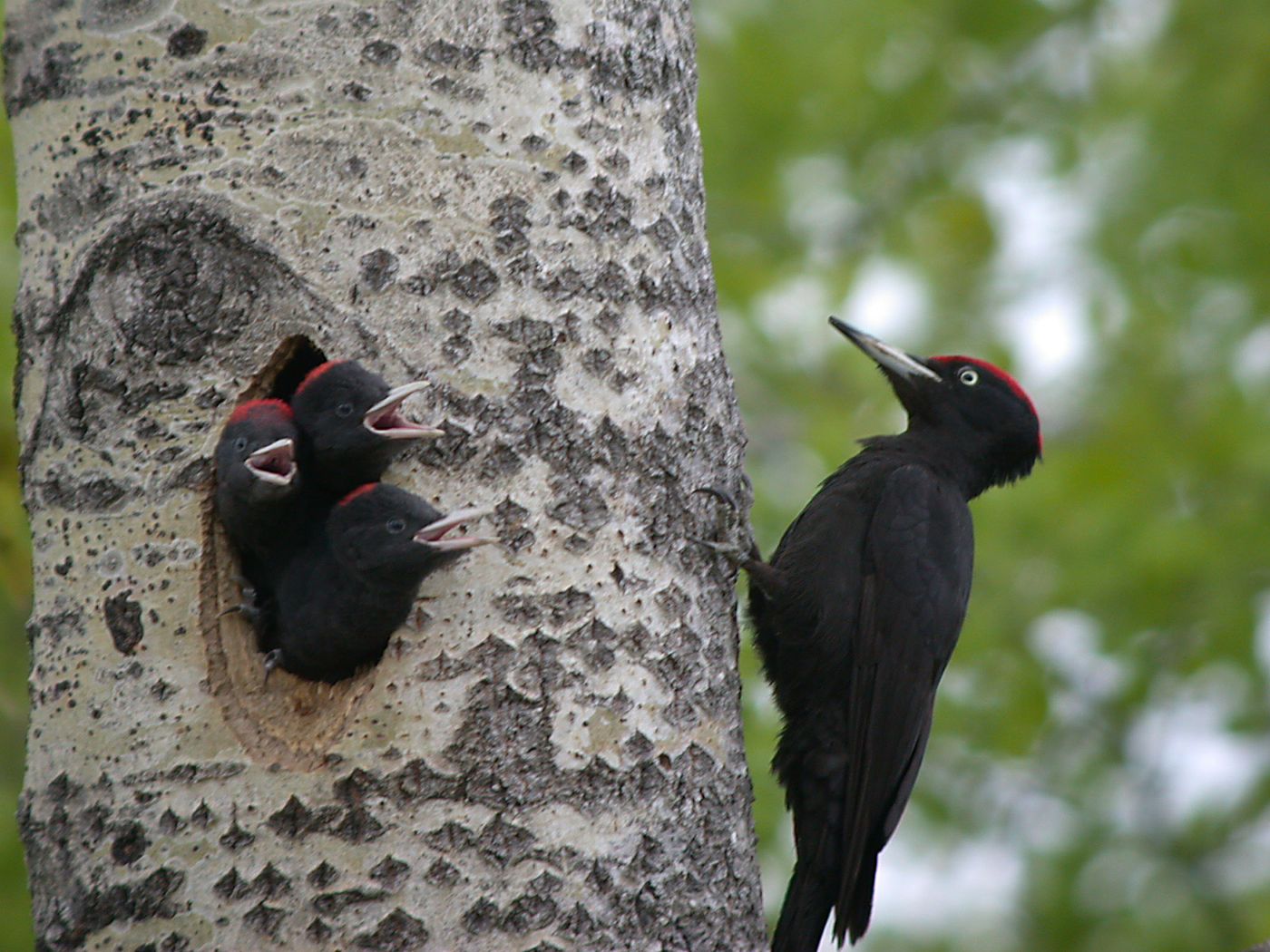
The woodpecker's ability to hammer its beak into wood at forces of approximately 1,200 g of deceleration at a rate of 20 blows per second, over thousands of repetitions daily, without brain injury, skull fracture, or eye damage, has been studied as a model for impact-absorbing design since the 1970s and has most recently influenced the design of protective helmets for cyclists, military personnel, and contact sport athletes.
The specific anti-impact architecture of the woodpecker skull involves four distinct protective mechanisms operating in series: a thick-walled hyoid bone that extends in a loop around the skull (acting as a shock-absorbing seatbelt for the brain); the asymmetric length of the upper and lower beak (the upper beak is slightly longer, causing the impact force to be directed downward through the mandible rather than directly into the skull); a spongy bone structure in the skull that is denser and more disordered in the cranial region than in a typical bird skull (absorbing energy through controlled deformation); and uneven orientation of cranial bones that converts linear impact into rotational motion, distributing the energy.
A 2011 study in Bioinspiration and Biomimetics proposed a woodpecker-inspired helmet design incorporating these four principles, and subsequent computational modeling has confirmed that the combination produces significantly better impact absorption than designs based on a single mechanism.
_on_web_Rio_Napo-1920x1280.jpg)
Charles J. Sharp / Wikimedia Commons (CC BY-SA 4.0)
Spider dragline silk has the highest toughness (energy absorbed before fracture) of any natural or synthetic fiber yet measured: approximately 160 to 200 megajoules per cubic meter, exceeding Kevlar, high-carbon steel, and all natural fibers. But the individual fiber's properties are only part of what makes the web extraordinary — the architecture of the web itself is a structural system that is specifically optimized for the load case it is designed for (impact from flying insects) in ways that have been studied using structural engineering tools.
Markus Buehler's computational modeling of web structures at MIT found that spider webs fail gracefully under damage — when a section of web is broken, the failure remains localized rather than propagating through the entire structure, because the structural architecture distributes load in a way that prevents cascading failure. The web is also specifically pre-tensioned: the spiral capture silk is under tension from the frame silk, and this pre-tensioning stiffens the web against the impact loads it will encounter in use.
The web's architecture is specific to the spider species that built it: orb-web spiders produce the canonical spiral architecture; sheet web spiders produce horizontal sheet structures for different prey types; funnel web spiders produce funnel-shaped structures that direct prey into a capture zone. Each architecture is specifically tuned for the type of prey the spider hunts, the environment in which the web is deployed, and the silk properties available to that particular species.
opencage / Wikimedia Commons (CC BY-SA 3.0)
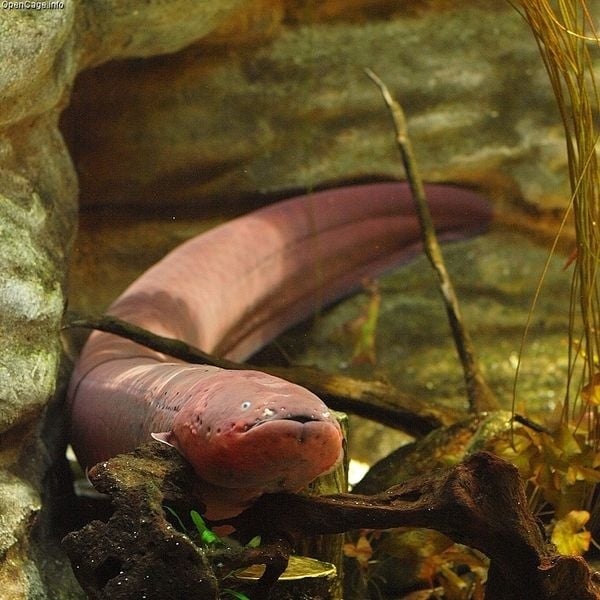
The electric eel (Electrophorus electricus, recently reclassified as three distinct species) generates electric discharges of up to 860 volts — the highest electric discharge of any known animal — using three pairs of electric organs derived from modified muscle cells (electrocytes) that occupy approximately 80% of the eel's body length. The high-voltage discharge is used for prey capture (stunning fish and amphibians at close range) and defense; a lower-voltage continuous discharge is used for electrolocation — detecting distortions in the self-generated electric field caused by nearby objects.
The electrocytes are stacked in series in the electric organ — each contributing approximately 0.15 volts — and discharge simultaneously through synchronized neural activation, producing the combined 860-volt output. The mechanism is directly analogous to series-wired batteries, and the electric eel has been studied as a model for biological electrical energy generation systems relevant to implantable medical devices.
The hunting behavior of the electric eel is more sophisticated than a simple stunning discharge. Kenneth Catania at Vanderbilt University documented that the eel can cause prey fish to involuntarily leap from the water through a specific two-pulse discharge that causes transcutaneous electrostimulation of the fish's motor neurons — essentially hacking the fish's nervous system to produce a jump response that brings it within striking range of the eel's jaws. The precision with which the eel uses this technique — targeting the specific electrical parameters that activate the fish's motor system rather than merely stunning it — is remarkable for an animal without arms or hands.
-1920x1280.jpg)
Elias Levy / Wikimedia Commons (CC BY 2.0)
The mimic octopus (Thaumoctopus mimicus), discovered in 1998 off the coast of Sulawesi, Indonesia, can change not only its color and skin texture (standard cephalopod capabilities) but its body posture and movement pattern to impersonate specific other species — lionfish, flatfish, sea snakes, and other venomous or unpalatable animals — selecting the appropriate impersonation based on the specific predator threatening it.
The ability to select an impersonation based on predator identity requires the octopus to recognize the predator species, retrieve from memory the appropriate defensive impersonation, and execute a specific posture and movement pattern that it has no anatomical precedent for — it has no fins, no spines, no tail. The lionfish impersonation involves spreading its arms to mimic the fin arrangement of a lionfish and undulating them to mimic the movement of fins in water; the flatfish impersonation involves flattening the body and undulating it across the substrate; the sea snake impersonation involves hiding most of the body in a burrow with two arms extended and banded.
The mimic octopus's intelligence in deploying these impersonations — selecting the appropriate model based on the threatening predator — has been documented by Mark Norman and colleagues but remains difficult to study systematically because the animal is rare, deep-dwelling, and behaviorally complex. It represents one of the clearest observed examples of adaptive behavioral mimicry in a non-vertebrate animal.
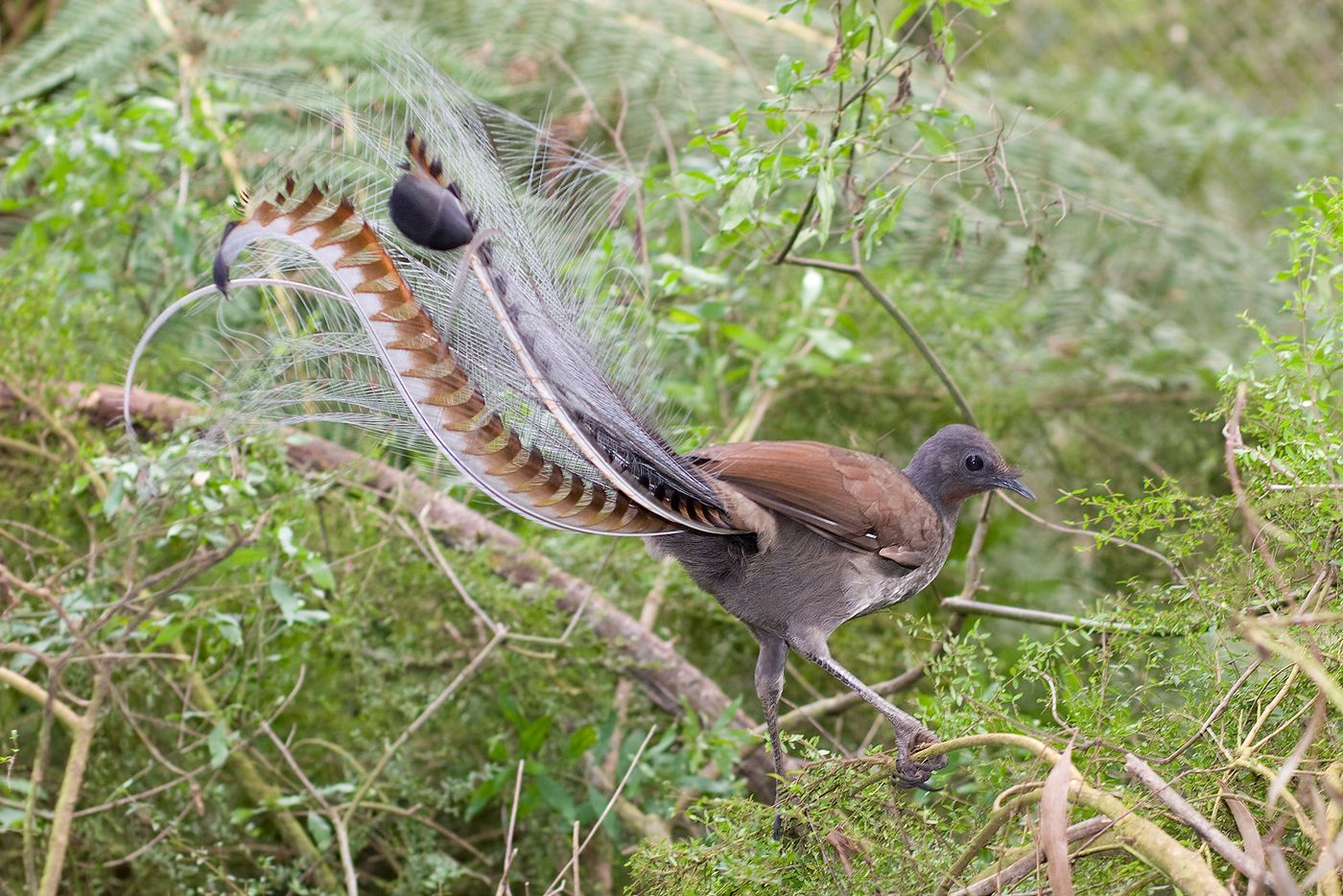
Fir0002 / Wikimedia Commons (GFDL 1.2)
The lyrebird (Menura novaehollandiae) of southeastern Australia produces the most accurate and most diverse vocal mimicry of any bird — and one of the most acoustically faithful sound reproductions of any animal. Male superb lyrebirds incorporate into their song accurate imitations of up to 20 or more other bird species in their local environment, mechanical sounds (chainsaws, camera shutters, car engines), and human speech, with acoustic fidelity sufficient to fool the species being imitated.
The syrinx — the vocal organ of birds, located at the junction of the two bronchi — in the lyrebird has a simpler muscular structure than most songbirds but produces a wider frequency range and more precise acoustic control, through a mechanism not yet fully characterized. The lyrebird can produce simultaneous sounds from both sides of its syrinx, allowing it to produce harmonically complex sounds unavailable to birds with more conventional syrinx control.
The adaptive function of lyrebird mimicry has been debated: the dominant hypothesis is that more complex and extensive mimicry reflects better fitness to females evaluating potential mates, but the specific function of incorporating mechanical sounds and human sounds (which the lyrebird would only have encountered in recent decades, within its evolutionary timescale) into the display is less clearly explained by straightforward sexual selection.
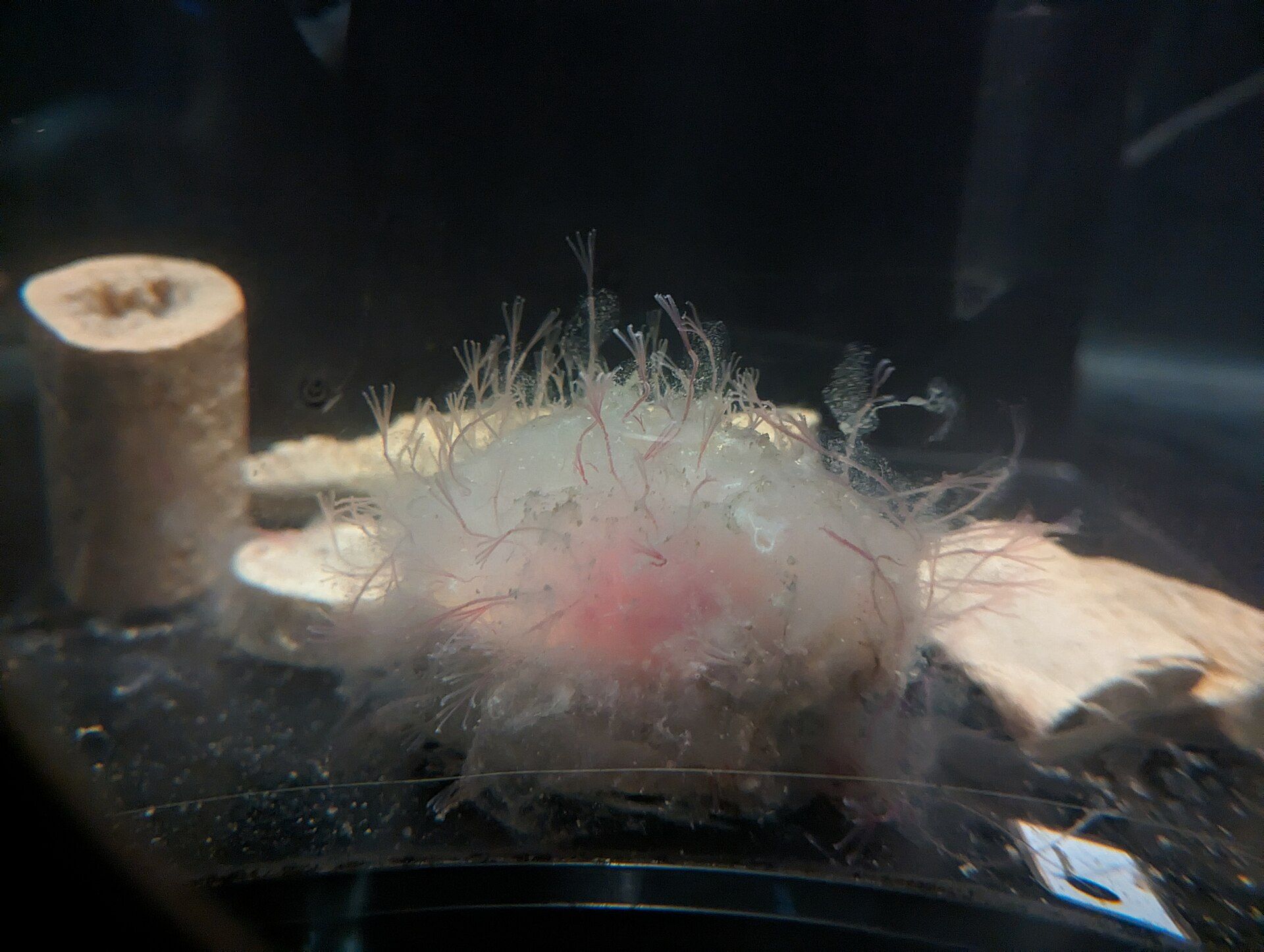
Syced / Wikimedia Commons (CC0)
Osedax — a genus of marine annelid worms discovered in 2002 by Robert Vrijenhoek and colleagues at MBARI, found on the bones of dead whales on the deep ocean floor — has no mouth, no gut, and no digestive system in the conventional sense. Instead, Osedax females (the males are microscopic and live inside the females as parasites) send root-like extensions into whale bone, where symbiotic bacteria hosted in the roots produce enzymes that dissolve the bone collagen and lipids. The nutrients are then absorbed directly through the root tissue.
The specific biochemistry involves specialized cells in the root tissue that produce carbonic anhydrase (to dissolve the bone mineral matrix), collagenases (to break down bone collagen), and lipases (to extract the lipids stored in the bone). The bacteria hosted in these cells then metabolize the dissolved organic compounds, and the metabolic products diffuse into the worm's tissue. The worm effectively outsources its digestion to bacterial symbionts, maintaining a partnership whose specifics differ from conventional gut-based digestion entirely.
Osedax has been found on whale bones at depths from 30 to 3,000 meters and in all major ocean basins, and different Osedax species appear to have colonized different types of bones at different depths. Their discovery revealed an entirely unexpected ecological pathway by which the nutrients locked in large marine vertebrate bones are returned to the deep-sea food web — the "whale fall" ecosystem — and an entirely unexpected biochemical system for accessing nutrients in a material (bone) that almost no other animal can directly utilize.
