20 animals that solved problems humans are still working on
From cancer resistance to lossless data compression to self-healing materials — the biological solutions that have been sitting in nature this whole time
Mert Sayılgan / Pexels
Biomimicry — the practice of studying biological systems to solve human engineering and design problems — is one of the fastest-growing fields in applied science, and its core premise is both humbling and practical: that evolution, operating across hundreds of millions of years and trillions of organisms, has solved most of the engineering problems that human designers encounter, and that the solutions are available for study in any forest, ocean, or savanna on Earth. The challenge is not finding the solutions. It is recognizing them.
The Velcro fastener came from a study of burdock burrs in 1941. The bullet train's noise-reducing nose was redesigned after an engineer who was also a birdwatcher noticed that kingfishers enter water from air without producing a splash — because their beak geometry manages the transition between media of different densities without a shockwave. The passive cooling systems of Zimbabwean buildings were designed by studying termite mounds, which maintain a constant internal temperature of 31°C in an environment that swings from 3°C at night to 42°C during the day without any active temperature control system.
What connects the 20 cases in this list is not merely that animals have biological capabilities that humans have not yet replicated — though that is true of all of them. It is that those capabilities address specific, active, well-funded human problems: cancer treatment, structural engineering, antibiotic resistance, water collection in deserts, navigation without GPS, materials science, data compression, and energy-efficient flight. In each case, the animal's solution has been studied by scientists and engineers and has either directly inspired a technological application or is actively being investigated as the basis for one.
Each entry covers the animal, the specific problem it has solved, the biological mechanism of the solution, and the state of the human effort to understand or replicate it. The entries are not speculative. All of the biological solutions described here are documented in peer-reviewed research, and the human applications described are either commercially deployed or in active development.
1 / 20
Naked mole rat — cancer resistance
Ltshears / Wikimedia Commons
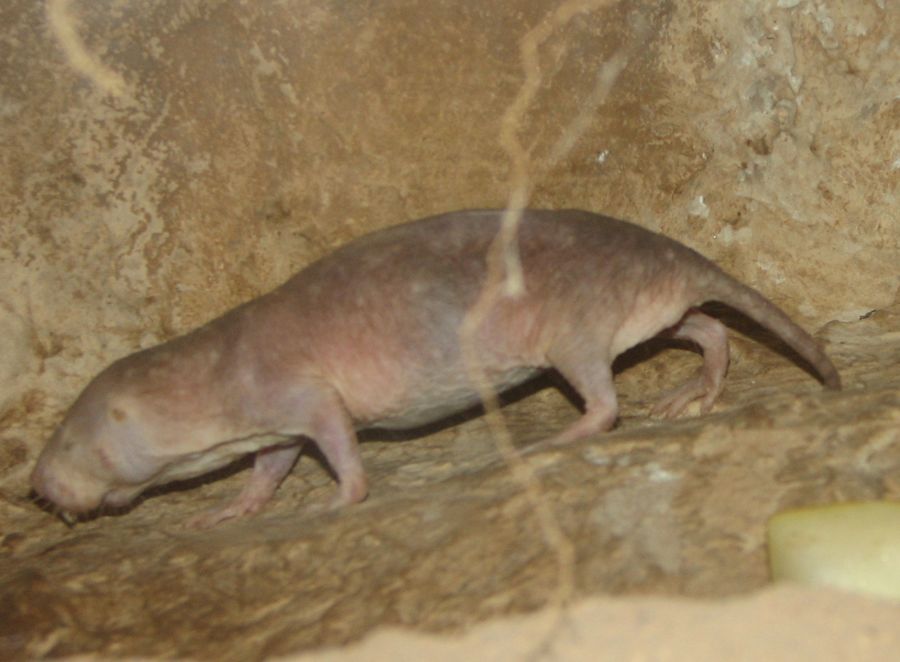
The naked mole rat (Heterocephalus glaber) is the only known mammal that has never been observed developing cancer in controlled research populations spanning decades of study. In a species whose members routinely live to 30 years — approximately ten times the lifespan of a comparably sized mouse — and whose cells divide continuously throughout a long life, the absence of cancer is extraordinary. Most mammals accumulate cancer at rates that increase with age and body size; the naked mole rat appears to have solved the problem of cellular replication gone wrong.
The mechanism has been partially identified: naked mole rat cells produce an unusually high-molecular-weight version of hyaluronan — a sugar molecule that surrounds cells — that triggers early contact inhibition (cells stop dividing when they contact each other) at a lower cell density than in other mammals. This early contact inhibition prevents the unchecked cell proliferation that characterizes cancer. A 2013 study in Nature confirmed this mechanism and found that engineering mouse cells to produce the naked mole rat version of hyaluronan reduced their cancerous transformation rate significantly.
Researchers at the University of Rochester, where much of the naked mole rat cancer resistance work has been conducted, are investigating whether pharmaceutical activation of similar early contact inhibition mechanisms in human cells could produce cancer-protective effects. The naked mole rat's solution has been in existence for millions of years; the human effort to understand and apply it is approximately 15 years old.
2 / 20
Mantis shrimp — polarized light vision
-1920x1277.jpg)
Barry Peters / Wikimedia Commons (CC BY 2.00)
The mantis shrimp (Stomatopoda) has the most complex visual system of any known animal: 16 types of photoreceptors compared to three in humans, with the ability to detect polarized light, ultraviolet light, and infrared light, and with a visual processing system that identifies colors and polarization states peripherally rather than requiring central brain processing. The specific capability that human engineers are most actively trying to replicate is its polarized light detection.
Mantis shrimp eyes can detect circularly polarized light — light that rotates in a helix — which human optical instruments can detect only with complex and expensive equipment. Many marine animals use circularly polarized light for communication and camouflage, and the mantis shrimp's ability to see it with a biological structure that fits in an eye has attracted significant engineering interest.
Researchers at the University of Queensland and elsewhere have developed compact polarized light sensors inspired by mantis shrimp eye structure that are significantly smaller and more sensitive than conventional polarization optics. Applications include improved cancer detection (cancer cells reflect polarized light differently from healthy cells), improved underwater navigation, and telecommunications systems that use polarized light to increase data transmission capacity. The mantis shrimp's eye structure has been in development for hundreds of millions of years; the engineering applications it is inspiring are beginning to reach commercial deployment.
3 / 20
Whale — passive drag reduction
Francesco Ungaro / Pexels
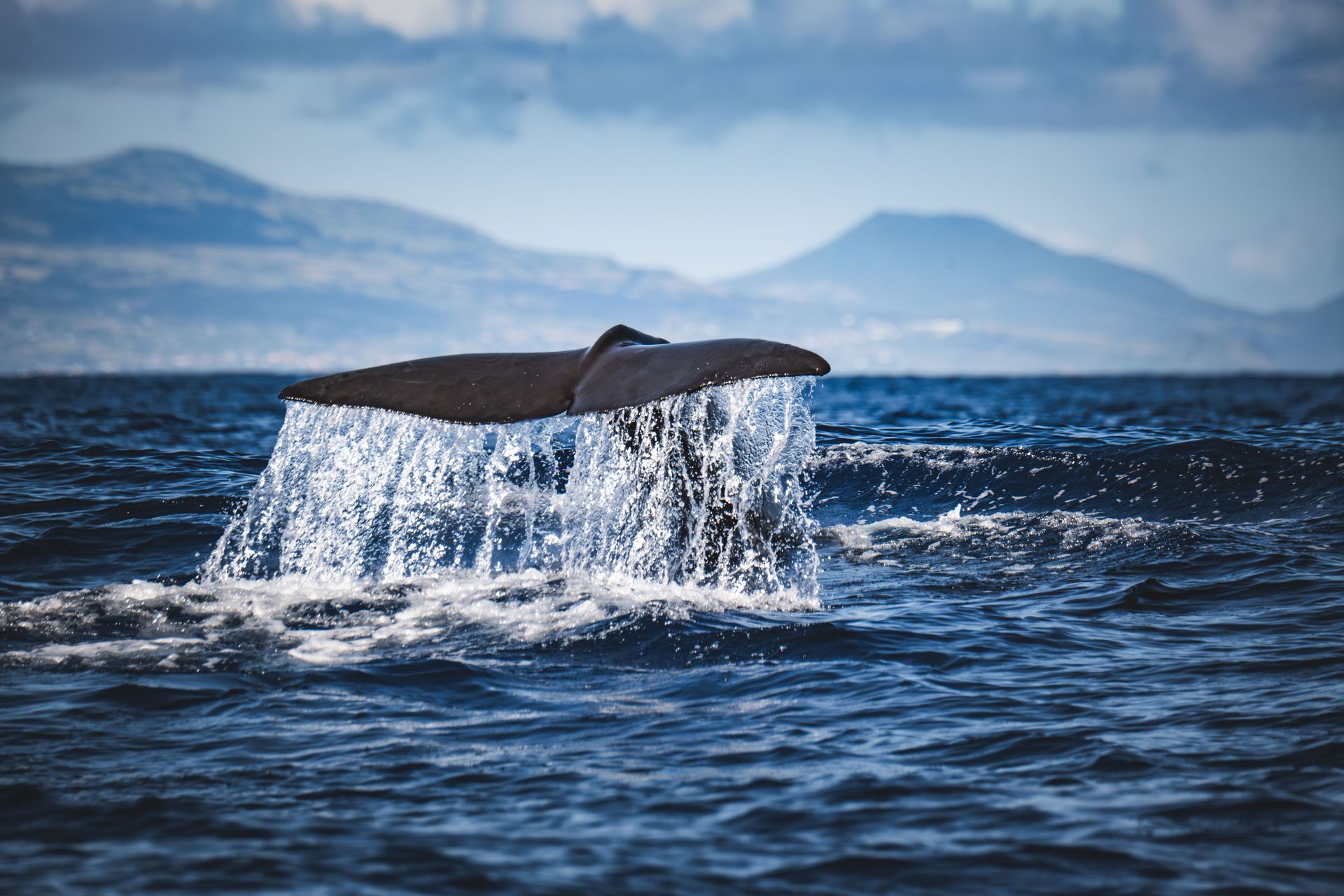
Humpback whales (Megaptera novaeangliae) have large, irregular tubercles — rounded bumps — along the leading edges of their pectoral fins. For most of the history of fluid dynamics, leading-edge irregularities on wing or blade surfaces were understood to increase drag and reduce lift. The humpback tubercle appears to do the opposite: research published in Physics of Fluids in 2004 found that the tubercle pattern reduces drag and increases lift, particularly at high angles of attack where conventional wing shapes stall.
The mechanism: the tubercles create channels of faster-flowing water between them that energize the boundary layer — the thin layer of slow-moving fluid that clings to a surface and whose separation from that surface causes stall. By maintaining boundary layer attachment at higher angles of attack, the tubercle pattern delays stall and allows the whale to maneuver in tighter circles than its size and fin shape would otherwise permit.
WhalePower Corporation licensed the tubercle technology and has produced wind turbine blades, fan blades, and hydroelectric turbine blades incorporating the tubercle pattern, all showing measurable efficiency improvements over smooth-edged equivalents. The tubercle pattern has also been applied to aircraft wings, propellers, and marine vessels, with consistent findings of reduced drag and improved performance at high angles of attack. The humpback whale's fin has been in service for approximately 30 million years.
4 / 20
Gecko — dry adhesion
MAG Photography / Pexels
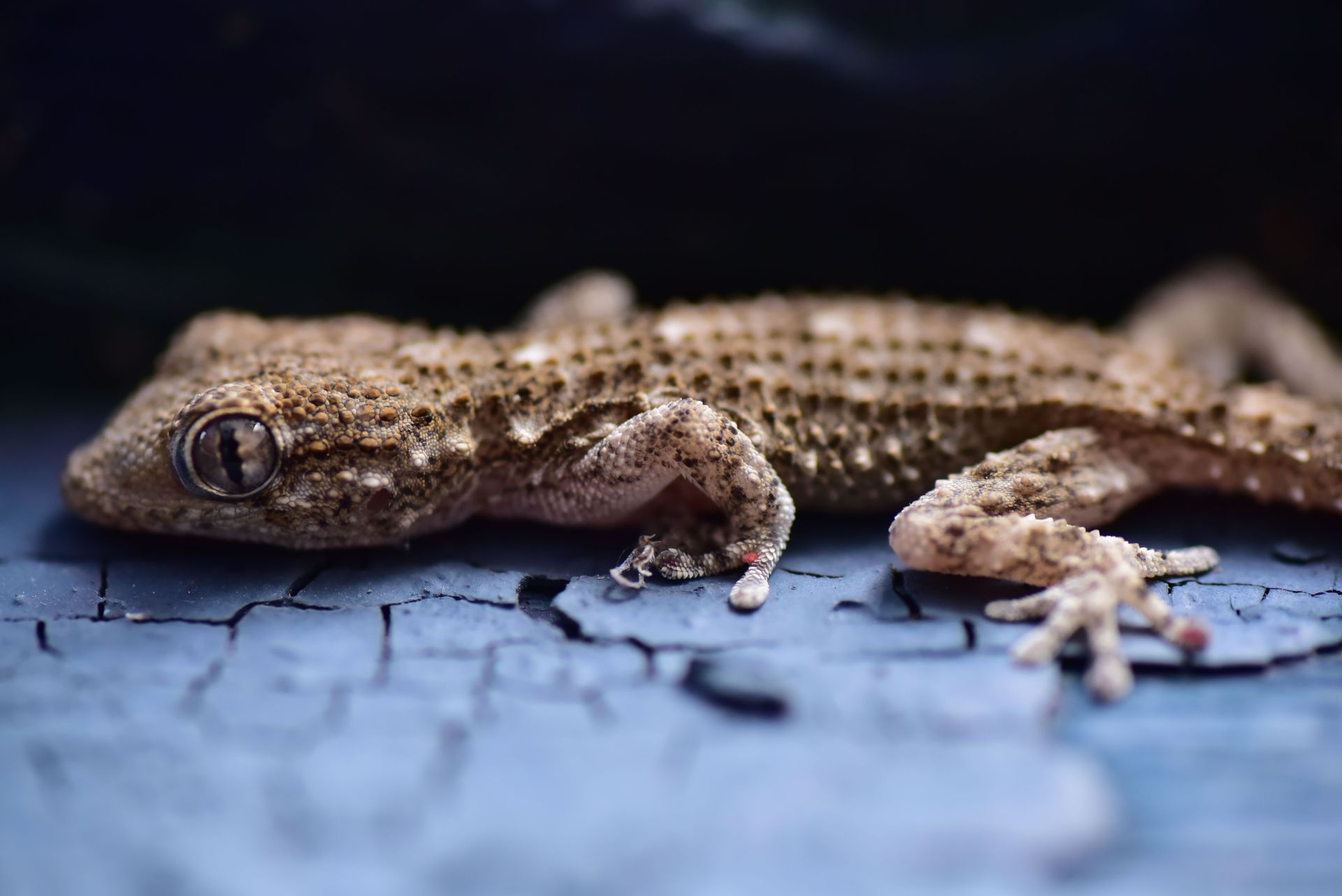
The gecko's ability to walk up vertical glass surfaces and hang from ceilings is produced by millions of microscopic hair-like structures (setae) on its toe pads, each of which branches into hundreds of even smaller spatula-shaped tips (spatulae) that make intimate contact with any surface and adhere through van der Waals forces — the weak intermolecular attractive forces that are individually negligible but collectively sufficient to support the gecko's weight thousands of times over.
The van der Waals adhesion mechanism is direction-dependent (it activates under shear force and releases on pull), self-cleaning (contaminants do not accumulate because the spatulae re-attach to clean surfaces preferentially), and works on virtually any surface without the residue of conventional adhesives. Human engineers have been trying to replicate it since the mechanism was identified in 2002.
Several synthetic gecko adhesives have been developed — Geckskin at the University of Massachusetts, Directionally Controlled Dry Adhesive at Stanford — that replicate the direction-dependent, residue-free adhesion of the gecko toe. Applications include climbing robots (DARPA has funded gecko-inspired wall-climbing robot research), medical adhesives that can be used on wet tissue without residue, and reusable tape systems. The gecko's toe has been refined over approximately 100 million years of evolution; human synthetic versions are approximately 20 years old and have not yet fully matched the gecko's performance across all surface types.
5 / 20
Pistol shrimp — cavitation for hunting
-1920x1275.jpg)
Chan T. Y. & Lin C. W. / Wikimedia Commons (CC BY 4.0)
The pistol shrimp (Alpheidae family) snaps one enlarged claw so rapidly — closing in approximately 700 microseconds — that it produces a cavitation bubble: a region of such low pressure that the water momentarily vaporizes, producing a bubble that collapses with a shockwave reaching temperatures briefly exceeding 5,000 Kelvin (hotter than the surface of the sun), a flash of light, and a pressure wave that stuns or kills prey at a distance.
The pistol shrimp has solved the problem of using cavitation as a controlled, directed weapon — a problem that human engineers have not solved at comparable scale and efficiency. Naval engineers have studied cavitation primarily as a problem to be avoided (it damages ship propellers and pump impellers) rather than as a weapon mechanism, but the pistol shrimp's ability to generate controlled cavitation with a biological structure suggests possibilities for directed pressure-wave applications.
The biological mechanism is currently studied primarily by researchers interested in the physics of cavitation and in the material properties of the claw, which survives the repeated mechanical shock of snapping without fatigue failure — a materials science achievement that engineers have investigated for applications in impact-resistant structures.
6 / 20
Bombardier beetle — binary chemical spray system
-600x577.jpg)
Katya / Wikimedia Commons (CC BY-SA 2.0)
The bombardier beetle (tribe Brachinini) produces a boiling, caustic spray as a defense mechanism — a binary chemical weapon assembled from two separate reactants (hydroquinones and hydrogen peroxide) that are stored in separate chambers and mixed in a reaction chamber only when the beetle triggers the defense. The reaction produces benzoquinones at approximately 100°C and ejects them in a rapid-pulse spray (at approximately 500 pulses per second) at a temperature hot enough to deter most predators.
The pulse mechanism is the specific engineering achievement that researchers find most remarkable: the beetle's system produces a pulsed spray rather than a continuous one, using a valve that opens and closes rapidly as pressure builds and releases. This pulsed delivery is more efficient than a continuous spray at the same total chemical output, because the pulses maintain high temperature at the nozzle while using less reactant.
Researchers at MIT and Leeds have studied the bombardier beetle's binary mixing system and pulse mechanism for applications including fuel injection systems (more efficient mixing at combustion), fire suppression systems (more effective droplet size and distribution), and drug delivery systems (controlled release at precise intervals). The beetle's chemical engineering has been in service for approximately 250 million years.
7 / 20
Tardigrade — desiccation survival

Schokraie E, et al. / Wikimedia Commons (CC BY 2.5)
Tardigrades (Tardigrada) — the microscopic eight-legged animals sometimes called water bears — survive complete desiccation (loss of all body water), temperatures from near absolute zero to 150°C, vacuum, high doses of ionizing radiation, and pressure extremes that would kill any other known animal. They accomplish this by entering a state called cryptobiosis, in which metabolism essentially ceases, the body replaces water with a sugar called trehalose that stabilizes cellular structures, and a protein class called intrinsically disordered proteins forms a glass-like matrix around and within cells that prevents structural damage during desiccation.
The tardigrade's desiccation survival mechanism is of intense interest to researchers working on vaccine and pharmaceutical storage, organ preservation, and the survival of biological materials in space. Current vaccines and many biological drugs require refrigeration throughout their supply chain — a significant logistical and cost challenge in low-resource settings globally. A desiccation-survival mechanism that preserved vaccine potency at room temperature would be transformative.
Researchers at the University of Wisconsin and elsewhere have inserted tardigrade desiccation proteins into human cells and found that they confer measurable desiccation resistance — suggesting that the tardigrade's molecular solution is at least partially transferable. The applications are in early-stage research; the tardigrade's solution has been in service for approximately 500 million years.
8 / 20
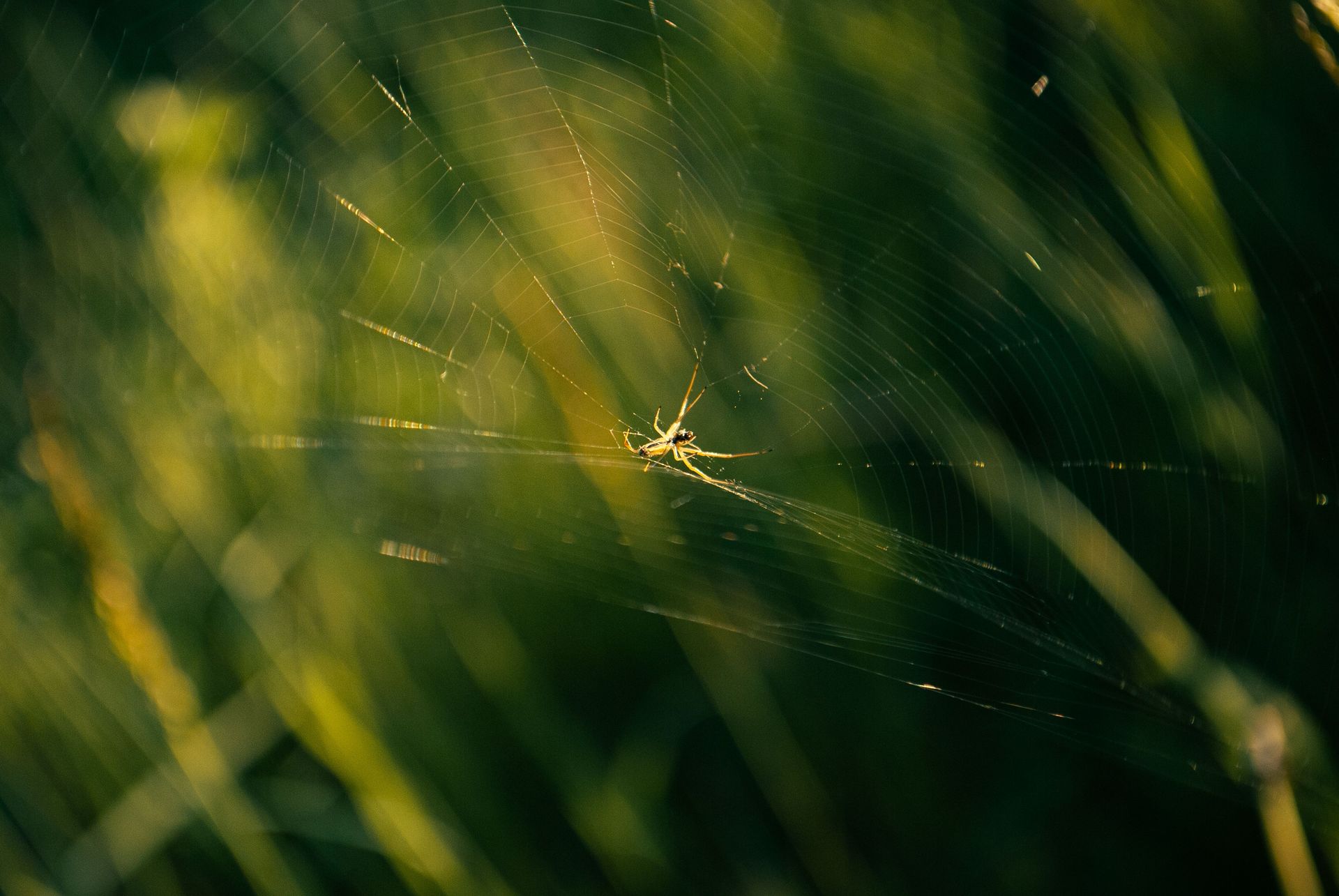
Spiderweb silk — tensile strength and elasticity
Kirill Moiseev / Pexels
Spider silk is simultaneously stronger than steel by weight, more elastic than nylon, and biodegradable — a combination of mechanical properties that no human-engineered material has fully replicated. Dragline silk, the structural silk spiders use for the spokes of orb webs, has a tensile strength of approximately 1.3 GPa and can stretch to 140% of its original length before breaking. Capture spiral silk is even more elastic.
The mechanical properties emerge from the specific protein structure of spider silk: a hierarchical arrangement of crystalline beta-sheet regions (responsible for strength) and amorphous regions (responsible for elasticity) at multiple scales from the molecular to the fiber level. The combination of properties is produced by the spinning process, which aligns the protein chains under controlled tension as the silk exits the spinneret.
The challenge of replicating spider silk has occupied materials scientists for decades. Spiders cannot be farmed at scale (they are territorial and cannibalistic), so recombinant production of silk proteins in bacteria, yeast, and transgenic goats (whose milk contains silk proteins) has been pursued. Bolt Threads and Spiber have produced recombinant spider silk materials at commercial scale; the mechanical properties of synthetic versions approach but have not yet matched natural spider silk. Applications include medical sutures, protective clothing, aerospace components, and biodegradable structural materials.
9 / 20
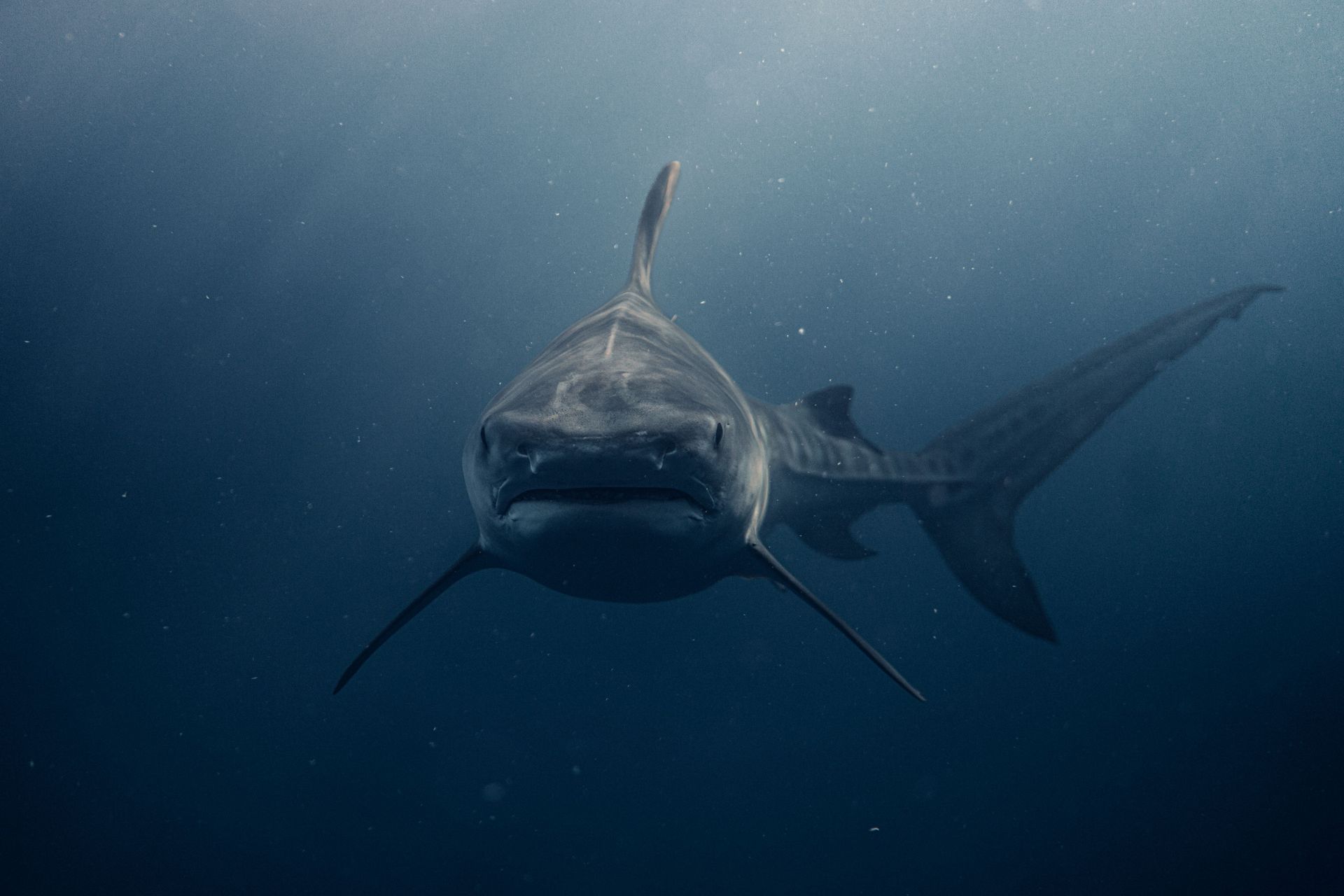
Shark skin — self-cleaning drag reduction
Daniel Torobekov / Pexels
Shark skin is covered with microscopic tooth-like structures called dermal denticles (or placoid scales) that reduce drag by disrupting the turbulent boundary layer of water flowing over the shark's body, allowing faster swimming with less energy expenditure. The denticles also prevent the attachment of barnacles, algae, and microorganisms — a self-cleaning antifouling function that is achieved without any biocide chemistry.
Speedo's Fastskin swimsuit — which dominated competitive swimming at the 2008 Beijing Olympics before being banned by FINA for providing too large a competitive advantage — was designed using shark skin denticle geometry. Ship hull coatings based on shark skin denticle patterns are in commercial development, targeting the approximately 15% of a ship's fuel consumption that is attributable to biofouling (barnacles and organisms that attach to the hull and increase drag). At the scale of global shipping, a 15% fuel consumption reduction would represent enormous energy and carbon savings.
The shark's dermal denticle system has been refining itself for approximately 450 million years, producing a surface that manages fluid dynamics and biofouling simultaneously without any maintenance requirement.
10 / 20
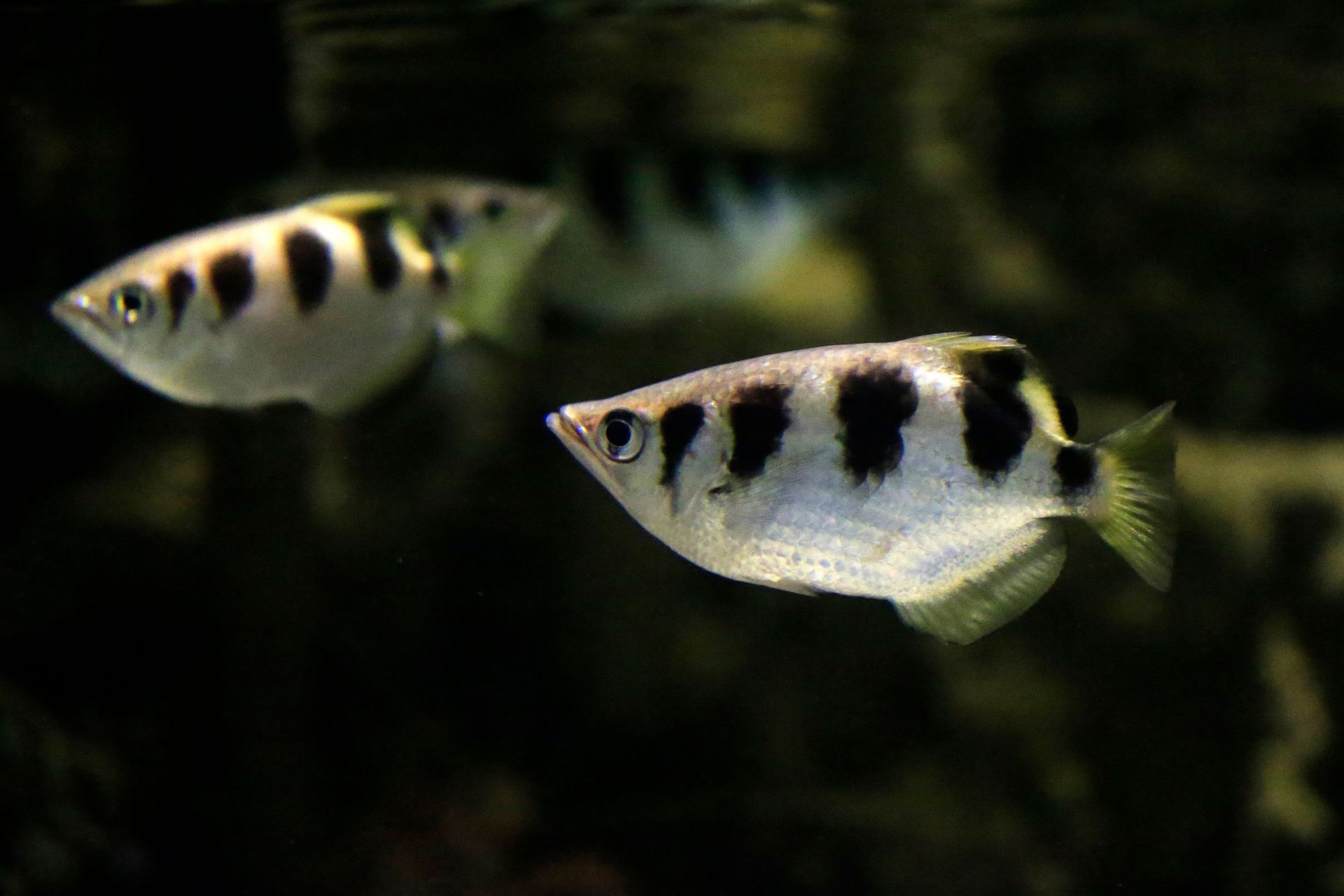
Archerfish — ballistic compensation for refraction
Jeffry Surianto / Pexels
The archerfish (Toxotidae) hunts by spitting precisely aimed jets of water at insects on vegetation above the water surface, knocking them into the water. The specific engineering challenge it has solved is the ballistic compensation for refraction: light bends when it passes from air to water, causing the apparent position of an object viewed from underwater to differ from its actual position. The archerfish compensates for this refraction automatically, hitting targets whose actual position it has never directly observed.
Research published in Current Biology in 2012 found that archerfish not only compensate for refraction but learn to adjust their aim when the angle of attack changes — demonstrating a flexible, learned geometric compensation that researchers had not previously attributed to fish. The fish also compensates for the parabolic trajectory of the water jet, accounting for gravity's effect on the stream.
Engineers working on computer vision and robotic systems have studied archerfish target acquisition as a model for systems that must operate across media boundaries with different optical properties — applications including underwater drones that must target surface objects, and optical systems that must compensate for variable refraction in atmospheric or aqueous conditions.
11 / 20
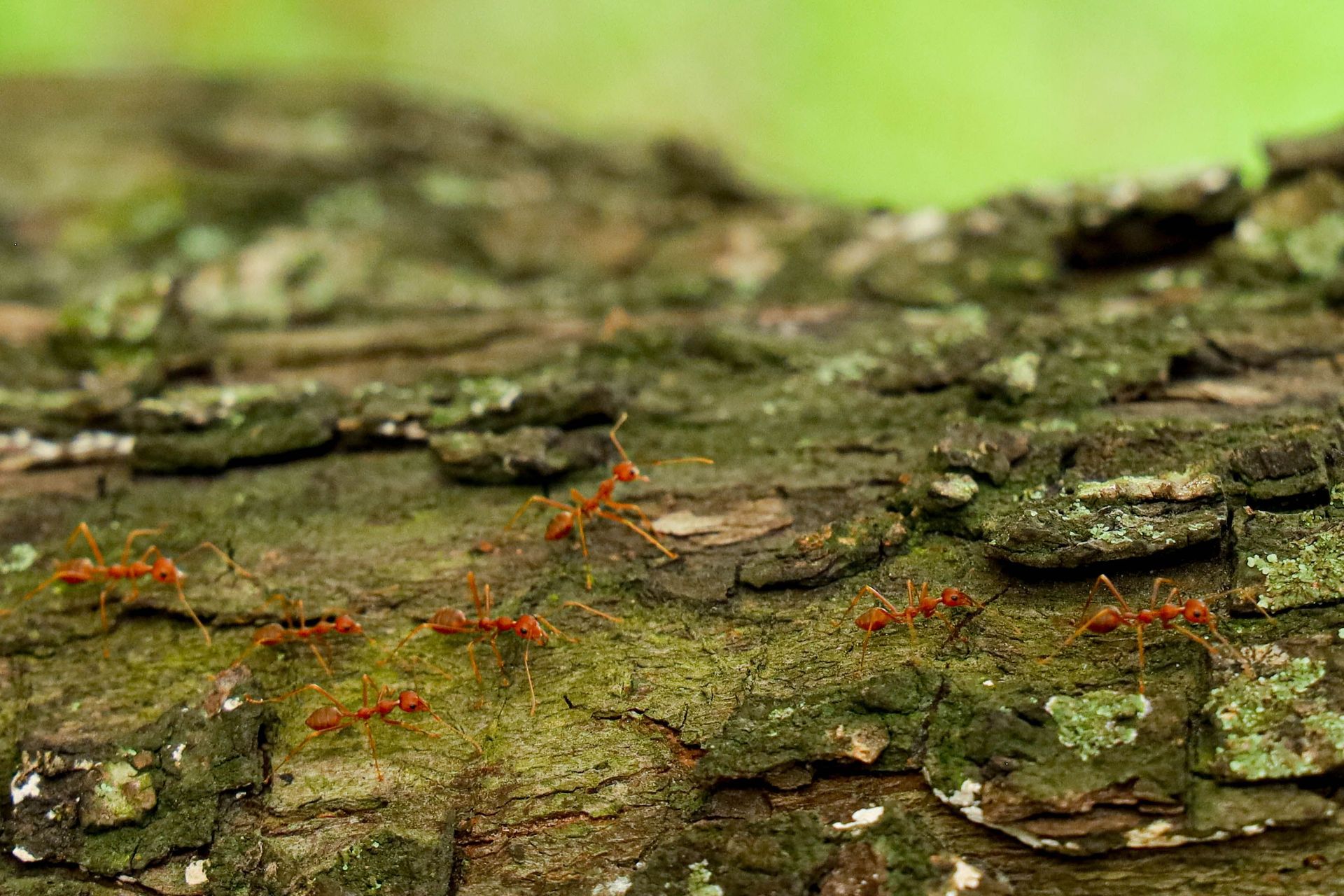
Ants — collective optimization
Manh Cuong Le / Pexels
Ant colonies solve the travelling salesman problem — finding the shortest route connecting multiple points — through a decentralized process called ant colony optimization, in which individual ants deposit pheromone trails that reinforce shorter paths (because ants traversing shorter paths complete the circuit more quickly and deposit more pheromone per unit time). Without any central computation, the colony converges on near-optimal solutions to routing problems that are computationally intractable for human algorithms.
The ant colony optimization algorithm, formalized by Marco Dorigo in the 1990s, is now one of the standard tools in computational optimization and is used in logistics routing, network design, protein structure prediction, and combinatorial optimization problems across numerous fields. Google $GOOGL's and Amazon $AMZN's logistics algorithms incorporate ant colony optimization principles.
The specific achievement of the ant colony is not merely routing efficiency but the robustness of the optimization: the colony adapts in real time to changes in the environment (a food source that disappears, a path that is blocked) through the same pheromone reinforcement mechanism, maintaining near-optimal solutions without any individual ant having a map or a plan. This real-time adaptive optimization in a distributed system with no central controller is precisely the architecture that engineers working on resilient infrastructure and autonomous systems are trying to build.
12 / 20
Peacock mantis shrimp — impact resistance
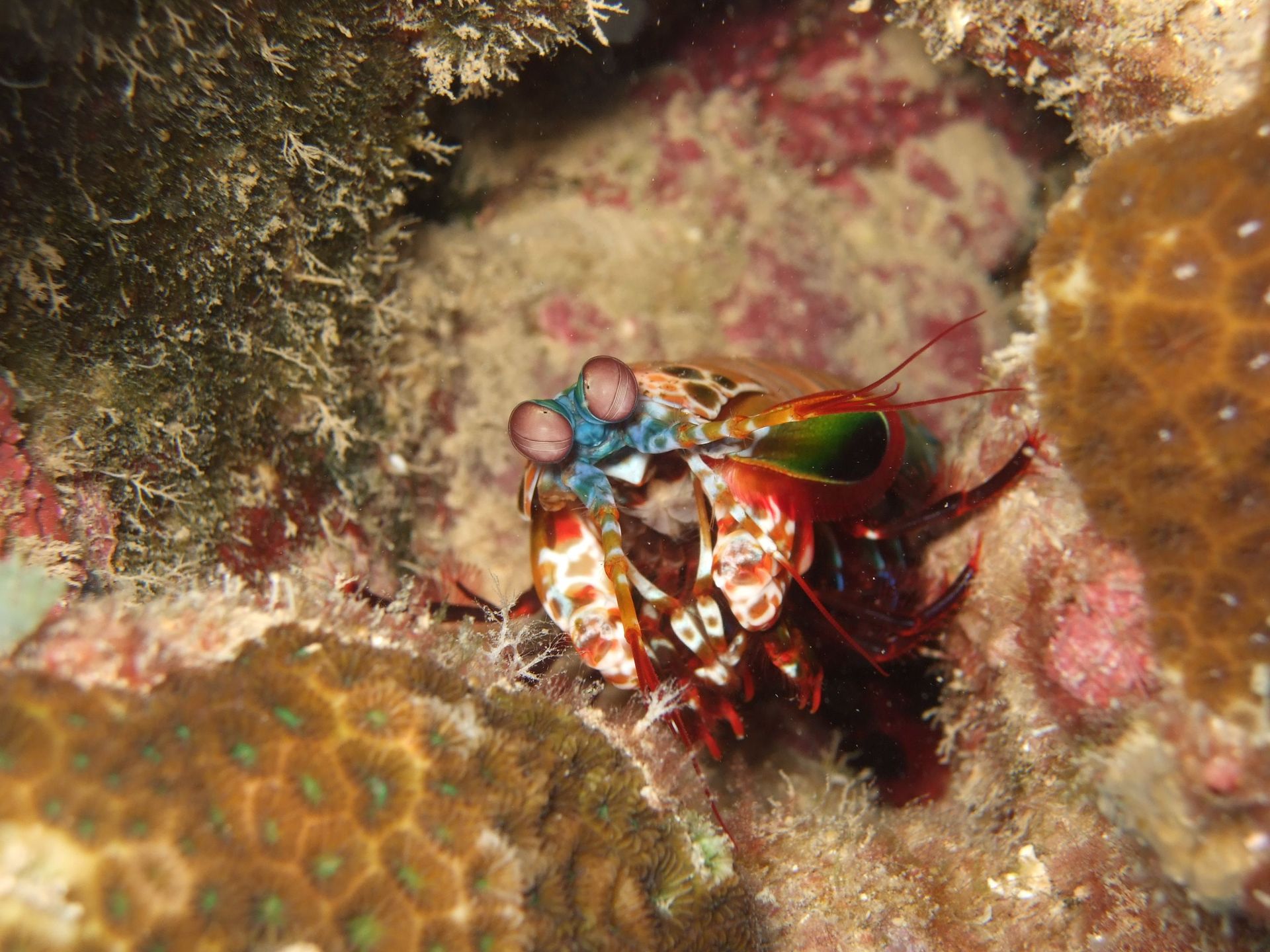
Jun Ho Lee / Pexels
The peacock mantis shrimp (Odontodactylus scyllarus) strikes prey with a club-shaped appendage that accelerates at 10,400 g — faster than a .22 caliber bullet — and delivers a strike force approximately 1,000 times the animal's own body weight. The club itself survives thousands of such strikes without fracturing, a feat of impact resistance that has attracted significant materials engineering attention.
The club's structure has been analyzed using synchrotron X $TWTR-ray imaging and found to consist of three distinct regions: a hardened impact surface of hydroxyapatite (the mineral in bone), a herringbone-patterned fiber region that distributes the shockwave through the club's cross-section without crack propagation, and a periodic region of mineral-fiber composite that dissipates the remaining energy. The herringbone fiber orientation is the specific structural innovation that materials engineers have focused on.
University of California San Diego researchers have produced bio-inspired carbon fiber composites using the herringbone fiber orientation and found improved impact resistance compared to conventional fiber orientations. Applications include military body armor, aircraft panels, and protective structures for buildings. The mantis shrimp club has been in service for approximately 400 million years.
13 / 20
Electric eel — bio-electricity generation
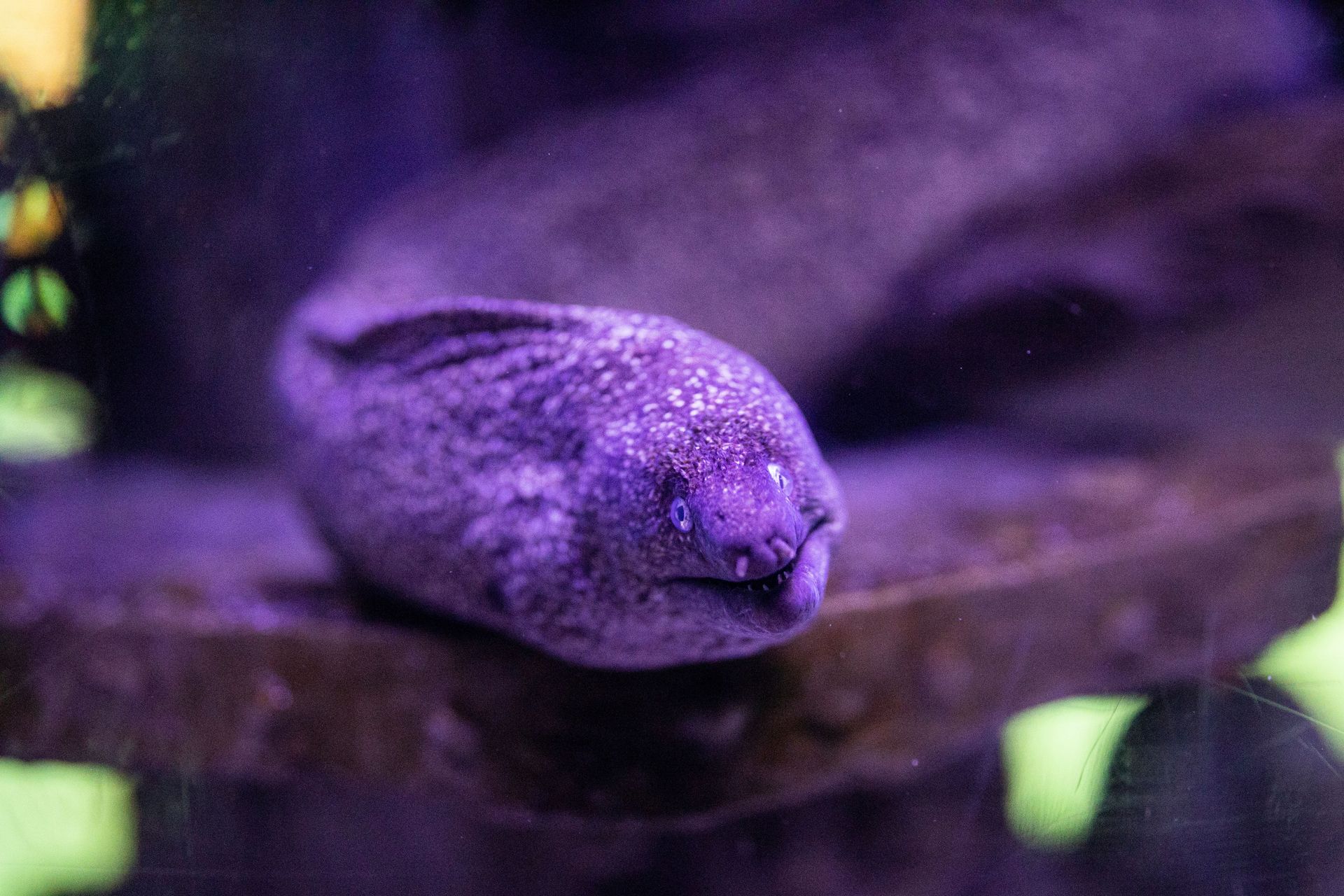
Engin Akyurt / Pexels
The electric eel (Electrophorus electricus) — actually a knifefish rather than a true eel — generates electric discharges of up to 860 volts and 1 ampere from electrocytes: specialized cells derived from muscle cells that function as biological batteries, stacked in series in the eel's body to produce high voltage from the very small voltage difference each cell generates. The electric eel has solved the problem of generating high voltage from chemical potential at biological scale.
Researchers at the University of Michigan published work in 2017 in Nature describing an artificial electric organ inspired by the electric eel's electrocyte stack: a series of hydrogel chambers containing alternating high-salt and low-salt solutions, producing 110 volts from a structure that is soft, flexible, and biocompatible. The artificial organ is too small to power implanted medical devices currently but represents a proof of concept for biologically inspired, soft-materials-based power generation.
The application that drives most of the research: a biocompatible power source for implanted medical devices (pacemakers, neural interfaces, drug delivery systems) that could replace the rigid lithium batteries currently used, which require surgical replacement when depleted. The electric eel's power generation system runs on ion gradients that are continuously replenished by metabolism — a rechargeable battery that has been in continuous operation for the eel's lifetime.
14 / 20
Lotus leaf — superhydrophobicity
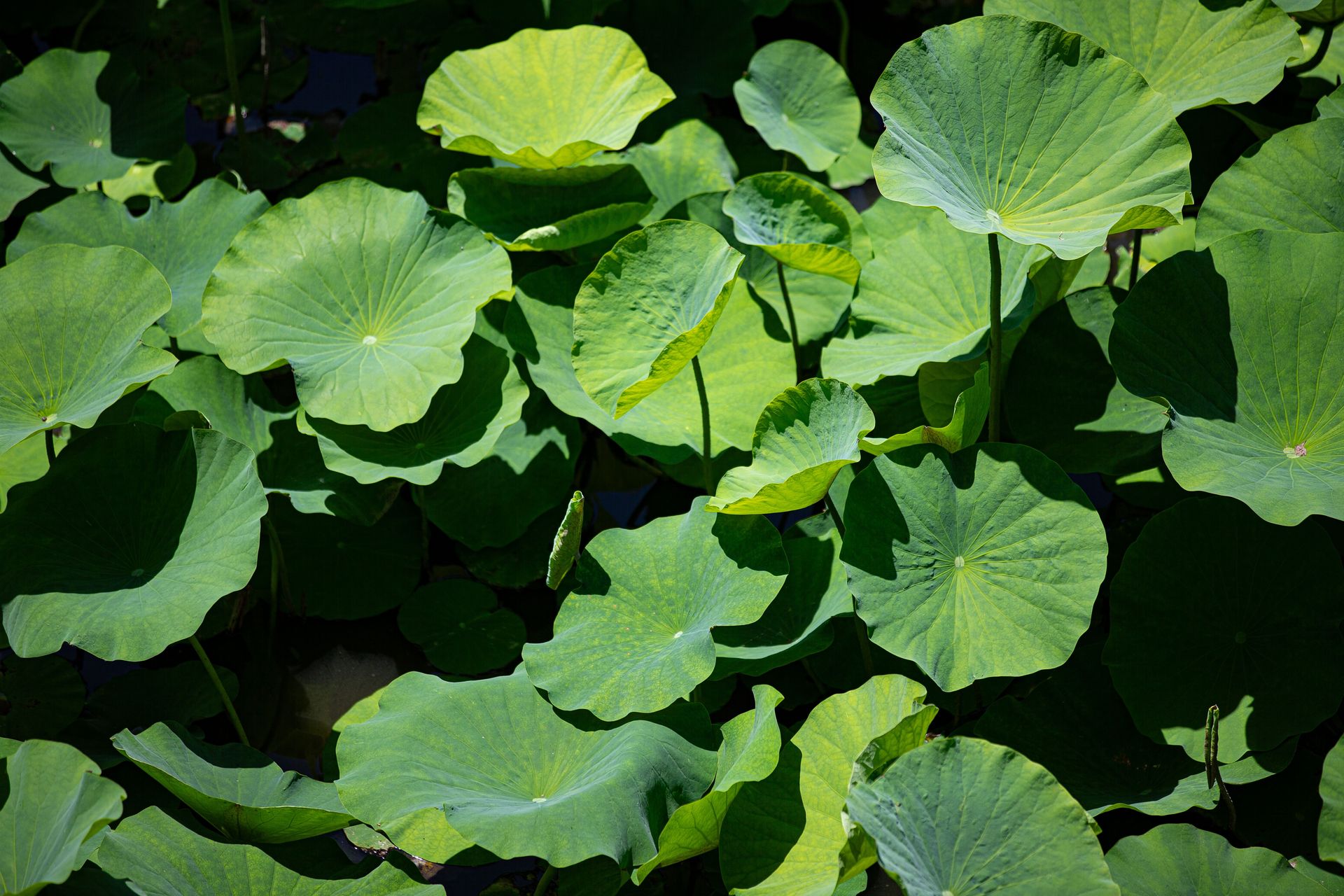
Crudop MichaeLP / Wikimedia Commons
The lotus leaf (Nelumbo nucifera) repels water with near-perfect efficiency: water droplets bead into near-perfect spheres on the leaf surface and roll off, carrying any dust or contaminants with them, leaving the leaf perpetually clean. This self-cleaning property — the lotus effect — is produced by a micro- and nano-scale surface texture of waxy crystalline protrusions that minimizes the contact area between the water droplet and the leaf surface, trapping air beneath the droplet and producing contact angles of approximately 160 degrees (water beads almost perfectly spherical on the surface).
The lotus effect is the most commercially developed biomimicry application in this list. Sto AG's Lotusan exterior paint, launched in 1999, incorporates the lotus surface texture and has been applied to millions of square meters of building facades globally, requiring no cleaning because rain water removes contaminants automatically. Lotus-effect fabric treatments, glass coatings, and self-cleaning textile finishes are commercially available.
The active research frontier is producing lotus-effect surfaces that maintain their properties under mechanical wear — the lotus leaf's waxy layer regenerates continuously from beneath, replacing abraded surface structure, a self-repair mechanism that synthetic lotus-effect surfaces do not yet possess.
15 / 20
Cuttlefish — dynamic camouflage
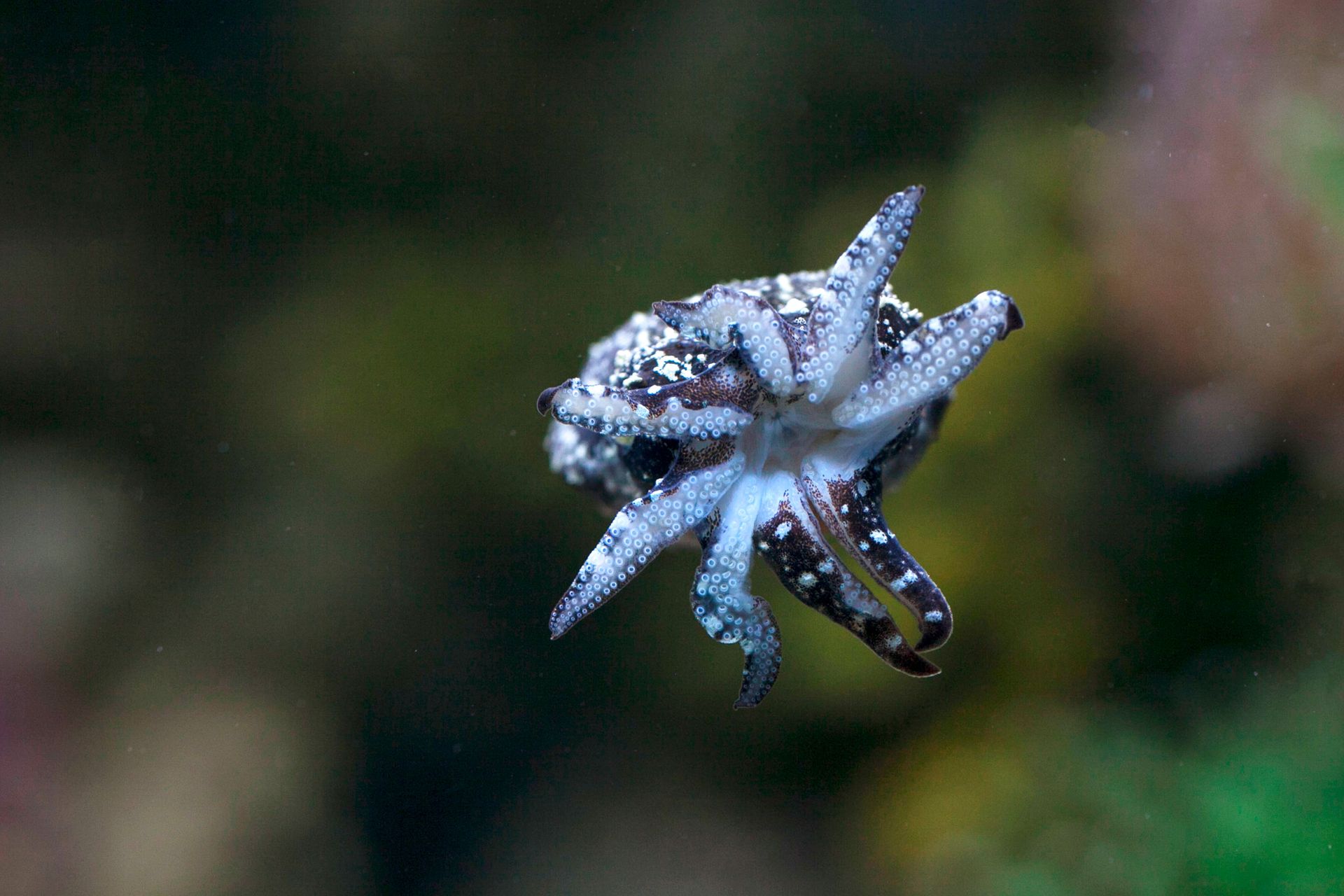
Jeffry Surianto / Pexels
The cuttlefish (Sepia) changes its skin color, pattern, and texture in approximately 200 milliseconds — faster than the human eye can fully track — using a combination of chromatophores (pigment-containing cells that expand and contract under muscular control), iridophores (cells that produce structural color through thin-film interference), and papillae (muscular projections that change skin texture). The result is a dynamic camouflage system of extraordinary versatility that has no technological equivalent at comparable scale or speed.
The challenge of replicating cuttlefish camouflage is the integration of color, pattern, and texture change in a single flexible system — adaptive optics that simultaneously manages pigment, structural color, and surface topography. The US military has funded significant research into cuttlefish-inspired adaptive camouflage, and researchers at MIT, Harvard, and elsewhere have produced materials that replicate individual components (color-changing layers, texture-changing surfaces) without yet integrating all three.
The most advanced cuttlefish-inspired camouflage demonstration, published in Science in 2018 by researchers at the University of Illinois Urbana-Champaign, produced a flexible optoelectronic device that could autonomously detect its background and adjust its pattern to match — a rudimentary version of the cuttlefish's autonomous pattern-matching in a rigid silicon device that could not match the cuttlefish's speed or flexibility.
16 / 20
Woodpecker — impact absorption
Matej Bizjak / Pexels
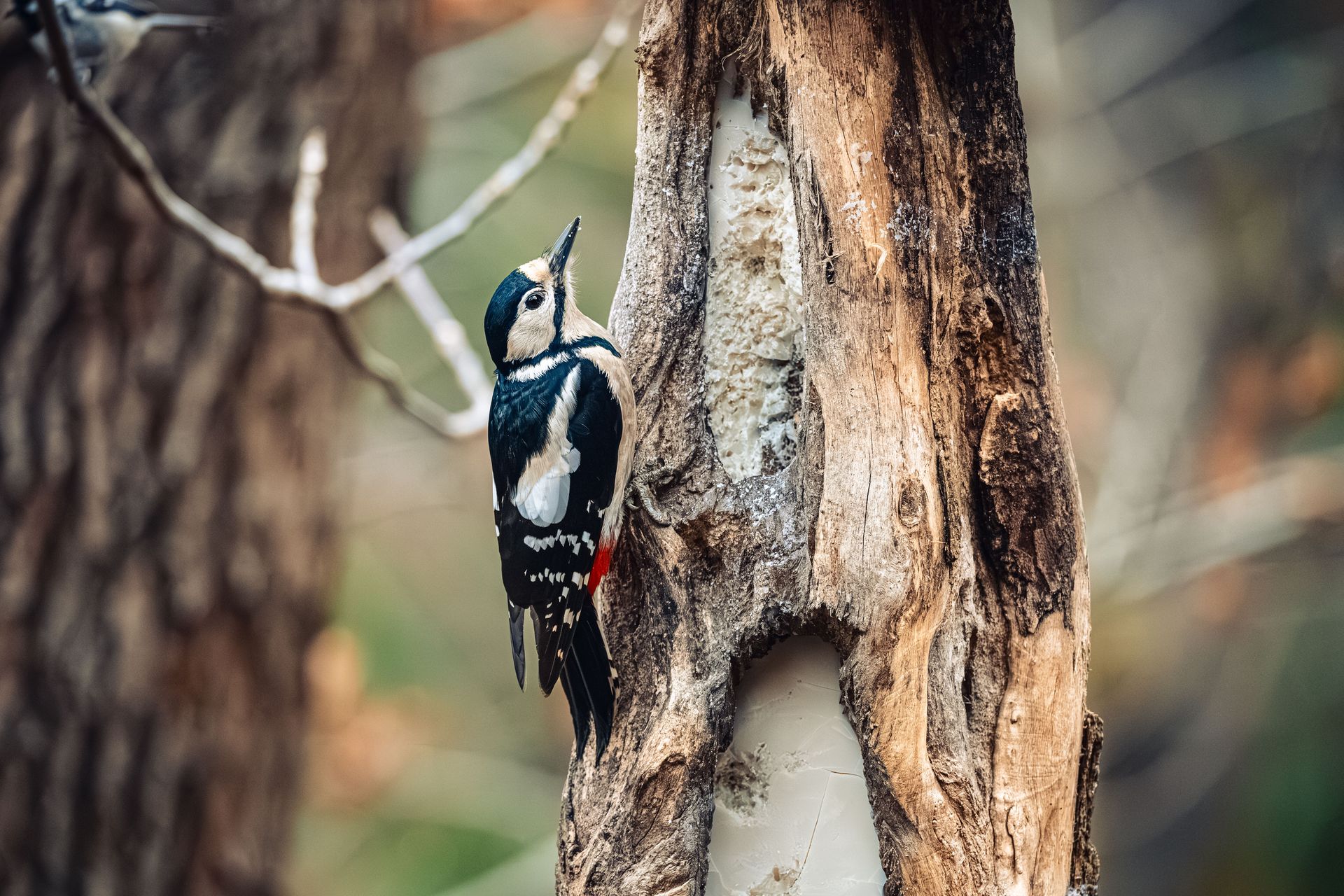
The woodpecker (Picidae family) strikes a tree at approximately 6 to 7 meters per second, decelerating at roughly 1,000 g, up to 20 times per second for hours at a time, without sustaining brain injury or concussion. The human tolerance for a single 100 g impact is approximately the threshold for traumatic brain injury; the woodpecker exceeds this by a factor of ten on every strike and does so repeatedly without accumulative damage.
The mechanisms of woodpecker impact absorption have been analyzed extensively by researchers motivated by the desire to improve protective helmets and electronics shock-mounting systems. The woodpecker's skull contains several protective structures: a thick skull with uneven inner and outer bone layers that transfer impact energy to the brain in a direction tangential rather than compressive, a specialized hyoid bone (the tongue bone) that wraps almost completely around the skull and acts as a seatbelt, asymmetric upper and lower beak lengths that direct compressive force away from the brain, and a relatively small brain that fits tightly in the skull without the cerebrospinal fluid gap that causes human brain injury on impact.
Engineers at the University of California Berkeley have designed a multilayer shock absorption system inspired by the woodpecker's multilayer protective anatomy, demonstrating improved impact resistance for hard disk drives. Helmet designers have incorporated woodpecker-inspired asymmetric impact-distribution layers into professional sports helmets.
17 / 20
Migratory birds — magnetic navigation
Péter Kövesi / Pexels
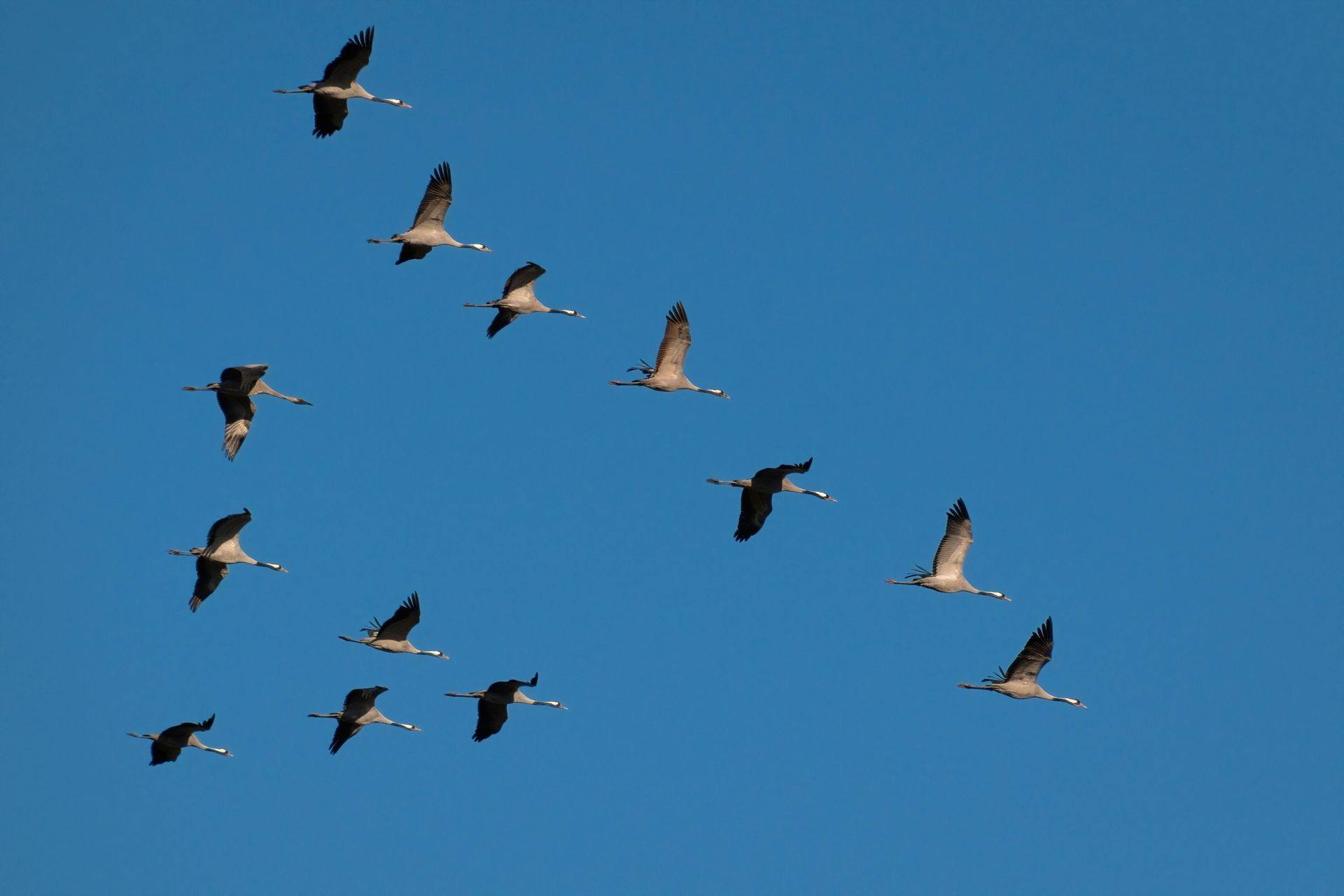
Many migratory bird species — including European robins, garden warblers, and homing pigeons — navigate using the Earth's magnetic field with a precision that human magnetic compasses cannot achieve at comparable size or power consumption. The specific mechanism remains one of the most actively researched questions in sensory biology: the leading hypothesis involves quantum entanglement of electron pairs in cryptochrome proteins in the birds' eyes, which the magnetic field influences in a direction-dependent way that the bird's visual system detects as a directional overlay on its visual field.
The quantum compass hypothesis — that birds use quantum mechanical effects in biological molecules for magnetic sensing — is one of the few proposed applications of quantum biology in a macroscopic organism and has attracted significant attention from physicists as well as biologists. If confirmed, it would represent a biological quantum sensor operating at room temperature, which no human-engineered quantum sensor can do (current quantum sensors require cooling to near absolute zero).
Research published in Nature Chemistry in 2021 found direct evidence that the cryptochrome protein mechanism is sensitive to magnetic fields at the relevant scale, strengthening the quantum compass hypothesis. Engineers working on quantum sensing devices are following the bird navigation research closely, as a biological room-temperature quantum sensor would represent a significant advance over the current state of the art.
18 / 20
Turritopsis dohrnii — biological immortality
Bachware / Wikimedia Commons (CC BY-SA 4.0)
Turritopsis dohrnii — a small jellyfish approximately 4.5mm in diameter, found in temperate and tropical oceans globally — is the only known animal capable of reverting to its juvenile polyp stage after reaching sexual maturity, a process called transdifferentiation in which differentiated adult cells revert to a pluripotent stem cell state and redifferentiate into the cells required to rebuild a juvenile organism. The process can repeat indefinitely — the jellyfish is biologically immortal in the sense that it can cycle between adult and juvenile indefinitely under stress.
The specific biological mechanism — transdifferentiation, in which a mature cell changes its identity to become a different cell type — is of enormous interest to regenerative medicine and aging research. In most animals, differentiated cells (a heart muscle cell, a liver cell, a neuron) maintain their identity permanently, and the loss of tissue function with age reflects the accumulation of damaged cells that cannot be replaced by new ones of the same type. A mechanism that could direct mature cells to transdifferentiate into the cell types required for repair would be transformative.
Research on Turritopsis dohrnii's transdifferentiation mechanism is in early stages — the jellyfish is difficult to maintain in laboratory conditions and its genome has only recently been sequenced. A 2022 comparative genomics study identified genes associated with DNA repair and transdifferentiation that are present in T. dohrnii at higher expression levels than in related species. The jellyfish has solved biological immortality; the mechanism is beginning to be understood.
19 / 20
Termite mound — passive climate control
Francesco Ungaro / Pexels
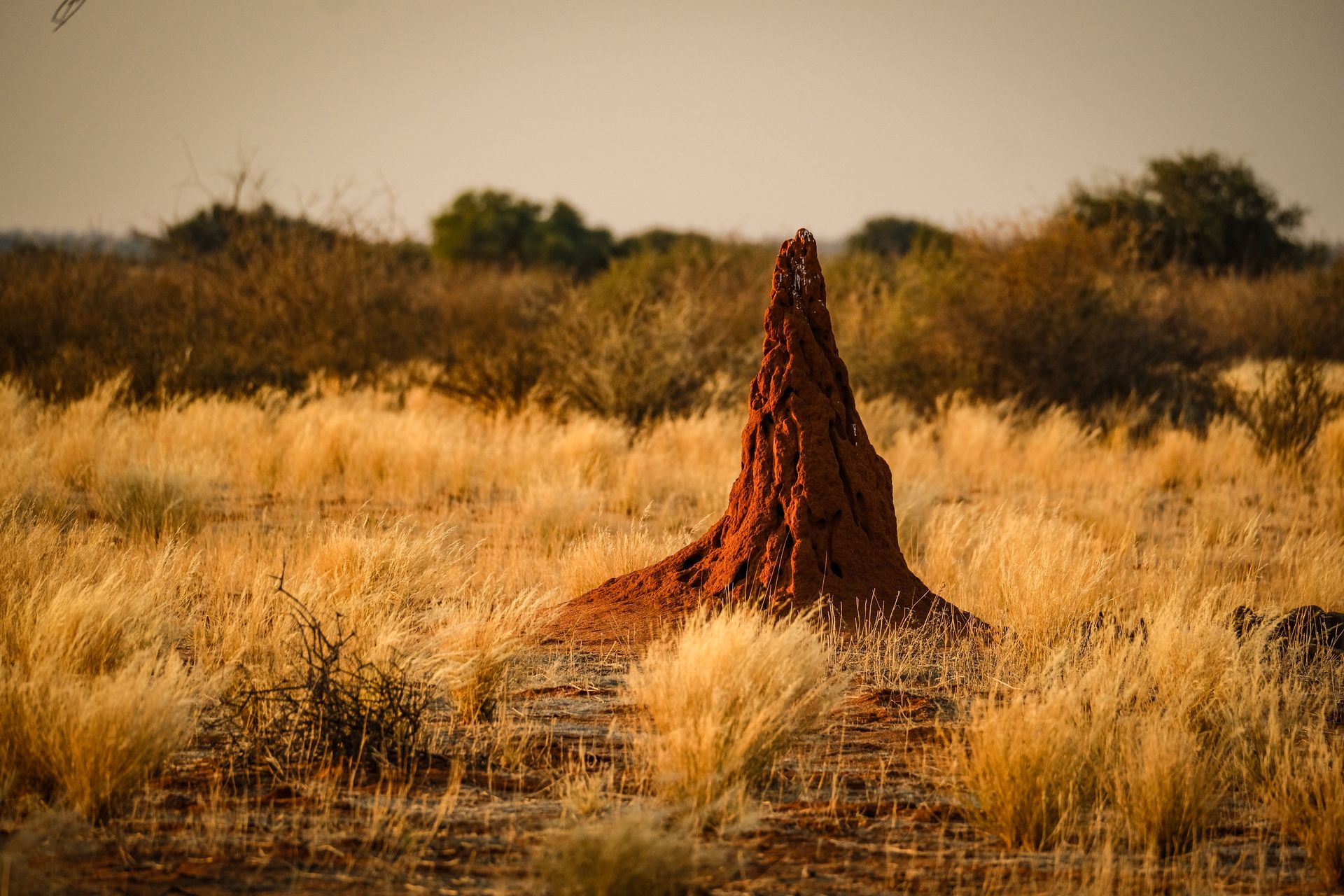
The mound of the African termite Macrotermes michaelseni maintains an internal temperature of approximately 31°C year-round in an external environment that varies between 3°C at night and 42°C during the day — a temperature regulation achievement of 39°C swing management without any active heating or cooling system. The mound is entirely passive, relying on the specific geometry of internal tunnels, chimneys, and vents to manage the convective flow of air through the structure.
Zimbabwean architect Mick Pearce studied Macrotermes mound architecture in designing the Eastgate Centre in Harare, completed in 1996 — a large office and retail complex that uses no conventional air conditioning or heating despite Harare's large daily temperature swings. The building's passive cooling system, modeled on the termite mound's convective geometry, uses approximately 10% of the energy that a conventionally air-conditioned building of comparable size would use. It was the first large-scale building explicitly designed using termite mound biomimicry.
The specific architectural innovation that termite mounds provide is not a single feature but a system: the integration of thermal mass (the earth of the mound), convective airflow management (the chimney and tunnel geometry), and humidity control (fungus gardens that generate heat and consume carbon dioxide) into a structure that manages climate through passive means alone. Engineers applying this system at building scale are working through a design space that the termites have been optimizing for approximately 50 million years.
20 / 20
Albatross — dynamic soaring
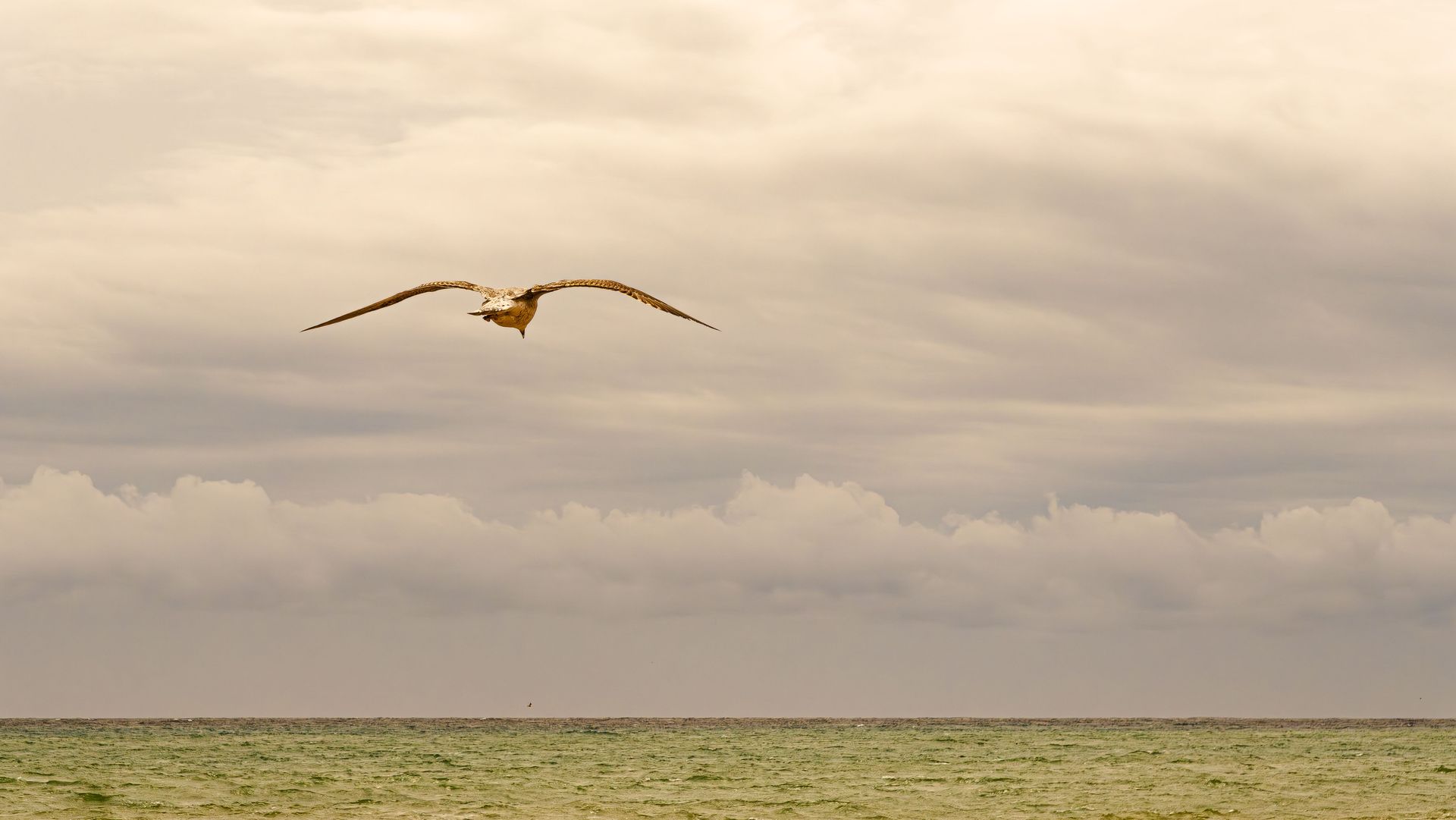
Jose Rodriguez Ortega / Pexels
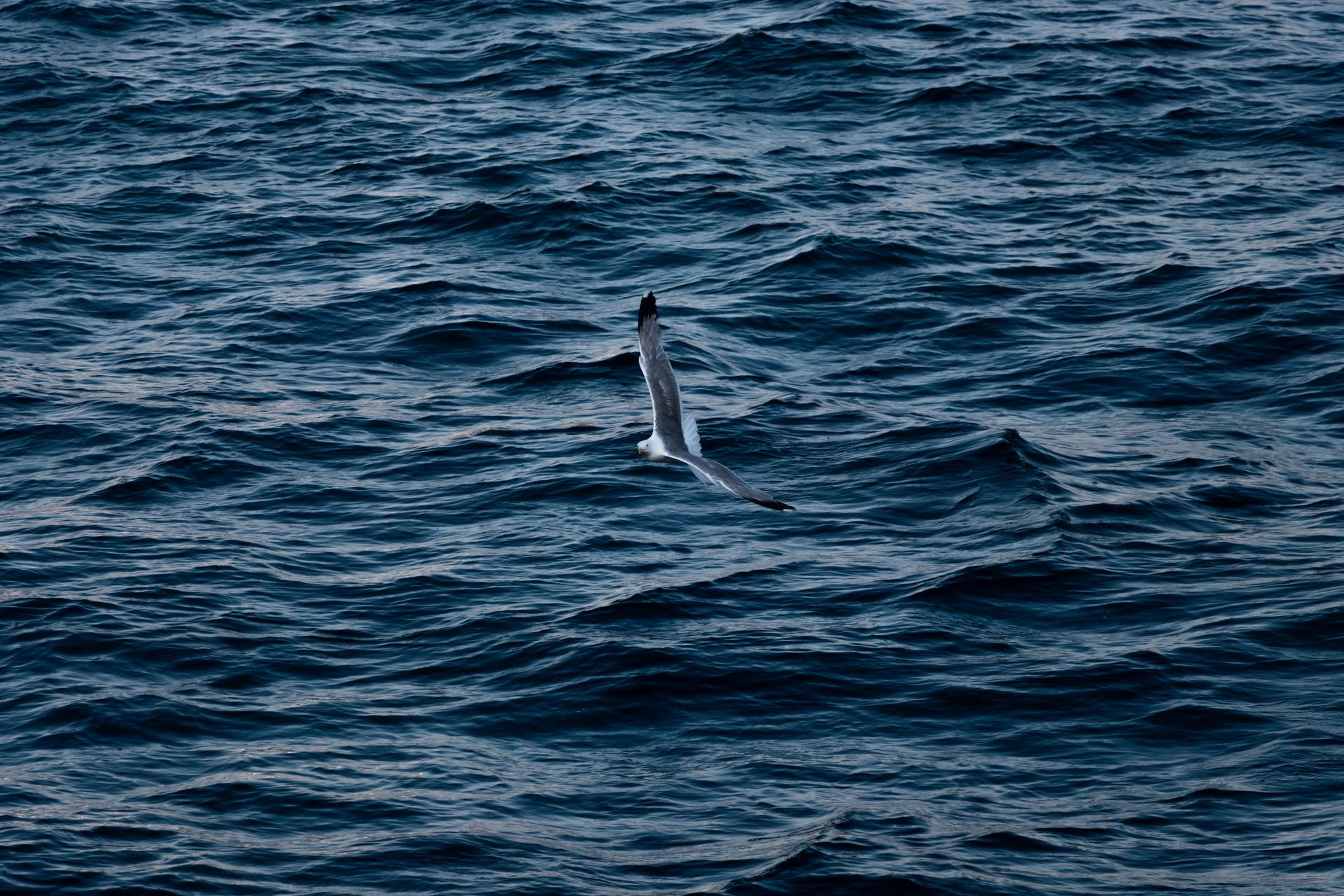
The wandering albatross (Diomedea exulans) flies tens of thousands of kilometers across the Southern Ocean with a wingspan of up to 3.5 meters and an energy expenditure so low that it is, at cruising speed, barely above the bird's resting metabolic rate. It achieves this through dynamic soaring — a flight technique that extracts energy from the wind gradient above the ocean surface, alternately climbing into faster wind and descending into slower wind in a figure-eight pattern, converting the difference in wind speed at different altitudes into forward motion without flapping.
The albatross's dynamic soaring technique has been studied by aerospace engineers since the 1880s, when Lord Rayleigh first described the physics, and remains the most energy-efficient autonomous flight mode known. A drone or glider using dynamic soaring over the ocean could in principle fly indefinitely without any power source beyond the wind gradient — a capability that would be transformative for ocean monitoring, maritime surveillance, and long-range atmospheric science.
Researchers at MIT, NASA, and several universities have developed autonomous drones capable of dynamic soaring in ocean conditions, demonstrating flight endurance dramatically beyond battery-powered equivalents. The albatross has been using the same technique for approximately 30 million years, mastering the extraction of energy from a resource — the wind gradient — that is continuously available over most of the world's oceans and that human aviation has almost entirely ignored.
