
From Uluru's ancient Anangu culture and drone light shows to Rottnest Island's car-free quokka trails off the coast of Perth
Caleb / Unsplash
Australia’s sheer scale makes choosing where to go one of the hardest parts of planning a trip. A country this size holds red desert plains, tropical reefs, alpine wilderness, and cities with distinct personalities, and no single itinerary can realistically cover more than a fraction of what’s on offer. Travelers $TRV who try to do too much in one visit often end up rushing past the very experiences that make a destination worth the trip in the first place. Even seasoned travelers who have visited Australia multiple times tend to discover new regions worth a dedicated trip, since the country rewards depth over breadth in ways that few other destinations can match. A first-time visitor and someone on a fifth or sixth trip can both build an entirely different itinerary from the same shortlist of destinations and come away equally satisfied.
Distance compounds the challenge further, since some of Australia’s most rewarding destinations sit thousands of kilometers apart, separated by long flights or multi-day drives. A visitor hoping to pair a red-dirt outback sunset with a coral reef dive or a wildlife-filled island needs to accept that a single trip will only ever capture a slice of the country, and that slice depends entirely on which experiences matter most. Choosing a handful of standout regions rather than chasing a comprehensive checklist tends to yield a far more satisfying trip. Cities, islands, wine regions, and natural landmarks all compete for attention, and narrowing a shortlist early makes the rest of the planning process considerably easier, freeing up time to research the logistics of each stop rather than debating which destinations belong on the list at all.
The 10 destinations below appear in Lonely Planet and cover cities, islands, and natural landmarks recommended across the country’s outback, coastal, and urban regions.
Michael Jerrard / Unsplash
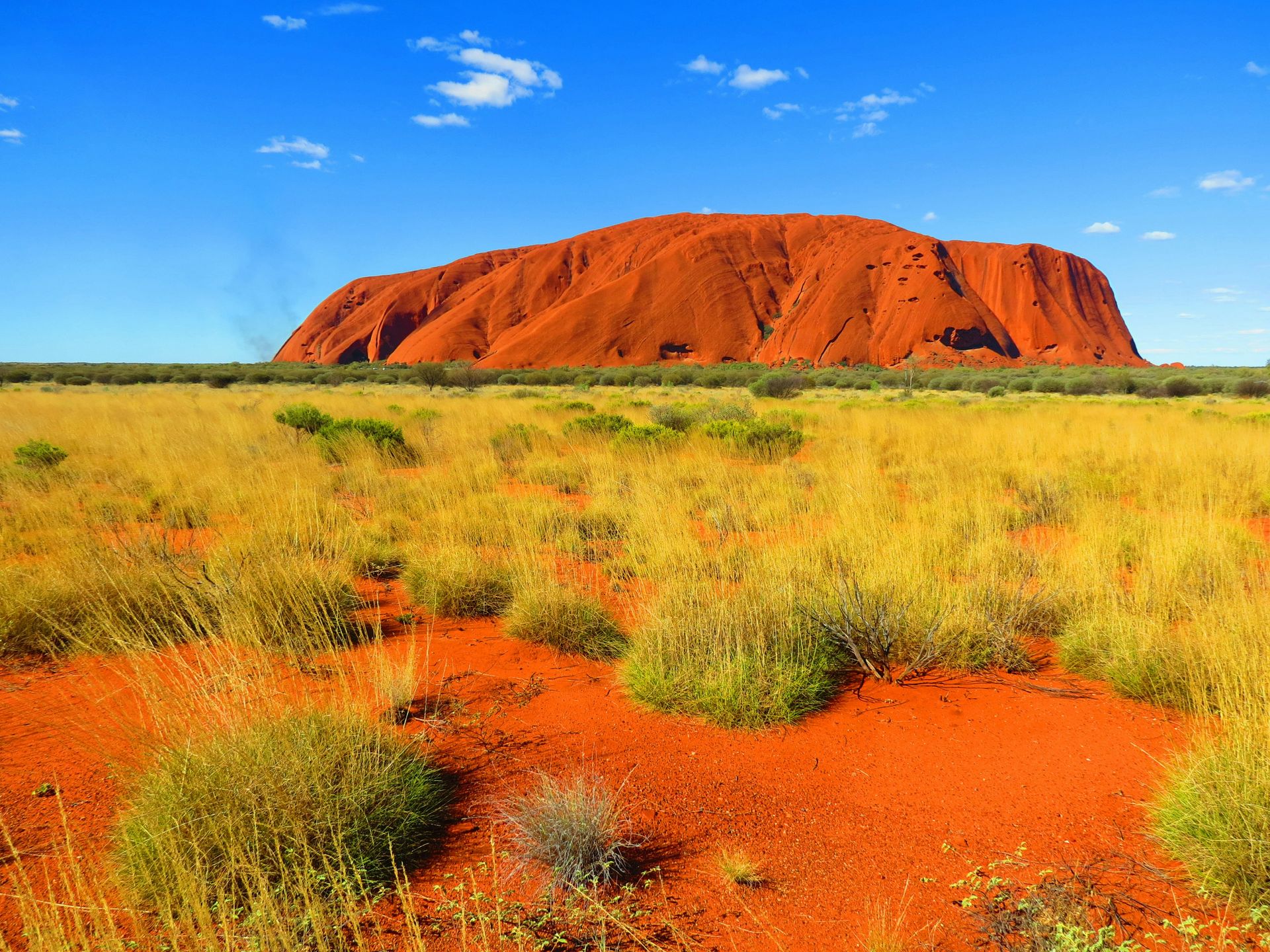
Uluru rises from the desert floor of the Northern Territory as one of the most recognizable natural landmarks on Earth, and its status carries a weight beyond its scenery alone, as the monolith holds deep spiritual significance for the Anangu people. Watching the sunset paint the rock’s surface in shifting shades of red and orange ranks among the defining experiences travelers seek out in this part of Australia. Nearby, within the same national park, the 36 red domes of Kata Tjuta offer a scale that rivals Uluru itself, even though far fewer visitors make the short trip to see them.
Modern art installations have added a new dimension to this ancient landscape without displacing its cultural weight. The Wintjiri Wiru experience uses more than 1,100 drones to tell part of an Anangu sacred story above Uluru after dark, while Bruce Munro’s Field of Light installation covers the desert floor in thousands of glowing stems, and the Light-Towers illuminate nearby Kings Canyon. These installations draw visitors who might not otherwise linger after sunset, extending the average stay in a region built around a single iconic view.
Beyond scenic flights and camel rides, the Red Centre offers something adventure activities alone can’t provide, access to the world’s oldest continuously living culture. Walking tours and art lessons led by First Nations guides operate near both Uluru and Watarrka National Park, giving visitors a chance to engage directly with Anangu knowledge and tradition instead of observing the landscape as a backdrop alone.
Travelers $TRV should plan well ahead if they intend to visit during the peak season running from June to September, when accommodation, including campsites, books up quickly across the region. The Red Centre’s remoteness means limited lodging options exist to begin with, and that scarcity intensifies considerably once the cooler, more comfortable months of the desert calendar arrive. Booking tours in advance during this window matters just as much as securing a place to sleep, since the region’s most popular guided experiences fill up alongside its accommodation.
Credit: Visit NSW
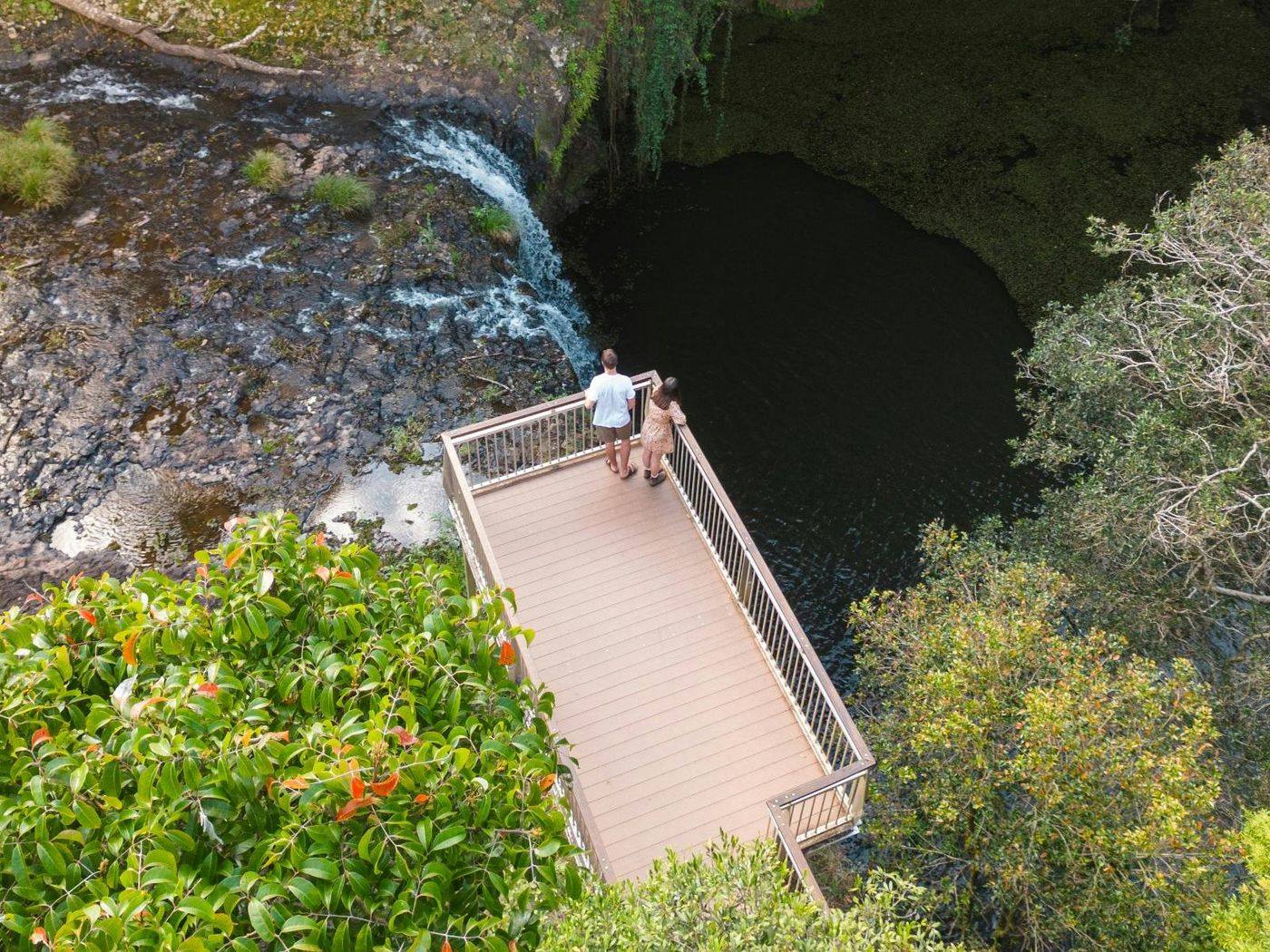
Byron Bay draws the bulk of attention in northern New South Wales, having built a reputation as a magnet for both celebrities and backpackers, but the town represents only a small corner of the broader Northern Rivers region. Traveling inland toward the hinterland reveals a different side of the area entirely, filled with quiet villages and unhurried towns that rarely appear in the same conversation as Byron’s beaches. Killen Falls offers a swimming spot away from the coastal crowds, while the community of Newrybar rewards visitors willing to wander its streets on foot.
Local produce forms a central part of the Northern Rivers experience away from the coast. Macadamia plantations dot the hinterland, and farmgate stalls throughout the region sell goods directly from the growers themselves, giving visitors a taste of the area’s agricultural identity that a beach visit alone wouldn’t reveal.
The Tweed section of the Northern Rivers Rail Trail stands out as an experience visitors shouldn’t skip. This 24km (15 miles) corridor follows a former railway line and connects several of the region’s historic villages, and cyclists get the fullest experience of the route since the builders designed it with biking in mind rather than walking. The trail’s flat, converted grade makes it accessible to a wide range of fitness levels, a rarity among Australia’s more strenuous outdoor attractions.
Timing a visit around the Mullumbimby Farmers Market on a Friday morning adds a genuinely local dimension to a Northern Rivers trip. Held at the town’s showgrounds, the market connects visitors directly with micro-farmers and longtime residents, offering a slower, more community-oriented counterpoint to Byron Bay’s higher-profile draw just down the coast. Visitors who split their time between the coast and the hinterland come away with a far more complete picture of the region than those who never venture past Byron’s beaches, since the inland villages and farm stalls reveal an entirely different rhythm of life than the one found along the shoreline.
Dan Freeman / Unsplash
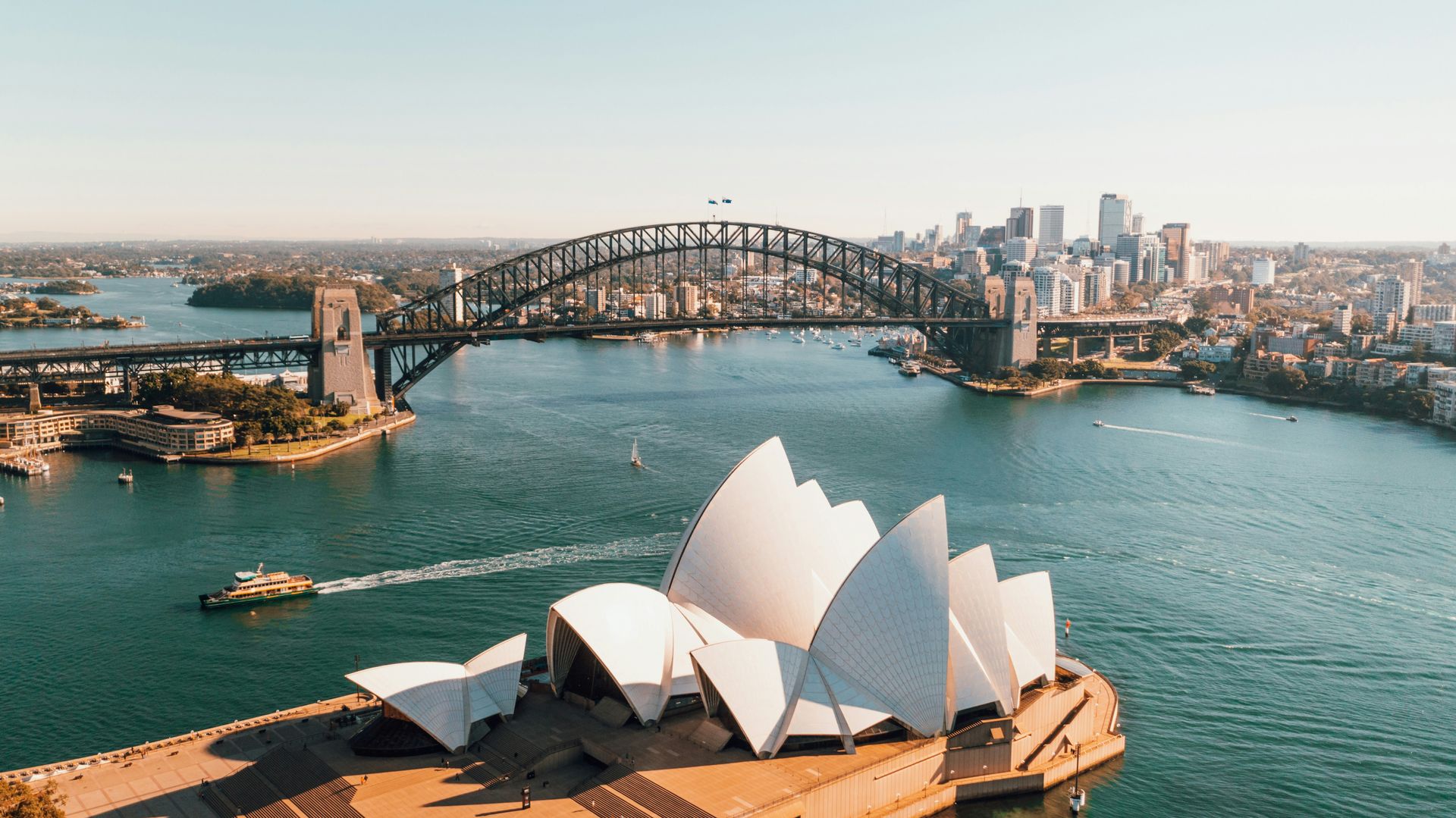
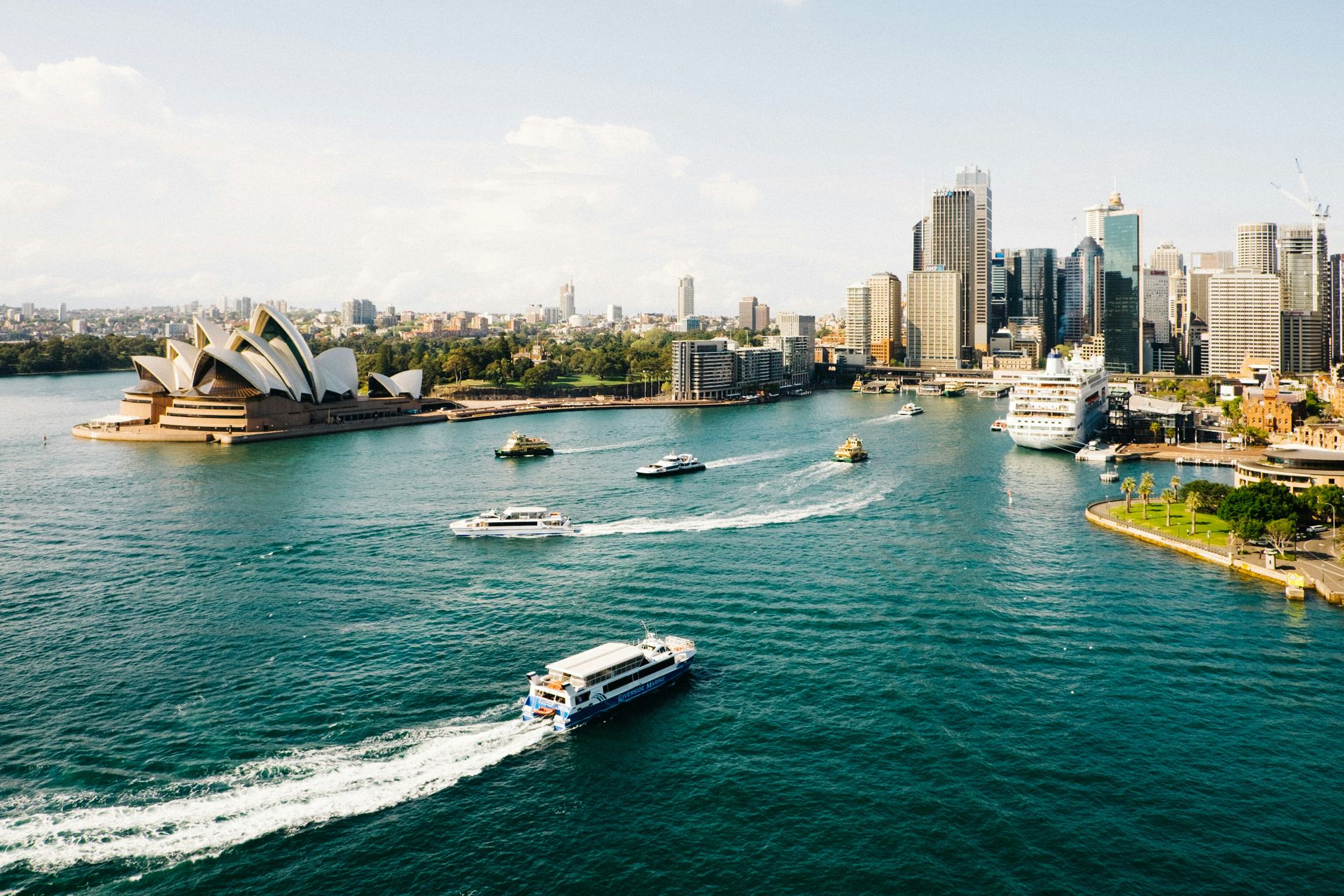
Sydney’s reputation as one of the world’s most beautiful cities rests largely on the collision between its natural harbor and its urban architecture, most famously the Opera House. Skyscrapers, national parks, and multimillion-dollar homes all crowd around the water’s edge, creating a skyline defined as much by green space and sandstone cliffs as by glass towers.
Summer in Sydney means access to a wide range of swimming spots beyond the well-known eastern beaches, such as Bondi. The harbor itself holds 20 sheltered swimming spots, including Marrinawi Cove, a terraced sandstone location at Barangaroo that has become popular with nearby office workers since it opened in 2023. This popularity among locals, and not just tourists, sets Marrinawi Cove apart from many of the city’s more heavily marketed attractions.
Winter brings its own signature event in the form of Vivid Festival, when light installations and projections transform the harbor foreshore into a temporary outdoor gallery after dark. The cooler daytime temperatures during this season also make it an ideal time to tackle the Sydney Loop walk, a 26km (16-mile) route that traces the harbor’s foreshore and offers a far more active way to experience the same views that Vivid illuminates at night.
A ferry ride from Circular Quay to Manly offers one of the most budget-friendly ways to see Sydney’s landmarks from the water. The short journey passes Parliament House, Sydney Harbour Bridge, and the Opera House in quick succession, giving visitors a compact tour of the city’s most photographed sights for the price of a standard ferry ticket instead of a dedicated harbor cruise. Few cities anywhere let visitors take in this many landmarks from a single short boat trip, making the Manly ferry one of Sydney’s best values regardless of season. Combined with a swim at one of the harbor’s sheltered spots and a walk through the foreshore during Vivid, a single day in Sydney can move seamlessly between water, architecture and light without requiring a car or a lengthy itinerary.
-1920x1277.jpg)
Rhain / Wikimedia Commons (CC BY-SA 4.0)
K’gari, the world’s largest sand island, returned to its traditional name in 2023 after decades of being known internationally as Fraser Island, and the change has coincided with a surge of visitors interested in connecting with Indigenous Butchulla culture. The island’s UNESCO World Heritage status reflects a history that predates its recent fame as a 4WD destination, and travelers who arrive expecting only sand and off-road adventure often leave with a deeper appreciation of the island’s cultural richness.
Natural attractions on K’gari draw visitors just as strongly as its cultural significance. Boorangoora, also known as Lake McKenzie, offers crystal-clear water for swimming, while dingoes roam sections of the beach in view of passing vehicles. The Champagne Pools provide a natural ocean spa effect, where rock formations create a series of pools protected from the full force of incoming waves.
Accommodation options on K’gari range from camping to full-service resorts, giving visitors flexibility depending on how rugged an experience they want. Those seeking the most immersive option can attempt the K’gari Great Walk, a 90km (56-mile) trek that covers nearly the full length of the island and demands significant preparation given the island’s remoteness and shifting sand terrain.
Tide timing matters enormously for anyone planning to drive on K’gari, since access to some of the island’s most popular spots depends entirely on the tide schedule. The sand itself poses a separate challenge, since its depth and softness can strand inexperienced 4WD drivers, a risk significant enough that booking a guided tour with a local operator makes sense for visitors unfamiliar with sand driving. The island’s name translates to “paradise,” and most visitors who make the effort to plan around its tides and terrain leave understanding exactly why that translation fits. Between the swimming, the wildlife, and the sheer scale of driving across an island built entirely from sand, K’gari delivers an adventure that few other destinations in Australia can replicate.
Denise Jans / Unsplash
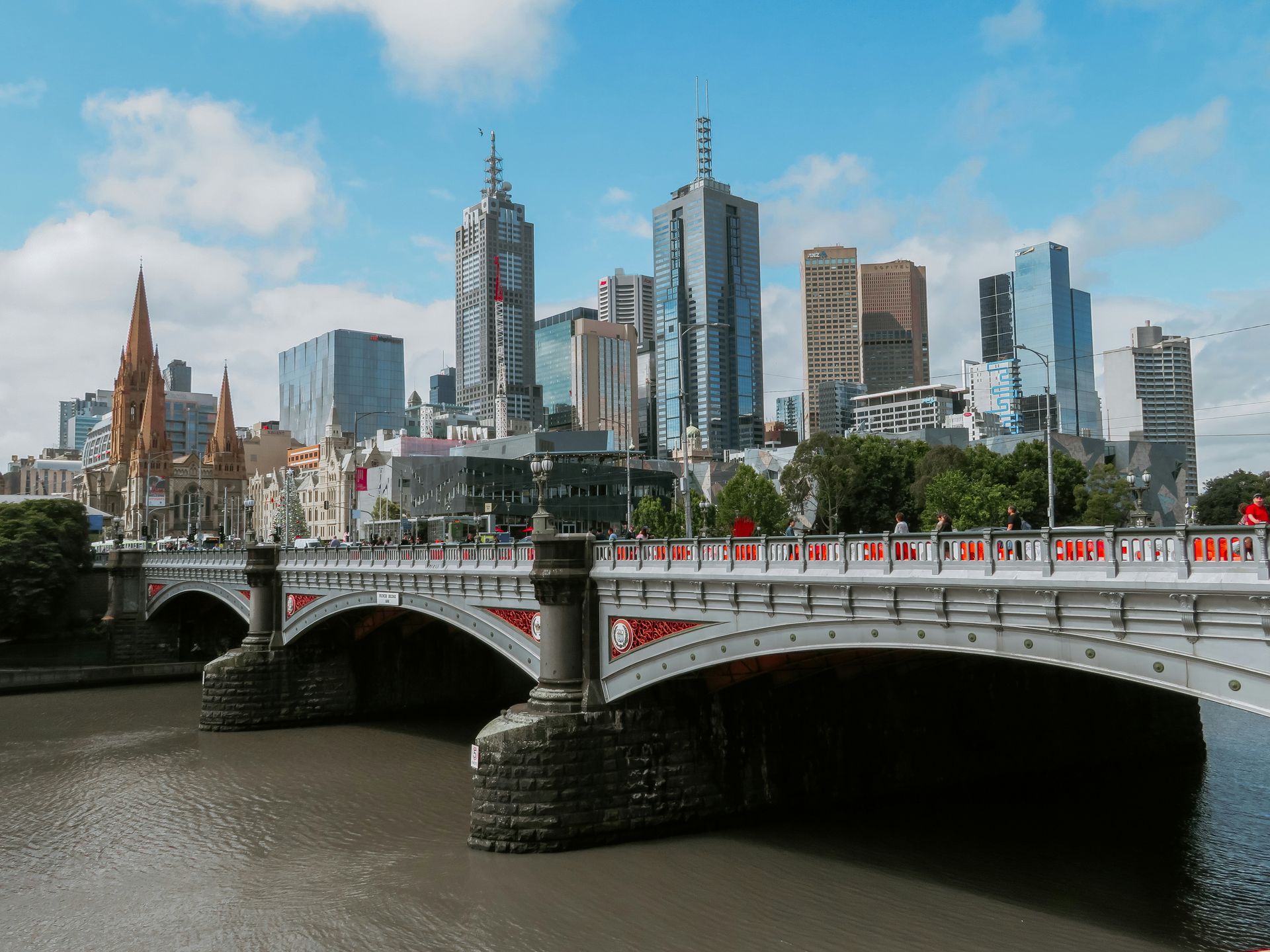
Melbourne earns its reputation as a 24-hour city once the sun goes down, when laneway bars fill up with locals and visitors seeking drinks, small bites, and live music tucked into narrow, easy-to-miss alleys throughout the central business district. In Collingwood, the Tote pub has become such a fixture of the local music scene that residents crowdfunded to keep its doors open, a level of community attachment few bars anywhere can claim.
Comedy occupies a similarly central place in Melbourne’s after-dark identity. Venues such as Spleen Bar and Basement Comedy Club host regular stand-up shows throughout the year, and the Melbourne International Comedy Festival, held each autumn between March and April, draws performers and audiences from across the country for a concentrated stretch of programming that rivals any comedy scene in Australia.
Late-night dining and drinking round out a Melbourne evening once the shows wrap up. Signature bars such as Nick & Nora’s and Cherry Bar cater to visitors looking to extend the night, while Stalactites offers a reliable option for anyone who needs food after midnight instead of another round of drinks.
Getting home safely after a long night out is easier in Melbourne than in most Australian cities thanks to the Night Network, a dedicated system of trains, trams, and buses that runs specifically on Friday and Saturday nights. This infrastructure reflects just how central nightlife is to Melbourne’s identity, since few cities build dedicated transit systems around the specific rhythms of a weekend night out. Visitors who plan an evening around the laneways, comedy clubs, and late-night bars can rely on the Night Network to bridge the gap between the last drink and a safe trip home without needing to arrange a taxi or rideshare in advance. This level of infrastructure, built specifically around a night out, sets Melbourne apart from other Australian cities, where nightlife tends to wind down once public transport stops running, and it reflects a broader civic attitude that treats a good night out as worth planning around rather than leaving as an afterthought.
Joshua Leong / Unsplash
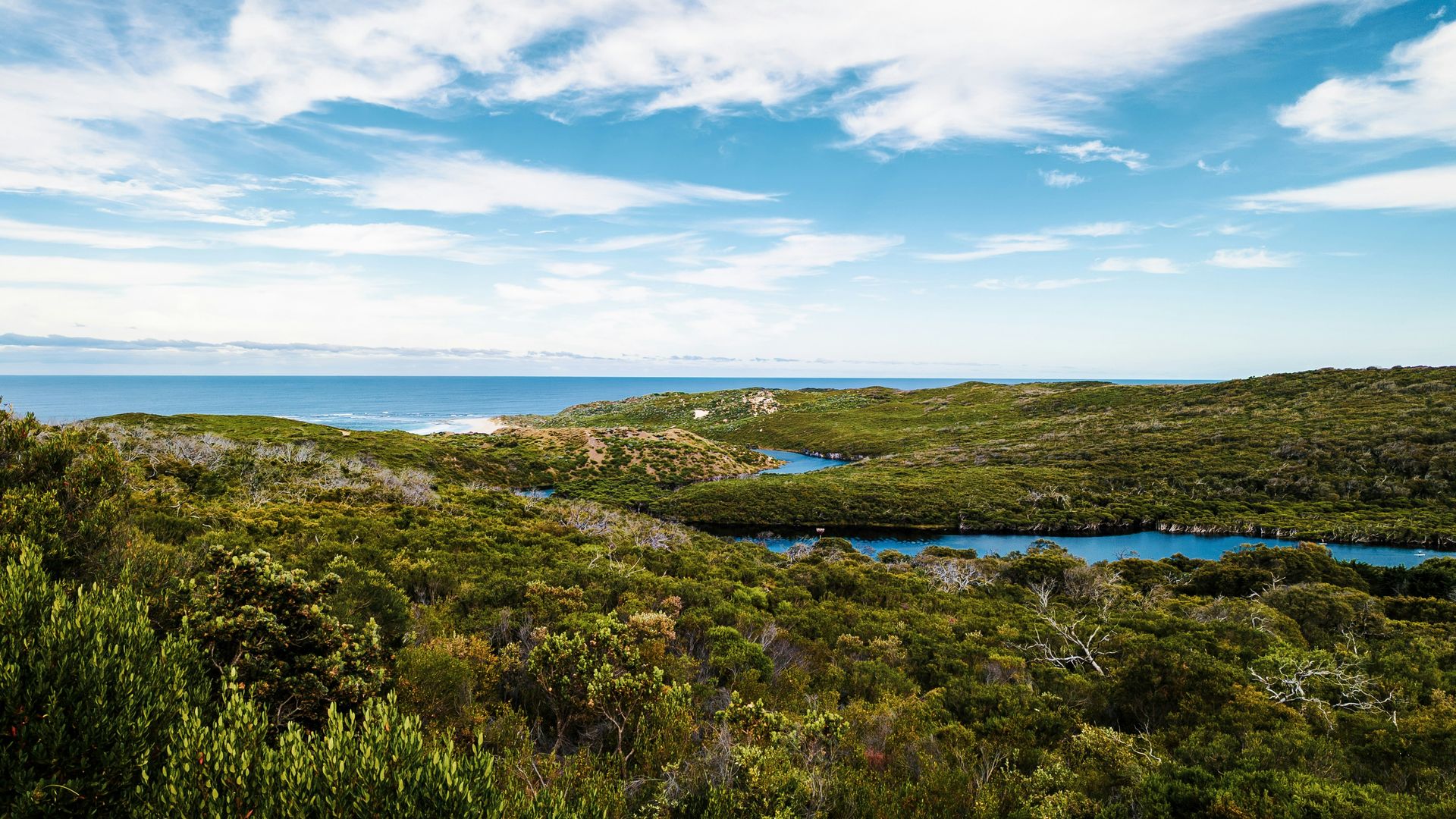
Western Australia’s Margaret River region distinguishes itself from Australia’s many other wine regions by pairing food and wine with genuine natural spectacle. Located south of Perth, the area ranks as one of the world’s biodiversity hotspots, home to numbats, a marsupial with meerkat-like behavior, along with Western ringtail possums and roughly 8,000 species of vascular plants. Remarkably, 80% of those plant species occur nowhere else on Earth, a concentration of endemic life that few other wine regions can match.
Roughly 95 wineries operate across Margaret River, producing award-winning sauvignon blanc, cabernet sauvignon, Semillon, and chardonnay that have built the region’s international reputation. This density of wineries within a relatively compact area allows visitors to sample a wide range of styles without extensive travel between stops, a convenience that has helped cement Margaret River’s status as a premier wine destination.
Working off a day of eating and drinking is easy, given the region’s range of adventure options. Surfers can paddle out into the legendary southwesterly swell at some of the state’s best beaches, while other visitors descend into an extensive network of limestone caves that run beneath the region’s surface. Hikers can tackle a portion of the Cape to Cape track, a 123km, or 76-mile, coastal route that links many of the region’s most scenic points.
Learning about the area’s traditional owners, the Wadandi (Saltwater) people, adds important context to a Margaret River visit. Koomal Dreaming offers guided walks and food experiences centered on Wadandi culture, giving visitors a way to understand the region’s human history alongside its wine and biodiversity credentials. Few wine regions in the world combine an active surf culture, an extensive cave network, and a genuine biodiversity hotspot within the same compact footprint, which is precisely what sets Margaret River apart from comparable destinations elsewhere in Australia. Visitors who arrive expecting only vineyards typically leave describing the region’s natural attractions as an equal, if not greater, draw.
Paul Asman and Jill Lenoble / Wikimedia Commons (CC BY 2.0)
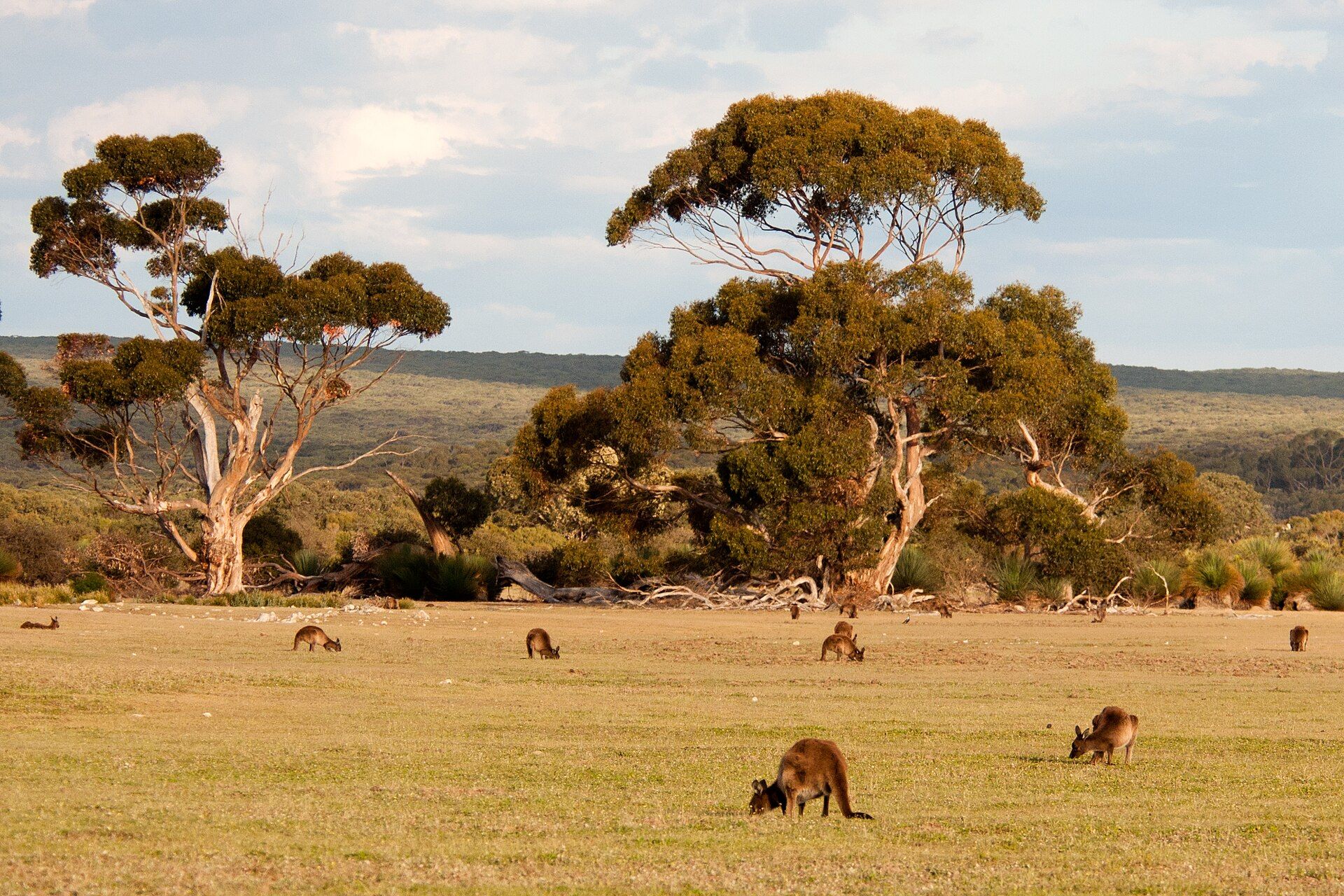
Just across the water from Adelaide, Kangaroo Island functions as a haven for wildlife found nowhere else in comparable concentration, including its namesake kangaroos, wallabies, koalas, echidnas, and the platypus. At Penneshaw, little penguins waddle to their dens each evening, while Seal Bay Conservation Area hosts the world’s third-largest sea lion colony, lounging among limestone cliffs, visible and, as many visitors note, distinctly smellable from close range.
Rarer species reward visitors who spend more time exploring beyond the island’s headline attractions. The endangered glossy black cockatoo, identifiable by its red tail feathers, occasionally appears to patient birdwatchers, while the exceptionally shy Kangaroo Island dunnart, a tiny marsupial found only on the island, remains a genuine challenge to spot even for dedicated wildlife enthusiasts.
Kangaroo Island’s appeal extends well beyond its animal population. Local producers, including distilleries, wineries, and beekeepers, operate throughout the island, and the beekeeping industry holds a particularly unique distinction, producing honey from the only purebred Ligurian bee colony left anywhere in the world. This genetic isolation, preserved by the island’s separation from the mainland, makes Kangaroo Island honey a product with no true equivalent elsewhere.
Nighttime driving on Kangaroo Island carries real risk, given how many of its native species become active after dark. Kangaroos and other wildlife move more freely at night, and visitors should avoid driving during those hours, a precaution that protects both the animals and anyone unfamiliar with the island’s unlit rural roads. Daytime exploration remains the safer and more rewarding option in nearly every case, since visitors can spot most of the island’s headline wildlife, from the sea lions at Seal Bay to the penguins at Penneshaw, just as reliably in daylight. A visit that respects the island’s nocturnal rhythms instead of fighting against them tends to produce both a safer trip and better wildlife sightings overall, since dawn and dusk still offer plenty of activity without the added danger of driving among animals crossing unlit roads after full dark.
Roselyn Cugliari / Unsplash
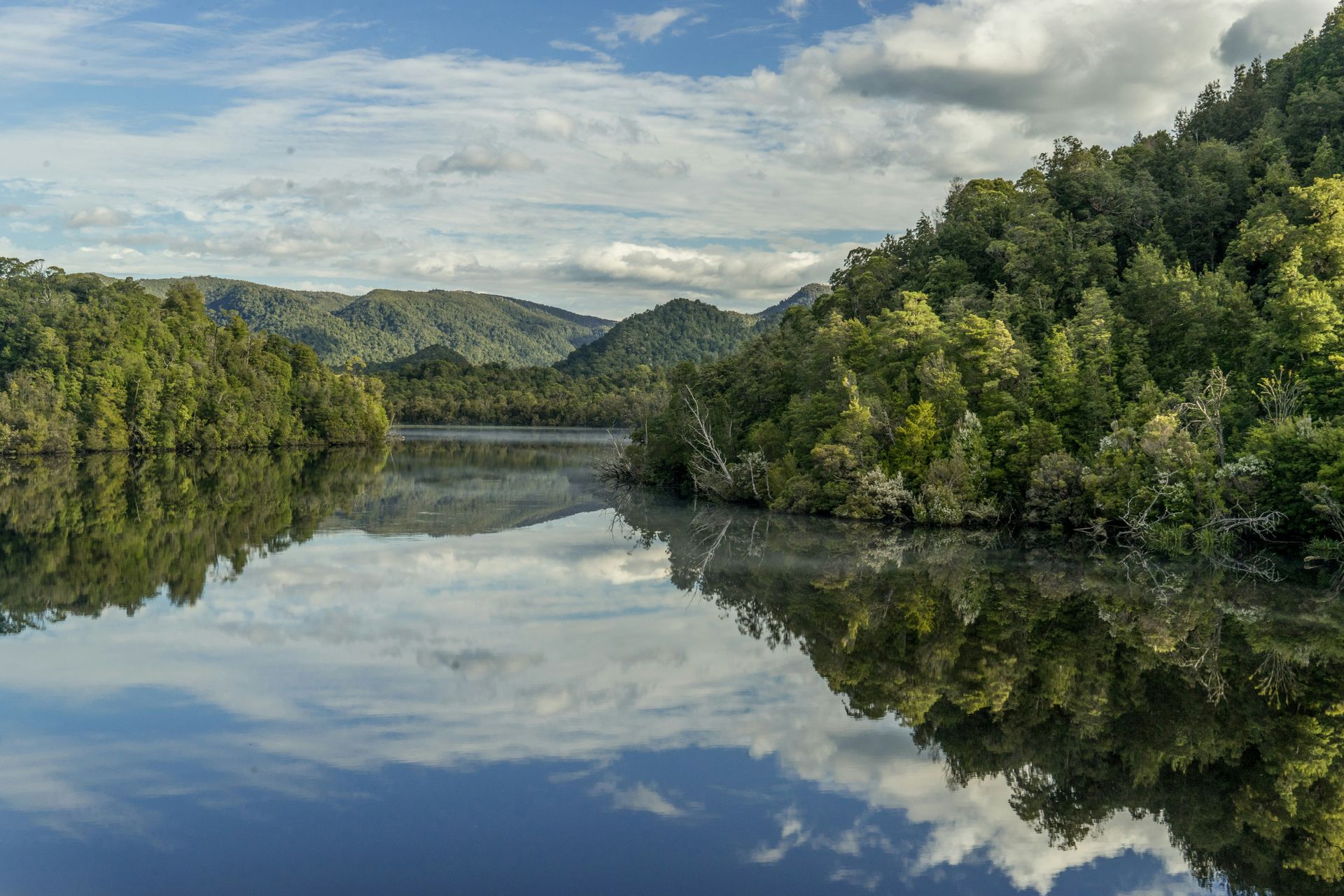
Few Australian destinations pack as much sensory variety into one place as Tasmania, an island known for its thriving festival calendar, a world-class art gallery, and wilderness that draws nature lovers from across the country. The state manages to combine urban culture and untouched nature in a way that keeps visitors moving between genuinely different kinds of experiences within a single trip.
Food and drink form a central part of the Tasmanian experience. Lark Distillery, Australia’s first carbon-neutral distillery, sits on Hobart’s waterfront and offers whisky tastings, while Bruny Island delivers freshly shucked oysters straight from the water. Launceston holds its own culinary distinction as a UNESCO City of Gastronomy, a designation held by roughly only 50 cities worldwide, and restaurants such as Stillwater showcase exactly why the city earned that recognition.
Tasmania’s cultural offerings extend well beyond food. Mona, the Museum of Old and New Art, has built a reputation for weird and provocative exhibits that spark debate as often as admiration, while the Dark Mofo and Mona Foma festivals bring international music to the island during the winter and summer months, respectively. Hiking trails throughout the state provide a physical counterpoint to the museum’s indoor spectacle, and boat tours around some of the world’s highest sea cliffs add a final sensory layer built around open water and dramatic scale.
Logistics require more planning in Tasmania than in many other Australian destinations. Renting a car during the busy summer season can prove difficult without advance booking, and the car ferry connecting the island to the mainland often sells out, with bookings opening as much as 11 months ahead of a planned crossing. Visitors who plan around these constraints early tend to have a far smoother trip than those who arrive expecting availability on short notice, since the same qualities that make Tasmania feel wild and uncrowded also mean that its transport infrastructure operates on a smaller scale than that of the mainland’s larger cities.
Manny Moreno / Unsplash
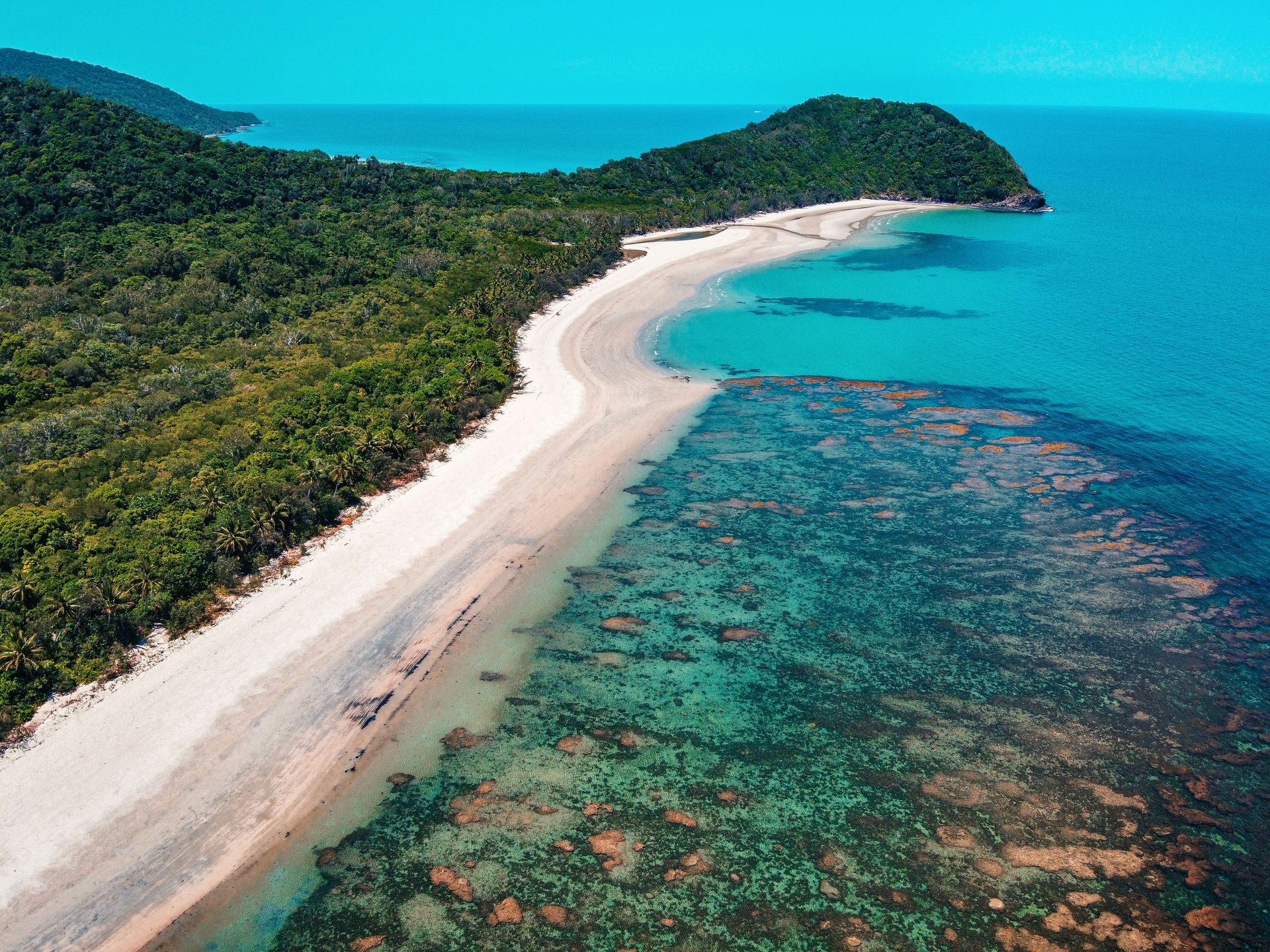
The Great Barrier Reef stands among the planet’s most extraordinary natural wonders, offering access to marine life and coral formations that few other underwater environments can match. Divers can swim alongside colorful fish, manta rays, and sea turtles in clear tropical waters, while visitors who prefer to stay dry can still take in the reef’s scale through glass-bottom boat tours that reveal the ecosystem below without requiring anyone to get wet.
Scenic flights over the reef give visitors an entirely different perspective on its scale, revealing patterns and colors from above that are impossible to appreciate from within the water itself. This aerial view helps convey just how vast the reef system is, since even an extended dive samples only a tiny fraction of its total area.
Staying directly on an island within the reef system extends the experience well beyond a single-day trip. Hamilton Island and Lizard Island both offer accommodations that let visitors wake up within reach of the reef itself, turning what might otherwise be a rushed day tour into a slower, more immersive stay built entirely around the surrounding water.
Choosing the right entry point matters, given how vast the reef stretches along Australia’s northeastern coast. Cairns, Port Douglas, and the Whitsundays all serve as popular starting points, each offering its own mix of tours and accommodations suited to different budgets and comfort levels. The window between May and October pairs warm water with strong visibility, making it the period most experienced visitors recommend for a first reef trip. First-time visitors who choose their base carefully often find they can build an entire itinerary, from day trips to island stays, around a single one of these three entry points without ever needing to relocate. This kind of planning matters more at the Great Barrier Reef than at most destinations, since the reef’s scale means no single access point offers a complete picture of what lies beneath the surface.
Amanda Kevin / Unsplash
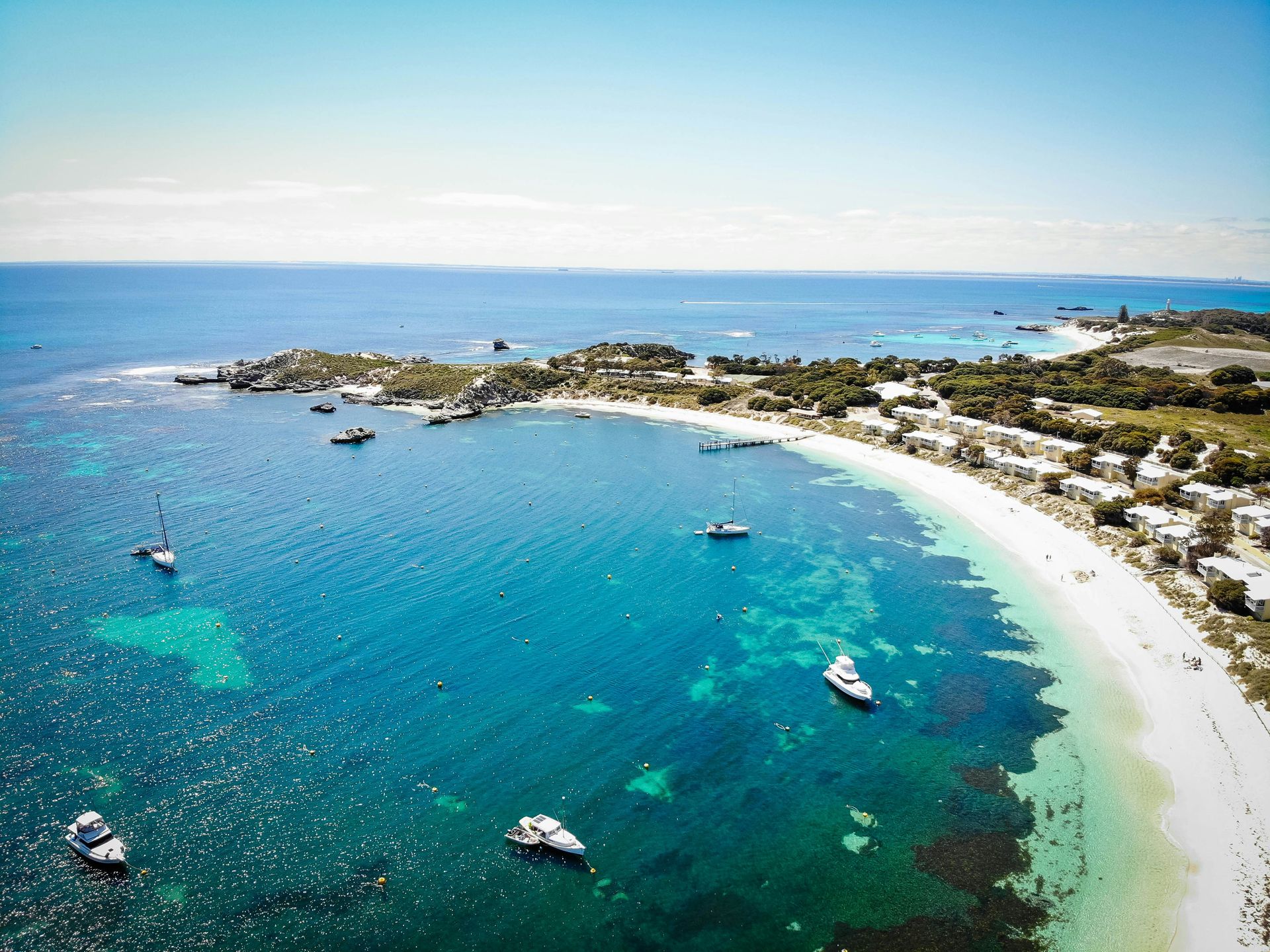
Rottnest Island sits just off the coast of Perth, offering a car-free environment that immediately sets it apart from most Australian coastal destinations. Bicycles become the default mode of transport the moment visitors arrive, and pedaling along the island’s sandy paths leads to secluded coves that would be far harder to appreciate from behind a windshield. The absence of cars also means a quieter, slower pace than most island destinations manage, since nothing on Rottnest moves faster than a bicycle or a golf cart.
Wildlife spotting happens naturally while exploring by bike, and the island’s most famous residents, quokkas, have become something of an international phenomenon thanks to their curious, apparently smiling expressions. These small marsupials show little fear of visitors, making close encounters common for anyone cycling the island’s trails at a relaxed pace. This pairing of car-free travel and approachable wildlife has made quokka photos one of the most recognizable elements of Rottnest’s tourism identity, drawing visitors who might otherwise overlook a small island best known for its beaches.
Beach selection on Rottnest borders on overwhelming, with 63 beaches and 20 bays spread across the island’s compact footprint. Visitors can snorkel through turquoise shallows, paddleboard across calm bays, or simply claim a stretch of sand and spend an afternoon doing nothing more ambitious than watching the water. This sheer volume of beach options means even repeat visitors can find somewhere new to settle in on each trip, a rare quality for an island small enough to circle by bike in a single day.
Limited accommodation on the island means most visitors treat Rottnest as a day trip from Perth instead of an overnight stay, particularly during the busy summer months. Ferry tickets and bike rentals both sell out during peak periods, making advance booking essential for anyone hoping to avoid disappointment on arrival. Visitors who do manage to stay overnight often describe the experience as the clearest reward for the extra planning, since the island empties out considerably once the day-trip crowds catch the last ferry back to the mainland.