

Money & Markets
Food delivery companies are gobbling each other upConsolidation has come to the food delivery industry.
Updated July 21, 20223 min read
Consolidation has come to the food delivery industry.
Amazon tried to warn them.
It wasn’t a good weekend for DoorDash on Twitter.
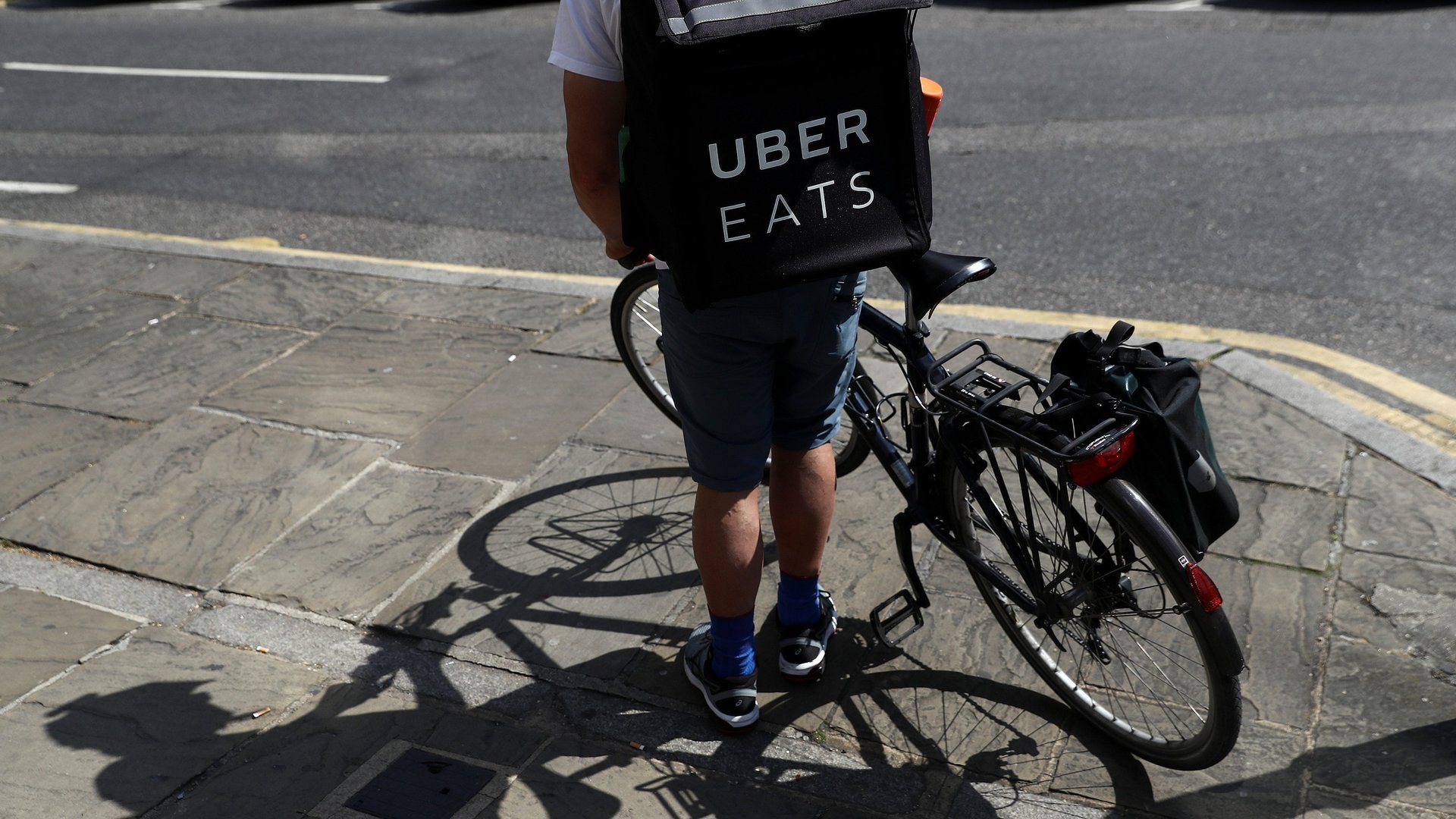
Uber plans to launch a restaurant accelerator program in London to cater to unmet demand from customers on its Uber Eats food delivery platform.
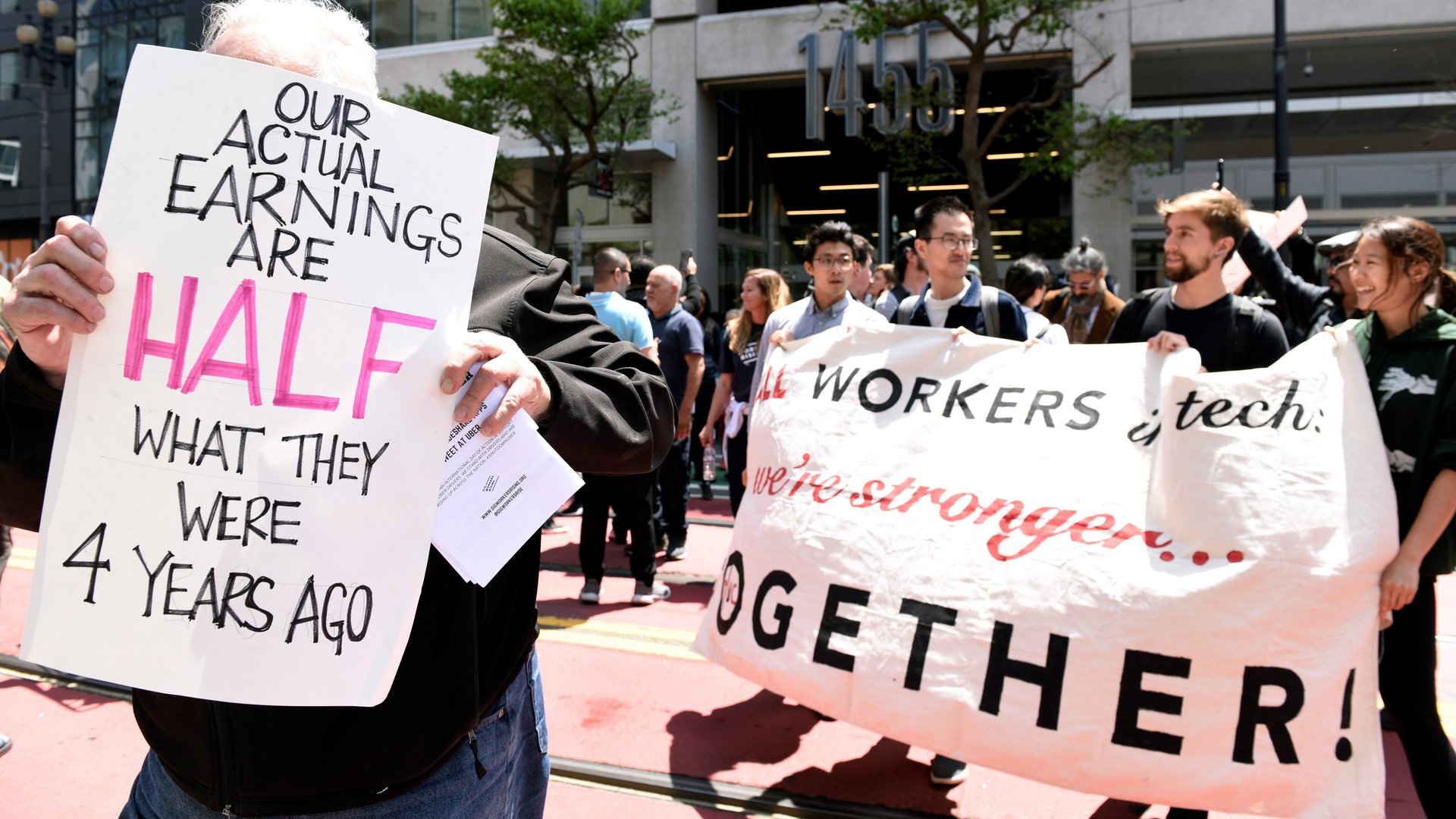
Gig companies are feeling the heat. A bill in California that has already passed the state assembly could make it harder for companies like Uber to classify their workers as independent contractors. That change could destroy the business models of these companies, which rely on contractors to supply on-demand labor for their services.
I never really wanted Amazon Prime.
Did you hear? Amazon Prime Day is coming! It’s almost here! Two days of epic deals! More than one million products on sale! The robots are readying! Lady Gaga is headlining!
Online advertising will soon just be “advertising.”
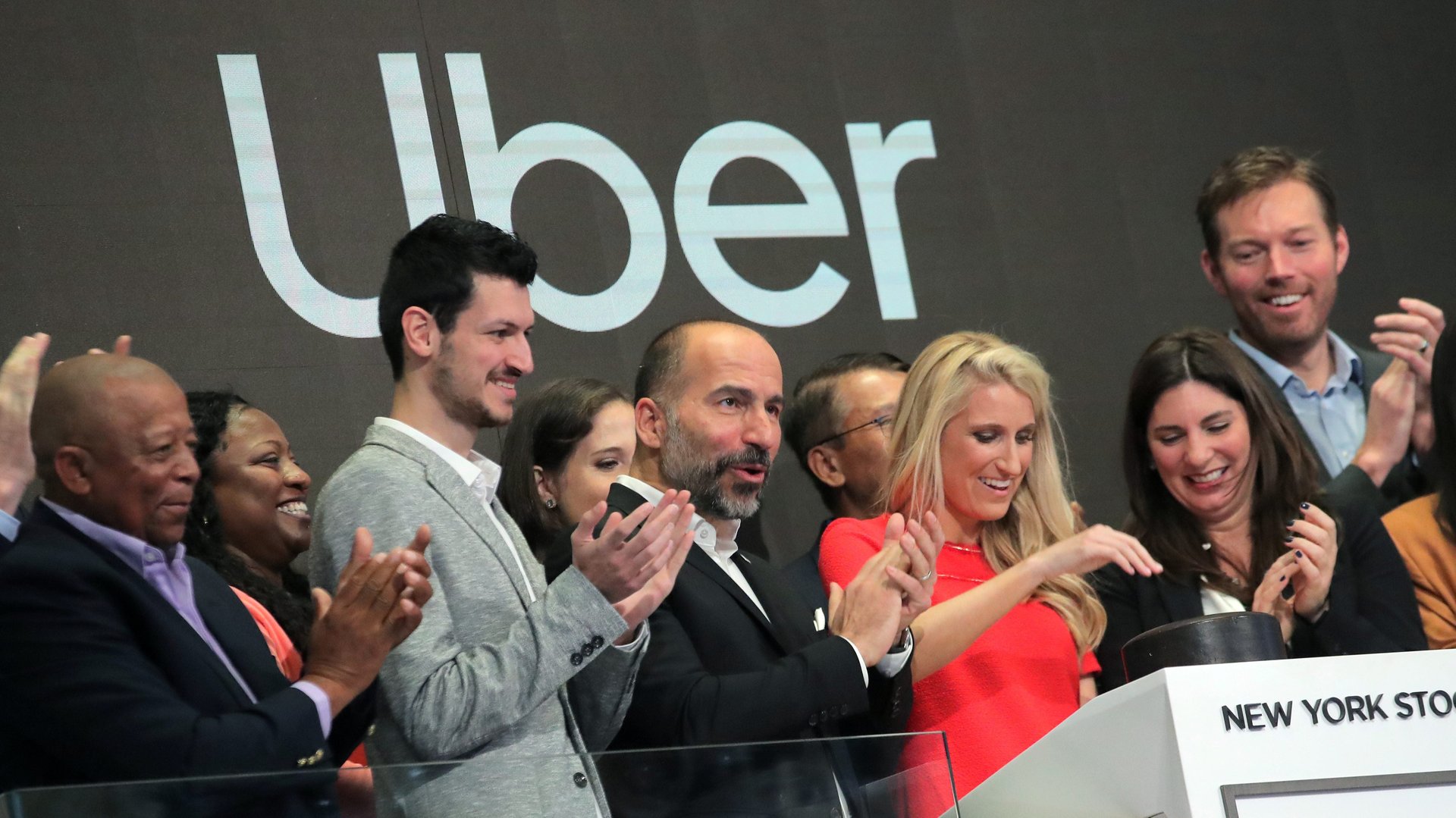
It’s a good year to be a venture capitalist.
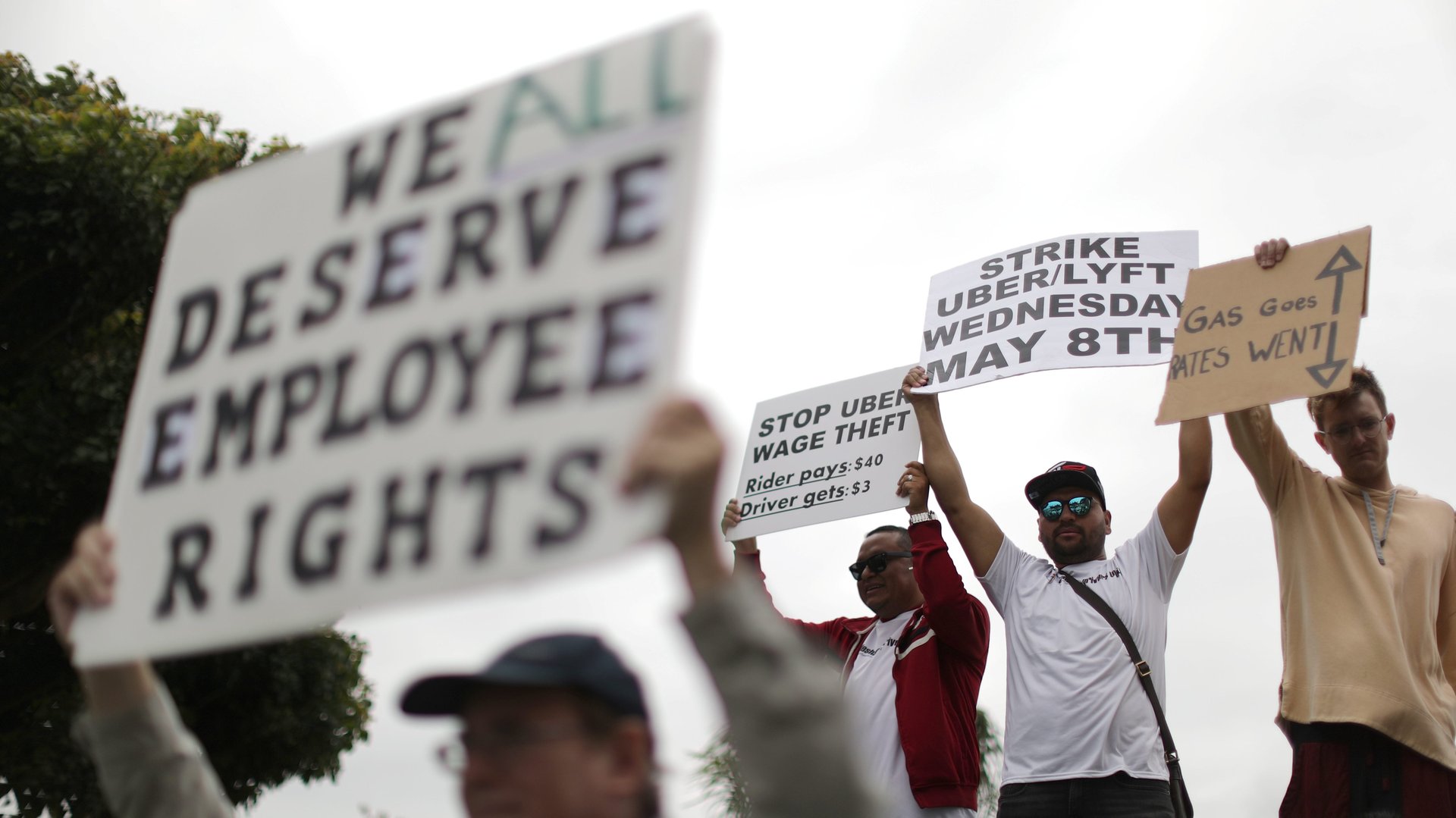
A bill before the California state senate could devastate the gig economy.
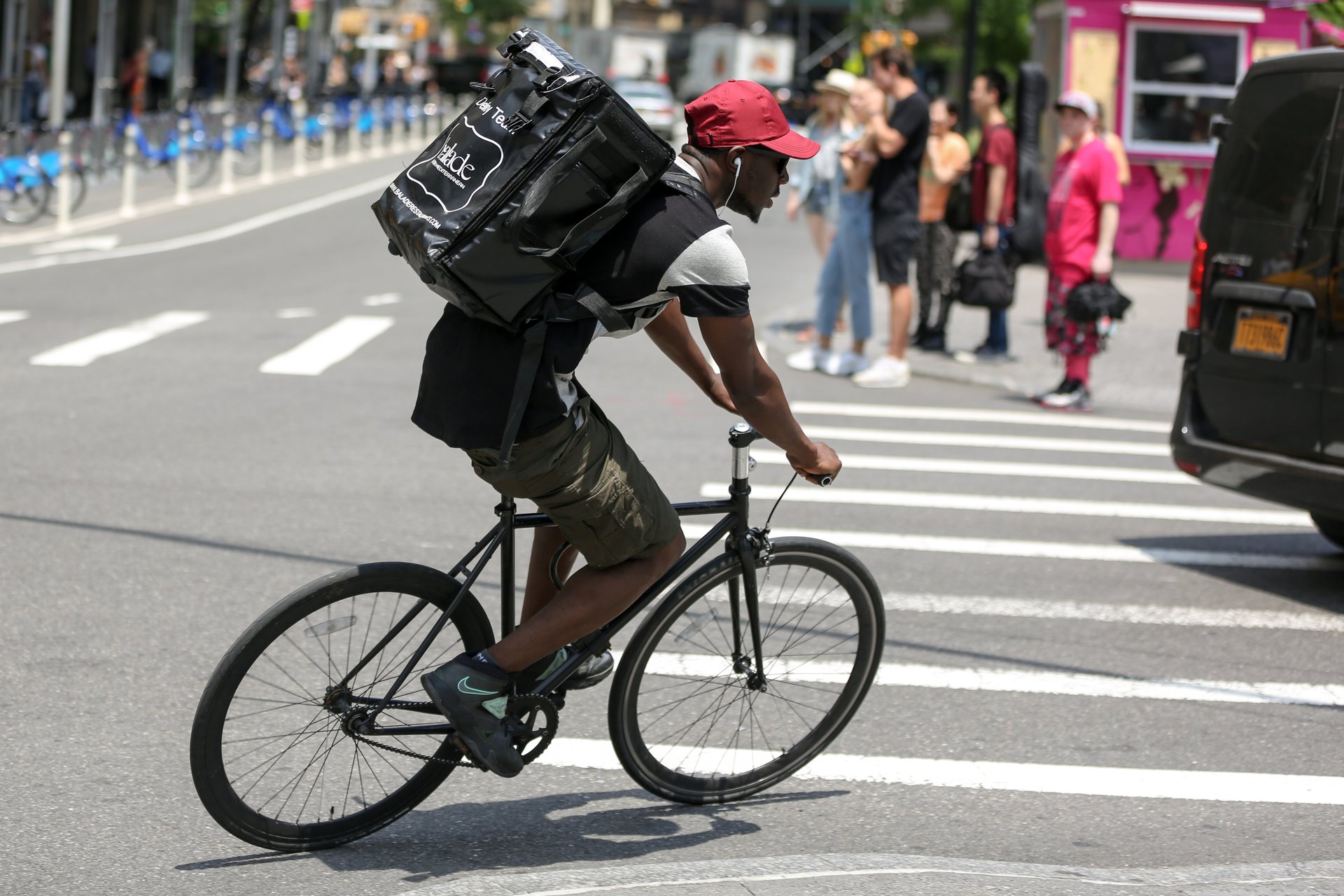
Food-delivery startup DoorDash came under fire earlier this year for using customer tips to subsidize driver pay. DoorDash promises workers, which it calls Dashers, a “guaranteed minimum” payment on each order. It counts customer tips toward that minimum, rather than on top of it.
Usually when regulators put a deal on ice, it’s a merger that could threaten competition. But when a company gets as big as Amazon, even their investments invite scrutiny.
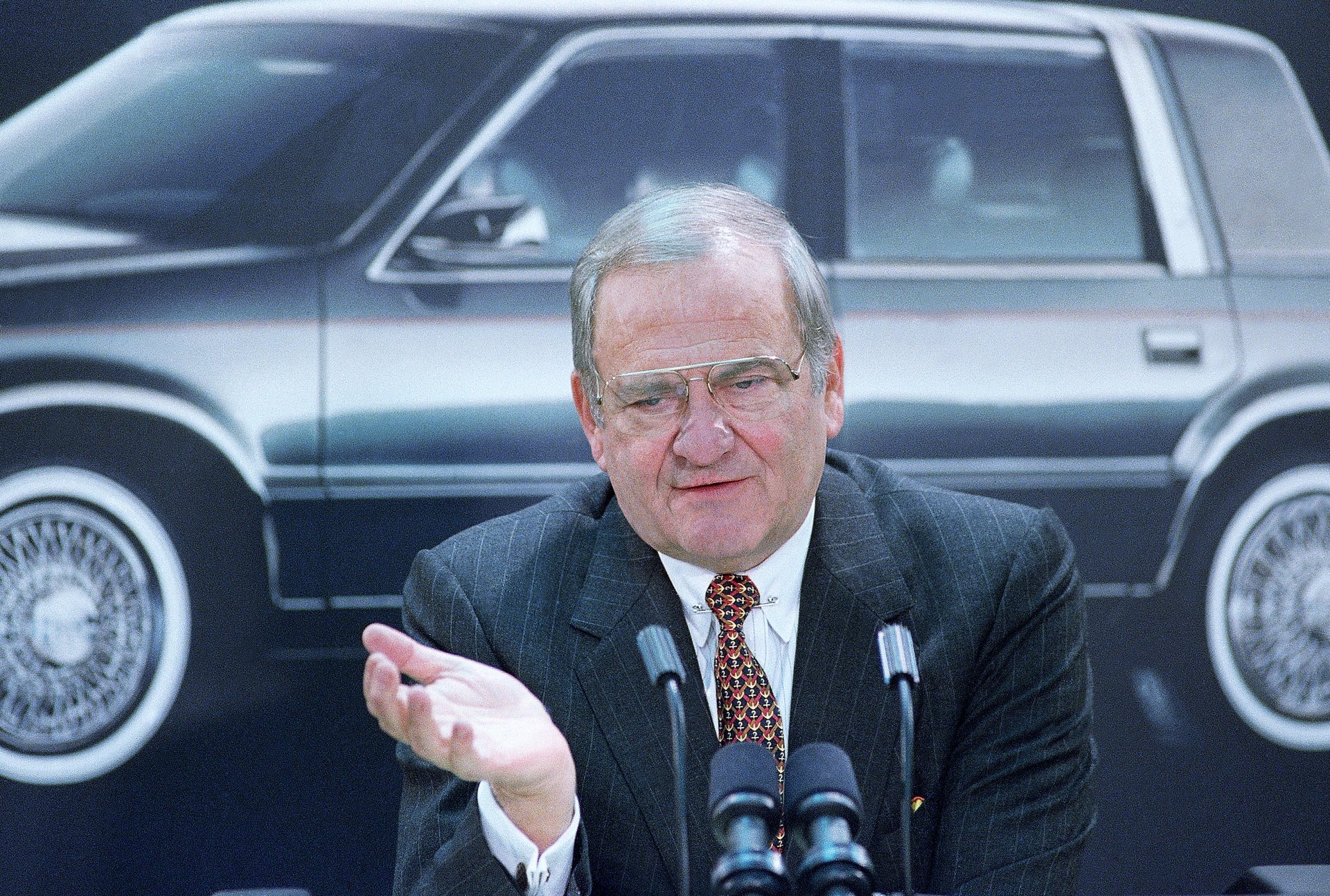
American car icon Lee Iacocca died on July 2 at age 94. The brash former chairman of Chrysler, Iacocca is best known for pulling the automaker from the brink of bankruptcy in the 1980s. He helped “define the role of the imperial American executive,” in the words of Automotive News, “a natural huckster and tireless competitor with Italian roots and a penchant for cigars, vinyl car roofs and Greek-temple grilles.”

Station F had a good second birthday.
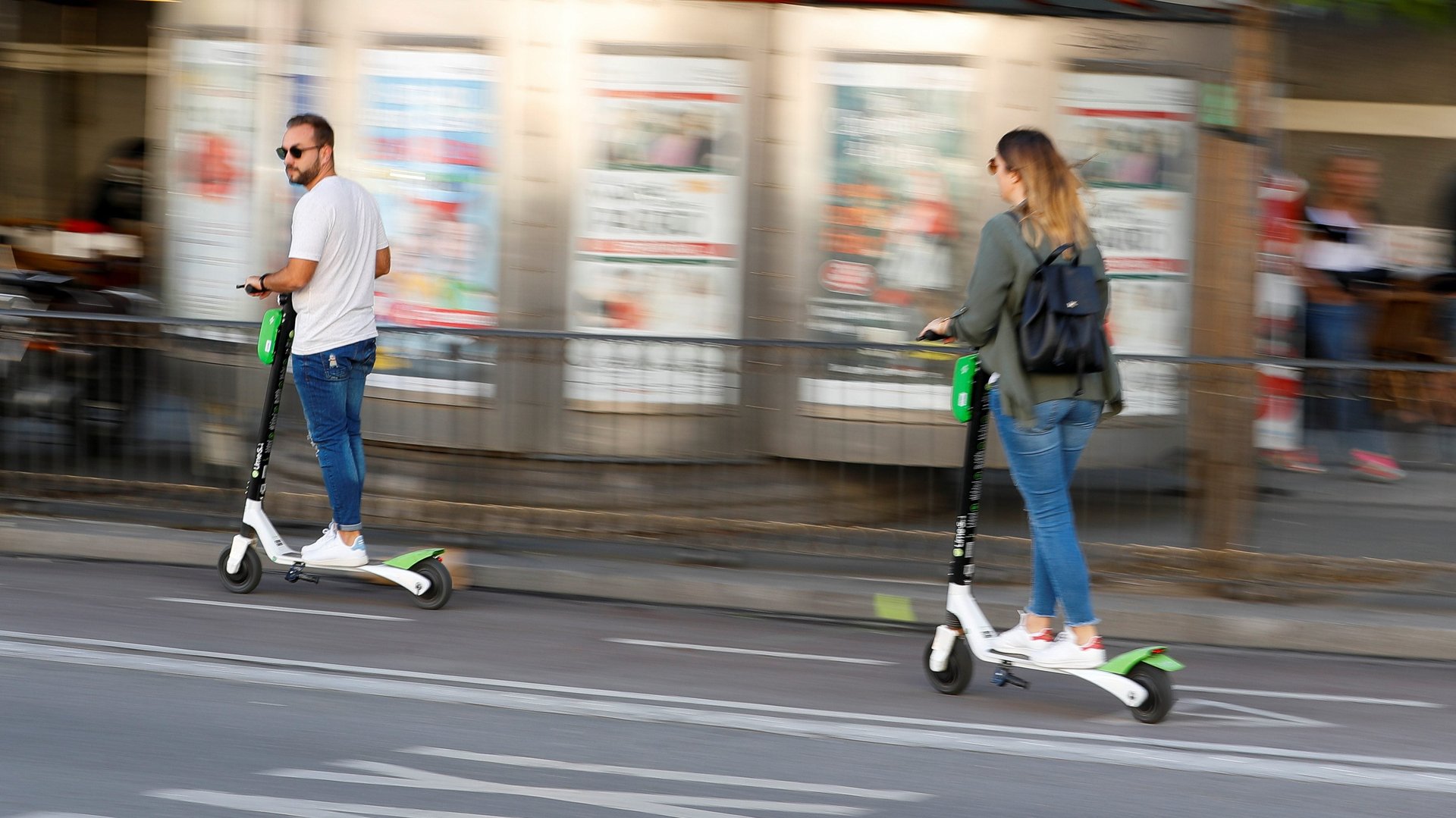
Nashville, Tennessee, could ban electric scooters a month after a man died riding one.
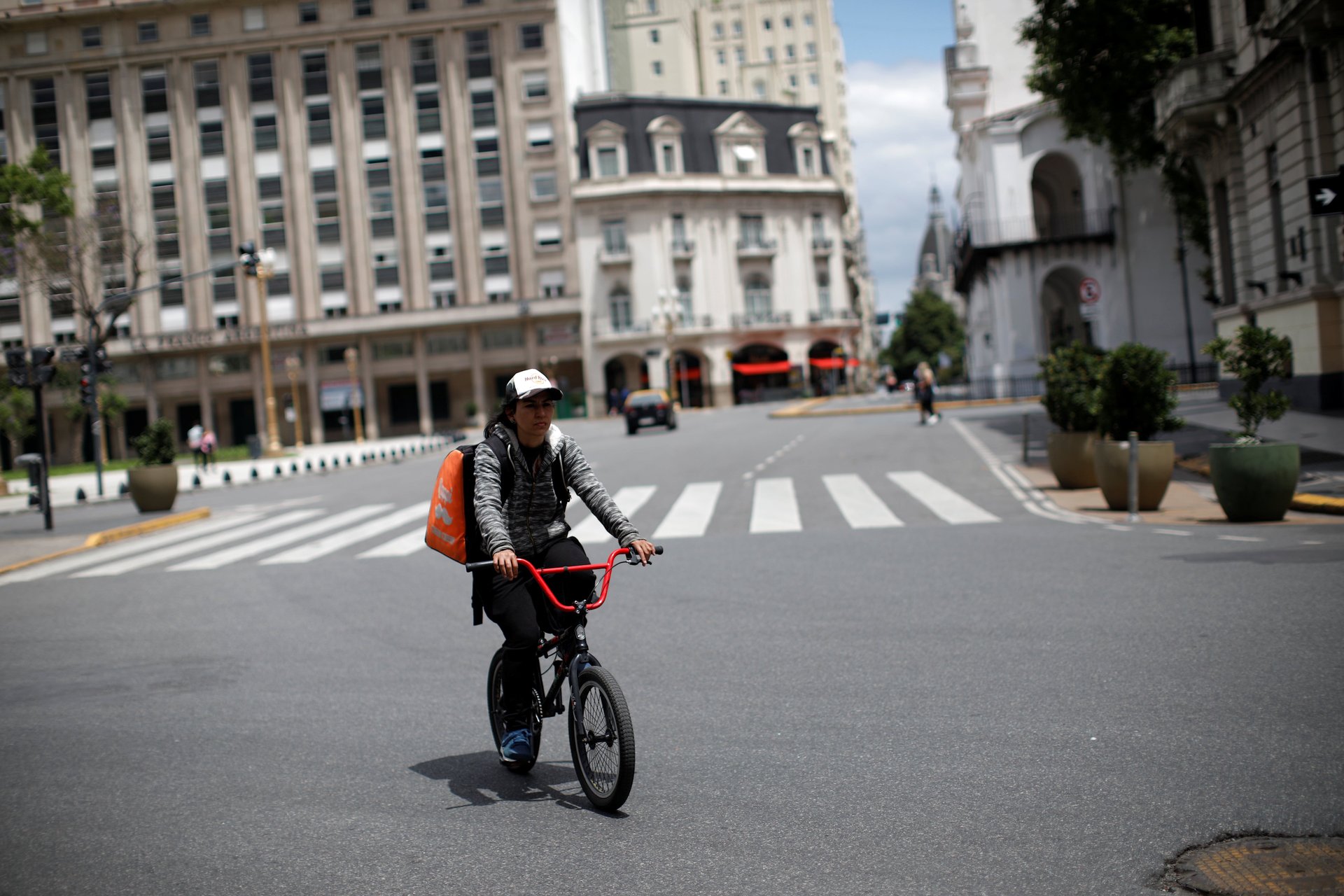
After years atop the US food delivery market, Grubhub has been unseated by a Silicon Valley challenger.
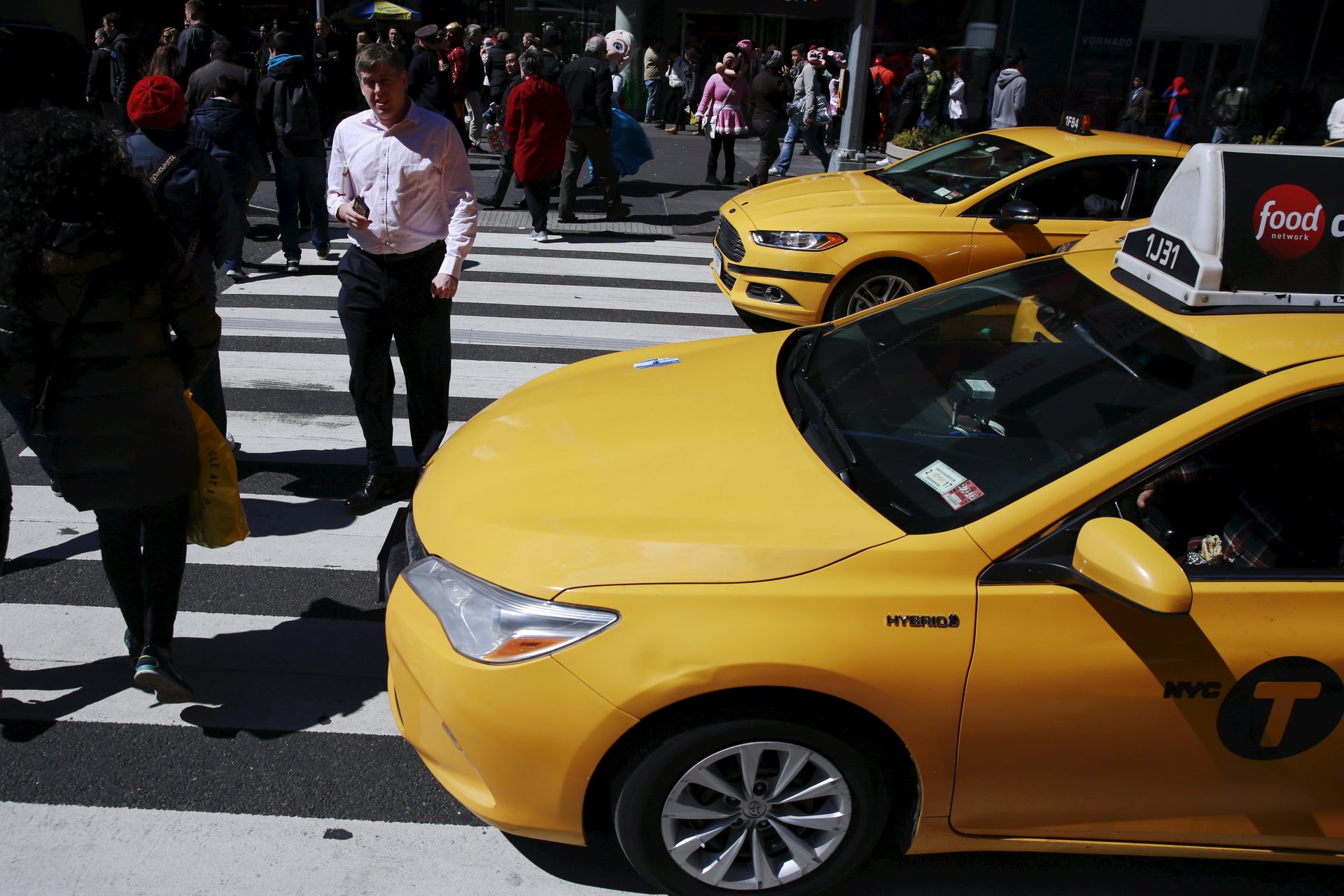
Uber and Lyft radically changed the landscape for the taxi industry, and in cities like New York contributed to the collapse of a bubble that left many drivers in financial ruin. But as an American occupation, the taxi driver is enjoying a renaissance.
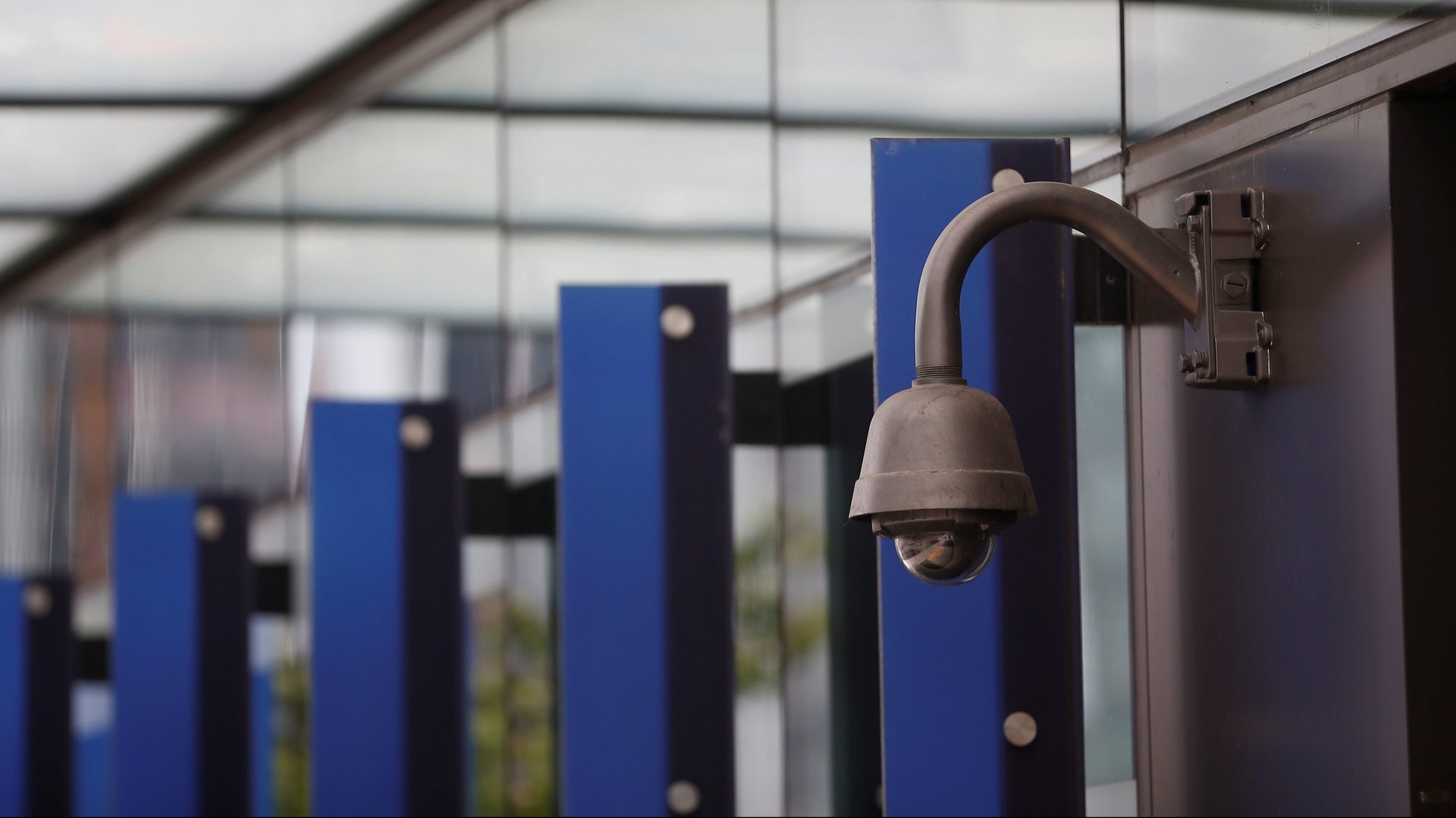
In case Amazon’s surveillance capabilities weren’t extensive enough with its Echo, Ring, and Key products, not to mention all the data Amazon routinely collects on its customers, the company recently received a US patent to provide “surveillance as a service.”
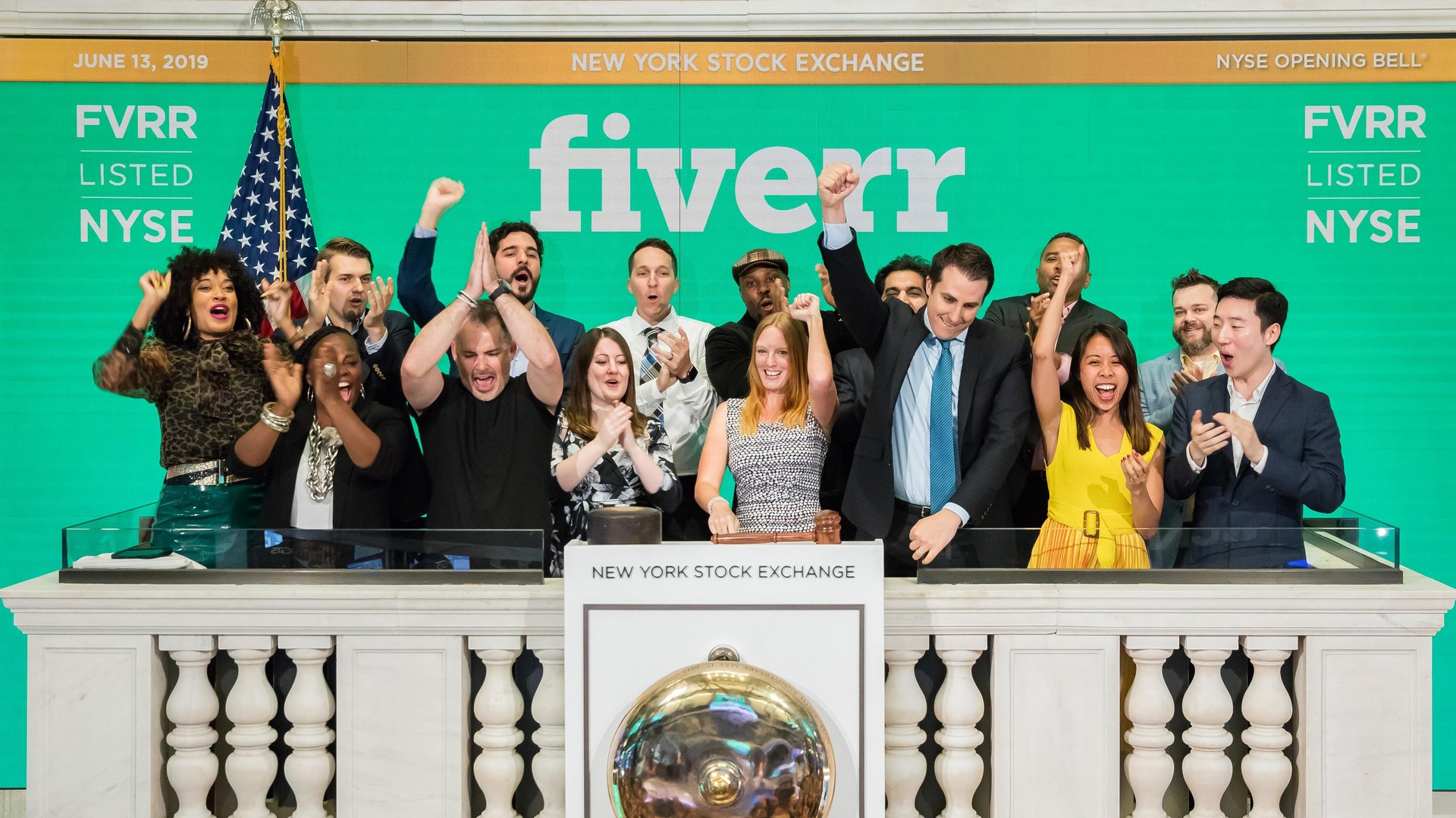
Fiverr, an Israel-based startup, is a sort of white-collar TaskRabbit—a freelance platform for services like digital marketing, ghost writing, and video editing that don’t require a physical presence. On June 13, Fiverr became the latest gig economy company to go public, following the debuts of ride-hail companies Uber and Lyft.
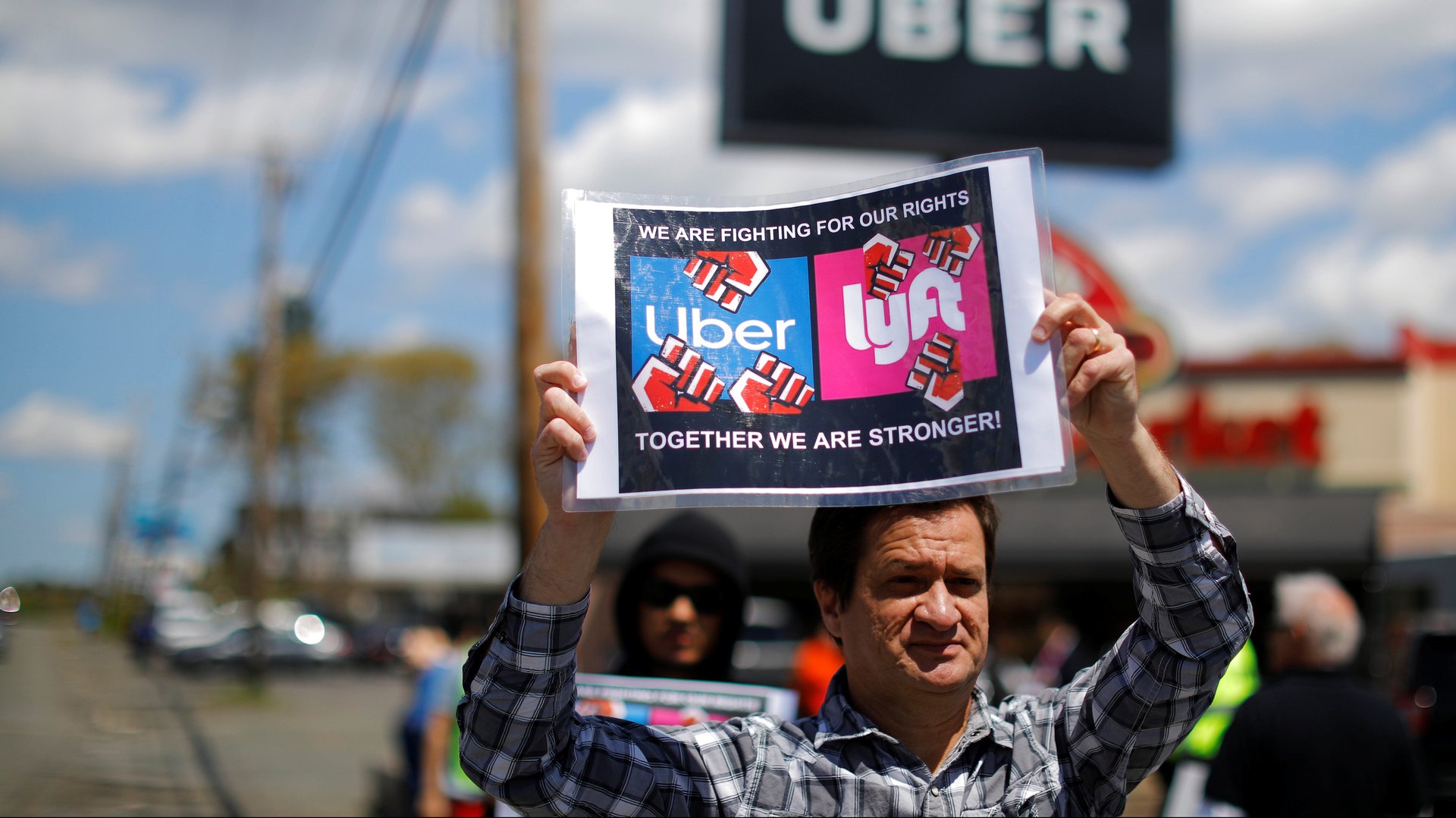
Uber and Lyft are scared.
Amazon needs more shoppers, so it’s giving people another way to pay.

Amazon plans to shutter its four-year-old Amazon Restaurants delivery service in the US this month, GeekWire reported June 10.
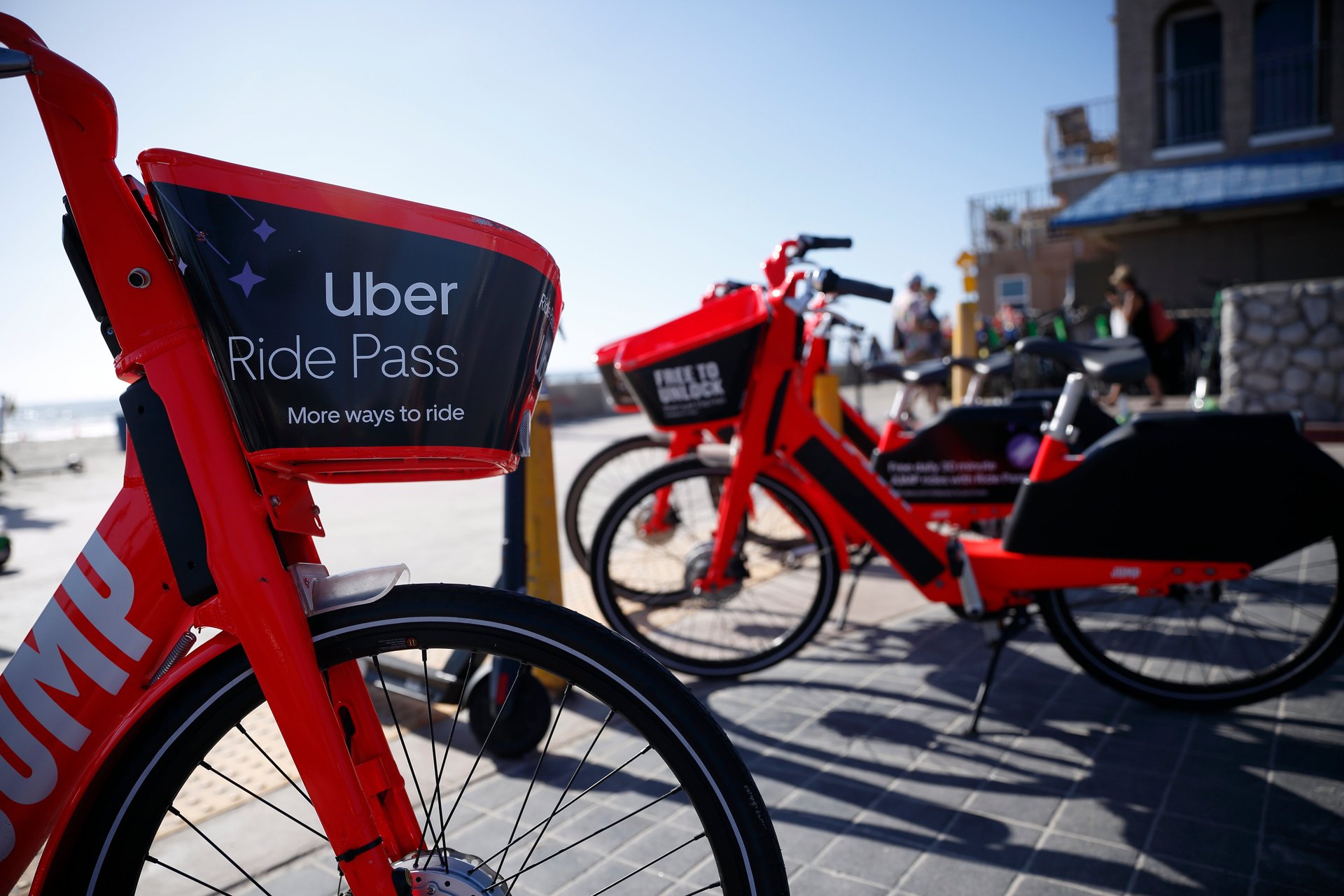
Lyft, a $17 billion public ride-hailing company, talks a lot about ending car ownership. In November 2015, co-founder John Zimmer declared the end of car ownership at an auto conference in Los Angeles. “Simply put, owning a car today is not enjoyable,” he said.

“Sometimes simplicity is a beautiful thing,” Uber CEO Dara Khosrowshahi said May 30, after an impossibly complicated introduction to the company’s first-ever earnings call.