Taking a cue from Indian prime minister Narendra Modi’s manufacturing push, Chinese smartphone maker Huawei has learned that to make it in India you have to ‘Make in India.’

Taking a cue from Indian prime minister Narendra Modi’s manufacturing push, Chinese smartphone maker Huawei has learned that to make it in India you have to ‘Make in India.’

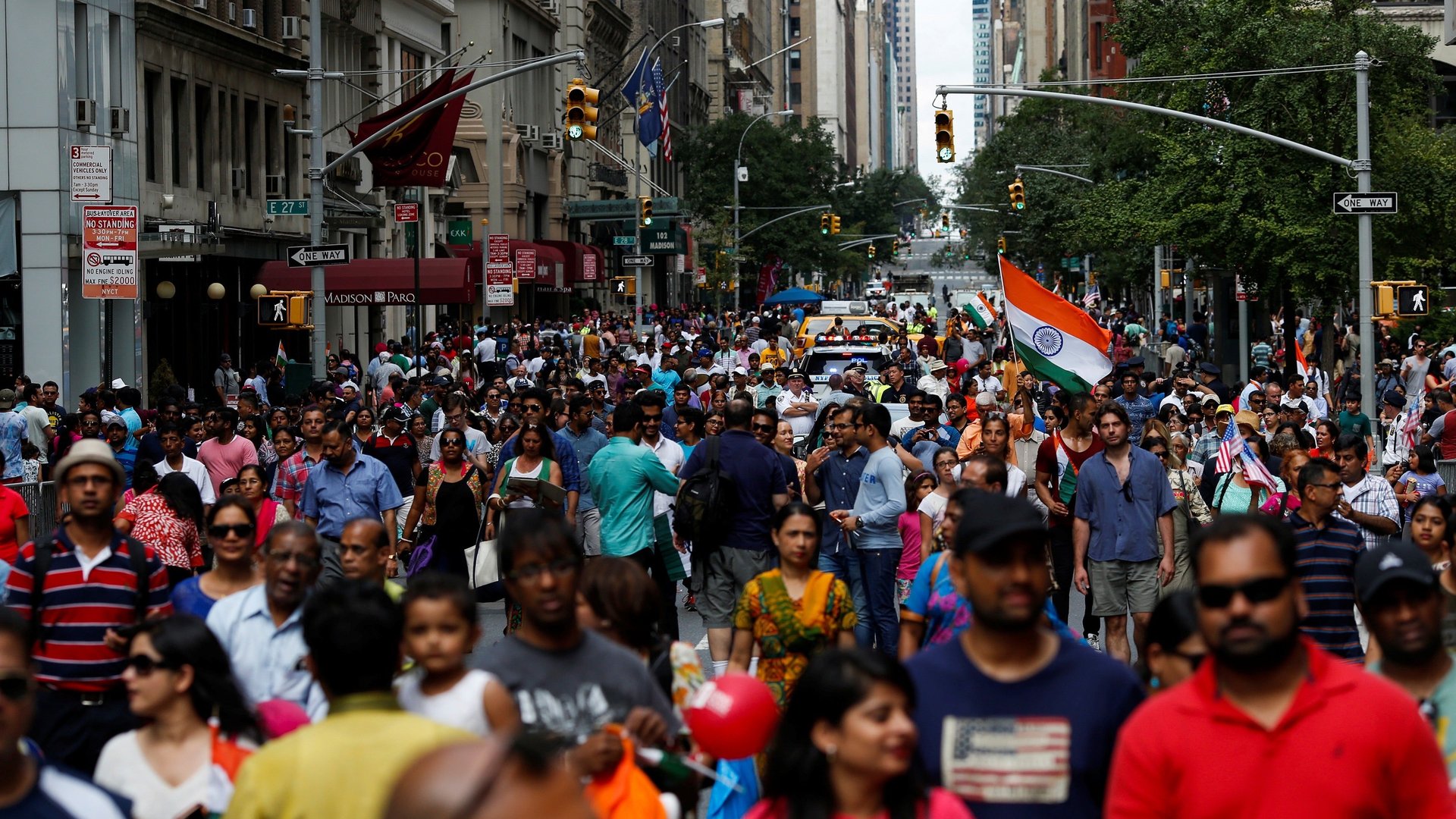
Indians are staying in the US illegally at far higher rates than any other nationality.

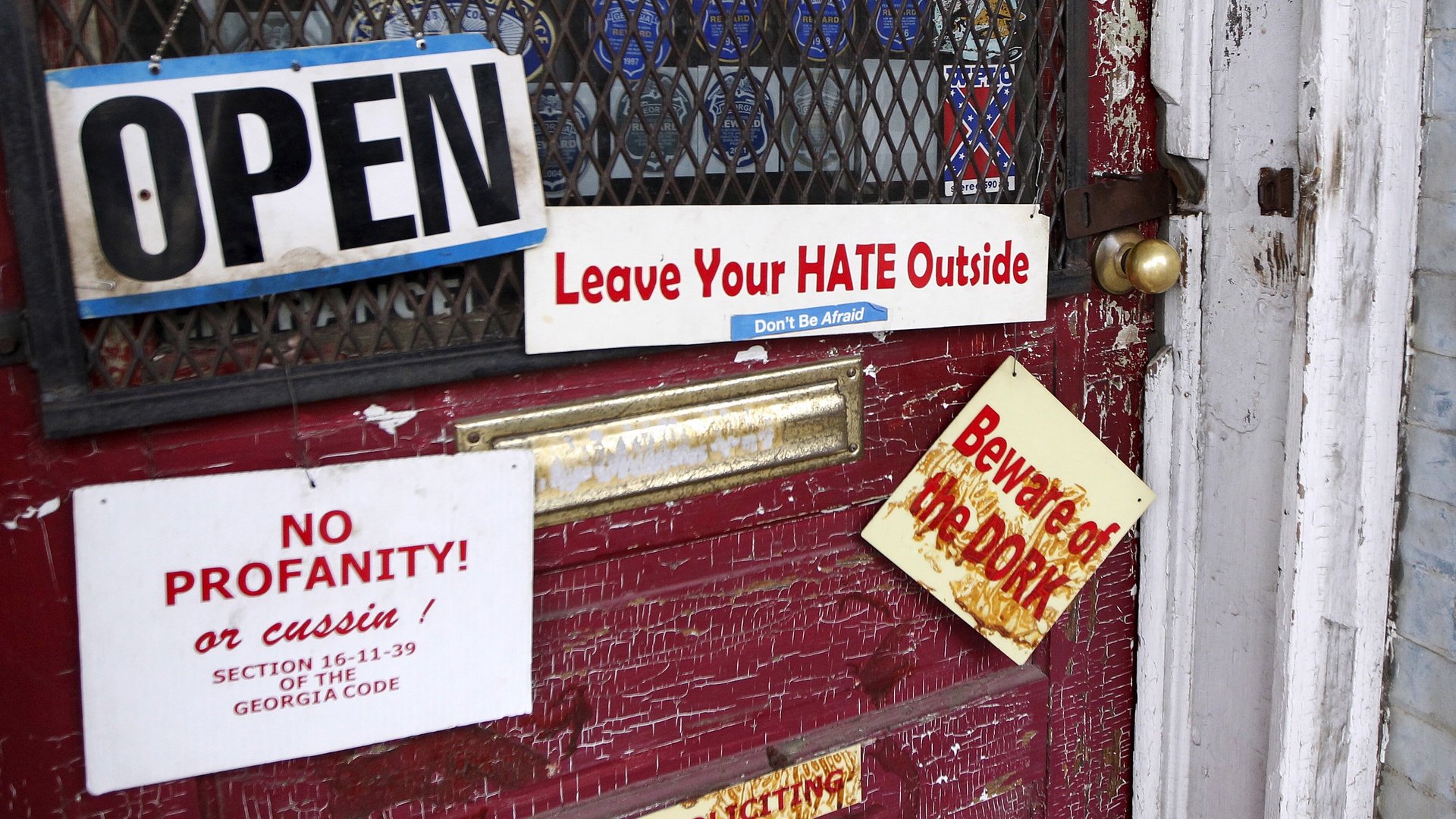
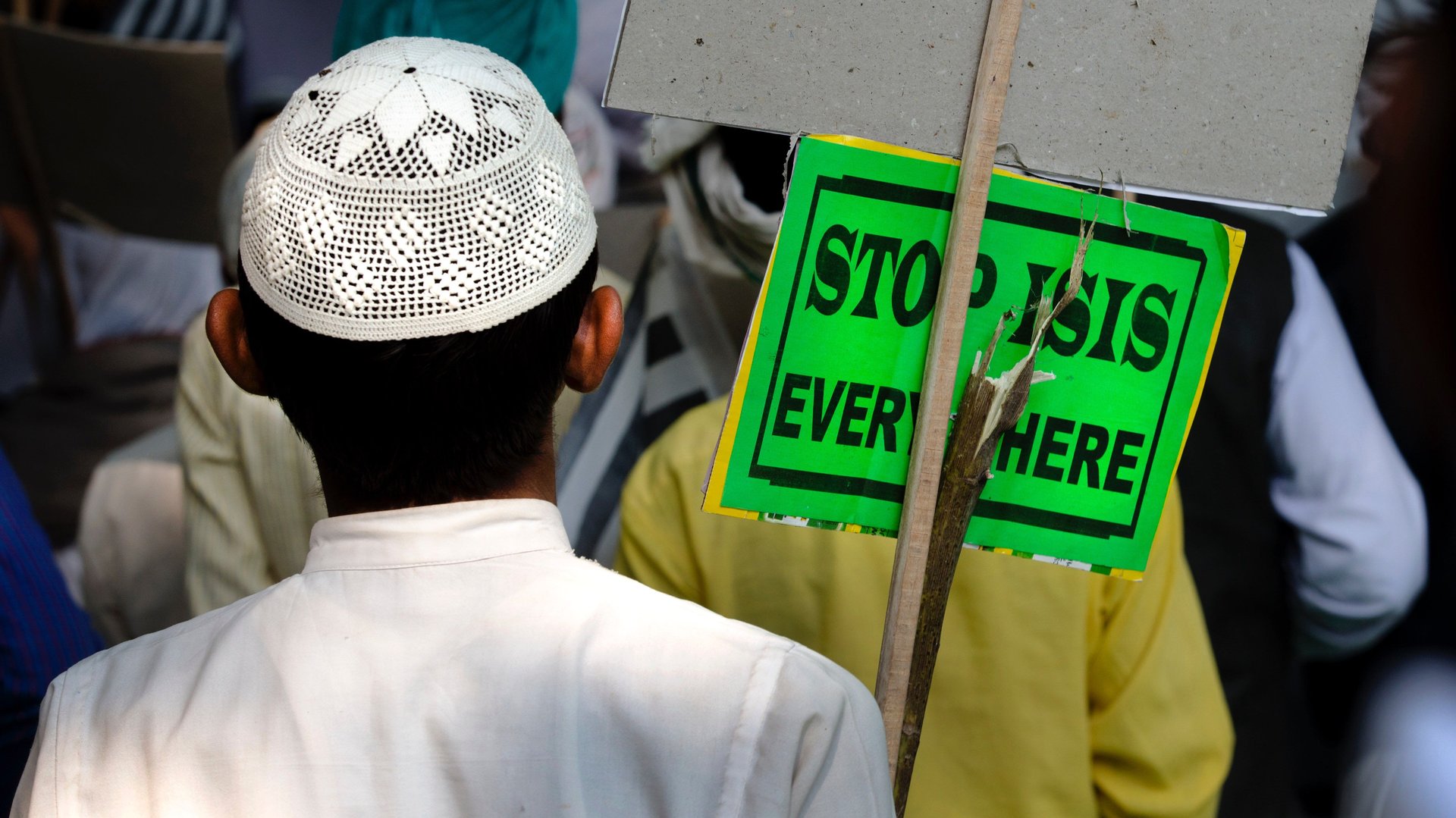
Facebook and YouTube have long allowed users to flag offensive content. In response to the rise of propaganda from extremist groups like ISIL, German xenophobes, and far-right radicals in the US, the platforms are now giving outsiders unprecedented importance in countering extremist efforts.

Yahoo disclosed it was the target of a massive cybersecurity breach that exposed details of over 500 million users.

With terrorism on the rise, law enforcement officials across the world are turning to social media to curb messages from terror outfits.

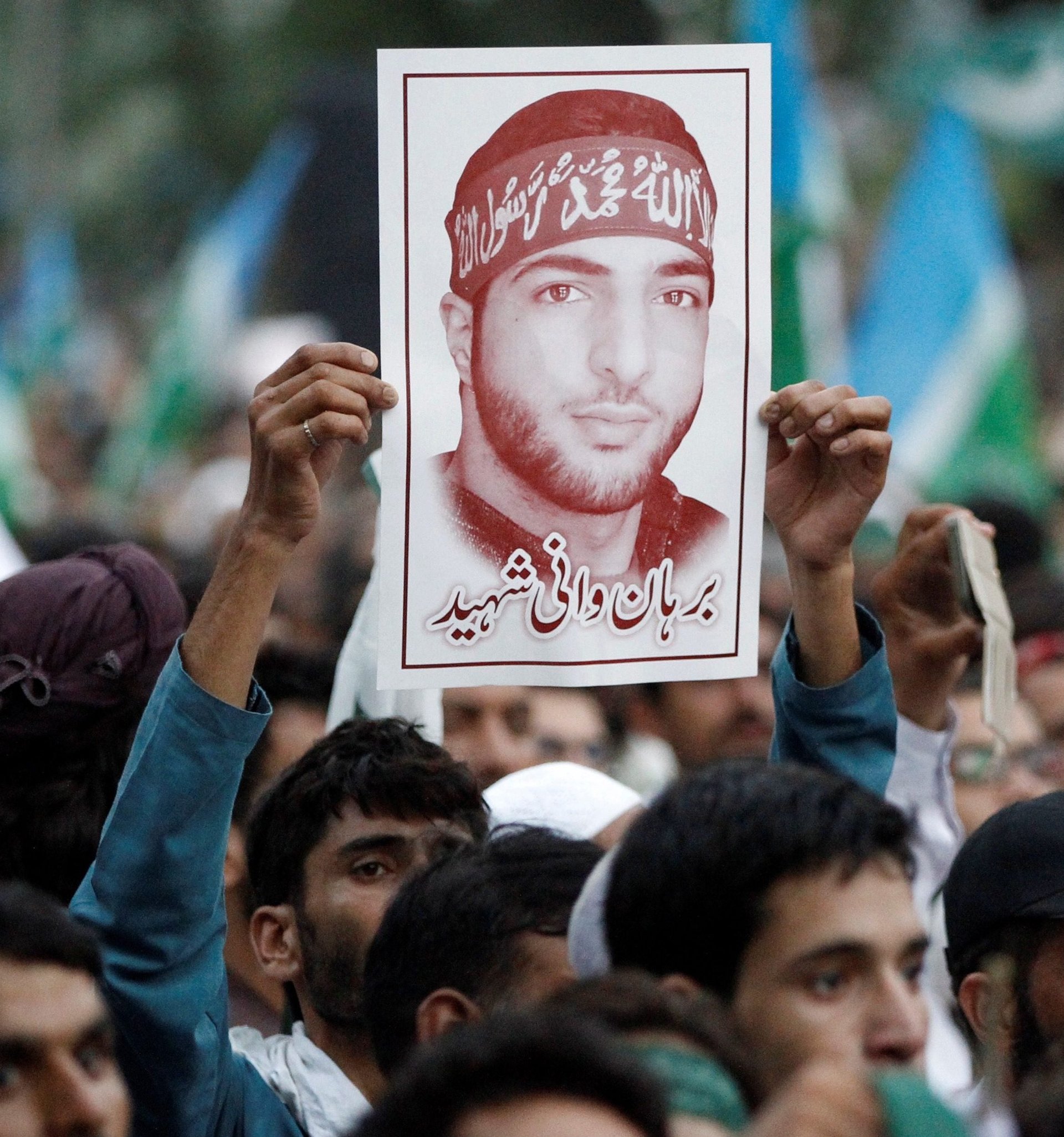
India has many names for armed separatist group Hizbul Mujahideen’s posterboy Burhan Muzaffar Wani—a terrorist, a militant—but none of them paint him as a hero.

At the Google I/O developer conference in May, Allo, the search giant’s contribution to the crowded messaging app market, was pitched as offering unparalleled privacy. But, in officially announcing its release in a blog post last night (Sept. 20), Google played up more common features: stickers, emojis, doodling on photos.

A region’s name is an identifying signifier of a collective ethnic, religious, and cultural group—being able to say you’re American or French or Nigerian not only links you to a geographic location, but also to a shared sense of values. Changing a region’s name can therefore either strengthen the sense of belonging in a group by making it more representative of them, or weaken it if those opposed are suddenly lopped with a new national identity they didn’t ask for.

For decades, Indian parents have been using pre-birth sex determination to abort their unborn girls. The country’s courts are doing what they can to put an end to the practice—and that means going after Silicon Valley.

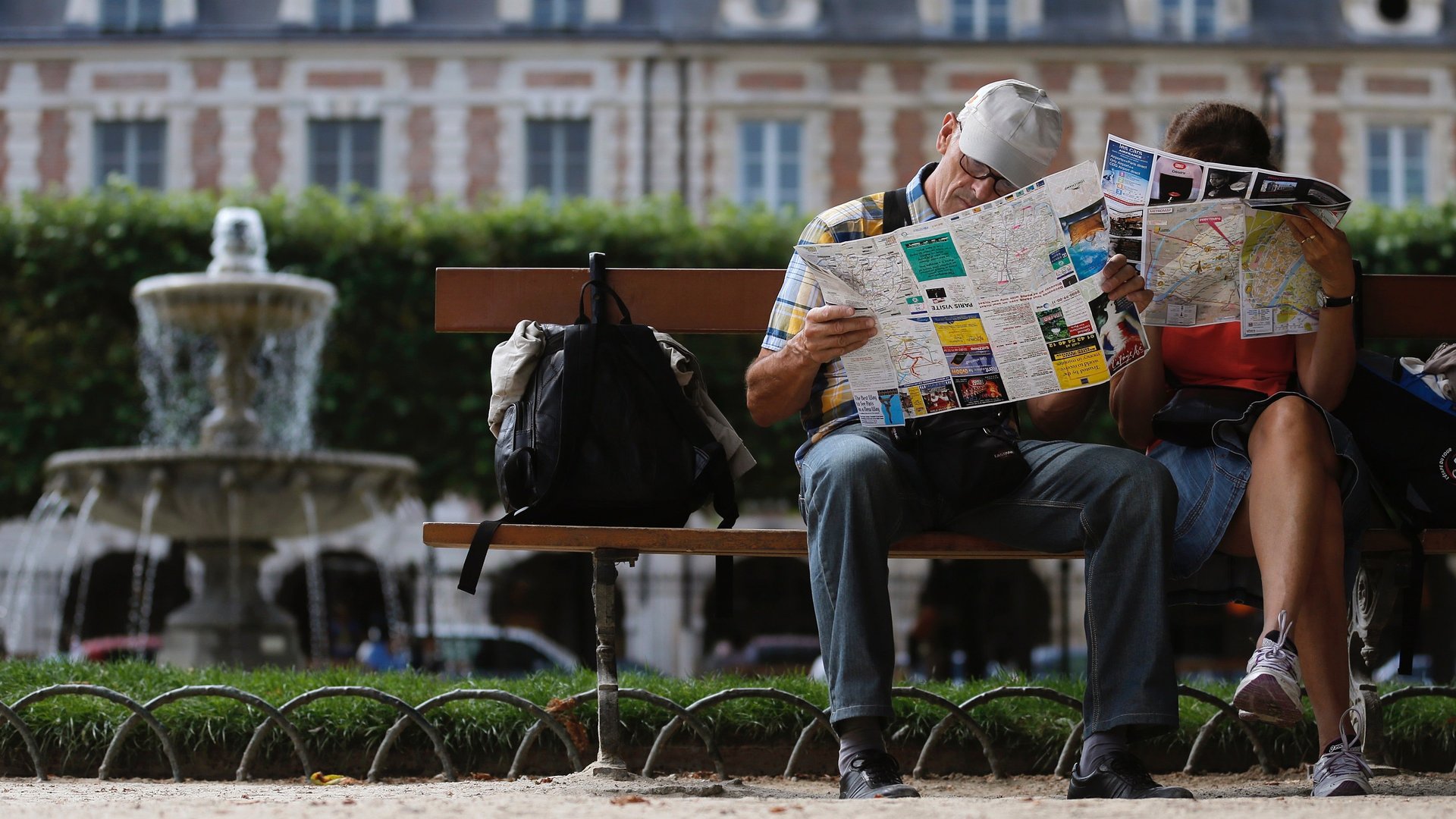
Google has a new app to help people create an instant itinerary for their trips.

As it battles for new users around the world, Facebook is turning to an executive with strong experience in India to give its Messenger app a boost.

Ahmad Khan Rahami, a suspect in the explosion that injured 29 in the Chelsea neighborhood of Manhattan over the weekend, is in custody after a shootout with the police in Linden, New Jersey, a senior law enforcement official told NBC New York.

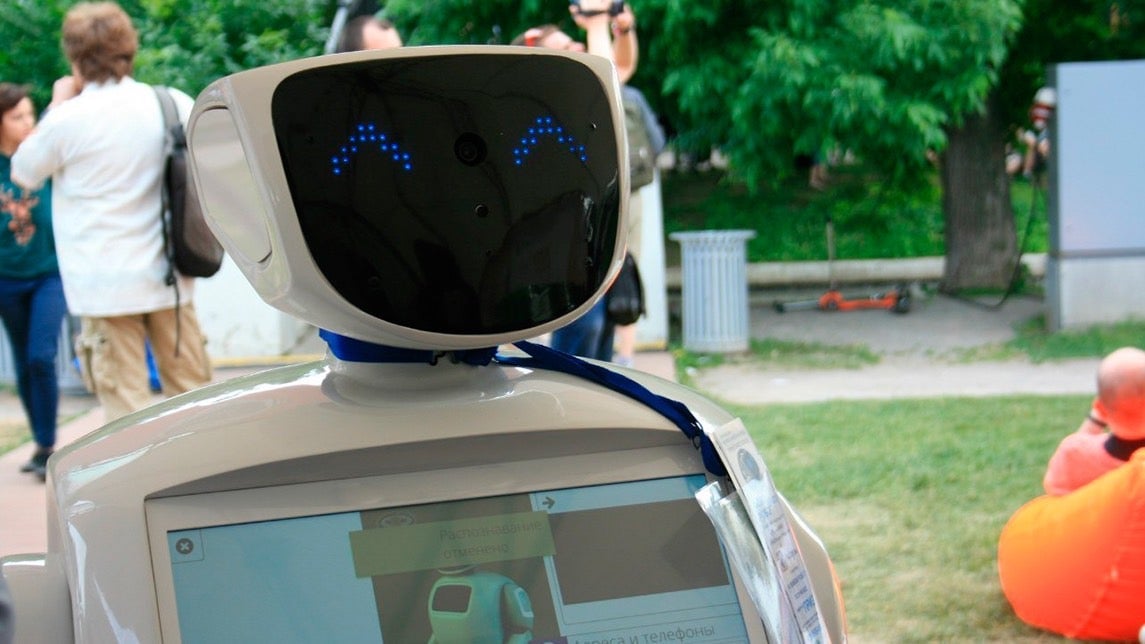
The robot that’s already gone rogue twice got arrested this week.

Silicon Valley has found yet another reason to lock heads with Narendra Modi’s increasingly-digital India: Aadhar.

Time spent within smartphone apps is still climbing upwards and Americans are once again finding new intriguing offerings from app publishers. But the real story in the app economy in 2015 was a group of super-users.

When Apple unveiled its latest line of iPhones last week, executives boasted about major enhancements to the camera, the longest battery life ever on an iPhone, and significant water resistance. But everyone was fixated on one thing: the headphone jack was gone.

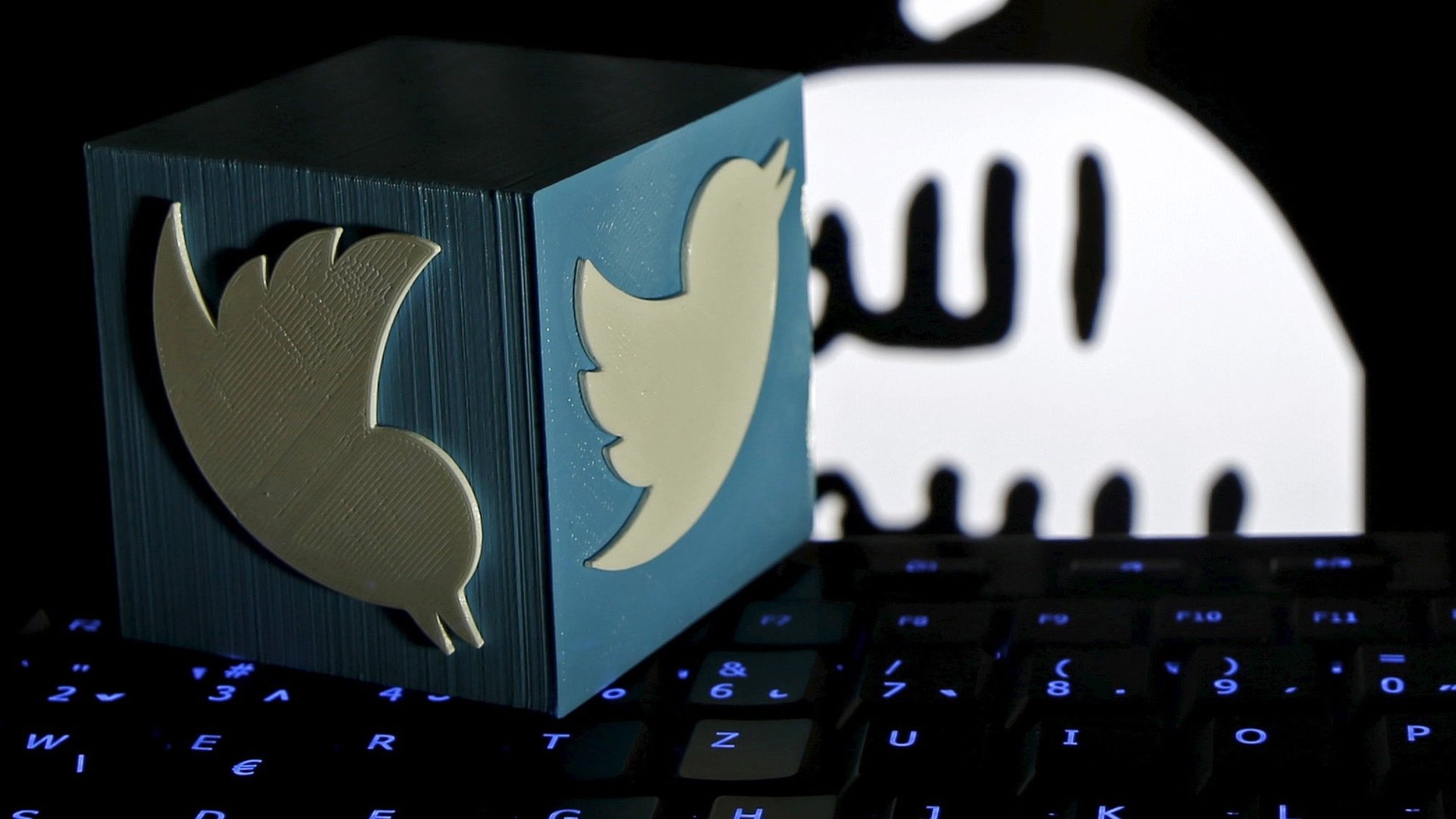
The world’s biggest search engine is joining the fight against the Islamic State on one of its most active fronts—the internet.

Twitter is making good on its promise to give users more room in tweets.

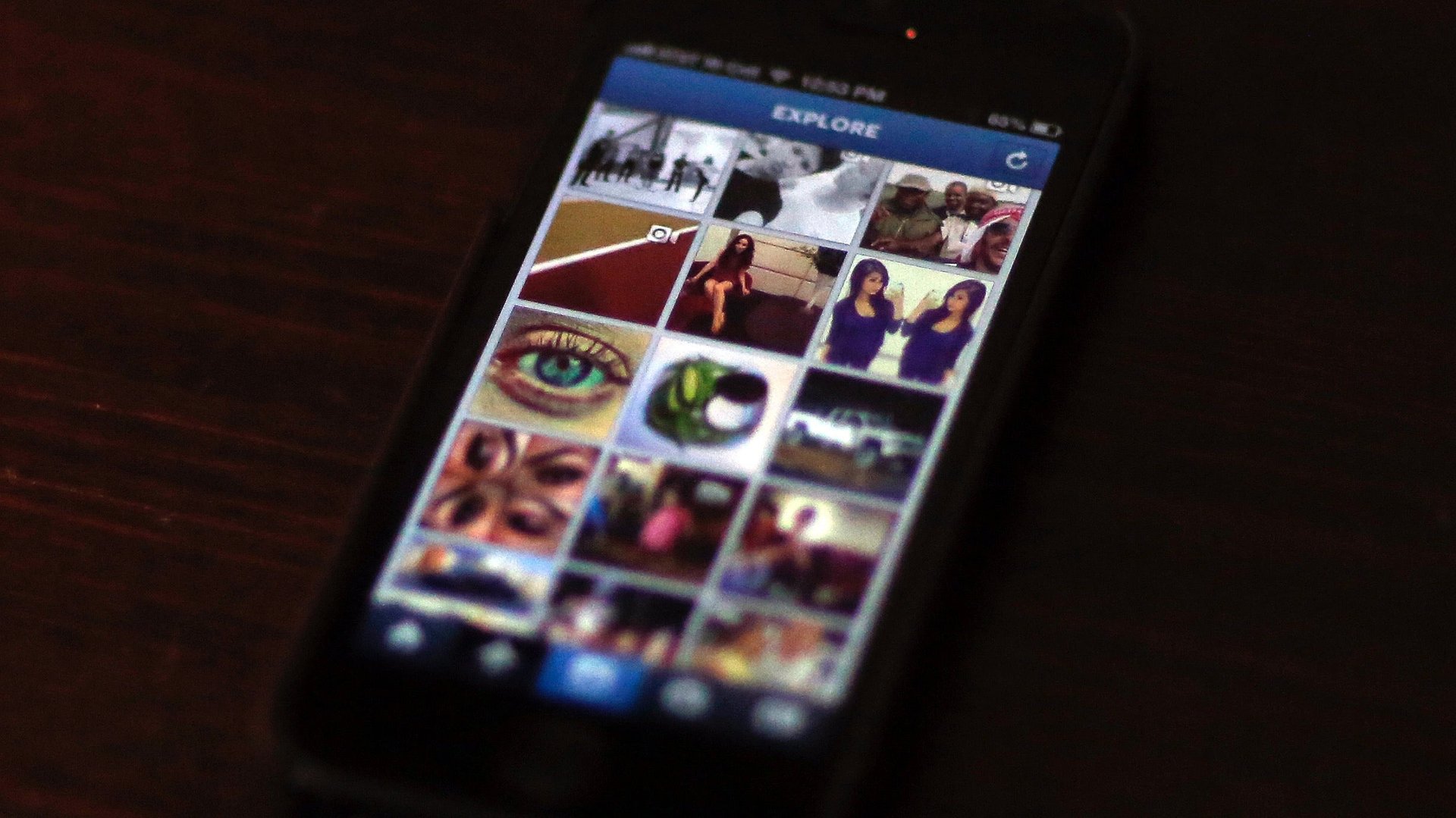
In July, Taylor Swift’s Instagram account was bombarded with commenters calling her a liar, and leaving rat and snake emojis as a result of her feud with Kim Kardashian and Kanye West. However, the barrage of negative comments were swept away by Instagram almost immediately. Swift’s special treatment revealed a gaping hole: the platform has real-time filtering technology, but not everyone is privileged enough to take advantage of it.

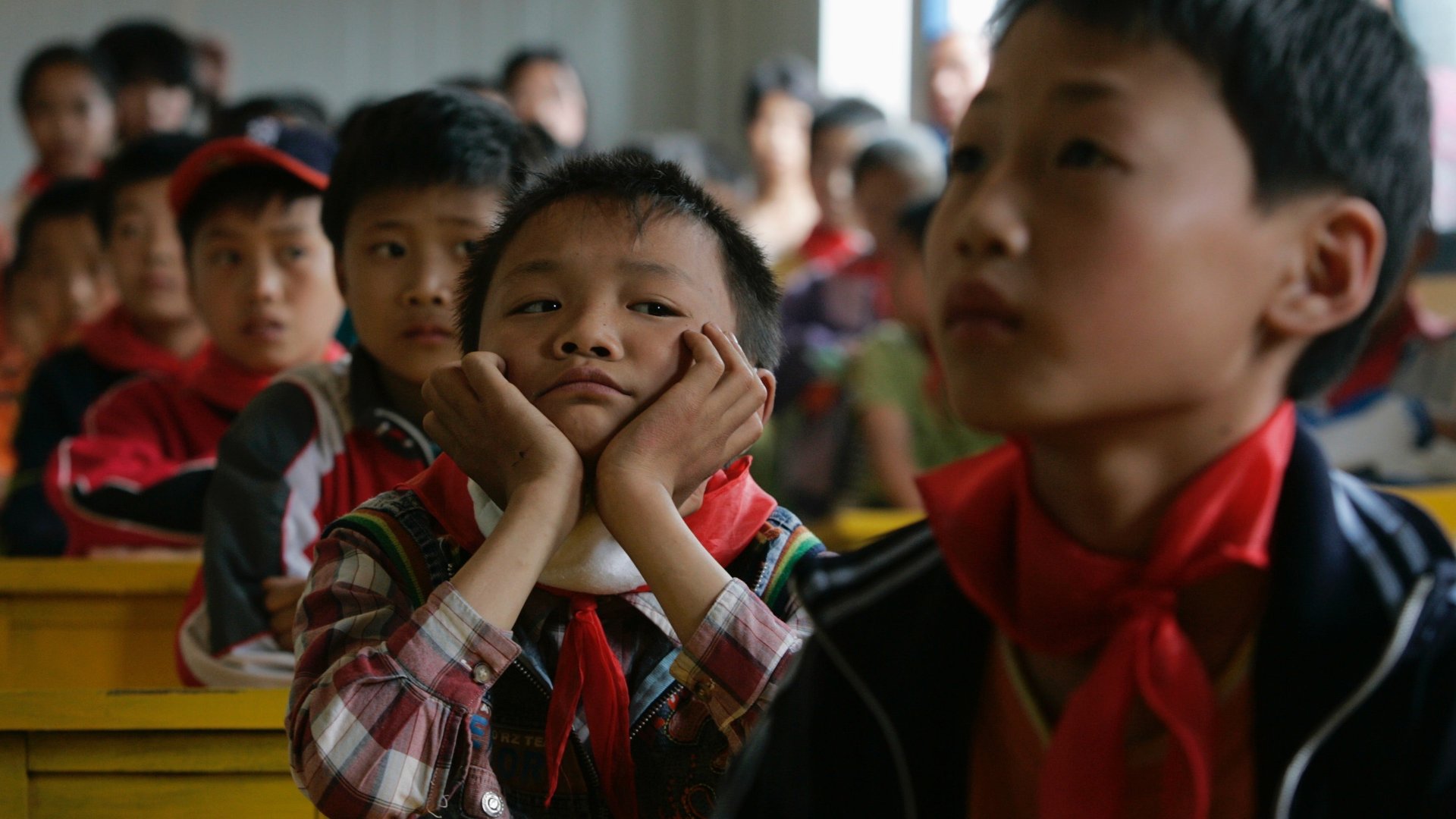
Students aren’t the only ones studying in a classroom at Sichuan University, China.

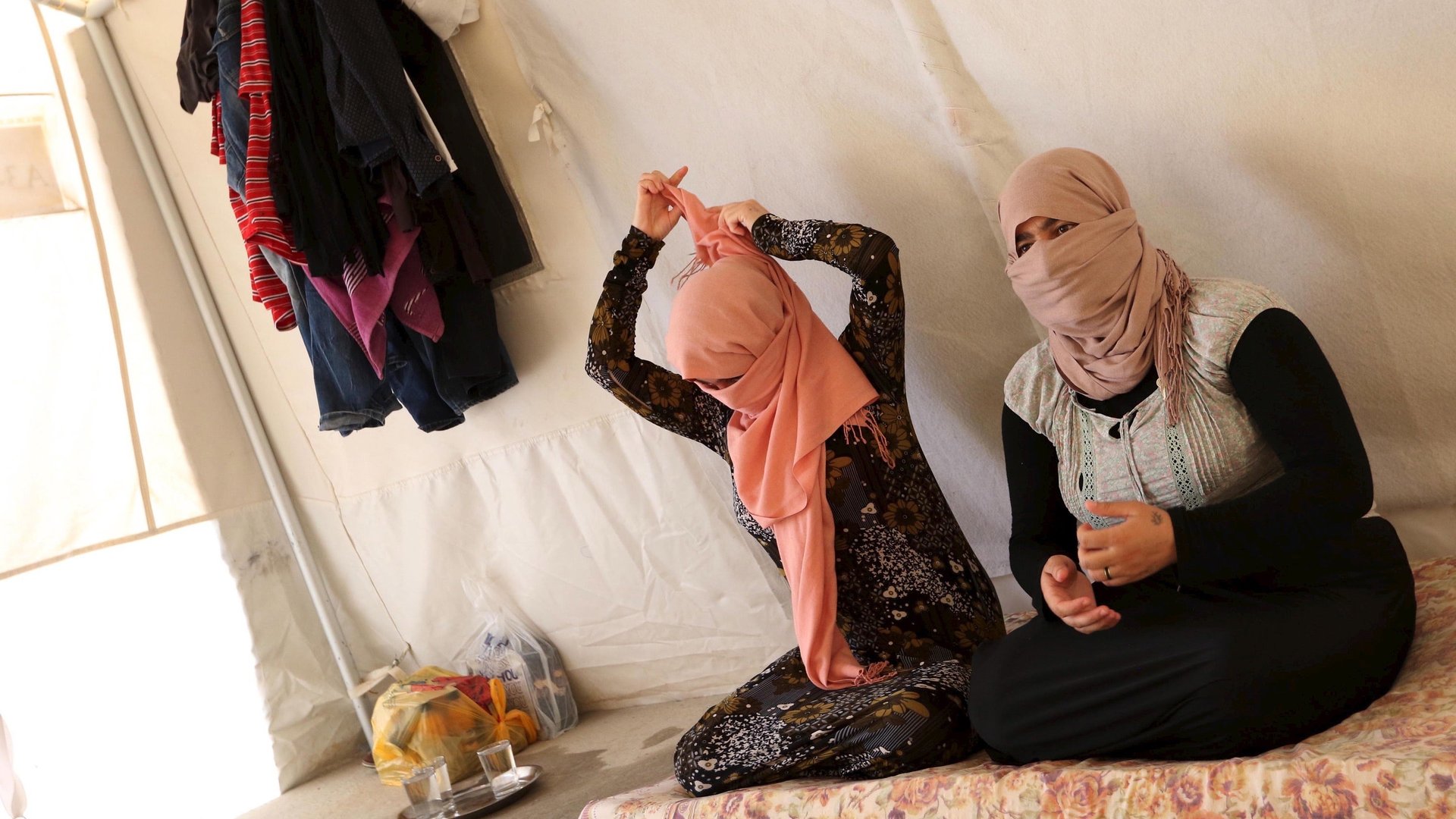
By now, ISIL’s use of social media as a recruitment tool is common knowledge. Less known is the group’s use of those same digital platforms to scout and lure sex slaves.

Facebook cofounder Dustin Moskovitz has pledged $20 million to fight Donald Trump’s bid for the White House.

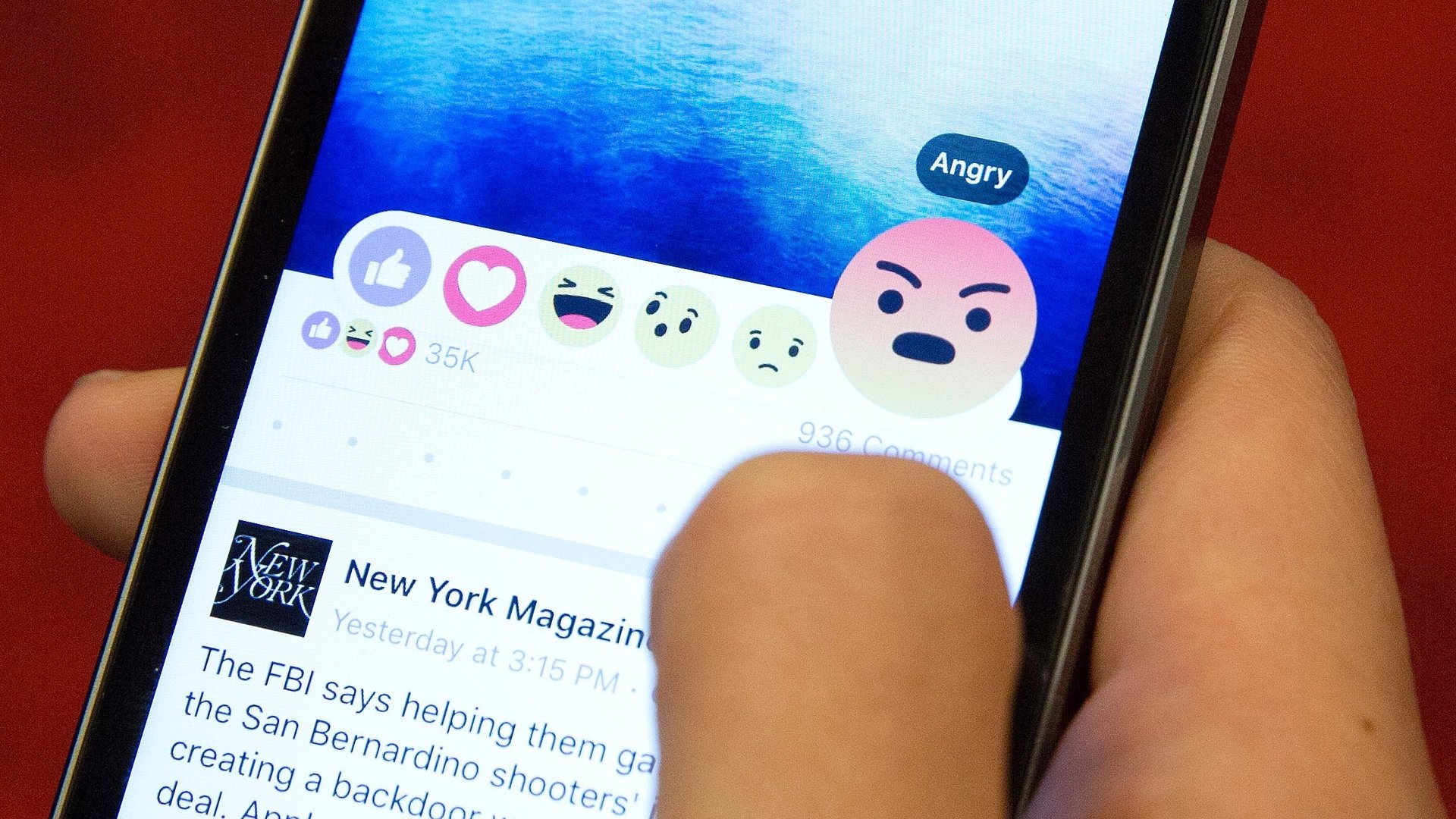
Facebook’s emoji reactions, which initially failed to impress after its February release, are starting to gain in popularity.

Irony has no place in the hermit kingdom.